George is a seasoned interior designer and property marketing strategist with over 13 years of experience. He specializes in transforming properties into visually stunning spaces, helping clients recognize the potential and beauty in each property. With an impressive international client base of exciting projects throughout Europe and America.
When it comes to purchasing a home, most people are familiar with the standard advice: get pre-approved for a mortgage, hire a realtor, and schedule a home inspection; there are overlooked home-buying tips, which are another level of due diligence for home buyers.
At TALLBOX, with our 15 years spent in marketing real estate, we have several crucial steps that often fly under the radar, leaving many homeowners with regrets after they’ve already signed on the dotted line. First-time home buyer guides do not go beyond the home inspection checklist, and that is where they fail buyers.
These lesser-known steps can make a significant difference in your long-term satisfaction with your new home and potentially save you from unforeseen headaches and expenses.

From checking cell phone reception, investigating local development plans, commute test to hiriting inspector, these tips will help you make a more informed decision and avoid common pitfalls in the home-buying process.
In this article, we’ll explore six important but frequently overlooked steps you should take before making one of the biggest investments of your life.
George Nicola, TALLBOX: As someone who’s been through the home-buying process multiple times, I can tell you there’s a world of difference between what real estate agents tell you and what you actually need to know. Sure, you’ve heard about getting pre-approved and hiring an inspector, but trust me, that’s just scratching the surface. There are crucial steps that most buyers overlook, and I’ve seen too many friends filled with regret because they didn’t know better.
Let me be straight with you: buying a home is more than just falling in love with a kitchen or imagining yourself in that backyard. It’s about understanding the full picture of what you’re getting into, and that means digging deeper than most people do. I’m talking about things like checking cell reception (yes, it matters more than you think) and scoping out the neighborhood when the sun goes down.
These might seem like minor details now, but take it from someone who’s been there – these are the things that can make or break your happiness in a new home. So before you get starry-eyed over crown molding or hardwood floors, let me walk you through six critical steps that could save you from making a six-figure mistake. This is what you really need to know before you sign on that dotted line.
#1 Property-Specific Investigations
As you consider making an offer on your dream home, you’ll want to get up close and personal with the property to guarantee it’s the right fit for you.
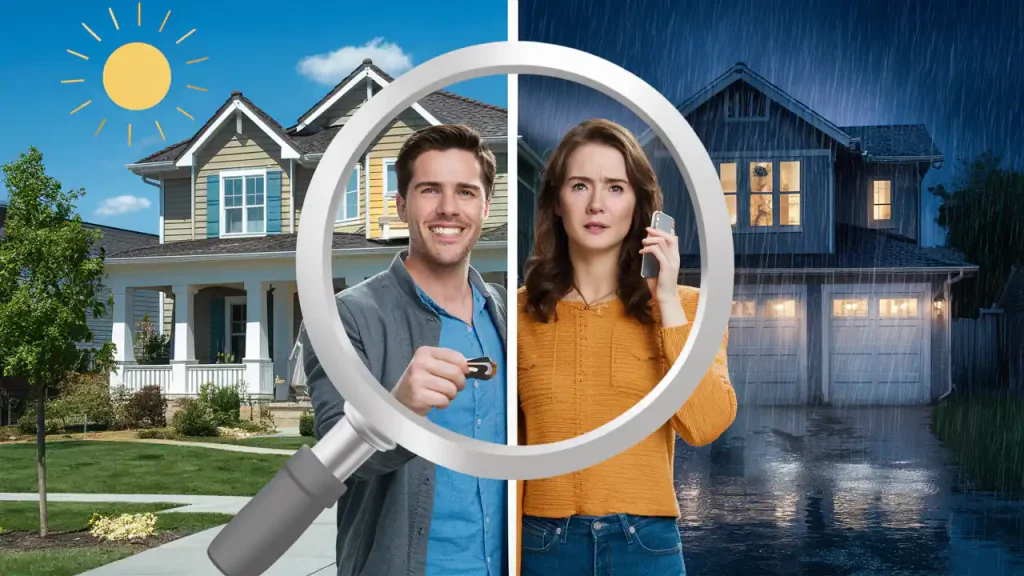
Now’s the time to check the little things that can make a big difference in your daily life, like cell phone reception – can you get a signal in every room, or are there dead zones?
You should likewise try to explore the property during different weather conditions, like on a rainy day or during a heatwave (if possible), to see how it holds up and whether any issues arise.
Check cell phone reception

Cell phone reception is a crucial factor when evaluating a property, so take a moment to check the signal strength in and around the home to guarantee it meets your needs. You don’t want to discover after moving in that your phone’s signal is spotty or non-existent.
Here are some things to evaluate when checking cell phone reception:
Check the signal strength: Walk around the property, inside and out, to see if the signal strength varies.
Test different networks: If you have friends or family with different cell phone providers, ask them to check their signal strength too.
Try making a call: While you’re checking the signal strength, make a test call to see if you can get a clear connection.
Check for dead spots: Are there any areas in the home or yard where the signal drops out completely?
Taking a few minutes to test the cell phone reception will give you a better idea of what to expect when you move in.
Explore during different weather conditions
Visit the property during rain or shine to uncover any potential issues that different weather conditions might reveal.
You’ll want to see how the property handles heavy rainfall, which can expose problems like leaky roofs, flooded basements, or inadequate drainage. Take note of any puddles or water damage, and check for signs of mold or mildew.
On a sunny day, inspect the property’s condition in bright light.
Check for any signs of wear and tear, such as cracks in the walls, faded paint, or worn-out roofing. Additionally, observe how the natural light affects the interior spaces, which can impact the ambiance and energy efficiency of the home.

#2 Research the Local Housing Market - Neighborhood Assessment
Understanding the local housing market is crucial for making informed decisions when purchasing a home. In today’s dynamic real estate landscape, thorough research can mean the difference between a sound investment and a costly mistake. Here’s an updated guide based on the latest US housing market data:
Start by collecting detailed information on recent property sales in your desired area:
- Median home price: $442,451 (as of June 2024, up 4.0% year-over-year)
- Average home value: $363,438 (as of June 30, 2024, up 3.8% over the past year)
- Median days on market: 32 days (up 3 days year-over-year)
This data provides a snapshot of the current market conditions and helps you gauge pricing trends.
Examine key market indicators to understand the overall health and direction of the market:
- Total homes for sale: 1,794,474 (up 14.9% year-over-year)
- New listings: 596,769 (down 1.9% year-over-year)
- Months of supply: 3 months
These figures can help you determine whether it’s a buyer’s or seller’s market and how competitive the landscape is.
Take advantage of websites and tools that provide real estate listings and market analyses:
- Zillow.com: 57.3 million monthly visitors
- Realtor.com: 30.1 million monthly visitors
- Trulia.com: 9.8 million monthly visitors
- Redfin.com: 8.3 million monthly visitors
These platforms offer valuable insights into property values, market trends, and neighborhood characteristics.
As you assess the neighborhood, remember that it’s not just about what you see in the daylight – you’ll likewise want to get a feel for the area at night.
Take a drive or walk around the neighborhood in the evening to see how it changes, and pay attention to the level of street lighting, noise, and overall atmosphere.
You’ll furthermore want to research local development plans to guarantee that the area is growing and improving in ways that will enhance your quality of life.

Connect with experienced local agents who can offer.
- In-depth knowledge of specific neighborhoods
- Insights into upcoming developments affecting property values
- Understanding of local market trends and buyer preferences
As the team behind Home Tulum emphasizes, local agents possess invaluable on-the-ground insights that can complement your online research.
Investigate the neighborhood at night
Nighttime can reveal a neighborhood’s true character, so take a drive or walk around the area after dark to get a better sense of what to expect if you live there. You might be surprised at how different it looks and feels compared to the daytime. Pay attention to the noise levels – are there any loud bars or clubs nearby that might keep you awake at night? Are the streets well-lit, or are there areas that seem dimly lit and potentially unsafe?

Here are some things to reflect on when investigating the neighborhood at night:
Check the noise levels – is it generally quiet, or are there a lot of loud noises from traffic, bars, or neighbors?
Observe the street lighting – are the streets well-lit, or are there areas that seem dimly lit?
Get a sense of the general atmosphere – does it feel safe and welcoming, or are there areas that seem run-down or deserted?
Take note of any potential hazards – such as dark alleys or abandoned buildings.
Be aware of significant regional differences in the US housing market:
- Most expensive state: Hawaii (median home value of $856,327)
- Least expensive state: West Virginia (median home value of $160,044)
These variations underscore the importance of focusing on hyper-local data for your specific area of interest.
Research local development plans
To get a clearer picture of the neighborhood’s future, you’ll want to research the local development plans and see how they might impact your quality of life and property value. A great place to start is by checking with the local planning department to get the scoop on upcoming projects and initiatives.
You can additionally look for construction projects in the pipeline, such as new buildings, roads, or public spaces. These can be exciting opportunities for growth, but likewise potential sources of noise, mess, and disruption.

Investigating potential zoning changes is likewise essential. Zoning laws can affect the types of businesses or developments that are allowed in the area, which can impact property values and the overall vibe of the neighborhood.

You might want to ask about any proposed zoning changes or variances that could impact the area. By doing your research, you’ll be better equipped to make an informed decision about your home purchase and guarantee that you’re buying into a neighborhood that aligns with your needs and preferences.
#3 Lifestyle Compatibility
When evaluating a home’s lifestyle compatibility, you should carefully consider how the location aligns with your daily routine, particularly your commute.

You’ll want to test the commute to get a realistic sense of what your daily travel will be like.
Here are some key things to check:
- Do a trial run during rush hour to see how long it takes to get to work or school.
- Assess realistic travel times, considering the time of day and potential traffic issues.
- Identify potential traffic issues, such as road construction or traffic congestion.
- Consider alternative routes or modes of transportation, such as public transit or bikeability.
#4 Specialized Inspections
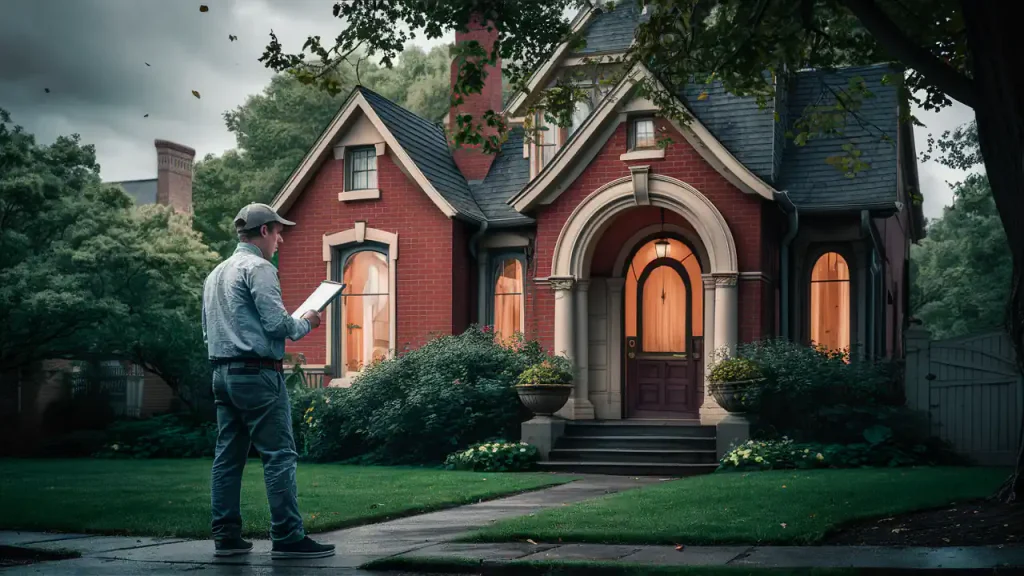
Beyond the standard home inspection, you’ll want to contemplate hiring specialized inspectors to examine specific systems and potential issues in the property. Think of it like getting a second opinion from a specialist doctor – you want to make sure everything is in top shape before making a huge investment.
You’ll want to hire separate inspectors for specific systems, like the HVAC, electrical, and plumbing systems. These inspections can reveal hidden problems that mightn’t be immediately apparent. For instance, an HVAC inspection can detect issues with the heating and cooling systems, while an electrical system inspection can identify potential fire hazards.

A plumbing system inspection can likewise detect leaks or other issues that might lead to costly repairs down the line. Additionally, consider hiring a structural inspector to examine the property’s foundation and a pest and rodent inspector to check for unwanted critters.

These specialized inspections can give you a more complete picture of the property’s condition and help you avoid costly surprises later on. By investing in these inspections, you’ll be able to make a more informed decision about your dream home.
#5 Future-Proofing Considerations
As you weigh the pros and cons of your potential dream home, you’ll likewise want to think about its long-term prospects, including how the neighborhood might change and whether the property’s value is likely to appreciate or depreciate over time.
You’re not just buying a home; you’re investing in a community, and it’s vital to reflect on how that community might evolve.

When evaluating a home’s future-proofing, ponder the following key factors:
- The quality of local schools and their potential impact on property values
- The likelihood of new businesses, infrastructure, or developments in the area
- The neighborhood’s vulnerability to natural disasters or environmental concerns
- The overall trend of the local real estate market
- Working with experienced real estate agent
These factors will help you assess the potential for property value changes and long-term neighborhood development.
By thinking ahead, you can make an informed decision that meets your needs today and tomorrow.
#6 Hidden Costs Analysis

Evaluating a home’s hidden costs involves more than just calculating your monthly mortgage payment, requiring you to dig deeper into expenses that can add up quickly.
You’ll want to contemplate the potential repair costs that may arise down the line. Specialized inspections can give you a better idea of what to expect.
For instance, you might hire a plumber to inspect the pipes or an electrician to check the wiring. This will help you estimate the costs of any necessary repairs or replacements.

You should additionally research local utility rates and average costs to get a sense of what your monthly bills will look like. This includes electricity, water, gas, and trash removal.
Don’t forget to factor in any homeowner association fees, property taxes, and insurance premiums. By taking the time to analyze these hidden costs, you’ll get a more accurate picture of what homeownership will really cost you.
This will help you avoid any surprise expenses and guarantee that you’re making a smart investment in your new home. With a clear understanding of the costs involved, you’ll be better equipped to make an informed decision.
What can go wrong with not inspecting?
When it comes to Hidden Costs Analysis in home buying, several things can go wrong or be overlooked. Here are some examples of what can “go wrong” (or “wroge” as you humorously put it) with Hidden Costs Analysis:
- Underestimating property taxes: Many buyers focus solely on the listed price and mortgage payments, forgetting that property taxes can significantly increase monthly expenses. These taxes can rise unexpectedly, especially in rapidly developing areas.
- Overlooking HOA fees: In communities with Homeowners Associations, buyers might not factor in the sometimes substantial monthly or annual fees. These can increase over time and may come with special assessments for major repairs or improvements.
- Misjudging utility costs: Buyers often fail to research the average utility costs for a property, which can vary dramatically based on the home’s size, age, and energy efficiency. Older homes or those with poor insulation can lead to surprisingly high heating and cooling bills.
- Ignoring maintenance and repair costs: New homeowners might not budget for routine maintenance or unexpected repairs. Things like roof replacement, HVAC system updates, or plumbing issues can be extremely costly.
- Forgetting about insurance premiums: Home insurance is a must, but the premiums can vary widely based on location, home value, and risk factors. Buyers in flood-prone or high-crime areas might face unexpectedly high insurance costs.
- Underestimating closing costs: These can include loan origination fees, appraisal fees, title insurance, and more. Buyers who don’t account for these upfront costs might find themselves short on cash at closing.
- Neglecting to consider future renovations: If a buyer plans to renovate or upgrade parts of the home, these costs should be factored into the overall budget. Failing to do so can lead to financial strain down the line.
- Overlooking the cost of new furniture and appliances: Especially for first-time buyers, the cost of furnishing a new home or replacing outdated appliances can be a significant hidden expense.
- Misjudging commute costs: If the new home is farther from work or amenities, increased fuel costs, vehicle maintenance, or public transportation fees can add up quickly.
- Failing to account for landscaping and outdoor maintenance: Lawn care, snow removal, or maintaining a pool can be ongoing expenses that buyers might not initially consider.
- Ignoring potential increases in income tax: In some cases, homeownership can affect your tax situation, potentially pushing you into a higher tax bracket if you’re claiming mortgage interest deductions.
- Overlooking pest control costs: Depending on the location and condition of the home, regular pest control services might be necessary, adding to monthly expenses.
Final words
You’ve made it through the six lesser-known important home buying steps!
By now, you’re well-equipped to tackle property-specific investigations, assess neighborhoods, and consider lifestyle compatibility.
You’ve likewise learned about specialized inspections, future-proofing, and hidden costs analysis.
As you commence on your home buying journey, remember to stay vigilant and thorough in your research.
With these steps in mind, you’ll be better prepared to find your dream home and make a smart, informed investment.