George is a seasoned interior designer and property marketing strategist with over 13 years of experience. He specializes in transforming properties into visually stunning spaces, helping clients recognize the potential and beauty in each property. With an impressive international client base of exciting projects throughout Europe and America.
When designing your bedroom, it’s easy to make mistakes that can turn your relaxing retreat into a cluttered, chaotic space. You might choose mismatched colors that create visual chaos, ignore room dimensions and end up with oversized furniture, or clutter your space excessively, making it difficult to unwind.
Do not overlook lighting needs, neglect maintenance-aided design, or ignore natural light sources, leading to a gloomy atmosphere. Additionally, selecting uncomfortable furniture or ignoring personal preferences can make your bedroom feel impersonal and uninviting. By being aware of these common mistakes, you can create a harmonious and restful space that truly feels like your own, and discover even more ways to perfect your bedroom sanctuary.
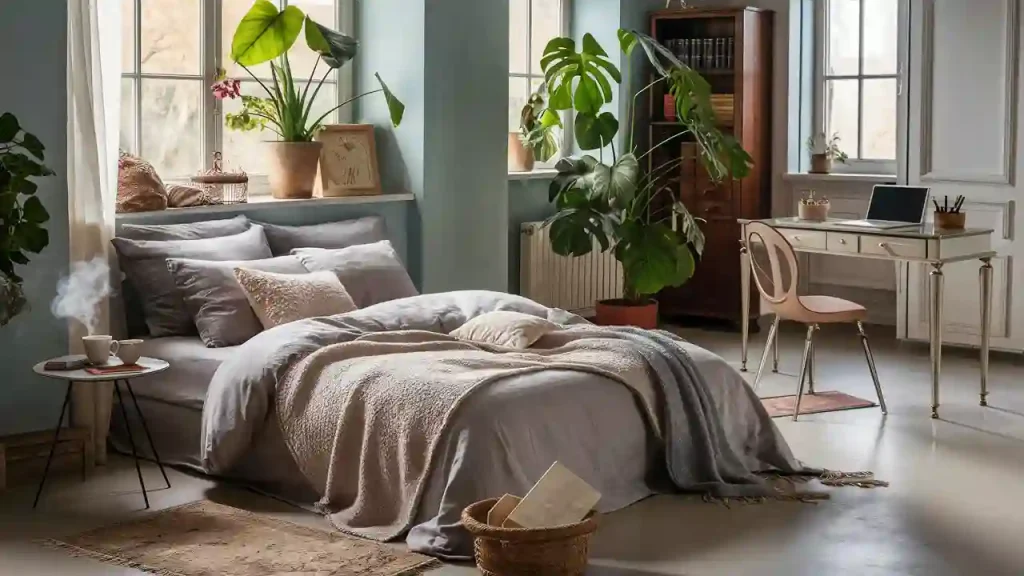
Choose mismatched colors
When designing your bedroom, choosing mismatched colors is a common mistake that can make the space feel chaotic and overwhelming. To avoid this, you can use the 60-30-10 rule, where 60% of the room is a dominant color, 30% is a secondary color, and 10% is an accent color. This will help you create a cohesive color palette that promotes relaxation and serenity.
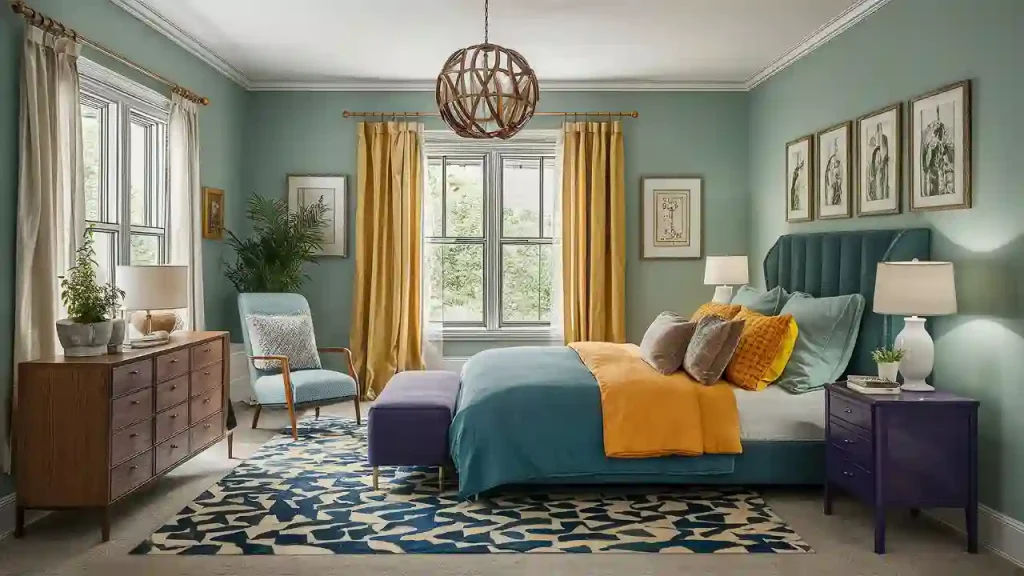
You can choose from various color schemes, such as monochromatic, complementary, or analogous. For example, a monochromatic scheme features different shades of the same color, like light blue walls, navy bedding, and cerulean accents. A complementary scheme pairs colors that are opposite each other on the color wheel, like purple and yellow. An analogous scheme features colors that are next to each other on the color wheel, like green, blue, and purple.
Remember to test paint samples on your walls and observe them in different lighting conditions before committing to a specific color scheme. This will guarantee that the colors you choose will look great in your bedroom and create a peaceful atmosphere that promotes restful sleep.
Ignore room dimensions
Just as a harmonious color palette enhances your bedroom’s ambiance, considering the room’s dimensions is key to creating a balanced and functional space. When designing your bedroom, you need to take into account the room’s size to make the most of it.
If you have a small room, you can create the illusion of space by using light colors such as soft gray or pale blue on the walls. Vertical stripes can also make ceilings appear higher. Choose furniture with exposed legs to create a sense of openness, making the room feel more spacious.
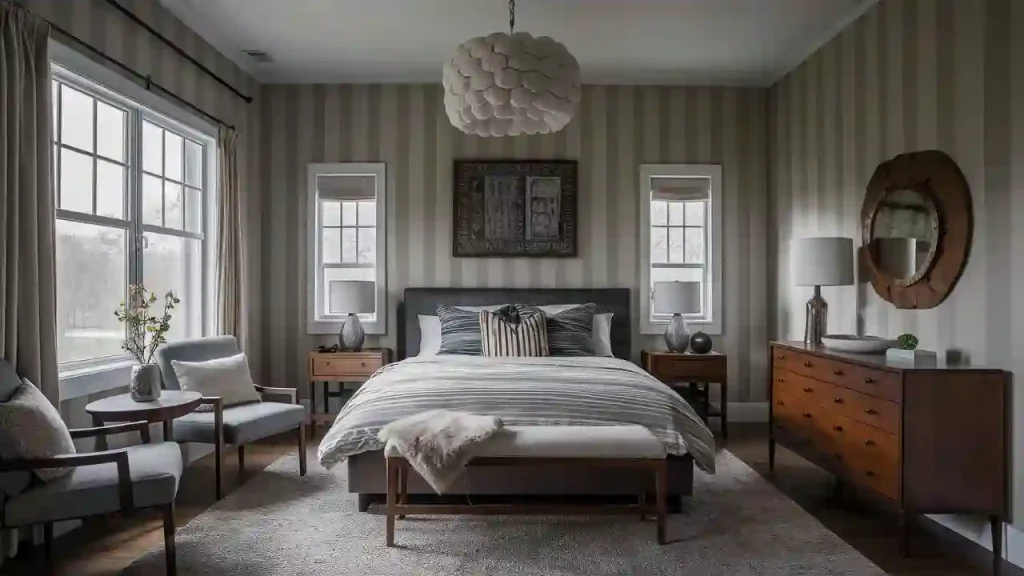
On the other hand, if you have a large room, you can use darker colors like deep navy or forest green to create a cozy atmosphere. Adding an accent wall can help break up expansive spaces and create a more intimate feel. Area rugs can also be used to define different zones within the room, making it feel more manageable and inviting.
Clutter space excessively
One of the quickest ways to ruin a bedroom’s ambiance is to clutter the space excessively, making it feel cramped, chaotic, and anything but relaxing. When you clutter your bedroom, you’re not just filling it with stuff – you’re also creating an environment that can negatively impact your mental and physical well-being.
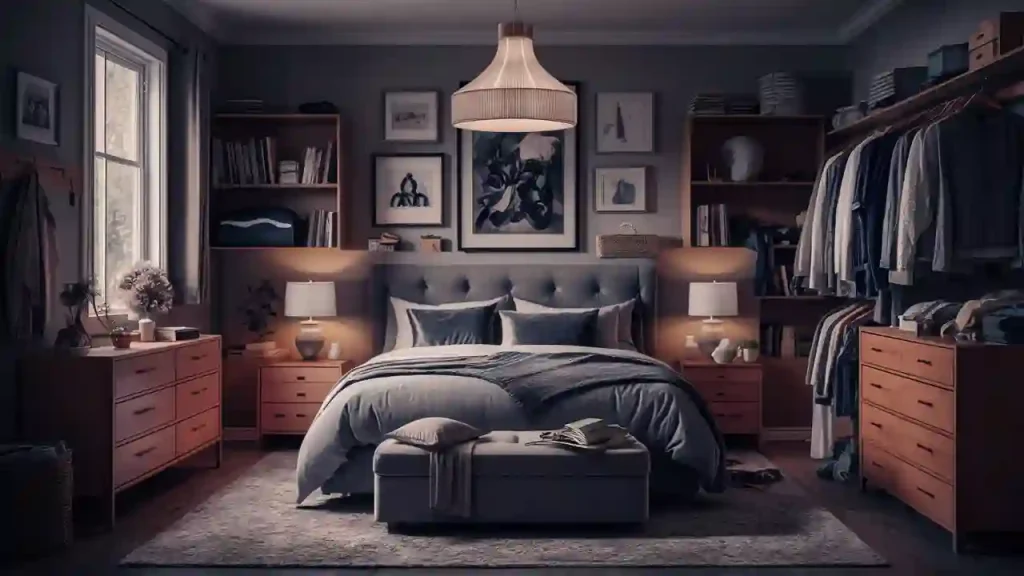
To avoid this mistake, it’s crucial to adopt a decluttering mindset and organize your belongings thoughtfully. Implement the ‘one in, one out’ rule to prevent clutter from building up in the first place.
You can also use multi-functional furniture with built-in storage, such as a bed frame with drawers underneath or an ottoman with a hidden storage compartment. Nightstands with multiple drawers can also help keep clutter at bay.
For closets, use space-saving solutions like hanging organizers for shoes or accessories, vacuum-sealed bags for out-of-season clothing, and drawer dividers for smaller items as watches, socks or other types of clothing accessories.
Select oversized furniture
How often do you find yourself squeezed between a massive dresser and a gigantic bed, wondering how a room meant for relaxation became a claustrophobic nightmare? The culprit behind this common bedroom blunder is often oversized furniture.
When selecting furniture, it’s crucial to assess the room’s dimensions. Leave at least 2-3 feet of walking space around the bed to maintain a comfortable and airy atmosphere. Choose a bed size that allows for at least 2 feet of clearance on three sides, ensuring you can move around it freely.

For smaller rooms, think about wall-mounted or floating furniture, which creates the illusion of more space. Opt for wall-mounted nightstands, floating shelves instead of bulky bookcases, or even a Murphy bed for dual-purpose spaces.
These space-saving solutions allow you to create a functional and relaxing room without the clutter. By picking furniture that fits your room’s dimensions, you can avoid turning your bedroom into a cramped cave and instead, enjoy a peaceful retreat that you’ll love spending time in.
Make smart choices and give yourself the gift of a serene bedroom.
Overlook lighting needs
Neglecting to create a thoughtful lighting plan can transform your bedroom from a serene oasis to a dark and dismal cave, leaving you stumbling through daily routines and struggling to unwind at night.

You should take a layered approach to lighting, combining ambient, task, and accent lighting to create a harmonious and functional space. Install dimmer switches to adjust the mood and brightness with ease, allowing you to shift from a relaxing ambiance to a brighter, more energized atmosphere.
In addition to artificial lighting, don’t overlook the importance of natural light. Use sheer curtains to permit more daylight while maintaining your desired level of privacy.
Strategically position mirrors to reflect and amplify the natural light, making your room appear brighter and more spacious. Consider adding a stylish pendant light or chandelier as a focal point, not only providing additional lighting but also elevating the overall aesthetic of your bedroom.
Use too many patterns
While a well-designed lighting plan can elevate your bedroom’s ambiance, a poorly balanced mix of patterns can have the opposite effect, overwhelming the space and making it feel cluttered and chaotic. You want to create a cohesive look, not a visually exhausting one.
To achieve this, consider the 60-30-10 rule when combining patterns. Allocate 60% of the room to a dominant pattern, 30% to a secondary pattern, and 10% to an accent pattern. This will help maintain balance and harmony in the space.

When incorporating patterns through fabrics, layer different textures in your bedding, such as crisp cotton sheets, a plush comforter, and a knit throw. This adds depth and visual interest to the room without overwhelming it.

Consider using a color wheel to choose complementary or analogous colors that work well together. By limiting the number of patterns and carefully selecting those that complement each other, you’ll create a peaceful and inviting bedroom that promotes relaxation and restful sleep.
Ignore storage solutions
Your bedroom’s clutter can quickly spiral out of control if you don’t incorporate effective storage solutions into your design. When you ignore storage, you’ll find yourself dealing with a messy, disorganized space that doesn’t promote relaxation.
To avoid this, consider incorporating furniture with built-in storage, like an underbed storage container or a dresser with drawers.
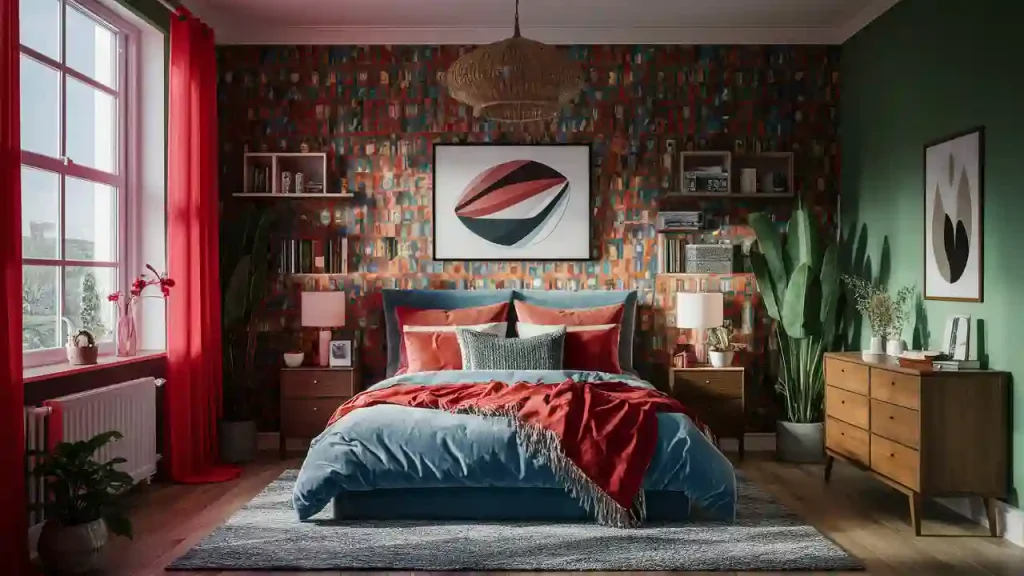
You can also use wall-mounted shelves, hooks, or cabinets to maximize your room’s vertical space and keep your floors and surfaces clear.
If you have a smaller room, opt for floating furniture that doubles as storage, like a storage headboard or a floating nightstand with drawers. This will help you create a functional layout that prioritizes clear pathways and avoids obstructing doors or windows.
Neglect ventilation
You can instantly compromise your bedroom’s air quality and overall comfort if you don’t prioritize ventilation in your design. Proper ventilation is key to maintaining a healthy and relaxing environment, and it’s easier to achieve than you think.
One simple solution is to install a ceiling fan with reversible blades, allowing you to use it year-round. Look for a model with multiple speed settings to customize airflow to your liking.

In addition, use window treatments strategically to control ventilation and maintain privacy. Top-down, bottom-up shades are a great option, as are lightweight, breathable curtains that allow air to circulate.
For a more thorough approach, consider implementing a whole-house ventilation system, such as a heat recovery ventilator (HRV) or energy recovery ventilator (ERV). Don’t forget to install exhaust fans in adjacent bathrooms and kitchens to remove excess moisture.
Forget functional layout
In the pursuit of style and aesthetics, functionality often takes a backseat, leading to a bedroom layout that’s more frustrating than relaxing. You might’ve focused on selecting the perfect furniture pieces, but if you forget to create a functional layout, your bedroom won’t be as enjoyable as you’d like.
To avoid this mistake, make certain there’s a clear path from your bed to the door and bathroom – you don’t want to be dodging furniture in the middle of the night. Leave at least 2-3 feet of walking space around your bed, so you can move around comfortably.
Position your bed in a way that allows you to easily access both sides, and place nightstands within arm’s reach. Arrange your furniture to create distinct zones for sleeping, dressing, and relaxing. This won’t only make your bedroom more functional but also help you establish a relaxing routine.
Overdecorate walls
Too many decorative pieces on the walls can quickly turn a peaceful bedroom into a visually overwhelming space that’s more chaotic than calming.
When you’re decorating your bedroom walls, it’s important to strike the right balance between aesthetics and serenity. To achieve this, follow the 60-30-10 rule: 60% of the room should feature a dominant color, 30% a secondary color, and 10% an accent color. This will create a harmonious atmosphere that promotes relaxation.
Rather than cluttering your walls with many small items, choose one or two focal pieces that make a statement. This will draw your eye to a specific area of the room, creating a sense of visual calm.
If you want to make your room feel more spacious, consider using a large mirror. Not only will it create the illusion of a larger space, but it will also add a touch of elegance.
For a cohesive look, consider creating a gallery wall with matching frames. By thoughtfully curating your wall decor, you’ll create a peaceful retreat that’s perfect for unwinding after a long day.
Choose impractical materials
While a well-curated wall decor can elevate the ambiance of a bedroom, the choice of materials for furnishings and finishes can greatly impact the room’s functionality and maintenance.
When designing your bedroom, you’ll want to avoid choosing impractical materials that can make your life harder. Don’t opt for delicate fabrics that stain easily or are a pain to clean. Instead, choose washable fabrics for your bedding and window treatments, and select stain-resistant upholstery for any seating in the room.
You’ll also want to think about the flooring in your bedroom. Choose options that are easy to clean, like hardwood or low-pile carpet. These will make it a breeze to vacuum or sweep, keeping your bedroom tidy with minimal effort.
When it comes to the walls, use wipeable paint finishes on both the walls and trim. This will make it easy to clean up any scuff marks or spills, ensuring your bedroom stays looking fresh and clean.
Neglect cleaning
Neglecting cleaning is a surefire way to turn your serene retreat into a chaotic mess, undermining the relaxing ambiance you’ve worked so hard to create. By not prioritizing cleanliness, you’ll struggle to unwind and recharge in a cluttered and dirty environment.
To maintain a tranquil space, start by making your bed daily and doing a quick 10-minute tidy each morning. This simple habit helps establish a sense of organization and sets the tone for a productive day.
In addition to your daily routine, schedule time for more thorough cleaning tasks. Vacuum or sweep floors weekly to eliminate dust and dirt buildup. Wash your bedding every 1-2 weeks to guarantee it stays fresh and clean.
Deep clean your bedroom quarterly, paying attention to often-overlooked areas such as light fixtures and baseboards. By staying on top of cleaning, you’ll be able to preserve the relaxing atmosphere you’ve carefully curated in your bedroom.
Ignore safety considerations
Ignoring safety considerations in your bedroom design can put you and others at risk of injury or worse, making it essential to implement key safety measures to create a secure retreat. You need to take proactive steps to guarantee your bedroom is a safe haven.
Start by securing heavy furniture to walls to prevent tipping, which can cause serious injury, especially to children. You should also cover electrical outlets to avoid electrical shock. Another important step is to use cordless window coverings to avoid strangulation hazards.
Installing smoke detectors and carbon monoxide alarms is fundamental for detecting potential fires and gas leaks. These devices can save lives, so make certain to test them regularly. Finally, keep a fire extinguisher easily accessible in case of an emergency.
Use clashing styles
One of the most common bedroom design mistakes you can make is combining styles that clash, resulting in a disjointed and uninviting space. You might be drawn to both modern and traditional styles, but mixing them can create a confusing and chaotic atmosphere.

To avoid this, choose a primary design style that resonates with you, such as modern, traditional, or Scandinavian. Each style has its unique characteristics, like modern’s clean lines and minimal decor, traditional’s classic furniture and rich colors, or Scandinavian’s light woods and functional furniture.
Once you’ve selected your style, use a consistent color palette to tie everything together. Pick 3-5 colors that complement each other, like navy blue, light gray, white, and gold accents.
Balance different elements within your chosen style by mixing textures, such as smooth leather with rough linen, and incorporating both hard and soft elements, like a wooden bed frame with plush bedding.
By maintaining a cohesive style, you’ll create a harmonious and inviting bedroom that reflects your personal taste. This thoughtful approach will guarantee that your bedroom design is both aesthetically pleasing and functional.
Overlook electrical outlets
When designing your bedroom, don’t let a lack of accessible outlets turn your relaxing retreat into a frustrating space. You need outlets to keep your devices charged, but you also want to keep your bedroom clutter-free and peaceful. To achieve this balance, install additional outlets on both sides of the bed for convenient device charging. Contemplate USB-integrated outlets for modern convenience.
You can also use smart power strips to increase accessible outlets. Place a power strip behind furniture, and choose strips with surge protection for electronics safety.
Another option is to contemplate furniture with built-in charging, such as nightstands with wireless charging pads or USB ports, or headboards with integrated outlets and USB ports.
Block pathways
By blocking pathways, you can easily turn your bedroom into a confusing and potentially hazardous space that undermines relaxation. To avoid this mistake, it’s vital to guarantee clear pathways throughout the room.
A good rule of thumb is to maintain at least 3 feet of clear space around the bed and main walkways. This allows for easy navigation, even in the middle of the night. Make certain there’s a clear path from the bed to the door, so you can exit the room quickly and safely.

To achieve this, consider using space-saving furniture, such as wall-mounted nightstands and under-bed storage drawers. These options free up floor space and reduce clutter, making it easier to move around the room.
Strategic furniture arrangement is also important. Place larger pieces against walls to maximize open floor space, and use vertical storage solutions to reduce floor clutter.
Ignore personal preferences
Ignoring your personal preferences when designing your bedroom is a mistake that can leave the space feeling impersonal and stark, rather than a relaxing retreat that truly reflects your character. When you disregard your tastes and lifestyle, you’re likely to end up with a room that lacks warmth and personality.
As a result, you may avoid spending time in the bedroom beyond just sleeping, which can be a waste of a space that could be used for relaxation and rejuvenation.
To avoid this mistake, take the time to think about what you want and need from your bedroom. Consider your favorite colors, fabrics, and furniture styles, and incorporate them into your design.
Think about your daily routine and how you want to use the space. Do you want a cozy reading nook or a desk for working? By incorporating your personal preferences into your bedroom design, you’ll create a space that feels truly yours and where you can relax and unwind.
This will make a big difference in the overall feel and usability of the room.
Select uncomfortable furniture
Choosing uncomfortable furniture for your bedroom can have far-reaching consequences, affecting not only the aesthetic of the space but also your physical and mental well-being. When you select a mattress or pillows that don’t provide the right support, you’re likely to suffer from poor sleep quality.
This can lead to fatigue, irritability, and a weakened immune system. An unsupportive bed or seating can cause back, neck, or joint pain, making it difficult to relax or unwind in the space.

Uncomfortable furniture can also reduce the functionality of your bedroom. If you choose a dresser or nightstand that’s not suited to your needs, you’ll find yourself struggling to get ready in the morning or winding down at night. Your bedroom should be a sanctuary where you can recharge and refresh.
Neglect maintenance aided design
As you endeavor to create a comfortable sanctuary, don’t overlook another common bedroom design mistake: neglecting to incorporate maintenance-aided design elements, which can have a lasting impact on the space’s functionality and overall aesthetic.
When you design your bedroom without taking into account maintenance, you’ll encounter difficulties cleaning and maintaining the space properly. This oversight can lead to an inability to easily repair or replace damaged elements, resulting in higher long-term costs for renovations or replacements.
Maintenance-aided design can reduce the lifespan of your furniture and decor items. For instance, if you choose a bed with a complex design that’s difficult to clean, it may accumulate dust and dirt, ultimately affecting its durability. Similarly, if you install flooring that’s prone to scratches and stains, you may need to replace it sooner than expected.
Ignore natural light sources
When designing your bedroom, failure to harness natural light can have far-reaching consequences, affecting not only the room’s ambiance but also your physical and mental well-being.
You’ll be disrupting your circadian rhythms and sleep-wake cycles, which can lead to difficulty waking up naturally in the morning.
This, in turn, increases your risk of mood disorders like depression.
Conclusion
You’ve learned the common bedroom design mistakes to avoid, from choosing mismatched colors to ignoring natural light sources.
By being mindful of these blunders, you can create a harmonious and functional space that meets your needs.
Remember to reflect on room dimensions, select comfortable furniture, and prioritize lighting and maintenance.
By doing so, you’ll be well on your way to designing a bedroom that’s both aesthetically pleasing and practical.