What are Key Organic Bathroom Elements for a Cozy and Stylish Space?
Spray foam insulation is a high-performance insulation material that expands upon application to fill gaps and create an airtight seal. In the context of energy efficiency, it offers superior thermal resistance and air sealing properties compared to traditional insulation methods, potentially leading to significant energy savings in both new construction and retrofit projects.
For example, spray foam insulation can significantly reduce energy bills by creating an airtight seal in a home’s attic but, if not properly installed, it may lead to inadequate roof ventilation, causing moisture buildup and potential structural damage.
To achieve the best outcome, homeowners should hire certified professionals who understand proper application techniques and can assess the entire building envelope. Proper installation ensures maximum energy efficiency while maintaining necessary ventilation, striking a balance between insulation performance and overall building health.

George is a seasoned interior designer and property marketing strategist with over 13 years of experience. He specializes in transforming properties into visually stunning spaces, helping clients recognize the potential and beauty in each property. With an impressive international client base of exciting projects throughout Europe and America.
Spray foam insulation has become a popular choice for homeowners looking to improve their home’s energy efficiency. This material can seal gaps and create a tight barrier against air leaks, helping to reduce heating and cooling costs.
When installed correctly by trained professionals, spray foam insulation is generally considered safe for most homes. However, there are some important safety factors to keep in mind. The chemicals used in spray foam can give off fumes during and shortly after installation. Proper ventilation and protective gear for installers are crucial.

The benefits of spray foam include its high R-value per inch and ability to fill small cracks and spaces. It can help lower energy bills and make homes more comfortable. Still, spray foam costs more upfront than traditional insulation options. Homeowners should weigh the pros and cons carefully before deciding if spray foam is right for their needs, as this type of insulation may have some hidden risks.
What can go well with professional spray foam installation?
Professional spray foam installation can yield numerous benefits when done correctly:
- Optimal energy efficiency:
- Significant reduction in heating/cooling costs
- Consistent indoor temperatures
- Superior air sealing:
- Elimination of drafts and air leaks
- Improved indoor air quality
- Moisture control:
- Reduced risk of condensation
- Prevention of mold and mildew growth
- Structural reinforcement:
- Added rigidity to walls and roofs
- Increased resistance to wind damage
- Noise reduction:
- Enhanced soundproofing between rooms
- Decreased external noise penetration

For example, a professionally installed spray foam insulation in a home’s attic can create an effective thermal barrier, potentially reducing energy bills by up to 50% in some cases.
To achieve the best outcome, professional installers will conduct a thorough assessment of the space, ensure proper ventilation, and apply the foam at the correct depth and density. They’ll also address potential problem areas like around chimneys or electrical fixtures.
Professional installation ensures that spray foam performs to its full potential, maximizing energy savings and comfort while minimizing the risk of future issues. Experts can also advise on the best type of spray foam for specific applications, whether open-cell or closed-cell, based on the unique needs of your home or building.
What can go wrong with shoddy spray foam installation?

Shoddy installation of spray foam insulation can lead to several serious problems:
- Inadequate coverage:
- Missed areas or gaps in insulation
- Reduced overall energy efficiency
- Moisture issues:
- Trapped moisture leading to mold growth
- Potential wood rot in structural elements
- Off-gassing:
- Improper mixing of chemicals
- Lingering odors and potential health risks
- Shrinkage and pulling away:
- Loss of air sealing properties
- Decreased insulation effectiveness
- Fire hazards:
- Improper application near heat sources
- Failure to meet fire code requirements
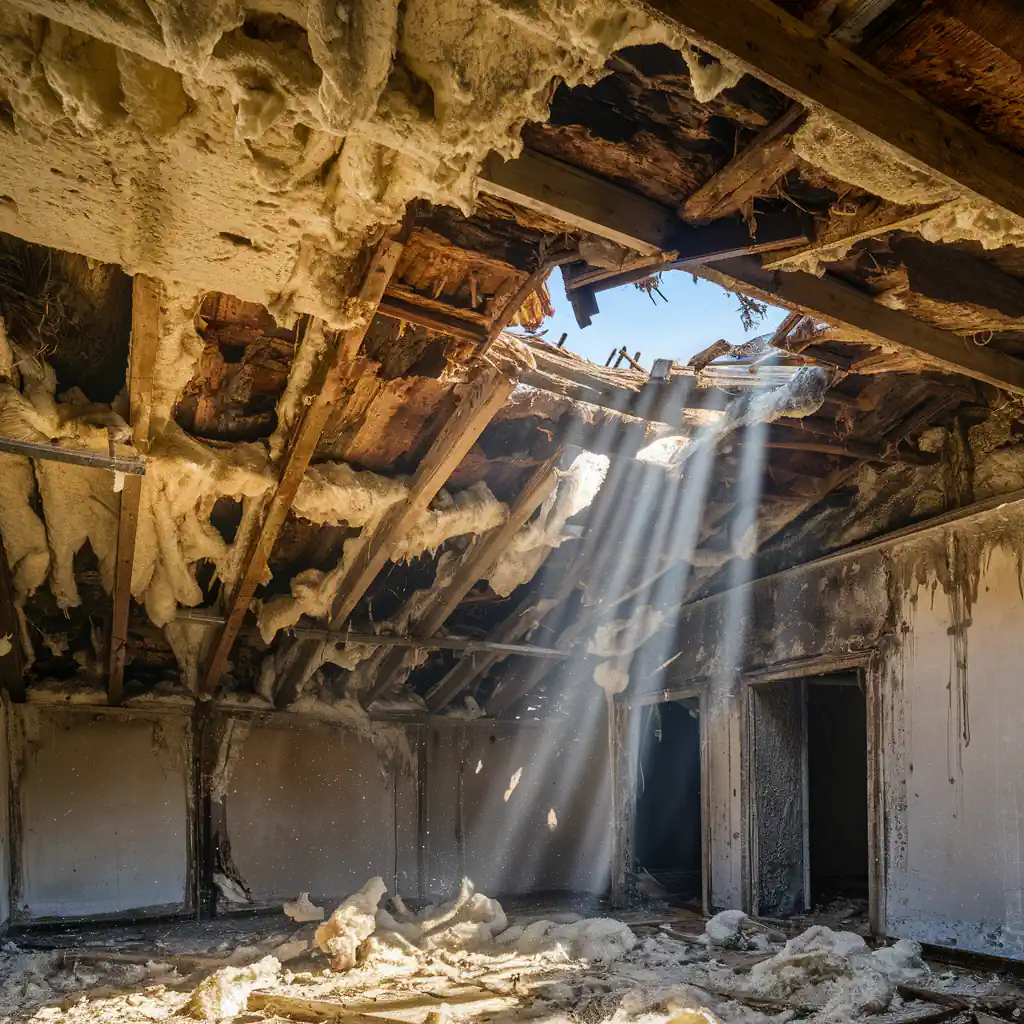
For example, if spray foam is applied too thinly or unevenly in an attic, it may not provide the expected R-value, leading to higher energy bills and uncomfortable living spaces.
To achieve the best outcome, hire certified professionals who understand proper application techniques and adhere to industry standards. They should perform thorough prep work, use appropriate equipment, and apply the foam at the correct thickness and density.
Proper installation is crucial for spray foam to perform as intended. A shoddy job can negate many of the benefits spray foam is known for, potentially leading to costly repairs and remediation. It’s essential to prioritize quality installation to ensure long-term performance, energy savings, and home safety.
Spray foam and Re-mortgaging risks
Spray foam insulation can impact a home’s ability to get a new mortgage or refinance. Lenders may hesitate due to concerns about the insulation’s effects on the property. This can create challenges for homeowners looking to sell or refinance their homes.

Timber – Roof Risks
Spray foam applied to roof timbers can trap moisture. This may lead to rot and structural damage over time. Some lenders view this as a significant risk.
Banks often require expensive surveys to check for damage. These surveys can cost hundreds or thousands of dollars.
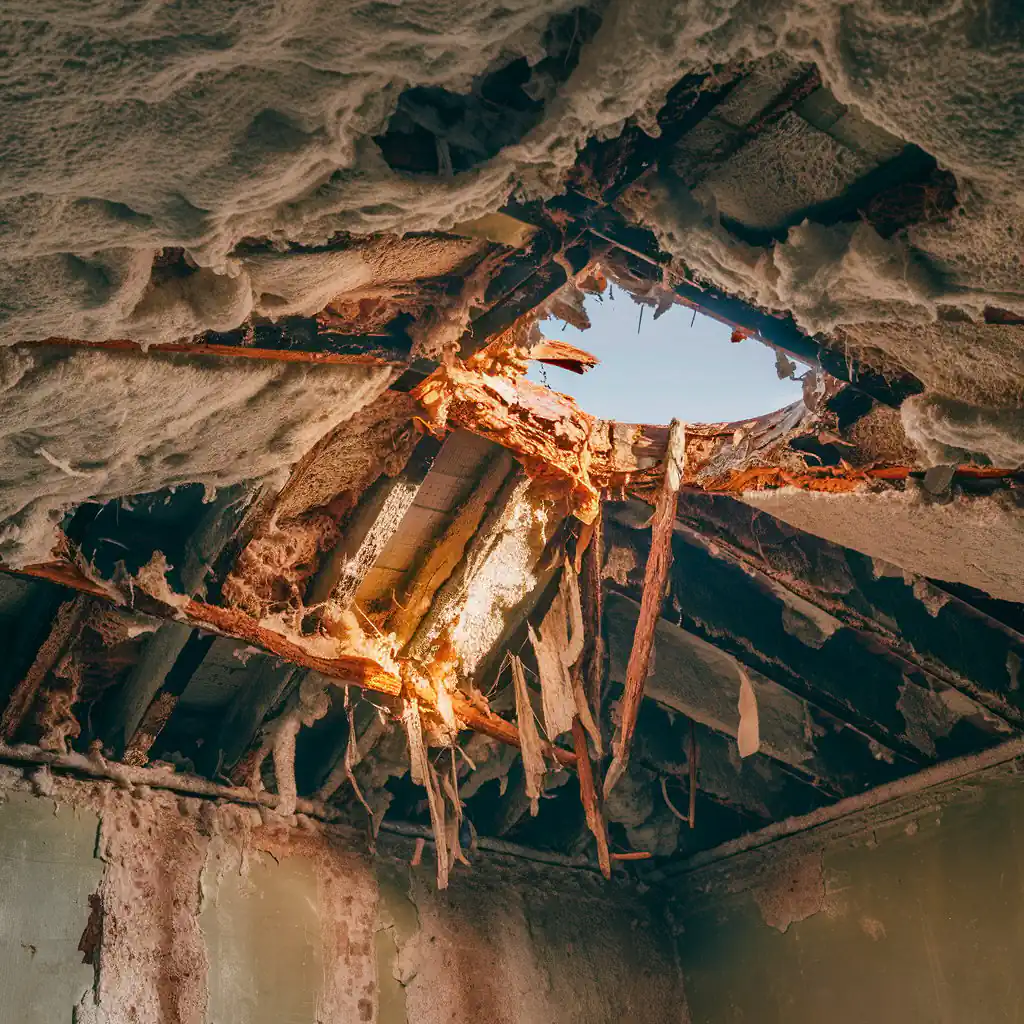
If problems are found, removing the foam is costly. It can damage the roof structure. Repairs may be needed before a new mortgage is approved.
Some lenders refuse mortgages on homes with spray foam in the roof space. This limits buyers and refinancing options for homeowners.
Basement Risks
Spray foam in basements can also cause issues for mortgages. It may hide water damage or structural problems.
Lenders worry about mold growth behind the foam. This can harm air quality and the building’s structure.
Removing spray foam from basements is difficult and expensive. It often damages walls and floors.
Some banks require moisture tests in spray-foamed basements. Failed tests can block mortgage approval.
Homeowners may need to remove the foam to get a new loan. This adds unexpected costs to refinancing.
Benefits
Despite risks, spray foam can have positive effects on mortgages. It can improve a home’s energy efficiency rating.
Better-insulated homes often have lower utility bills. This can make mortgage payments more affordable.
Some lenders offer “green mortgages” with better rates for energy-efficient homes. Spray foam may help qualify for these loans.
Proper installation by certified professionals can reduce risks. This may make lenders more willing to approve mortgages.
Homeowners should get written approval from their lender before installing spray foam. This can prevent future mortgage problems.
What Is Spray-Foam Insulation?
Spray-foam insulation is a modern insulation method that creates an airtight seal in buildings. It’s made from chemicals that expand when sprayed onto surfaces. This material fills gaps and cracks, forming a barrier against heat, cold, and moisture.

Chemical Composition
Spray foam insulation is made from two main ingredients: isocyanate and polyol resin. These chemicals react when mixed, creating a foam that expands and hardens. The foam contains tiny air-filled cells that slow heat transfer.
Some spray foams also have flame retardants and other additives. These improve fire safety and performance. The exact mix varies between brands and types of spray foam.
Application Process
Spray foam is applied using special equipment. Workers wear protective gear during installation. They mix the chemicals and spray them onto surfaces using a gun-like tool.
The foam starts to expand immediately after spraying. It can grow up to 100 times its original size. This expansion helps it fill spaces and create a tight seal.
After application, the foam needs time to cure. This can take 24 to 48 hours. During this time, the area should be ventilated and not occupied.
Types of Spray-Foam Insulation
There are two main types of spray foam insulation: open-cell and closed-cell.
Open-cell foam is lighter and less dense. It’s cheaper but not as good at insulating. This type is best for indoor use in walls and attics.
Closed-cell foam is denser and more expensive. It insulates better and acts as a moisture barrier. This makes it good for basements and exterior walls.
Some newer types of spray foam are made from soy or other plant-based materials. These are more eco-friendly options.
Where Spray Foam goes?
Spray foam insulation can be applied in various locations throughout a building. Here’s where it typically goes:
- Attics and roof decks:
- Underside of roof decking
- Between rafters
- Walls:
- Exterior wall cavities
- Interior partition walls for soundproofing
- Floors and ceilings:
- Between floor joists
- Basement or crawl space ceilings
- Rim joists and sill plates:
- Where foundation meets wooden structure
- Around windows and doors:
- To seal gaps and prevent drafts
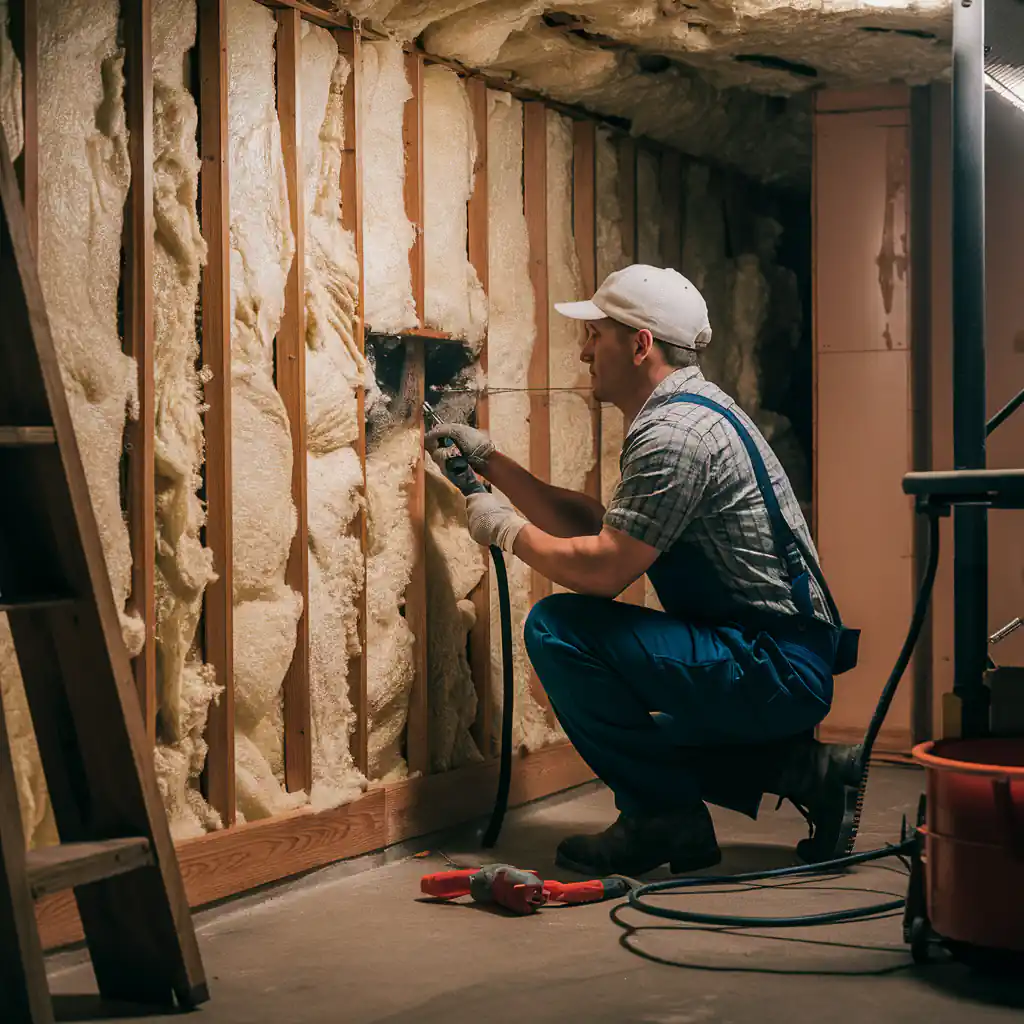
For example, applying spray foam to attic spaces can significantly reduce heat transfer through the roof, a major source of energy loss in many homes. To achieve the best outcome, ensure the foam is applied evenly and at the correct depth, paying special attention to areas around vents, chimneys, and other penetrations. Proper application in attics can lead to substantial energy savings while also preventing ice dams in colder climates.
Spray foam’s versatility allows it to be used in hard-to-reach areas and irregular spaces where traditional insulation materials might be less effective. Its ability to expand and fill gaps makes it particularly useful for sealing air leaks and creating a continuous insulation barrier throughout the building envelope.
Health and Safety Considerations of Spray foam
Spray foam insulation comes with some health and safety risks. These risks can happen during installation or over time. Safe practices are key to using this product.

Short-Term Exposure Risks
Spray foam can cause health issues right after it’s put in. The chemicals in the foam can irritate eyes, skin, and lungs. Some people may have allergic reactions. These problems can include:
- Coughing
- Shortness of breath
- Skin rashes
- Headaches
Workers who install the foam face the biggest risks. They need special gear to stay safe. Homeowners should stay away during installation and for at least 24 hours after.
Long-Term Exposure Risks
Once spray foam dries, it’s usually safe. But some worry about long-term effects. A few points to know:
- Properly cured foam doesn’t release harmful chemicals.
- Poor installation can lead to ongoing off-gassing.
- Some people report health issues in homes with spray foam.
More research is needed on long-term risks. If you have concerns, talk to your doctor. You can also test your home’s air quality.
Proper Installation Practices
Safe installation is crucial. Here are key steps:
- Use trained professionals.
- Ensure proper ventilation during and after installation.
- Wear protective gear.
- Follow manufacturer guidelines.
Pros should mix chemicals correctly and apply the right thickness. They must also check for proper curing. Good practices help prevent health risks and ensure the foam works well.
After installation, wait at least 24 hours before re-entering. Some experts suggest waiting longer. Make sure the area is well-ventilated before you move back in.
Environmental Impact of Spray Foam
Spray foam insulation has both positive and negative effects on the environment. It can improve energy efficiency but also raises concerns about its production and disposal.
Energy Efficiency Benefits
Spray foam insulation helps buildings use less energy. It creates an airtight seal that stops heat from escaping in winter and entering in summer. This means heating and cooling systems don’t have to work as hard. As a result, buildings use less electricity and fuel. Lower energy use leads to fewer greenhouse gas emissions from power plants.
Spray foam has a high R-value per inch. R-value measures how well insulation blocks heat flow. The better the R-value, the less energy needed to heat and cool a space. Closed-cell spray foam can reach R-values up to 6.9 per inch. This high rating makes it very effective at saving energy.
Lifecycle Assessment
The full environmental impact of spray foam includes its production, use, and disposal. Making spray foam uses petrochemicals and blowing agents. Some blowing agents can harm the ozone layer or contribute to global warming. Newer types are less harmful but still have some impact.
Spray foam lasts a long time in buildings. This durability means less waste over time. But it’s hard to remove and can’t be recycled. At the end of its life, spray foam often ends up in landfills. The foam doesn’t break down easily, which can cause long-term pollution.
Building Codes and Compliance when Spray Insulating
Spray foam insulation must meet specific building codes and regulations. These rules ensure safety and proper installation in homes and buildings.
International Building Codes
The International Code Council (ICC) sets standards for spray foam use. These codes focus on fire safety and proper installation. Spray foam must have a flame spread index of 25 or less and a smoke-developed index of 450 or less. This helps limit fire risks.
Spray foam also needs a thermal barrier in many cases. This barrier protects the foam from heat and flames. The 2015 ICC codes allow some exceptions to this rule.
The codes cover different types of spray foam too. Open-cell and closed-cell foams have different rules. Builders must pick the right type for each project.
Local Regulations
States and cities often have their own rules for spray foam. These can be stricter than ICC codes. Local rules may cover:
- Installer training
- Ventilation during application
- Required inspections
- Special permits
Some areas limit spray foam use in certain buildings. Others require extra fire safety measures. Builders and homeowners must check local laws before using spray foam.
Spray foam contractors need to know both ICC and local codes. This helps ensure safe, legal installations. It also prevents costly mistakes and redos.
Durability and Performance of Spray Foam
Spray foam insulation offers long-lasting protection for homes. It stands out for its insulating power, air sealing abilities, and moisture resistance.
Insulation R-Values
Spray foam insulation provides excellent R-values, which measure how well a material resists heat flow. Closed-cell spray foam offers R-6 to R-7.4 per inch of thickness. Open-cell foam gives R-3.5 to R-4 per inch.
Most homes need R-30 in attics and R-13 in walls. Spray foam can meet these needs with less thickness than other materials.
The high R-value of spray foam helps keep homes warm in winter and cool in summer. This can lead to lower energy bills and more comfortable living spaces.
Air Sealing Effectiveness
Spray foam creates an airtight seal when applied. It expands to fill gaps, cracks, and hard-to-reach spaces.
This air barrier stops drafts and air leaks. It helps maintain indoor temperatures and reduces energy waste.
The foam’s ability to seal air gaps also keeps out pests and allergens. This can improve indoor air quality and comfort.
Moisture Resistance
Closed-cell spray foam acts as a vapor barrier. It stops moisture from moving through walls and roofs.
This feature helps prevent mold growth and wood rot. It’s especially useful in humid climates or areas prone to water damage.
Open-cell foam allows some moisture movement. It’s better suited for drier climates or well-ventilated spaces.
Both types help control moisture levels in a home. This can lead to a healthier living environment and longer-lasting building materials.
Cost and Installation of Spray Foam
Spray foam insulation costs more than traditional options but offers superior performance. The price varies based on the type of foam and installation method chosen.
Cost Comparison with Other Insulations
Spray foam insulation is pricier than alternatives like fiberglass or mineral wool. Open-cell spray foam costs $0.60 to $1.60 per board foot installed. Closed-cell foam runs $1.30 to $3.10 per board foot installed.
The average cost to insulate a home with spray foam ranges from $2,400 to $8,600. This is about 2-4 times more expensive than mineral wool or fiberglass batts.
Closed-cell foam costs more but performs better in high-moisture areas like attics and basements. Open-cell foam is cheaper but less effective as a moisture barrier.
Professional Versus DIY Installation
Professional installation is recommended for spray foam insulation. Proper application requires special equipment and expertise.
DIY kits are available but have drawbacks. They’re harder to apply evenly and may not expand fully. This can reduce insulation effectiveness.
Pro installation costs more upfront but ensures proper coverage and curing. Improper DIY application can lead to air gaps or moisture issues.
Professionals also have safety gear to protect against fumes during installation. DIY installers risk exposure without proper equipment.
Most manufacturers void warranties for DIY installations. This can be costly if problems arise later.
Spray foam - Risks and Mitigation
Spray foam insulation carries some risks during installation and afterward. Taking proper precautions and following safety guidelines can help reduce potential hazards.
Precautions During Installation
Spray foam releases chemicals as it’s applied. Installers need protective gear like respirators, gloves, and full-body suits. The work area should be well-ventilated. People and pets must stay out during spraying and for 24-48 hours after.
Proper mixing of chemicals is crucial. Wrong ratios can lead to incomplete curing and off-gassing. Only trained professionals should install spray foam. DIY kits pose higher risks of mistakes.
Fire safety is important too. The liquid chemicals are flammable before curing. No sparks or open flames should be nearby during installation.
Mitigating Potential Harm
After curing, spray foam is generally safe. But some people may be sensitive to trace chemicals. Good ventilation helps remove any lingering odors or fumes.
Air quality testing can check for volatile organic compounds (VOCs). If levels are high, extra ventilation or air purifiers may help.
In rare cases, improperly installed foam can shrink or crack. This can let in moisture and reduce insulation value. Professional installation and inspections help avoid these issues.
Remove any damaged foam promptly. Exposed foam can release particles into the air. Wear protective gear when handling old or damaged spray foam insulation.
Pros and Cons of Spray-Foam Insulation
Spray-foam insulation offers both benefits and drawbacks for homeowners. It has unique properties that set it apart from other insulation types.
Advantages of Spray-Foam
Spray-foam insulation provides excellent air sealing. It expands to fill gaps and cracks, creating a tight barrier against air leaks. This can lead to better energy efficiency and lower utility bills.
The material has a high R-value per inch. This means it insulates well even in thinner applications. Spray foam can work in tight spaces where other insulation might not fit.
It resists moisture buildup. This can help prevent mold growth in walls and attics. The foam also adds structural strength to building components.
Spray foam lasts a long time without settling or losing effectiveness. This can mean fewer repairs or replacements over the years.
Limitations and Concerns
Cost is a major factor with spray foam. It’s often more expensive than traditional insulation options. The installation process requires special equipment and skilled professionals.
Some people worry about the chemicals used in spray foam. There are concerns about potential health effects from off-gassing. Proper installation and ventilation are crucial to minimize risks.
Removing spray foam can be difficult if needed later. It adheres strongly to surfaces, which is good for insulation but challenging for renovations.
Spray foam expands as it cures. This can put pressure on walls or other structures if not applied correctly. Experienced installers are needed to avoid damage.
Do you need a project for Spray Foam?
To effectively use spray foam insulation, you typically need a project. Here’s why and when you might need one:
- New construction:
- Insulating entire homes or buildings
- Commercial property development
- Home renovations:
- Attic or basement finishing
- Adding an extension to a house
- Energy efficiency upgrades:
- Retrofitting older homes for better insulation
- Addressing specific problem areas (e.g., cold rooms)
- Moisture control:
- Sealing crawl spaces
- Preventing condensation in problem areas
- Soundproofing:
- Creating music rooms or home theaters
- Reducing noise between apartments
For example, if you’re finishing an uninsulated attic to create a living space, spray foam can be an excellent choice. It not only insulates but also seals air leaks, potentially reducing energy costs by up to 15% in some cases. To achieve the best outcome, plan the project carefully, considering factors like roof ventilation and existing HVAC systems. Proper planning ensures the spray foam is applied effectively without causing unintended consequences like moisture buildup.
Spray foam insulation is typically not a DIY project due to the specialized equipment and expertise required. It’s generally used for larger-scale insulation needs rather than small patches or quick fixes. The decision to use spray foam often involves considering long-term energy savings against higher upfront costs compared to traditional insulation methods.