Solar thermal energy is a form of renewable energy that harnesses sunlight to generate heat.
Solar thermal systems use solar collectors to absorb sunlight that is converted into a heat. These collectors are usually made of materials with high absorptivity, such as metal or glass, that can capture and retain a significant amount of solar radiation.
Once the sunlight has been absorbed, the solar collectors convert it into heat. This heat is transferred to a working fluid, usually a liquid or gas, which circulates through the collector.
To ensure a continuous supply of energy, solar thermal systems often include a heat storage component. This component stores the heat generated during the day, so it can be used later when the sun is not shining.
Use of heat: The heat generated by a solar thermal system can be used for a variety of applications, including space heating, water heating, and power generation. In power generation, the heat is used to produce steam, which drives a turbine connected to an electrical generator.
Efficiency: The efficiency of a solar thermal system depends on several factors, including the quality of the collectors, the temperature of the working fluid, and the amount of sunlight available. Generally, solar thermal systems have higher efficiencies than photovoltaic systems, which convert sunlight directly into electricity.
Environmental impact: Solar thermal energy is a clean and renewable source of energy that produces no emissions or pollution. It is a sustainable source of energy, as sunlight is abundant and will be available for billions of years.

George is a seasoned interior designer and property marketing strategist with over 13 years of experience. He specializes in transforming properties into visually stunning spaces, helping clients recognize the potential and beauty in each property. With an impressive international client base of exciting projects throughout Europe and America.
Table of Contents
George Nicolas (Interior Designer at TALLBOX) advises: There are a four main Components of a Basic Solar Thermal System that you need to learn before decide buying or upgrading your home systems.
Generally the solar systems run on the basic principle the outdoor shower solar water heaters used for camping or outdoor bathrooms, use the sun to heat up the water.
The components of a Thermal Solar System are a Solar Collector (US term) or called heating solar panels (Europe and rest of world term) that absorbs sunlight and converts it into heat. a Heat Transfer Fluid that Carries heat from the collector to the storage tank or point of use. Storage Tank to Store the heated fluid for later use and a Control System to regulate the flow of the heat transfer fluid and ensures efficient operation.
Advantages of Solar Thermal Energy:
- Renewable and Sustainable: Utilizes a free and abundant energy source – sunlight.
- Environmentally Friendly: Reduces greenhouse gas emissions and reliance on fossil fuels.
- Cost-Effective: Can significantly reduce energy bills in the long run.
- Versatile: Suitable for various applications, from small residential systems to large-scale industrial processes.
- Increase property value: For example, investing $7,000 in a solar water heating system can increase a $470,000 home’s value by $19,270 (4.1%). This results in a net gain of $12,270 and a 175% return on investment.
Here’s how it works:
Property Value Before Installation:
- $470,000
Investment in Solar Water Heating System:
- $7,000
Property Value Increase (4.1% of $470,000):
- $470,000 × 0.041 = $19,270
Return on Investment (ROI):
- Increase in Property Value: $19,270
- Initial Investment: $7,000
- Net Gain: $19,270 – $7,000 = $12,270
ROI Percentage:
- ($12,270 / $7,000) × 100 ≈ 175%
Yes, a solar water heater is typically a heat exchanger system.
In a solar water heating system, the solar collector absorbs sunlight and converts it into heat energy, which is then transferred to a working fluid, typically a heat transfer fluid or water. The working fluid circulates through the collector and the heat exchanger, where it transfers its heat to the household water supply.
The heat exchanger is a component of the solar water heating system that allows the heat energy from the working fluid to be transferred to the water supply. The heat exchanger is typically made of materials with good thermal conductivity, such as copper or stainless steel.
The top surface of a solar water heater absorber plate is typically made of materials that are highly absorptive of solar radiation and can efficiently transfer heat to the working fluid. Some common materials used for the top surface of solar water heater absorber plates include:
- Copper: Copper is a highly conductive metal that is commonly used in solar water heater absorber plates. It has excellent thermal properties, which allow it to absorb solar radiation and transfer heat efficiently.
- Aluminum: Aluminum is another highly conductive metal that is often used in solar water heater absorber plates. It is lightweight and corrosion-resistant, making it a popular choice for solar water heaters.
- Selective surfaces: Selective surfaces are coatings that are applied to the top surface of solar water heater absorber plates to improve their heat absorption and transfer properties. These coatings are typically made of materials such as black chrome, black nickel, or black copper, and can significantly improve the efficiency of solar water heaters.
- Glass: Glass is sometimes used as the top surface of solar water heater absorber plates in evacuated tube collectors. The glass has a high-transmittance coating that allows solar radiation to pass through while preventing heat loss.
- Plastic: Plastic absorber plates are also used in some solar water heaters. They are typically made from polycarbonate or acrylic materials and are lightweight and durable.
Yes, solar water heaters can be used to heat swimming pools. In fact, solar water heating is a popular and environmentally friendly way to heat pools, as it uses the sun’s energy to heat the water instead of relying on electric or gas-powered heating systems.
There are different types of solar water heaters that can be used to heat swimming pools, including:
- Flat Plate Collectors: These collectors consist of a large, flat surface area that absorbs sunlight and transfers the heat to the water circulating through the collector. They are typically mounted on a roof or other sun-exposed location.
- Evacuated Tube Collectors: These collectors consist of a series of glass tubes that contain a heat-absorbing material. The tubes are designed to trap the heat of the sun, which is then transferred to the water circulating through the collector.
- Pool Covers: Solar pool covers work by capturing the heat of the sun and transferring it to the water in the pool. They are typically made of materials such as polyethylene or vinyl and can be used in combination with other solar water heating systems.
A DIY solar water heater can be constructed using common materials like copper pipes, a glass-covered insulated box, and a storage tank. While building a basic batch heater or thermosiphon system is feasible for skilled DIYers, it requires careful planning, proper sealing, and adherence to local building codes for safety and efficiency.
Here are some basic steps to building a DIY solar water heater:
- Choose the type of solar water heater you want to build. Common types include flat plate collectors and evacuated tube collectors.
- Determine the size and capacity of the system based on your hot water needs and available space.
- Purchase the necessary materials and equipment, including solar collectors, a water storage tank, pipes, fittings, and a pump.
- Install the solar collectors in a location with good sunlight exposure, typically on the roof or a south-facing wall.
- Connect the collectors to the water storage tank using insulated pipes.
- Install a pump to circulate water through the collectors and tank.
- Install a controller to regulate the temperature and flow of water through the system.
- Install any necessary safety features, such as a pressure relief valve and a temperature sensor.
Yes, a solar water heating system typically requires a hot water storage tank to store the heated water for later use. The tank is connected to the solar collectors, which heat the water and circulate it through the tank. The size of the tank will depend on the size of the system and the hot water needs of the household. Some solar water heating systems use a separate storage tank, while others use a combined tank and collector system. Regardless of the design, a hot water storage tank is an essential component of a solar water heating system.
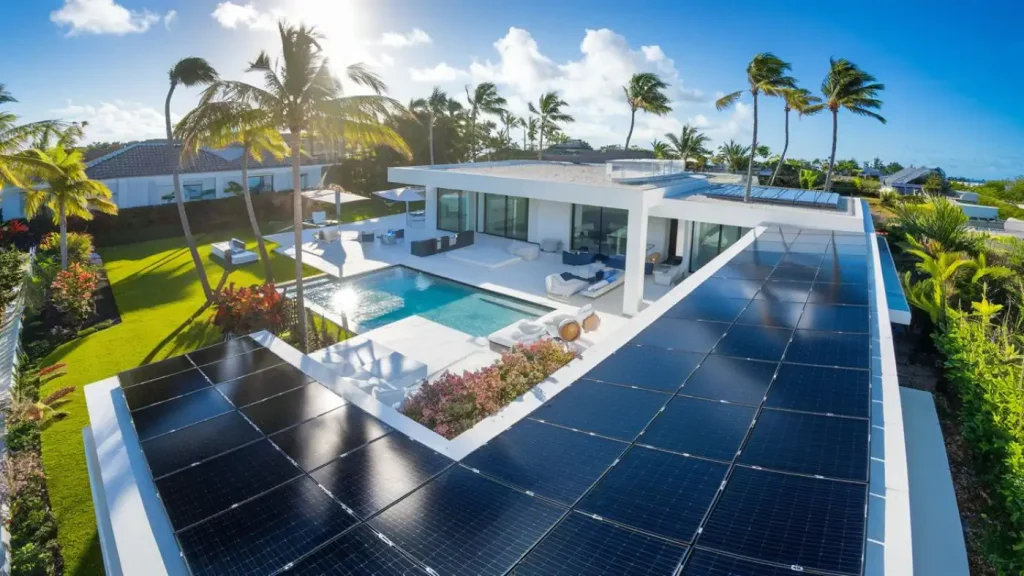
The purpose of this article is to discuss the growing importance of renewable energy solutions in addressing the world’s energy needs while mitigating the impacts of climate change.
The scope of the article will include an overview of the Energy Efficiency Improvements and Reducing Utility Bills with a Long-Term Investment such as an Active Solar System as alternative to traditional systems and a list of Most famous solar water heating systems on the market?
Types of Solar Water Heating Systems
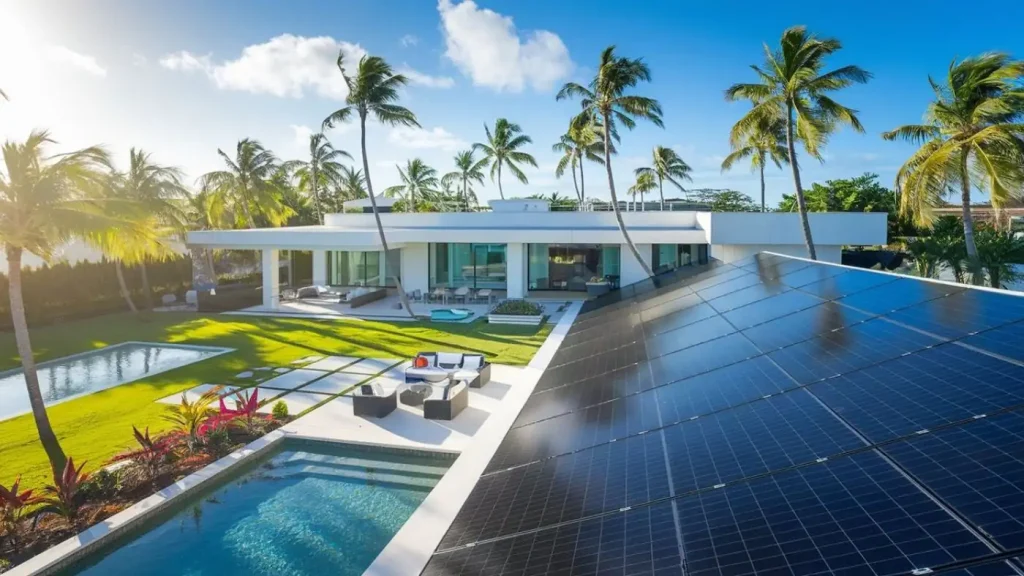
Active (Pumped) Systems
Active (Pumped) Systems: Active systems use pumps to circulate water or a heat transfer fluid through the solar collectors and into a storage tank. These systems require electricity to operate the pumps and controls but can provide hot water even in low-sunlight conditions.
There are two types of active systems: direct circulation and indirect circulation. Direct circulation systems pump water directly through the collectors and back into the storage tank. Indirect circulation systems use a heat exchanger to transfer heat from a heat transfer fluid to the water in the storage tank.
Active solar water heaters typically cost between $2,000 and $4,000 for the system itself, with installation costs adding $1,000 to $3,000, totalling close to $10,000 for an average system.

Passive Systems
Passive Systems: Passive systems rely on natural convection to circulate water or a heat transfer fluid through the collectors and into a storage tank. These systems do not require pumps or electricity to operate, but they are less efficient than active systems.
Passive systems rely on natural convection to circulate water or a heat transfer fluid through collectors into a storage tank. They do not require pumps or electricity, simplifying their design and reducing upfront costs compared to active systems; however, they are less efficient.
There are two types of passive systems: thermosiphon and integral collector-storage (ICS) systems. Thermosiphon systems use the natural tendency of warm water to rise and cold water to sink to circulate water through the collectors and into a storage tank located above the collectors. ICS systems integrate the collector and storage tank into a single unit, eliminating the need for separate components.
Passive systems are more affordable upfront, while active systems offer long-term energy savings. Passive solar water heaters are generally less expensive, costing between $1,000 and $4,000 for the system, with installation costs varying based on complexity, with an average total of $4,000 to $6,000 it’s about 40% less expensive than active solar systems.

How it works the Thermosiphon Passive System?
Imagine a homeowner named Alex living in a warm climate like Southern California. Alex decides to install a thermosiphon passive solar water heating system to reduce energy bills and utilize renewable energy.
System Components:
- Solar Collectors: Placed on the roof, these absorb sunlight to heat the water.
- Storage Tank: Located above the collectors, this tank stores the heated water.
- Piping: Connects the collectors and the storage tank, allowing water to circulate.
Operation:
- During sunny days, the solar collectors absorb sunlight, heating the water inside them.
- Hot water naturally rises due to lower density and moves into the storage tank above.
- Cooler water from the tank descends into the collectors to be heated, creating a continuous circulation loop without any pumps.
Hybrid Systems
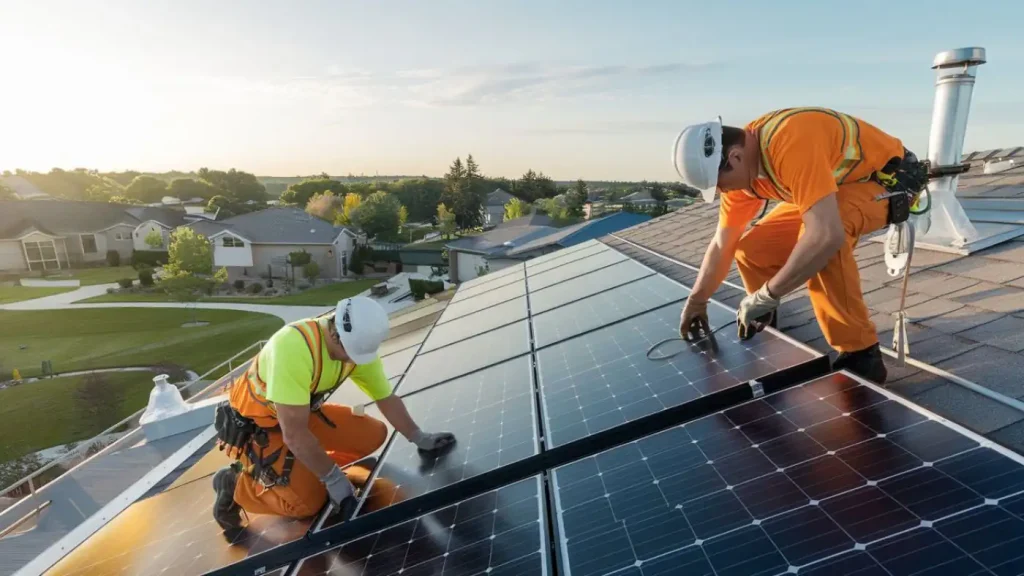
Hybrid Systems: Hybrid systems combine features of both active and passive systems. These systems use a pump to circulate water or a heat transfer fluid through the collectors and into a storage tank during periods of low sunlight or high demand. During periods of high sunlight, the system operates as a passive thermosiphon system. Hybrid systems can provide more consistent hot water than passive systems while using less energy than active systems.
Passive systems rely on natural forces like gravity and convection to circulate water without using pumps. They are simpler and less expensive to install but have lower efficiency and are dependent on gravity for proper flow.
What are the prices of solar water heating system compared to other types of heating systems?
The three types of solar water heating systems—active, passive, and hybrid—each possess unique advantages and disadvantages when compared to one another. Understanding these differences helps identify which system best meets specific needs.
| Heating System | Estimated Purchase Cost | Estimated Installation Cost | Total Estimated Cost Range |
|---|---|---|---|
| Gas Furnace (Standard Efficiency) | 1500-3500 | 2000-4000 | 3500-7500 |
| Gas Furnace (High Efficiency) | 2500-6000 | 3000-5000 | 5500-11000 |
| Oil Furnace | 2000-4500 | 2500-4500 | 4500-9000 |
| Electric Furnace | 1000-2500 | 1500-3000 | 2500-5500 |
| Gas Boiler | 3000-8000 | 3500-6000 | 6500-14000 |
| Oil Boiler | 4000-10000 | 4000-7000 | 8000-17000 |
| Electric Radiant Floor Heating | 10-25 per sq.ft. | 6-12 per sq.ft. | Varies greatly by area heated |
| Hydronic (Water) Radiant Heating | 12-30 per sq.ft. | 8-15 per sq.ft. | Varies greatly by area heated |
| Air Source Heat Pump | 4000-8000 | 2500-5000 | 6500-13000 |
| Geothermal Heat Pump | 10000-30000 | 10000-20000 | 20000-50000 |
| Wood-Burning Stove (Basic) | 500-2000 | 500-1500 | 1000-3500 |
| Wood-Burning Stove (High Efficiency) | 1500-5000 | 1000-3000 | 2500-8000 |
| Solar Water Heating System | 2000-5000 | 4000-8000 | |
| Solar Space Heating System | 1000-6000 | 6000-10000 |
Most Affordable: Wood-burning stoves, costing $1,500 to $5,000, are the least expensive options but heat smaller areas.
Moderate Costs: Furnaces and air-source heat pumps range from $2,500 to $8,000, offering whole-home heating at moderate upfront costs.
Mid to Higher Costs: Solar heating systems cost between $4,000 and $10,000, placing them in the mid to higher cost range. They provide renewable energy benefits, leading to long-term energy savings and reduced utility bills. Solar systems reduce carbon emissions, making them a sustainable choice compared to traditional systems.
Higher Costs: Boilers range from $3,500 to $10,000, with prices affected by installation complexity and fuel type.
Most Expensive: Radiant heating systems and ground-source heat pumps range from $6,000 to $30,000, delivering superior comfort and energy efficiency at higher initial investments.
What are the advantages of solar water heating system compared to other types of heating systems?
Passive Systems
Passive systems are the simplest and least expensive among the three types, costing approximately 40% less upfront than active systems, with total costs averaging between $4,000 and $6,000 including installation. They require no electricity to operate and contain fewer moving parts than active systems, resulting in longer lifespans. Passive systems are less efficient and may not provide consistent hot water in all weather conditions. For those prioritizing lower initial costs and simplicity, passive systems are an attractive option. Yet, their lower efficiency prompts some to explore hybrid systems for a balance of benefits.
Hybrid Systems
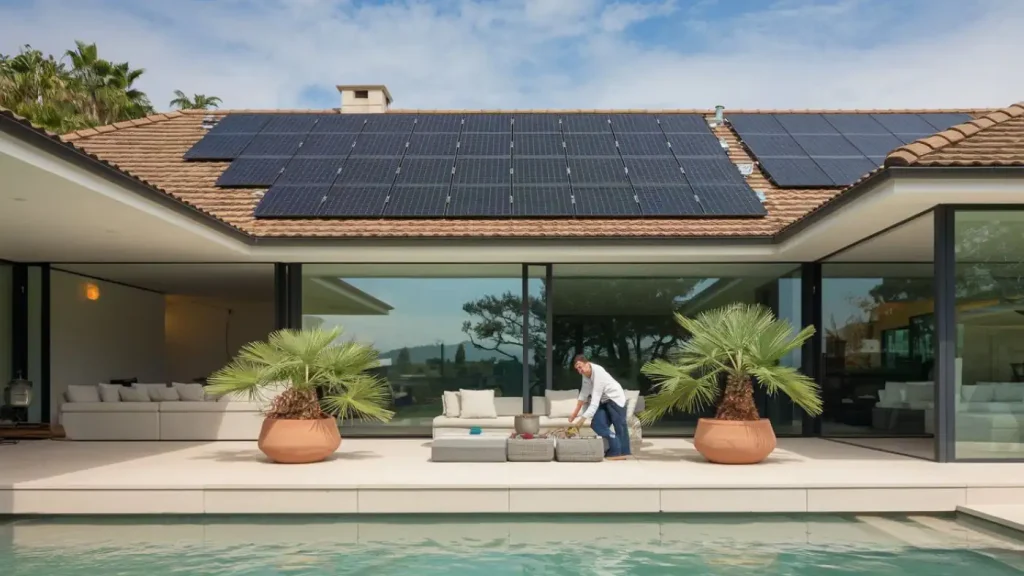
Hybrid systems combine benefits of both active and passive systems, offering more consistent hot water than passive systems while using less energy than active systems. They are more efficient than passive systems and require less electricity than active systems, potentially making them less expensive to operate. Hybrid systems have higher upfront costs than passive systems and are more complex to install. For those seeking a middle ground between efficiency and cost, hybrid systems present a compelling choice.

Advantages Over Traditional Heating Systems
Compared to traditional heating systems, solar water heating systems provide significant advantages. They offer a renewable and sustainable energy source, producing no greenhouse gas emissions or air pollution. By reducing or eliminating the need for electric or gas water heaters, they deliver energy savings over time. Solar water heating systems can integrate with other renewable energy systems, such as photovoltaic panels or wind turbines, further reducing carbon emissions and energy costs. Transitioning to solar water heating represents a proactive step toward sustainability and energy efficiency.
Does Solar Water Heating pays for itself?
The payback period for a solar water heating system depends on various factors such as the type of system, its efficiency rating, and the cost of energy in the area. Based on the data provided, it is possible for a solar water heating system to pay for itself over time.
For instance, according to the U.S. Department of Energy, a typical residential solar water heating system can save a household up to 80% on their water heating bills. Assuming an average annual water heating bill of 400, a solar water heating system could save a household up to 320 per year.
The payback period for a solar water heating system typically ranges from 5 to 15 years, depending on factors such as local energy prices, system efficiency, and household hot water usage. For example, households in regions with higher electricity or gas rates may experience faster payback periods due to greater savings on energy bills.
It’s HIGHLY location and situation-dependent how quick the solar water system will pay for itself. Consult solar installers for personalized estimates factoring in YOUR energy use, climate, and incentives. Don’t just ask for the system price, but a projected payback analysis tailored to you.

At the same time, the cost of solar water heating systems has been declining in recent years. According to EnergySage, the average cost of a solar water heating system in the US is around just above the average prices $5,000 to $7,000.
Assuming a cost of 6,000 for a solar water heating system, the payback period for such a system would be around 19 years (6,000/$320/year). This payback period can vary depending on factors such as the local cost of energy and the efficiency of the solar water heating system.

Using the Data (Rough Estimation, Your Results WILL Vary):
Let’s assume you a purchase of a mid-range solar water heater:
- Current System: Electric, costing 50/month (600/year)
- Solar Potential: Good, covers 70% of your needs
- System Cost: $4,000 after incentives
- Energy Savings: 70% of 600 = 420/year
Simple Payback: 4,000 / 420/year = ~9.5 years
This is simplified, as it doesn’t factor in:
- Potential energy price increases (making solar look better over time).
- Maintenance costs (solar is usually minimal, but not zero).
- The time value of money (that $4,000 invested elsewhere might earn something).
How to Integrate Solar Water System with Other Systems?
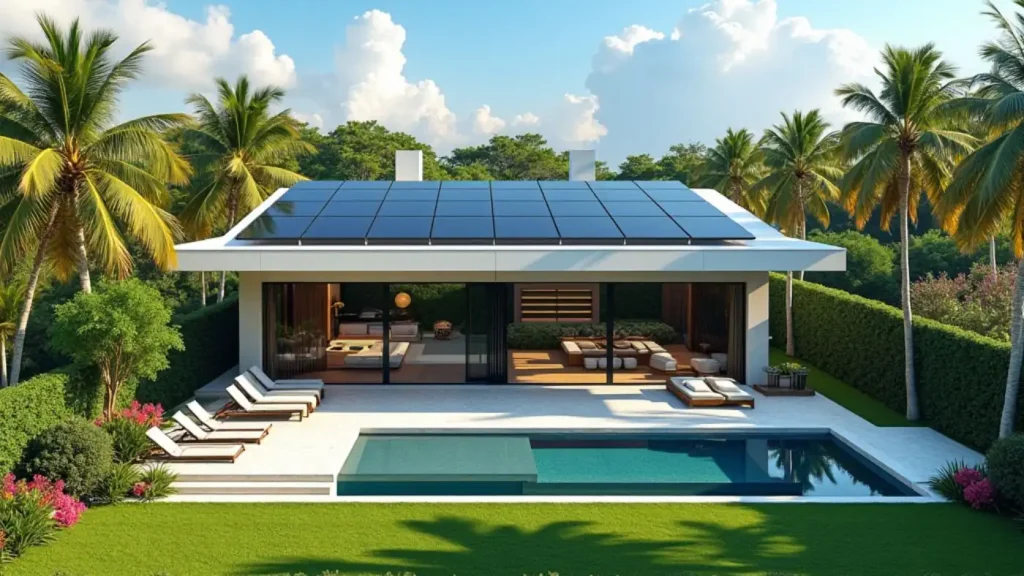
Combining Solar Water Heating with Photovoltaic Systems
Integrating a solar water heating system with a photovoltaic (PV) system can offer several benefits, including maximizing the use of solar energy and reducing energy costs.
How it works:
- PV panels generate electricity, offsetting your reliance on the grid.
- Solar thermal collectors provide hot water, reducing the load on your electric or gas water heater.
Benefits:
- Increased Savings: Reduce both your electricity and water heating bills.
- Environmental Friendliness: Minimize your carbon footprint by utilizing clean energy sources.
- Grid Independence: Move towards energy self-sufficiency.
Integration Options:
- DC to AC Conversion: PV electricity can power an AC pump for an active solar water heating system.
- Smart Controllers: Coordinate the operation of both systems for optimal efficiency, prioritizing solar energy use.
2. Integrating with Existing Heating Systems:
Even without PV, solar water heaters can complement your existing setup.
With Traditional Water Heaters:
- Preheating: Solar preheats water entering your electric/gas heater, significantly reducing its workload. This extends the heater’s lifespan and minimizes fuel consumption.
- Tankless Systems: Solar preheating becomes even more efficient, as tankless heaters only heat water on demand.
With Space Heating Systems:
- Radiant Floor Heating: In some cases, solar thermal can be used to supplement radiant floor heating, particularly in well-insulated homes and mild climates.
- Combination Boilers: Some boilers handle both space heating and domestic hot water. Integrating solar can preheat water, improving the boiler’s overall efficiency.
3. Utilizing Smart Technology and Controls:
Smart Thermostats: Optimize hot water use based on your schedule and solar energy availability.
Energy Monitoring Systems: Track energy production and consumption to identify opportunities for improvement and maximize savings.
Important Considerations for Integration:
System Sizing: Correctly size both the solar thermal and PV systems (if applicable) to match your household needs and maximize energy offset.
Professional Installation: While some DIY is possible, professional installation ensures proper system integration, safety, and optimal performance.
Local Regulations and Incentives: Check for building codes, permits, and available incentives for renewable energy system integration in your area.
Results:
Integrating your solar water heating system with other systems offers a holistic approach to energy efficiency. It allows you to harness the power of renewable resources effectively, reducing your environmental impact and saving money in the long run.

Solar Water Heating with Geothermal and Heat Pump Systems
To integrate a solar water system with geothermal and heat pump systems, use a multi-source heat exchanger that connects the solar collectors, geothermal loop, and heat pump to a shared storage tank. This configuration allows the systems to work synergistically, with solar providing primary heating when available, geothermal offering consistent baseline temperatures, and the heat pump optimizing efficiency by drawing from the most suitable source based on current conditions.
1. Solar Thermal Preheating for Geothermal & Heat Pumps:
The Principle: Geothermal and air-source heat pumps use electricity to move heat, whether from the ground or air, into your home (for heating) or out of your home (for cooling). Preheating water with solar reduces the workload on these systems.
How It Works:
- Solar thermal collectors preheat water in a storage tank.
- This preheated water feeds into the geothermal or heat pump system’s water heater component.
- Since the water is already warmer, the heat pump or geothermal unit expends less energy to reach the desired temperature.
Benefits:
- Significantly Enhanced Efficiency: Both geothermal and heat pumps thrive on warmer input temperatures. Solar preheating boosts their efficiency, lowering running costs.
- Reduced Wear and Tear: The heat pump or geothermal unit runs less frequently and for shorter cycles, extending its lifespan.
- Environmental Benefits: Maximizing renewable energy use for both water and space heating/cooling reduces your carbon footprint.
2. System Design Considerations:
Storage Tank Integration:
- A larger storage tank might be needed to accommodate preheated water from the solar thermal system and ensure sufficient supply.
- Consider tanks specifically designed for integration with multiple heat sources.
Controls and Automation:
- A sophisticated control system is essential to manage the interaction between the solar thermal, geothermal/heat pump, and backup heating elements for optimal efficiency.
Professional Expertise:
- Designing and installing such integrated systems requires careful consideration of heating loads, climate conditions, and system compatibility. Consulting with experienced professionals specializing in both solar thermal and geothermal/heat pumps is crucial.
3. Advantages Specific to Each System:
Geothermal Systems:
- Solar preheating can be particularly beneficial for geothermal systems, especially in colder climates, as it reduces the workload on the heat pump in demanding conditions.
- This can result in significant energy savings and lower operational costs over time.
Air-Source Heat Pumps:
- Air-source heat pumps also benefit from solar preheating, particularly during colder months when their efficiency tends to decrease.
- Solar preheating ensures warmer input temperatures, enabling the heat pump to operate more efficiently and provide consistent heating.
Misconceptions of Solar Water Systems

- Solar water heating systems only work in sunny climates: False. Solar water heating systems can be effective in a wide range of climates, including those with limited sunlight. However, the efficiency of the system may be lower in areas with limited sunlight.
- Solar water heating systems are expensive: False. While the upfront cost of installing a solar water heating system may be higher than traditional systems, the long-term savings on energy bills can make it a cost-effective investment.
- Solar water heating systems are unreliable: False. Solar water heating systems are designed to be highly reliable and can provide hot water even on cloudy days or during the winter months.
- Solar water heating systems require a lot of maintenance: False. Solar water heating systems generally require very little maintenance, as they have few moving parts and are designed to operate for many years with minimal upkeep.
- Solar water heating systems cannot provide enough hot water: False. With proper design and installation, solar water heating systems can provide a significant portion of a household’s hot water needs, even in larger homes or those with high hot water demand.
High Maintenance Requirements
False solar water heating systems are known for their durability and low maintenance needs, making them a hassle-free option for homeowners. Once installed, these systems typically require only periodic inspections and occasional cleaning to ensure optimal performance. This minimal upkeep adds to the overall cost-effectiveness of solar water heating.
Homeowners can perform basic maintenance, such as checking the system for any visible issues and keeping the solar collectors clean. With proper care, solar water heaters can last over 20 years, providing long-term benefits with minimal effort.
Aesthetic Concerns and Architectural Integration of Solar Water Systems
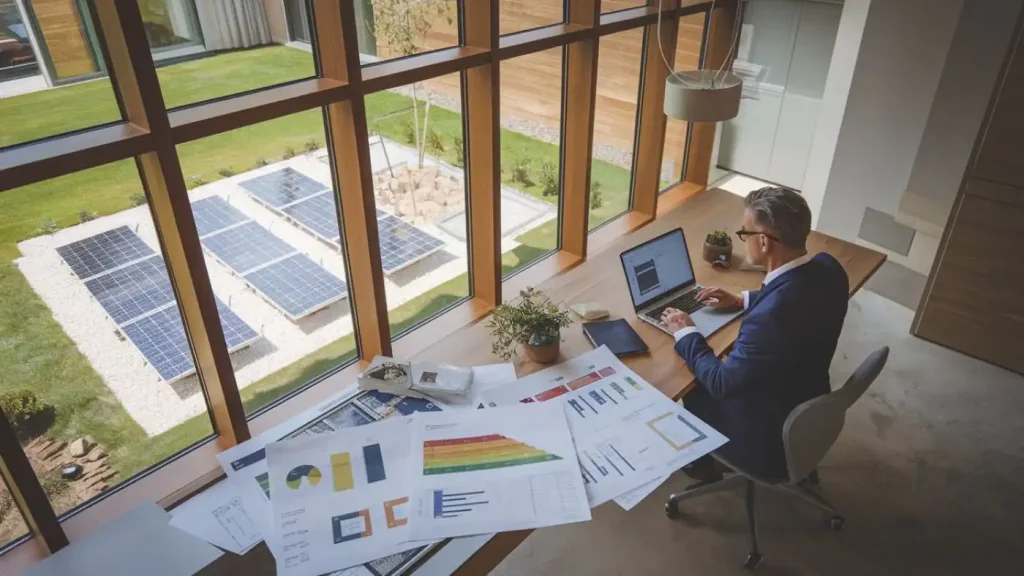
The aesthetic concerns and architectural integration of solar water heating systems have been a topic of discussion for years. In the early days of solar energy, the large and bulky designs of solar panels and collectors were often considered eyesores and detracted from the overall appearance of buildings.

Here are some ways that solar water heating systems can be aesthetically pleasing and architecturally integrated:
- Solar roof tiles: Solar roof tiles are designed to look like traditional roof tiles and can be integrated seamlessly into the roof design. They can provide hot water while maintaining the overall aesthetic of the building.
- Solar panels integrated into building materials: Solar panels can be integrated into building materials such as windows, skylights, and walls. This can provide a more seamless and aesthetically pleasing design that blends in with the building’s architecture.
- Solar panel positioning: The positioning of solar panels can greatly affect the appearance of a building. Panels can be positioned on the roof or side of a building in a way that maximizes solar exposure while minimizing visual impact.
- Colors and finishes: Solar panels and collectors can come in a variety of colors and finishes, allowing them to blend in with the building’s exterior or complement its design.
- Retractable or folding panels: Some solar water heating systems have retractable or folding panels that can be hidden from view when not in use. This can provide a more aesthetically pleasing and unobtrusive design.
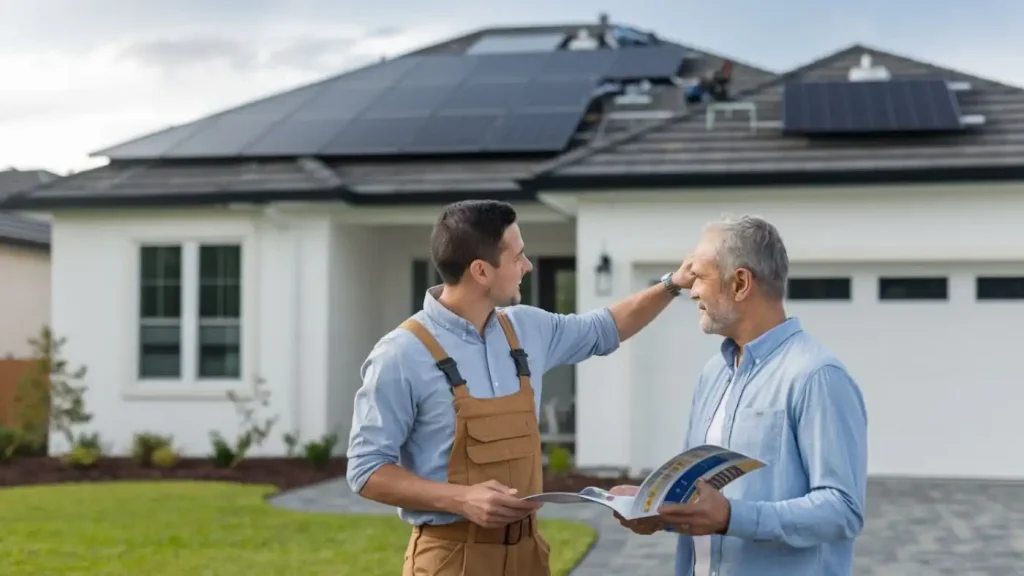
Red flags for Finding Qualified Installers and Suppliers
When looking for qualified installers and suppliers for solar water heating systems, it’s important to be aware of potential red flags.
Red Flags for Installers
Lack of Certification: Ensure the installer is certified by recognized organizations such as the North American Board of Certified Energy Practitioners (NABCEP).
No References or Reviews: A reputable installer should have positive reviews and be able to provide references from previous clients.
High Employee Turnover: Frequent changes in staff can indicate instability or poor management.
Unclear or Vague Quotes: Detailed, transparent quotes are essential. Be wary of installers who provide vague estimates or avoid giving written quotes.
Pressure Sales Tactics: Reputable installers will give you time to make an informed decision without pressuring you into a quick sale.
Red Flags for Suppliers
- Poor Product Quality: Consistently low-quality products or frequent defects are major red flags.
- Overly Low Prices: Extremely low bids can indicate a supplier cutting corners or struggling financially.
- Lack of Certifications: Ensure suppliers comply with industry standards and have necessary certifications, such as ISO 9001.
- Poor Communication: Difficulty in reaching the supplier or getting timely responses can indicate potential issues with reliability and customer service.
- Financial Instability: Signs of financial trouble, such as frequent changes in pricing or terms, can be a red flag.

Selecting the Right System for Your Needs
When selecting the right solar water heating system for your needs, it is important to consider the type of household and its specific hot water requirements.
Single-Family Homes:
- Forced-Air Systems: Efficient for larger spaces, providing quick and even heating.
- Heat Pumps: Ideal for moderate climates, offering both heating and cooling.
- Radiant Heating: Great for comfort and efficiency, especially in new constructions.
- Solar Water Heating: Can significantly reduce energy costs by providing hot water using solar energy.
Apartments and Condos:
- Electric Baseboard Heaters: Easy to install and control individually.
- Ductless Mini-Split Systems: Provide efficient heating and cooling without ductwork.
- Radiant Floor Heating: Adds comfort and can be installed in specific rooms.
- Solar Water Heating: Can be integrated into the building’s hot water system, reducing overall energy consumption.
Townhouses:
- Hybrid Systems: Combine heat pumps with furnaces for efficiency and reliability.
- Boilers: Suitable for multi-story homes, providing consistent heat through radiators.
- Solar Water Heating: Can be shared among units, reducing costs and increasing efficiency.
Mobile Homes:
- Electric Furnaces: Compact and easy to install.
- Heat Pumps: Efficient for both heating and cooling in smaller spaces.
- Solar Water Heating: Portable systems can be used to provide hot water, reducing reliance on traditional energy sources.
Historic Homes:
- Boilers: Maintain the aesthetic with radiators while providing efficient heating.
- Radiant Heating: Can be retrofitted under floors without altering the structure.
- Solar Water Heating: Discreetly installed systems can provide hot water without compromising the home’s historic character.
Beyond house type, always consider:
- Climate: Colder regions generally require active systems due to freeze protection.
- Occupancy: More people = higher hot water demand = larger system needed.
- Budget: Balance upfront costs with potential long-term savings.
- Roof Space & Orientation: South-facing, unshaded roofs are ideal for solar collector placement.
Professional Consultation is Key! An experienced solar thermal installer can assess your unique needs and recommend the best system for your home and budget.

Why buy solar water heater system?
The benefits of solar water heating systems go far beyond just hot showers.
- Reduced Energy Bills: Significantly lower or even eliminate your water heating costs, leading to substantial savings over time.
- Return on Investment: While upfront costs are involved, the payback period can be attractive, especially with incentives and rising energy prices.
- Increased Property Value: Solar-powered homes are viewed as desirable and energy-efficient, potentially increasing your home’s resale value.
- Consistent Hot Water: Provides a reliable source of hot water, even on cloudy days, with proper system design and backup options.
- Extended Swimming Season: Can be used for pool heating, allowing for extended enjoyment and potentially reducing chemical use.
- Quiet Operation: Solar water heaters operate silently, unlike some traditional systems.
- Reduced Grid Reliance: Lessens reliance on the electrical grid, particularly when integrated with other renewable energy systems.
- Energy Security: Provides a degree of energy independence, hedging against energy price volatility and potential power outages.
- Long Lifespan: Well-maintained solar water heating systems can last for 20+ years, offering long-term value.
- Low Maintenance: Generally require minimal maintenance, involving occasional checks and component replacement.
- Renewable Energy Utilization: Harnesses clean and abundant solar energy, reducing dependence on fossil fuels.
- Lower Carbon Footprint: Significantly decreases greenhouse gas emissions associated with traditional water heating.
- Environmental Responsibility: Contributes to a sustainable future by lessening the demand for polluting energy sources.
Most famous solar water heating systems on the market?
When exploring solar water heating systems, several brands and models stand out for their quality, efficiency, and reliability. Below is a list of some of the most well-known and highly regarded systems available:
1. Sunbank Solar Water Heaters
- Sunbank 40-Gallon Solar Water Heater: Renowned for its durability and efficiency, this passive system is popular for residential use. Sunbank offers both 40-gallon and 80-gallon capacities, catering to various household needs.
2. Duda Solar
- Duda 300L Solar Water Heater System: Praised for its high capacity and reliable performance, this system is suitable for larger households. Duda Solar specializes in passive thermosiphon systems known for their durability, especially in warmer climates.
3. HelioMaxx
- HelioMaxx™ Glycol Solar Hot Water System: Utilizing evacuated tube technology, this system achieves optimal heat absorption and high efficiency. It’s recognized for advanced technology and robust design.
4. Stiebel Eltron
- Stiebel Eltron SOLkit SB 300: Known for high efficiency and sturdy construction, this system is a favorite among homeowners seeking reliable solar water heating solutions.
5. Viessmann
- Vitosol 200-FM: A premium flat-plate collector offering high efficiency and a corrosion-resistant design, suitable for various mounting options.
- Vitocell 300-B: Features a dual-coil tank for storing solar hot water and can integrate with other heat sources.
6. Apricus Solar
- Apricus AP-30 Evacuated Tube Collector: Esteemed for its high efficiency and ease of installation, this system suits both residential and commercial applications. Apricus excels in evacuated tube systems ideal for colder climates.
7. Riwatt Solar Systems
- Riwatt 53-Gallon Evacuated Tube Solar Water Heater: Offers substantial capacity and efficient heat absorption, making it suitable for larger families or commercial use.
8. Varistor Solar
Varistor Solar is celebrated for high-quality and innovative solar water heaters, providing a wide range of products tailored to different needs and budgets.
9. Racold
A top choice for home solar water heating, Racold combines advanced technology with user-friendly designs, delivering cost-effective and efficient solutions.
10. Sudarshan Saur
Renowned for excellent quality and energy-saving capabilities, Sudarshan Saur offers various top-rated solar heaters to meet diverse requirements.
11. Supreme Solar
A leading brand in the solar geyser market, Supreme Solar provides efficient options suitable for various weather conditions and sizes.
12. Solarizer
Known for innovative technology suitable for moderate hard water areas, Solarizer offers efficient and reliable water heating solutions with solid warranties.
13. Heliatos Solar
- Heliatos Hybrid Solar Water Heater Kit: Highly regarded for versatility and ease of installation, this system is a popular choice for those looking to upgrade existing water heaters with solar capabilities.
Active Systems (Widely Recognized Brands)
-
Vaillant: A German company known for high-efficiency boilers and heating solutions, including top-tier solar thermal systems.
-
Viessmann: Another reputable German brand with a strong emphasis on quality and innovation in solar water heating.
-
SunEarth: A U.S.-based company specializing in solar thermal systems, known for durable and high-performance collectors.
-
Rheem: A major name in water heaters offering a solid line of solar water heating systems, often seen as a good value option.
-
A.O. Smith: Similar to Rheem, this brand provides a broad range of plumbing products, including reliable solar water heating options.
Passive Systems (Regional Variations)
-
Duda Solar: Focuses on passive thermosiphon systems renowned for durability and reliability, especially in warmer climates.
-
Apricus: An Australian company with a strong reputation for evacuated tube collector systems, ideal for colder climates where efficiency is crucial.
-
Regional Manufacturers: Many passive systems are produced by local companies. Consulting local installers can help identify reputable regional brands suited to specific climates.
Factors to Consider Beyond Brand Name
When selecting a solar water heating system, consider the following factors in addition to the brand:
-
Installer Expertise: The performance of a system heavily depends on proper installation. An experienced installer can ensure optimal efficiency and longevity.
-
System Components: Evaluate the types of collectors (flat-plate vs. evacuated tube), tank materials, and control systems to find the best fit for your needs.
-
Climate Suitability: Choose a system designed for your local climate conditions, as some are better suited for freezing temperatures while others excel in year-round sunshine.
-
Warranty and Support: Look for systems that offer comprehensive warranties and reliable customer support. Local service availability can be crucial for maintenance and repairs.
Questions to Ask Installers
-
“Which brands do you recommend and why?” Understanding their reasoning can provide insights into the most suitable systems for your situation.
-
“What system components do you prefer and why?” This reveals the installer’s priorities and expertise.
-
“Can you provide examples of your past installations?” Reviewing previous work can help assess the quality and reliability of the installer.
Does solar water heating systems Increase Property Value?
Installing a solar water heating system can increase a property’s value, improve its marketability, and provide long-term savings on energy costs. This makes solar water heating systems a worthwhile investment for homeowners looking to increase their property’s value and reduce their environmental impact.
According to studies conducted in the United States, installing a solar water heating system can increase a property’s value by up to 4.1%. This is due to the fact that solar water heating systems can reduce energy costs, increase energy independence, and improve a property’s environmental sustainability. Or otherwise said by investing $7,000 in a solar water heating system, the homeowner can potentially increase their property’s value by $19,270, which is approximately 4.1% of the original $470,000 property value. This results in a net gain of $12,270, yielding a 175% return on investment.
- Hyperlocal Variation: Real estate is all about location. A solar-loving, eco-conscious area will see a bigger bump than a place where it’s uncommon.
- Difficult to Isolate: When a home sells, many factors influence price. Was the solar system THE deciding factor, or one of many positives?
- Data is Catching Up: While solar PV (electricity) has more data, solar thermal (water) is less studied specifically.
A study conducted by the National Renewable Energy Laboratory found that homes with solar water heating systems sold 20% faster and for 17% more than homes without them.
The same study also found that homes with solar water heating systems were viewed more favorably by potential buyers, who saw them as more energy-efficient and environmentally friendly.
That said, here’s what we DO know, suggesting a POSITIVE impact:
Appraisals Are Shifting:
Appraisal Institute (industry standard) now includes guidance for valuing solar.
Appraisers are increasingly recognizing energy efficiency features, which solar water heating falls under.
Studies Show a Trend (though not water heating specific):
Zillow: Homes with solar (any type) sold for about 4.1% more on average in 2022. [Source: Zillow research]
National Renewable Energy Lab (NREL): Has consistently found premiums for energy-efficient homes, though the amount is variable.
Buyer Perception Matters:
Even if hard data lags, if BUYERS perceive solar as valuable:
- They may be willing to pay a premium, especially as energy costs rise.
- It can be a selling point, standing out in listings and attracting eco-conscious buyers.
Indirect Value Boosts:
Lower energy bills make the home more affordable overall, potentially attracting wider buyer interest.
A well-maintained system can be a sign of a well-cared-for home, a positive signal to buyers.
To Maximize Potential Value:
Professional Installation: Permits, inspections, quality work all add credibility if/when you sell.
Documentation: Keep system specs, warranties, and ideally, some record of energy savings (even utility bill comparisons).
Marketing: When selling, highlight the solar water heater as a feature, emphasizing the cost and environmental benefits to buyers.
How to market a property for sale with solar water heating systems?
Marketing a property with solar water heating systems can be an effective way to attract potential buyers who are interested in environmentally sustainable and energy-efficient homes.
- Highlight It Prominently:
Listing Photos: Include high-quality images of the solar collectors (ideally integrated nicely) and the system’s control panel.
Headline & Description: Use terms like “solar powered,” “energy efficient,” or “low utility bills” to grab attention upfront.
Feature List: Dedicate a bullet point specifically to the solar water heating system, mentioning its type, age (if newer), and benefits.
- Quantify the Savings:
Dollar Amounts: Provide estimated annual savings on energy bills based on past usage or comparisons to similar homes.
Utility Bill History: If available, offer potential buyers a glimpse into the actual low energy costs they could expect.
Offsetting Other Appliances: If applicable, highlight how the solar system also powers other appliances (e.g., dishwasher, washing machine) for even greater savings.
- Emphasize Environmental Benefits:
Eco-Conscious Buyers: Appeal to environmentally aware buyers by highlighting the reduced carbon footprint and use of renewable energy.
Green Certifications: If applicable, mention any certifications the home or system has (e.g., LEED certification).
Sustainable Living: Frame the solar water heater as part of a larger commitment to sustainable living, which can be highly attractive to certain buyer segments.
- Provide System Information:
Documentation: Have readily available information about the system’s brand, model, installation date, warranties, and maintenance history.
Inspection Report: Consider getting a professional inspection of the system to provide potential buyers with added peace of mind.
Transparency Builds Trust: Being upfront and informative about the system demonstrates honesty and builds confidence.
- Target the Right Buyers:
Online Marketing: Use online platforms (real estate websites, social media) to target buyers interested in eco-friendly or energy-efficient homes.
Open House Emphasis: During open houses, showcase the system and be prepared to answer questions about its operation and benefits.
Neighborhood Comparisons: Highlight the financial and environmental advantages of your solar-powered home compared to others in the neighborhood.