Rental property renovations are renovations aimed at enhancing the appeal and value of rental units. Rental property renovations can range from renovations that involve minor aesthetic changes to renovations that address major structural issues. But these renovations have one thing in common: they can make a significant difference in attracting tenants and increasing rental income.
Modern tenants look for key features that reflect convenience, affordability, sustainability, and comfort. They want a property that’s easy to get to and near essentials (schools for families and transport links for couples), budget-friendly with flexible leasing terms, environmentally conscious, and in move-in-ready condition. Today’s renters also appreciate up-to-date technology, secure environments, pet-friendly accommodations, and a thoughtfully designed aesthetic that feels stylish and comfortable.
In today’s competitive rental market, fixing up your rental property isn’t just about maintenance—it’s about creating a home that stands out and feels welcoming from the very first impression. Rental property renovations often encompass a variety of areas, from flooring and paint to energy efficiency and smart home technology.
This diversity exposes landlords to different approaches and helps shape their investment strategies, giving them insight into how to achieve the most impact within a given budget. In essence, well-planned renovations not only upgrade the property but also refine the landlord’s approach to managing rental assets effectively.
Want to get 3D rendering for your warehouse project?

George is a seasoned interior designer and property marketing strategist with over 13 years of experience. He specializes in transforming properties into visually stunning spaces, helping clients recognize the potential and beauty in each property. With an impressive international client base of exciting projects throughout Europe and America.
What are the best upgrades for rental property?
George Nicola (Expert Interior Designer from TALLBOX) shares:
The top upgrades to attract quality tenants and increase rental ROI include technology upgrades, upgraded lighting, water-saving fixtures, modern flooring, boosting curb appeal, energy-efficient appliances, new countertops, all-over painting, and adding square footage as the most expensive option. The kitchen is a key selling point for many tenants. Upgrading the kitchen can make your property more attractive. Modern bathrooms can also increase tenant satisfaction and rental value.
Upgrading a rental property can increase its appeal to tenants and allow you to charge higher rent. The best upgrades are those that enhance the property’s functionality, aesthetics, and value while offering a good return on investment (ROI).
This guide covers essential property upgrades and carefully chosen aesthetic improvements that elevate tenant satisfaction and ensure your property remains competitive. Beyond the visual appeal, emphasizing the benefits of a desirable neighborhood and demonstrating proactive, responsive property management can help transform your rental into a sought-after home for discerning tenants.
The main selling point for a renter is always the kitchen and bedrooms. Upgrading the kitchen can make your property more attractive.
• Update Appliances: Install modern, energy-efficient appliances like refrigerators and stoves.
• Refinish Cabinets: Paint or reface existing cabinets to give them a fresh look without the cost of replacement.
• Replace Countertops: Use durable materials like granite or quartz for longevity.
• Improve Lighting: Add bright, energy-saving LED lighting fixtures.
Example: Installing a new stainless-steel dishwasher and adding a stylish backsplash can modernize an outdated kitchen.
Modern bathrooms increase tenant satisfaction and rental value.
• Install New Fixtures: Replace old faucets, showerheads, and toilets with water-saving models.
• Upgrade Tiles and Flooring: Use durable, easy-to-clean materials like ceramic tiles.
• Add Storage: Incorporate shelves or cabinets for additional space.
Example: Adding a new vanity with ample storage and a sleek design can enhance the bathroom’s appeal.
New flooring can improve the property’s appearance and durability.
• Replace Worn Carpets: Install hardwood or laminate flooring, which is attractive and easy to maintain.
• Use Durable Materials: Choose flooring that withstands heavy traffic and is resistant to stains.
Example: Replacing carpet with laminate flooring in living areas provides a modern look and is easier to clean.
Repainting the property gives it a clean, updated appearance.
• Use Neutral Colors: Appeal to a broader range of tenants with versatile colors.
• Repair Walls: Fix any holes or cracks before painting to ensure a smooth finish.
Example: A fresh coat of light gray paint can make rooms feel larger and more inviting.
Energy efficiency is attractive to tenants looking to save on utility bills.
• Install Double-Glazed Windows: Improve insulation and reduce heating and cooling costs.
• Upgrade Insulation: Proper insulation keeps the property comfortable year-round.
• Use LED Lighting: Energy-saving bulbs reduce electricity usage.
Example: Installing a programmable thermostat allows tenants to control heating and cooling efficiently.
First impressions matter when attracting tenants.
• Landscaping: Maintain the lawn, plant flowers, and trim shrubs.
• Update Entryways: Repaint the front door or add new house numbers for a fresh look.
• Exterior Lighting: Install attractive lighting for safety and aesthetics.
Example: A well-maintained front yard with welcoming lighting makes the property stand out.
Convenience features can set your property apart.
• Install Washer/Dryer Units: If space allows, in-unit laundry adds significant value.
Example: A stacked washer and dryer in a closet offers convenience without taking up much space.
Additional storage is a desirable feature for tenants.
• Built-In Shelves: Provide extra space in living areas or closets.
• Bike or Outdoor Equipment Storage: Secure outdoor storage options attract tenants with active lifestyles.
Example: Adding closet organizers helps tenants keep their belongings organized.
Modern technology can increase appeal to tech-savvy tenants.
• Smart Thermostats: Allow remote control of heating and cooling.
• Keyless Entry Systems: Enhance security and convenience.
• Security Cameras: Provide added safety features.
Example: A smart lock system allows tenants to enter without keys and can be a unique selling point.
Safety upgrades protect tenants and your investment.
• Smoke and Carbon Monoxide Detectors: Ensure all detectors are functional and up to date.
• Secure Locks and Windows: Install deadbolts and window locks for added security.
• Adequate Lighting: Well-lit common areas and exteriors deter crime.
Example: Motion-sensor lights in the parking area enhance tenant safety at night.
Consult with local real estate professionals or TALLBOX to gain insights into which upgrades are most valued in your market. Remember to prioritize upgrades that offer long-term benefits and appeal to the tenant demographic you aim to attract. This strategic approach maximizes the property’s potential and contributes to a successful rental experience for both you and your tenants.

Key Property Fixes for Long-Term Durability and Tenant Confidence
Structural and Functional Repairs: In a rental renovation there are core elements 3 important core elements —plumbing, roofing, and electrical systems— that must be in top condition to give tenants peace of mind and minimize unexpected maintenance issues. These are foundational fixes that keep the rented property functional and secure, improving tenant retention and reducing costly, reactive repairs.
Safety and Accessibility: Upgrades Safety improvements, such as updated locks, smoke detectors, and accessible entryways, are essential for tenant comfort and legal compliance. These upgrades are especially appealing to families and long-term tenants who prioritize a secure, well-maintained environment.
Energy Efficiency: Improvements Investing in energy-efficient systems, including insulation, windows, and modern appliances, can reduce utility costs for tenants and appeal to environmentally-conscious renters. This not only adds value but positions your property as a sustainable, forward-thinking choice in the rental market.
Neighborhood Quality and Responsive Property Management
Highlighting the Neighborhood: The surrounding neighborhood often plays a significant role in a tenant’s decision-making process. If your property is located in a community with access to transportation, good schools, parks, or dining options, emphasize these benefits. Being part of a well-regarded neighborhood not only increases appeal but can also support higher rental rates.
Responsive and Proactive Management: A landlord’s responsiveness and commitment to tenant satisfaction are critical to retaining quality tenants. By addressing maintenance requests promptly and communicating openly, you establish trust and create a positive tenant experience. Quality tenants are more likely to stay long-term when they feel supported by attentive management.
Aesthetic Enhancements for a Modern and Welcoming Appeal
Curb Appeal, Front Porch and Landscaping are inviting exterior features, complemented with trimmed greenery, clean walkways, and tasteful lighting, that can dramatically impact a tenant’s first impression. Curb appeal isn’t just about looks; it conveys a sense of pride and attention to detail that reassures tenants about the overall care of the property.
Interior Paint and Flooring Updates: Fresh paint in neutral, modern tones and durable, attractive flooring options give the property a clean, cohesive look that appeals to a broad range of tenants. Flooring, in particular, should be low-maintenance yet stylish, offering both visual appeal and durability.
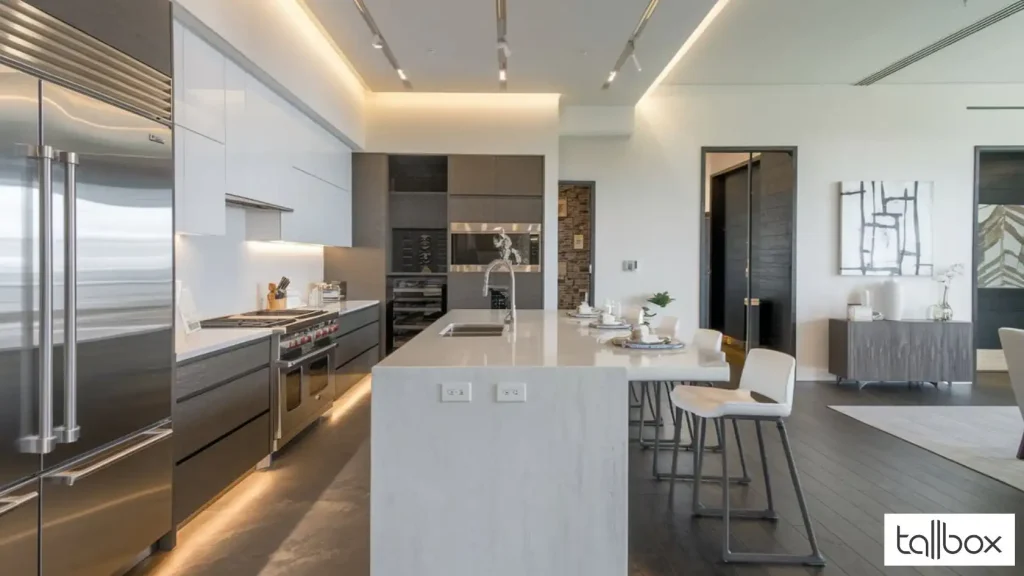
Stylish Fixtures and Finishes: Simple upgrades, like modern light fixtures, updated cabinet hardware, and quality window treatments, can make a significant difference in the perceived quality of the property. These aesthetic touches create a warm, contemporary feel without requiring a major investment.
By investing in a mix of core property repairs, thoughtful aesthetic improvements, and highlighting the value of a quality neighborhood and responsive management, you can transform your rental into a top choice for today’s discerning tenants. These upgrades go beyond initial attraction—they create a living experience that tenants are proud to call home.
Assessing Your Rental Property, Fix-Up Needs
Conducting rental property renovations helps landlords better understand the practical aspects of property management and tenant expectations. Many property renovations highlight the balance between essential fixes and optional enhancements, showing both the potential gains in property value and the risks of overspending. They teach landlords that investing in certain renovations may yield high returns in tenant satisfaction, but others may only add unnecessary costs.
Preparing your rental property for the market, a well-thought-out plan is essential. Proper assessment checklist helps prioritize the right upgrades, manage expenses, and stay on track, ultimately maximizing the appeal and profitability of your rental.
Here’s a step-by-step guide to getting started.
1. Property Evaluation Checklist
Before making any updates, conduct a thorough evaluation to identify both critical repairs and areas for improvement. A checklist can guide you through each part of the property to ensure nothing is overlooked.
Structural Integrity: Inspect the foundation, roof, and exterior walls for signs of wear or damage.
Safety Features: Verify that smoke and carbon monoxide detectors, locks, and any other safety features are in working order.
Interior Condition: Check floors, walls, ceilings, and fixtures for any needed repairs or updates.
Curb Appeal: Assess the landscaping, driveway, and exterior paint to see if they need refreshing.
Energy Efficiency: Review windows, insulation, and appliances to determine if they can be upgraded to reduce utility costs and appeal to environmentally-conscious tenants.
2. Prioritizing Fixes vs. Improvements
Once you’ve completed your evaluation, categorize the items based on priority. Not all upgrades need to happen immediately, and some will yield a higher return on investment than others.
• Essential Fixes: Start with repairs that address safety, structural integrity, and tenant comfort—such as plumbing, electrical systems, and HVAC.
• Functional Upgrades: Consider improvements that enhance usability, like adding storage or replacing worn-out appliances.
• Aesthetic Enhancements: Focus on cosmetic updates that make the property more attractive to potential tenants. This might include new paint, modern light fixtures, or landscaping improvements.

3. Budget Planning for Fixes
Set a realistic budget to ensure you can complete necessary repairs and upgrades without overspending.
• Estimate Costs: Gather quotes for each repair or improvement to get an accurate picture of costs.
• Separate Essentials from Extras: Break down the budget by immediate repairs and optional enhancements.
• Add a Contingency Fund: Set aside around 10-15% of your budget for unexpected expenses that may arise during the process.
• Explore Financing Options: If needed, look into financing options like personal loans or home equity lines of credit.
4. Renovation Timeline
Developing a timeline helps keep the project on schedule and minimizes downtime for your rental property.
• Start with Critical Fixes: Schedule essential repairs first to make the property habitable as soon as possible.
• Group Similar Tasks: Bundle tasks that require similar skills or trades to save time and streamline the process.
• Set Realistic Deadlines: Account for any potential delays, such as weather, contractor excuses, or material availability.
• Communicate with Contractors: Make sure contractors understand the timeline and expectations to avoid miscommunication.
Essential Fixes for Rental Remodels
According to Houston’s top real estate agentsWhen managing a rental property, it is crucial to prioritize and address various essential fixes to ensure the property remains safe, habitable, and well-maintained. Here are the key areas to focus on:

Structural Repairs
• Foundation Issues: Address any cracks, settling, or other foundation problems promptly to maintain the structural integrity of the property. Foundation issues can lead to serious stability problems and costly repairs if neglected.
• Wall and Roof Damage: Inspect and repair any damage to walls, including cracks or water damage, and ensure the roof is in good condition. This includes fixing leaks, replacing missing shingles, and addressing any issues caused by natural disasters.
Plumbing Systems
• Leaks and Clogs: Regularly inspect for and fix water leaks, clogged drains, and malfunctioning toilets. These issues can lead to water damage and mold growth, which are detrimental to both the property and tenant health.
• Pipe Maintenance: Ensure pipes are in good condition, and take preventive measures such as insulating pipes in cold weather and asking tenants to let water drip from faucets to prevent freezing.
Electrical Systems
• Wiring and Outlets: Maintain the electrical system by ensuring wiring is in good condition and there are no exposed wires or other hazards. Address issues like faulty wiring, malfunctioning outlets, or circuit breaker problems promptly.
• Safety Checks: Regularly test smoke detectors, replace batteries annually, and replace the detectors every ten years to ensure tenant safety.
HVAC Maintenance
• Regular Inspections: Conduct regular maintenance of heating, ventilation, and air conditioning (HVAC) systems to ensure optimal performance and energy efficiency. This includes cleaning air filters, inspecting thermostats, and servicing the system annually.
• Component Checks: Check for dirty air filters, malfunctioning thermostats, or worn-out components and replace them as needed to maintain tenant comfort and reduce utility costs.
Foundation Issues
• Inspections and Repairs: Regularly inspect the foundation for cracks or settling issues and address them promptly. Foundation problems can lead to significant structural issues if not resolved quickly.
Roof Repairs
• Leak Detection and Repair: Inspect the roof for leaks, missing shingles, or other damage. Addressing roof issues early prevents water damage and ensures the structural integrity of the property.
Window and Door Functionality
• Inspections and Repairs: Ensure windows and doors are in good working condition. Replace broken windows, repair or replace doors, and fix any issues with locks or screens to maintain security and comfort.
Strategic Property Fixes to Increase Rental Value (luxury rentals)
Use the strategic property fixes to increase the rental value of your luxury property, several key areas can make a significant impact.
Here are some detailed suggestions for each of the mentioned makeover categories.
Kitchen Updates
Cabinets
• Refacing or Replacing: Consider refacing cabinets if they are in good condition but need a cosmetic update. If the cabinets are damaged or made of low-grade materials, replacement might be necessary. Lighter colors and simple designs like Shaker door styles can make the kitchen look larger and more inviting.
Refacing existing kitchen will set you back by $4,235 – $10,222 (average $7,229) or Replacing entire kitchen is most often easier then refacing and can cost anywhere bettwen $3,200 to $15,000 (depending on size and customization). Affordable Cabinet Refacing and U.S. Cabinet Refacing are good options for Refacing and American Cabinet Refacing and Kitchen Saver for Replacing.
Want to get 3D rendering for your industrial project?
Countertops
• Upgrade to Durable Materials: Replace old countertops with materials like quartz, which is stain and scratch-resistant, and environmentally friendly. Quartz is available in various colors and patterns, making it a versatile choice. Quartz countertops are the most expensive element in a kitchen $2,000 – $4,500 (average material such as quartz) with more options at Caesarstone and Cambria.
Appliances
• Mid-Priced Options: Install mid-priced appliances such as a cooktop, oven, fridge, dishwasher, and microwave. These are more reliable and less likely to break down frequently compared to cheaper models. Electric appliances are also safer and eliminate the need for gas lines.
Mid-Priced Options for up to 5 appliances from builder’s brand will end up costing around $2,500 – $10,000 for a full set GE or LG models (cooktop, oven, fridge, dishwasher, microwave)
Backsplash
• Removable Options: For renters, consider using peel and stick removable tile or removable wallpaper for the backsplash. Removable Options can be found at Art3dand Smart Tiles for $50 – $300 for peel-and-stick tiles or wallpaper.
This is easy to install and remove without damaging the walls. Subway tile wallpaper or other decorative patterns can add a touch of personality to the kitchen.
Lighting and Accessories
• Strategic Lighting: Improve the ambiance with under-, over-, and in-cabinet lights. This can make the kitchen look more modern and inviting. Strategic Lighting for kitchen space may cost between $200 and $1,000 for Nobilia or Tala Lighting (under-cabinet lights and fixture updates). Additionally, update lighting fixtures and add decorative elements like rugs, plants, and new cabinet hardware to enhance the overall look.
Bathroom Improvements
To successfully sell your warehouse, it’s crucial to directly target potential buyers most likely interested in your property type and location. This approach maximizes your marketing efforts and increases the chances of a faster sale.
Fixtures and Fittings
• Update Faucets and Toilets: Replace old faucets and toilets with modern, water-efficient models. Faucets and Toilets from Moen and Kohler cost anywhere $200 – $800 per fixture and installation. This not only improves functionality but also enhances the aesthetic appeal of the bathroom.
Shower and Bathtub
• Refurbish or Replace: Refurbish or replace the shower and bathtub if they are outdated or in poor condition. To Refurbish or Replace Bathtub will set you back $336 – $629 for refinishing. Consider installing a new showerhead or refinishing the bathtub to give it a fresh look, will end up costing from $100 to $500. Plenty more models can be found at Bath Planet, USA Bath, Delta and Grohe.
Flooring and Walls
• Update Flooring: Replace old bathroom flooring with new, water-resistant materials like tile or vinyl.
Bathroom Flooring (Tile or Vinyl) from Smart Tiles will cost around $2 to $22 per square foot or $38 per pack of 5 sheets, and Backsplash around Sink Area: $500 – $2,000 depending on materials. The folks at LifeProof Vinyl Plank Flooring and Mohawk SolidTech Plus offer plenty of stain resistance options. Ensure the walls are painted with a fresh coat of paint, and consider adding a decorative backsplash around the sink area.
Flooring Repairs
General Tips
• Assess and Replace: Inspect the flooring throughout the property and replace any damaged or worn-out sections. Consider using durable and low-maintenance materials like hardwood, laminate, or tile. Hardwood Floor Repairs are $480 – $1,707 on average, and if there is a water damaged floor, prices often go over $1,200 to $6,000 per room.
Cost-Effective Options
• Area Rugs: For rental properties, using area rugs can be a cost-effective way to cover up stained or scuffed floors. Area Rugs cost $100 for smaller sizes and up to $700 for larger rugs from established luxury brands. Depending on size and quality, this also adds texture and warmth to the space as the main focal point of the space. Ruggable and Safavieh both offer best seller rugs under $1,000 that instantly will add luxe to any space.
Want to improve your property tour with 3D rendering?
Wall Repairs and Painting
Wall Repairs
• Patch and Paint: Repair any holes or cracks in the walls and apply a fresh coat of paint. Neutral colors are often preferred as they appeal to a wider range of tenants. Patch and Paint Small Holes or Cracks come at $376 to $1,381 (average cost of repairs)
Painting
• Choose Neutral Colors: Use light, neutral colors to make the rooms appear larger and more inviting. Interior Painting (Neutral Colors): $2 to $6 per square foot for labor and materials. Ensure the paint is of good quality and easy to clean. Paint Brands: Sherwin-Williams, Behr.
Storage Solutions
Cabinets and Shelves
• Maximize Vertical Space: Install extra tall cabinets that reach up to the ceiling to maximize storage space and reduce dust accumulation. Consider adding more drawers instead of shelves for better storage options. Tall Cabinets Installation: $150 to $700 per linear foot for semi-custom cabinets. Good place to find units are IKEA and ClosetMaid.
Additional Storage
• Islands and Racks: Add a kitchen island or mobile cart for extra counter space and storage. Kitchen Island (Custom): $3,000 to $6,000 for a custom island with storage options. Hanging pots and pans or using wall-mounted racks can also help in keeping the kitchen organized. Home Depot and Lowe’s will offer decent quality at not that high prices.
Safety Features
Electrical and Plumbing
• Regular Inspections: Ensure all electrical and plumbing systems are inspected regularly to prevent any safety hazards. Regular Electrical Inspection: $100 to $200. Replace outdated or faulty fixtures to maintain safety standards.
Fire Safety
• Smoke Detectors and Fire Extinguishers: Install smoke detectors in the kitchen and other areas of the property. Ensure there is a fire extinguisher in the kitchen and that it is easily accessible. Smoke Detectors & Fire Extinguishers Installation: Smoke detectors cost around $20-$50 each; fire extinguishers range from $30-$100 each. Typical brands are First Alert and Kidde.
General Safety
• Secure Doors and Windows: Ensure all doors and windows are secure and functioning properly. Add security features like deadbolts and window locks to enhance safety. Standard steel security doors cost between $300 and $700; labor costs range from an additional $150 to $500, depending on complexity.
The total cost will vary significantly based on choices made for materials and labor.
Here’s a rough breakdown of the minimum and maximum estimates:
• Kitchen Updates: ~$10,185 to ~$30,022
• Bathroom Improvements: ~$1,636 to ~$4,929
• Flooring Repairs: ~$580 to ~$9,000
• Wall Repairs & Painting: ~$752 to ~$3,381
• Storage Solutions: ~$3,150 to ~$11,700
• Safety Features: ~$600 to ~$1,500
Grand Total:
The total estimated cost for all renovations ranges from approximately $17,803 to over $70,263, depending on the scope of work and material choices.
The kitchen updates represent the largest potential expense, with a wide range from about $10K to $30K. Storage solutions and bathroom improvements also show significant variation between their minimum and maximum estimates.
Renovate for Less Strategies
According to Houston’s top real estate agents, when fixing up a rental property, it’s important to know what to fix first. Start with safety and compliance issues. These include structural repairs, plumbing, and electrical systems. Fixing these ensures the property is safe and up to code.
It is possible to do a light makeover on a rented property or apartment for under $10,000, including the kitchen, bathroom, and bedroom.
Focus on functional necessities. Make sure windows and doors work properly. Check that essential appliances are in good condition. These fixes make the property livable and comfortable.
Fixes (Essential Repairs):
• Electrical Issues: Repair faulty wiring to prevent fire hazards.
• Plumbing Problems: Fix leaks or clogged drains to ensure proper water flow.
• Structural Damage: Address cracks in the foundation or damaged roofing to maintain integrity.
• Safety Hazards: Replace broken locks or install smoke detectors for tenant safety.
After all functional features are addressed, aesthetic improvements should be considered. Fresh paint and new flooring can make a big difference. Updating kitchens and bathrooms can attract more tenants. These changes improve the look and feel of the property.
Improvements (Optional Upgrades):
• Kitchen Remodel: Update appliances or countertops to modernize the space.
• Bathroom Upgrades: Install new fixtures or tiles for a refreshed look.
• Fresh Paint: Apply neutral colors to walls for a clean and inviting atmosphere.
• Landscaping: Enhance curb appeal with new plants or outdoor lighting.
Benefits of Prioritizing Fixes
• Ensures Safety: Protects tenants from potential harm caused by unsafe conditions.
• Legal Compliance: Meets local building codes and regulations, avoiding fines.
• Cost Efficiency: Prevents minor issues from escalating into major, more expensive problems.
• Tenant Satisfaction: Provides a reliable living environment, encouraging longer tenants
If budget allows think about value-adding upgrades. Energy-efficient windows and appliances can save money in the long run. Adding storage solutions and modern amenities can increase the property’s appeal.
3 budget-friendly renovation strategies

Here are 3 budget-friendly renovation strategies for landlords to implement from $2,000 to under $11,500.
Want to get 3D rendering for your commercial project?
Add Fresh Coat of Paint
• Cost: $200 – $448 per room (DIY or professional)
• Why it works: A fresh coat of paint can dramatically improve the appearance of a rental property. Neutral colors like beige, gray, or off-white appeal to a broad range of tenants and make spaces feel larger and cleaner. This is one of the most cost-effective ways to refresh a property without major construction.
• Brands: Sherwin-Williams, Behr
Upgrade Lighting Fixtures
• Cost: $200 – $1,000
• Why it works: Updating lighting fixtures, including adding under-cabinet lighting or replacing outdated ceiling lights, can modernize a space and create a more inviting atmosphere. Energy-efficient LED lights can also help tenants save on utility bills, making the property more attractive.
• Brands: Tala Lighting, Philips Hue
Install Laminate Flooring
• Cost: $1,500 – $10,000 (depending on area)
• Why it works: Laminate flooring is durable, easy to clean, and more affordable than hardwood or tile. It’s a great option for high-traffic areas like living rooms and kitchens. It also appeals to tenants because it’s low-maintenance and often looks like real wood.
• Brands: Pergo, LifeProof
Total Estimated Costs for All Three Strategies:
• Low-end estimate: $1,900 (DIY paint, basic lighting upgrades, and laminate flooring for a small area)
• High-end estimate: $11,448 (professional painting, premium lighting fixtures, and laminate flooring for larger areas)
Always consider the cost versus the benefit. Prioritize projects that offer the highest return on investment. This approach helps you make smart decisions about fixing up your rental property.
Prioritizing fixes over improvements is a strategic approach to property management. It addresses immediate needs, ensuring tenant safety and legal compliance. While improvements can boost appeal and rent potential, they should come after essential repairs. Balancing both aspects leads to a well-maintained and desirable rental property.
This method allows landlords to manage their resources effectively and create a safe, attractive environment for tenants, ultimately benefiting both parties.
How Curb Appeal Draws Tenants Like a Magnet?
Tenants want to find an inviting place when they first arrive. A well-manicured exterior helps them feel comfortable, as if they have pulled into a home rather than just a temporary rental.
As Las Vegas property management experts weigh the market trends, they highlight a clear advantage in curb appeal: properties that invest in their exterior often secure better and faster rents. Curb appeal speaks volumes of safety, care, and pride in ownership. This soft message helps prospective tenants see themselves not just living there but truly valuing that space.
Critical Improvements for Maximum Tenant Appeal
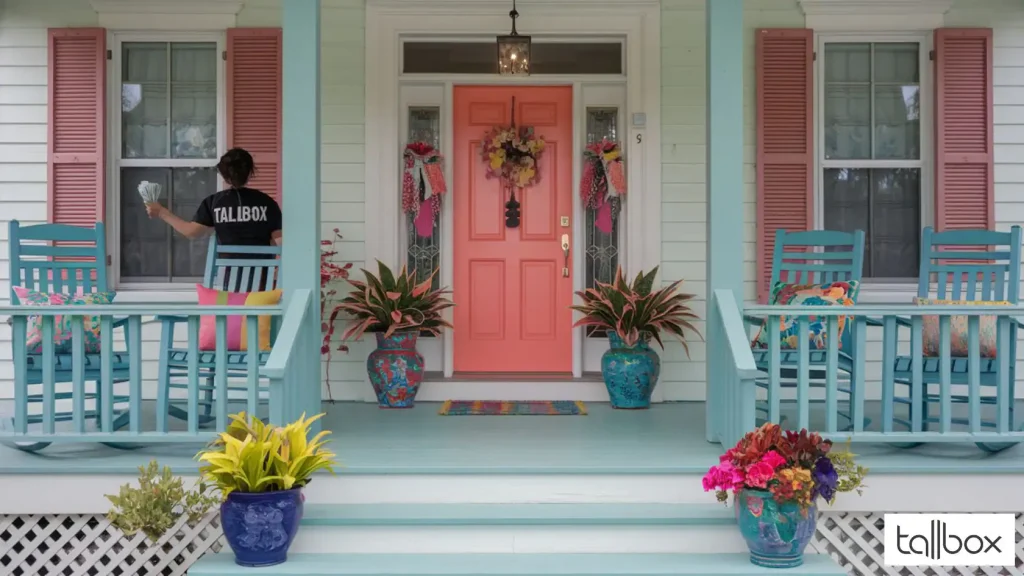
The good news? You don’t have to change everything about your property to create a great first impression. Some strategic improvements that catch attention and increase tenant interest include:
1. Purposeful Pathways
There’s something specific about an inviting pathway that makes passersby stop. Whether made with inviting stone setts or lit by soft twinkling lights, an appropriate path tells the visitor one is safe and invited inside. Use materials that withstand foot traffic yet maintain a modern, trendy flavor, such as slate and concrete pavers. You can add an organic feel with a meandering path that will deepen the visual appeal at nighttime when softly lit.
2. Landscaping Pops
Not every property requires a sprawling garden, but every property benefits from a bit of greenery. Think fresh mulch, a handful of low-maintenance shrubs, or seasonal potted plants. Industry insights from the experts say tenants are significantly more likely to sign a lease when they feel the outdoor space is well-kept. Adding a splash of color or strategically placed flower beds can help your property stand out without the commitment of high-maintenance landscaping.
Outdoor spaces have a positive impact on mental and physical health, as access to sunlight, fresh air, and greenery can improve mood, reduce stress, and promote physical activity. From a landlord’s perspective, outdoor spaces can be a key differentiator in a competitive rental market, with properties with well-designed and maintained outdoor areas attracting more interest and potentially higher rental prices.
3. Lighting Magic
Lighting is probably one of the least appreciated things in curb appeal. Strategic lighting can give your property an attractive look invite and make it safe around the clock. This would include pathway lighting, lights on entry points as a motion sensor, or highlighting the architectural details with accent lighting. Outdoor lighting is that sword that cuts both ways – it makes your tenants feel more secure while adding ambiance to your property, especially around the evening when you see it.
Curb appeal rental-friendly upgrades (cost comparison)
Low-Cost DIY Strategy
Cost: $100 – $500 (DIY)
Details:
• Window Screens: Replacing old or damaged window screens is a simple and inexpensive way to improve curb appeal. Clean or replace screens to give windows a fresh, clean look. This can be done for around $20 per screen.
• Clean Windows: Clean the exterior windows to make them sparkle. This can be done with a DIY window cleaner solution and some elbow grease.
• Solar Lights: Install solar-powered lights along walkways or around the entrance. Solar lights are affordable (around $20 – $50 per light) and require no wiring, making them easy to install yourself.
• Why it works: These simple upgrades make the property look well-maintained and inviting without significant investment. Solar lights also enhance safety and nighttime curb appeal.
• Brands: Art3d (window screens), Brightech (solar lights)
Low-Cost DIY Strategy Total: $100 – $500
Luxe Strategy
Replace Ceiling Fans, Install High-End Landscaping, and Upgrade Walkways
Cost: $5,000 – $15,000
Details:
• Ceiling Fans: Replacing outdated ceiling fans with modern, energy-efficient models can increase both the interior comfort and curb appeal if visible from outside (e.g., through large windows or balconies). High-quality fans with integrated lighting can cost between $200-$600 each.
• High-End Landscaping: Invest in professional landscaping with native plants, trees, and shrubs that require minimal maintenance but offer maximum visual impact. Consider adding a decorative stone pathway or edging for a sophisticated look. Landscaping costs can range from $3,000 to $10,000 depending on the size of the property.
• Walkway Upgrade: Replace or upgrade walkways with stone pavers or cobblestone for a luxurious feel. This adds durability and charm to the property’s exterior while enhancing the overall aesthetic. Expect to spend between $2,000 and $5,000 for this upgrade.
• Why it works: These upgrades significantly boost curb appeal by creating a high-end look that attracts premium tenants. Modern ceiling fans improve both functionality and aesthetics inside and out, while professional landscaping and upgraded walkways provide long-lasting value.
• Brands/Companies: Hunter (ceiling fans), Belgard (stone pavers), The Grounds Guys (landscaping services)
Luxe Strategy Total: $5,000 – $15,000
These two strategies offer flexible options for landlords looking to enhance curb appeal on either a tight budget or with more luxurious upgrades that provide lasting value.
How a front porch can help attract good tenants?
A well-maintained front porch creates a welcoming first impression, signaling to potential tenants that the property is cared for and inviting. By providing an outdoor area to relax, a front porch extends the living space, which is particularly appealing for tenants who value leisure or outdoor time.
Adding simple touches like seating, plants, and lighting enhances the porch’s aesthetic, making the property feel more like a home, which attracts tenants looking for a cozy and stylish space. A front porch can improve curb appeal, helping your property stand out in the rental market and attract high-quality tenants who are willing to pay a premium for charm and character.
With the right decorations, a front porch can reflect the style and personality of the property, appealing to tenants who appreciate thoughtful design and a welcoming atmosphere.
What interior design trends will be good for tenants in 2025?
In 2025, interior design trends are evolving to create spaces that are both stylish and tenant-friendly.
Earthy Tones and Nature-Inspired Hues Shades like mellow browns, gentle greens, and soft terracotta are gaining popularity. These colors provide a connection to nature and foster a sense of serenity, making spaces feel more inviting.
There’s a growing emphasis on eco-friendly materials such as bamboo, reclaimed wood, and recycled fabrics. These choices not only benefit the planet but also infuse spaces with unique character and authenticity.
With the lines blurring between work and leisure, creating adaptable spaces is essential. Designing areas that can serve multiple purposes enhances functionality and appeals to tenants seeking versatility.
Integrating natural elements like indoor plants, natural light, and organic materials into interiors promotes well-being and creates a serene environment. This approach fosters a connection with nature, which tenants find appealing.
Encouraging tenants to personalize their spaces with art and decor that reflect their individuality makes the environment feel more like home. This trend moves away from impersonal designs toward spaces filled with meaningful objects and unique touches.

Should you add outdoor space for tenants?
Yes, adding outdoor spaces for tenants is a worthwhile investment for rental properties. At the same time It depends on your property’s potential, tenant demand, and your willingness to invest in installation and maintenance. If the benefits of attracting tenants and increasing rental income outweigh the costs and challenges, adding outdoor space can be a worthwhile enhancement to your rental property.
According to recent studies, outdoor spaces have become a pivotal factor in attracting and retaining tenants, with 58% of residential architects, designers, and builders acknowledging that a connection to the outdoors/nature will significantly influence their design choices. The demand for outdoor spaces in rental properties has seen a remarkable upsurge in recent years, driven by factors such as increased remote work, the desire for personal wellness spaces, and a general appreciation for nature.
Basic Patio with Seating
Cost: $500 – $2,000
Details:
• Patio (Concrete or Pavers): A basic concrete patio or paver installation can cost between $300 and $1,500 depending on the size. This is a simple, low-maintenance option that provides tenants with an outdoor seating area.
• Seating: Add affordable outdoor furniture like a small table and chairs ($100 – $300). Opt for weather-resistant materials like plastic or metal.
• Replace Window Screens: Replacing damaged window screens improves both curb appeal and functionality. DIY kits cost around $20 per screen, with total costs ranging from $100 to $300 depending on the number of windows.
• Why it works: This strategy is budget-friendly and can be done over a weekend. It creates a usable outdoor space for tenants without requiring significant investment.
• Brands: Quikrete (concrete), Mainstays (outdoor furniture), Phifer (window screens)
Deck Installation with High-End Landscaping
Cost: $10,000 – $25,000
Details:
• Deck Installation: A high-quality deck made of composite materials like Trex can cost between $15,000 and $20,000 depending on size and design. Composite decking is durable, low-maintenance, and adds long-term value to the property.
• High-End Landscaping: Professional landscaping with native plants, trees, shrubs, and stone pathways can range from $3,000 to $10,000. This enhances the overall aesthetic appeal and provides a relaxing environment for tenants.
• Ceiling Fans for Outdoor Areas: Installing ceiling fans in covered outdoor spaces or patios improves comfort during warmer months. High-end fans cost between $200 to $600 each.
• Why it works: This strategy creates a luxurious outdoor living space that attracts higher-paying tenants. The combination of a durable deck, professional landscaping, and ceiling fans offers both functionality and aesthetic appeal.
• Brands/Companies: Trex (composite decking), The Grounds Guys (landscaping services)
Outdoor spaces have become a significant factor in attracting and retaining tenants. Properties with well-designed and maintained outdoor areas tend to attract more interest, leading to higher occupancy rates and potentially higher rental prices.