George is a seasoned interior designer and property marketing strategist with over 13 years of experience. He specializes in transforming properties into visually stunning spaces, helping clients recognize the potential and beauty in each property. With an impressive international client base of exciting projects throughout Europe and America.

You’ll find excellent xeriscaping options with drought-tolerant perennials like lavender, coneflowers, and salvia for consistent color. Add structural elements with succulents such as agave and yucca, while ground covers like creeping phlox and thyme fill spaces efficiently.
Herbs including rosemary and sage offer both beauty and functionality. By grouping plants with similar water needs, you’ll create a sustainable environment that thrives in dry conditions. Uncover how these water-wise choices can change your outdoor space.
The best plants for xeriscaping are:
- Lavender
- Coneflowers
- Salvia
- Agave (specifically, Whale’s Tongue variety)
- Yucca
- Creeping Phlox
- Thyme
- Rosemary
- Sage
- Penstemon
- Sedum (including Dragon’s Blood cultivar and goldmoss sedum)
- Ice Plants
- Mexican Bush Sage
- Gaillardia
- Nepeta ‘Little Trudy’
- Himalayan Border Jewel
If you click and buy from any of the links in this post or site, including the Amazon Services LLC Associates Program, or affiliate advertising programs, we may earn a small referral commission from qualifying purchases.
Top Picks
- Best Overall: Lamb’s Ear Seeds for Planting – $11.99
- Best Value: Mexican Feather Grass Seeds for Planting – $9.99
- Best for Color: The Colorful Dry Garden – $22.95
- Best Guide: Month-By-Month Gardening in the Deserts of Arizona – $19.63
Essential Plants: Perennials and Succulents for Dry Gardens
While drought conditions continue to challenge gardeners across the country, xeriscaping offers a smart solution that’ll change your scenery into a water-efficient oasis.
You’ll find that drought-tolerant perennials form the backbone of any successful xeriscape design. Lavender stands out as an excellent choice, offering aromatic foliage and purple blooms that’ll attract beneficial pollinators to your garden. Consider adding coneflowers for their striking daisy-like appearance and exceptional drought resistance, while penstemon’s tubular blooms will bring hummingbirds to your yard.
Succulents prove invaluable in xeriscaping, as they’re naturally suited to store water and thrive in challenging conditions. You’ll want to incorporate structural elements like Agave species, particularly the Whale’s Tongue variety with its distinctive silver-margined leaves. Sedum varieties offer versatility, whether you choose broadleaf varieties or the dramatic Dragon’s Blood cultivar.
Ground Covers, Herbs, and Accent Plants for Xeriscaping
Yucca plants provide year-round interest with their sword-like foliage, while ice plants deliver lively blooms in red, yellow, or fuchsia.
Ground covers play an essential role in your xeriscape by preventing soil erosion and reducing water evaporation. The goldmoss sedum works exceptionally well in sunny, well-drained areas, producing cheerful yellow flowers. You can pair it with showy penstemon, which spreads generously and produces lavender to rose-colored blooms even in dry conditions.
For spring color, creeping phlox offers a moss-like texture with flowers in red, white, or lavender hues.
You’ll maximize your xeriscape’s success by incorporating herbs and sages that naturally thrive in dry conditions. Mexican Bush Sage stands out with its long spikes of soft purple blooms that attract butterflies.

Xeriscape Plant Placement and Design Tips
When planning your plant placement, remember to group species with similar water needs together. Start with larger specimens like agave or yucca as focal points, then layer in mid-sized perennials like salvias and gaillardia. Fill the remaining spaces with ground covers and compact varieties like Nepeta ‘Little Trudy’®.
For slopes or challenging areas, consider aggressive crawlers like the Himalayan Border Jewel, which helps prevent erosion while providing pink blooms.
Is Xeriscaping possible to DIY?
Yes, xeriscaping is absolutely possible to DIY! In fact, it’s a very popular project for homeowners who want to save water, reduce maintenance, and create a beautiful, sustainable landscape. With careful planning, you can choose drought-resistant plants, incorporate efficient irrigation methods, and use natural mulch to retain moisture. Learning how to xeriscape a yard involves selecting the right materials and design to minimize water use while enhancing visual appeal.
Here’s a breakdown of why it’s DIY-friendly, and some considerations:
Why Xeriscaping is DIY-able:
- Scalable: You can start small. You don’t have to transform your entire yard at once. Begin with a single flower bed, a small section of lawn, or a problem area (like a sunny, dry slope). This makes it manageable.
- Many Resources: There are tons of online resources, books, and even local workshops (often offered by garden centers or water conservation districts) that provide step-by-step guidance.
- Plant Selection is Key: A large part of xeriscaping success is choosing the right plants. With research, you can find plants native to your region that are naturally drought-tolerant. This reduces the need for specialized horticultural knowledge.
- Basic Landscaping Skills: Many xeriscaping tasks involve basic gardening skills: removing existing plants, amending soil, planting, mulching, and creating pathways.
- Cost Savings: DIYing your xeriscape can save you a significant amount of money compared to hiring a professional landscaper.
Designing Xeriscaping Yard
Step 1: Start with a Solid Plan
Every Xeriscape begins with a thoughtful plan. Think of it like crafting a blueprint for your dream garden. Start by observing your yard how much sunlight does each area get? Are there any slopes where water tends to run off? Mapping these details helps you create a functional design that optimizes water use.
When planning, it’s also important to think about what you want out of your yard. Are you creating a space for entertaining? A private retreat? Or maybe a playful area for kids? Professionals like Pitt Landscape specialize in customizing designs to fit your specific goals, ensuring your xeriscape is as functional as it is beautiful.
Actionable Steps:
- Create a yard sketch, noting sunlight exposure, slopes, and existing plants.
- Divide the space into zones for different uses (e.g., planting, seating, pathways).
- Refine your vision with expert guidance if needed.
Step 2: Refine Your Soil
Healthy soil is the foundation of any great landscape, and xeriscapes are no exception. While Utah’s soil can be dry and rocky, a little preparation can go a long way. Adding organic matter like compost improves moisture retention and creates a welcoming environment for plants. Just keep in mind that some native plants thrive in less fertile, well-draining soil—balance is key!
For example, xeriscaping doesn’t mean over-fertilizing. Some plants, like desert sage, prefer leaner soil to thrive naturally. A simple soil test can help you get this balance right.
Actionable Steps:
- Test your soil’s pH and nutrient levels to understand its condition.
- Add compost or organic material to improve water retention.
- Use mulch to protect the soil from Utah’s intense sun.
Step 3: Choose the Right Plants
Here’s where the fun begins! Xeriscaping doesn’t mean you have to settle for a plain, boring yard. By choosing the right drought-tolerant plants, you can create a vibrant and dynamic garden that thrives in Utah’s climate. Think colorful lavender, ornamental grasses, or the bold textures of yucca and agave.
Native plants are a xeriscaper’s best friend; they’re low-maintenance, beautiful, and perfectly adapted to the local environment. Pitt Landscape offers expert guidance in selecting plants that match your aesthetic while minimizing water needs.
Actionable Steps:
- Select a mix of native plants, shrubs, and ground covers for variety.
- Group plants with similar water needs together for efficient irrigation.
- Include seasonal blooms for year-round color and interest.
Step 4: Install Efficient Irrigation Systems
Even the hardiest plants need water, especially when they’re first getting established. The key is to water smart, not more. Drip irrigation systems are ideal for xeriscaping because they deliver water directly to the roots, minimizing waste.
Automatic timers make the process even easier, ensuring your plants get just the right amount of water at the right time.
This step often requires a bit of technical expertise, which is why Pitt Landscape’s irrigation services are a smart choice. Their customized systems ensure efficient watering tailored to your landscape’s unique needs.
Actionable Steps:
- Use drip irrigation to reduce evaporation and runoff.
- Water early in the morning or late in the evening to avoid heat-related loss.
- Regularly check your system for leaks or blockages.
Step 5: Limit Lawn Areas
Traditional lawns are water guzzlers, and in Utah’s climate, they can be tough to maintain. Reducing lawn space is a cornerstone of xeriscaping. Replace grass with alternatives like drought-resistant ground covers, mulch, or hardscaping elements like stone pathways and patios. Not only will this save water, but it’ll also add character to your yard.
If you’re worried about losing the lush green look of a lawn, consider incorporating artificial turf in smaller areas. It offers the same visual appeal without the maintenance headaches.
Actionable Steps:
- Replace sections of your lawn with creeping thyme, sedum, or artificial turf.
- Incorporate gravel, pavers, or decorative stones for pathways and seating areas.
- Use mulch or bark to create defined, low-maintenance zones.
Step 6: Add Hardscaping Features
Hardscaping isn’t just practical but also a way to make your xeriscape stand out. Retaining walls, stone walkways, and decorative boulders create structure while reducing the need for watering. These features can also define seating, planting, or entertaining areas, making your yard more functional.
By carefully blending hardscaping with greenery, you can create a balanced design that’s both beautiful and efficient. This is where a professional touch often shines, ensuring every feature fits seamlessly into your overall landscape.
Actionable Steps:
- Install retaining walls to manage slopes and create visual interest.
- Use natural materials like stone or wood for pathways and patios.
- Incorporate decorative elements like fire pits or water features for added charm.
Step 7: Finish with Mulch
Never underestimate the power of a good mulch layer! Mulch helps retain soil moisture, regulate temperature, and keep weeds at bay. Plus, it gives your xeriscape a clean, finished look. Organic mulches like bark or wood chips break down over time, enriching the soil. If you prefer a more permanent option, gravel or stone mulch works just as well.
A well-dressed xeriscape isn’t just functional it’s visually cohesive, tying together your plants and hardscaping beautifully.
Actionable Steps:
- Apply a 2-3 inch layer of mulch around plants.
- Refresh organic mulch regularly to maintain its benefits.
- Use gravel or stones for a sleek, modern aesthetic.
Considerations and Challenges When Xeriscaping
Planning is Crucial for Xeriscaping, especeially if you DIY, don’t just start ripping out plants! A good design is essential.
This includes:
Yard assessment: Check sun exposure, soil type, drainage, existing plants, and slope.
Creating a plan: A drawing (even a rough one) showing plant placement, pathways, and hardscaping (rocks, gravel). Group plants with similar water needs together (hydrozoning).
Understanding local regulations: Some HOAs or municipalities have rules about landscaping, including plant choices or water usage.
Physical Labor: Depending on the scale of your project, it can be physically demanding. Removing grass, digging, moving rocks, and spreading mulch can be hard work.
Soil Preparation: Proper soil preparation is often necessary. This might involve amending your existing soil with compost or other materials to improve drainage.
Initial Watering: Even drought-tolerant plants need regular watering to get established. You’ll need a plan for this.
Weed Control: While established xeriscapes require less weeding than traditional lawns, weed control is still important, especially in the first few years.
Learning Curve: Like any gardening project, there’s a learning curve. Be prepared to research, learn from your mistakes, and adapt your approach.
4 things to start with when Xeriscaping
If you click and buy from any of the links in this post or site, including the Amazon Services LLC Associates Program, or affiliate advertising programs, we may earn a small referral commission from qualifying purchases.
Top Picks
- Best Overall: Lamb’s Ear Seeds for Planting – $11.99
- Best Value: Mexican Feather Grass Seeds for Planting – $9.99
- Best for Color: The Colorful Dry Garden – $22.95
- Best Guide: Month-By-Month Gardening in the Deserts of Arizona – $19.63
How We Selected These Plants?
When selecting the best xeriscaping plants, consider factors such as drought tolerance, maintenance requirements, and aesthetic appeal. Each of these plants has been chosen for their ability to thrive in dry conditions while adding beauty to your garden.
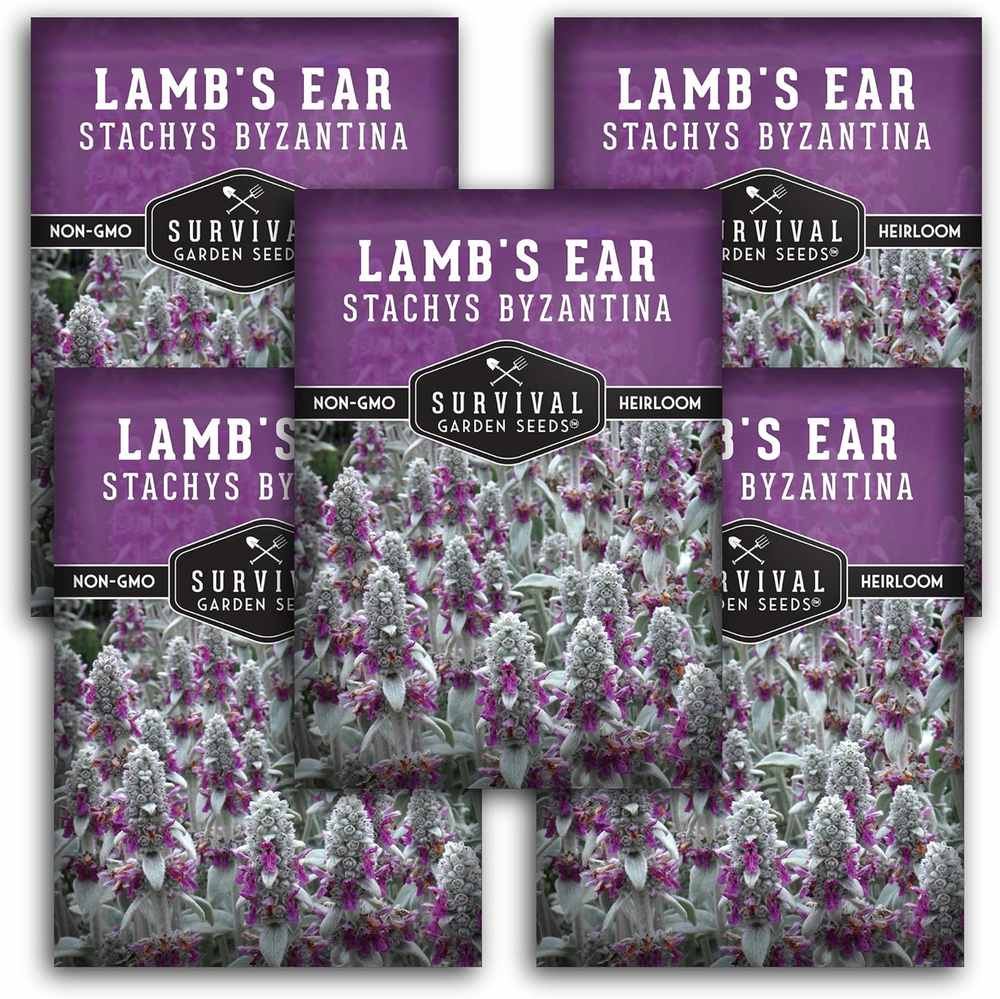
Lamb’s Ear Seeds for Planting – 5 Packets
Lamb’s Ear, also known as Wooly Betony, is a fantastic choice for your spring garden. These seeds come in a convenient 5-pack, complete with instructions to help you plant and grow this beautiful, drought-tolerant herb. With its soft, silvery leaves and lovely purple flowers, Lamb’s Ear not only adds charm to your garden but also serves practical purposes. It’s great for ground cover, especially in areas where grass struggles to thrive. Plus, its medicinal properties make it a valuable addition to any homesteader’s garden. If you’re looking for an easy-to-grow plant that brings both beauty and utility, these seeds are a solid pick.
Why You’ll Love Lamb’s Ear
- Drought-resistant and low maintenance
- Beautiful purple flowers and silvery foliage
- Medicinal properties for natural remedies
- Perfect for xeriscaping and rock gardens
Eco-Friendly Gardening
Lamb’s Ear is not just pretty; it’s also beneficial for the environment. It helps reduce soil erosion, outcompetes weeds, and attracts beneficial pollinators, making it a great choice for sustainable gardening.
Rating: 3.7 (Total: 40+)
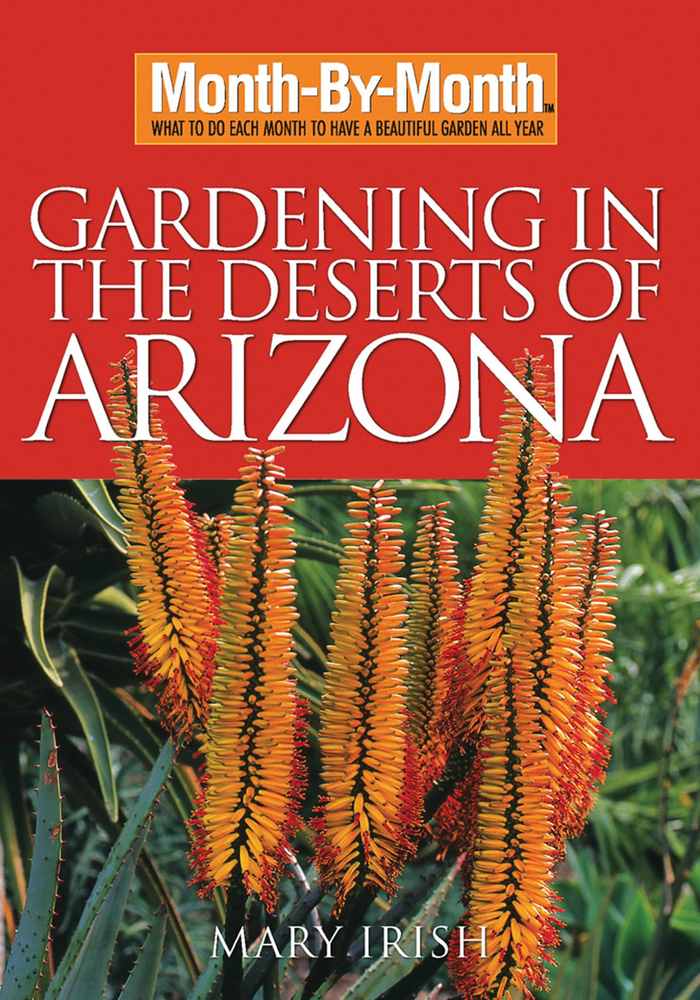
Month-By-Month Gardening in the Deserts of Arizona
This book is your go-to guide for navigating the unique challenges of desert gardening throughout the year. With month-by-month tasks laid out clearly, you’ll know exactly what to do to keep your garden thriving, whether it’s pruning your cacti or planting vibrant succulents. Mary Irish, a seasoned expert in desert horticulture, shares her insights in a way that’s easy to understand and apply. If you’re looking to create a stunning spring garden that stands out, this book is a must-have on your shelf.
Why You’ll Love This Gardening Guide
- Month-by-month guidance tailored for desert conditions
- Expert tips from a seasoned horticulturist
- Colorful photographs to inspire your gardening journey
- Practical advice for both beginners and seasoned gardener
Sustainable Gardening Practices
This guide promotes sustainable gardening practices that are crucial in arid climates. By focusing on xeriscaping and water-wise landscaping, it encourages the use of native plants that require less water, helping to conserve this precious resource while creating beautiful outdoor spaces.
Rating: 4.6 (Total: 496+)
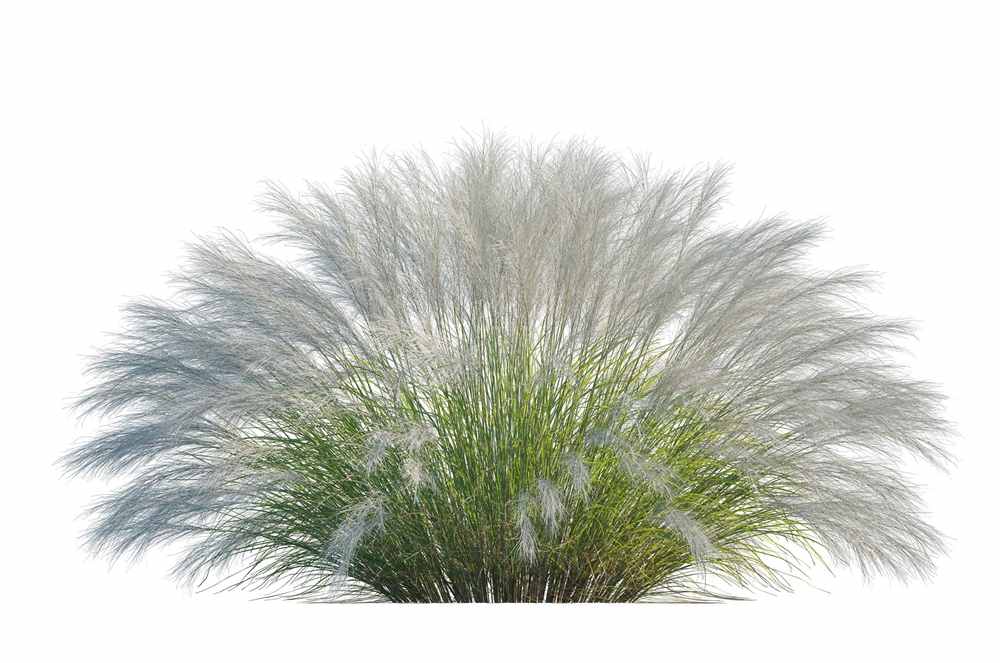
Mexican Feather Grass Seeds for Planting (50 Seeds)
These Mexican Feather Grass seeds are a fantastic choice for anyone looking to add a touch of elegance to their garden. With their needle-like leaves forming lush green clumps, they not only look stunning but are also drought-tolerant, making them perfect for xeriscaping. Imagine a garden where the flowers transition from vibrant green to a warm golden hue as they mature. Whether you’re sprucing up your backyard or planning a special event, these seeds will help you create a beautiful, low-maintenance landscape that thrives in full sun.
Why You’ll Love These Seeds
- Drought-tolerant and low-maintenance
- Beautiful transition of colors from green to gold
- Perfect for xeriscaping and enhancing garden aesthetics
- Easy to grow with simple care instructions
Eco-Friendly Gardening Choice
By choosing Mexican Feather Grass, you’re not just beautifying your garden; you’re also supporting sustainable gardening practices. This plant thrives in arid conditions, requiring less water and promoting biodiversity by attracting local wildlife.
Rating: 4.7 (Total: 150+)
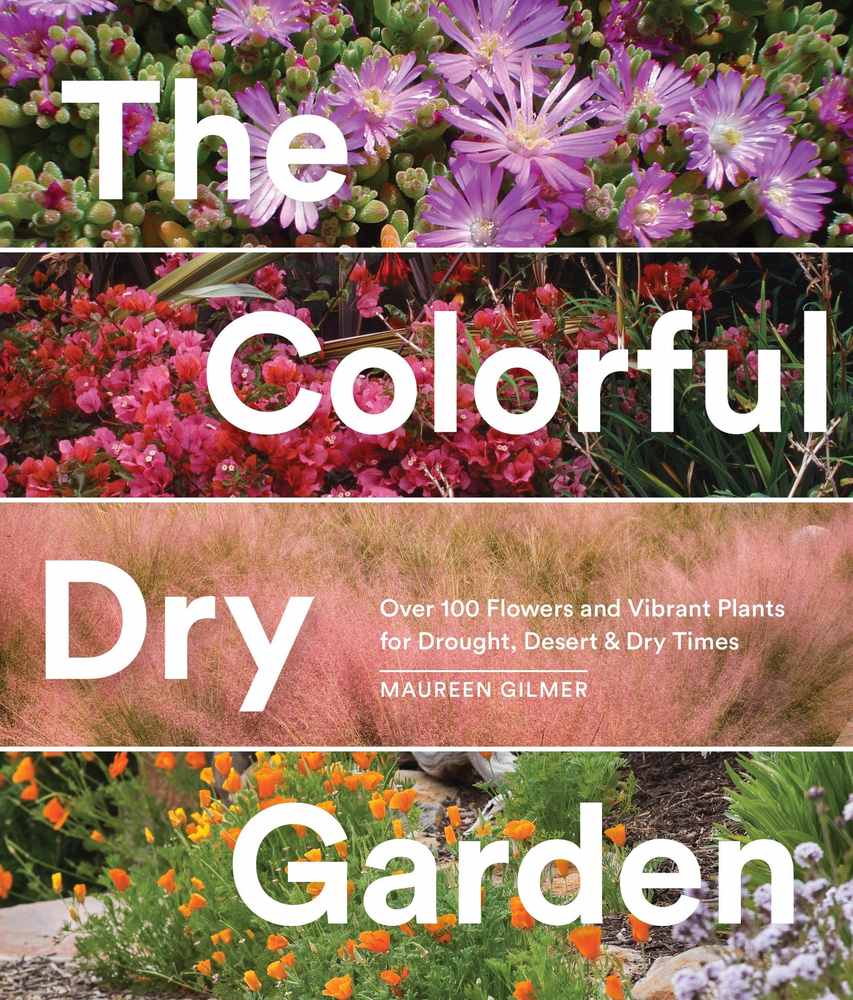
The Colorful Dry Garden: Over 100 Flowers and Vibrant Plants for Drought, Desert & Dry Times
This book is your go-to guide for transforming your garden into a vibrant oasis, even in the driest conditions. It’s packed with over 100 stunning plant profiles that are not only beautiful but also drought-resistant. Whether you’re a seasoned gardener or just starting out, Maureen Gilmer’s insights will help you choose the right plants that thrive in arid climates. Perfect for everyday gardening or special landscaping projects, this book is a must-have for anyone looking to create a colorful, low-water garden.
Why This Book Stands Out
- Comprehensive plant profiles for drought-tolerant gardening
- Beautiful visuals and practical tips for every gardener
- Helps you transition to a low-water landscape effortlessly
- Ideal for both beginners and experienced gardeners
Sustainable Gardening Made Easy
By following the guidance in this book, you’re not just enhancing your garden’s beauty; you’re also contributing to water conservation efforts. The plants featured are chosen for their ability to thrive with minimal water, promoting sustainable gardening practices.
Rating: 4.6 (Total: 77+)
FAQ
What are the benefits of using xeriscaping plants in my garden?
Using xeriscaping plants in your garden can significantly reduce water usage, making it an eco-friendly choice. These plants are drought-tolerant, meaning they thrive in dry conditions and require less maintenance compared to traditional gardens. By incorporating xeriscaping plants, you can create a beautiful, vibrant garden that conserves water and supports local wildlife.
How do I choose the right xeriscaping plants for my garden?
When selecting xeriscaping plants, consider your local climate, soil type, and the amount of sunlight your garden receives. Look for plants that are native to your area, as they are typically well-adapted to local conditions and require less care. Additionally, think about the colors and textures you want to incorporate for visual interest. Researching plants like Lamb’s Ear or Mexican Feather Grass can give you a good start, as they are known for their resilience and beauty.
What should I do if my xeriscaping plants aren’t thriving?
If your xeriscaping plants aren’t thriving, first check their watering needs. Overwatering can be just as harmful as underwatering, so ensure you’re following the specific guidelines for each plant. Additionally, assess the soil quality and drainage; poor soil can hinder growth. If you’re using seeds, like those for Lamb’s Ear, ensure you’re planting them at the right depth and in the right conditions. Sometimes, it may take a bit of time for plants to establish, so patience is key. If problems persist, consider consulting a local gardening expert for tailored advice.
Wrapping Up
Xeriscaping is an excellent choice for anyone facing high water costs or living in an area with water scarcity.
Consider xeriscaping your yard primarily to save water and reduce maintenance. It’s ideal if you live in an area with water restrictions or high water costs, as it significantly lowers your water bill. Xeriscaping also requires less time and effort than traditional lawns, while still offering a visually appealing landscape with a variety of plant choices. If you want to save water, money and time, consider xeriscaping.