Many people dream of building a home tailored to their lifestyle—choosing the design, layout, and materials that reflect their needs and preferences. But how much does it actually cost to build a home in 2025?
In 2025, the absolute minimum you can spend to build a house with low-to-mid-end materials when you hire a building company is $250,000. On average, building a 2,000-square-foot home in 2025 is estimated to cost between $150 and $300 per square foot, translating to a total of $300,000 to $600,000, excluding the cost of land. This wide range depends on key factors such as location, design complexity, material quality, and labor costs.
At the lower end of the spectrum (around $150 per square foot e.g. $250,000), you can expect a modest home built with standard materials in a cost-efficient region like Minnesota, Iowa, North and South Dakota, Ohio and Kansas, generally the entire Midwest. These homes typically feature a simple design and basic amenities, appealing to first-time buyers or those looking to downsize. Understanding the cost of house plans explained can further clarify how regional variations and material choices impact your budget. As you explore options, factors such as layout complexity and energy efficiency can significantly alter overall expenses.
At the higher end (above $300 per square foot), in states like Wyoming, Colorado, New Mexico, California, Oregon, and Arizona—particularly in high-cost urban areas on the West Coast—homes often include features such as marble countertops, custom cabinetry, open-concept layouts, and multi-level designs, where both material and labor costs are significantly higher
Location significantly affects overall cost. In urban areas like San Francisco or Denver, high land prices and elevated labor rates can drive up expenses, while rural regions—such as parts of Montana or Idaho—tend to be more affordable due to lower demand and construction costs. Design complexity is another major cost factor.
A basic rectangular floor plan with minimal internal walls can help reduce costs, whereas custom designs with features like curved staircases, cantilevered structures, or intricate rooflines can substantially increase them. Material quality also impacts the budget.
For example, using laminate countertops and standard tile can keep costs down, while selecting quartz surfaces, imported tiles, and custom-built cabinetry can significantly raise the total project cost.
To manage these variables and avoid unexpected expenses, many homeowners work with construction estimating consultants. These professionals provide detailed cost projections for each phase of the build and update estimates when adjustments are needed due to design changes, updated codes, or market fluctuations. Their guidance helps ensure more accurate budgeting and a smoother project overall.
Table of Contents

George Nicola
George is a seasoned interior designer and property marketing strategist with over 13 years of experience. He specializes in transforming properties into visually stunning spaces, helping clients recognize the potential and beauty in each property. With an impressive international client base of exciting projects throughout Europe and America.
2025 USA Home Construction Costs
Interactive map showing estimated mid-range cost per square foot by region.
General range: $125/sq.ft (low-end) to over $500/sq.ft (luxury).
Regional Cost Details
Click on a state to see detailed regional cost information.
Note: These are general guidelines for mid-range construction. Actual costs vary by location, design, materials, contractor, and economic conditions.
Building a 2,000 sq. ft. home in 2025 range from approximately $125 per square foot for low-end construction to over $500 per square foot for luxury builds. Verified 2025 industry data supports these figures. The $180–$260 per square foot range provides a reliable benchmark for mid-range home construction planning. These are general guidelines, and actual project costs will vary based on location, design complexity, material choices, contractor, and economic conditions. The figures reflect national averages and regional cost differences for 2025.
On the West Coast, costs typically range from $220 to $280 per square foot, driven by high labor expenses, strict building codes, and transportation challenges in states such as California, Oregon, and Washington. In the Northeast, averages fall between $200 and $260 per square foot, influenced by dense urban development, union labor, and elevated permit fees in states like New York, Massachusetts, and New Jersey.
In the Midwest, costs are lower, averaging $150 to $190 per square foot. This is due to more affordable land, fewer regulatory barriers, and lower labor expenses in states including Ohio, Michigan, and Illinois. The South ranges from $160 to $210 per square foot, with states like Texas, Florida, and Georgia benefiting from lower land prices and a favorable climate that simplifies construction.
These regional differences stem from labor costs (unionized vs. non-union), material availability, transportation, local codes, and climate. Major metropolitan areas often exceed these averages due to higher demand and premium construction requirements.
Building a dream home in 2025 involves navigating a range of cost factors, including architectural design, floor plan complexity, and material choices.
This makes the guidance of an interior designer essential. Interior designers help translate a client’s lifestyle into practical decisions, such as choosing between an open-concept layout and compartmentalized rooms or selecting features like marble countertops, custom cabinetry, or built-in storage solutions.
They work within the budget by advising on material options, such as comparing laminate to quartz for countertops, or weighing the cost of standard ceramic tile against imported Italian tile.
Beyond managing expenses, they ensure that every design element—whether it’s a flooring material, lighting fixture, or wall configuration—reflects the client’s vision while staying within financial limits.

Average Cost to Build a House in 2025
Home Renovation Cost Estimates (2025)
Low-End
Your Updated Estimate
$250,000 - $350,000
Verified Industry Range
Approx. $240,000 – $400,000
(reflecting $120-$200/sq ft variability)
Mid-Range
Your Updated Estimate
$360,000 - $520,000
Verified Industry Range
Approx. $360,000 – $520,000
(reflecting $180-$260/sq ft)
High-End
Your Updated Estimate
$600,000 - $1,200,000
Verified Industry Range
Approx. $600,000 – $1,200,000+
(reflecting $300-$600+/sq ft)
Low-end ($125 – $175/sq ft): ✅ Verified – On the low-end average for 2025 the costs for basic, builder-grade, or modular/prefabricated homes in cost-efficient regions can start in the $125-$175 per square foot range. This often represents the most fundamental level of construction, potentially with simpler finishes and designs.
Mid-range ($180 – $260/sq ft): ✅ Verified – On the mid-end average for standard new residential construction pricesvary between $180 to $260 sq.ft, where the higher end features good quality materials, finishes, and more diverse design options. This is a commonly cited range for average new homes nationally, though regional variations are significant.
High-end ($300 – $600/sq ft): ✅ Verified – For homes qualifying as high-end or custom, featuring premium materials, advanced architectural design, and superior finishes, costs in 2025 typically start around $300 per square foot and can extend to $600 per square foot or more, depending on the level of customization and complexity.
Luxury ($500 – $1500+/sq ft): ✅ Verified – True luxury construction involving bespoke designs, the finest quality and often imported materials, smart home technology, extensive amenities, and complex architectural features typically starts at $500 per square foot and can readily exceed $1,500 per square foot, particularly in prime locations or for highly specialized projects.
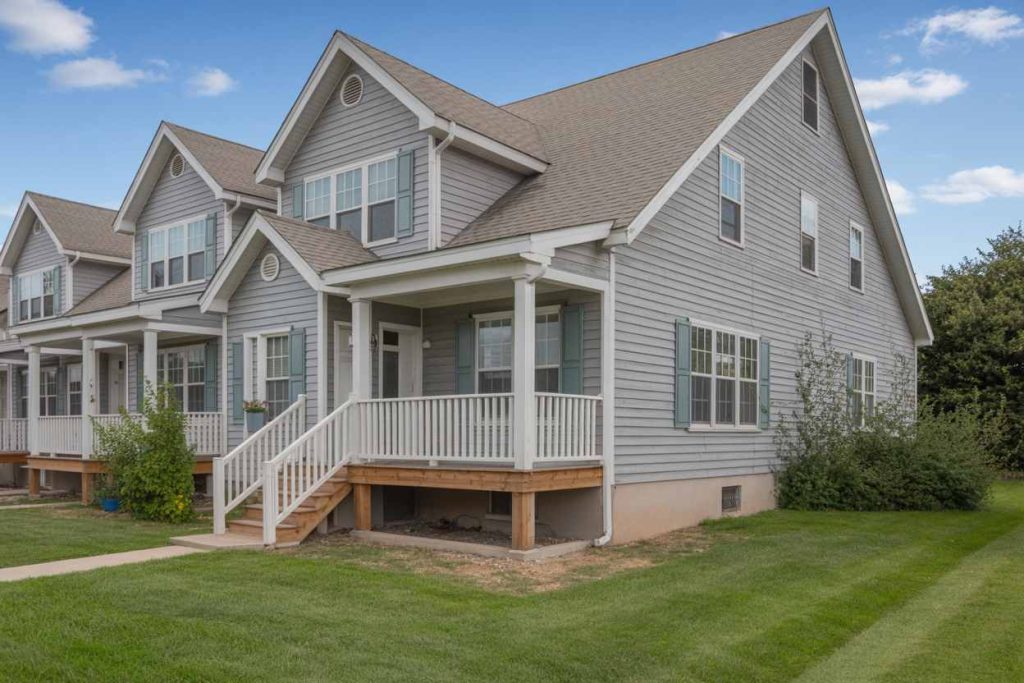
Construction estimating consultants reduce overall project costs and prevent budget overruns primarily through meticulous, categorized cost analysis and proactive financial planning.
They achieve cost reduction by first deconstructing the entire home building project into granular components.
Thisinvolves creating detailed line-item estimates for every conceivable aspect, such as site preparation, foundation work, framing, specific material selections (e.g., roofing, windows, flooring), labor for each trade (plumbing, electrical, HVAC), interior and exterior finishes, permits, and contingency allowances.
Construction estimating consultants play a key role in managing the financial aspects of home building. They help homeowners understand projected costs by analyzing factors such as location, design complexity, materials, and labor.
Their expertisereduces the risk of unexpected expenses by outlining the cost of each construction phase and adjusting plans in response to regulatory changes, market trends, or design updates.
This professional guidance helps homeowners stay on budget and approach the construction process with greater financial confidence.
Construction Cost Breakdown by Category
1. Site Prep & Foundation
($20,000 – $30,000)This part of the process involves getting the site ready for construction to start. It involves:
- Clearing the lot
- Excavation and grading
- Building the foundation under the house, which can be a concrete slab, crawl space, or basement
How much you pay for the excavation work will depend greatly on the condition of the soil, the slope of the area, and the type of foundation chosen.
2. Framing
($30,000 – $50,000)The framing system supports the basic structure of your home. This includes:
- Wood or steel framing
- Trusses for the roof
- Subfloor and sheathing
It takes a lot of effort and material to complete framing in a construction project.
3. Roofing & Exterior
($15,000 – $25,000)This includes both the materials and labor required for:
- Working with roofing materials involves using shingles, tiles, or metal.
- Siding (vinyl, wood, brick, etc.)
- Exterior painting or finishing
The price of the roof is affected by its style and the quality of the materials.
4. Windows & Doors
($10,000 – $15,000)This includes:
- Exterior doors (main, garage, back)
- Window types, including the standard, energy-efficient, and those custom-made
- Installation and sealing
Impact-resistant windows and high-quality windows are usually more expensive.
5. Plumbing & Electrical
($20,000 – $35,000)This is the installation of:
- Pipes and drainage systems
- Electrical wiring, circuit panels, and outlets.
- Sinks, bathtubs, and lighting are some of the fixtures used in bathrooms
A house with a complicated structure or lots of space generally costs more money since plumbing and electrical cables are longer and there are more points to install.
6. HVAC System
($10,000 – $15,000)HVAC involves the following parts:
- Heating and air conditioning systems that work through air ducts
- Ductwork
- Thermostats and ventilation
The cost is influenced by the climate, how big your home is, and the efficiency of your system.
7. Interior Finishes
($30,000 – $60,000)Within this category, there are the most differences and examples are:
- Flooring (tile, carpet, hardwood)
- Drywall, paint, and trim
- Cabinets and countertops
If you choose more luxurious or custom finishes, the cost will also increase.
8. Fixtures & Appliances
($10,000 – $20,000)This includes:
- Kitchen appliances such as the refrigerator and stove, as well as laundry appliances such as washer/dryer
- This includes light fixtures, fans on the ceiling, and plumbing units (toilets and faucets).
- Appliances included in the unit, such as ovens and microwaves
Smart or green appliances are usually more expensive than regular ones.
9. Permits & Inspections
($5,000 – $10,000)These are mandatory costs for:
- Building permits
- Utility connection fees
- Regular inspections are done by the government as the project unfolds
Prices vary depending on the building regulations and fees from your local government.
10. Contractor Overhead/Profit
($30,000 – $60,000)This covers:
- Overhead costs like office, company insurance, and workers '
- Their profit margin – at a range of 10 to 20% of the total cost
- Project management and supervision
Going with a recognized contractor will be more expensive, but it ensures the job is done well and on schedule.
Various Key Factors That Can Affect Building a Home
1. Location
It costs more to build in cities because land is valuable and there are tougher building policies.
Land can be more affordable in rural or suburban places, although building services may either lack or have higher costs due to transport and labor issues.
2. Size and Layout
Homes that are larger come with a greater up-front price, but have a relatively lower expense per square foot.
Building with a complex layout or unusual shape raises the cost of framing and materials.
3. Material Choices
It is less expensive to go with standard products like vinyl siding and laminate flooring.
If you want granite countertops, hardwood floors, and custom cabinetry, the interior of your house will be very expensive.
4. Labor Costs
Labor rates vary by region. Many coastal and metropolitan areas pay more for the wages of contractors and tradespeople.
Those who need electricians and plumbers usually pay higher fees.
5. Type of Home
Special architectural designs and special materials make custom homes more pricey.
Costs to build spec or production homes are usually lower for large developers.
You can save 10–20% on your budget by choosing a modular or prefab home.
6. Site Conditions
A lot that is sloped or covered in rocks needs more digging and work for the foundation. If the site does not have access to essential utilities, installation could cost numerous thousands.
This phase prepares the site for construction and includes:
Lot clearing
Excavation and grading
Foundation construction (slab, crawl space, or basement)
Excavation costs vary based on soil condition, site slope, and the selected foundation type.
Additional Costs to Consider
Land Acquisition
The estimate for construction does not cover the cost of land.
The cost to build on rural land is around $10,000 per acre, but in popular cities, it could reach over $500,000 per acre.
Permits and Fees
Different places set their permit fees, which usually fall between $5,000 and $15,000.
Requires you to get building permits, set up utilities, and arrange for inspections.
Architectural and Design Fees
When you hire an architect or designer, it might cost you anywhere from 5% to 15% of the total budget.
Landscaping
Grading the final soil level, installing sod and plants, putting up fences, and laying driveways might cost an extra $5,000 to $25,000.
Contingency Fund
Budget a little extra, around 10–15%, for things that come up as emergencies.
Tips to Reduce Construction Costs
To reduce construction expenses: Choose simple designs with fewer corners, straightforward rooflines, and single-level layouts.
Avoid custom features such as complex lighting systems or high-end appliances. Source materials strategically; contractors may access supplier discounts or recommend reclaimed materials.
Serve as your own general contractor if you have experience and understand local building codes—this may save 10% to 20%, but requires full project oversight. Build during the off-season (e.g., winter in warmer climates) when labor and services may be more affordable due to reduced demand.
Endnote
Building a home involves both financial investment and emotional commitment. In 2025, construction costs typically range from $150 to $300 per square foot. Your final budget will depend on location, design choices, and included features.
To stay on budget:
- Establish a clear plan from the start
- Hire a reliable contractor
- Track expenses throughout the project
- Set aside funds for unexpected costs
Carefully considering both costs and priorities helps you make informed decisions—and bring your family’s dream home to life.
What are construction estimators?
A construction estimating consultant is a professional who specializes in forecasting the total financial investment required to build a residential or commercial property. This estimate includes a systematic breakdown of land costs, architectural design, structural materials, labor, legal permits, and contingency reserves. According to the National Association of Home Builders (NAHB), construction costs represent up to 61% of a new home’s final price, emphasizing the need for precise forecasting.
There are several types of construction estimators, including conceptual estimators, bid estimators, and quantity surveyors—each focusing on different stages of the project lifecycle. These experts utilize cost databases, project management software, and historical cost data to produce detailed estimates tailored to regional cost variations, zoning regulations, and client goals.
The efficiency of a construction estimating consultant is measured by accuracy (cost variance under 5%), responsiveness to change, and ability to integrate stakeholder feedback. They contribute to quality by providing value engineering recommendations—alternatives that reduce costs without compromising structural integrity. Tools such as RSMeans, Bluebeam, and CostX are commonly used to improve accuracy and turnaround time.
To improve efficiency, stakeholders should provide clear design briefs, up-to-date site data, and early access to consultants during the planning stage. Regular updates and recalibration during different project phases enhance forecasting precision.
Why hire construction estimators?
The efficiency of a construction estimating consultant is measured by accuracy (cost variance under 5%), responsiveness to change, and ability to integrate stakeholder feedback. They contribute to quality by providing value engineering recommendations—alternatives that reduce costs without compromising structural integrity. Tools such as RSMeans, Bluebeam, and CostX are commonly used to improve accuracy and turnaround time.
To improve efficiency, stakeholders should provide clear design briefs, up-to-date site data, and early access to consultants during the planning stage. Regular updates and recalibration during different project phases enhance forecasting precision.