Material selection is one of the most consequential decisions home buyers face when planning a new construction home. While layout, design, and interior finishes attract the most attention during the planning phase, the materials used beneath and around those visible features play a far larger role in determining how a home performs over 20, 30, or 50 years of ownership.
Choices made during the early stages of a residential construction project influence structural durability, thermal comfort, energy consumption, ongoing maintenance demands, and long-term property value.
For buyers exploring new builds, understanding how material decisions affect real-world performance helps set realistic expectations and avoid costly surprises after move-in.
Early collaboration with architects, builders, and specialist contractors – including roofing professionals experienced with metal and composite systems – ensures that exterior and structural materials align with regional climate conditions, current building codes, and long-term ownership goals rather than short-term aesthetics alone.

George is a seasoned interior designer and property marketing strategist with over 13 years of experience. He specializes in transforming properties into visually stunning spaces, helping clients recognize the potential and beauty in each property. With an impressive international client base of exciting projects throughout Europe and America.
Why Material Choices Matter in New Construction?
Materials form the physical backbone of every home. They determine how well a structure resists weather exposure, manages moisture migration, handles seasonal temperature swings, and ages over decades of continuous use.
In new residential construction, material performance is not uniform across regions or climates – what performs reliably in the dry heat of Arizona may underperform in the freeze-thaw cycles of Ontario or the salt-laden coastal air of the Maritimes.
Structural durability and resistance to environmental wear directly shape how often a homeowner faces repair bills. Energy efficiency and thermal performance dictate monthly operating costs and indoor comfort.
For buyers exploring new builds, understanding how material decisions affect performance can help set realistic expectations and avoid costly surprises later. Early collaboration with architects, builders, and, in some cases, a metal roofing company for new construction projects ensures that exterior and structural materials align with climate conditions, building standards, and long-term ownership goals rather than short-term aesthetics alone.
Maintenance frequency and lifecycle expenses determine the true cost of ownership beyond the purchase price. Environmental impact and recyclability factor into both regulatory compliance and buyer values. Resale value and buyer perception shift based on how visibly and structurally well a home ages over time.
Because many of these factors are difficult or prohibitively expensive to change once construction is complete, informed material decisions early in the planning process carry consequences that extend well beyond the build itself.
Understanding Durability and Longevity
Durability refers to how well a material maintains its structural and functional integrity under sustained environmental stress. Across North America, homes face a wide range of conditions – freeze-thaw cycles in the northern states and Canada, heavy rainfall along the Pacific coast, snow loads in mountainous regions, high winds in tornado-prone plains, extreme heat in the Southwest, and persistent humidity along the Gulf Coast. Materials must be selected with these regional realities front of mind.
Exterior Materials and Their Expected Lifespans
Exterior cladding and roofing serve as the first line of defence against weather and environmental exposure. Their expected service life varies widely depending on material composition and installation quality.
Asphalt shingles, the most common roofing material in North America, typically last 15 to 25 years depending on climate severity and attic ventilation design. Wood siding offers 20 to 40 years of service with regular staining or painting, though it remains vulnerable to moisture damage and insect activity in humid climates. Vinyl siding may last 30 to 40 years under moderate conditions, but it can become brittle and crack during prolonged cold exposure in northern regions.
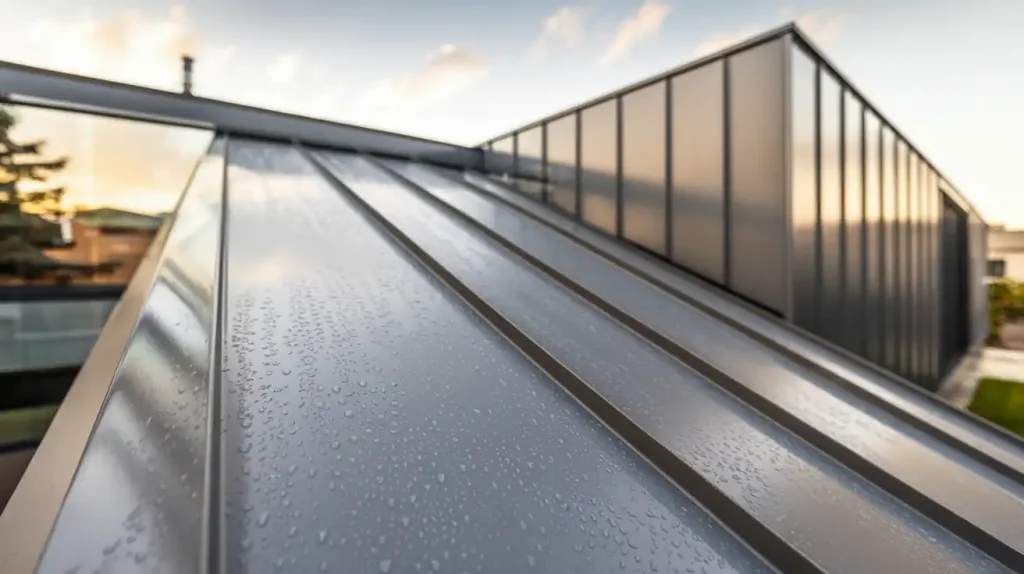
Brick and stone exteriors can endure several decades with minimal degradation, making them a strong choice in areas with temperature extremes. Metal roofing systems – including standing seam steel and aluminium panels – routinely exceed 40 to 70 years when properly installed, offering one of the longest service lives among residential roofing options.
Longevity directly influences replacement cycles and cumulative ownership costs. Materials with longer lifespans often carry higher upfront costs but can substantially reduce total expenditure over the life of the home.
Climate Suitability Across North America
Material durability is closely tied to regional climate, and mismatched material selection is one of the most common causes of premature failure in residential construction. Cold-climate homes require materials engineered to handle ice damming, snow load accumulation, and repeated freeze-thaw expansion without cracking or delaminating.
Coastal properties need corrosion-resistant finishes and fasteners that withstand salt spray exposure year-round. Homes in hot, sunny regions demand UV-resistant coatings and thermally stable substrates that resist warping and colour fade.
Properties in storm-prone areas benefit from impact-rated roofing and reinforced siding systems designed to withstand hail and wind-driven debris.
Selecting materials without accounting for these local conditions shortens service life, increases maintenance frequency, and can compromise warranty coverage.
Energy Efficiency and Thermal Performance
Energy efficiency in a new home is not determined solely by insulation thickness or HVAC system rating. Exterior materials contribute significantly to how a home manages heat transfer, controls air leakage, and moderates solar heat gain – all of which affect both operating costs and occupant comfort.
Roofing materials with high solar reflectance reduce attic temperatures and lessen cooling loads during summer months. Wall assemblies designed to minimise thermal bridging – the heat loss that occurs through structural framing members – maintain more consistent interior temperatures across seasons.
Air and moisture barriers integrated with exterior cladding systems prevent drafts and condensation that degrade both comfort and insulation performance over time. Durable exterior materials that maintain their thermal properties without degradation ensure that energy performance remains consistent years after installation rather than declining as materials age.
Roofing materials play a particularly influential role in whole-house energy performance, which is why many builders evaluate high-performance metal roof assemblies alongside traditional options during the design phase.
Metal’s reflective properties and long-term dimensional stability make it especially relevant in climates with significant cooling loads or extreme temperature variation.
Maintenance Requirements and Lifecycle Costs
Maintenance requirements are frequently underestimated during the planning phase, yet ongoing upkeep costs can exceed initial material savings within the first decade of ownership. Lifecycle cost analysis – which evaluates total expenditure across installation, maintenance, repair, and eventual replacement – provides a more accurate picture of material value than purchase price alone.
The frequency and cost of required inspections and repairs vary dramatically between materials. Susceptibility to moisture damage, rot, or pest infiltration creates recurring expense in wood-based products, while materials requiring periodic repainting, sealing, or refinishing add labour costs at regular intervals. Availability of replacement components matters for long-term serviceability – discontinued product lines can force costly workarounds during future repairs. Labour costs for specialised installation or repair further influence total lifecycle expense, particularly for complex roofing systems or custom cladding.
Materials that require minimal ongoing maintenance tend to appeal strongly to buyers focused on long-term predictability and reduced ownership burden. While no material is entirely maintenance-free, options like metal roofing, fibre cement siding, and engineered stone substantially reduce the time and expense associated with exterior upkeep over decades of ownership.
Sustainability and Environmental Impact
Sustainability has become a meaningful factor in material selection for many North American home buyers, driven by both environmental values and growing regulatory requirements around building efficiency.
Material choices affect not only operational energy use but also environmental impact during manufacturing, transportation, installation, and end-of-life disposal. Recycled content and end-of-life recyclability reduce landfill contribution – metal roofing, for example, is fully recyclable and often contains significant recycled content at manufacture.
Energy intensity during production and transport distance influence the embodied carbon footprint of each material choice. Durability that reduces replacement frequency compounds environmental benefit over time by avoiding repeated manufacturing and disposal cycles.
Compatibility with energy-efficient building systems – such as cool-roof coatings, integrated solar mounting, and continuous insulation assemblies – extends sustainability benefits beyond the material itself.
Sustainability decisions are most effective when integrated during the initial planning phase rather than added as afterthought upgrades, because early selection allows materials to work as an integrated system rather than isolated components.
How Contractor Expertise Influences Material Performance?
Even the highest-quality materials can underperform or fail prematurely if installed incorrectly. Contractor expertise directly affects how materials function within the overall building envelope – the integrated system of roofing, cladding, insulation, air barriers, and drainage that protects the structure.
The Importance of Proper Installation
Correct installation ensures materials perform as their manufacturers intended and as their warranty terms require.
Poor installation practices commonly lead to moisture intrusion and mould growth behind wall assemblies, premature material failure from inadequate fastening or flashing, reduced energy efficiency through gaps in the thermal envelope, voided manufacturer warranties that leave homeowners without recourse, and significantly increased repair costs within the first five to ten years.
Qualified professionals understand how materials interact with structural framing, insulation layers, ventilation pathways, and drainage planes. This systems-level knowledge is particularly critical for complex assemblies such as roofing systems, where flashing details, underlayment selection, and ventilation design all affect long-term performance.
Building Standards and Regional Codes
Building codes and construction standards vary across North American jurisdictions. These regulations influence allowable materials, fastening methods, insulation R-values, fire ratings, and moisture control strategies.
Experienced contractors maintain current knowledge of local and national building codes alongside climate-specific construction practices, manufacturer installation requirements, and performance standards for structural safety and durability.
When evaluating contractors, the most critical factor is demonstrated adherence to proper standards and documented installation competence rather than marketing claims or brand endorsements. Competent execution of installation details is what ensures materials deliver their expected lifespan and design performance.
Exterior Roofing Choices in New Construction
Roofing is one of the most critical and expensive exterior components of any home. It protects the entire structure from weather, supports whole-house energy efficiency, and contributes meaningfully to street-facing appearance. Roofing material selection should be driven by performance metrics lifespan, weather resistance, energy characteristics, and maintenance demands rather than appearance alone.
Asphalt shingles remain the most widely used residential roofing material in North America due to their affordability and broad availability, though their 15-to-25-year lifespan means most homeowners face at least one full replacement during ownership. Clay or concrete tiles offer strong durability in warm, dry climates but add significant structural load that must be accounted for in framing design.
Wood shakes provide traditional aesthetics but carry higher maintenance requirements and fire risk unless treated with fire-retardant coatings.
Metal roofing including standing seam, corrugated, and stone-coated steel panels combines longevity of 40 to 70 years with strong energy performance, weather resistance, and low maintenance demands, making it increasingly common in both new construction and premium renovation projects.
Consulting with experienced roofing professionals during the design phase helps align material selection with structural capacity, regional snow load requirements, attic ventilation strategy, and long-term performance goals.
Long-Term Property Value and Buyer Perception
Material decisions made during residential construction directly influence how a home is evaluated by future buyers, appraisers, and inspectors years after completion. Buyers increasingly assess the durability and remaining service life of major building components not just visible finishes when determining a property’s value and risk profile.
Exterior materials that age predictably and require minimal intervention signal higher construction quality and reduced ownership risk. Reduced likelihood of near-term replacement for roofing and cladding protects against large capital expenditures in early ownership.
Lower cumulative maintenance costs over the life of the home improve net return on investment. Consistent exterior appearance that resists fading, warping, or surface deterioration maintains curb appeal without recurring cosmetic work. Improved energy efficiency supports predictable and competitive operating expenses that appeal to cost-conscious buyers.
These factors contribute to stronger inspection outcomes and more stable appraisals. Roofing systems play a particularly visible role in value perception due to their high replacement cost and the complexity of mid-life intervention. This is why roofing material selection is frequently evaluated early in new construction planning, with particular attention to lifecycle durability and long-term cost rather than initial price alone.
This evaluation is especially relevant in colder regions. In Canada, a substantial portion of residential energy consumption is dedicated to space and water heating, which illustrates how choices in building envelope materials and roofing systems can meaningfully influence operating efficiency and therefore property competitiveness over decades of ownership.
Building for Enduring Performance and Lasting Value
The long-term performance of a new home is shaped by decisions made well before construction begins. Material choices affect structural durability, maintenance demands, energy efficiency, and environmental impact throughout the building’s entire service life.
Selecting materials suited to regional climate conditions and installing them according to manufacturer specifications and current building codes supports predictable performance and minimises ownership surprises over time.
For home buyers, focusing on longevity and lifecycle cost rather than short-term appearance provides a more accurate and reliable measure of true value. Working with qualified professionals who evaluate materials for real-world performance and code compliance rather than brand positioning helps ensure that every component of the building envelope contributes to a home that retains value, operates efficiently, and ages with consistency and integrity.