Aging in place refers to the ability of individuals to remain in their own homes as they grow older, while continuing to live safely, independently, and comfortably. As the global population ages, more people are choosing to stay in familiar surroundings rather than move to assisted living or care facilities—a decision that offers emotional comfort, independence, and continuity in daily life.
Remaining at home long-term requires thoughtful modifications to ensure the environment supports evolving physical and cognitive needs. Designing a home for aging in place isn’t about creating a clinical space—it’s about blending safety and accessibility with dignity and comfort.

George is a seasoned interior designer and property marketing strategist with over 13 years of experience. He specializes in transforming properties into visually stunning spaces, helping clients recognize the potential and beauty in each property. With an impressive international client base of exciting projects throughout Europe and America.
Core Principles of Aging in Place
After selling an old, outdated house that no longer meets your needs but with a good profit, moving into your new space is the perfect chance to plan for the future. Before you even think about specific rooms, the first step is to establish a foundation of safety and mobility throughout the entire home.
Before targeting specific rooms, it’s essential to assess overall flow and mobility throughout the home. Hallways and doorways should be wide enough to accommodate mobility aids such as walkers or wheelchairs—typically at least 36 inches wide.
Transition strips can help smooth uneven flooring between rooms, reducing trip hazards and increasing confidence during movement. Lever-style door handles, low-threshold entrances, and smart lighting systems also contribute to a safer, more intuitive living space.
These foundational adjustments support independence and reduce reliance on external assistance.
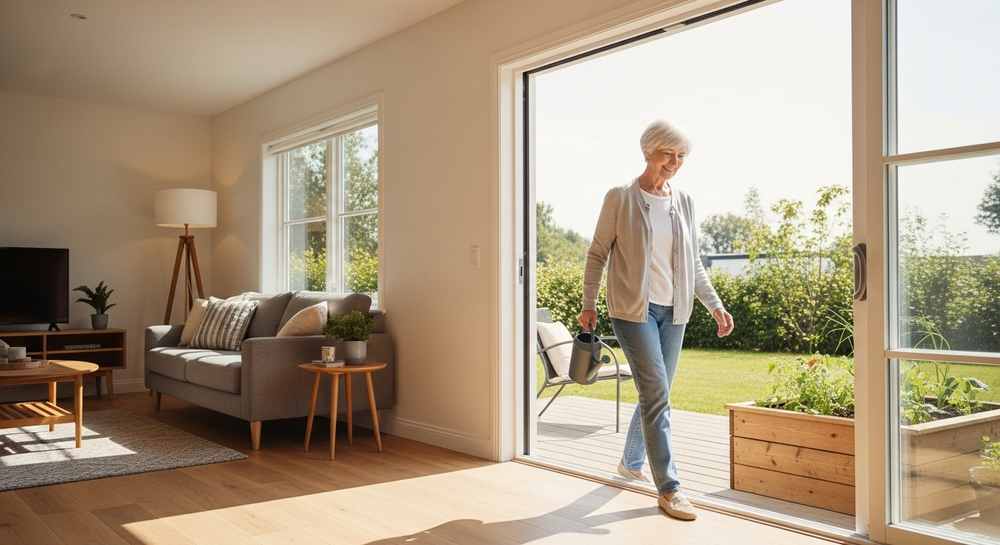
Before targeting specific rooms, it’s essential to assess overall flow and mobility throughout the home. Hallways and doorways should be wide enough to accommodate mobility aids such as walkers or wheelchairs—typically at least 36 inches wide.
Transition strips can help smooth uneven flooring between rooms, reducing trip hazards and increasing confidence during movement. Lever-style door handles, low-threshold entrances, and smart lighting systems also contribute to a safer, more intuitive living space.
These foundational adjustments support independence and reduce reliance on external assistance.
Focus on Functional Zones: Prioritizing High-Use Areas
Not every room requires immediate renovation, but high-use areas—such as kitchens, entryways, and bathrooms—deserve early attention. These spaces see the most daily traffic and carry a higher risk for accidents. Start by simplifying layouts, ensuring frequently used items are within easy reach, and evaluating how lighting, storage, and surfaces contribute to comfort and safety.
As one of the most essential and potentially hazardous spaces, the bathroom requires special consideration. Slippery floors, awkward layouts, and limited support surfaces make it a priority in any aging-in-place strategy.

Laying the Groundwork for Safe and Comfortable Living
Creating a safer, more accessible home doesn’t mean remodeling everything at once or spending beyond your means. Start with small, high-impact changes—like removing tripping hazards, improving lighting, or adding handrails—that deliver real safety benefits without major expense. Focus on what you use most, and make updates as needs change.
For example, the bathroom often presents early safety concerns, and even simple improvements like non-slip mats or raised toilet seats can make a meaningful difference.
Aging in place isn’t about chasing perfection—it’s about making thoughtful, affordable adjustments that protect your independence and dignity over time.
Optimizing the Bathroom for Accessibility and Safety
Not every room requires immediate renovation, but high-use areas—such as kitchens, entryways, and bathrooms—deserve early attention. These spaces see the most daily traffic and carry a higher risk for accidents. Start by simplifying layouts, ensuring frequently used items are within easy reach, and evaluating how lighting, storage, and surfaces contribute to comfort and safety.
As one of the most essential and potentially hazardous spaces, the bathroom requires special consideration. Slippery floors, awkward layouts, and limited support surfaces make it a priority in any aging-in-place strategy.
Main Goal
Transform your home into a safe, accessible environment for independent senior living by completing universal design challenges and earning Independence Points (IP).
Aging in Place Design Challenge Generator
Transform your home into a safe, accessible haven for independent living
Gameplay Method
Navigate by Phase: Use semantic buttons to focus on Safety First, Bathroom Modifications, Mobility Enhancement, or Smart Home Features based on your immediate accessibility needs.
Complete Challenges: Generate aging-in-place tasks worth 50-100 IP. High-impact fall prevention modifications like grab bar installation and shower accessibility conversion earn maximum points, while foundational trip hazard elimination and lighting improvements provide steady progress.
Accumulate Points: Build your home safety score through systematic barrier removal and mobility enhancement projects that directly support senior independence and accident prevention.
The ultimate objective is achieving a fully age-friendly home environment that eliminates safety hazards while maximizing autonomous living potential through proven universal design principles.
Designing a Bathroom for Safety, Comfort, and Dignity
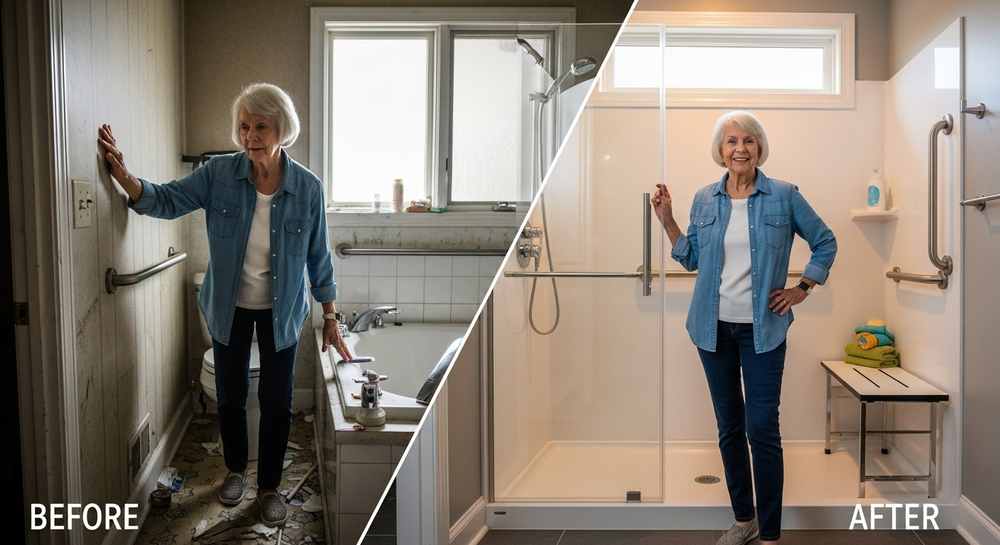
The bathroom is one of the most important areas to adapt when planning for aging in place. It’s also one of the most common sites for home accidents, often due to wet floors, tight spaces, and a lack of physical support. With thoughtful design, however, a bathroom can become significantly safer and more comfortable without losing its sense of style.
In fact, bathroom remodeling in Tulsa has increasingly focused on aging-in-place solutions, blending functionality with aesthetic appeal. Common upgrades include walk-in showers with non-slip flooring, grab bars near the toilet and shower, and handheld showerheads for seated use.
Raising the toilet height and installing support rails can reduce joint strain and fall risk. Lowered or open vanities improve accessibility for those using mobility aids. Enhanced lighting—such as motion-activated night lights—further supports safety during nighttime use.
These aren’t just home improvements—they’re proactive investments in independence. As more Tulsa homeowners choose to age in place, bathroom remodels tailored to accessibility are becoming a smart, forward-looking part of long-term home planning.
Kitchen Modifications for Continued Independence
As one of the most frequently used rooms in the home, the kitchen plays a central role in supporting independence for aging adults. Smart kitchen modifications focus on accessibility, safety, and ease of use—ensuring daily tasks like cooking, cleaning, and food preparation remain manageable and enjoyable.
Appliances should be positioned at comfortable heights to minimize bending or reaching. Wall ovens with side-opening doors, drawer-style microwaves, and dishwashers installed on raised platforms are excellent choices. Lever-style handles on faucets and cabinets are easier to operate than traditional knobs, especially for those with arthritis or reduced grip strength.
Storage accessibility is another priority. Pull-out shelves, lazy Susans, and D-shaped cabinet pulls make accessing cookware and pantry items simpler and safer. Under-cabinet lighting enhances visibility, while non-slip flooring helps prevent falls. Rounded countertop edges reduce the risk of injury from accidental bumps.
Above all, the kitchen should be designed around efficient workflow—keeping frequently used items within easy reach and creating clear paths for movement. These thoughtful adjustments make it easier for older adults to continue cooking with confidence, preserving both independence and quality of life.
Entrances and Hallways That Welcome Everyone
Safe, accessible entry points are essential for aging in place. Exterior and interior access areas should be designed for barrier-free movement, ensuring that everyone—regardless of mobility level—can move freely and confidently throughout the home.
Traditional steps and narrow thresholds pose significant fall risks, making flush entryways and gently sloped ramps a smart and necessary alternative. Ramps should feature handrails on both sides and a non-slip surface for maximum safety in all weather conditions.
Widening doorways and hallways to at least 36 inches ensures smooth passage for wheelchairs and walkers. Replacing standard round doorknobs with lever-style handles makes doors easier to operate for those with limited grip strength. For even greater ease and security, consider automatic or remote-controlled doors, along with smart locks that allow trusted caregivers or emergency responders controlled access when needed.
Lighting also plays a critical role in hallway and entryway safety. Motion-sensor lights placed near doorways and along corridors help prevent trips and falls, particularly at night or in dimly lit areas. These subtle yet powerful upgrades promote mobility, independence, and safety—without making the home feel clinical or over-modified.
Living Areas Designed for Ease and Comfort
The living room is both a space for relaxation and social connection, making comfort and accessibility equally important.
To support aging in place, furniture should be arranged to create clear, wide pathways that reduce tripping hazards and accommodate mobility aids like walkers or wheelchairs. Choosing chairs and sofas with firm cushions, stable frames, and armrests makes sitting and standing easier—an increasingly important feature for older adults.
Key controls such as light switches, outlets, and thermostats should be installed at accessible heights to avoid unnecessary reaching or bending. Integrating voice-activated smart home technology allows for hands-free operation of lighting, temperature, and entertainment systems, adding both convenience and safety.
Flooring plays a vital role as well. Slip-resistant surfaces—such as low-pile carpet, textured vinyl, or matte-finish hardwood—help prevent falls. Continuous flooring throughout the space eliminates transitions between materials, which can snag mobility devices or create uneven surfaces. Together, these thoughtful adjustments turn the living area into a comfortable, low-risk environment that promotes independence without sacrificing warmth or style.
Bedroom Adaptations That Support Health and Mobility
The bedroom should be more than a place to sleep—it should serve as a restful, secure space that actively supports health, mobility, and peace of mind. Beds should be at a comfortable height to allow easy entry and exit, reducing strain on joints and minimizing fall risk. Adjustable beds can offer additional comfort and accommodate health conditions such as poor circulation, arthritis, or back pain.
Closets should be modified for accessibility with lower hanging rods, pull-down shelving, or slide-out drawers, making it easier to reach clothing and personal items without bending or overreaching. Nightstands should provide stable surfaces within easy reach, and lighting controls—such as touch-activated lamps or wall-mounted rocker switches—should be accessible from the bed.
For added safety, consider installing fall detection mats or wireless call systems, especially for individuals with limited mobility or chronic health conditions. These features ensure that help is readily available when needed and contribute to a more secure and supportive living environment. Thoughtful bedroom adaptations promote restful sleep while reinforcing a person’s ability to navigate daily routines independently.
Technology Integration for Daily Assistance
Today’s smart home technology offers powerful tools that enhance safety, support independence, and simplify daily routines for aging adults. Voice-activated or app-based systems can control lighting, appliances, thermostats, and even window coverings—reducing the need for physical effort and making the home more user-friendly.
Video doorbells and smart security systems allow residents to see and communicate with visitors without opening the door, providing both convenience and peace of mind. In case of emergencies, fall detection systems and automatic alert devices can instantly notify caregivers or emergency services if unusual activity or accidents occur.
Designing Homes for Lifelong Livability
Creating a home that supports long-term livability isn’t just about aging—it’s about preparing for life’s transitions.
Whether accommodating multi-generational families, visiting guests, or future caregiving needs, thoughtful design improves comfort, accessibility, and flexibility for everyone. Universal design principles—such as wider doorways, non-slip flooring, and height-adjustable fixtures—ensure that the home remains functional for people of all ages and abilities.
Adaptable spaces add versatility. A guest room that can later serve as a caregiver suite, or a den that easily converts into a ground-floor bedroom, gives the home room to evolve.
Including a full bathroom on every floor ensures continued access as mobility needs shift. These future-ready choices allow homeowners to remain in place confidently, without the disruption of major renovations down the road.
Building or remodeling with aging in place in mind is a proactive and empowering step. It preserves independence and control, allowing individuals to stay in the comfort of familiar surroundings.
When strategic design and smart technology are combined, the home becomes not only a place to live—but a place to thrive—safely, comfortably, and with dignity for years to come.