For many homeowners, the dream of renovating their home to increase its value or improve livability is often hindered by a poor credit score, especially when the FICO score is below 580. A low credit score can make it difficult to secure financing for home improvement projects through loans or credit cards with favorable terms. Without access to affordable financing, renovations that could make a home more functional or valuable often remain unattainable.
This guide is designed to help homeowners repair their credit on their own by following a clear, step-by-step approach. Improving a credit score increases the chances of qualifying for better financing options, making renovations a realistic goal. DIY credit repair is accessible, free, and effective. Paid credit repair services typically cost between $60 and $200 per month, but handling the process independently saves money and produces real results. We researched every essential step and analyzed the tools needed to rebuild your credit and fund your renovation plans.
Table of Contents

George Nicola
George is a seasoned interior designer and property marketing strategist with over 13 years of experience. He specializes in transforming properties into visually stunning spaces, helping clients recognize the potential and beauty in each property. With an impressive international client base of exciting projects throughout Europe and America.
Disclaimer: The information provided in this article is for general informational purposes only and does not constitute financial advice. Always consult with a qualified financial advisor or credit counselor before making decisions regarding credit repair or financial products, as individual circumstances vary and may impact the suitability of the options discussed.
What was our logic researching credit cards:
George Nicola from Tallbox researched DIY credit repair and financing options for homeowners by analyzing credit card features, user reviews, and industry data. He prioritized cards accessible to those with poor credit, low fees, and benefits like cashback or upgrade potential, offering practical solutions for credit rebuilding and renovation funding.
Why Credit Repair Matters for Homeowners Wanting to Renovate?
A poor credit score limits a homeowner’s ability to access financing for home renovations. Many lenders require a minimum credit score of 620 for home improvement loans, personal loans, or low-interest credit cards, particularly for favorable terms like those available through FHA loans. Without these options, funding even modest renovations becomes difficult. A credit score below 580 often results in loan denials or high interest rates, making borrowing unaffordable.
Raising your credit score to 620 or higher can lead to lower interest rates and access to larger loan amounts, making major renovations more feasible.
An FHA loan may become available at this level, with manageable monthly payments. Renovations can also increase your home’s value.
For example, kitchen or bathroom remodels may offer a return on investment of 60–80% at resale. Achieving this requires effective credit management to secure funds without taking on unmanageable debt.
Credit repair is not only about access to financing—it’s a step toward long-term financial stability and home equity growth.
Step-by-Step DIY Credit Repair Made Easy
Starting a DIY credit repair journey takes commitment but offers meaningful benefits. The following step-by-step process is designed for homeowners with poor credit seeking to finance renovations.
Step 1: Get Your Credit Reports
Start by obtaining free credit reports from the three major bureaus—Experian, TransUnion, and Equifax—at AnnualCreditReport.com. Federal law allows one free report from each bureau per year, offering a full view of your credit history.
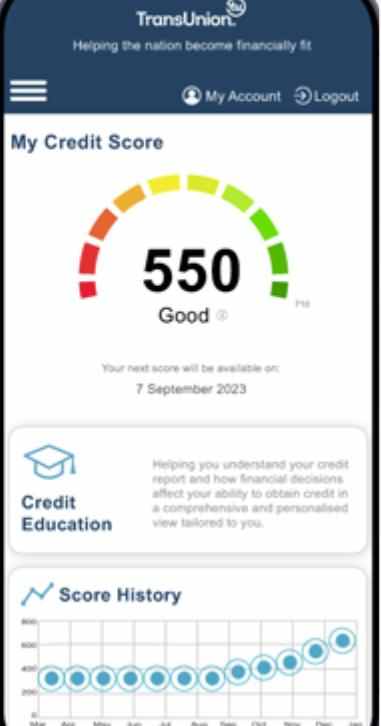

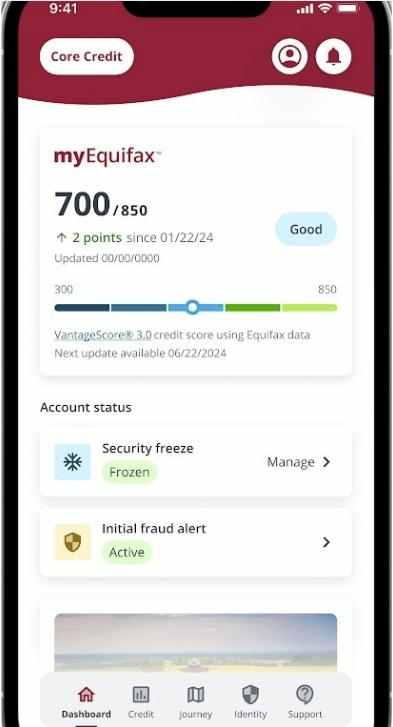
Review each report for errors, such as incorrect personal information, unfamiliar accounts, or inaccurately reported late payments. Studies show that up to 20% of credit reports contain mistakes that can lower your score.
Step 2: Dispute Errors

If you find inaccuracies, submit disputes to the appropriate credit bureaus. Common errors include paid accounts listed as unpaid or incorrect balances. Provide supporting documents, such as payment receipts or bank statements, and include a clear dispute letter explaining the issue and requesting a correction.
Letter templates are available from trusted online sources or you can use the one below. Keep copies of all documents for your records. Credit bureaus must investigate within 30 to 45 days. A successful dispute can improve your credit score by several points.
Credit Score Dispute Letter Generator
Your Information
Credit Bureau Information
Disputed Items
Supporting Documentation
Letter Preview
Step 3: Pay Down High-Interest Debt
High credit card balances raise your credit utilization ratio, which makes up 30% of your FICO score. Keep this ratio below 30%; for example, if your total credit limit is $1,000, maintain a balance under $300. Focus on paying down high-interest debt first to lower both utilization and interest costs. Paying more than the minimum each month speeds up debt reduction, increases available credit, and improves your score.
Step 4: Make On-Time Payments
Payment history is the largest factor in your FICO score, making up 35% of the total. Late payments can stay on your credit report for seven years and lower your score. Set up automatic payments to avoid missing due dates. For delinquent accounts, pay them off or arrange a payment plan with creditors. Consistent on-time payments show reliability and help improve your credit over time.
Step 5: Keep Old Accounts Open
Credit history length makes up 15% of your FICO score. Closing old accounts, even if unused, shortens your history and may lower your score. Keep these accounts open, but check them regularly for fees or fraud. A long credit history shows stability, which helps when applying for renovation loans.
Step 6: Avoid New Hard Inquiries
Each time you apply for new credit, a hard inquiry is recorded on your report, temporarily reducing your score by a few points. While repairing your credit, limit new credit applications to avoid these dings. Focus on improving existing accounts rather than seeking new ones, as multiple inquiries in a short period can signal financial distress to lenders.
Tools to Support Your DIY Credit Repair (Including CreditRehab Pro)
While DIY credit repair relies on personal effort, certain tools can help simplify the process. The focus remains on free, self-managed strategies, but some tools may provide useful support. One tool, CreditRehab Pro, is promoted as a solution for “Easy DIY Credit Repair.” Its website is under construction but claims to offer features like dispute tracking and progress monitoring. Homeowners should check back for updates on its availability and features.

For immediate, free alternatives, services like Experian’s credit monitoring or Credit Karma offer real-time score tracking and personalized tips.
These platforms alert users to credit report changes, encouraging proactive management. Be cautious: the credit repair industry includes scams that promise quick fixes for high fees. Use verified resources like AnnualCreditReport.com and reputable monitoring services to avoid fraud.
Using Credit Cards to Fund Renovations While Rebuilding Credit
Credit cards can be a practical option for financing small renovation projects and rebuilding credit when used responsibly. On-time payments for purchases like paint or fixtures contribute positive information to your credit history. Below are credit card options for homeowners with poor credit and tips for using them effectively.
Best Credit Cards for Homeowners with Poor Credit
Discover it® Secured Card:
Discover it® Secured Card: This card requires a security deposit (typically starting at $200), which sets your credit limit. It reports to all three credit bureaus, has no annual fee, and offers 1–2% cashback on purchases. It suits individuals with poor credit, helping build credit through on-time payments while covering small renovation costs. The low credit limit may not be sufficient for larger projects.

Capital One Platinum Secured Credit Card
This card requires a security deposit, has no annual fee, and reports to all three credit bureaus. It’s suitable for rebuilding credit and may upgrade to an unsecured card over time. While it doesn’t offer rewards, it can help manage small renovation costs. Its low initial credit limit limits its use for larger expenses.

Chase Freedom Unlimited® (for Fair Credit, 580–669)
Once your credit reaches the fair range, this card offers 1.5% cashback on all purchases, a 0% APR for 15 months, no annual fee, and a $200 bonus after spending $500 in the first three months. It can help fund larger renovation purchases with no interest during the intro period, but it isn’t accessible to those with poor credit.

Our research shows for homeowners with poor credit, the Discover it® Secured Card is a strong starting option thanks to its rewards and accessibility. It supports credit building while covering small renovation costs. As credit improves, the Chase Freedom Unlimited® provides better benefits for larger projects.
Tips for Using Credit Cards
Start with secured cards to build credit (think the Discover it® Secured Card), making full, on-time payments each month. Keep credit utilization below 30% to protect your score. When using cards with 0% APR introductory periods, pay off balances before the promotion ends to avoid high interest rates (typically 15%–25%). This approach helps credit cards support both renovation spending and credit repair.
Investing Credit Cards to Maximize Benefits During Renovations
Using credit cards strategically can help offset renovation costs through rewards, cashback, or bonuses, which can be applied to future projects or savings. This method requires planning but can offer meaningful financial benefits for homeowners on a tight budget.
Strategies for Investing Credit Cards
Start by earning rewards on renovation spending. Choose cards that offer cashback or points on home improvement purchases—such as 5% at office supply stores with cards like Ink Business Cash. Use these rewards to fund additional project costs or save for future expenses.
Take advantage of 0% APR periods to finance renovations without interest, freeing up cash for other uses like high-yield savings or small real estate investments. Apply for cards with strong sign-up bonuses, use renovation purchases to meet the spending requirements, and apply the bonuses toward materials or other costs. As your credit improves, upgrade to premium rewards cards to continue building credit while funding larger projects.
Risks to Avoid
Avoid overspending or maxing out cards—utilization above 30% can hurt your credit score. Make all payments on time, as late payments can reverse credit repair progress. Limit new credit applications to avoid multiple hard inquiries, which temporarily lower your score. By managing these risks, you can use credit cards to reduce out-of-pocket renovation costs and improve cash flow.
Tips for Renovating on a Budget While Repairing Credit
Renovating with limited funds and poor credit requires a focused strategy. Start with small, high-impact projects like painting or replacing fixtures to improve your home’s appearance at low cost.
Use credit cards with 0% APR and rewards, but always pay on time to avoid interest and credit damage.
Handle simple tasks yourself to save on labor. Prioritize renovations with high returns, such as kitchens and bathrooms, which add the most value. This strategy helps improve your home while supporting credit repair.
Endnote
Repairing your credit while pursuing home renovations is achievable with a structured DIY plan. Start by reviewing your credit reports, disputing errors, paying down high-interest debt, and making on-time payments. Keep old accounts open and avoid new hard inquiries to protect your score. While tools like CreditRehab Pro may be useful later, rely on free, trusted platforms like Credit Karma for now.
Use credit cards strategically—beginning with secured options like the Discover it® Secured Card or Capital One Platinum Secured Card—to fund renovations and rebuild credit.
Maximize benefits through rewards and 0% APR offers, staying mindful of utilization and payment deadlines. With consistent effort, you can improve your credit, finance renovations more easily, and increase your home’s value.
Is "secured credit card" used as a financial tool for credit-rebuilding?
Secured credit card is used to help individuals rebuild their credit score before undertaking major financial actions like home renovation or loan applications.
It allows a person to show responsible credit behavior through low utilization and timely payments, positively impacting their credit profile.
According to Experian, “a secured credit card is one of the most effective tools to rebuild credit, especially for those with poor or no credit,” with users typically seeing score increases of 30–100 points within 6 months.
This improves their creditworthiness, enabling better loan rates and approval chances during home renovation financing.
A common complementary concept is a credit-builder loan, which serves a similar goal but in reverse (borrower makes payments before receiving funds).
These tools are used by credit-improving consumers—typically individuals recovering from financial hardship or credit damage—often guided by credit counselors or financial advisors.
Secured credit cards originated in the 1970s, as part of consumer finance services, growing in use after the FICO scoring system was introduced in 1989.
Types include traditional secured cards, partially secured cards, and secured cards with rewards programs.