Are you thinking about increasing your property’s value? Adding a granny flat might be a wise investment, providing options for both long-term and short-term rentals. This article explains what a granny flat is, the financial benefits of renting one out, and the legal factors to consider. It also covers how to evaluate your investment’s feasibility, potential challenges, and alternatives to traditional rentals. Learn how a granny flat can improve your property and increase your income!
Want to get 3D rendering for your granny flat project?

George is a seasoned interior designer and property marketing strategist with over 13 years of experience. He specializes in transforming properties into visually stunning spaces, helping clients recognize the potential and beauty in each property. With an impressive international client base of exciting projects throughout Europe and America.
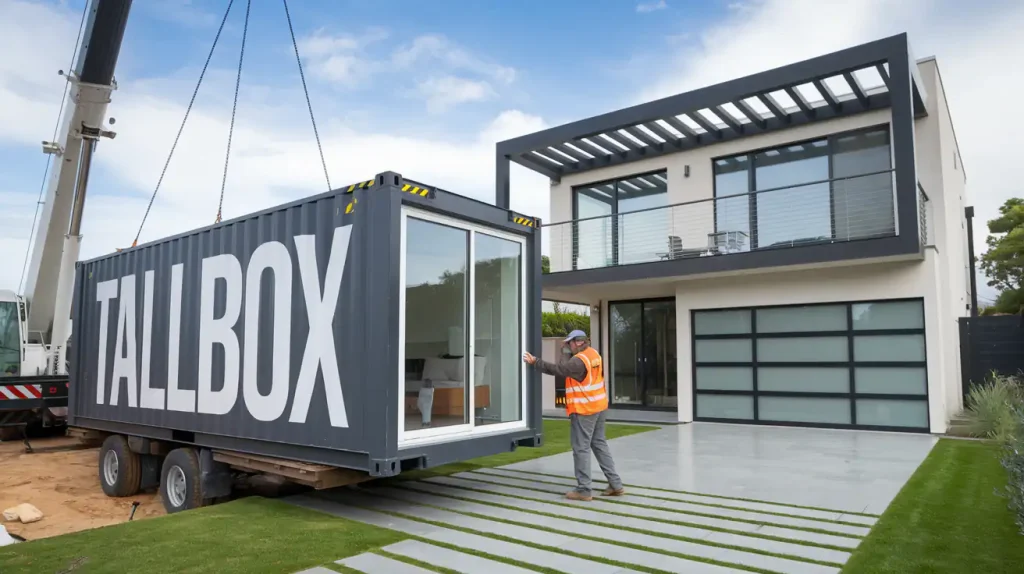
Direct rental ROI ranges from 10-20 and even 35% annually, while a single-family rented house can yield 7.55% for a three-bedroom property or 9.5% for a multifamily unit. Short-term rentals (e.g., Vacation Homes, Airbnbs) have media ROI of 15-25% but require a high occupancy rate.
ADUs or granny flats have good property value appreciation with lower initial investment, AUD units typically deliver a 70% return on investment in terms of property value appreciation. For example, a $100,000 investment in building an ADU would increase the property’s appraisal value by approximately $70,000 with a break-even period of 6-10 years.
According to TALLBOX the initial construction costs to build one ADU unit typically range from $130,000 to $180,000 for new construction and $60,000 to $100,000 for conversion of existing structures. Rental rates for granny flats have shown stronger growth (5.95%), with a median of $2,013 compared to traditional houses (3.9%) and apartments (1%), which boils down to approximately $24,156.
To calculate the Gross Annual ROI we can use the Annual Rental Income / Construction Cost) × 100 = (24,156 / 75,000) × 100 ≈ 32.2% (gross) after maintenance, property management fees, insurance, and property taxes, the % might go down to 20%-25%, still very good ROI.
The highest returns are typically realized over a longer period, usually 30+ years. While the upfront costs are significant, the combination of rental income and property value appreciation makes ADUs an attractive investment option for property owners looking to generate additional income streams.
What is a Granny Flat?
A granny flat, or secondary dwelling, is a self-contained living unit typically built on the same property as a main house. These structures provide independent living spaces that can be used for housing a long-term tenant, offering temporary accommodation for family members, or earning extra income through short-term rentals. It is important to consider tax implications and background checks before renting the unit.
In Western Australia, granny flats have become popular among homeowners looking to maximize their property’s features and investment potential. Organizations like Granny Flats WA provide valuable resources for those interested in building and renting these units.
Why Consider Adding a Granny Flat to Your Property?

Adding a granny flat to your property can offer several benefits, such as potential rental income, increased property value, and more flexible use of your space. Utilizing a property manager can help streamline the rental process and ensure ongoing regular inspections.
It can appeal to both long-term tenants seeking stable housing and short-term tenants looking for temporary stays, helping you diversify your rental options and maximize your investment.
With the necessary planning and building approvals from the Cook government, a granny flat can become a valuable financial asset. Ensure to obtain council approval and consider potential tax deductions like mortgage interest and cleaning costs.
Potential Rental Income
Earning rental income from a granny flat can improve your finances through steady earnings from long-term tenants and high returns from short-term rentals via platforms like Airbnb. Investors can take advantage of the rental market by setting competitive prices and adjusting their strategies based on demand. Listing the property on various rental listing platforms can help attract a wider range of tenants.
Different lease agreements affect profitability depending on tenant types and local rental prices. Long-term tenants offer stability, with monthly rents often ranging from $1,400 to $2,500, depending on the area. Meanwhile, short-term rentals can bring in higher returns, with some owners charging $100 to $300 per night. Ensuring tenant history and conducting guest verification processes like reservation screening can improve the rental experience.
Market analysis shows that properties in sought-after locations experience greater demand. Properties with granny flats may appreciate at rates 10% higher than those without. This flexibility in rental strategies allows owners to maximize income and adapt to market changes effectively. Hiring a professional property manager can further ensure streamlined operations and optimal tenant satisfaction.
Versatility in Use
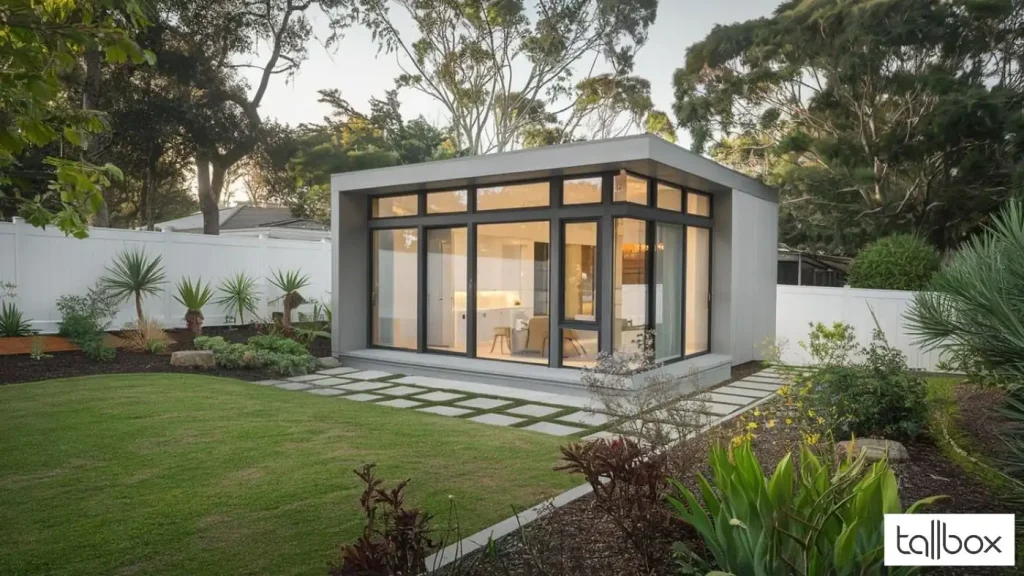
A key advantage of a granny flat is its versatility; it can house family members, serve as a long-term rental for stable tenants, or be a short-term rental for guests. This flexibility allows homeowners to customize their living arrangements based on personal needs and market opportunities. Investing in a custom-designed granny flat can further enhance the property’s appeal and functionality.
Granny flats provide unique living spaces and significantly enhance property functionality. Homeowners can use these units to host short-term rental guests, ensuring a steady income stream while offering a cozy stay for travelers. Accommodating different tenants—such as students needing a quiet study space or professionals seeking temporary housing—can lead to beneficial arrangements. Regular pest control and maintaining high-quality camera surveillance can ensure a safe and pleasant environment for tenants.
- They offer a comfortable option for elderly relatives who wish to maintain independence.
- Investors often use them to maximize rental yields in high-demand areas.
- The rental experience can be improved with proper guest verification processes, ensuring a trustworthy environment for both parties.
Understanding tenant expectations is crucial for effective property management. Adapting the granny flat’s amenities to meet diverse needs can further improve tenant satisfaction and retention.
Increase in Property Value
Adding a granny flat can significantly boost property value, making it a valuable addition for homeowners. With proper planning and building approvals, a granny flat can make a property more appealing to future buyers who appreciate extra living space. Consider consulting with a planning consultant to navigate the building codes and ensure compliance with local regulations.
Adding a granny flat often offers various benefits for homeowners, such as rental income potential and improved property utility. Studies have shown that these additional units can lead to a significant increase in market value, with potential gains of over 20% in some areas. This rise is due to the added space and the flexibility it provides. Incorporating features that meet tenant expectations can further enhance the property’s value.
- For example, a property in Sydney recently sold for 25% more than its original price after adding a well-designed granny flat.
- Similarly, in Melbourne, many homeowners have seen increased interest from buyers specifically looking for properties with separate living areas.
It’s important for homeowners to follow local regulations and obtain necessary approvals before starting construction. Ignoring these requirements can result in penalties or reduced property value. Additionally, budgeting for agent commission and utilities can help manage costs effectively.
What are the Legal Considerations for Renting Out a Granny Flat?
When renting out a granny flat, it’s important to understand the legal rules, including the Residential Tenancies Act and local zoning laws. Homeowners should also consider landlord’s insurance to protect against potential damages and liabilities.
Homeowners need to get the required permits and follow building codes to avoid any issues with their rental plans. Consulting a planning consultant can help navigate these requirements more efficiently.
Zoning and Permits
Zoning and Permits are critical legal considerations for homeowners looking to add an accessory dwelling unit (ADU) or in-law suite to their property. Securing the necessary planning approval and municipal permits is a complex but essential process to ensure compliance with local regulations.
Zoning laws can vary significantly across different states and municipalities, which impacts the feasibility of constructing an ADU on a residential property. Each local government has unique land use guidelines and building codes that can be challenging for homeowners to navigate. Homeowners should consult their local planning department for precise guidance.
Typical zoning restrictions may include:
- Minimum lot size requirements that limit ADU construction
- Specific height and design constraints for secondary structures
- Setback regulations determining how close an ADU can be to property lines
Homeowners frequently encounter challenges during the approval process, such as receiving initial pushback from municipal planning boards or experiencing prolonged application reviews. To mitigate these potential complications, consulting with planning consultants who specialize in local zoning regulations can be instrumental. These professionals can help streamline the approval process and ensure the creation of a compliant and functional living space.
Working closely with local authorities and understanding specific municipal requirements is key to successfully adding an accessory dwelling unit to a residential property
Building Codes and Regulations
Building codes and regulations are crucial for constructing and renting a granny flat, ensuring the structure adheres to safety and legal standards. Homeowners need to understand these codes to avoid legal issues and ensure tenant safety. Adhering to these regulations can also provide tax deductions on expenses such as utilities and maintenance costs.
Compliance is essential for protecting both homeowners and tenants. Ignoring regulations can result in fines, forced demolition, or liability for accidents due to structural problems. Conducting regular inspections can help ensure ongoing compliance.
Common regulations include:
- Fire safety: Installing smoke alarms and providing safe exit routes.
- Electrical safety: Ensuring licensed professionals handle all electrical work.
- Plumbing standards: Meeting local water and sewage system requirements.
- Accessibility: Designing spaces for easy use by everyone.
Following these codes not only provides a secure living environment but also improves property value. Regular pest control and maintaining high-quality camera surveillance can further enhance safety and security.
Rental Agreements and Contracts
Establishing clear rental agreements and contracts is crucial for protecting both landlords and tenants when renting out a granny flat. A well-structured lease agreement outlines the terms of tenancy and ensures tenant rights and responsibilities are clear. Specifying utilities and maintenance costs within the agreement can prevent misunderstandings.
Rental agreements typically include key components such as lease terms, duration of tenancy, rent payment schedules, and provisions for property maintenance. Understanding these elements provides clarity and security for both parties. Tenants must be informed of their rights, including privacy expectations and conditions for eviction. Clear terms regarding the notice period for terminating the tenancy should also be included.
- Landlord’s insurance is important, as it protects against potential damages and liabilities.
- Ensuring all parties understand their obligations fosters a positive rental experience.
Properly addressing these factors reduces the risk of disputes and supports a harmonious living arrangement in a granny flat.
How to Determine the Viability of Renting Out a Granny Flat?
Assessing whether it’s feasible to rent out a granny flat requires a detailed look at factors like its location, market demand, and competition in the rental market. Understanding rental expectations and potential tax implications can also influence decision-making.
Understanding these aspects helps homeowners make informed decisions about their investment potential.
Location
The location of your granny flat greatly influences its rental potential, as properties in popular neighborhoods usually command higher rent and demand. A well-chosen location can boost both rental income and property value. Hiring a property manager familiar with the area can help optimize rental strategies.
When evaluating rental options, consider factors that affect granny flat appeal. For example, areas with low crime rates and good schools are attractive to families seeking long-term rentals. Access to public transport increases convenience and desirability, making properties more appealing to tenants. Nearby amenities like parks, shopping centers, and recreational facilities also increase interest. Investing in renovations to enhance these amenities can further increase rental demand and property value.
- Neighborhood safety
- Quality of local schools
- Accessibility to public transport
- Availability of recreational amenities
These elements help in understanding market trends and property value changes, assisting landlords in making informed decisions.
Market Demand
Understanding market demand is essential for landlords renting out a granny flat in Western Australia, as it affects how quickly the rental property can be rented and at what price. Tenant expectations, local rental prices, and seasonal changes, in line with the Residential Tenancies Act 1987, all influence demand.
Economic trends also have a big impact, as changes in the economy can significantly affect rental demand, influenced by factors such as the Cook government’s policies. Additionally:
- Demographics are important. For example, an increase in young professionals or retirees in an area can create different needs for granny flats.
- Local rental prices determine competition; high prices might deter tenants, while affordable options can increase demand, highlighting alternatives like granny flats.
Seasonal changes also affect profitability, as some times of the year see more rental inquiries. It’s important for landlords to adjust their strategies accordingly.
Competition Analysis
Conducting a detailed competition analysis is important for homeowners to effectively position their granny flat in the rental market and set a competitive price. Evaluating similar rental listings can help identify pricing trends and tenant preferences.
To do this, start by researching granny flats WA in the same area, focusing on property characteristics such as size, amenities, and condition. Once you find comparable properties, analyze their rental prices and vacancies for insights.
Create a checklist of key factors such as:
- Proximity to public transport and compliance with the Residential Tenancies Act
- Nearby facilities
- Outdoor spaces
Note which features are often highlighted in online ads, as these tend to attract potential tenants.
Adjust rental prices based on seasonal demand and local market conditions. By using these strategies, a homeowner can make their granny flat appealing to prospective renters while ensuring it stands out in a competitive market.
What are the Potential Challenges of Renting Out a Granny Flat?
Renting out a granny flat comes with challenges such as maintenance, tenant screening, rental fees, and legal liabilities. Being aware of these issues, as outlined by the Residential Tenancies Act, helps landlords manage their properties better and reduce risks.
Maintenance and Upkeep
Regular maintenance of a granny flat is key to keeping tenants happy and protecting property value.
Property owners should focus on a variety of tasks to extend the life of their investments. Regular inspections help landlords find potential issues early, like roof leaks or plumbing problems, which can lower repair costs over time.
- Pest control, with regular treatments and preventive measures, keeps the living environment healthy.
- Managing utilities, such as heating, cooling, and electrical systems, ensures tenant comfort.
By focusing on these areas, landlords can improve tenant retention and maintain property quality, which is important for future resale or rental opportunities.
Tenant Screening and Management
Effective tenant screening is essential for landlords renting out a granny flat, as it ensures tenants are dependable and have a positive rental history. Conducting thorough background checks and reviewing tenant history can minimize risks in rental agreements.
Beyond verifying rental history, landlords should focus on several key steps to enhance the screening process. These steps include checking credit scores, employment history, and conducting personal interviews to assess the tenant’s character. Regular communication and setting clear expectations from the start help build a strong landlord-tenant relationship.
- Background checks provide insight into financial reliability.
- Maintaining open communication about responsibilities can prevent misunderstandings.
- Conducting regular property inspections ensures the property remains in good condition and addresses tenant concerns promptly.
By taking these steps seriously, landlords create a foundation of trust, improving the rental experience for both parties.
Legal Liabilities
Landlords need to understand their legal responsibilities when renting out a granny flat, including respecting tenant rights and adhering to the rental contract terms. Having proper landlord insurance can also protect against potential claims, including those related to termination of tenancy.
Understanding these responsibilities ensures a smooth rental process and fosters a good relationship with tenants. Tenant rights include having a livable space, privacy, and timely repairs, which landlords must uphold. The lease agreement should clearly specify:
- Lease duration
- Payment schedule
- Maintenance responsibilities
- Rules for pets and guests
Landlords should also ensure they have adequate insurance coverage to protect against damages or legal claims from tenant disputes. Recognizing these elements can lead to more successful and harmonious rental experiences.
What are the Alternatives to Renting Out a Granny Flat?
For homeowners thinking about property improvements, alternatives to renting out a granny flat include options like using Airbnb for short-term rentals, opting for traditional long-term rentals, or making other property additions and improvements to increase overall value and usability.
Airbnb or Short-term Rentals
Using platforms like Airbnb for short-term rentals can offer homeowners flexibility and potentially higher rental income compared to traditional long-term leases. Successful hosting requires effective guest verification and awareness of local regulations, such as those outlined in the Residential Tenancies Act.
Many homeowners are exploring ways to maximize their property income in the current rental market. Short-term rentals, such as those through Airbnb, provide benefits like increased revenue potential and the ability to accommodate tourists or business travelers looking for temporary stays.
However, these benefits come with challenges, such as the time needed for guest communication and the risk of property damage. To address these issues, hosts should use thorough guest screening processes.
Monitoring pricing trends, local competition, and seasonal demand changes can help optimize rental rates, making properties appealing while complying with regulations. Those who manage these factors well can find short-term renting to be a rewarding experience.
Traditional Long-term Rentals
Choosing traditional long-term rentals provides stability and predictable rental income, making it a common choice for many landlords over options like a short-term let. Understanding tenant needs and offering a quality living experience can reduce turnover rates.
Long-term rentals also allow for smooth tenant management. Building a strong relationship with tenants fosters trust and respect, contributing to their satisfaction. When tenants feel valued, they are more likely to renew their leases, ensuring steady income.
- Long-term rental agreements reduce frequent turnover issues.
- Lower vacancy rates allow landlords to predict cash flow more accurately.
- Consistent rental properties make budgeting and planning easier for both landlords and tenants.
This stability improves landlords’ financial planning and sets clear expectations for tenants, creating an appealing living environment.
Other Property Additions or Improvements
Considering other property additions or improvements can increase a home’s overall value and appeal, offering investment opportunities beyond granny flats. These enhancements range from landscaping to renovating existing spaces.
Homeowners looking to enhance their property’s appeal have various options, such as:
- Landscaping improvements, which can transform a yard into a more inviting and functional space.
- Upgrading kitchens and bathrooms to boost aesthetic appeal and attract potential buyers.
- Creating outdoor living spaces for relaxation and entertainment, further increasing property value.
These improvements offer unique benefits and can often yield a better return on investment than traditional extensions. Investing in these upgrades can lead to a well-rounded living space and provide an appealing lifestyle for future occupants, making them worthwhile considerations.
Want to get 3D rendering for your granny flat project?
Are there granny flat kits?
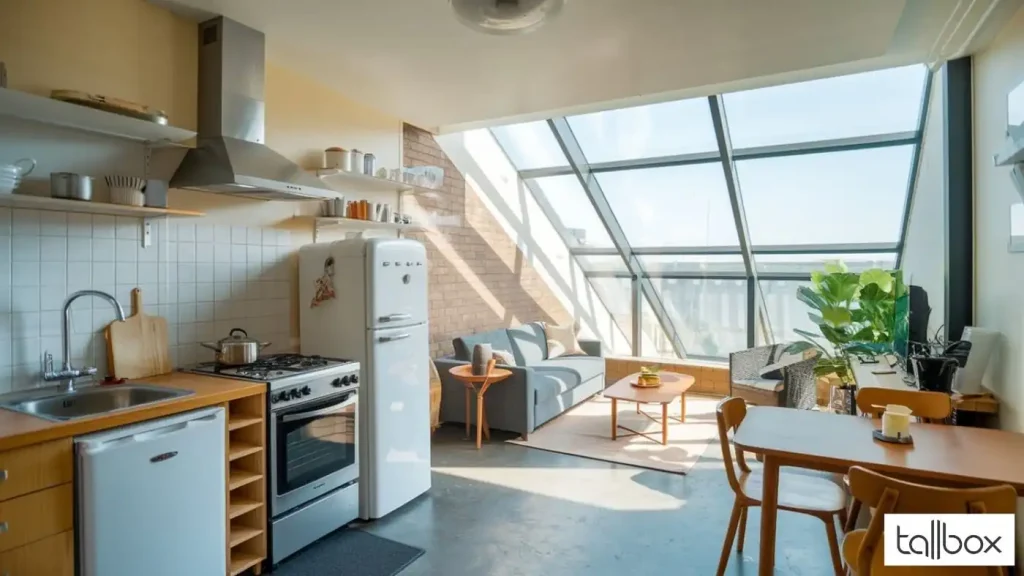
Yes, there are granny flat kits available! These kits are prefabricated or modular units that can be assembled on your property, offering a convenient and often cost-effective way to add an accessory dwelling unit (ADU). Here are a few options:
Pacific Modern Homes Inc. (PMHI)
PMHI offers a range of prefabricated granny flat kits, from 600 to 1,200 square feet. These kits come with pre-engineered plans and support documentation, making the construction process quicker and easier.
Build Green NH
Build Green NH also provides a variety of prefab granny pods and in-law suites. Their units range in size and design, ensuring you can find one that fits your needs. These units are designed to be space-efficient and come with full amenities.
Classic Kit Homes
Classic Kit Homes offers customizable granny flat designs. You can choose from a collection of ready-made plans and adjust the number of bedrooms, bathrooms, and living areas to suit your preferences.
Goodlife Structures
Goodlife Structures too provides a selection of prefabricated homes, including granny flats and garden rooms. Their kits are designed for easy assembly and can be tailored to your specific requirements.
Can you flip a granny flat?
You can flip a granny flat to generate profit. Flipping involves purchasing, renovating, and selling the property at a higher price. Granny flats, due to their size and affordability, provide opportunities for cost-effective upgrades.
Consider enhancing features like modern kitchens, updated bathrooms, and energy-efficient systems to increase value. Ensure all renovations comply with local building codes and zoning regulations.
Analyze the real estate market to understand demand for upgraded granny flats. Work with professionals, such as real estate agents and contractors, to maximize your investment. Successful flipping of a granny flat requires careful planning and market awareness.