George is a seasoned interior designer and property marketing strategist with over 13 years of experience. He specializes in transforming properties into visually stunning spaces, helping clients recognize the potential and beauty in each property. With an impressive international client base of exciting projects throughout Europe and America.

To design your backyard pool, start by establishing a clear budget and verifying local building codes, including setback requirements of 3m from front limits and 1m from side perimeters. You’ll need to evaluate your site’s conditions, considering factors like sun exposure, drainage, and underground utilities. For ideal accessibility, position your pool 4-5m (13-16ft) from your house.
Select appropriate dimensions based on family size: 16x32ft (5x10m) serves 3-5 people, while 18x36ft (5.50 x 11m) accommodates 6-8 people. Choose between micro cement, concrete, fiberglass, or vinyl materials for the underwater line or both, or tile it all out both underwater and waterline. Add essential safety features like fencing and good lighting. Consider if you can support in the long-term operating costs of owning a pool. Did you know that the total annual operating cost typically ranges between $3,000 and $5,000? That means the daily operating cost would be approximately $13.70.
Continue reading if you want to explore how to use advanced design elements and aesthetics.
Planning a pool project involves several important considerations. Check for overhead wires, such as electrical or telephone lines, in your backyard to ensure safety.
Are overhead wires present that could interfere with your pool placement? Examine your property for underground utility lines, such as gas or water pipes, to avoid disruptions.
Is the absence of underground utilities confirmed at your intended build site? Choose a pool location at least 80 to 100 feet from bodies of water to comply with regulations.
Is your chosen spot safe from nearby water sources? Assess the terrain of your yard, noting features like slopes or rocks, to determine feasibility.
Evaluate the long-term costs to operate and maintain the pool, including energy consumption, chemical treatments, and periodic repairs. Ask questions like:
- Are there slopes or uneven areas in your yard that might affect construction?
- Review any easements, such as rights of way or utility access, on your property that might restrict building.
- Are there legal limitations on where you can construct your pool?
- Consider the size of the pool to match your space and needs.
- What pool size suits your yard and usage expectations?
- Evaluate long-term operational and maintenance costs to plan your budget.
- Are you aware of the ongoing costs associated with owning a pool?
By addressing these aspects, you can ensure a well-planned and successful pool project.
How to Plan A Pool Project?
A well-planned swimming pool project can convert your backyard into a personal oasis. Before breaking ground, you’ll need to establish thorough parameters that guarantee project success and long-term satisfaction with your investment.
Start by determining your precise budget allocation, incorporating both initial construction costs and ongoing maintenance expenses. You’ll want to perform a detailed site evaluation, measuring available space and identifying ideal pool placement while considering factors such as sunlight exposure, privacy requirements, and existing landscaping features.
Concrete pools provide the most versatility for achieving custom designs in challenging spaces. A concrete pool of this size would cost between $100,000 to $120,000 for the basic installation. On top expect to pay for
basic equipment package of around $12,000 for pump and filter systems. For pool decking, $14-30 per square foot, depending on material choice, a minimum of 500 square feet of decking will be required for a 13 x 36 feet (4 x 11 m) pool. For more luxury options of tiles or materials with a complete installation but standard features, expect to pay between $170,000 and $190,000 for the same size of pool 4 x 11 m ( 13 x 36 ft).
The cost might increase if the property requires retaining walls or is on a slope; a lot of premium features are added, like more steps, better tile materials, complex shapes or patterns, and more. The location also plays a role in the higher labor costs.
How to Plan A Pool Project list (Q and A)
Overhead Wires
Are overhead wires present that could interfere with your pool placement?
Yes, it is crucial to check for overhead wires such as electrical or telephone lines in your backyard to ensure safety and avoid any potential hazards or disruptions during construction.
- Reason: Overhead wires can pose safety hazards during construction and use of the pool. They can also impede excavation equipment.
- Solution: If wires are present, consult with utility companies to relocate them or choose a different location free from overhead obstructions.
Underground Utilities
Is the absence of underground utilities confirmed at your intended build site?
You must call your utility providers to mark any underground lines, such as gas or water pipes, to avoid damaging them during excavation. This step is essential for a safe and smooth construction process.
- Reason: Digging without identifying underground utilities like gas, water, or sewer lines can lead to dangerous accidents and service interruptions.
- Solution: Plan your pool placement to avoid these lines or arrange for professional relocation if necessary.
Distance from Bodies of Water
Is your chosen spot at a safe distance from nearby water sources?
Choose a location that is at least 80-100 feet from any body of water to comply with environmental regulations and ensure the pool does not negatively impact nearby water sources.
- Reason: Proximity to these can lead to soil erosion, water contamination, and may violate environmental regulations.
- Solution: Verify local zoning laws regarding setback requirements from natural water sources to ensure compliance.
Terrain Assessment
Are there slopes or uneven areas in your yard that might affect construction?
Assess the terrain of your yard, noting features like slopes, rocks, or uneven areas, to determine the feasibility of the pool’s location and to plan for any necessary adjustments or additional engineering that may be required.
- Reason: Terrain affects the feasibility, design, and cost of your pool project.
- Solution: Consider site grading or choose a pool design that accommodates the existing landscape, such as an above-ground or semi-inground pool for uneven terrain.
Easements
Are there legal limitations on where you can construct your pool?
Review any easements on your property, such as rights of way or utility access, to ensure that the chosen location does not violate any legal restrictions.
- Reason: Easements restrict construction as they grant others the right to use portions of your land.
- Solution: Avoid building within easement areas to prevent legal issues and potential removal of the pool.
Pool Size
Are you aware of the ongoing costs associated with owning a pool?
Evaluate the long-term operational and maintenance costs, including energy consumption, chemical treatments, and periodic repairs. Factor these costs into your budget to ensure you can sustain the pool over time.
- Reason: The pool should fit comfortably in your space and meet any setback or coverage limitations.
- Solution: Measure available space, and consult with a pool professional to select a size that meets your needs without overwhelming your yard.
Long-Term Costs to Operate and Maintain
Research ongoing expenses including energy consumption, water usage, chemicals, and maintenance services.
- Reason: Pools incur significant operational costs that impact your budget over time.
- Solution: Incorporate energy-efficient equipment, such as variable-speed pumps, and plan for regular maintenance to manage costs effectively.
Monthly Operating Costs
- Basic maintenance: $235 average ($116-$354)
- Chemical treatments: $50-$100
- Electricity for pump/filter: $60-$100 with modern pump systems
- Professional cleaning services (optional): $20-$50 per week.
On an annual basis the total maintenance would come at $960-$1,800 per year, including insurance increase of approximately $2,500 annually, electricity of around $300 per year for basic operation, and chemicals and supplies $750 per year plus pool opening/closing services $300-$600 per year. And if you use your pool in the winter heating costs (if applicable) on average are $1,500-$4,000 annually. The total annual operating cost for good functioning residential pool ranges between $3,000 and $5,000 for everything standard, without including major repairs or renovations.
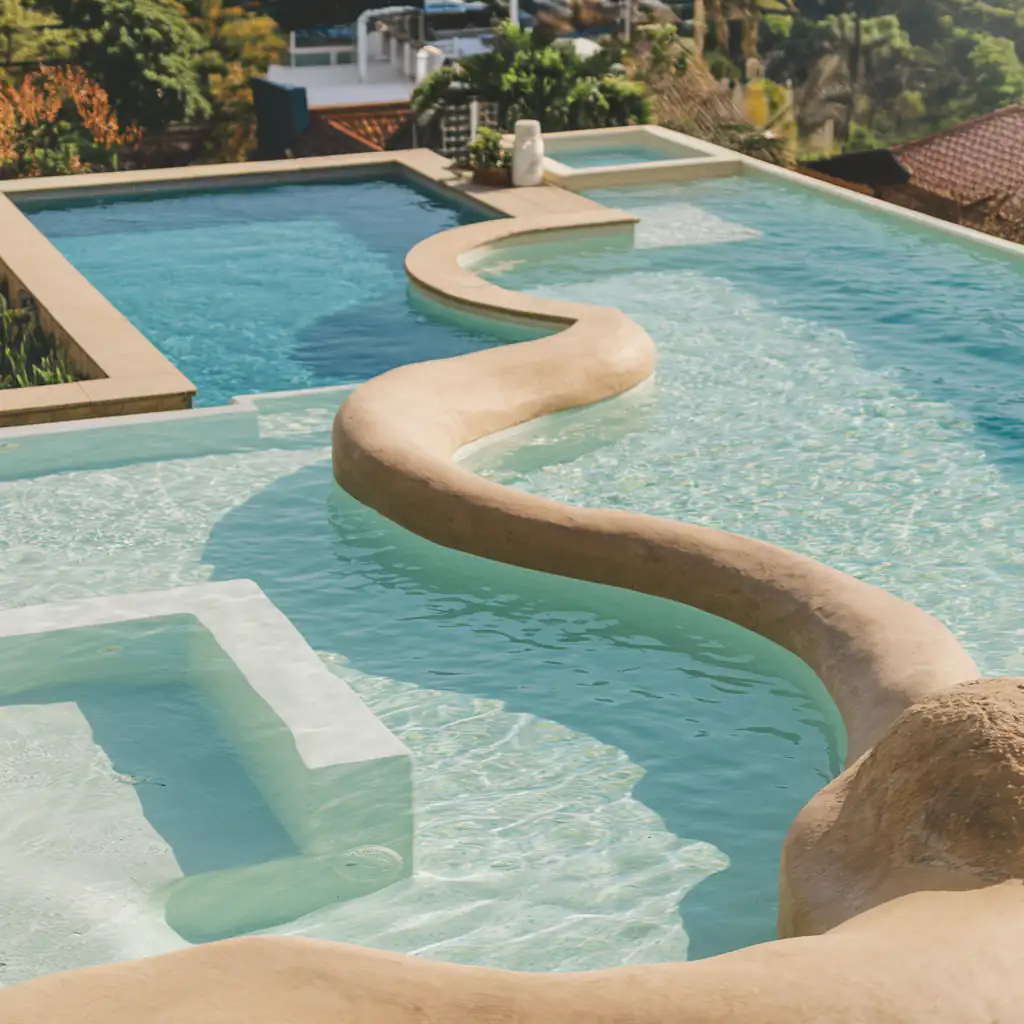
etallic tiles offer a sleek, modern look with a shimmering, reflective surface, making them a good choice for those who desire a contemporary or luxurious pool design. However, metallic tiles, especially those made of actual metal, can be susceptible to corrosion and discoloration in chlorinated pool environments, requiring careful maintenance and potentially a specialized sealant. They can also be more expensive than standard ceramic or porcelain tiles, and some metallic finishes may be prone to scratching or showing fingerprints. Additionally, while visually striking, the highly reflective surface can sometimes create glare issues in direct sunlight, and in certain climates, metallic tiles can become very hot to the touch, potentially posing a safety concern for swimmers entering or exiting the pool.
Basic metallic glass tiles start from $8.50 to $15 per square foot, with premium options reaching higher price points; Average project cost around $15,000 and premium installations can reach up to $70,000, the standard pool retiling with metallic tiles costs between $29,000 to $50,000.
How to plan Pool Size and Shape - Options?
hoosing the right pool size and shape will greatly impact both your yard’s aesthetics and your pool’s functionality. When selecting dimensions, you’ll need to take into account your family size, available space, and intended use.
Common Rectangular Sizes
- For smaller families (3-5 people), a 16 x 32ft pool provides adequate swimming space.
- Larger families (6-8 people) should take into account 18 x 36ft dimensions.
- Lap swimmers require at least 30ft in length, with narrower widths.
- Diving pools need 7.5-9ft depth and larger dimensions.
Shape Options

- Rectangular pools maximize swimming space and suit formal environments.
- Freeform designs work well in natural settings and irregular yards.
- Bean-shaped pools efficiently make use of corner spaces and wrap around structures.
- Geometric pools offer modern aesthetics with customizable angles
For limited spaces, you’ll find several compact options:
- Spools (20-22.5ft x 10ft)
- Cocktail pools (23-26ft x 12-13ft)
- Mini pools (under 10m²)
- Endless pools (14ft x 7ft)
A play pool perimeter typically measures 75 feet, making it ideal for versatile family activities and entertaining. Remember to factor in additional space for decking, equipment access, and proper integration with your existing surroundings.
How to select Materials for a pool?
Your pool’s material selection stands as one of the most critical decisions you’ll make during the planning process. The choice will impact your maintenance requirements, installation timeline, and long-term durability. You’ll need to evaluate factors like customization options, surface porosity, and regional climate conditions when selecting your pool’s primary material.
1. For maximum design flexibility, concrete pools offer unlimited shape possibilities and can be finished with plaster, tiles, or pebbles, though they’ll require more maintenance due to their porous nature. Concrete pools have the greatest range of tile options.
2. If you’re seeking rapid installation and minimal maintenance, fiberglass pools provide a nonporous surface that resists algae and can last up to 50 years, though your design options will be limited. Saltwater systems are an excellent choice for fiberglass pools as they provide a more comfortable swimming experience.
3. When budget constraints are paramount, vinyl liner pools present the most cost-effective initial investment, but you’ll need to take into account liner replacement every 7-10 years.
For finishing materials, you’ll find options ranging from traditional plaster to premium glass tiles.
Evaluate Pebble Tec for improved durability and traction, or natural stone for a timeless appearance. Your decking and coping choices should complement your pool’s material while providing adequate slip resistance and durability.
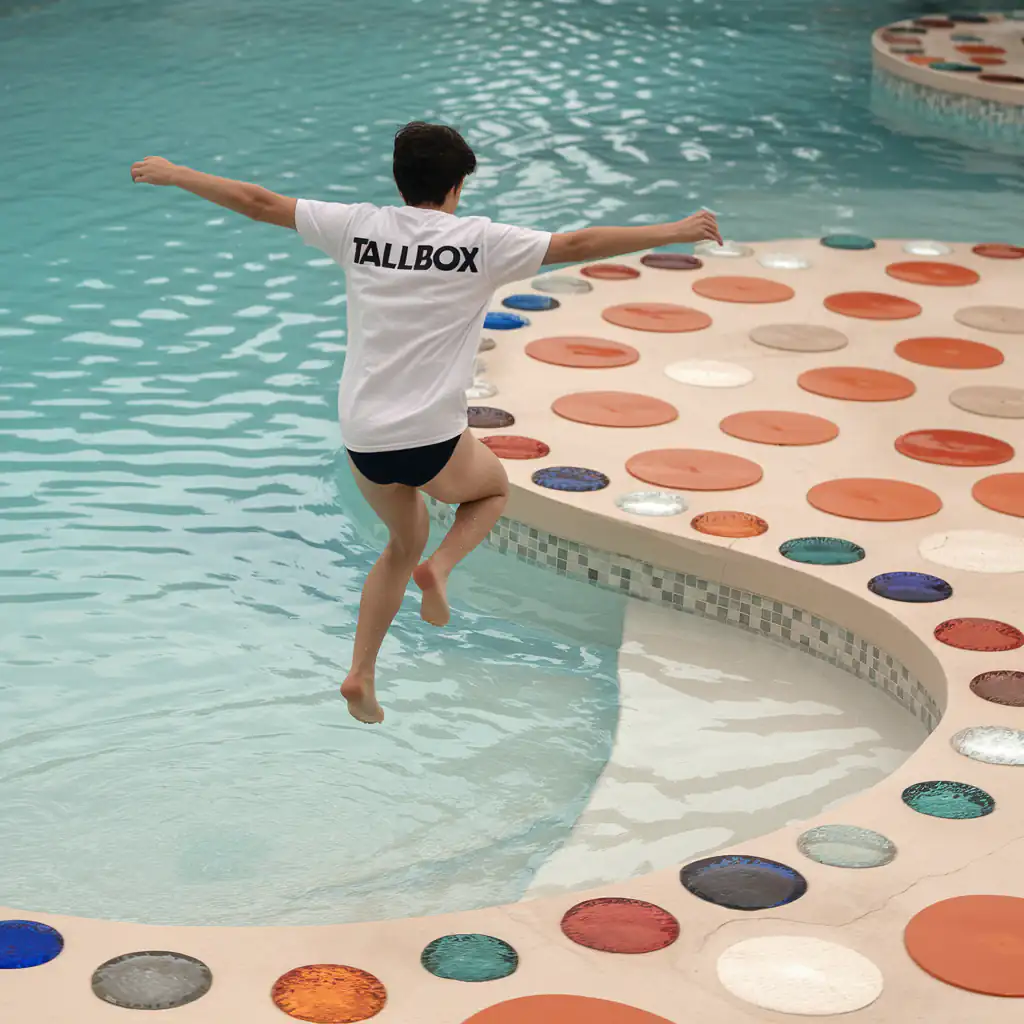
Safety Features and Regulations
While material selection sets the foundation for your pool, implementing proper safety features holds equal importance to protect both family members and visitors. Your pool’s safety barrier must meet specific height requirements, varying from 4 feet in Florida to 60 inches in Sonoma, with gaps not exceeding 4 inches between components. Non-compliance with safety regulations constitutes a second-degree misdemeanor.
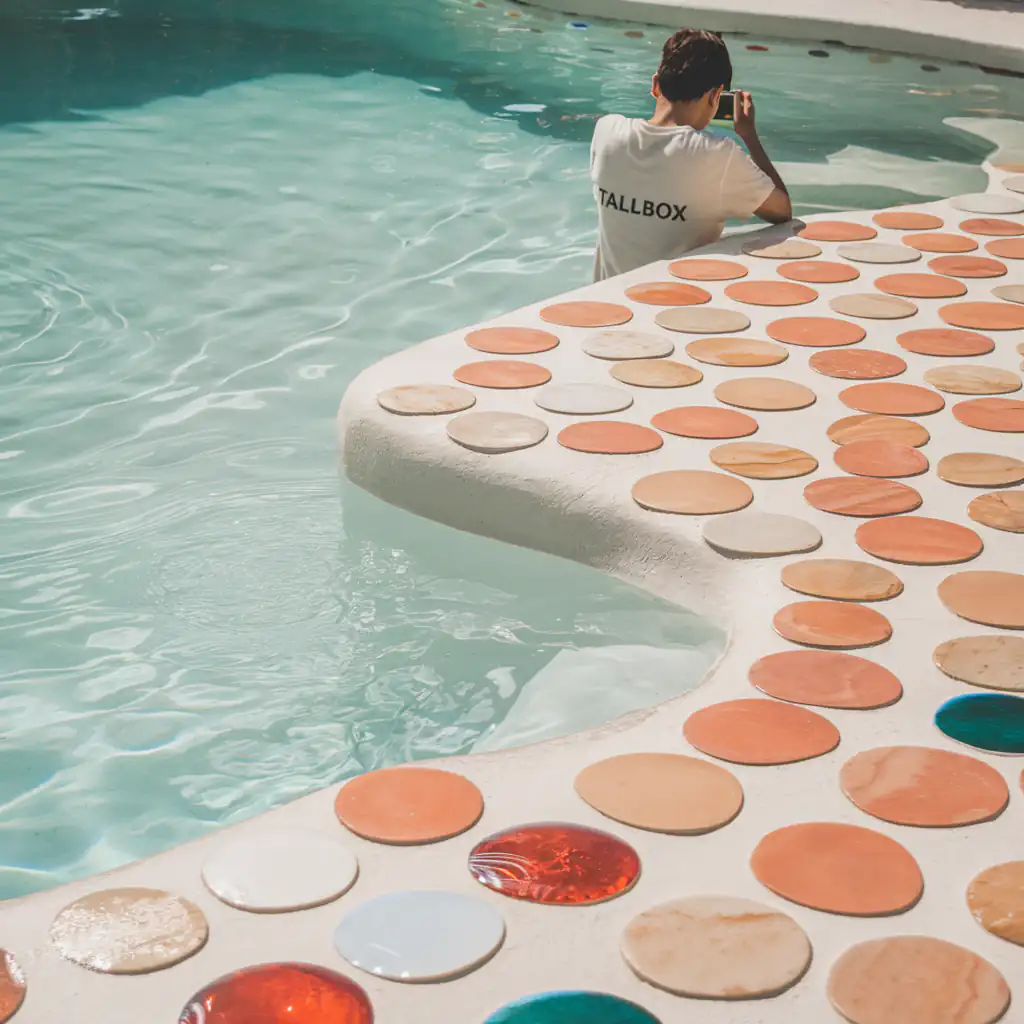
Barrier Requirements:
– Install fencing that opens outward and features self-closing, self-latching gates
– Position gate latches at least 54-60 inches above ground level
– Guarantee walls used as barriers don’t have unauthorized access points
Essential Safety Equipment:
– Install pool alarms meeting ASTM Standard F2208
– Add exit alarms on doors and windows with 85 dB A rating at 10 feet
– Use ASTM F1346-91 compliant safety covers
– Install anti-entrapment grates on suction outlets
You’ll need to maintain these safety features regularly and obtain necessary permits before construction.
For above-ground pools, you can use the pool structure as a barrier if it meets height requirements.
Remember to implement temporary barriers during construction and keep all operational devices at least 1 meter from the pool wall.
How to pick the Location and Site Analysis for a new pool
Before breaking ground on your residential pool, a thorough site analysis will determine the ideal location for best performance and enjoyment.

You’ll need to evaluate vital factors like sun exposure, wind patterns, and drainage capabilities to guarantee peak positioning. A south-facing orientation typically provides maximum sunlight exposure, while maintaining proper setback distances of 3 meters from front limits and 1 meter from side limits. Living areas can provide effective pool supervision views when properly positioned.
1. Analyze your soil conditions and underground utilities before finalizing the location, as these factors directly impact foundation requirements and construction feasibility.
2. Position your pool 4-5 meters from your house to balance accessibility with recreational space, guaranteeing clear pathways for maintenance and safety.
3. Consider wind direction and speed to minimize debris accumulation and reduce water evaporation rates.
When selecting your pool’s location, you’ll need to integrate it seamlessly with your existing terrain while accounting for equipment placement and storage requirements.
Your site analysis should as well include consideration of local zoning laws and urban planning guidelines, which may impose specific restrictions on pool placement and design parameters.
Extra Water Feature Possibilities
Residential pools come alive with thoughtfully chosen water features that change ordinary swimming spaces into enchanting outdoor retreats.
You’ll need to contemplate both modern and traditional options, from sleek sheetfall waterfalls to naturalistic rock formations, guaranteeing they complement your pool’s overall design.

hen selecting water features, you’ll want to assess five primary types:
– Sheetfall waterfalls, which create continuous arcs of water
– Rock waterfalls for a more organic, tropical feel
– Rain curtains that produce dramatic vertical water sheets
– Bubblers for interactive play in shallow areas
– Scuppers that deliver both visual appeal and soothing sounds
Your water feature selection should align with practical considerations, including scale, lighting requirements, and mechanical concealment. The addition of fire and water combinations can create a stunning contrast while providing warmth for evening gatherings.
You’ll find that LED lighting integration can alter these features after dark, while proper sizing assures they don’t overwhelm your space.
For implementation, contemplate combining different elements like cascades with deck jets, or spillways with water bowls.
You’ll benefit from both aesthetic and functional advantages, including ambient cooling effects, increased property value, and improved entertainment options for your outdoor space.
Landscaping Around Your Pool
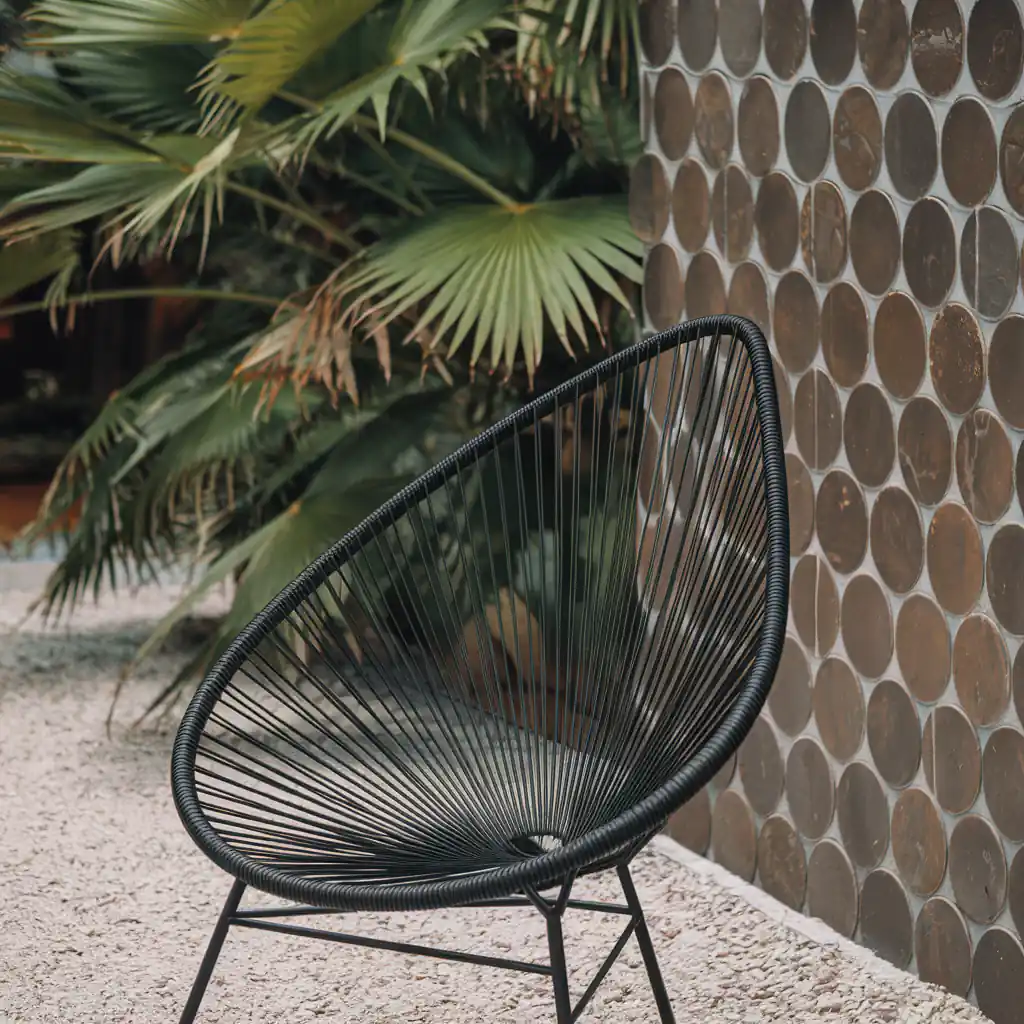
Creating an inviting pool setting requires careful consideration of both aesthetics and functionality. Your garden design should incorporate native and low-maintenance plants, strategic hardscaping elements, and proper lighting solutions to maximize both beauty and practicality.
To create an effective pool garden, consider these essential components:
1. Select drought-resistant plants like Windmill Palm and Emerald Green Arborvitae, positioning them strategically to provide natural screening and shade while maintaining appropriate spacing for growth.
2. Install multi-textured walkways using materials such as travertine, flagstone, or formed pavers, incorporating moss or grass between stones for barefoot comfort.
3. Implement a layered lighting approach with underwater LEDs, solar-powered pathway lights, and ambient string lighting for safety and ambiance. Consider adding a modern fire pit to extend evening gatherings and create a cozy atmosphere.
Your hardscaping elements should include properly placed artificial boulders to conceal functional components, while ornamental grasses like Blue Fescue and Zebra grass can add texture to garden beds.
Incorporate climbing vines on trellises and pergolas to achieve a tropical aesthetic, and establish designated seating zones with natural privacy screens to improve the overall pool experience.
Equipment and Storage Solutions
A well-organized equipment setup forms the backbone of any swimming pool’s functionality. You’ll need to carefully plan your equipment layout, focusing on essential components like pumps, filters, and heating systems that work together to maintain ideal water quality and temperature.
When selecting your equipment space, prioritize accessibility and protection from the elements. You’ll want to install dedicated shelters or enclosures that shield your pump, filter, and chemical feeders while allowing easy access for maintenance. Quick-drying material is recommended for shelter structures to prevent moisture buildup around equipment.
Consider installing shelving units or cabinets specifically designed for pool chemicals and maintenance tools.
Your essential equipment should include:
– A reliable pool pump for proper water circulation
– An appropriate filtration system (sand, cartridge, or D.E.)
– Chemical feeders or salt chlorine generators
– Automatic cleaners for simplified maintenance
– Basic maintenance tools (telescopic pole, brushes, and vacuum)
For improved functionality, you might consider incorporating advanced equipment like UV treatment systems or automated control panels. These additions can simplify your pool’s operation while reducing maintenance time.
Remember to organize your storage area with proper ventilation and separate spaces for chemicals and cleaning accessories to guarantee safety and efficiency.
Lighting and Ambiance Design
Proper lighting and ambiance design can change your backyard pool from a basic water feature into an enchanting outdoor retreat. Strategic placement of lights, combined with thoughtful integration of natural elements, creates a harmonious environment that improves both functionality and aesthetic appeal.
You’ll need to take into account multiple lighting layers, including underwater fixtures, ambient lighting, and accent illumination. Modern eco-friendly LED lighting significantly reduces energy consumption while maintaining stunning visual effects.
To achieve ideal pool lighting and ambiance, implement these essential elements:
1. Install color-temperature appropriate LED lights – warm tones (2700K-3000K) for relaxation areas, cool tones (5000K-6500K) for activity zones.
2. Position water features strategically to create sound barriers and visual focal points, incorporating both lighting and natural elements.
3. Employ smart controls and automation systems to manage different lighting zones and create pre-programmed ambiance settings.
The integration of technology plays a vital role in modern pool lighting design.
You’ll want to incorporate fiber optic systems for starlight effects, LED strips for contour highlighting, and color-changing capabilities for versatile ambiance options.
Remember to position lights at various heights and angles, using techniques like grazing and silhouetting to emphasize textures and create visual depth.
Final words: How easy is to design a pool?
Designing a pool can vary in complexity depending on several factors, including your experience, the pool’s size and style, local regulations, and your budget. Here are some key considerations:
1. Planning and Research: Understanding your needs and preferences is crucial. Consider the pool’s purpose (recreation, exercise, aesthetics) and the available space.
2. Regulations and Permits: Check local building codes and zoning laws. You may need permits for construction, which can add complexity to the design process.
3. Design Elements: Decide on the shape, size, depth, and features (like lighting, decking, landscaping, and water features). This requires some creativity and knowledge of design principles.
4. Budget: Establish a budget that includes construction, materials, maintenance, and potential landscaping. Costs can vary significantly based on the choices made from $50,000 to $500,000 and even more.
5. Professional Help: While you can design a pool yourself, hiring a professional designer or contractor can simplify the process. They can provide expertise, ensure compliance with regulations, and help with construction.
6. Maintenance Considerations: Think about the long-term maintenance of the pool, including cleaning, chemical balancing, and repairs. If not planned well, yearly ongoing cost might exceed $5,000 to $10,000.
While designing a pool can be straightforward for those with some experience or knowledge, it can also be complex and time-consuming, especially for larger or more elaborate projects. If you’re uncertain, consulting with professionals can make the process easier and more efficient.
Should you hire interior design company to design a pool?
It is more beneficial to hire a pool builder rather than an interior designer for designing a pool. Pool builders specialize in designing and constructing pools tailored to a customer’s desires and expectations, while considering factors such as the budget, taste, lifestyle, and nature of the land. However, you can hire 3D interior designer to visualize your pool project before it’s built. Visualization services offered by tile shops and specialized firms like TALLBOXDESIGN can significantly enhance your pool design experience. They provide valuable insights into how different materials and designs will look in your space, ensuring you make informed decisions that lead to a beautiful and satisfying result. Utilizing these services can help turn your pool project into a well-planned and visually stunning reality.
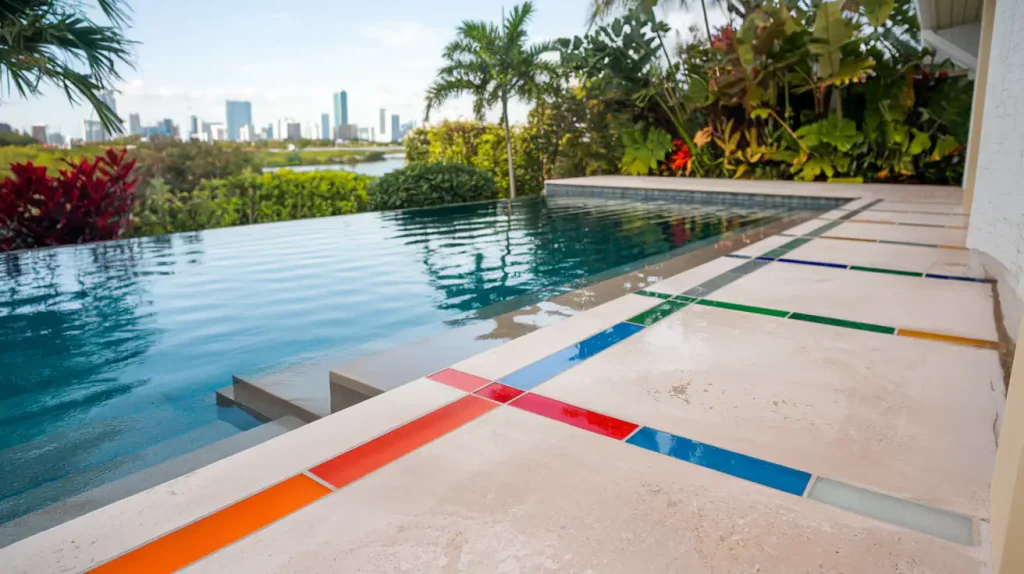
Hiring an interior design company to design your pool can offer a high level of customization and ensure that your outdoor space harmonizes with your home’s interior but you still need to hire a pool contractor company to do be in charge of the process. It’s essential to choose a firm with demonstrated experience in pool and outdoor design and to ensure they collaborate with technical experts for the construction phase. By doing so, you can achieve a pool that is not only beautiful but also functional, safe, and built to last
Cost Implications:
- Design Fees: Be aware of the costs associated with hiring a design firm, which may be higher than working directly with a pool contractor.
- Value Addition: Consider the long-term value that a well-designed pool adds to your property versus the initial investment.
Tips When Choosing a Designer:
- Check References and Reviews: Speak with past clients about their experiences.
- Clarify Services Provided: Understand what aspects of the project the designer will handle.
- Discuss Your Vision: Ensure the designer understands your preferences and lifestyle needs.
- Set a Budget: Be transparent about your budget to avoid unexpected costs.
Alternatives to Consider:
Pool Design and Construction Companies:
- Specialization: These companies specialize in pools and have extensive technical expertise.
- One-Stop Solution: They handle design, permitting, construction, and sometimes even landscaping.
Landscape Architects:
- Outdoor Focus: They specialize in outdoor spaces and can integrate your pool into the overall landscape design.
- Environmental Considerations: Skilled in grading, drainage, and plant selection to enhance the pool area.
Benefits of Using TALLBOXDESIGN:
Customized Solutions: Tailored visualizations that match your exact specifications and preferences.
High-Quality Renderings: Detailed images that accurately represent textures, reflections, and the interplay of light and shadow.
Improved Decision-Making: Ability to see the end result helps in making confident choices, potentially saving time and money.
Why Use Visualization Services:
Enhanced Understanding:
Visual tools bridge the gap between imagination and reality, ensuring that you know exactly what to expect.
Experimentation:
Easily try out different tile combinations, patterns, and layouts without physical limitations.
Communication:
Share visual plans with contractors and builders to ensure everyone is aligned with the vision.
Avoiding Mistakes:
Identifying potential design issues before construction begins prevents costly changes later.
Reasons You Might Hire an Interior Design Company
Holistic Design Approach: If the pool is part of a comprehensive property design that includes the home’s interior and surrounding landscape, an interior designer can ensure seamless integration of style, materials, and flow between all areas.
Custom Features and Aesthetics: If you envision a pool with unique design elements, custom tile work, integrated lighting schemes, or specific features like waterfalls or spas, an interior designer can develop detailed plans and specifications.
Luxury or High-End Projects: For luxury pools with complex designs and high-end finishes, an interior designer can manage the selection of materials, coordinate with contractors, and ensure a cohesive and sophisticated final product.
Material Expertise: Interior designers often have extensive knowledge of materials, including tile, stone, and finishes, and can help you select the best options for durability, aesthetics, and budget.
Project Management: Some interior design firms offer project management services, overseeing the entire pool construction process to ensure quality and adherence to the design plan.
Reasons You Might Not Need an Interior Design Company
Standard Pool Design: If you’re planning a standard pool shape and size with readily available finishes, a pool builder or landscape contractor can typically handle the design and construction.
Budget Constraints: Interior design services add to the overall project cost, so if you have a limited budget, it might be more practical to work directly with a pool builder.
Focus on Functionality: If your primary focus is on functionality and basic aesthetics, a pool builder can provide adequate design options and execute the construction efficiently.
SHOULD YOU Hire a Pool Building Company to Design a New Pool?
There are three good options to pick from when you decide to hire professionals to design a pool for you.
Pool Builders: Most pool builders have in-house design capabilities and can create basic to moderately complex pool designs.
Landscape Architects: If the pool is a significant element of the landscape, a landscape architect can integrate it seamlessly into the overall outdoor design.
Specialized Pool Designers: Some designers specialize specifically in pool design and can offer expertise in pool shapes, features, and materials
Steps to hire a pool company
Assess their Design Capabilities: Inquire about the company’s design process. Do they have in-house designers? Do they use 3D design software? Ask to see examples of previous pool designs they’ve created.
Look for Experience and Reputation: Choose a company with a proven track record of designing and building pools similar to what you envision. Read reviews and check their portfolio for examples of their work.
Communicate your Vision Clearly: Provide the pool builder with detailed information about your desired pool size, shape, features, materials, and budget. Share any inspiration photos or sketches you have.
Collaborate on the Design: Actively participate in the design process. Provide feedback, ask questions, and ensure the design meets your needs and preferences.
Review the Design Plans Carefully: Before signing a contract, thoroughly review the pool design plans, including dimensions, materials, equipment specifications, and any included features.
Consider a Design Consultation Fee: Some pool builders offer initial design consultations for a fee. This can be a worthwhile investment to explore different design options and assess the builder’s expertise before committing to the project.
Ensure they understand local regulations: A good pool builder will understand local building codes and regulations, ensuring that the design complies with all requirements.
When Not to Rely Solely on a Pool Building Company for Design?
Hiring a pool building company for design is a viable option for many standard pool projects, offering a streamlined and cost-effective approach.
Generally, for complex designs, unique aesthetics, or challenging sites, it’s often beneficial to seek additional design expertise from specialized pool designers, landscape architects, or interior designers to ensure a truly exceptional and well-integrated pool. Always prioritize clear communication, thorough review of design plans, and collaboration with the professionals you hire.
Complex or Custom Designs: If you envision a pool with intricate features, unique shapes, custom tile work, or a highly integrated landscape design, a pool builder may lack the specialized design expertise required.
Aesthetic Emphasis: If aesthetics are paramount and you want a pool that seamlessly integrates with your home’s architecture and overall landscape design, you might benefit from hiring an independent landscape architect, pool designer, or interior designer in addition to the pool builder.
Challenging Sites: If your property has significant slopes, soil issues, or access limitations, it’s advisable to consult with an engineer or landscape architect to ensure the pool design is structurally sound and feasible. Considering your unique landscape helps identify luxury aboveground pool options that align with your property’s natural features. These pools offer strong visual appeal and can be adapted to challenging terrain, enhancing both function and enjoyment. Professional guidance ensures your pool design meets safety standards and maintains design integrity.
Holistic Property Design: If the pool is part of a larger renovation or new construction project involving the entire property, it’s best to work with an architect or design team that can integrate the pool design seamlessly into the overall plan.