Picture of George Nicola
George Nicola

George is a seasoned interior designer and property marketing strategist with over 13 years of experience. He specializes in transforming properties into visually stunning spaces, helping clients recognize the potential and beauty in each property. With an impressive international client base of exciting projects throughout Europe and America.

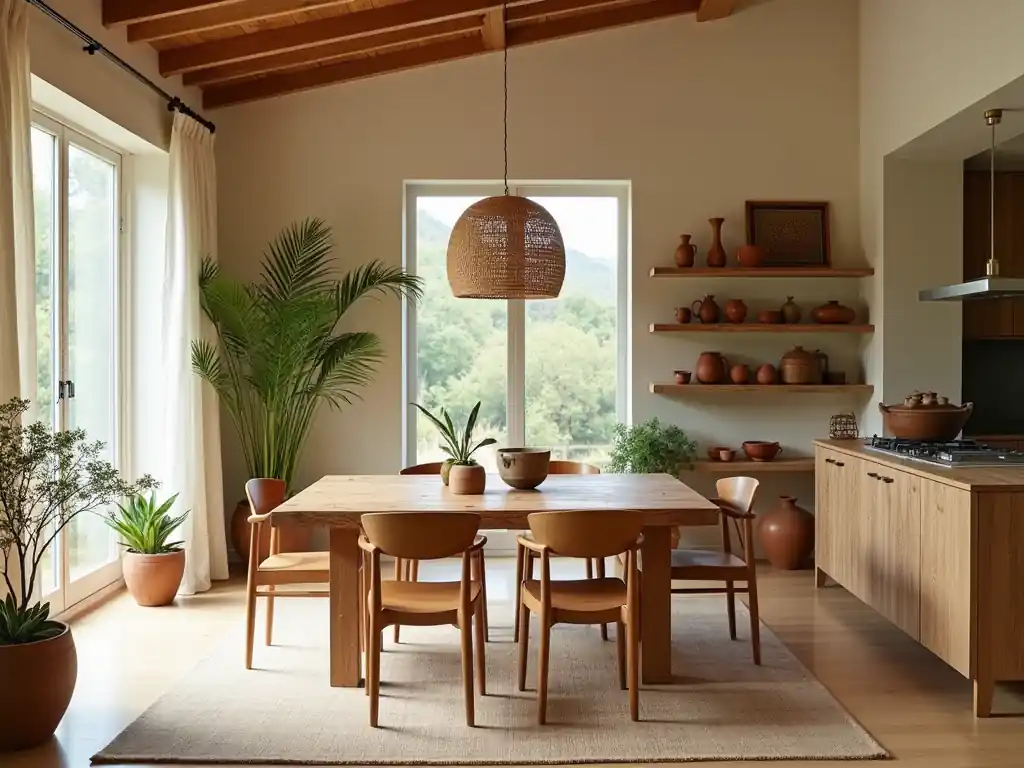
A cozy dining room with wooden furniture, potted plants, large windows, a woven pendant light, and shelves with pottery showcases how to use organic decorating to enhance the space.
Table of Contents

Organic decorating brings nature’s beauty and tranquility into your living spaces. It combines natural materials, earthy colors, and organic shapes to create a harmonious and inviting atmosphere. By incorporating organic elements, you can transform your home into a calming retreat that connects you with the natural world.

The main difference is that organic decorating consistently prioritizes natural, sustainable materials and a connection to nature, while other styles, such as rustic, bohemian, and scandi, may incorporate some natural elements but have different primary focuses or aesthetics.

  • Rustic: While both styles use natural materials, rustic design tends to be more rugged and weathered, often incorporating rough-hewn wood and wrought iron. Organic style is generally more refined and can blend with modern elements.
  • Bohemian: Both styles embrace natural textures and plants, but bohemian decor is more eclectic and colorful, often featuring bold patterns and global influences. Organic style typically sticks to a more neutral palette.
  • Scandinavian: This style shares the organic approach’s love of light woods and minimalism. However, Scandinavian design often incorporates more stark white spaces and sleek lines, while organic style tends to be warmer and more textured.
  • Coastal: Both styles may use natural fibers and light colors, but coastal decor is distinctly inspired by beach elements like shells and driftwood. Organic style draws from a broader range of natural influences.
  • Mid-century Modern: While both can feature clean lines and natural materials, mid-century modern is more focused on specific design elements from the 1950s and 60s, often incorporating bold colors and geometric shapes. Organic style is more timeless and nature-oriented.

This approach to interior design focuses on using sustainable materials and embracing imperfections. It blends modern simplicity with rustic charm, creating a balanced and welcoming environment. Organic decorating allows you to express your personal style while fostering a sense of peace and well-being in your home.

George Nicola interior designer and founder of TALLBOX provides overview about the organic interior design:

Organic interior design prioritizes the use of natural, sustainable materials. Choose solid wood furniture, organic cotton or wool textiles, and stone elements. These materials bring authenticity and warmth to the space, creating a tactile connection to nature.

To achieve organic results in every space employ earth tones and neutral hues as the foundation of the design. Warm browns, soft greens, and muted blues reflect the colors found in nature. This palette creates a calm atmosphere and allows natural textures to stand out.

Plants play a crucial role in organic design. Large potted plants, hanging greenery, and small succulents add life to the space. They improve air quality and create a direct link to the natural world within the interior environment. Using handmade items like clay pottery or woven baskets is a must. These unique pieces add character and reinforce the connection to natural craftsmanship.

Avoid clutter by carefully selecting each piece. Every item should serve a purpose and contribute to the overall organic aesthetic. This minimalist mindset aligns with the simplicity found in nature.

While focusing on natural elements, organic design can harmoniously incorporate modern touches. Clean lines and simple shapes in furniture can complement the organic textures and materials.

1) Incorporate natural wooden furniture

Natural wooden furniture adds warmth and character to any space. Choose pieces made from solid wood like oak, walnut, or teak. A wooden dining table becomes the centerpiece of a room, inviting gatherings and conversations.

Wooden chairs or stools bring organic elements to kitchens and living areas. Their smooth textures and unique grain patterns create visual interest. Mix different wood tones for a layered, collected look.

A cozy dining room featuring Home Decor essentials like a wooden table and chairs, lush indoor plants, a woven light fixture, and large windows showcasing serene mountain views. This space beautifully embodies principles of Organic Decorating.

Consider a wooden coffee table or side tables in the living room. These pieces ground the space and provide functional surfaces. A wooden bed frame or dresser makes bedrooms feel cozy and inviting.

Wooden shelving units or bookcases offer storage while showcasing the beauty of natural materials. Their earthy tones complement many color schemes and decor styles.

For smaller touches, wooden picture frames or decorative objects bring nature indoors. A wooden mirror frame adds warmth to bathrooms or entryways. Wooden lamps provide soft, ambient lighting with an organic feel.

2) Use organic cotton rugs

Organic cotton rugs bring natural beauty and comfort to any space. These eco-friendly floor coverings offer versatility and softness underfoot. Place them in living rooms, bedrooms, or entryways to add warmth and texture.

Organic cotton rugs work well as alternatives to traditional yoga mats. Their non-slip surface provides stability for stretching and meditation. The natural fibers absorb moisture and offer cushioning for joints during floor exercises.

A cozy dining room with wooden furniture, potted plants, large windows, and natural light bathing the space showcases impeccable interior design. The room exudes warmth and charm through thoughtful organic decorating touches.

In nurseries, organic cotton rugs create a safe play area for babies. The chemical-free materials protect sensitive skin from irritants. The soft texture feels cozy for crawling and tummy time activities.

Bathrooms benefit from organic cotton rugs too. They absorb water quickly and dry fast, preventing slips. The washable fabric makes them easy to keep clean in high-traffic areas.

For outdoor use, organic cotton rugs make excellent picnic blankets. They’re lightweight and portable for easy transport. The durable fibers withstand grass stains and dirt, making cleanup simple after meals in nature.

3) Place greenery and potted plants

Adding plants to your space brings life and natural beauty. Choose a variety of plants with different shapes and sizes. Put large plants like fiddle-leaf figs in corners or as focal points. Place smaller plants on shelves, side tables, or windowsills.

Mix up leaf textures and colors for visual interest. Use snake plants, pothos, or ferns to create diverse foliage. Hang plants from the ceiling or walls to add vertical greenery. This works well in areas with limited floor space.

Minimalist living room with natural wood table, white sofas, potted plant, and woven rug, creating a cozy atmosphere that demonstrates how to use organic decorating techniques.

Select pots and planters that match your decor style. Ceramic, terracotta, or woven baskets offer different looks. Group plants together to create mini garden areas. This adds depth and creates a lush, organic feel.

Consider plant care needs when choosing locations. Put sun-loving plants near windows and shade-tolerant ones in darker spots. Rotate plants occasionally to ensure even growth. Water and fertilize regularly to keep plants healthy and thriving.

4) Utilize eco-friendly paint for walls

Eco-friendly paints offer a healthier and more sustainable option for wall finishes. These paints contain low or zero volatile organic compounds (VOCs), reducing indoor air pollution and environmental impact.

Water-based formulas like latex and acrylic are safer choices compared to oil-based paints. They emit fewer harmful fumes and are easier to clean up with just soap and water.

Natural paints made from ingredients like clay, milk proteins, and plant oils provide non-toxic alternatives. These biodegradable options minimize ecological harm throughout their lifecycle.

Some eco-paints incorporate recycled materials, further reducing waste and resource consumption. Calculating the exact amount needed for a project helps minimize leftover paint requiring disposal.

Minimalist living room with a wooden coffee table, white sofas, a potted plant, and shelves with decorative clay pots. Learn how to use organic decorating principles to transform your space into an inviting oasis.

When selecting eco-friendly paint, look for certifications from reputable organizations. These labels verify the product meets specific environmental and health standards.

Consider the entire lifecycle of the paint when assessing its eco-friendliness. This includes raw material sourcing, manufacturing processes, packaging, and eventual disposal.

Eco-paints come in a wide range of colors and finishes, allowing for creative expression without compromising on sustainability. They perform well and can be just as durable as conventional options.

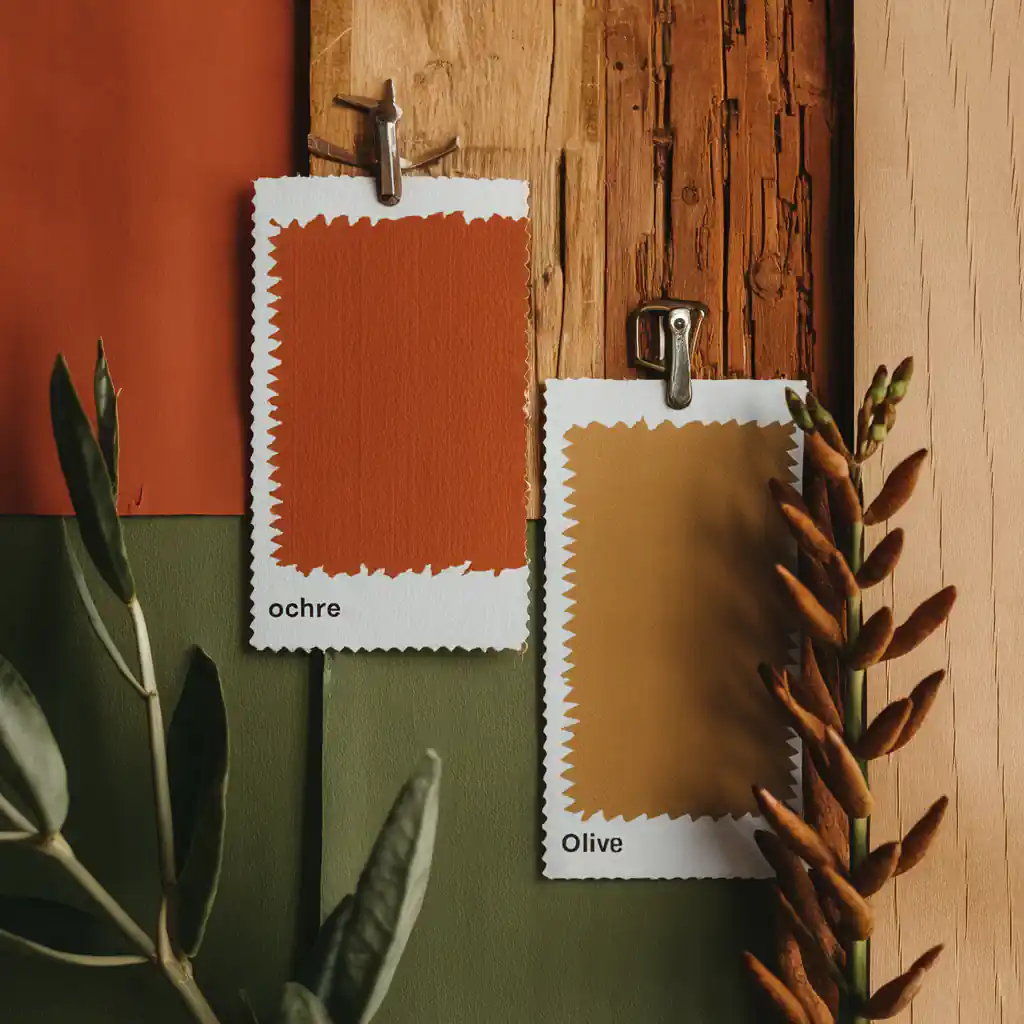
Two paint swatches, labeled "ochre" and "olive," are pinned on a wooden surface with plants around them, inspiring a warm, organic modern bathroom design.

5) Decorate with reclaimed wood

Reclaimed wood adds character and rustic charm to any space. Old wooden beams make eye-catching ceiling accents or room dividers. A reclaimed wood shelf provides stylish storage in kitchens or living areas.

Wooden wine boxes transform into unique wall art or key holders with some paint and creativity. Center islands topped with salvaged wood bring farmhouse flair to kitchens. The natural textures and patina of aged wood create visual interest.

Enhance Your Space with wooden wall-mounted key holders featuring compartments, hooks, and decorative stenciled letters in a rustic design. Perfect for organic decorating, these charming pieces blend functionality with style effortlessly.

Reclaimed wood works in many rooms throughout the home. It pairs well with both modern and traditional decor styles. The material brings warmth and history to spaces. Its imperfections tell a story and add depth to the design.

Using reclaimed wood supports sustainability by giving old materials new life. It reduces waste and demand for new lumber. The wood often comes from old barns, factories, or other structures. Each piece has its own character from years of use.

Living space with a rustic accent wall, floating bookshelves, and a wooden console. Blue couch and wooden coffee table in view. Discover how to use organic decorating elements for a cozy ambiance.

6) Add bamboo or wicker accents

Bamboo and wicker accents bring natural texture and warmth to organic decor. These materials add a touch of nature indoors and create a relaxed, earthy atmosphere.

Incorporate wicker baskets for storage or as planters. They provide a practical and stylish way to organize items while adding organic flair.

Place bamboo furniture pieces like chairs or side tables in living areas. Their lightweight nature and distinctive look complement modern organic aesthetics.

Hang wicker pendant lights to create a soft, diffused glow. These fixtures add visual interest and a natural element to any room.

Collage of a cozy living room with a gray couch, bamboo side table, and woven baskets with handles near the couch. Discover *how to use* organic decorating to personalize *your space*.

Use bamboo or wicker room dividers to define spaces while maintaining an open feel. They offer privacy and style without blocking light or air flow.

Add wicker or bamboo picture frames to display artwork or photos. These frames bring a rustic touch to walls and shelves.

Consider bamboo window shades for a natural alternative to traditional blinds. They filter light beautifully and add texture to windows.

A cozy living room with wicker furniture, indoor plants, bamboo blinds, and warm lighting perfectly reflecting organic decorating.

7) Display hand-crafted clay pottery

Hand-crafted clay pottery adds warmth and character to organic home decor. Place pieces on open shelves or in glass-front cabinets to showcase their beauty. Group similar styles or colors together for visual impact.

Use invisible adhesive putty to secure pottery on flat surfaces. This non-permanent option prevents damage and allows for easy rearrangement. Display stands or hooks provide another method for safely exhibiting delicate items.

Create visual interest by varying the heights of displayed pottery. Stack books underneath some pieces or use pedestals of different sizes. This adds dimension and draws the eye to each unique item.

A cozy living room with a wooden coffee table, beige couch, potted plant, and shelves of clay pots. Natural light fills your space, creating an inviting ambiance perfect for organic decorating.

Incorporate pottery into functional displays. A large bowl can hold fruit on a kitchen counter. Smaller vessels make perfect containers for holding utensils or dried flowers.

Mix textures by pairing smooth glazed pottery with rougher, unglazed pieces. The contrast highlights the handmade qualities of each item. Consider displaying pottery alongside other natural materials like wood or woven baskets for a cohesive organic look.

Ceramic kitchen utensils in a jar with fruit and decorative items arranged on a table, demonstrating how to use natural light for organic decorating in your space.

8) Opt for linen or hemp curtains

Linen and hemp curtains bring natural elegance to organic decor. These materials offer eco-friendly options for window coverings.

Linen curtains absorb carbon dioxide and provide a timeless look. They create a breezy, relaxed atmosphere in any room. Brands like MagicLinen offer linen curtains in various styles and colors.

Hemp curtains act as carbon sequestrators, making them highly sustainable. Rawganique produces hemp curtains in different designs. Both hemp and linen are biodegradable and renewable resources.

Cozy room with sunlight streaming through sheer curtains, plants adding a touch of organic home design, a wicker chair, a round coffee table, and a brown rug—a perfect example of decorating your space.

These natural fiber curtains filter light beautifully. They allow a soft glow while maintaining privacy. Linen and hemp curtains work well in bedrooms, living rooms, and dining areas.

Organic curtains contain no harmful chemicals or synthetic materials. This makes them safe for people with sensitivities or allergies. They contribute to better indoor air quality.

Linen and hemp curtains are durable and long-lasting. They improve with age, becoming softer over time. These curtains require minimal care and are easy to maintain.

Cozy bedroom with large windows, sheer curtains, potted plants, and soft furnishings, creating a serene atmosphere that exemplifies organic decorating.

9) Choose organic wool throws

Organic wool throws add warmth and texture to any space. These cozy blankets come from sheep raised without harmful pesticides or chemicals. They provide natural insulation and breathability.

Organic wool throws are available in various styles and colors. Some feature classic patterns like herringbone or plaid. Others showcase modern designs with bold stripes or geometric shapes.

Look for throws made from 100% organic wool. Check for certifications like GOTS (Global Organic Textile Standard) to ensure authenticity. These certifications guarantee sustainable and ethical production methods.

A cozy living room with a grey couch draped in a beige throw, surrounded by plants and a wooden ladder holding blankets, showcases organic decorating at its finest.

Drape an organic wool throw over a sofa or armchair for instant coziness. Use it as a decorative layer on a bed or hang it on a blanket ladder for visual interest. The natural fibers blend well with other organic elements in a room.

Organic wool throws require gentle care to maintain their quality. Follow the care instructions provided by the manufacturer. Many can be spot-cleaned or dry-cleaned to preserve their softness and shape.

How to work with Organic Decorating?

Organic decorating brings nature-inspired elements into interior spaces. This approach creates a harmonious blend of modern design and natural materials.

Modern kitchen with white cabinets, a large wooden island, hanging wicker lights, and potted plants for a touch of organic decorating.

What Is Organic Decorating?

Organic decorating incorporates natural elements and materials into home design. It focuses on creating spaces that feel connected to nature. This style uses wood, stone, plants, and natural fabrics like cotton and linen.

Colors in organic decor are often neutral and earthy. Think beige, brown, and green tones. Furniture pieces have clean lines but soft edges. Textures play a big role in organic design. Rough stone, smooth wood, and soft textiles add depth to rooms.

Cozy sunroom with a green sectional sofa, wooden coffee tables, potted plants, and a jute rug, bathed in natural light—a perfect example of organic decorating.

Organic decorating avoids clutter. It embraces a minimalist approach with carefully chosen pieces. Each item serves a purpose and adds to the natural feel of the space.

Benefits of Organic Decorating

Organic decorating creates calm and relaxing environments. Natural elements help reduce stress and improve mood, which is driven by the functionalism philosophy while keeping the functions. Rooms feel more peaceful and inviting.

This style promotes better air quality. Live plants act as natural air purifiers. Natural materials like wood and stone don’t release harmful chemicals.

A small, cozy modern dollhouse living room with a wooden table, white couch, indoor plant, and hanging light fixture—perfect for showcasing your space with organic decorating touches.

Organic decor is often sustainable. It uses eco-friendly materials and long-lasting pieces. This reduces waste and helps the environment.

The style is versatile and timeless. It works in many types of homes and doesn’t go out of fashion quickly. Organic rooms feel fresh and modern while still being cozy and warm.

Incorporating Natural Elements

Adding natural elements to your home brings warmth and texture to your space. This can be done through the use of organic materials and by incorporating plants and greenery.

Using Natural Materials

Wood is a versatile natural material for home decor. Wooden coffee tables, stools, or picture frames add organic touches. Raw or unfinished wood creates a rustic feel, while polished finishes offer a more refined look. Stone elements like marble countertops or slate and terracotta tile floors bring nature indoors.

A cozy attic living room with modern furniture, skylights, and sunlight streaming in, showcasing Your Space beautifully decorated with pottery and plants.

Brick walls make striking backdrops or focal points. Their earthy tones and texture add character to rooms. Natural fibers like jute, sisal, or wool work well for rugs, curtains, and upholstery. These materials add softness and tactile interest.

Bamboo is a sustainable option for flooring, furniture, or wall coverings. Its light color and straight grain patterns create a clean, modern aesthetic. Clay pottery or ceramic vases showcase handmade charm and organic shapes.

Bringing in Plants and Greenery

Plants are an easy way to add life to any room. Large potted plants like fiddle leaf figs or rubber trees make bold statements. Smaller plants on shelves or tabletops create pockets of greenery throughout a space.

Hanging plants draw the eye upward and fill empty corners. Succulents work well in dry, sunny spots and need little care. Fresh flowers in vases bring color and fragrance to rooms.

For those without a green thumb, realistic faux plants offer a low-maintenance option. Living walls or vertical gardens make dramatic focal points in larger spaces. Herb gardens in the kitchen provide fresh flavors and a natural touch.

Creating a Cohesive Organic Space

A cohesive organic space blends natural elements with modern design. It focuses on balancing colors and textures while incorporating sustainable furniture choices.

Balancing Colors and Textures

Organic spaces use a mix of earth tones and natural hues. Choose warm browns, soft greens, and muted blues for walls and large furniture pieces. Add texture with natural fabrics like linen, wool, and cotton. Incorporate woven baskets, wooden bowls, and stone accents to bring in varied surfaces.

A modern kitchen with wooden cabinets, a large island, hanging wicker lights, and potted plants on countertops shows how to use organic decorating to elevate your space.

Use plants to add pops of green and life to the room. Combine smooth and rough textures, like a sleek wooden coffee table with a chunky knit throw blanket. Layer rugs made from natural fibers such as jute or sisal for added depth and warmth.

Sourcing Sustainable Furniture

Look for furniture made from reclaimed wood or sustainably harvested materials. Opt for pieces with FSC certification, which ensures responsible forest management. Consider bamboo furniture, as it grows quickly and requires less water than traditional hardwoods.

Shop at local thrift stores or antique shops for unique, pre-loved pieces. This reduces waste and adds character to your space. Choose furniture with timeless designs that won’t go out of style quickly. Invest in quality pieces that last longer and need less frequent replacement.

Select non-toxic finishes and upholstery to maintain a healthy indoor environment. Look for organic cotton, hemp, or wool fabrics for sofas and chairs. Avoid synthetic materials that off-gas harmful chemicals.

Are organic decorations expensive?

The cost of organic decorations can vary widely based on the materials used, craftsmanship, and brand. A table from solid mango wood can go up to $2,200 from a shop such as West Elm, or $329 made from acacia wood if you buy it from Ikea; prices range widely depending on where they are, the materials made of, and the time of year.

Below are some examples of specific models and their prices to give you an idea of what to expect when shopping for organic or natural decorations:

1. Tables

Model: West Elm Live Edge Expandable Dining Table

  • Description: Made from sustainably sourced solid mango wood, this table features a live edge and a natural finish.
  • Price: $1,599 – $2,199, depending on size.

Model: IKEA SKOGSTA Dining Table

  • Description: Made from solid acacia wood, known for its durability and natural wood grain.
  • Price: $329

2. Chairs

Model: Article Seno Dining Chair

  • Description: Crafted from solid wood with a walnut veneer, these chairs have a sleek, mid-century modern design.
  • Price: $179 per chair.

Model: West Elm Slope Leather Dining Chair

  • Description: A chair with a minimalist design, featuring a bentwood frame and top-grain leather upholstery.
  • Price: $399 per chair.

3. Wooden Mirror Frames

Model: Pottery Barn Rustic Wood Wall Mirror

  • Description: A mirror framed in reclaimed pine wood with a weathered finish.
  • Price: $399

Model: Urban Outfitters Natural Wood Mirror

  • Description: A simple, round mirror with a natural wood frame.
  • Price: $99

4. Bed Frames

Model: Avocado Green Mattress Bed Frame

  • Description: Made from reclaimed wood, this bed frame is eco-friendly and handcrafted in the USA.
  • Price: $1,295 – $1,995, depending on size.

Model: IKEA TARVA Bed Frame

  • Description: An affordable option made from untreated solid pine, which can be customized with paint or stain.
  • Price: $149 – $249, depending on size.

5. Clay and Pot Elements

Model: Etsy Handmade Ceramic Planter

  • Description: A hand-thrown clay pot, available in various sizes and finishes.
  • Price: $40 – $150

Model: Terrain Terracotta Planters

  • Description: Classic terracotta planters with a natural finish, available in various sizes.
  • Price: $20 – $80

6. Natural Decorations

Model: Pottery Barn Faux Fiddle Leaf Fig Tree

  • Description: A realistic-looking faux fiddle leaf fig in a clay pot.
  • Price: $199

Model: West Elm Woven Basket

  • Description: A handwoven basket made from natural fibers, ideal for storage or as a decorative piece.
  • Price: $50 – $150, depending on size.

Organic decorations tend to vary greatly in price based on factors like material quality, brand, and design complexity. Reclaimed wood or handcrafted items typically command higher prices due to their sustainability and craftsmanship, while more affordable options like IKEA offer budget-friendly alternatives. When shopping for organic decor, you can find a range of prices from budget to high-end, allowing you to choose items that fit your style and budget.