Updating landscape or outdoor areas is considered as transformative home improvement and doing at least four updates to your backyard space can add up to over $40,000 if completed right; for example, planting trees can add up to $9,000 to your home’s value if you give them time to grow. Mature trees, such as stately oak, redwoods, and Japanese maples in particular, can increase property prices by 4% to 20%, based on your yard update.
Building an Outdoor Living Space like a deck, patio, or outdoor kitchen: 5-15% of the home’s value, which can translate to:
For a $500,000 home: $25,000 to $75,000 or in a $1,000,000 home: $50,000 to $150,000
Tiered Flower Beds, such as a cascading bed with multiple levels made of stone or brick can add at least $2,000 to $5,000
Water Features such as a small fountain will add $2,000 to $5,000 at least depending on the design and location. A larger pond or waterfall: $10,000 to $50,000 or more.
Native Plant Garden filled with vibrant wildflowers like Black-Eyed Susans and Purple Coneflowers, attracts pollinators and adds a touch of natural beauty. While not directly impacting resale value, it can be a positive selling point and contribute to the home’s overall appeal. The added monetary value is difficult to estimate, but it could be $1,000 to $3,000.
You could also create a serene woodland garden featuring ferns, wildflowers, and native shrubs, offering a peaceful retreat. A rain garden planted with moisture-loving native plants helps manage stormwater runoff while providing habitat for beneficial insects.
For a low-maintenance option, consider a meadow garden filled with native grasses and wildflowers, requiring minimal watering and upkeep. Or, craft a vibrant butterfly garden with native nectar and host plants, attracting these beautiful creatures to your yard.
Adding any landscaping improvement will add monetary or perceived value, but must follow the rule – Can Add Value, But Don’t Overspend. It’s impossible to give an exact dollar amount for which landscaping features add the most monetary value depending on house type, price tag, and location.
George is a seasoned interior designer and property marketing strategist with over 13 years of experience. He specializes in transforming properties into visually stunning spaces, helping clients recognize the potential and beauty in each property. With an impressive international client base of exciting projects throughout Europe and America.
In this guide, we will explore 4 innovative landscape design ideas that can add $43,000 to your backyard landscaping or front yard makeover if done right.
A beautiful new outdoor space that’s more than a simple plants and hardscaping can improve your personal lifestyle and add unique characteristics to your home. From vibrant flower gardens to serene water features, these suggestions will inspire you to create a landscape that feels like an extension of your living space.
Creating a captivating landscape around your home can transform the aesthetic appeal of your property and enhance its overall value and functionality. Whether you have a sprawling backyard or a cozy front yard, the right design can offer a sanctuary where nature and creativity intertwine.
These are only 15 concepts that are unique garden design features and can bring value to any home, and in this post, we will look at four of these:
- Outdoor Living Spaces
- Tiered Flower Beds
- Native Plants
- Water Features
- Vertical Gardens
- Edible Landscapes
- Sustainable Landscaping
- Lighting
- Fire Pits and Fireplaces
- Upcycled Materials
- Sensory Gardens
- Xeriscaping
- Rain Gardens
- Wildlife Habitats
- Multi-functional Spaces
- DIY Projects
When to start planing outdoor space updates?
The best time to start planning outdoor space updates is during the late fall or winter.
This gives you ample time to research ideas, gather inspiration, and finalize your design before the spring planting season begins.
You can also use this time to consult with landscapers or contractors and get estimates for the work. If you’re planning on doing any DIY projects, you can start gathering materials and supplies during the off-season when they might be on sale.
How much is normal to spend on outdoor updates?
The typical homeowner spends between 1% and 10% of their home’s value on landscaping projects. For a $300,000 house, that translates to a budget ranging from $3,000 to $30,000. Remember, this is just a general guideline. Your actual spending can fluctuate depending on factors like the size of your yard, the complexity of your project, and your desired materials.
If you’re eyeing a major overhaul with high-end features, you might end up spending more. On the other hand, simple DIY projects can help you stay on the lower end of the spectrum
What time it takes to design and execute outdoor renovation?
The time it takes to design and execute an outdoor renovation depends entirely on the project’s scope and complexity. A simple refresh with new plants and mulch could take a weekend, while a complete backyard makeover with a patio, outdoor kitchen, and landscaping could stretch for several months.
Factors like the size of your space, the availability of materials and contractors, and even the weather can influence the timeline.
For example, designing a small patio and flower bed might only take a couple of weeks, but if you’re adding a pool or extensive hardscaping, the design phase could take longer. The actual construction can range from a few weeks for smaller projects to several months for larger, more complex renovations.
Unforeseen issues like permitting delays or weather setbacks can also add time.
To get a better idea of the timeline for your specific project, it’s always best to consult with a professional landscaper or contractor. They can assess your needs, create a design plan, and provide a realistic estimate for the project’s duration.
Example of how outdoor features add real value on zillow
The two properties on Harding Street and Marion Avenue in Albany, NY, demonstrate the significant impact of outdoor living spaces on home value. Despite being in close proximity and having similar interior square footage, the homes differ markedly in price and appeal.
The Harding Street property, priced at $500,000, offers a spacious 2,536 sqft interior with 5 bedrooms and 3 bathrooms. It boasts a large front porch and a formal dining room, providing some outdoor appeal. However, its outdoor features are limited compared to the Marion Avenue home.
In contrast, the Marion Avenue property, listed at $625,000, commands a $125,000 premium despite having a slightly smaller interior at 2,448 sqft and fewer bedrooms. The key differentiator is its stunning outdoor living space. The home sits on a larger 0.26-acre lot with mature landscaping, a koi pond with a fountain, and gorgeous plantings. These features create an enchanting backyard oasis that significantly enhances the property’s value and appeal.
Which outdoor features offer the highest potential return on investment?
Outdoor living spaces like patios and decks offer impressive returns on investment, potentially boosting your home’s value by up to 15%. On a $300,000 house, that translates to a significant $40,000 to $45,000 increase. The US national average for a new patio hovers around $4,500, but prices typically range from $2,290 to $6,420. Per square foot, homeowners can expect to pay between $5 and $40, including materials and labor, with basic designs at the lower end and custom high-end patios commanding premium prices.
Size plays a crucial role in determining costs. A cozy 80-100 square foot patio might set you back $400 to $4,000, while a spacious 400+ square foot outdoor oasis could range from $2,000 to $16,000. Material choice significantly impacts the final price tag, with options spanning from budget-friendly gravel at $1-$3 per square foot to luxurious natural stone at $15-$50 per square foot. Concrete, a popular middle-ground option, runs $5-$35 per square foot, with stamped designs at the higher end.
Mature trees rival patios and decks in terms of value addition, increasing property worth by 4-20%. For our $300,000 home example, that’s a potential boost of $12,000 to $60,000. While transplanting a mature tree costs between $1,000 and $10,000, depending on factors like size and species, the instant curb appeal and long-term value increase often justify the investment.
Water features, though aesthetically pleasing, offer more modest returns, typically recouping about half their cost. A $5,000 water feature might add $2,500 to your home’s value. Tiered flower beds and native plant gardens enhance curb appeal and attract potential buyers, but their precise impact on resale value is less quantifiable.
For example, imagine a homeowner investing $4,000 in a 20’x20′ concrete patio for their $300,000 home. This addition alone could potentially increase the property value by $45,000. If they complement this with a $5,000 mature oak tree transplant, they might see a further $36,000 boost in value.
This combined $9,000 investment yielding a possible $81,000 increase in home value demonstrates the powerful ROI of strategic outdoor improvements. The new patio creates an inviting outdoor living space, perfect for entertaining or relaxing, while the mature tree provides instant shade, beauty, and a sense of established landscaping that appeals strongly to potential buyers.
Outdoor Living Space add up to $75,000
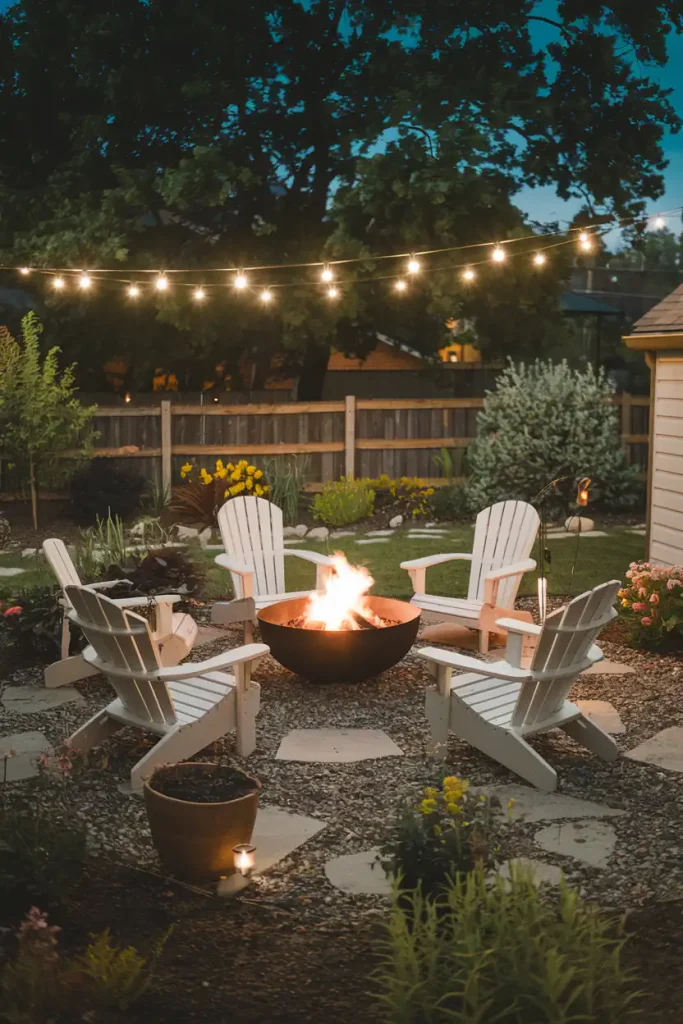
An outdoor living space transforms your backyard into a functional extension of your home, ideal for relaxation and entertainment. Consider incorporating comfortable seating areas, an outdoor kitchen, or a fire pit to create an inviting atmosphere for gatherings. You can enhance your space with stylish landscaping elements such as planters, ambient lighting, and decorative pathways.
This outdoor relax space above shows an inviting setting that exemplifies a well-designed patio area. The focal point is a modern gray metal pergola structure providing shade and definition to the space. Hanging from the pergola are lush green ferns in decorative planters, adding a natural, tropical feel.
The seating area features a white outdoor sofa with blue and patterned throw pillows, creating a comfortable lounging spot. Adjacent to the sofa is a stylish hanging egg chair with light blue cushions, offering an additional relaxing seating option. Two black metal coffee tables and a larger rectangular table complete the furniture set.
The ground is covered with light-colored pavers, and a blue and white patterned outdoor rug anchors the seating area. Surrounding the patio are various desert plants, including cacti and succulents, which contrast nicely with the hanging ferns and add a low-maintenance, drought-resistant element to the landscaping.
For residents looking for landscape design Albany, NY, professionals can provide tailored solutions that complement your style and maximize your outdoor area. With thoughtful planning, your outdoor living space can become a personal retreat that reflects your lifestyle and enhances the enjoyment of your property.
Tiered Flower Beds add up to $5,000
Tiered flower beds are an excellent way to add depth and dimension to your garden while showcasing a variety of plants. When you create different levels within your flower beds, you can utilize vertical space effectively, allowing for a broader range of plant heights and textures.
Using stones, timber, or concrete to construct the tiers establishes distinct planting zones, making it easier to curate diverse blooms throughout the seasons. Combining perennial plants for consistent color with annuals for seasonal pops of vibrancy can result in a stunning display.
Now, you can add a splash of color and texture to your landscape with tiered flower beds that effortlessly blend function and beauty.
Water Features add up to $50,000
The peaceful sound of running water has a calming effect on the mind, the perfect addition to any landscape design. Incorporating water features such as fountains, water mirrors, ponds, or streams into your outdoor space creates a tranquil ambiance while attracting wildlife like birds and butterflies.
When planning for a water feature, consider its size and placement in relation to your home’s architecture and existing landscaping.
You can also enhance the aesthetic appeal by incorporating natural elements like rocks, plants, and lighting around the water feature. For a low-maintenance option, you can even use a recirculating water pump that ensures continuous flow without the need for plumbing.
To design a similar outdoor space:
- Plan a curved water feature as the centerpiece, using concrete edging to define its shape.
- Create a paved patio area adjacent to the water feature, using light-colored pavers in a circular pattern.
- Install a wooden privacy fence along the perimeter to enclose the space and provide a backdrop.
- Select and arrange diverse plants, including small trees, shrubs, and potted plants, to create layers of greenery and visual interest.
- Add outdoor furniture, such as a round table and chairs, and incorporate small details like a wooden platform or stepping stones to connect different areas of the space.
Native Plant Garden can add min. $3,000
Creating a native plant garden is an environmentally friendly choice that celebrates the flora indigenous to your region. Native plants are adapted to the local climate and soil conditions, requiring less water and maintenance than non-native species. This type of garden supports local wildlife, including pollinators like bees and butterflies, and fosters biodiversity in your landscape.
Look into a variety of species that bloom at different times throughout the growing season to ensure continuous color and interest. Pairing these plants with mulch can help retain moisture and suppress weeds, making your garden both stunning and sustainable.
To create a garden design like this:
- Design a winding gravel path through the space, using curved edges to create a natural flow.
- Plant a diverse mix of ornamental grasses, flowering perennials, and shrubs in layered beds along the path.
- Incorporate mature trees as a backdrop to provide dappled shade and a sense of established nature.
- Place a simple seating area with two modern chairs at a focal point along the path.
- Ensure the garden layout takes advantage of natural light, positioning plants and seating to capture beautiful lighting effects throughout the day.
When incorporating creative landscape design elements, consider the following ideas:
Incorporate a variety of textures and materials: Combine hardscapes such as stone, gravel, and wood with softscapes like plants and flowers to create visual interest and contrast. Mix different textures, sizes, and shapes to add depth and dimension to your landscape.
Create focal points: Designate specific areas of interest that draw the eye and add visual appeal. This could be a unique sculpture, a water feature, a fire pit, or a specimen tree. Focal points can help guide the viewer’s gaze and establish a natural flow throughout the landscape.
Utilize vertical spaces: Make the most of your outdoor space by incorporating elements such as trellises, hanging planters, or climbing vines. Vertical gardens and green walls are also a fantastic way to save space and add visual interest.
Add color with plants and flowers: Incorporate a variety of plants, flowers, and foliage to add color and interest throughout the year. Choose plants that thrive in your local climate and consider their blooming seasons to ensure your landscape remains vibrant and colorful.
Install outdoor lighting: Proper lighting can significantly enhance the ambiance of your landscape, making it more functional and beautiful in the evenings. Use a combination of solar-powered and electric lights, such as path lights, accent lights, and string lights, to create a warm and inviting atmosphere.
Integrate sustainable practices: Consider integrating eco-friendly practices into your landscape design. Install a rain garden, use native plants, create wildlife habitats, and incorporate permeable pavers to help manage stormwater and promote biodiversity.
Red flags to avoid when hiring a landscaping company:
Lack of professionalism: Ensure the company has a professional website, business cards, and appropriate attire.
No references or portfolio: Make sure the company can provide a portfolio of previous jobs and contact information for references.
Limited experience: Choose a landscaping company with a proven track record and extensive experience in various landscape design elements and installation techniques.
No written contract or estimate: Always obtain a detailed contract that outlines the scope of work, timeline, and cost for your project. Avoid companies that only provide verbal estimates.
No insurance or licenses: Ensure that the landscaping company is properly insured and licensed in your local area. This protects you from liability in case of accidents or damage during the project.
Poor communication: If a company is slow to respond to your inquiries or does not communicate effectively, it may be a sign that they lack professionalism and may not be the best choice for your project.