Selling an unusual house can be a challenge, but it also presents unique opportunities. We gathered some of the tips in this post from the American Reality TV show Million Dollar Listing and others from TALLBOX’ 15 years of experience dealing with high-end and unique homes.
Unusual homes often have special features that can attract buyers looking for something different, but their prices cannot be compared to those of similar properties.
These properties may include Treehouses, Tiny Houses, Converted Spaces, Earth-Sheltered Homes, Floating Homes, Geodesic Domes, Underground Homes, Shipping Container Homes, Hobbit Houses with quirky designs and Unconventional Designs with non-traditional layouts, or highly historical significance.
The key to selling an unusual house for profit is to highlight its unique qualities and find the right buyers who appreciate them. This approach can help owners market their property effectively and stand out in a crowded real estate market. Professional photos and virtual tours can showcase the home’s special attributes to a wide audience.

George is a seasoned interior designer and property marketing strategist with over 13 years of experience. He specializes in transforming properties into visually stunning spaces, helping clients recognize the potential and beauty in each property. With an impressive international client base of exciting projects throughout Europe and America.
How Million Dollar Listing realtors sell unique homes?
Million Dollar Listing realtors aren’t just selling houses, they’re selling lifestyles. To achieve this, they often:
Stage homes meticulously: They go beyond cleaning and decluttering; think high-end furniture, professional lighting, and even renting artwork. The goal is to make buyers envision themselves living in luxury.
Leverage exclusive networks: They host events and parties to introduce potential buyers to each other and create buzz around a property.
Partner with influencers: Collaborations with social media personalities and local celebrities bring extra visibility to a listing.
Create captivating marketing materials: Professional photography, aerial drone footage, and virtual tours highlight the property’s unique features and create an emotional connection with potential buyers.
Utilize strategic pricing: Sometimes, they might set a price slightly lower than expected to create a sense of urgency and spark bidding wars.
These tactics help maximize a property’s appeal and create an aura of exclusivity, making buyers feel like they’re getting something truly special.
Ryan Serhant has a few tricks up his sleeve when it comes to selling unique properties:
- Crafting a Compelling Story: He doesn’t just list features; he builds a narrative around the property. Highlighting its history, unique design elements, or the lifestyle it offers can capture buyers’ imaginations.
- Targeted Marketing: Ryan knows that not every buyer is right for every property. He tailors his marketing efforts to reach the specific audience most likely to appreciate and afford a unique home.
- Creating a Sense of Urgency: He understands the power of scarcity. By limiting showings or setting a deadline for offers, he can create a sense of competition and drive up interest.
How to find the Unique Selling Proposition of Your House?
Every unusual house has special features that set it apart. These features make up its unique selling proposition (USP). Finding your home’s USP is key to selling it for a good price.
1) Start by listing all the things that make your house different. This could be its architecture, large attic, high ceilings, interesting layout, history, or even location. Maybe it has a secret room, rooftop garden, or a unique tunnel leading to another house or dungeon. These are the things that will catch buyers’ eyes if presented correctly.

2) Identify the type of buyer who would be most interested in your unique property. This could include art collectors, architects, or history buffs. Then, tailor your marketing strategy to appeal to this audience.
3) High-quality photos can showcase the unique features of your home and help it stand out online. Hire a professional photographer to capture the home’s best angles and unique details.
4) Pricing a unique home can be challenging, as there may not be many comparable properties in the area. Work with a real estate agent who has experience selling unique homes to determine a fair market value.
5) Unique homes may take longer to sell than traditional properties, as they appeal to a smaller pool of buyers. Be prepared for a longer sales process and work with your real estate agent to adjust your marketing strategy as needed.
Selling a Home That's Anything BUT Cookie-Cutter
Forget “3 bedrooms, 2 baths”… when your property breaks the mold, so should your listing. Here’s how to hook the right buyer:

Headline: Intrigue, Don’t Describe (Just Yet)
- Instead of: Converted Church for Sale
- Try: Sanctuary Living: History Meets Modern Comfort
- Instead of: Tiny House on Wheels
- Try: Adventure Awaits: Your Go-Anywhere Dream Home
Photos/Video: A Picture IS Worth 1,000 Words (and More)
- Showcase the Uniqueness: Don’t just show rooms, highlight what makes it special (treetop views, industrial-chic conversion).
- Lifestyle, Not Just Space: Photos should convey how one lives there, tapping into the buyer’s aspirations.
- Professional Photography is a MUST: High-quality visuals emphasize the craftsmanship and unique appeal.
Description: Tell a Story, Not Just Specs
- Who Built It, Why?: Historical context or the builder’s vision adds intrigue.
- Address Concerns Upfront: Small space? Focus on efficient design. Unusual location? Highlight the peace and quiet.
- Call to Action for the Right Buyer: “…ideal for those seeking…”
Marketing: Think Beyond the MLS
- Target Special Interest Groups: Websites for tiny homes, eco-living, etc.
- Leverage Social Media: Instagram-worthy visuals, targeted ads to niche demographics.
- Consider a PR Push: Local media might find your property newsworthy, attracting broader attention.
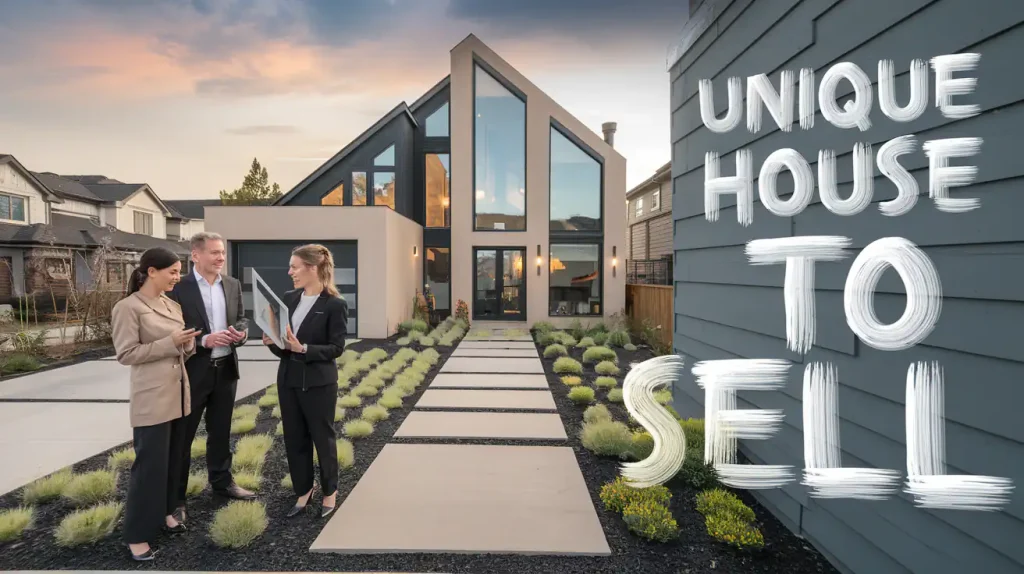
Preparing Your Unusual House for Sale
Think about who might want these special features. A home with a large art studio might appeal to artists. A house with a big garage could attract car collectors. Knowing your target buyer helps you market your home better.
Compare your house to others in the area. What does it have that they don’t? This could be anything from a better view to more efficient energy systems. These differences are part of your USP.
Make a list of the top 3-5 unique features of your home. These will be the main points you use when advertising. For example:
- Custom-built treehouse in the backyard
- Original 1920s Art Deco details
- Off-grid solar power system
Use these points to create a catchy description of your house. This will help it stand out in listings and attract the right buyers.
Highlighting Unique Features
Getting an unusual house ready for sale takes some special steps. The key is to show off what makes it unique while addressing any concerns buyers might have. Smart staging can also help buyers see the home’s potential.
Unusual homes often have special features that set them apart. Make a list of these standout elements. It could be things like:
- Custom architecture
- One-of-a-kind rooms
- Rare materials or finishes
- Historical details
Clean and repair these features so they look their best. Take lots of high-quality photos to showcase them online and in listings. Consider making a video tour to really show off the home’s character.
Some buyers look for quirky homes on purpose. Play up the uniqueness in your marketing. Use words like “one-of-a-kind” or “custom-designed” to catch their eye.
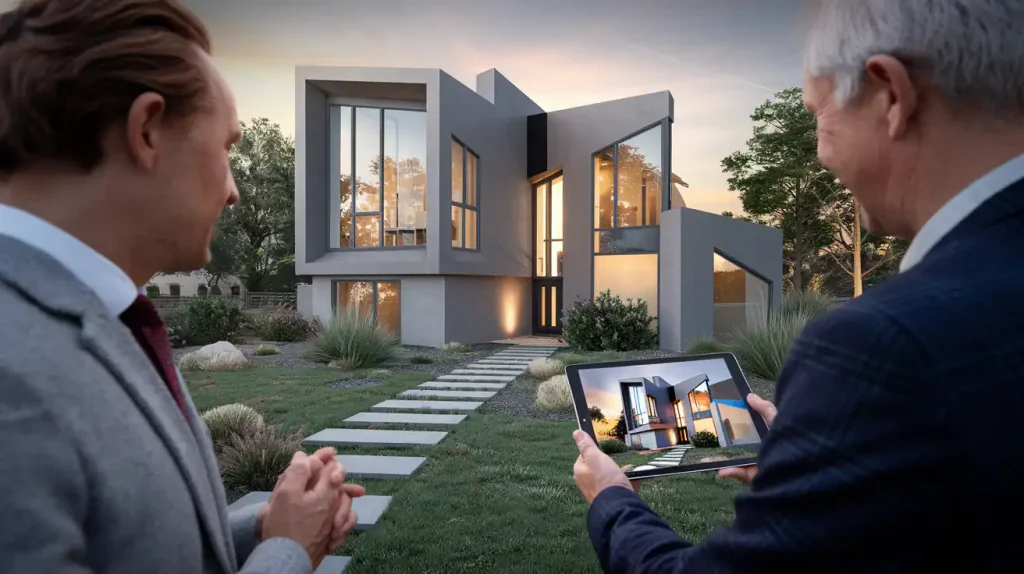
Tackling Potential Buyer Concerns
Unusual homes can make some buyers nervous. Think about what questions they might have and be ready with answers. Common worries include:
- Resale value
- Upkeep costs
- Hard-to-replace custom parts
- Zoning or permit issues
Get a home inspection to spot any problems. Fix what you can before listing. For things you can’t change, be upfront about them. Have paperwork ready to show the home meets all local codes.
If the layout is very strange, suggest ways to make it more standard. But don’t change what makes the house special. That uniqueness is what will attract the right buyer.
Staging for the Target Market
Figure out who’s most likely to want your unusual home. It might be:
- Artists or creative types
- History buffs
- People who work from home
- Empty nesters looking for a fun change
Stage the house to appeal to that group. Show how unique spaces can be used. Turn an odd nook into a cozy reading spot. Make a strange-shaped room into a fun home office.
Keep decor simple to let the house’s features shine. But add touches that fit the likely buyer. For example, put up local art if you’re targeting creative types.
Use furniture to show how rooms can work for everyday life. This helps buyers picture themselves living there.
Setting the Right Price

Pricing an unusual house requires careful analysis and strategic thinking. Sellers must balance market trends with their property’s unique features to maximize profit potential.
Competitive Market Analysis
Traditional competitive market analysis might not work for unique properties. They’re one-of-a-kind, making direct comparisons tough. Instead, think outside the box:
- Seek out experts: Find real estate agents who specialize in unusual homes. They’ll have the experience to gauge value in a niche market.
- Look beyond your immediate area:
- Instead of identical properties, look for homes with comparable features:
- Unusual Location: Other secluded properties, even if the type of house is different.
- Unique Feature: Homes with indoor pools, extensive acreage, etc., even in more standard styles.
- Expand your geographic search if needed, but factor in location desirability adjustments.
- Highlight the unique features: Showcase what makes your property stand out, like historic details, eco-friendly elements, or unusual construction.
- Focus on the lifestyle: Sell the dream. Emphasize the experience of living in a unique space, whether it’s treetop tranquility or artistic expression.
Value the Uniqueness, But Price Realistically
While the right buyer might pay a premium for your one-of-a-kind home, avoid overpricing based on emotional attachment.
Focus on the features with broad appeal that DO have comparables (updated kitchen, acreage, etc.) to establish a baseline.
Beyond the Numbers:
Historical Significance: Appraisals from experts, restoration costs, can justify a higher price.
Lifestyle Value: Market the intangible benefits (tranquility, self-sufficiency) that traditional CMAs can’t capture.
Be Prepared for a Longer Search:
Finding the right buyer for a unique home takes time. Patience and the right marketing strategy are key.
Remember, while CMAs (Competitive Market Analysis) are less accurate for unusual properties, thorough research and a realistic approach to pricing will help you attract buyers and secure a fair deal.
Adjusting for Uniqueness
Unique features can add value but may limit the buyer pool. Think about what makes the house special. It could be architectural style, historical significance, or custom design elements. These may justify a higher price if they appeal to the right buyers.
But be careful not to overprice. Too high a price can lead to a longer time on the market. This often results in lower final sale prices. Consider getting an appraisal to back up your asking price. Be ready to explain the value of unusual features to potential buyers.
Stay flexible with pricing. If the house doesn’t sell quickly, be open to adjustments. Monitor feedback from showings and adjust the price if needed. A well-priced unusual home can attract serious buyers and lead to a profitable sale.
Marketing Strategies for Unique Properties
Selling an unusual house requires unique marketing tactics. Focus on highlighting special features and reaching the right buyers through targeted channels.
Creating a Compelling Listing
Craft a listing that showcases what makes the property special. Use vivid language to paint a picture of the home’s unique aspects. Highlight architectural details, custom features, or historical significance.
Include a catchy headline that grabs attention. For example: “One-of-a-Kind Treehouse Retreat” or “Converted Lighthouse with Panoramic Ocean Views.”
List specific unique selling points:
- Custom-built features
- Unusual materials or design elements
- Noteworthy history or previous owners
- Special views or location
Be upfront about any quirks or challenges. This helps set proper expectations and attracts serious buyers.
Using Social Media and Specialty Websites
Leverage social media to reach potential buyers interested in unique homes. Create eye-catching posts featuring the best photos and details about the property.
Use hashtags like #uniquehomes or #unusualproperties to increase visibility. Share on platforms like Instagram, Pinterest, and Facebook.
List the home on specialty real estate websites that cater to unusual properties:
- UniqueHomes.com
- SpecialFinds.com
- HistoricProperties.com
These sites attract buyers looking for one-of-a-kind homes. They often allow more detailed descriptions and photo galleries than standard listings.
Professional Photography and Video Tours
Invest in high-quality photos and videos to showcase the property’s unique features. Hire a professional photographer with experience shooting unusual spaces.
Capture images that highlight:
- Architectural details
- Custom built-ins or finishes
- Interesting views or landscaping
- Special rooms or areas
Create a video tour that walks viewers through the home. Focus on what makes it special. Use drone footage to show the property from unique angles if appropriate.
Consider 3D virtual tours to give potential buyers an immersive experience. This is especially useful for out-of-area buyers interested in unusual properties.
Showings and Open Houses
Selling an unusual house requires strategic planning for showings and open houses. These events give potential buyers a chance to see the property’s unique features up close.
Personal Tours
Personal tours let you highlight your home’s special qualities. Clean and declutter before each visit. Remove valuable items for safety. Make flyers with key details about the house.
Set up flexible viewing times. Weekends between 11 AM and 4 PM often work well. Give visitors space to explore, but stay nearby to answer questions. Point out unique features they might miss.
Prepare answers for common questions about the property. Be ready to explain any quirks or special maintenance needs. Keep a guest book for feedback and contact info.
Virtual Showings
Virtual tours expand your reach to distant buyers. Use high-quality photos and videos to showcase your home. Capture the best angles of unusual spaces.
Live video calls let you give real-time tours. Practice your presentation skills beforehand. Test your internet connection and lighting.
Create a virtual walk-through video. Show the flow between rooms. Zoom in on special features and finishes. Add captions to explain unique elements.
Consider 3D tours for an immersive experience. These let viewers explore at their own pace. They work well for homes with interesting layouts or architectural details.
Negotiation Techniques for Maximum Profit
Selling an unusual house requires smart negotiation tactics. The right approach can lead to a higher sale price. Focus on the home’s unique features and understand what buyers want.
Understanding Buyer’s Motivations
Learn what drives potential buyers. Ask questions to uncover their needs and wants. Some may seek a one-of-a-kind property for prestige. Others might want a special space for hobbies or work.
Look for clues in their questions and comments. Pay attention to what they spend time looking at during visits. This info helps tailor your sales pitch.
Highlight how your unusual house meets their specific needs. If they want a quiet workspace, point out the soundproof room. For art lovers, showcase the perfect lighting in the studio area.
By aligning your home’s features with buyer desires, you create a stronger negotiating position. This makes it easier to justify your asking price or resist low offers.
It is important to keep in mind that while contingency cannot eliminate all risks, it provides a financial cushion to mitigate their impact and helps keep projects on track and within budget despite unexpected challenges.
Leveraging Rarity in Negotiations
Use your home’s unique qualities as selling points. Remind buyers they won’t find another property like this one. This can make them more willing to meet your price.
Create a list of rare features:
- Custom architectural elements
- Special materials or craftsmanship
- Unique layout or room purposes
- Historical significance
Share stories about these features during negotiations. Explain their value and why they’re hard to replicate. This builds emotional connection and perceived worth.
Set a deadline for offers to create urgency. Let buyers know others are interested. This can spark competition and drive up the price.
Be ready to walk away if offers are too low. Unusual homes often take longer to sell, but the right buyer will pay what it’s worth. Patience can lead to a better deal.
Closing the Deal
Finalizing the sale of an unusual house requires careful attention to paperwork and clear communication with buyers. A smooth closing process helps ensure a profitable transaction.
Navigating Paperwork
Gather all necessary documents before listing the property. This includes the deed, mortgage information, and any permits for unique features. Create a disclosure statement that outlines the home’s quirks and any known issues.
Work with a real estate lawyer to review contracts. They can help spot potential problems and ensure legal compliance. Set up a clear timeline for document submission and signing.
Keep copies of all paperwork in a well-organized file. This makes it easy to access information quickly if questions come up. Double-check that all forms are filled out correctly to avoid delays.
Managing Buyer Expectations
Be upfront about the home’s unusual aspects from the start. This prevents surprises that could derail the sale later. Provide detailed information about any special maintenance requirements or costs associated with unique features.
Set realistic timelines for inspections and repairs. Unusual homes may need specialized assessments. Allow extra time in the closing schedule to address any unexpected issues that arise.
Stay in regular contact with the buyers throughout the process. Address their concerns promptly and honestly. If problems come up, work together to find solutions that satisfy both parties.
Consider offering a home warranty to give buyers peace of mind about the property’s unique elements. This can help overcome hesitation about purchasing an atypical home.
After-Sale Considerations
Selling an unusual house brings unique challenges even after closing the deal. Sellers must tie up loose ends and reflect on the process to gain valuable insights for future real estate transactions.
Handling Post-Sale Responsibilities
Once the sale is complete, sellers have several tasks to finish. Cancel any home insurance policies and utility accounts linked to the property. Notify relevant parties of your new address, including banks, credit card companies, and government agencies.
Keep all sale documents in a safe place. You’ll need them for tax purposes when filing your return. If you made a profit on the sale, consult a tax professional about potential capital gains taxes.
Clean out the house completely before handing over the keys. Remove all personal items and leave the property in good condition for the new owners.
Reflecting on the Selling Process
Take time to review what worked well and what could have gone better during the sale. Did your pricing strategy attract the right buyers? Was your marketing effective for an unusual property?
Think about any feedback you received from potential buyers or your real estate agent. This information can be helpful if you decide to sell another unique property in the future.
Consider writing down key lessons learned. These might include tips for staging an unconventional space or ways to highlight unusual features that appeal to niche buyers.
The use of contingency funds can be governed by legal agreements, such as contracts or contingency fee agreements, which outline the terms and conditions for accessing and using the funds.
Contingency funds can also be established through legislation, such as the Contingencies Fund Act, which provides a legal framework for the management and use of the Contingencies Fund in the United Kingdom, USA, Canada, Australia or any other country.