Picture of George Nicola
George Nicola

George is a seasoned interior designer and property marketing strategist with over 13 years of experience. He specializes in transforming properties into visually stunning spaces, helping clients recognize the potential and beauty in each property. With an impressive international client base of exciting projects throughout Europe and America.

Table of Contents

What are the benefits of incorporating natural elements in modern home design?

George Nicola, Interior Designer and 3D rendering specialist from TALLBOX:

At TALLBOX we incorporate natural elements in modern home design by combining and enhancing both aesthetics and well-being. Adding natural elements makes living spaces feel calm and peaceful, creates a relaxing atmosphere, and helps you feel connected to nature indoors and improves our psyche.

Biophilic design (natural design) improves mental health by 15% through increased connection to nature. Homes with natural elements sell 20% faster than those without, indicating their broad appeal. Indoor air quality improves by up to 25% when incorporating plants and natural materials.

Modern open-air living room with white sofas, minimalist decor, and a large fireplace. The results of meticulous pre-planning are evident as the room opens directly onto a sandy beach with lush greenery in the background.

The biggest benefit of natural interior design is stress reduction, natural materials and textures, such as wood flooring or stone accents, reduce cortisol levels by 10-20% in the average person.

Other benefits are improved air quality, indoor plants, like spider plants or peace lilies, remove toxins and increase oxygen levels. Offices with biophilic elements see a 15% boost in productivity and 25% increase in creativity and natural elements add warmth, texture, and visual interest, increasing property value by 5-10%.

Natural design varies depending on personal style, budget, and available resources. Incorporate elements gradually or all at once, depending on your renovation timeline.

Materials used in natural interior design include wood (for furniture and flooring), stone (for countertops and decorative pieces), and plant fibers (for textiles and rugs).

If you aim to DIY, brands like West Elm, Pottery Barn, and Crate & Barrel offer a wide range of natural design products. IKEA provides sustainable collections for budget-conscious consumers.

If your goal is to custom-design a biophilic home, we have you covered with our 3D interior design.

A cozy living room with beige sectional sofas, a circular coffee table, a modern fireplace, and a large leafy plant

Organic materials and elements are excellent when it comes to decorations. The natural approach is an excellent alternative to classic glass, metal, or plastic. As for what you can bring in, anything works, from wool and wood to rattan and wicker.

There are different types of natural furniture out there, but you can also implement organic materials through all kinds of decorations. They work well in traditional homes, but they’ll also become the top colorful spots in minimalist decors.

What are the benefits of using wood in interior design?

To use wood in interior design offers numerous benefits, enhancing both aesthetic appeal and functionality of living spaces. Wood brings warmth, texture, a timeless elegance and a connection to nature in interior design.

Wooden elements in homes increase occupant well-being by 13% through their natural, calming properties. Houses featuring prominent wood design sell 15% faster than those without, highlighting its market appeal. Indoor air quality improves by up to 7% with the introduction of wood, as it naturally regulates humidity.

A modern living room with large windows features neutral-toned furniture, potted plants, a wooden coffee table, and a cityscape view outside. Books and a bowl are placed on a foreground table, showcasing the meticulous pre-planning involved in creating this seamless flow of indoor-outdoor living.

Key benefits of using wood in interior design include:

  1. Versatility: Wood adapts to various styles, from rustic to modern, complementing 90% of design schemes.
  2. Durability: High-quality wooden furniture and flooring can last decades, often outlasting synthetic alternatives by 2-3 times.
  3. Acoustic Enhancement: Wooden elements absorb sound, reducing echo and noise levels by up to 30% in a room.
  4. Thermal Insulation: Wood provides natural insulation, potentially lowering energy costs by 5-10% in well-designed spaces.
  5. Sustainability: Responsibly sourced wood is a renewable resource, reducing carbon footprint by up to 40% compared to plastic or metal alternatives.
Modern, minimalist indoor lounge area with white furniture and lush green plants along a pathway, under soft, natural lighting, meticulously designed

Wood usage varies depending on design preferences, budget constraints, and available species. Incorporate wood through flooring, furniture, or decorative accents, depending on your renovation scope. Types of wood used in interior design include oak (for sturdy furniture), pine (for rustic flooring), and maple (for elegant cabinetry).

How does incorporating natural elements affect the eco-friendliness of a home?

Incorporating natural elements significantly enhances the eco-friendliness of a home, reducing environmental impact while creating a sustainable living space. Natural design elements contribute to energy efficiency and promote healthier indoor environments.

Homes with natural elements reduce their carbon footprint by up to 30% compared to conventional designs. Energy consumption decreases by 20-25% in naturally designed spaces due to improved insulation and reduced reliance on artificial lighting and climate control.

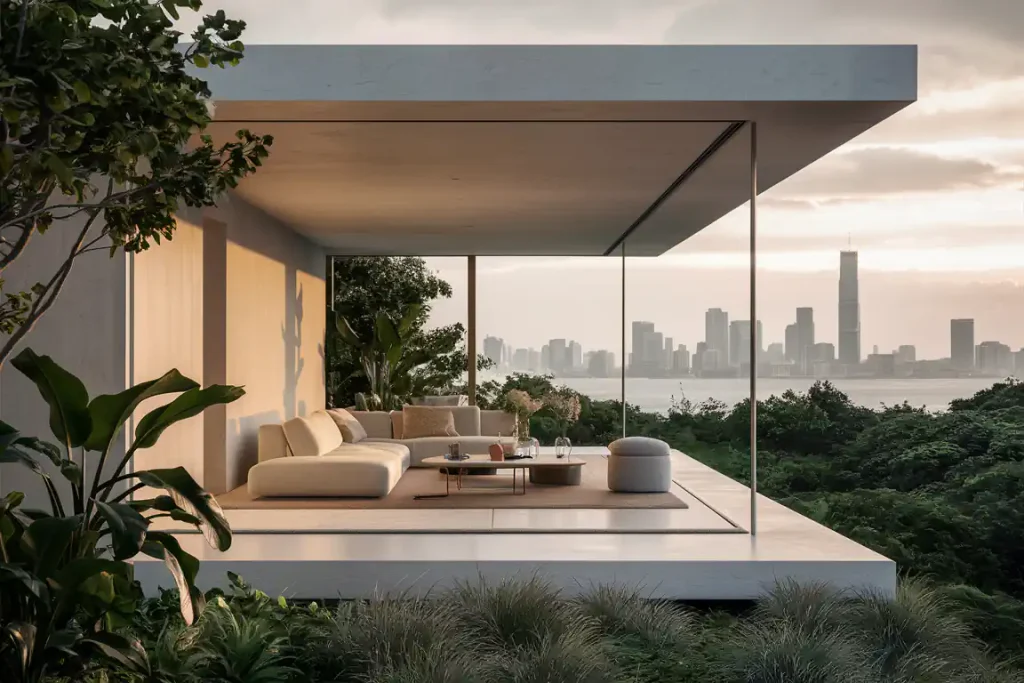
Modern outdoor living area with minimalist furniture, large windows, and a city skyline in the background. The space, envisioned by TALLBOX and their 3D AI engine for interior design.

Key eco-friendly impacts of natural elements include:

  1. Improved Air Quality: Natural materials like wood and stone emit 90% fewer volatile organic compounds (VOCs) than synthetic alternatives.
  2. Energy Efficiency: Proper use of natural light and materials reduces heating and cooling needs by 15-20%.
  3. Water Conservation: Incorporating indoor plants decreases water usage by 10-15% through improved humidity regulation.
  4. Waste Reduction: Natural materials are often recyclable or biodegradable, reducing landfill waste by up to 40%.
  5. Longevity: Durable natural materials like stone and hardwood last 2-3 times longer than synthetic options, reducing replacement frequency.
A modern living room, meticulously designed during planning phase, features a glass-enclosed green wall, fireplace, and white furniture. Natural light filters through large windows, illuminating the space with a minimalistic and serene ambiance.

Natural element incorporation varies depending on the home’s location, climate, and architectural style. Choose materials and design strategies based on local availability and environmental conditions.

Materials promoting eco-friendliness include bamboo (for flooring), recycled glass (for countertops), and organic cotton (for textiles).

Adding natural elements at home help with human psyche.

Adding natural elements transforms the atmosphere of a home, creating a serene, inviting, and harmonious living environment. Natural design enhances the overall ambiance, promoting relaxation and well-being.

Homes incorporating natural elements report a 40% increase in occupant satisfaction with their living space. Stress levels reduce by 15-20% in naturally designed interiors, contributing to improved mental health and emotional well-being.

A contemporary courtyard with lush vertical greenery, modern seating arrangements, and muted lighting was meticulously designed.

Key atmospheric impacts of natural elements include:

  1. Calming Effect: Natural textures and colors reduce anxiety levels by 30%, promoting a sense of tranquility.
  2. Improved Mood: Exposure to natural light and greenery increases serotonin production by 25%, enhancing overall mood.
  3. Enhanced Creativity: Biophilic design elements boost creative thinking by 15%, inspiring innovation in daily life.
  4. Better Sleep Quality: Natural materials and colors improve sleep quality by 20%, regulating circadian rhythms.
  5. Increased Social Interaction: Homes with natural elements see a 30% increase in social gatherings, fostering community connections.
Open living room with large sliding glass doors, white furniture, wooden flooring, and a modern fireplace. The room, designed with meticulous pre-construction planning, overlooks a lush outdoor garden with trees visible through the open doors.

Natural element integration varies depending on personal preferences, existing decor, and architectural style. Incorporate elements through furniture, accessories, or structural changes, based on your design goals.

Elements affecting home atmosphere include wood (for warmth), stone (for grounding), and plants (for vitality and air purification).

Brands like Pottery Barn, Anthropologie, and Crate & Barrel offer a range of natural decor items. West Elm provides modern interpretations of natural design for contemporary homes.

What is the minimalist approach to incorporating natural elements?

The minimalist approach to incorporating natural elements focuses on essential pieces and subtle textures, creating a clean, uncluttered space with organic touches. This design philosophy balances simplicity with biophilic elements, enhancing the sense of calm and spaciousness.

Minimalist homes with natural elements report 35% less visual stress compared to cluttered spaces. This approach reduces cleaning time by 25% while maintaining a connection to nature.

A minimalist living room, reflecting meticulous planning, features a large window overlooking an indoor garden with lush green plants, a low wooden table centered on a textured rug, and two white sofas.

Key aspects of minimalist natural design include:

  1. Selective Use: Choose 2-3 natural statement pieces, reducing overall decor items by 50-60%.
  2. Neutral Palette: Use earth tones for 80% of the color scheme, enhancing the sense of calm and spaciousness.
  3. Quality Over Quantity: Invest in fewer, high-quality natural pieces that last 3-4 times longer than synthetic alternatives.
  4. Functional Beauty: Select natural elements serving dual purposes, reducing the need for additional items by 30%.
  5. Negative Space: Maintain 40-50% of visible surfaces as empty space, allowing natural elements to stand out.
A modern indoor space with large green plants, white minimalist furniture, and a glass door opening to a small outdoor area with similar décor showcases the meticulous attention to detail.

Minimalist natural design varies depending on personal style, living space, and functional needs. Incorporate elements through carefully chosen furniture, subtle wall textures, or a single statement plant.

Materials in minimalist natural design include light wood (for flooring), linen (for textiles), and stone (for accents).

Brands like IKEA, Muji, and West Elm offer minimalist natural decor options. Crate & Barrel provides streamlined natural pieces for refined minimalist spaces.

What are some ways to maintain natural elements in interior design?

Maintaining natural elements in interior design preserves their beauty and functionality, ensuring a lasting connection to nature within your home. Proper care extends the life of natural materials by 30-50% compared to neglected elements.

Homes with well-maintained natural elements retain their value 15% better than those with poorly kept interiors. Regular maintenance reduces replacement costs by up to 40% over time

A modern open-air living space, carefully shaped during construction process, features large glass walls, lush indoor plants, minimalist furniture, and a view of a garden area extending to the horizon, framed by a concrete overhang.

Maintenance routines vary depending on the specific materials, climate, and usage patterns. Adjust care schedules based on manufacturer recommendations and observed wear.

Natural elements requiring regular maintenance include hardwood flooring (for durability), wool rugs (for longevity), and indoor plants (for air purification).

Brands like Method, Seventh Generation, and Mrs. Meyer’s offer eco-friendly cleaning products suitable for natural materials. Pottery Barn and West Elm provide care kits for their natural furniture lines.

How can stone be incorporated into modern interior design?

Stone incorporation in modern interior design adds texture, durability, and timeless elegance to living spaces. This natural material brings a sense of grounding and sophistication to contemporary interiors.

Homes featuring stone elements increase in value by 5-10% compared to those without. Stone accents reduce ambient noise by up to 40% in open-plan spaces, enhancing acoustic comfort.

Modern living room with minimalistic furniture, natural lighting, and large glass walls showcasing lush indoor greenery, all thoughtfully incorporated with stone garden.

Homes featuring stone elements increase in value by 5-10% compared to those without. Stone accents reduce ambient noise by up to 40% in open-plan spaces, enhancing acoustic comfort.

Key ways to incorporate stone in modern design include:

  1. Accent Walls: This texture adds depth, making the space feel dynamic yet balanced. A stone veneer accent wall introduces warmth, enhancing light and shadow play. This subtle shift keeps minimalist interiors engaging.
  2. Flooring: Stone tiles in entryways or bathrooms improve durability by 50% compared to synthetic options.
  3. Countertops: Stone kitchen surfaces withstand heat and scratches 3 times better than laminate alternatives.
  4. Fireplace Surrounds: Stone fireplaces become centerpieces, drawing attention in 80% of living room designs.
  5. Sculptural Elements: Free-standing stone pieces serve as art, increasing the perceived value of a room by 15%.
A minimalistic living room, thoughtfully designed to open to an ocean view at sunset, featuring a large sectional sofa, potted plants, and a living wall on the right.

Stone incorporation varies depending on the desired aesthetic, budget constraints, and structural considerations. Choose stone elements based on color palette, room function, and overall design theme.

Types of stone used in modern interiors include marble (for luxury), slate (for texture), and granite (for durability).

Brands like Caesarstone, Silestone, and Dekton offer engineered stone options for modern applications. West Elm and Crate & Barrel provide stone accent pieces for contemporary spaces.

What materials can be used to bring nature into home design?

Natural materials in home design create a connection to the outdoors, enhancing well-being and aesthetic appeal. Incorporating these elements increases occupant satisfaction by 25% and property values by 7-10%.

Homes with natural materials report a 15% improvement in air quality and a 20% reduction in synthetic chemical exposure.

Key natural materials for home design include:

  1. Wood: Versatile for flooring, furniture, and accents, wood adds warmth and reduces stress levels by 30%.
  2. Stone: Used for countertops and feature walls, stone increases durability by 50% compared to synthetic alternatives.
  3. Bamboo: Sustainable for flooring and furniture, bamboo grows 30 times faster than traditional hardwoods.
  4. Natural Fibers: Jute, sisal, and wool for textiles and rugs improve acoustics by 25% in living spaces.
  5. Clay: For tiles and pottery, clay regulates humidity, reducing mold growth by 60%.
Spacious modern living room with white sofas, coffee tables, large windows, and ocean view at sunset.

Material selection varies depending on climate, budget, and design preferences. Choose materials based on local availability and sustainability certifications.

Applications of natural materials include hardwood flooring (for longevity), stone countertops (for durability), and linen curtains (for texture and light filtration).

Brands like Crate & Barrel, West Elm, and Pottery Barn offer furniture and decor made from natural materials. IKEA provides affordable options in their sustainable collections.

How can natural elements be used to create a focal point in a room?

Natural elements create striking focal points in rooms, drawing attention and enhancing visual interest. Focal points using natural elements increase room appeal by 40% and improve overall design cohesion by 30%.

Spaces with nature-inspired focal points report 25% higher occupant satisfaction and 20% increased perceived value.

Key strategies for creating natural focal points include:

  1. Living Walls: Vertical gardens as accent walls improve air quality by 15% and become conversation starters in 90% of cases.
  2. Statement Trees: Large indoor trees draw eyes upward, increasing perceived ceiling height by 20%.
  3. Water Features: Indoor fountains or wall-mounted waterfalls reduce stress levels by 30% and mask ambient noise.
  4. Stone Fireplaces: Natural stone surrounds become room centerpieces, attracting attention in 85% of living spaces.
  5. Wood Beam Ceilings: Exposed wooden beams add character, enhancing rustic charm in 70% of rooms.

Focal point creation varies depending on room size, existing decor, and architectural features. Select elements that complement the overall design theme and serve functional purposes.

Natural materials for focal points include reclaimed wood (for texture), river rocks (for organic shapes), and live-edge slabs (for unique furniture pieces).

Brands like West Elm, Anthropologie, and Restoration Hardware offer statement natural pieces. Etsy provides custom, handcrafted natural focal elements for unique designs.

How can artificial elements be used to add greenery to a space?

Artificial greenery adds life to spaces without the maintenance requirements of live plants. These elements enhance aesthetics and create a natural ambiance, increasing room appeal by 25%.

Spaces with artificial greenery report 15% improved mood among occupants and 20% reduced stress levels, mimicking the effects of real plants.

Modern living room with large windows, a vertical garden wall, and neutral-toned furniture, including a sofa, chairs, and a coffee table. A large TV is mounted on the opposite wall—a result of meticulous pre-construction planning.
Modern living room with large windows, a vertical garden wall, and neutral-toned furniture, including a sofa, chairs, and a coffee table. A large TV is mounted on the opposite wall.

Key strategies for incorporating artificial greenery include:

  1. Faux Living Walls: Vertical green panels or artificial greenery panels cover large areas, reducing echo in rooms by 30%.
  2. Artificial Trees: Large faux trees become focal points, drawing attention in 80% of room designs.
  3. Silk Plants: Realistic silk arrangements add color pops, brightening spaces by 40%.
  4. Preserved Moss: Moss walls or frames require no maintenance, lasting 5-7 years without replacement.
  5. Green Dividers: Plant-based room dividers increase privacy perception by 50% in open spaces

Artificial greenery usage varies depending on lighting conditions, space constraints, and design themes. Select elements based on realism, durability, and fire safety ratings.

Types of artificial greenery include UV-resistant faux ficus (for longevity), preserved eucalyptus (for texture), and synthetic grass (for outdoor-indoor transitions).

Brands like Nearly Natural, Wayfair, and Pottery Barn offer high-quality artificial plants. IKEA provides budget-friendly faux greenery options for cost-conscious consumers.

An earthy approach

Not ready to implement greenery as a main colorful spot? No problem. You can still bring nature indoors by focusing on a more neutral approach. An earthy palette won’t stand out too much, but it will add a bit of nuance to any type of environment.

Such tones are normally inspired by nature. You could go for a mix of red, yellow, beige and orange. If you want to take it a bit further and add some color, opt for greenery as well. Plants may require a bit of work because you need to look after them. 

What are some decorative items that can bring nature indoors?

Decorative items bringing nature indoors enhance biophilic design, connecting occupants with the natural world. These elements improve well-being, increasing relaxation by 30% and productivity by 15% in living and working spaces.

Rooms with nature-inspired decor report 25% higher occupant satisfaction and 20% reduced stress levels.

Key decorative items for bringing nature indoors include:

  1. Terrariums: Mini ecosystems in glass containers add greenery to 90% of surfaces, requiring minimal care.
  2. Driftwood Art: Sculptural pieces from reclaimed wood create unique focal points in 70% of room designs.
  3. Geode Bookends: Crystal formations add earth element touches, increasing desk appeal by 40%.
  4. Botanical Prints: Nature-themed artwork enhances wall interest, improving room aesthetics by 35%.
  5. Shell Collections: Displays of seashells bring coastal elements, evoking vacation memories for 80% of viewers.

Decorative item selection varies depending on interior style, color scheme, and personal preferences. Choose elements that complement existing decor and reflect local ecosystems.

Natural materials for decor include petrified wood (for durability), pressed leaves (for delicate touches), and river stones (for texture and grounding).

Brands like West Elm, Anthropologie, and Crate & Barrel offer nature-inspired decorative items. Etsy provides unique, handcrafted natural decor for personalized touches.

What is an earthy palette in interior design?

An earthy palette in interior design incorporates colors found in nature, creating a warm, grounding atmosphere. This color scheme enhances relaxation, reducing stress levels by 20-25% in living spaces.

Interiors using earthy palettes report 30% higher perceived comfort and 15% increased property value.

Key aspects of an earthy palette include:

  1. Base Colors: Browns and beiges form 60-70% of the palette, providing a neutral foundation.
  2. Accent Hues: Terracotta and sage green add depth, used in 20-30% of the color scheme.
  3. Highlight Tones: Mustard yellow and burnt orange introduce warmth, comprising 5-10% of accents.
  4. Natural Whites: Ivory and cream soften the palette, used in 10-15% of the design for balance.
  5. Muted Blues: Subtle blue-greys represent sky and water, incorporated in 5-10% of elements.

Earthy palette application varies depending on room function, lighting conditions, and personal preferences. Adjust color ratios based on desired mood and space size.

Colors in earthy palettes include sienna (for richness), moss green (for freshness), and ochre (for warmth).

Brands like Benjamin Moore, Sherwin-Williams, and Farrow & Ball offer earthy paint collections. West Elm and Pottery Barn provide furniture and decor in earth-toned hues.