George is a seasoned interior designer and property marketing strategist with over 13 years of experience. He specializes in transforming properties into visually stunning spaces, helping clients recognize the potential and beauty in each property. With an impressive international client base of exciting projects throughout Europe and America.
There are more than 20 simple upgrades that boost your property’s worth, homeowners often focus on big renovations to improve their property value while neglecting minor details. Small details have a large impact too, little issues as broken tiles, chipped paint, worn carpets and cracked windows are few very important small fixes, that go unnoticed and chip away at an apartment’s worth over time in the eyes of buyers.
- To value an apartment as a private residence, buyers typically consider factors like location, square footage, amenities, condition, and recent sales of similar properties in the area.
- Valuing an apartment building as investment involves assessing rental income, condition operating expenses, and market capitalization rates.
- Apartments generally appreciate in value over time, though the rate of appreciation can vary based on factors main factors as condition, market demand and location.
Condition and value are linked, as well as the lcation and current market conditions. Fixing minor problems can protect and even increase an apartment’s value. Things like peeling paint, leaky faucets, or outdated fixtures may seem minor, yet addressing these small flaws can make a big difference when it comes time to sell or rent out a property. This article will look at easy fixes that can help maintain or boost an apartment’s market appeal.

How must is too much depretiation?
The perception of value effect
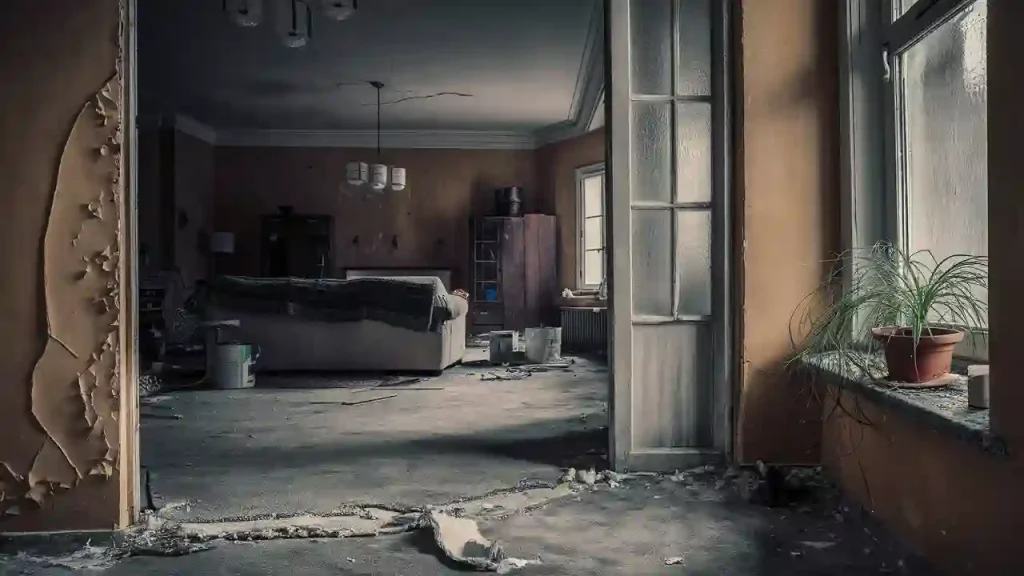
The amount of dilapidation in an apartment before its value starts to drop can vary significantly based on several factors, including location, the overall condition of the property, local real estate market conditions, and buyer expectations.
For example for large luxury penthouse with the wrong location and a few cracked windows can be enough to drop the price by 2% to 4%, while a typical suburban american 4-bed house can take up a way more neglect before value starts dropping. This is called the perception of value effect.

Luxury properties, such as large penthouses, are often in high demand but also have a more selective buyer pool. If the location is undesirable, even minor issues like cracked windows can significantly impact perceived value because buyers may have higher expectations for luxury properties.
Luxury properties are priced at a premium, and buyers expect them to be in pristine condition. Any flaws can lead to a more substantial price drop compared to more typical suburban homes, where buyers might be more forgiving of minor issues.
Location Sensitivity
High-end properties are more location-sensitive because their value is often tied to exclusivity and prestige.
A luxury penthouse in a less desirable area may struggle to maintain its value, while suburban homes might have more stable demand due to their functionality and affordability even if they have minor material defects.
This does not mean material defects should be neglected.
Suburban homes may benefit from broader market trends, such as increased demand for family homes, which can buffer them against minor neglect. In contrast, luxury markets can be more volatile and sensitive to economic changes.

Minor issues such as cosmetic damage (like scuffed walls or worn carpets) may not significantly impact value, while more serious issues (like structural damage, plumbing problems, or mold) can lead to a substantial decrease in value.
If repairs are estimated to cost more than 1% to 2% of the property’s value, it may start to affect the market perception and value. TALLBOX advises to consult with a real estate professional or appraiser for a more accurate assessment based on specific circumstances.
If you have a particular situation in mind, I can provide more tailored information!
Fix broken tiles
Broken tiles can make a room look shabby and reduce an apartment’s value. Fixing them is a smart move for property owners. Cracked or chipped tiles are not just ugly, they can also let water seep through and cause more damage.

For small cracks, epoxy can be a quick fix. Mix the epoxy on cardboard and apply it with a popsicle stick or toothpick. This method works well for hairline cracks and tiny chips.
Larger breaks might need more work. If a tile is badly damaged, replacing it is often the best choice. Carefully remove the broken tile and clean the area underneath.
Then, set a new tile in place with adhesive. Once it’s dry, apply grout around the edges. This will make the repair blend in with the rest of the floor or wall.
Regular upkeep of tiles is key. Clean them often and fix small issues fast. This helps stop bigger problems and keeps the apartment looking good. Taking care of tiles can help maintain or even boost property value.
Replace worn carpets
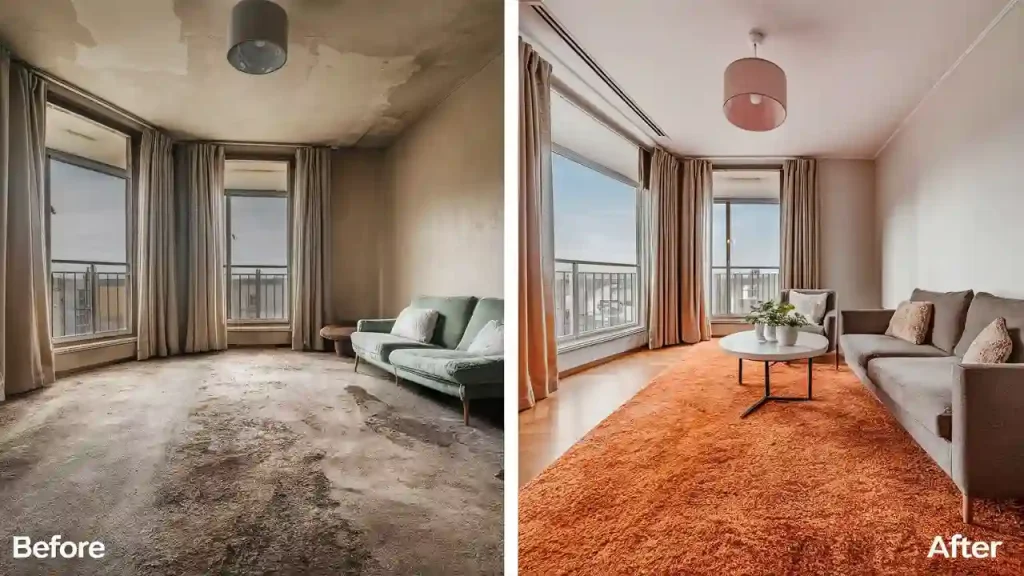
Worn carpets can make an apartment look old and neglected. Replacing them can give rooms a fresh, clean feel that buyers appreciate. New carpets improve the overall appearance and increase an apartment’s value.

Neutral colors like beige, gray, or light brown are good choices for carpet. These shades appeal to a wide range of potential buyers. They also make rooms feel larger and brighter.
The type of carpet fiber matters too. Nylon and polyester are durable options that resist stains and wear. Wool is luxurious but costs more. Choose a mid-grade carpet for the best mix of quality and value.

Professional installation ensures the carpet looks its best. Properly stretched and fitted carpet lasts longer and looks neater. The extra cost is worth it for the improved results.
Don’t forget the padding underneath. Good padding makes carpet feel softer and extends its life. It also provides insulation and noise reduction. A quality pad is a smart investment when replacing carpet.
Repair leaky faucets
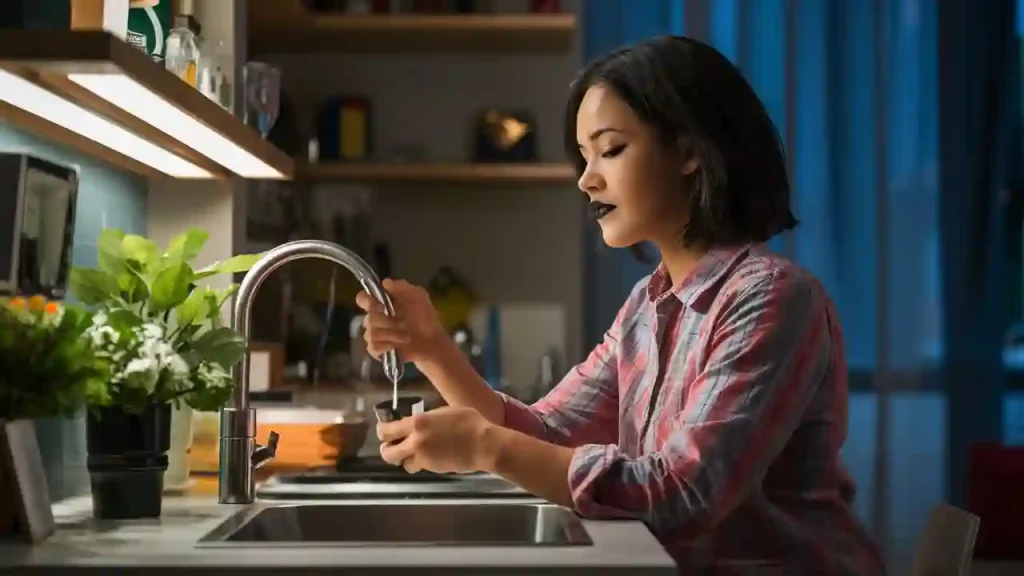
Leaky faucets can decrease an apartment’s value and waste water. Fixing them is often a simple task that can be done without calling a plumber.

The first step is to turn off the water supply. This is usually done by closing the shutoff valves under the sink. Open the faucet to drain any remaining water.
Next, remove the faucet handle. This may require unscrewing a decorative cap and using a screwdriver or Allen wrench.
Inspect the internal parts for wear or damage. The problem is often a worn washer, O-ring, or cartridge.
Replace the faulty part with a new one of the same size and type. Hardware stores carry a variety of replacement parts for common faucet brands.
Reassemble the faucet, turn the water back on, and test for leaks. If the problem persists, it may be time to replace the entire faucet or consider calling emergency plumbing services for a more thorough inspection.
Fixing leaky faucets quickly can prevent water damage and higher utility bills. It also shows potential buyers or renters that the apartment is well-maintained.
Repaint stained walls
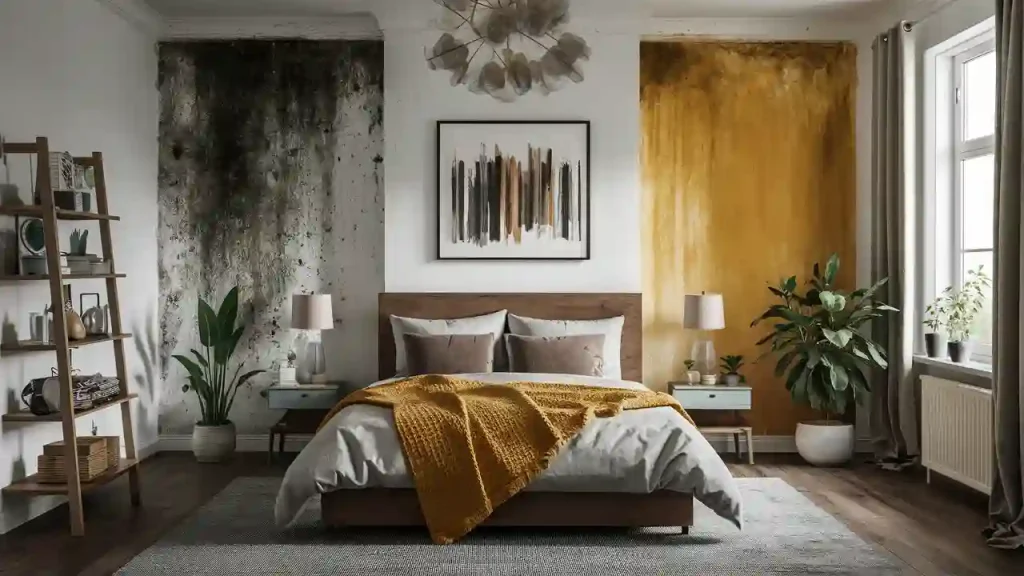
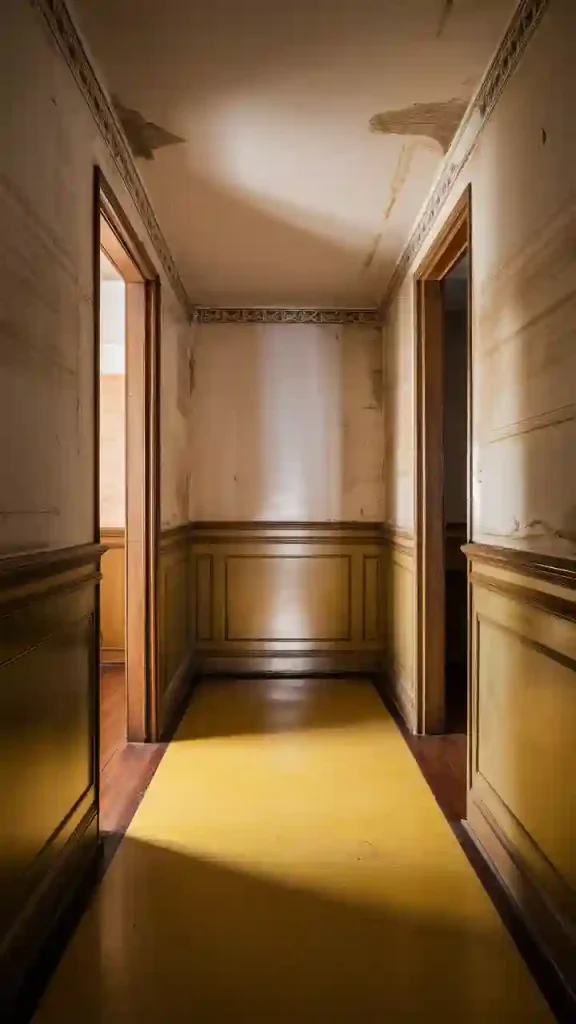
Stained walls can make an apartment look old and neglected. Fixing this issue can boost the value of your home. Start by cleaning the walls to remove dirt and grime.

Apply a stain-blocking primer to cover up any stubborn marks. This step is crucial for preventing stains from bleeding through the new paint. If you have waterstains or other significant discolorations, make sure to address these areas specifically. Allow the stain-blocking primer to dry completely according to the manufacturer’s instructions before proceeding with the paint.
Choose a high-quality paint in a neutral color. Lighter shades can make rooms feel bigger and brighter. Apply two coats for best results.

Pay special attention to areas prone to stains, like kitchens and bathrooms. Use paint that resists moisture and mildew in these spaces, or cover with wallpaper or wall panels designed for heavy traffic areas.
Don’t forget about the ceiling. Water stains or smoke damage on ceilings can be a big turn-off for potential buyers or renters.
If you’re not confident in your painting skills, consider hiring a professional. A well-done paint job can make a big difference in how your apartment looks and feels.
Fix squeaky doors
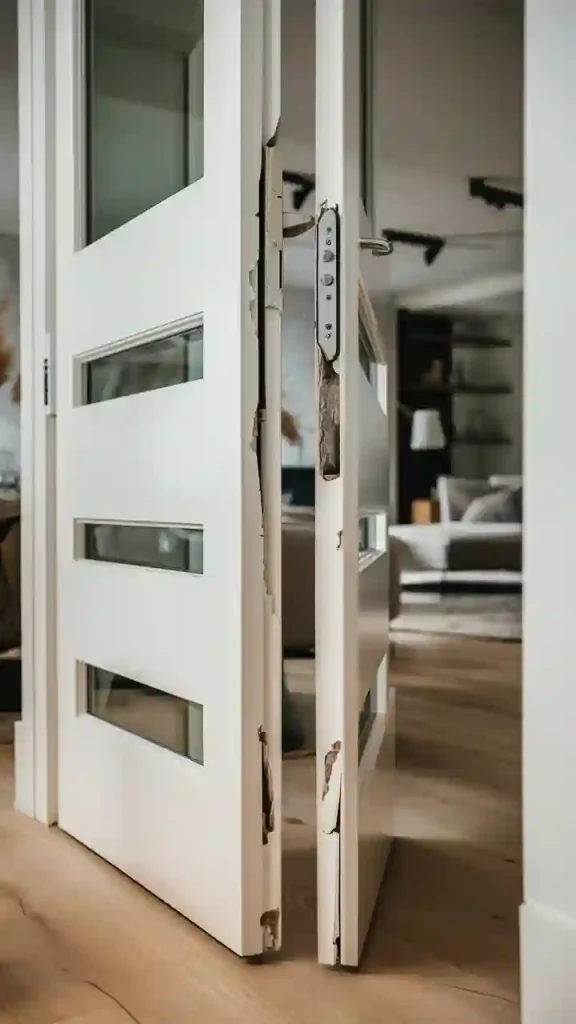
Squeaky doors can be a nuisance and may lower the value of an apartment. Luckily, there are simple ways to fix this problem.
Start by identifying the source of the squeak. It’s often the hinges that cause the noise. Spray some lubricant onto the hinge pins to reduce friction.

If lubricant doesn’t work, try tightening loose screws on the hinges. Use a screwdriver to ensure all screws are secure.
For stubborn squeaks, remove the hinge pins and clean them. Wipe off any dirt or rust, then apply a fresh coat of lubricant before reinserting them.
In some cases, misaligned hinges can cause squeaking. Loosen the screws, realign the door, and tighten the screws again.
If these methods don’t work, consider replacing the hinges. New hinges can often solve persistent squeaking problems.
Fixing squeaky doors is a quick and easy way to improve the quality of an apartment. It shows attention to detail and can positively impact potential buyers or renters.
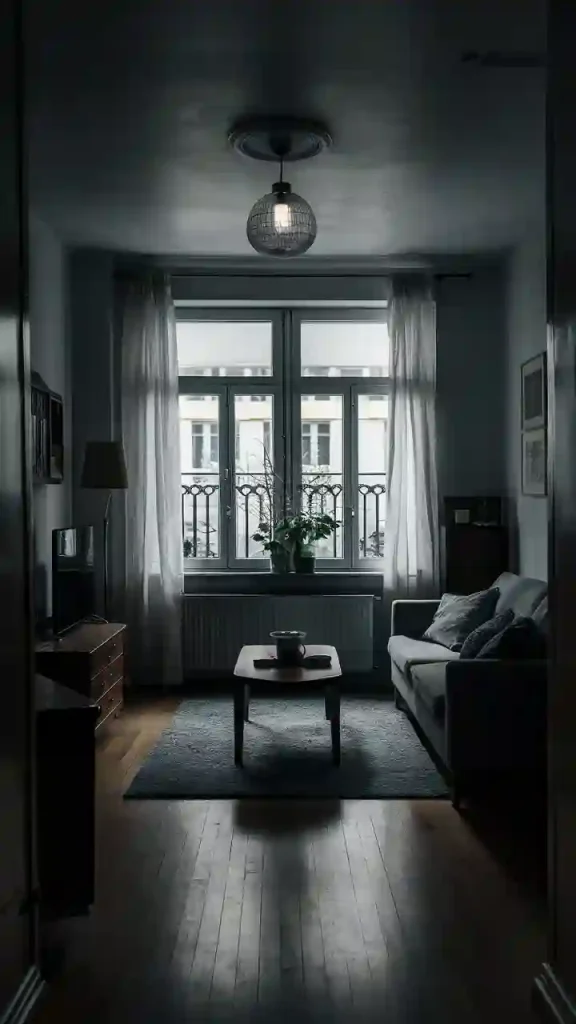
Poor lighting
Bad lighting can make an apartment feel gloomy and uninviting. This can turn off potential buyers or renters, lowering the property’s value.
Dim rooms appear smaller and less appealing. They may give the impression that the space is poorly maintained or outdated.
Too much harsh lighting can be just as problematic. It can create an uncomfortable atmosphere and highlight flaws in the apartment.

Fixing lighting issues can be simple and cost-effective. Adding more light fixtures or using brighter bulbs can make a big difference.
Strategically placed lamps can brighten dark corners. This creates a warmer, more welcoming environment.
Natural light is also important. Make sure windows are clean and unobstructed to let in as much sunlight as possible.
Consider installing dimmer switches. These allow for adjustable lighting to suit different moods and activities.
Proper lighting can showcase the apartment’s best features. It can make rooms feel larger, cleaner, and more modern.
Investing in good lighting is a smart way to boost an apartment’s appeal and value. It’s a small change that can have a big impact.
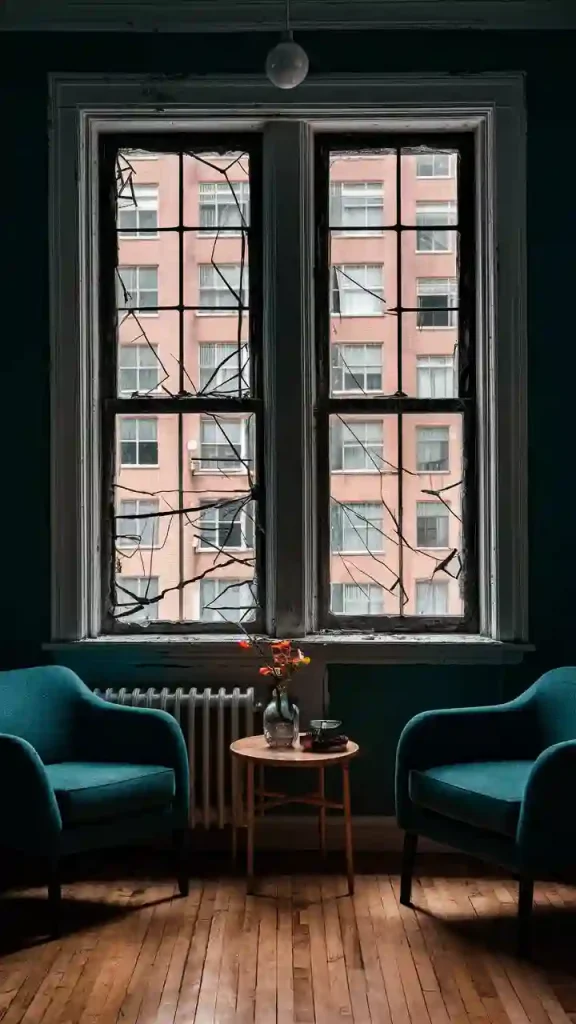
Replace cracked windows
Cracked windows can make an apartment look rundown and neglected. They can also hurt its value when it’s time to sell. Fixing or replacing cracked windows is a smart move for apartment owners.

Cracked windows let in drafts and raise energy bills. They also look bad from both inside and outside the home. Potential buyers may see them as a sign of poor maintenance.
New windows can boost an apartment’s appeal and value. They improve energy efficiency and noise reduction. Modern windows often have better security features too.
Replacing windows can be costly, but it’s often worth it. Some reports show window replacement can increase a home’s resale value by up to 70%. This makes it a good investment for apartment owners.
If full replacement is too expensive, there are other options. Owners can replace only the most damaged windows. Or they can add energy-efficient film to older windows. These choices can still improve the apartment’s look and function.
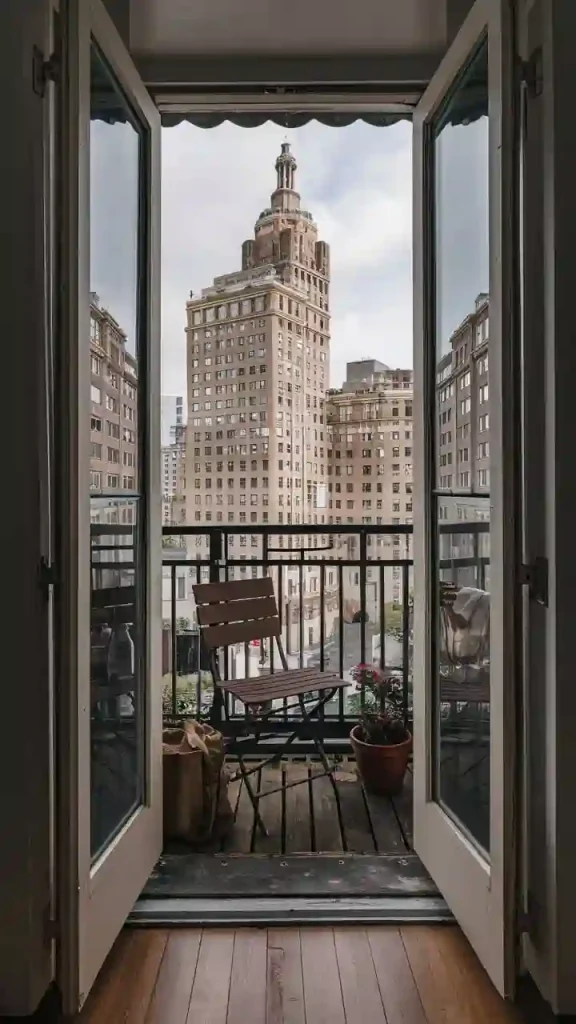
Clean up cluttered balconies
A cluttered balcony can make an apartment look messy and decrease its value. Potential buyers or renters may see it as a sign of poor maintenance.
Start by removing any unnecessary items from the balcony. Keep only essential outdoor furniture and decor. Store extra items inside or get rid of them if they’re not needed.

Sweep the balcony floor and wash it if needed. Clean any railings or glass panels. These simple steps can make the space look much nicer.
Add some potted plants to create a fresh, inviting atmosphere. Choose low-maintenance plants that suit the balcony’s conditions. Make sure not to overcrowd the space.
If you have outdoor furniture, make sure it’s clean and in good condition. Replace or repair any damaged pieces. Arrange the furniture neatly to maximize the space.
Consider adding some outdoor lighting to make the balcony more appealing at night. Solar-powered lights are a good, energy-efficient option.
A tidy, well-organized balcony can add value to an apartment. It shows that the space is well-cared for and ready to be enjoyed.
Repair damaged cabinetry
Damaged cabinetry can lower an apartment’s value. Small fixes can make a big difference. Loose hinges are an easy repair. Tighten them with a screwdriver or replace them if needed.
Scratches and dents on cabinet surfaces detract from their look. Wood filler can patch these imperfections. Sand the area smooth after the filler dries. Then touch up with matching paint or stain.

Sticky drawers are frustrating for residents. Clean and lubricate drawer slides to fix this issue. Remove drawers to access the tracks. Wipe away grime and apply silicone spray for smooth operation.
Updating cabinet hardware is a quick way to refresh the kitchen. New knobs and pulls can modernize old cabinets. Choose finishes that match other fixtures in the space.
For more extensive damage, consider refacing cabinet doors. This involves applying new veneer or laminate to the existing framework. It costs less than full replacement but still improves appearance.
Update outdated appliances
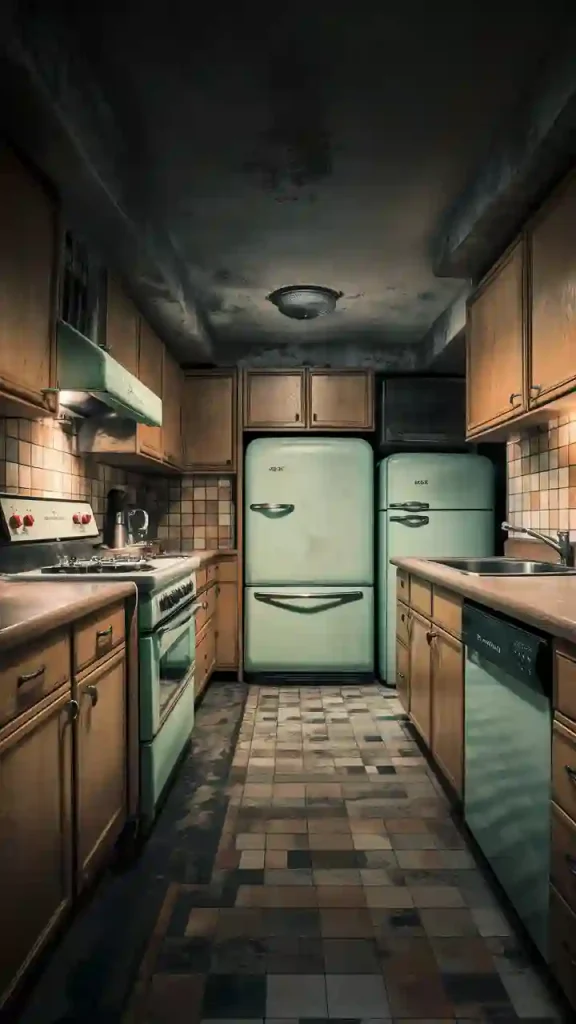
Old appliances can make your apartment look dated and decrease its value. Replacing them with newer models can give your kitchen a fresh, modern feel.
Start by swapping out visible appliances like the refrigerator, stove, and dishwasher. Stainless steel finishes are popular and can instantly update the look of your kitchen.
If full replacements aren’t in your budget, consider smaller updates. New handles and hardware on existing appliances can make a big difference. This is an easy and inexpensive way to refresh their appearance.

Don’t forget about smaller appliances too. An old microwave or toaster oven can also date your kitchen. Replacing these with sleek new versions can tie the whole room together.
When choosing new appliances, look for energy-efficient models. These can save you money on utility bills and may be attractive to potential buyers or renters.
Updating your appliances not only improves the look of your apartment but can also increase its functionality. New appliances often come with improved features and technologies that make cooking and cleaning easier.
Noise pollution

Excessive noise can lower an apartment’s value. Loud neighbors or street sounds may deter potential buyers. Thin walls and floors often let unwanted noise travel between units.
Renters can take steps to reduce noise issues. Weatherstripping tape around doors and windows helps block outside sounds. Thick curtains or soundproof curtains absorb noise from the street.
Adding rugs with thick padding muffles footsteps and other impacts. Bookshelves against shared walls can reduce noise transfer between units. White noise machines mask disruptive sounds.
Landlords may be open to making improvements. Better insulation in walls and ceilings cuts down on noise between apartments. Upgrading to double-pane windows reduces street noise.
Addressing noise concerns can preserve an apartment’s value. Quieter spaces are more appealing to buyers and renters alike. Even small changes can make a big difference in noise levels.
Pest evidence
Signs of pests can lower an apartment’s value significantly. Even if insects or rodents are no longer present, their past presence can deter potential buyers or renters.
Visible damage from pests is a red flag. This includes chewed wires, holes in walls, or droppings in hidden areas. Such evidence suggests a history of infestations.

Stains on walls or ceilings may indicate past pest problems. These could be from rodent urine or insect activity. Odd smells can also point to previous pest issues.
Pest control company visits leave traces. Bait stations, traps, or recent treatments are clues of past infestations. These can make potential occupants wary.
To maintain value, address pest problems promptly. Regular inspections and preventive measures help keep pests at bay. This protects the apartment’s worth in the long run.
Overpowering air fresheners
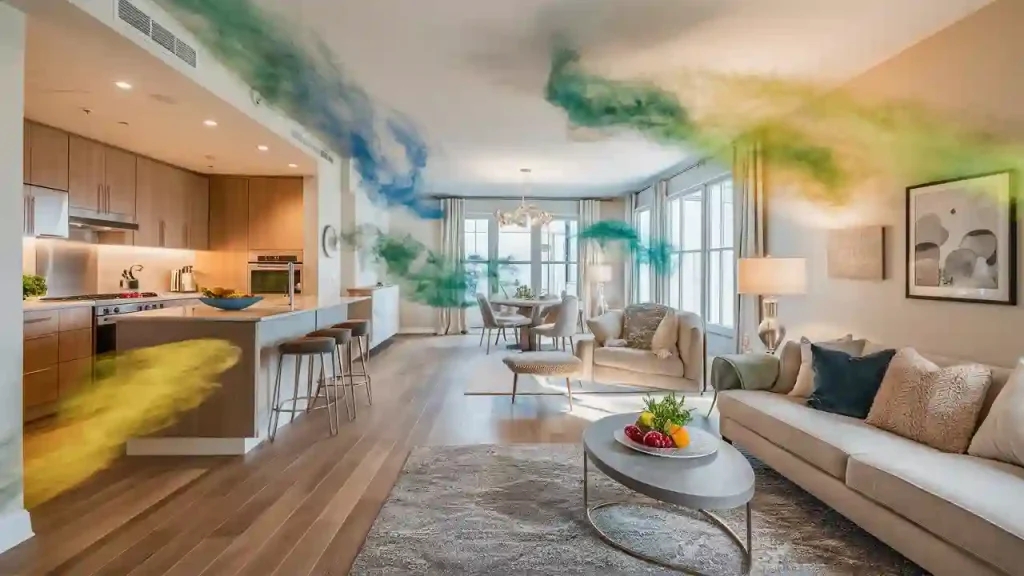
Strong air fresheners can be a turn-off for potential buyers. They might think you’re trying to hide unpleasant smells.
Too much fragrance can be overwhelming. It can give people headaches or trigger allergies. This makes it hard for buyers to focus on your apartment’s good features.

Natural scents are better than artificial ones. A light, fresh smell is more appealing than a heavy perfume-like odor.
Consider using subtle air fresheners instead. Plug-ins with adjustable settings or reed diffusers can provide a gentler scent.
Activated charcoal bags are another good option. They absorb odors without adding any new smells to the air.
If you must use air fresheners, choose light, clean scents. Citrus or cotton fragrances are often well-liked and not too strong.
Remember, a clean apartment usually smells fine on its own. Regular cleaning and good ventilation can keep your space smelling fresh without extra help.
Addressing Minor Damages
Small repairs can make a big difference in your apartment’s value. Fixing little problems prevents them from getting worse over time. It also shows potential buyers that the property is well-maintained.
Repairing Minor Wall Cracks
Small cracks in walls are common but can worry buyers. Clean the crack area with a damp cloth. Apply spackling paste with a putty knife, smooth it out, and let it dry. Sand the area gently once dry.
For slightly larger cracks, use mesh tape before applying joint compound. This gives extra strength. Apply thin layers, letting each dry before adding more.
Paint over the repaired area to match the wall color. This makes the fix blend in seamlessly. Regular touch-ups keep walls looking fresh and damage-free.
Fixing Damaged Flooring
Floor damage can make a big impact on value. For small scratches in hardwood, use a wood filler that matches the floor color. Sand lightly and apply wood stain if needed.
For vinyl or linoleum, patch kits work well for small tears or holes. Clean the area first. Cut the patch to size and apply adhesive underneath. Press firmly and wipe away excess glue.
Carpet stains can often be removed with commercial cleaners. For small worn areas, trim loose fibers and use a carpet brush to blend the spot with surrounding areas.
How to Value an Apartment with relative damange?
Valuing an apartment with relative damage involves several key considerations that can help you assess its potential and determine its market value. Here are some ways to approach this:
Assess the Current Condition: Start by evaluating the extent of the damage. Identify which areas need immediate attention, such as structural issues, plumbing, or electrical problems. This will help you understand the necessary upgrades.
Consider Upgrades: Upgrades can significantly increase the value of an apartment. Focus on areas that will yield the highest return on investment. For example, investing in interior updates like new appliances, modern fixtures, or updated flooring can enhance the overall appeal.
Interior Design and Paint: Simple changes, such as a fresh coat of interior paint, can make a substantial difference in how the apartment is perceived. A well-thought-out interior design can maximize the living space and create a more inviting atmosphere.
Room Needs: Evaluate if the layout meets current market demands. If there are rooms that are underutilized, consider reconfiguring the space to better suit potential buyers or renters. This might mean converting a spare room into a home office or gym.
Market Comparisons: Look at comparable properties in the area to understand what similar apartments are selling for. This will give you a baseline for valuation and help you identify what features or upgrades could make your apartment more competitive.
Value Add through Investing: When considering the investing value add, think about how much you can increase the apartment’s value through renovations. This means calculating the costs of upgrades against the potential increase in selling price.
Increasing Appeal: The goal is to increase the apartment’s appeal to potential buyers or renters. This means focusing on both aesthetic improvements and functional upgrades that enhance the overall living experience.