Siding significantly impacts your home’s curb appeal, protection, and overall value. With costs varying drastically, from budget-friendly vinyl to premium options like natural stone, your choice matters.
For example, in a natural slate rain-screen cladding system, the materials can cost from $4 to $11 per square foot, with installation adding another $10 to $24, resulting in a total of $14 to $35 per square foot. This places it on par with stone veneer and faux-stone siding in terms of cost.
A 3,500-square-foot home CUPACLAD, which is a type of rain-screen cladding system made out of stone slates, could cost anywhere from $49,000 to $122,500. This is a premium investment compared to options like vinyl siding, which is generally the most affordable option with $4 to $12 (installed per sq.ft); the durability and aesthetic of natural slate offer long-term value to luxury properties, but when budget is key, vinyl or wood cladding are good solutions.
The specific cladding or siding system you choose will also impact the final cost. Basic rainscreen systems start at around $7.43 per square foot, while high-end options can go up to $37.16 per square foot, due to more expensive materials, prep and installation cost.
The best siding for your new construction depends on your budget, desired aesthetic, and long-term goals. Choose wisely, and your home will be both beautiful and resilient for years to come.
George is a seasoned interior designer and property marketing strategist with over 13 years of experience. He specializes in transforming properties into visually stunning spaces, helping clients recognize the potential and beauty in each property. With an impressive international client base of exciting projects throughout Europe and America.
Vinyl Siding:
- It offers the lowest cost range while providing good durability (30-40 years or more).
- Low maintenance requirements reduce long-term costs.
- Energy efficiency can lead to savings on utility bills.
- Wide range of styles and colors allows for customization without added cost.
Fiber Cement Siding is a close second:
- While slightly more expensive than vinyl, it offers superior durability and fire resistance.
- Its ability to mimic other materials provides versatility in appearance.
- Low maintenance requirements help offset the higher initial cost.
Wood siding:
it comes with some important considerations:
- Initial costs are moderate, typically ranging from $2 to $10 per square foot installed on average, it may go up to $35 for luxury types of timber.
- Installation is relatively straightforward, which can help keep labor costs down.
- It provides excellent insulation properties, potentially leading to energy savings.
- Wood siding offers a timeless, organic aesthetic that many homeowners find appealing.
- It’s highly customizable, as it can be painted or stained in virtually any color.
Wood siding requires more maintenance than vinyl or fiber cement:
- Regular painting or staining every 3-7 years is necessary to maintain its appearance and protective qualities.
- It’s more susceptible to damage from insects, moisture, and UV rays.
- In some climates, wood siding may be prone to warping, splitting, or rotting if not properly maintained.
Both vinyl and fiber cement siding offer good value, with vinyl having a slight edge in terms of initial cost. The choice between the two may depend on specific climate conditions, desired appearance, and long-term durability expectations.

Vinyl Siding:
- Cost: $4 to $12 per square foot installed (offers the second lowest upfront cost)
- Average range: $8,400 to $25,200 for a 2,500 sq.ft. house
Fiber Cement Siding:
- Cost: $6 to $15 per square foot installed
- Average range: $12,000 to $30,000 for a 2,000 sq.ft. house
Wood Siding:
- Cost: $2 to $35 per square foot installed (the lowest upfront cost)
- Average range: $10,500 to $22,500 for 1,500 sq.ft.
- Note: The wide range is due to different wood types and styles
Metal Siding:
- Steel: $7 to $16 per square foot installed
- Aluminum: $6 to $10 per square foot installed
- Average range: $14,000 to $32,000 for a 2,000 sq.ft. house (steel)
Key observations:
- Vinyl siding is generally the most affordable option.
- Fiber cement offers a mid-range price point with good durability.
- Wood siding has the widest price range due to variations in wood types and styles.
- Metal siding, particularly steel, tends to be on the higher end of the price spectrum.
Labor makes up 40-50% of total siding costs. Complex designs or hard-to-reach areas increase installation expenses. Premium brands and thicker materials drive prices higher but often last longer.
Some homeowners save money by doing part of the work themselves. This approach cuts labor costs but requires skill and time.

Key Factors to Consider for new construction facades
Picking the right siding for a new construction project shapes the home’s look and durability. Proper siding selection boosts curb appeal, protects against weather, and increases property value. Homeowners face many choices when it comes to siding materials.
Popular options include vinyl, fiber cement, wood, and metal. Each type has pros and cons in terms of cost, maintenance, and longevity. Some materials work better in certain climates than others.
Factors like budget, local weather, and design preferences guide siding decisions. A home’s architectural style often points toward certain siding choices that complement its look. Consulting with builders and siding experts helps narrow down the best options for any new construction project.
3D Visualize facade with siding
When building a new home, selecting the right siding can be challenging. 3D visualization tools have revolutionized this process, allowing homeowners and builders to see how different siding options will look on a house before making a final decision.
Benefits of 3D Visualization
- Create realistic digital models of homes with various siding materials and colors
- Experiment with different combinations in a risk-free environment
- Compare multiple options side-by-side on your specific house design
- Make more informed decisions about your home’s exterior appearance
Popular 3D Visualization Tools
- Home Designer Pro
- SketchUp
- Chief Architect
- TALLBOX: A cutting-edge solution for realistic exterior visualizations

Tips for Homeowners
- Request Visualizations: Ask your builder about visualization solutions like TALLBOX before making any final decisions. This empowers you to see your siding choices in a realistic context, helping you confidently choose the option that best suits your home and personal style.
- Explore Multiple Options: Use these tools to try out various siding materials, colors, and combinations you might not have initially considered.
- Consider Long-Term Appeal: While visualizing, think about how the siding will look not just now, but years down the line.
- Factor in Maintenance: Use the visualization process to also consider the practical aspects of each siding option, such as maintenance requirements and durability.
What cladding will enhance most a typical house?
Luxury property

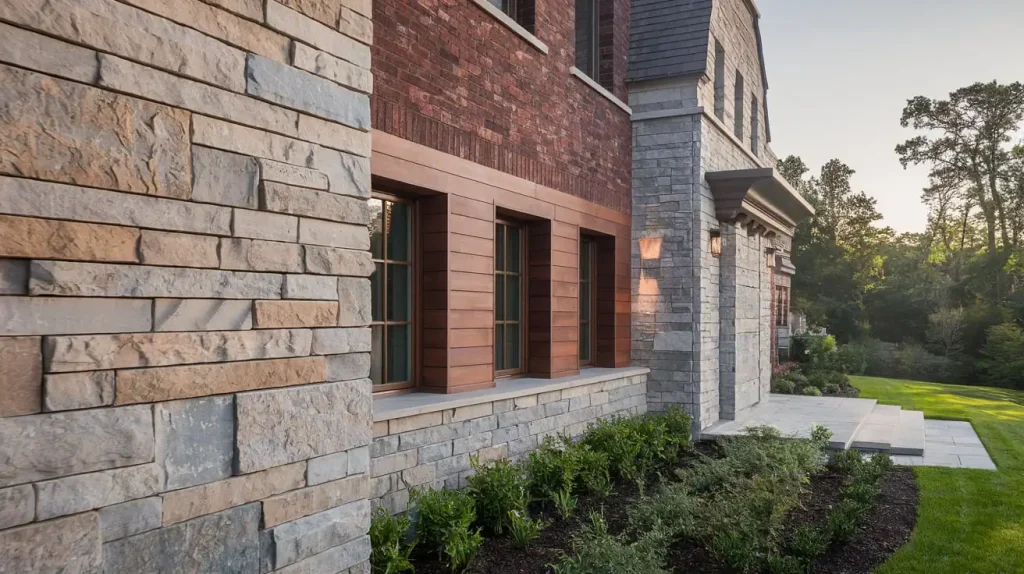
If the property is in the luxury band, such as a mansion, mcmansion, villa, or large sub-urban house, natural stone is the best choice and will enhance the exterior look. Natural stone cladding, such as granite, marble, or limestone, can add timeless elegance and sophistication to luxury properties. This material is durable, low-maintenance, and offers a unique and exclusive appearance.
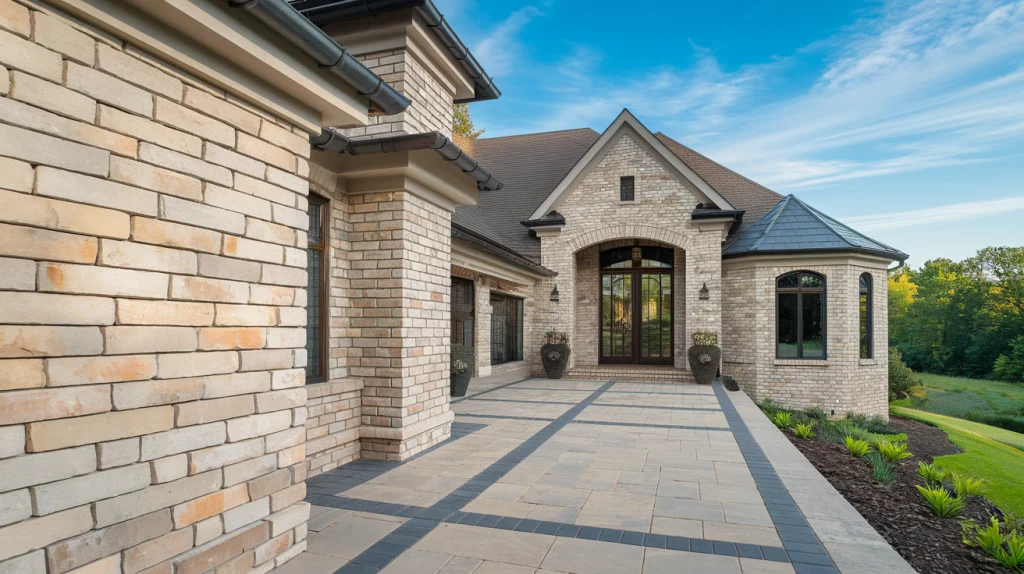
- Brick: Brick cladding can also enhance the appearance of luxury properties by adding warmth, texture, and a classic look. Choose high-quality bricks in a color and style that complements the house’s architectural style.
- Wood: Natural wood cladding, such as cedar, teak, or ipe, can add warmth and beauty to luxury properties. These materials are highly durable, low maintenance, and offer a unique and distinctive appearance.
New Property

Composite wood cladding, made from a blend of wood fibers, plastic, and other materials, is a highly durable and low maintenance option. Its resistance to rot, insects, and moisture, coupled with its easy installation, make it a practical and cost-effective choice for new construction or land and house package deals. Plus, it offers the natural wood appearance without the need for constant upkeep, making it an excellent option for new construction houses.
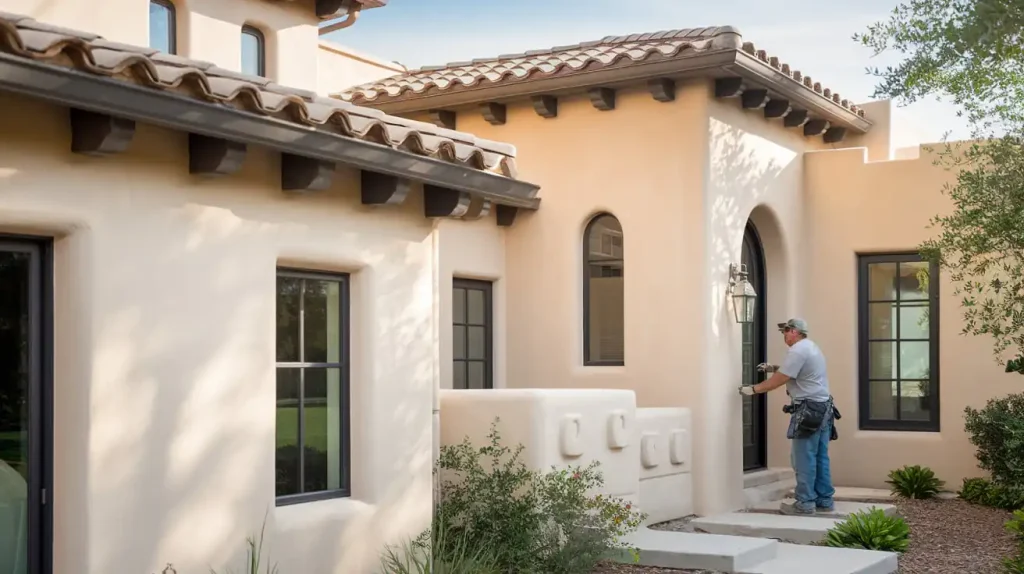
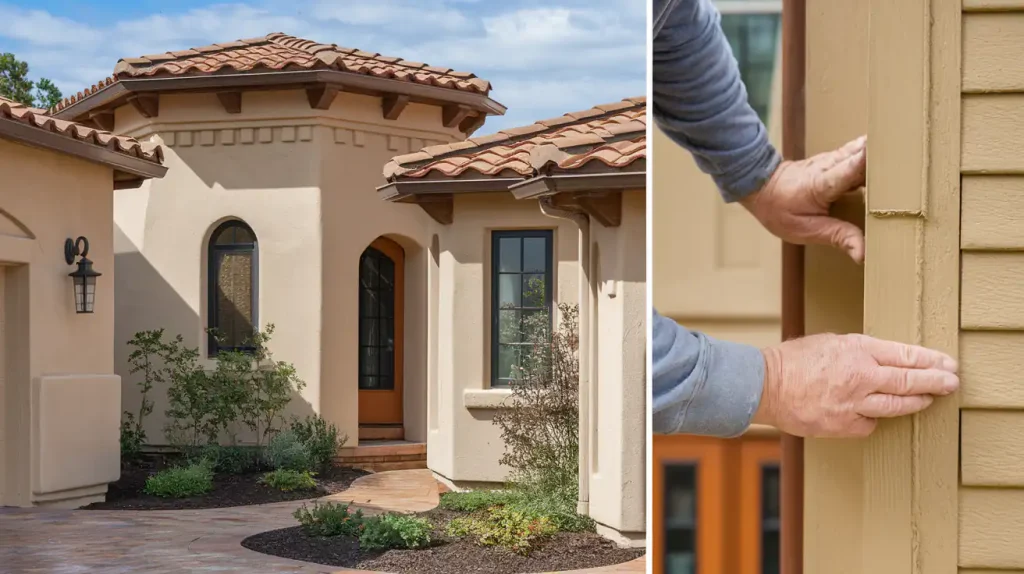
- Stucco: Stucco cladding can add texture, color, and depth to the new properties. This material is highly durable, low maintenance, and available in various colors and textures.
- Brick veneer: Brick veneer cladding can also enhance the appearance of new houses by adding warmth, texture, and a classic look. Choose a color and style that complements the house’s architectural style.
Outdated property

Vinyl siding is the most selected option for facade coverings for outdated properties. It is an affordable and low-maintenance cladding option for neglected, old or investment properties. It is available in various colors, textures, and profiles, giving homeowners many design choices.
- Fiber cement: Fiber cement is a durable and versatile cladding material that resembles natural wood, stucco, or masonry. It is resistant to fire, rot, insects, and extreme weather conditions. Fiber cement cladding is also low maintenance and available in various colors and textures, making it an excellent option for investment properties especially.
- Metal: Metal cladding, such as aluminum or steel, can add a modern and sleek appearance to luxury outdated houses. This material is highly durable, low maintenance, and available in various colors and finishes.
Vinyl Siding

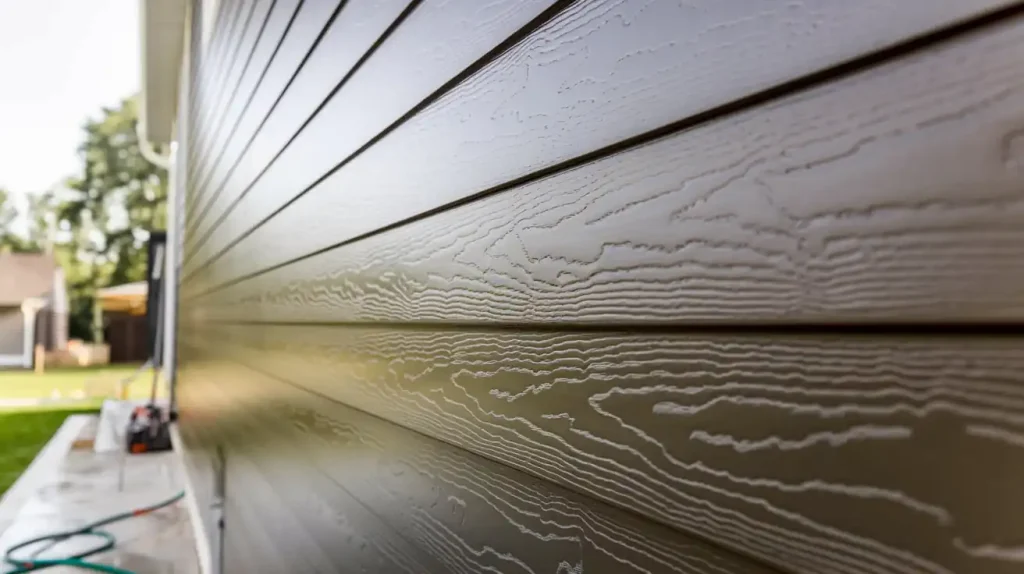
Vinyl siding remains a popular choice for many homeowners. It comes in a wide range of colors and styles, mimicking wood grain or other textures. This material resists rot, insects, and fading.
Pros of vinyl siding:
- Low cost
- Easy maintenance
- Durability
Cons of vinyl siding:
- Can crack in extreme cold
- May warp in high heat
- Not environmentally friendly
Vinyl siding costs about $3 to $8 per square foot installed. It lasts 20-40 years with proper care. Cleaning only requires occasional washing with soap and water.
Fiber Cement Siding

Fiber cement siding combines cement, sand, and cellulose fibers. This mixture creates a durable, fire-resistant material that resembles wood or masonry. James Hardie is a well-known brand of fiber cement siding.
Benefits of fiber cement:
- Fire resistant
- Insect resistant
- Low maintenance
Drawbacks of fiber cement:
- Higher cost than vinyl
- Heavier than some options
- Requires professional installation
Fiber cement siding costs $5 to $13 per square foot installed. It lasts 50+ years with proper care. Painting may be needed every 15-20 years to maintain appearance.

If you’re looking for a designer to help with unusual facade ideas, TALLBOX can assist you in creating and visualizing a unique house.
Wood Siding

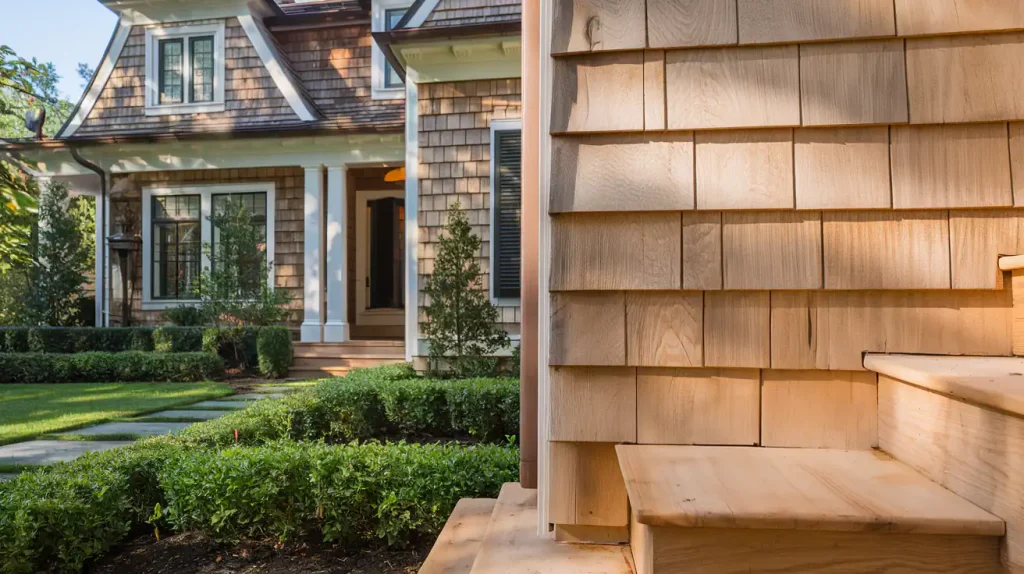
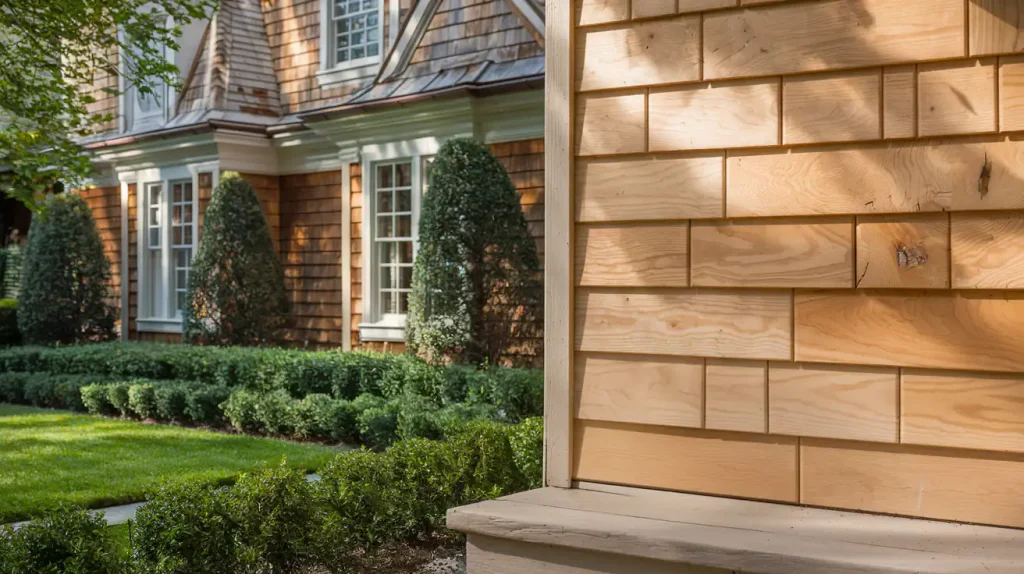
Wood siding offers a classic, natural look. Cedar and redwood are popular choices due to their natural resistance to decay and insects. Wood siding comes in various styles, including clapboard, shingles, and board-and-batten.
Advantages of wood siding:
- Natural beauty
- Eco-friendly
- Easy to repair
Disadvantages of wood siding:
- Requires regular maintenance
- Susceptible to rot and insects
- Can be expensive
Wood siding costs $8 to $12 per square foot installed. It lasts 20-40 years with proper care. Regular painting or staining is needed every 4-6 years.

Brick and Stone Veneer

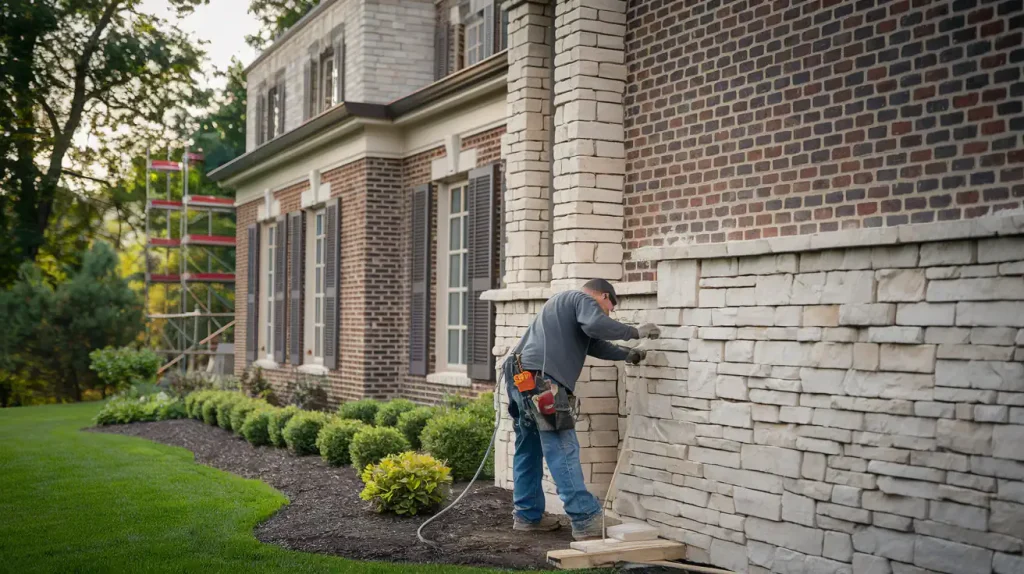
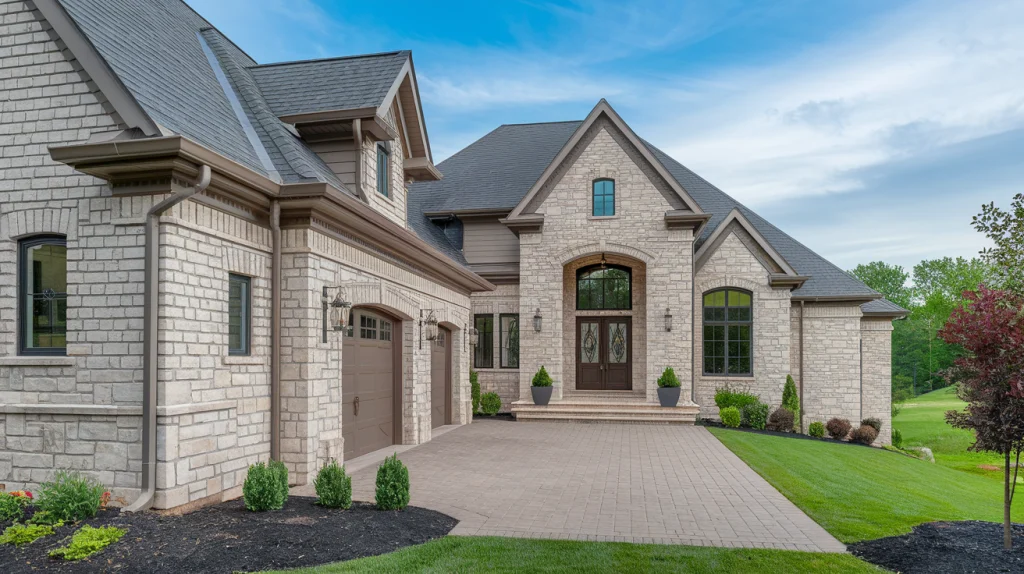
Brick and stone veneer provide a classic, high-end look. These materials are durable and low-maintenance. They come in various colors and textures to suit different architectural styles.
Benefits of brick and stone veneer:
- Long-lasting
- Fire resistant
- Adds value to home
Drawbacks of brick and stone veneer:
- Expensive
- Heavy, may require additional structural support
- Difficult to change once installed
Brick veneer costs $9 to $28 per square foot installed. Stone veneer ranges from $12 to $50 per square foot. Both can last 100+ years with minimal maintenance.
Metal Siding

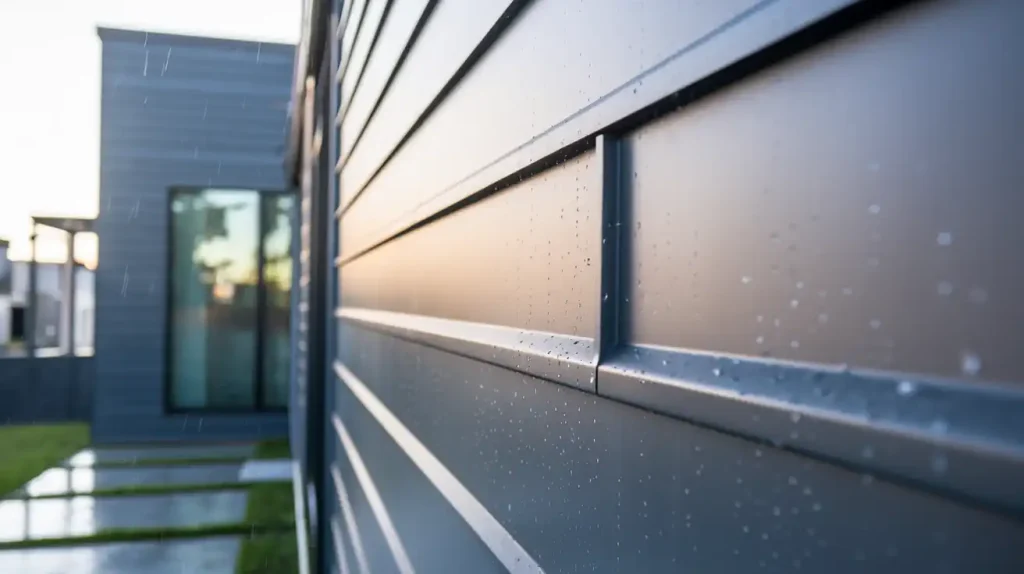
Metal siding, typically aluminum or steel, offers durability and modern aesthetics. It resists fire, insects, and rot. Metal siding comes in various colors and can mimic other materials like wood.
Pros of metal siding:
- Durable
- Low maintenance
- Energy efficient
Cons of metal siding:
- Can dent
- May be noisy during rain or hail
- Potential for corrosion in coastal areas
Metal siding costs $4 to $8 per square foot installed. It lasts 40-70 years with minimal maintenance. Painting may be needed every 20-30 years to refresh appearance.
Stucco Siding

Stucco siding creates a smooth, seamless exterior finish. It’s made from cement, sand, lime, and water. Stucco works well in dry climates and offers fire resistance.
Advantages of stucco:
- Fire resistant
- Low maintenance
- Energy efficient
Disadvantages of stucco:
- Prone to cracking in areas with frequent freeze-thaw cycles
- Difficult to repair
- Can absorb moisture in humid climates
Stucco costs $6 to $9 per square foot installed. It lasts 50-80 years with proper care. Painting may be needed every 5-10 years to maintain appearance.
Siding Materials
Siding materials impact a home’s look, durability, and maintenance needs. Each option has unique pros and cons to consider.
Durability and Longevity
Vinyl siding lasts 20-40 years with minimal upkeep. It resists fading, rot, and insects. Fiber cement siding endures 50+ years. It withstands harsh weather and resists fire damage. Wood siding needs more care but can last 20-40 years when maintained well.
Brick veneer siding offers excellent durability, lasting 100+ years. It stands up to extreme weather and fire. Metal siding provides 50+ years of protection. It resists moisture, fire, and insects.

Maintenance Requirements of Siding
Vinyl needs little upkeep beyond occasional washing. Fiber cement requires repainting every 10-15 years. Wood demands regular painting, staining, and sealing to prevent rot.
Brick veneer needs minimal maintenance. Repointing mortar joints every 25-30 years keeps it in good shape. Metal siding needs periodic cleaning and paint touch-ups.
- Low maintenance: Vinyl, fiber cement, brick
- Moderate upkeep: Metal
- High maintenance: Wood

Which siding looks best on?
Siding’s visual impact is a huge factor in choosing the right material. It sets the tone for your home’s overall style and contributes significantly to curb appeal.
- Wood: It delivers that classic, natural beauty that’s hard to beat. The versatility of wood allows it to seamlessly blend into various architectural styles, taking on different looks through stains or paints. However, it demands more upkeep to maintain its charm.
- Vinyl: It’s the chameleon of the siding world, offering a vast array of colors and textures to mimic even wood grain. While it provides budget-friendly flexibility, it might lack the authentic feel of natural materials.
- Fiber cement: This option cleverly imitates wood or masonry, delivering style versatility without sacrificing durability. It’s a solid choice for homeowners seeking low-maintenance elegance.
- Brick: Brick exudes timeless elegance, adding a touch of sophistication to any home. It’s a sturdy option that requires minimal maintenance but comes with a higher price tag.
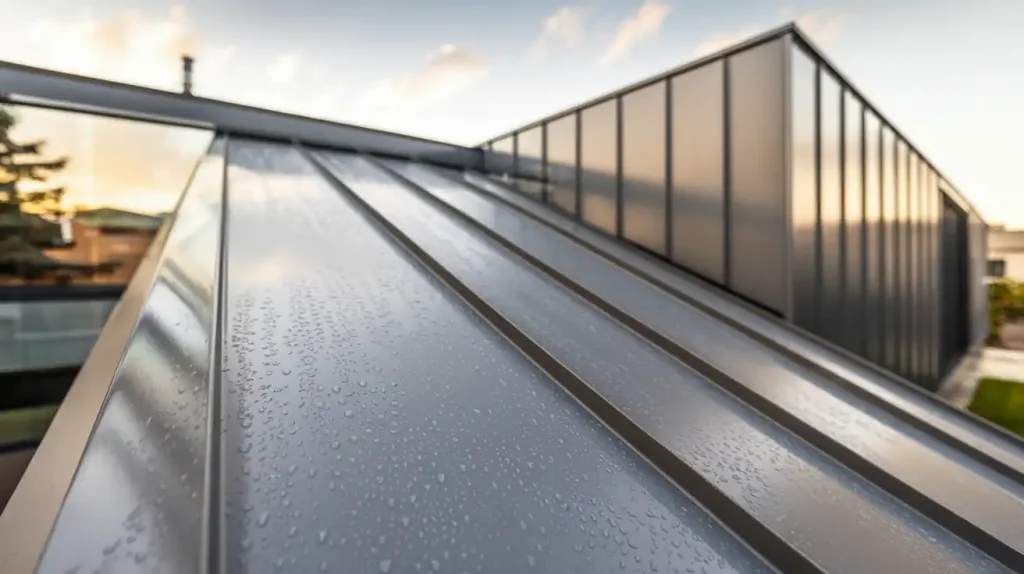
- Metal: For a contemporary, industrial vibe, metal siding is a perfect fit. Available in a variety of colors and finishes, it offers a sleek and modern look.

- Colonial: Known for their symmetrical facades and classic charm, Colonial homes often feature wood or fiber cement siding to maintain their traditional aesthetic.
- Craftsman: These homes embrace natural materials and handcrafted details. Wood siding, either shingles or horizontal lap, is a common choice, complementing the warm and inviting feel of Craftsman architecture.
- Ranch: Typically featuring low-pitched roofs and open floor plans, Ranch homes often sport vinyl or fiber cement siding for a clean and modern look.
- Contemporary: These homes favor clean lines and geometric shapes. Metal siding, with its sleek appearance, is a popular option, along with fiber cement for a more textured finish.
- Farmhouse: Combining rustic charm with modern sensibilities, Farmhouse style homes frequently feature wood or board and batten siding for a touch of warmth and character.
Long-Term Costs

Maintenance needs affect long-term siding expenses. Vinyl needs little upkeep beyond occasional cleaning. Wood demands regular painting or staining every 4-6 years, costing $2,000 to $5,000 each time.
Fiber cement lasts 50+ years with proper care. It resists rot, insects, and fire, lowering insurance premiums by 10-15% for some homeowners. Brick offers similar benefits and century-long durability.
Energy efficiency impacts ongoing costs too. Insulated vinyl and fiber cement reduce heating and cooling bills by 5-10% compared to non-insulated options. This saves hundreds of dollars annually in many climates.
Climate and Siding Performance

The climate where a home is located greatly impacts siding choices. Different materials handle weather conditions and provide insulation in unique ways.
Weather Resistance
Vinyl siding resists moisture and stands up well to rain, snow, and humidity. It doesn’t rot or warp like wood can. Fiber cement siding offers excellent durability against harsh sun, strong winds, and temperature swings. It resists cracking and expansion.
Brick and stone are extremely weather-resistant options. They withstand severe storms and don’t deteriorate from UV exposure. Metal siding like aluminum or steel provides good protection from the elements but may dent from hail or debris.
Select Siding based on Climate (5 country examples)
- United States: Diverse climates across the country require careful siding selection. Vinyl is popular for its versatility, while fiber cement is gaining popularity for its durability in extreme weather. Brick remains a classic choice in many regions.
- Canada: Harsh winters and varying temperatures call for resilient siding options. Fiber cement and insulated vinyl are popular choices for their ability to withstand cold and provide insulation.
- United Kingdom: The temperate maritime climate calls for siding that can handle dampness and occasional storms. Brick and fiber cement are popular choices due to their durability.
- Australia: The range of climates, from hot and dry to temperate and humid, requires careful siding selection. Vinyl and fiber cement are commonly used for their affordability and resilience in various weather conditions.
- New Zealand: The climate is generally temperate, but strong winds and earthquakes can be factors to consider when choosing siding. Fiber cement and lightweight metal siding are popular for their durability and resistance to seismic activity.
- Ireland: The damp and windy climate necessitates siding that can handle moisture and strong gusts. Brick and fiber cement are favored options for their durability in these conditions.
Insulation and Energy Efficiency
Insulated vinyl siding improves a home’s energy efficiency by 20-30%. It has a layer of foam backing that reduces heat transfer through walls. Fiber cement offers moderate insulation value on its own.
Brick provides natural insulation due to its thermal mass. It absorbs heat during the day and releases it slowly at night. Stone behaves similarly. These materials help maintain steady indoor temperatures.
Wood siding has some inherent insulating properties. Its R-value increases when combined with proper wall insulation. Metal siding conducts heat readily, so added insulation is important for energy efficiency.
Installation Process

The installation of siding involves key steps and decisions that impact the project’s success. Proper planning and execution ensure durability and aesthetic appeal.
Professional vs DIY Installation
Professional installation offers expertise and efficiency. Trained crews handle complex tasks like proper insulation and moisture barriers. They work quickly, often completing a home in 1-2 weeks.
DIY installation saves money but requires skills and time. Homeowners need tools and knowledge for correct installation. Mistakes can lead to water damage or poor insulation. DIY projects typically take 3-4 weeks for an average home.
Professionals guarantee their work. This covers issues that may arise later. DIY installers bear full responsibility for any problems.

Timeline and Project Planning
In a new construction siding installation takes 1-3 weeks on average. Factors affecting the timeline include home size, siding type, and weather conditions. For facade replacements or renovations, it might take 1-2 weeks if structurally the facade in firm.
Planning starts with choosing materials. This takes 1-2 weeks. Ordering materials adds another 2-4 weeks to the process.
Preparation involves removing old siding and repairing any damage. This stage lasts 2-3 days.
The actual installation proceeds in sections. Crews work around the house, completing about 50 square feet per day.
Final touches include trim work and cleanup. This takes 1-2 days. A thorough inspection ensures quality results.
Finding the right contractor for your siding replacement?
Finding the right contractor for your siding replacement isn’t just about price; it’s about finding someone with the skills and reliability to get the job done right.
Ask people you trust – friends, neighbors, or family members who’ve had recent siding work done. They can provide firsthand insights into their experience. If you have moved into a new city and know nobody, focus on the online reviews and local builder associations for more information.
Once you’ve got a few contractors in mind, request detailed quotes so you can compare what they’re offering. Don’t forget to check their experience with the type of siding you’re considering, their warranty terms, and whether they have the necessary insurance and licenses.

Seeking services from Portland Siding Replacement experts can definitely make a significant difference. These professionals can recommend siding materials that are best suited for Portland’s climate, such as fiber cement or engineered wood, which offer excellent resistance to moisture and minimal upkeep. Additionally, tapping into their expertise ensures swift and reliable installation services.
Similarly, if you’re in Miami, local siding contractors can guide you towards impact-resistant options like stucco or metal siding to protect your home from hurricane winds and flying debris. In Chicago, siding pros will steer you towards materials that can withstand the harsh winters and fluctuating temperatures, such as insulated vinyl or fiber cement siding.
By enlisting the help of local experts in your specific region, you’ll benefit from their knowledge of the climate and suitable siding options, ensuring your home’s exterior is both beautiful and resilient.
Before you make a final decision, see their work for yourself. A reputable contractor should happily show you their portfolio or even let you visit finished projects. Make sure you communicate openly with your potential contractor. They should be easy to reach, willing to answer your questions, and able to provide a clear timeline for the work.
How to Select the right Siding Contractor for a new siding?

While price is definitely a factor, don’t let it be the sole driver of your siding decision. It’s tempting to opt for the most budget-friendly option, but remember that siding is a long-term investment.
Check the contractor’s social profiles for red flags, and pay attention to the good reviews, too; if they sound too good, keep in mind the reviews might not be real.
Consider the climate, your home’s architectural style, and the overall aesthetic you want to achieve. Some facade and siding contractors specialize only in a specific type of siding, while others do everything. In most cases it’s best to select the ones who are niche and do only one or two types of siding.
Do your research, weigh the pros and cons of each option, and consult with building professionals.
Choosing the perfect siding for your new home balances style, durability, and cost.
Warranties and Guarantees

Siding warranties protect homeowners from defects and damage. Manufacturers offer different coverage levels. Some warranties last 20-30 years, while others provide lifetime protection.
Material warranties cover factory defects. They ensure the siding won’t crack, peel, or rot under normal conditions. Labor warranties guard against installation errors. These typically run for 1-5 years after installation.
Transferable warranties add value to homes. New owners benefit from remaining coverage when the property sells. Non-transferable warranties end if the house changes hands.
Prorated warranties decrease in value over time. Full coverage applies early on, then reduces yearly. Non-prorated warranties maintain full protection for the entire term.
Reading warranty documents carefully reveals important details. Exclusions list situations not covered. Maintenance requirements outline steps to keep the warranty valid.
Comparing warranties helps in choosing siding. Longer terms and broader coverage offer more protection. Trustworthy companies stand behind their products with strong guarantees.
Siding installers may provide separate workmanship warranties. These cover issues related to improper installation. Homeowners gain extra peace of mind with both manufacturer and installer guarantees.