George is a seasoned interior designer and property marketing strategist with over 13 years of experience. He specializes in transforming properties into visually stunning spaces, helping clients recognize the potential and beauty in each property. With an impressive international client base of exciting projects throughout Europe and America.
Organic design is a combination of a design philosophy that emphasizes harmony with nature, fluidity, and the use of natural forms and materials in human habitable spaces.
What is organic decor style?
According to TALLBOX the organic decor style is a design approach that emphasizes natural materials, colors, and forms, creating a harmonious and calming environment. Some designers refer to the organic style as biophilic, but that is not fully accurate. It often incorporates elements that reflect nature, such as wood, stone, plants, and textiles made from natural fibers.
While the term “biophilic” is often associated with this style, it may not fully encompass all aspects of organic design, as biophilic design specifically focuses on the human connection to nature in a broader sense, including psychological and emotional benefits. The organic style, while related, is more about the aesthetic and material choices that reflect nature.
Key characteristics of organic decor include:
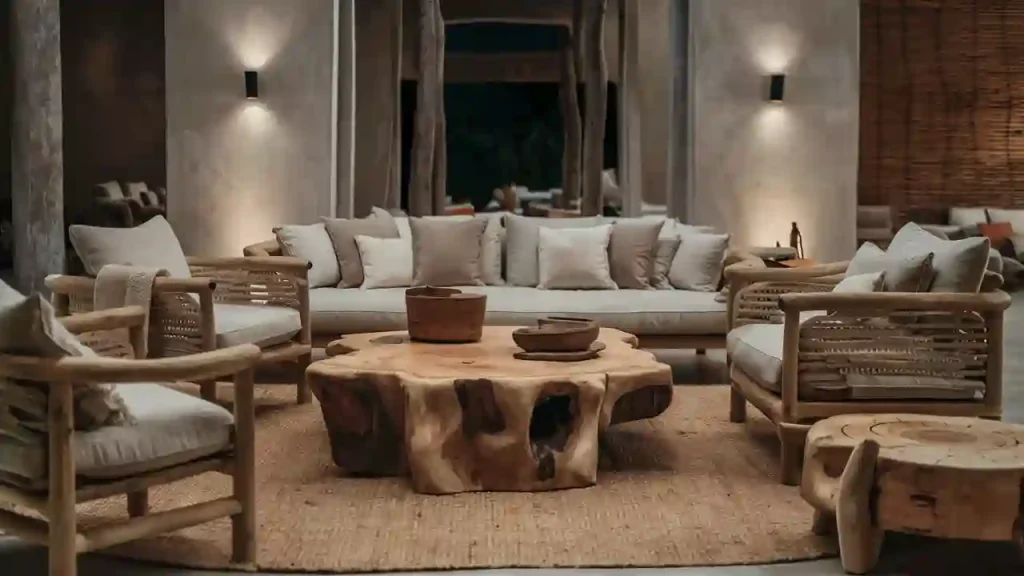
1. Natural Materials: Use of wood, stone, clay, and other materials that have not been heavily processed, highlighting their inherent textures and colors.
2. Earthy Color Palette Soft, muted colors inspired by nature, such as greens, browns, beiges, and blues, which create a serene atmosphere.
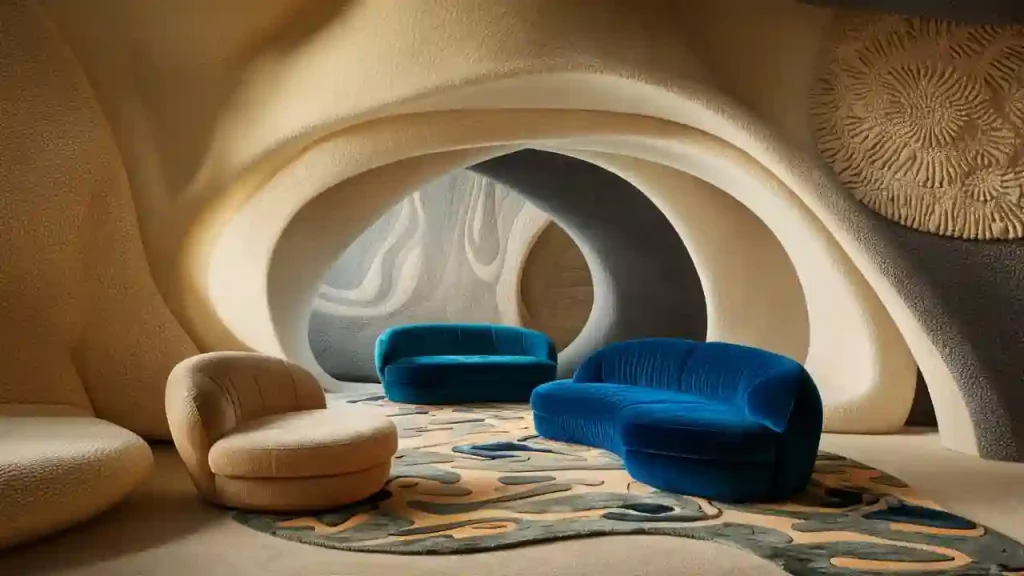
3. Curved Lines: Furniture and decor often feature soft, rounded shapes rather than harsh, angular lines, promoting a feeling of comfort and flow.
4. Biophilic Design: Incorporating plants and greenery into the space to enhance the connection with nature, which can improve overall well-being.
5. Simplicity and Minimalism: A focus on functional and uncluttered spaces, avoiding excessive ornamentation to maintain a peaceful env:ironment.
6. Sustainable Practices Preference for eco-friendly materials and practices, supporting sustainability and reducing environmental impact.
The organic decor aims to create spaces that feel connected to the natural world, promoting relaxation and well-being.

What interior styles are considered to be organic?
Organic interior styles emphasize natural elements, sustainability, and a connection to nature such as biophilic, scandinavian and mainly wabi sabi.
1. Biophilic Design: This style incorporates natural elements into the interior space, such as plants, natural light, and organic shapes, promoting a connection to nature.
2. Scandinavian: Characterized by minimalism, functionality, and a warm, inviting atmosphere, Scandinavian design often uses natural materials like wood and textiles in earthy tones.
3. Rustic: This style embraces a natural, rugged aesthetic, often featuring reclaimed wood, stone, and earthy colors. It highlights the beauty of imperfections and raw materials.

4. Natural Modern: A blend of modern design with organic materials, this style features clean lines and a minimalist approach while incorporating elements like wood, stone, and plants.
5. Zen: Inspired by Japanese aesthetics, Zen design focuses on simplicity, tranquility, and natural materials, creating a serene environment often enhanced by plants and water features.
6. Eco-Friendly: This style prioritizes sustainability, using recycled materials, energy-efficient solutions, and non-toxic finishes to create a healthy living space.
7. Wabi-Sabi: A Japanese philosophy that finds beauty in imperfection and transience, Wabi-Sabi interiors often use natural materials and embrace a rustic, unrefined aesthetic.
These styles share a common theme of incorporating natural elements and promoting a harmonious, calming atmosphere within interior spaces.
A Design Guide for practical organic living room
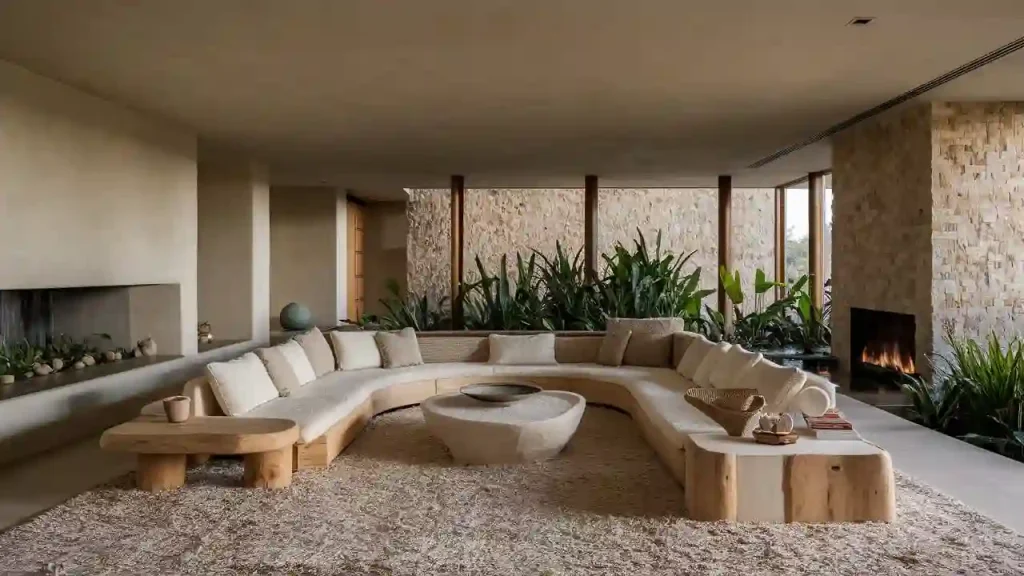
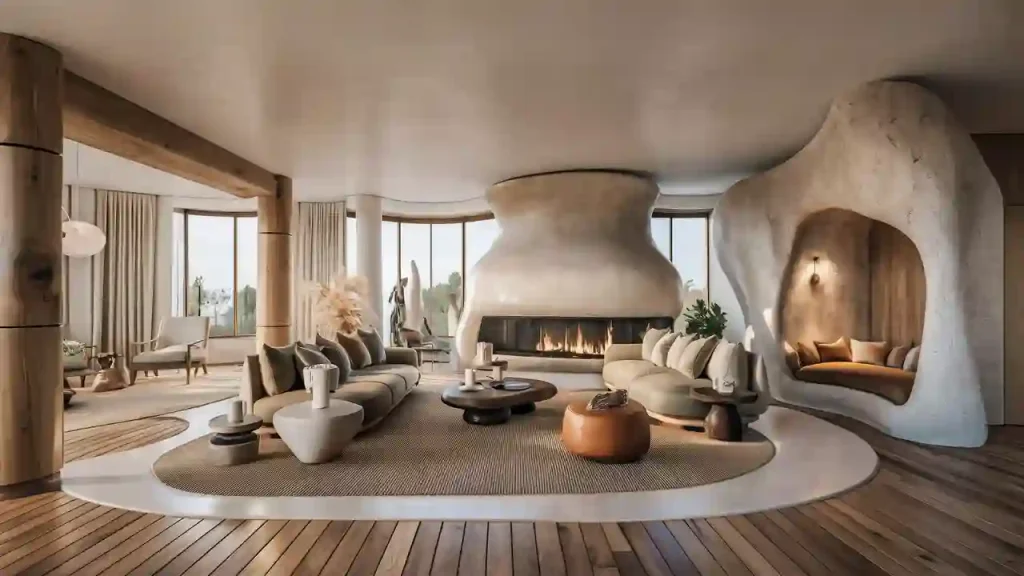
Organic modern living rooms are a popular interior design style that combines the sleek, minimalist aesthetic of modern design with the warmth and coziness of natural elements.
This style is characterized by the use of natural materials such as wood, stone, and leather, as well as earthy color palettes and a focus on sustainability. Organic modern living rooms are designed to be both stylish and comfortable, creating a space that is both functional and inviting.

Creating an organic modern living room requires a careful balance of form and function. The key is to create a space that is both visually appealing and comfortable to live in. This can be achieved through the use of natural materials, such as wood and stone, as well as earthy color palettes and a focus on sustainability.

By combining these elements with sleek, modern design, you can create a space that is both stylish and comfortable, and that reflects your personal style and values.
Neutral Color Palette
An organic modern living room is characterized by a combination of natural materials, clean lines, and a neutral color palette. The use of neutral colors in an organic modern living room creates a calming and relaxing atmosphere, allowing the focus to be on the natural textures and shapes of the furniture and decor.

The most common neutral colors used in an organic modern living room are white, cream, taupe, tan, and brown. These colors are often used as a base for the walls, allowing the furniture and decor to stand out. Black is also used as a grounding agent, adding contrast to the neutral color palette.
When selecting a neutral color palette for an organic modern living room, it is important to consider the lighting in the room. Natural light can enhance the colors and textures of natural materials, while artificial lighting can create a warm and cozy atmosphere.
Natural Materials
In an organic modern living room, natural materials play a crucial role in creating a warm and inviting atmosphere. The use of natural materials such as wood, stone, and leather, among others, is a defining characteristic of this style.

When selecting furniture for an organic modern living room, choose pieces that showcase the natural grain and patterns of the material, with minimal embellishments. Opt for organic fabrics like cotton and linen for curtains and pillows instead of synthetic materials.

Hardwood floors are a popular choice for an organic modern living room, as they add warmth and texture to the space. Stone accents, such as a fireplace or accent wall, can also infuse the room with an earthy solidity.
Incorporating natural materials into an organic modern living room not only adds visual interest but also creates a connection to the natural world. It’s important to strike a balance between the modern and organic elements to create a cohesive and inviting space.
Minimalist Furniture
Minimalist furniture is a key component of an organic modern living room. It is characterized by clean lines, simple shapes, and a lack of ornate details. The focus is on functionality and simplicity, with an emphasis on quality over quantity.

In an organic modern living room, minimalist furniture can take many forms. For example, a simple leather sofa with clean lines and minimal embellishments can be paired with a streamlined coffee table made of natural materials such as wood or stone. Similarly, a sleek armchair in a neutral color can be paired with a minimalist side table and a floor lamp with a simple, geometric design.

One of the benefits of minimalist furniture is that it allows the room to feel more spacious and open. By avoiding clutter and unnecessary details, the furniture helps to create a sense of calm and relaxation. Additionally, minimalist furniture is often more durable and long-lasting than its more ornate counterparts, making it a practical choice for a living room that is meant to be both stylish and functional.
Indoor Plants
One of the key elements of an organic modern living room is the incorporation of indoor plants. Plants not only add a touch of nature to the space but also help to purify the air and create a more relaxed atmosphere.

When selecting plants for an organic modern living room, it’s important to choose a variety of sizes and shapes to create visual interest. Large floor plants can serve as statement pieces, while smaller plants can be grouped together on shelves or tables.

In terms of plant care, it’s essential to choose plants that thrive in the specific lighting and temperature conditions of the room. Some popular options include snake plants, fiddle leaf figs, and ZZ plants, all of which are low-maintenance and can tolerate a range of light conditions.
To add even more interest to the space, consider incorporating hanging plants or creating a vertical garden. These features not only add visual appeal but also help to maximize the use of space in a smaller living space.
Textured Fabrics
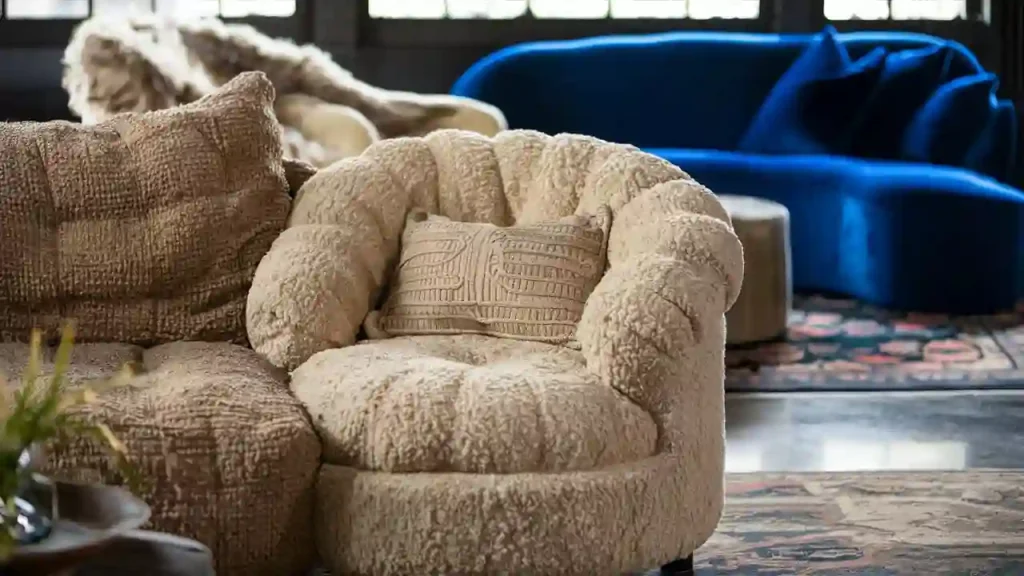
In an organic modern living room, the use of textured fabrics is a key element to create a warm and inviting atmosphere. Textured fabrics such as wool, linen, and cotton add depth and interest to a space, while also providing a tactile experience.

When selecting textured fabrics for an organic modern living room, it’s important to consider the overall color palette of the space. Neutral tones such as beige, cream, and gray or their washe undertones work well with textured fabrics, as they allow the texture to take center stage.
Bold pops of color can also be incorporated through textured fabrics, such as a bright blue velvet sofa or a patterned rug.

Adding visual interest, textured fabrics can also help to absorb sound in a room, making it feel more cozy and intimate. This is especially important in larger spaces with high ceilings and hard surfaces, which can create an echo effect.
Statement Lighting
In an organic modern living room, statement lighting is a key element that can bring a unique touch to the space. The lighting fixtures should be both functional and visually appealing, adding to the overall design aesthetic of the room.

One popular option for statement lighting in an organic modern living room is an overhang light fixture. These fixtures can be used to create a more concise room, drawing the eye upwards and adding a sense of height to the space. Wall sconces can also be used to add a warm and inviting glow to the room.

When choosing statement lighting for an organic modern living room, it’s important to consider the overall design aesthetic of the space. Lighting fixtures should complement the other design elements in the room, such as furniture, accessories, and artwork.
For example, a bold and colorful statement light fixture can add a pop of color to a neutral living room, while a more subdued fixture can blend seamlessly into a room with a more minimalist design.
Open Floor Plan
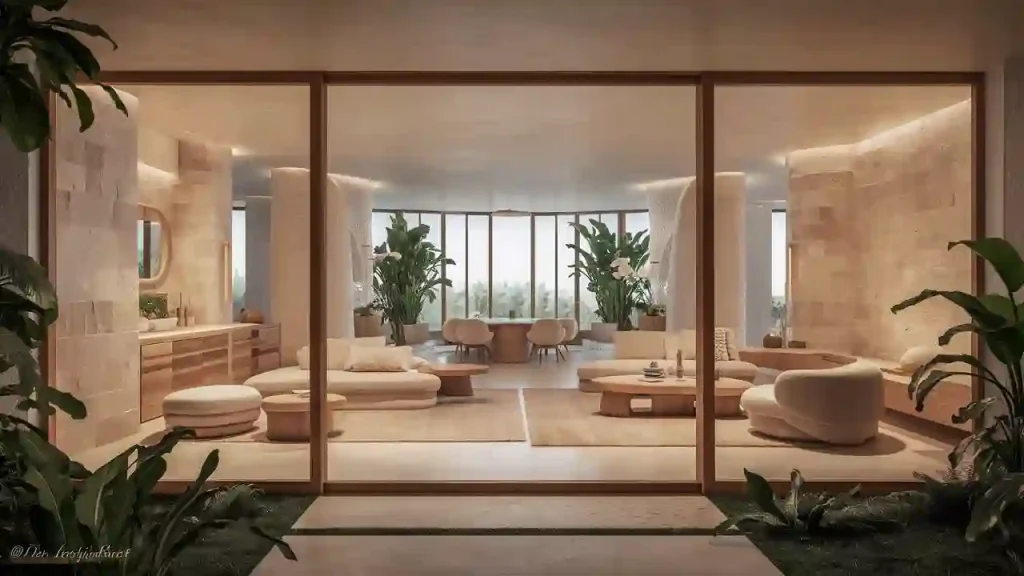
An open floor plan is a hallmark of organic modern living rooms. This design style emphasizes the connection between indoor and outdoor spaces, and an open floor plan is the perfect way to achieve this.
By eliminating walls and barriers between the living room and other areas of the home, such as the dining room or kitchen, an open floor plan creates a sense of flow and connectivity. This allows natural light to travel freely around the space, creating an inviting atmosphere.

In an organic modern living room, an open floor plan also provides an opportunity to showcase natural materials and textures. For example, a hardwood floor can be allowed to flow throughout the space, creating a seamless transition between rooms.
An open floor plan also allows for flexibility in furniture placement. Without walls to dictate where furniture should go, homeowners can experiment with different arrangements until they find the perfect fit.
Sustainable Decor
Sustainable decor is an essential aspect of an organic modern living room. It involves the use of materials that are eco-friendly, non-toxic, and renewable. The goal is to create a space that is not only stylish and functional but also environmentally responsible

One way to incorporate sustainable decor in a living room is by using furniture made from reclaimed or recycled materials. This not only reduces waste but also adds character and uniqueness to the room. Another option is to choose furniture made from sustainably sourced materials such as bamboo, cork, or FSC-certified wood.

In addition to furniture, sustainable decor can also be achieved through the use of natural textiles such as organic cotton, linen, or hemp. These materials are not only better for the environment but also provide a comfortable and cozy feel to the room.
Artisanal Accessories
To truly bring an organic modern living room to life, it’s important to incorporate artisanal accessories. These are unique, handcrafted items that add character and warmth to the space.

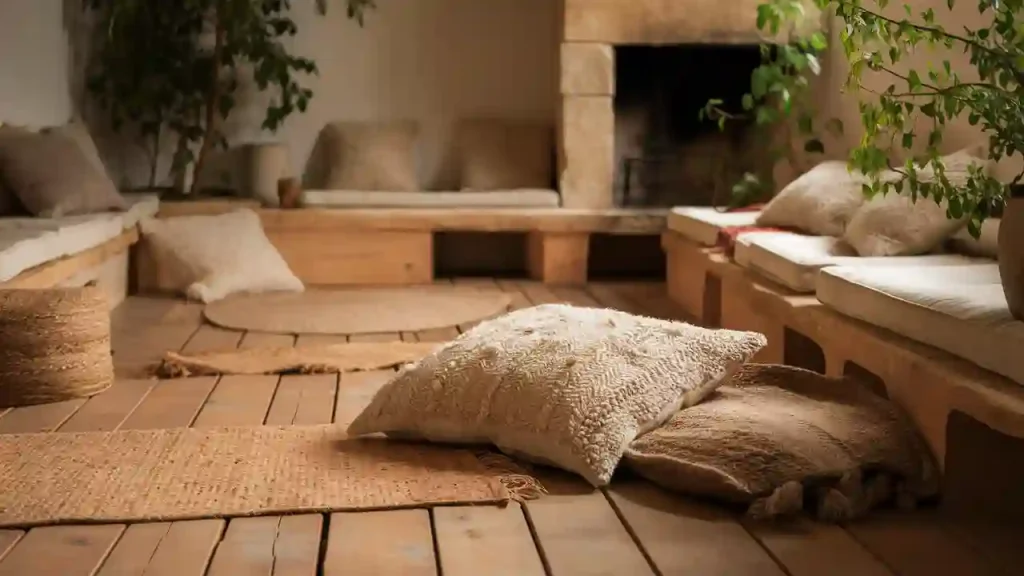
One great way to do this is by adding a handmade rug. This not only adds texture and color to the room, but also supports the work of talented artisans. Look for rugs made from natural materials like wool, cotton, or jute.

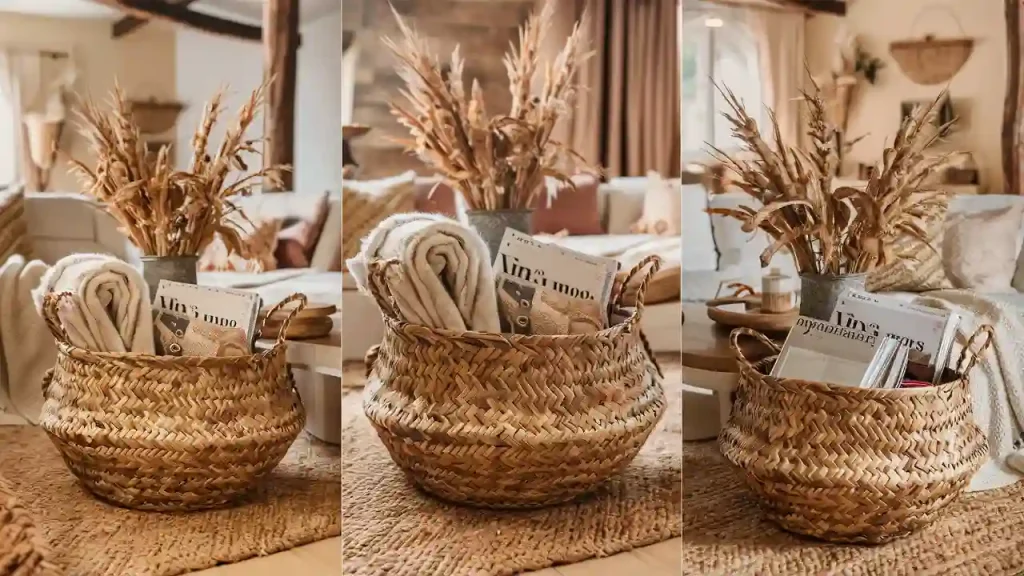
Consider adding woven baskets to the living room. These can be used to store blankets, magazines, or other items, and add a rustic touch to the space. Look for baskets made from natural fibers like seagrass or rattan, and choose a size and shape that fits with the overall aesthetic of the room.
Clean Lines
Clean lines are a crucial aspect of an organic modern living room. The style is all about simplicity and minimalism. Therefore, furniture with clean lines is the perfect fit for this design. The use of straight edges, geometric shapes, and crisp angles creates a sleek and sophisticated look that is both timeless and modern.
In an organic modern living room, clean lines can be found in the furniture, accessories, and even the architecture of the space. The use of natural materials such as wood, stone, and metal can also add to the clean and minimalistic feel of the room.

Clean lines can be achieved through furniture pieces such as sofas, chairs, tables or buildgin’s sturctural elements. Look for pieces that have simple and straight designs, with minimal embellishments. This will help to create a cohesive and streamlined look in the room.
The use of neutral colors and monochromatic schemes can also enhance the clean lines in an organic modern living room. This allows the furniture and accessories to stand out, while still maintaining the simplicity and elegance of the space.
Balancing Modern and Organic Styles
Mixing Textures in Organic design
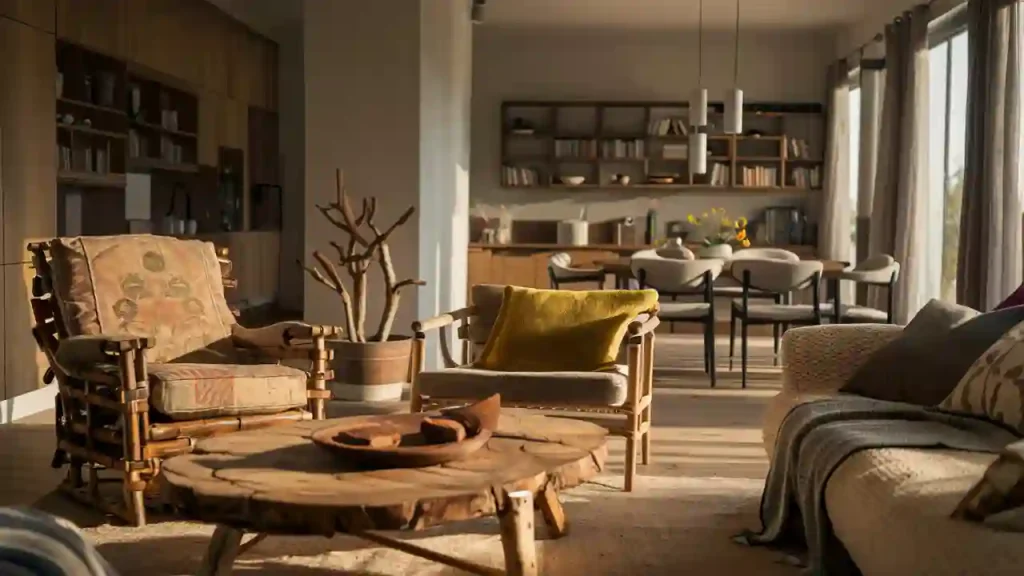
One way to balance modern and organic styles is by mixing textures. For example, a sleek modern sofa can be paired with a rustic wooden coffee table. Adding a plush rug and textured throw pillows can also help create a cozy and inviting atmosphere.

Incorporating natural materials such as wood, stone, and leather can also help bring an organic feel to the space. Look for furniture pieces that showcase the natural grain and patterns of the material, with minimal embellishments. Instead of synthetic materials for curtains and pillows, opt for organic fabrics like linen and cotton.
Blending Indoor and Outdoor Spaces
Another way to balance modern and organic styles is by blending indoor and outdoor spaces. This can be achieved by incorporating natural elements like plants and natural light.
Large windows or glass doors can help bring the outdoors inside, creating a seamless transition between indoor and outdoor spaces.

Incorporating outdoor furniture pieces like wicker chairs or a wooden bench can also help create a natural and organic feel. Adding a few potted plants or a vertical garden can also help bring a touch of nature to the space.
By mixing textures and blending indoor and outdoor spaces, it’s possible to create an organic modern living room that is both stylish and inviting.