George is a seasoned interior designer and property marketing strategist with over 13 years of experience. He specializes in transforming properties into visually stunning spaces, helping clients recognize the potential and beauty in each property. With an impressive international client base of exciting projects throughout Europe and America.

Reliable contractors are not universal in the construction industry. Hiring licensed contractors is essential for modern architectural projects. Not all contractors possess proper licensing, but they can be reliable, too.
Licensed professionals typically comprise 70-80% of contractors in developed markets, ensuring adherence to building codes and safety standards crucial for contemporary designs. Licensed professionals will often charge more at least 15-25% more since they have more expenses to cover, including licensing fees, insurance, and ongoing education.

Hiring unlicensed contractors for modern architectural projects can lead to numerous serious issues:
Substandard workmanship plagues approximately 60% of projects handled by unlicensed contractors, compromising the structural integrity and aesthetic appeal of modern designs. Safety hazards emerge in 40-50% of cases due to improper installation of advanced systems or mishandling of innovative materials.
For example, an unlicensed contractor attempting to install a complex automated facade system on a modernist office building may lack the specialized knowledge to properly integrate the system with the building’s structural elements. This could result in malfunctioning components, energy inefficiency, or even facade failure, putting occupants at risk and tarnishing the building’s architectural vision.
To avoid such outcomes, thoroughly research potential contractors’ credentials and experience with modern architectural techniques. Verify their familiarity with cutting-edge materials, sustainable practices, and local building codes specific to contemporary designs. Request detailed portfolios of their work on similar projects and speak directly with past clients about their experiences.
Choosing a licensed contractor versed in modern architecture safeguards your investment, ensures regulatory compliance, and brings your innovative design concepts to life with the expertise they demand.
Often, DIY owners hire licensed contractors as a last resort after trials of unlicensed or inexperienced workers, and without a specified project, even the best contractors will struggle to meet expectations or comply with regulations.
For example, a licensed contractor working on a cutting-edge sustainable high-rise will have the necessary expertise to implement complex energy-efficient systems and innovative materials. Their credentials verify their ability to handle the intricacies of modern architectural elements, from smart home integrations to green building practices.
To achieve the best outcome when embarking on a modern architectural project, carefully verify a contractor’s licensing status before engagement. Request proof of current licenses, check with local licensing boards, and seek references from previous clients who have completed similar contemporary projects.
Licensed contractors prove essential for executing modern interior design projects. Their expertise ensures the realization of complex, integrated systems and bespoke elements characteristic of TALLBOX designs.
A recent high-end residential project featured a custom-designed smart home system integrated seamlessly with the interior architecture. The licensed contractor’s specialized knowledge guaranteed flawless technology integration while meeting safety and building code requirements.
For example, during the installation of a state-of-the-art automated lighting system, our chosen contractor demonstrated precise understanding of both the technical aspects and the design intent. They skillfully coordinated the placement of hidden sensors with our carefully planned aesthetic elements, resulting in a sophisticated ambiance that responds intuitively to occupants’ needs.
To achieve optimal results, thoroughly vet potential contractors before engagement. Review their portfolio for experience with contemporary design elements, verify their current licensing status, and contact references who can attest to their work on similar projects.
Licensed professionals possess the technical acumen to execute innovative designs accurately. Their involvement safeguards design integrity, ensures regulatory compliance, and delivers the high-caliber results discerning clients expect. The right contractor’s role in modern interior design equals the importance of the design concept itself in achieving project success
Do you need to hire licensed if you are in the countryside?
Hiring good, reliable, and licensed contractors is even more important in the countryside settings, as rural projects face unique challenges and regulations that licensed professionals are better equipped to handle.

For example, a licensed contractor working on a modern farmhouse renovation understands the intricacies of integrating contemporary design elements with traditional rural architecture. They possess the knowledge to properly install advanced septic systems, implement alternative energy solutions like solar panels, or ensure proper ventilation in barn conversions – all while maintaining the aesthetic charm of the countryside setting.
Are licensed good contractors hard to come by?
Licensed and skilled contractors are available in most areas, though their accessibility varies. High-demand regions may experience shortages of 15-20% in licensed contractors, particularly for specialized modern architectural projects.
Urban centers typically offer a larger pool of licensed contractors, with 80-85% of professionals holding proper credentials. Rural areas may have fewer options, with only 60-70% of available contractors being licensed.

For example, a homeowner in a 1,000,000 population city seeking a contractor for a modern home renovation might easily find several licensed professionals specializing in contemporary design. They could choose from contractors experienced in implementing smart home systems, energy-efficient technologies, and cutting-edge materials.
Expertise in Modern Architectural Techniques
Modern architecture is defined by its innovative use of space, materials, and technology. Licensed contractors bring a wealth of specialized knowledge to the table, ensuring that these cutting-edge designs are executed flawlessly.
They are familiar with the latest construction techniques, from sustainable building practices to advanced structural engineering.

Example: Consider the installation of a green roof—an increasingly popular feature in modern homes. A licensed contractor understands the intricacies of installing such a system, from waterproofing to proper plant selection, ensuring that the green roof not only looks stunning but also functions efficiently without causing leaks or structural damage.
Contractor Compliance and Quality
Licensed contractors navigate building codes, zoning laws, and safety regulations effectively. Their expertise ensures project compliance with local regulations, guaranteeing long-term safety and durability.
For example, a licensed contractor overseeing a modern cantilevered structure’s construction ensures it meets all safety standards. They use correct materials and techniques, preventing future structural failures.
Red flags indicating an unlicensed contractor include:
- Reluctance to provide license numbers or insurance information
- Pressure for immediate decisions or large upfront payments
- Lack of written contracts or permits
- Unwillingness to obtain necessary permits
- Requests for cash-only transactions

Unlicensed contractors often cut corners, using substandard materials or skipping crucial safety steps. This negligence leads to 30-40% of unlicensed projects failing inspections or requiring significant rework.
To safeguard your modern architectural project:
- Verify the contractor’s current licensing status before hiring
- Request proof of licenses and check with local licensing boards
- Seek references from clients who completed similar contemporary projects
- Insist on detailed written contracts and proper permitting
Prioritizing licensed contractors for modern architecture projects ensures compliance with evolving building standards, mitigates risks associated with complex designs, and delivers high-quality results that align with your architectural vision.
How to mitigate contractor Risks and Liabilities?
Verify insurance coverage before project commencement. Licensed contractors typically carry general liability insurance and workers’ compensation, protecting you from potential lawsuits or on-site accidents. Uninsured contractors leave property owners exposed to 100% of accident-related costs.
Example: Imagine a scenario where an unlicensed contractor installs faulty electrical wiring, leading to a fire. The homeowner could be held liable for damages, whereas a licensed contractor would have insurance to cover such incidents, mitigating the homeowner’s risk.

Implement clear, detailed contracts. Specify project scope, timelines, payment schedules, and quality standards. Well-drafted contracts reduce misunderstandings and disputes by 70-80%.
Establish a payment schedule tied to project milestones. Avoid large upfront payments; instead, release funds as work progresses and passes inspections. This approach motivates consistent quality and protects against financial loss.
For example, when renovating a modernist home with extensive glass facades, a licensed contractor provides proof of specialized insurance covering high-value materials. The contract outlines specific installation techniques and safety measures for the glass panels, reducing the risk of costly breakages or improper installation. The contractor may also have a partnership with a franchise firm with experience in modernist home renovations, providing access to specialized tools and resources. This collaboration ensures that the renovation process will be carried out with precision and expertise, meeting the high standards of the modernist design. By leveraging the expertise and resources of a franchise firm, the contractor can confidently deliver a top-notch renovation that preserves the integrity of the original architecture.
To achieve the best outcome:
- Request and verify the contractor’s insurance certificates
- Consult with a legal professional to review and strengthen contracts
- Conduct regular site inspections to ensure work meets specified standards
- Maintain open communication channels for addressing concerns promptly
Common Pitfalls of Not Hiring a Licensed Contractor
Choosing to work with an unlicensed contractor might seem like an easy way to cut costs, but it often leads to more significant problems down the line. Without the proper credentials, unlicensed contractors may lack the necessary training and expertise to handle modern architectural projects, which can result in poor-quality work, safety issues, and legal complications.
Substandard Workmanship
When cutting corners by hiring an unlicensed contractor, you may initially save money, but the long-term costs could be significant. Unlicensed contractors often lack the training and experience required for modern architectural projects, resulting in poor workmanship and potentially dangerous defects.
Example: An unlicensed contractor might use inferior materials or outdated methods, leading to issues like uneven floors or improperly installed windows. These problems not only detract from the aesthetic appeal but can also reduce the building’s energy efficiency and overall value.
Legal and Financial Consequences
Hiring an unlicensed contractor can lead to a host of legal and financial problems. If the work doesn’t comply with local building codes, you could face fines, be forced to make costly repairs, or even have to demolish non-compliant parts of the structure. Unlicensed contractors are unlikely to have insurance, leaving you exposed to significant financial risk if something goes wrong.
Example: A homeowner who hired an unlicensed contractor for a modern home extension ended up with a structure that violated local zoning laws. The result was a legal battle that led to hefty fines and the expensive process of bringing the extension up to code.
Case Studies and Real-Life Examples
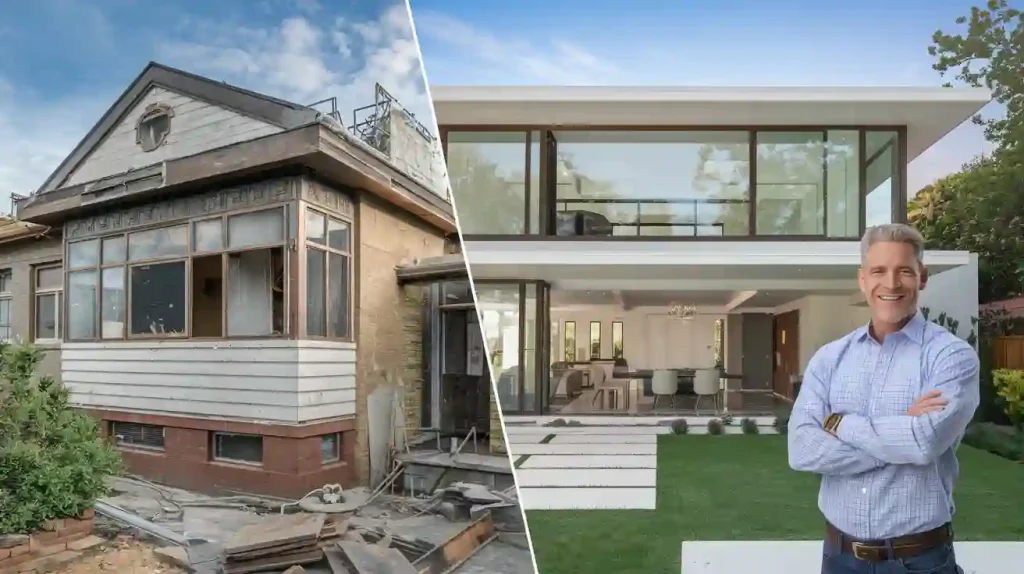
To truly understand the value of hiring a licensed contractor, it’s helpful to look at real-world examples where their expertise made a significant difference.
Whether it’s a residential renovation or a commercial construction project, licensed contractors bring a level of professionalism and attention to detail that ensures success. The following examples illustrate how licensed contractors have navigated complex challenges, delivered high-quality results, and avoided common pitfalls in modern architectural projects.
A Modern Home Renovation in Los Angeles
A homeowner in Los Angeles wanted to update their 1960s-era home with a modern aesthetic. They hired a licensed contractor who specialized in contemporary design.
The contractor meticulously planned every detail, from the open-concept living spaces to the installation of large, energy-efficient windows. The result was a stunning transformation that increased the home’s value and functionality. Because the contractor was licensed, they ensured that all work met local codes, avoiding any potential legal issues down the line.

Sustainable Office Building in New York City
A company in New York City sought to build a new office space that embodied its commitment to sustainability. They hired a licensed contractor experienced in green building practices. The contractor implemented energy-saving technologies like solar panels and a rainwater harvesting system.
Despite the complexity of the project, the contractor’s expertise ensured that everything was completed on time, within budget, and in compliance with environmental regulations. This project is now a benchmark for sustainable design in the region.

When it comes to modern architecture, the importance of hiring a licensed contractor cannot be overstated. From ensuring compliance with regulations to delivering high-quality workmanship, licensed contractors bring invaluable expertise to your project.
They help you navigate the complexities of modern design and construction, ultimately protecting your investment and ensuring that your vision becomes a reality. Don’t compromise on quality or safety—choose a licensed contractor for your modern architectural project.