George is a seasoned interior designer and property marketing strategist with over 13 years of experience. He specializes in transforming properties into visually stunning spaces, helping clients recognize the potential and beauty in each property. With an impressive international client base of exciting projects throughout Europe and America.

Buying a house in a beach location is an exciting and significant milestone for home-buyers. Whether preferring a vacation home, rental property, or permanent living in coastal areas, there are various factors to consider to ensure a satisfying purchasing experience.
Based on its location, size, and amenities, the cost of buying a beach house varies from $300,000 for a small shed in a remote island to a $7,950,000
for Beds: 3 Baths: 3 | 1 Sq. Ft.: 3,325 on Anna Maria Island, Fl.
Depending on the purpose of the purchase—investment, retirement, family growth, or weekend retreat—start by reviewing your financial position, including savings accounts, income, and liabilities this is called Purpose-Driven Budgeting.
This assessment will help you determine the amount that you can comfortably afford to spend on a beach house.

Buying the wrong beach house can lead to significant problems. For example, a family might purchase a beautiful oceanfront property, only to discover during the first storm season that severe beach erosion threatens the home’s foundation. This situation could result in costly repairs, decreased property value, and potential safety hazards.
To achieve the best outcome when buying a beach house, conduct thorough research and due diligence. Hire a local real estate agent familiar with coastal properties, obtain a comprehensive home inspection focusing on potential water damage and structural integrity, and research the area’s erosion patterns and flood zones. Consult with insurance providers about coverage options and costs for coastal properties, as these can be significantly higher than inland homes.
Careful consideration of these factors helps buyers avoid costly mistakes and ensures they find a beach house that provides both enjoyment and long-term value. By taking these precautions, prospective owners can minimize risks associated with coastal properties and make an informed decision that aligns with their goals and budget.
For purchasing a beach house, it’s essential to have a clear project plan in mind. You can handle this process on your own or hire a real estate agent to guide you. Working with a professional real estate agent will typically cost between 3% to 6% of the home’s purchase price, but their expertise in negotiation can save you thousands of dollars in the long run.

To achieve the best outcome when buying a beach house, conduct thorough research and due diligence. Hire a local real estate agent familiar with coastal properties, obtain a comprehensive home inspection focusing on potential water damage and structural integrity, and research the area’s erosion patterns and flood zones. Consult with insurance providers about coverage options and costs for coastal properties, as these can be significantly higher than inland homes.
Careful consideration of these factors helps buyers avoid costly mistakes and ensures they find a beach house that provides both enjoyment and long-term value. By taking these precautions, prospective owners can minimize risks associated with coastal properties and make an informed decision that aligns with their goals and budget.
Future Development and Zoning Regulations: One crucial aspect often overlooked is understanding future development plans and zoning regulations in the area. A beach house might seem like a dream investment today, but if there are plans for high-rise developments, new roads, or commercial projects nearby, the value and desirability of your property could change dramatically. Researching local zoning laws and future development plans can help you avoid potential pitfalls and ensure your investment remains sound.
Seasonal Variability and Rental Income: Many buyers underestimate the impact of seasonal variability on rental income. While beach houses can generate significant revenue during peak seasons, they may sit vacant for months during the off-season. It’s essential to calculate not just the potential peak income, but also the costs associated with maintaining the property year-round, including utilities, upkeep, and management fees. Understanding the true annual yield, rather than just the peak season returns, is crucial for a successful investment.
Environmental Risks and Insurance Costs: Environmental factors such as erosion, hurricanes, and rising sea levels are critical considerations that can affect both the longevity and the insurance costs of your beach house. Properties in areas prone to natural disasters may have higher insurance premiums, and in some cases, insurers might refuse coverage altogether. It’s vital to conduct a thorough environmental assessment and factor in the long-term costs and risks associated with climate change and natural events when evaluating a potential beach house investment.
Why buy beachfront property?

- Investment: Beachfront properties tend to appreciate in value over time due to their limited supply and high demand. For example, a modest coastal cottage purchased decades ago may now be worth millions, outpacing the appreciation of inland properties.
To maximize appreciation potential, research emerging coastal areas with growing popularity but still-reasonable prices. Look for locations with planned infrastructure improvements or increasing tourist interest, as these factors often precede significant property value increases.
This appreciation potential not only provides a strong return on investment but also serves as a hedge against inflation, making beachfront property an attractive long-term investment option.

- Rental income opportunities: Beachfront properties often command premium rental rates, especially during peak vacation seasons. A well-located beach house can generate substantial passive income through short-term rentals.
To optimize rental income, invest in properties in popular tourist destinations with extended peak seasons. Consider amenities that enhance rental appeal, such as easy beach access, outdoor entertainment areas, or modern interiors.
Consistent rental income can offset ownership costs and potentially provide a steady revenue stream, making the property not just a personal retreat but also a profitable investment.

- Personal enjoyment and lifestyle benefits: Owning a beachfront property provides unparalleled access to coastal living and recreational activities. The ability to walk out your door onto the sand offers a lifestyle many find deeply appealing and relaxing.
To enhance personal enjoyment, choose a location that aligns with your interests, whether it’s surfing, fishing, or simply enjoying peaceful sunsets. Consider the proximity to amenities and activities that matter most to you and your family.
The lifestyle benefits of beachfront ownership extend beyond monetary value, offering stress reduction, improved quality of life, and the creation of lasting memories for you and your loved ones.
Why not to buy beachfront property?
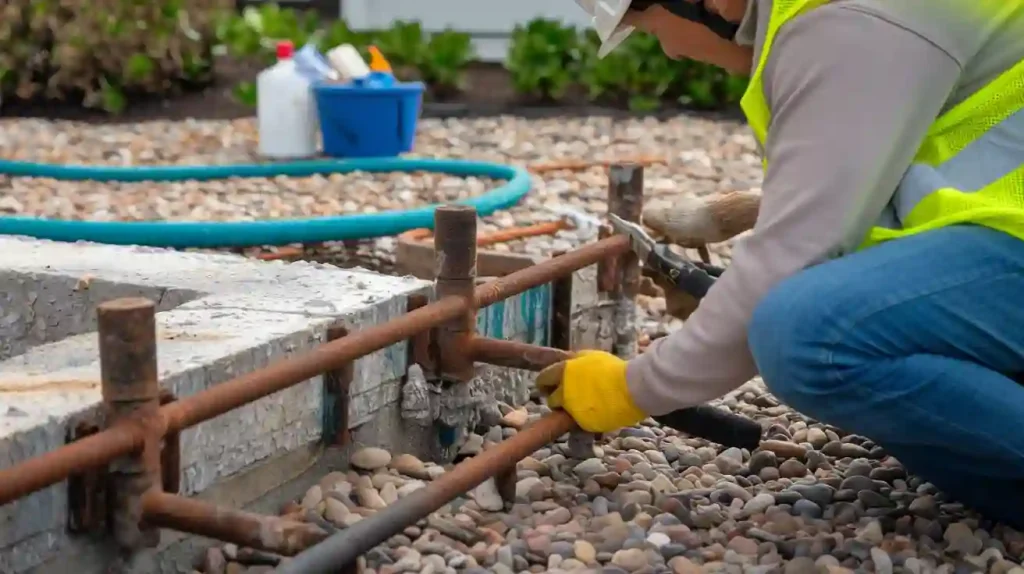
- During the 21st century and beyond, coastal properties face unique environmental challenges.
For example, a beachfront home in Florida might be at high risk of hurricane damage, potentially leading to costly repairs or even total loss of the property. Rising sea levels and coastal erosion threaten many shoreline areas, gradually diminishing land and compromising structures.
To mitigate these risks, research historical weather patterns and projected climate changes for the area. Consider properties on higher ground or with robust coastal protection measures in place. Recognize that even the best preparations may not fully protect against severe environmental events.
Understanding and accepting these environmental risks is crucial. They can significantly impact both the short-term enjoyment and long-term value of the property, potentially turning a dream investment into a financial burden.

- Beachfront properties come with substantially higher costs across multiple areas. Insurance premiums for coastal homes can be exorbitant due to the increased risk of natural disasters. Maintenance costs are often higher because of exposure to salt air, humidity, and extreme weather conditions.
To manage these costs, obtain detailed estimates for insurance, maintenance, and potential storm-proofing measures before purchasing. Factor in the need for specialized materials and more frequent repairs when budgeting for long-term ownership.
These elevated costs can significantly reduce the overall return on investment and strain finances, especially if the property is not generating consistent rental income to offset expenses.

- Limited privacy and seasonal crowds: Public beaches adjacent to private beachfront properties can lead to a lack of privacy, especially during peak tourist seasons. A seemingly secluded beach house might transform into a busy, noisy area during summer months, with crowds just steps from your doorstep.
To address this issue, carefully research local beach access points and seasonal tourism patterns. Consider properties in less-developed areas or those with natural buffers between the home and public beach areas.
The potential loss of privacy and tranquility can significantly impact personal enjoyment of the property, potentially undermining one of the primary reasons for purchasing a beachfront home in the first place.
Budget Plan for Beachfront property
Since beach houses are exposed to harsh weather conditions they require more maintenance, so make sure you evaluate the costs associated with possible repairs and upkeep. Consider the price of utilities, which can run slightly higher for waterfront properties because of increased energy consumption for cooling and dehumidification.

Consider the price of utilities, which can run slightly higher for waterfront properties because of increased energy consumption for cooling and dehumidification.
Financing an Anna Maria real estate property involves securing a mortgage which often comes with higher interest rates and down payment requirements due to the increased risk associated with coastal properties.
To mitigate these challenges, budget for regular maintenance, invest in energy-efficient systems, and shop around for specialized coastal property insurance. Consult with local lenders familiar with Anna Maria Island real estate to understand financing options and requirements specific to this market.
Factoring in these considerations helps investors accurately assess the total cost of ownership, ensuring their beach house investment remains profitable and enjoyable in the long term.
Questions to ask when buying a beach house
1. Investment to Rent Out:
Financials:
- What is the average rental income for similar properties in the area?
- What are the occupancy rates throughout the year?
- What are the typical expenses associated with owning and renting out a beach house (e.g., property taxes, insurance, maintenance, HOA fees, utilities, property management fees)?
- Are short-term rentals allowed, and if so, are there any regulations or restrictions?
- What is the potential return on investment (ROI)?
Property & Location:
- How close is the property to the beach and other attractions?
- Is the property in a desirable location for renters?
- What is the condition of the property, and are there any potential maintenance issues to be aware of?
- Is the property structurally sound, especially considering its proximity to the coast (salt air, potential for storms, flood zone)?
- What amenities are included that would attract renters (e.g., pool, hot tub, decks, outdoor space, games)?
- Is there a reliable property management company in the area if you choose to not manage it yourself?
2. Holiday Home:
Property & Location:
- How close is the property to the beach and activities you enjoy?
- Is the property large enough to comfortably accommodate your family and guests?
- Does the property offer privacy and seclusion, or is it in a busy, touristy area?
- What is the neighborhood like? Are there amenities nearby (restaurants, shops, grocery stores)?
- What is the parking situation like?
- How far is the drive from your primary residence?
Lifestyle:
- What is the weather like during different seasons?
- Is the area prone to hurricanes or other natural disasters?
- What activities and attractions are available in the area?
- Does the property offer the peace and relaxation you are seeking in a vacation home?
3. To Live:
Lifestyle:
- What is it like to live in this beach town year-round?
- How touristy does the area get during peak season?
- **What is the job market like if you plan on working? **
- Are there good schools and healthcare facilities nearby?
- What is the community like? Are there opportunities to meet people and make friends?
Property & Location:
- Is the property suitable for year-round living in terms of insulation, heating, and cooling?
- Does the property offer enough space for your needs, including storage for beach gear?
- Is the property located in a safe and secure neighborhood?
- How far is the property from essential services like grocery stores, pharmacies, and hospitals?
- What are the property taxes and insurance rates like in the area?
For All:
- What is the history of the property?
- Have there been any recent renovations or repairs?
- What is included in the sale (e.g., appliances, furniture)?
- Can you obtain homeowners insurance, and are there specific requirements for beach properties in the area?
- How much are closing costs likely to be?
- Do you have a trusted real estate agent with experience in beach properties?
These are just a starting point, and you should tailor your questions to your specific needs and priorities. It’s crucial to do your research and carefully consider all factors before making such a significant investment.
Property Conditions
When buying a beach house, assessing the condition of the property is important. Beach properties experience greater exposure to environmental elements like salt water, humidity, and high winds. Before making an offer, conduct a thorough inspection of the property to identify issues.
When considering a beach property, it’s important to look for specific issues that can affect both the value and enjoyment of your investment. Here are some key beach property-related issues to watch out for:
Erosion and Shoreline Changes: Coastal erosion is a significant concern for beach properties. Over time, natural forces like waves, tides, and storms can cause the shoreline to recede, potentially threatening the structural integrity of your property. Check the history of erosion in the area and consult with experts to assess the long-term risks.
Flood Zones and Insurance Costs: Beachfront properties are often located in flood zones, which can lead to higher insurance premiums or difficulty in obtaining coverage. Be sure to review the property’s flood zone classification and understand the insurance implications. FEMA flood maps and local zoning offices can provide this information.
Saltwater Corrosion: The proximity to saltwater can lead to corrosion of building materials, especially metal components like railings, HVAC units, and plumbing. Inspect the property for signs of corrosion and consider the maintenance costs associated with ongoing repairs and replacements.
Hurricane and Storm Damage Potential: Coastal properties are vulnerable to hurricanes and severe storms, which can cause significant damage. Evaluate the property’s storm preparedness features, such as impact-resistant windows, storm shutters, and reinforced roofs. Additionally, review the building codes in the area to ensure the property meets the required standards.
Environmental Regulations and Restrictions: Many beach areas are subject to strict environmental regulations designed to protect coastal ecosystems. These regulations may limit the ability to expand or renovate the property, or even restrict activities like constructing a seawall or clearing vegetation. Check with local authorities to understand any restrictions before purchasing.
Access and Infrastructure: Some beach properties are in remote locations where infrastructure like roads, utilities, and emergency services might be limited. Consider the accessibility of the property, especially during extreme weather conditions, and whether the existing infrastructure meets your needs.
Tourism and Seasonal Impact: If the property is in a popular tourist destination, you may face issues with noise, overcrowding, and traffic during peak seasons. On the flip side, during the off-season, the area might become too quiet or lack essential services. Assess how these seasonal variations might impact your lifestyle or rental income.
Septic Systems and Water Quality: Many beach properties rely on septic systems, which require regular maintenance and can be susceptible to issues like overflow or contamination. Also, consider the quality of the water supply, especially if the property uses well water, as it could be affected by saltwater intrusion or local pollutants.
Property Boundaries and Public Access: Clarify the property’s boundaries and any easements that may exist. Some beachfront properties may have public access paths that cross through the land, which could impact privacy and security. Ensure you understand what parts of the beach are privately owned versus those that are public.
Long-Term Environmental Impact: Climate change poses long-term risks to coastal properties, including rising sea levels, increased storm frequency, and changing weather patterns. Consider these factors when evaluating the property’s potential for long-term investment and livability.

Look for water damage including any mold growth, which indicates serious problems with drainage or insulation. Also, check the electrical wiring to make sure they are in good condition and meet proper safety standards. Evaluate the essential facilities like the foundation, roofing, and walls of a house.
It is better to hire a home inspector or find someone who has experience in buying beach properties. A property inspector provides a complete review of your home condition and assists with any repairs or updates that need to be completed.
What type of buying coastal property does exist?
There are several types of coastal properties that one can buy, including:
- Beachfront homes: These properties are located directly on the beach and offer direct access to the water. They are usually more expensive than other coastal properties due to their prime location.
- Potential for High Rental Income: Ideal for vacation rentals.
- Waterfront homes: These properties are located on bodies of water such as bays, lakes, or rivers, not necessarily the ocean. They may have views of the water and may offer amenities such as a dock and boat slips and are ideal for boating, fishing, and other water activities.
- Oceanview Property: Located near the coast with unobstructed views of the ocean. Generally less expensive than beachfront properties but still offer beautiful views.
- Privacy: Often more private than beachfront properties.
- Coastal Inland Property: Located a short distance from the beach, often within walking or biking distance. Typically more affordable than beachfront and oceanview properties.
- Community Feel: Often situated in coastal communities with amenities like shops and restaurants.
- Island properties: These are properties located on small islands or atolls, often in exotic locations with crystal clear waters and coral reefs.
- High Appeal for Vacation Homes: Popular for holiday homes due to their exclusivity and scenic beauty.
- Resort Property: Often part of a resort community with access to amenities like pools, golf courses, and spas. Typically managed by the resort, which can simplify maintenance and rental management. Often gated with a strong sense of community and security.
- Vacation rentals: Coastal vacation rentals are properties that are rented out to vacationers on a short-term basis. They can range from small beachfront cottages to large oceanfront homes.
- Condos and townhouses: Coastal condos and townhouses are multi-unit residential buildings located near the beach or waterfront. They often offer amenities such as swimming pools, fitness centers, and community areas.
- Investment properties: Coastal investment properties are properties that are purchased with the intention of generating rental income from vacationers or long-term tenants. These properties may be located near popular tourist destinations or in areas with strong rental markets.
- Commercial properties: Coastal commercial properties, such as hotels, resorts, and marinas, can be bought for investment purposes or for operating a business in a coastal location.
Legal ways to buy coastal property
There are various ways to buy coastal property, each with its own advantages and drawbacks:
1. Fee Simple Ownership:
- What it is: This is the most common type of ownership. You own the land and the structure on it outright.
- Pros: Full control over the property, potential for appreciation, ability to modify or build as desired (zoning permitting).
- Cons: Full responsibility for maintenance, taxes, and any other expenses.
2. Condominiums:
- What it is: You own an individual unit within a larger building or complex, along with shared ownership of common areas (pools, grounds, etc.).
- Pros: Often more affordable than single-family homes, amenities may be included, and management of common areas is typically handled by an HOA.
- Cons: HOA fees can be high, less privacy, potential for conflicts with neighbors or the HOA, and restrictions on renovations or rentals.
3. Townhouses:
- What it is: Similar to condos but typically multi-level units with shared walls. You often own a small piece of land associated with the townhouse.
- Pros: Provides more privacy than a condo, potentially lower HOA fees than condos.
- Cons: Similar potential downsides to condos, including HOA rules and potential conflicts.
4. Co-Ownership:
- What it is: You purchase a share of the property with others, potentially using a legal structure like a Limited Liability Company (LLC).
- Pros: Can be more affordable for shared use, allows pooling resources for maintenance and expenses.
- Cons: Requires clear agreements with co-owners to avoid conflicts, limited flexibility in usage depending on the agreement.
5. Timeshares:
- What it is: You purchase the right to use the property for a specific time period each year.
- Pros: Can be a more affordable way to access a coastal property for a portion of the year.
- Cons: High upfront costs, ongoing maintenance fees, limited flexibility, and properties often depreciate in value.
6. Leasehold:
- What it is: You lease the property for a fixed term, typically for an extended period (e.g., 99 years), but do not own the land itself.
- Pros: Can be less expensive upfront than purchasing outright.
- Cons: You don’t build equity in the land, potential for lease payments to increase, and restrictions on property use.
7. Fractional Ownership:
- What it is: Similar to co-ownership but typically involves a luxury property managed by a company that handles maintenance and scheduling for each owner’s usage time.
- Pros: Access to high-end properties, professional management, and potential for appreciation.
- Cons: High upfront costs, ongoing fees, and limited control over usage schedules.
Before making any decisions, research local real estate laws, zoning regulations, and consult with a qualified real estate professional to determine the best option for your specific needs and financial situation.
How to select the location for a beach property?
The property’s proximity to transportation hubs significantly impacts its value and usability. A beach house located a 5-hour drive from the nearest airport may offer seclusion but limit rental potential and personal use frequency.
To optimize accessibility, balance your desire for privacy with practical considerations. Research travel times from major cities and airports. Consider properties within a 2-3 hour drive of metropolitan areas, striking a balance between accessibility and tranquility.
For example: The location of Anna Maria Island is an important factor that impacts your enjoyment and investment perspective. Each coastal area offers unique experiences and amenities. Are you looking for a beach town with lots of things to do or are you looking for something more peaceful?
Explore different coastal communities to find your right fit.
Check out the weather on beaches closer to you. In certain areas, there can be less frequent storms and it is cooler than in other regions.
Also, take into consideration its proximity to necessary life amenities like supermarkets, local medical facilities, and even local entertainment retreats.
Check out different areas, interact with the people, and understand what kind of an atmosphere a certain area has. Having this hands-on perception will enable you to make better purchasing decisions.
Is buy a shore house different ?
Yes, buying a shore house (a house on the shore of a lake or river) is different from buying a beach house (a house on the coast by the ocean). Both shore houses and beach houses offer unique advantages and considerations. The “better” option depends on your individual preferences, lifestyle, risk tolerance, and financial situation. Thoroughly research your chosen location and consult with local real estate professionals specializing in waterfront properties to make an informed decision.
Here are key aspects:
Yes, buying a shore house (a house on the shore of a lake or river) is different from buying a beach house (a house on the coast by the ocean) in sever
1. Natural Elements and Potential Hazards:
Shore Houses:
- Waterfront variations: Lake or riverfront properties can vary drastically. Consider the lake/river size, water quality, currents, flood plains, and potential for erosion.
- Seasonal changes: Lakes and rivers are susceptible to fluctuating water levels, potentially affecting access and enjoyment, especially during rainy seasons or droughts.
Beach Houses:
- Ocean impact: Salt air corrosion is a major factor for maintenance. Storm surges, hurricanes, and coastal erosion pose significant risks.
- Tidal changes: Direct oceanfront properties experience daily tidal changes, which might affect beach accessibility and view.
2. Lifestyle and Recreation:
Shore Houses:
- Calmer waters: Often better for swimming, kayaking, paddleboarding, and fishing, especially for families with young children.
- Potential for freshwater activities: Depending on the lake/river, opportunities for boating, waterskiing, wakeboarding, and fishing can be a significant draw.
Beach Houses:
- Ocean activities: Surfing, boogie boarding, whale watching, and sunbathing are typical draws.
- Often a “livelier” atmosphere: Beach towns often have vibrant tourism, nightlife, and social scenes.
3. Regulations and Legal Considerations:
Shore Houses:
- Riparian rights: These vary by location but generally govern water usage and access for waterfront properties. Understanding your rights and responsibilities is crucial.
- Lake/river associations: Be aware of any regulations, fees, or restrictions imposed by local associations managing the water body.
Beach Houses:
- Coastal regulations: Expect stricter building codes, potential restrictions on beachfront construction, and regulations related to protecting coastal ecosystems.
- Public access easements: Many coastal areas have public access easements allowing people to walk on the beach, even in front of private properties.
4. Investment Potential:
Shore Houses:
- Micro-market dependent: Values are heavily influenced by the specific lake/river, proximity to amenities, and the overall desirability of the area.
- Potential for strong appreciation: Well-maintained shore houses in desirable locations can see significant appreciation, but the market is generally more localized than beachfronts.
Beach Houses:
- Potentially higher demand: Often considered more desirable for vacation rentals and second homes, leading to potentially higher rental income potential.
- Susceptible to market fluctuations: The broader appeal can also mean more competition and greater vulnerability to market downturns.
l key aspects:
Evaluating Flood Threats and Insurance
Considering the flood risk of the property is important in your home-buying process. Study the flood maps and historical data to ascertain how likely they are in terms of flooding at its location. More than assessing flood frequency, buyers need to get the right type of insurance plan.
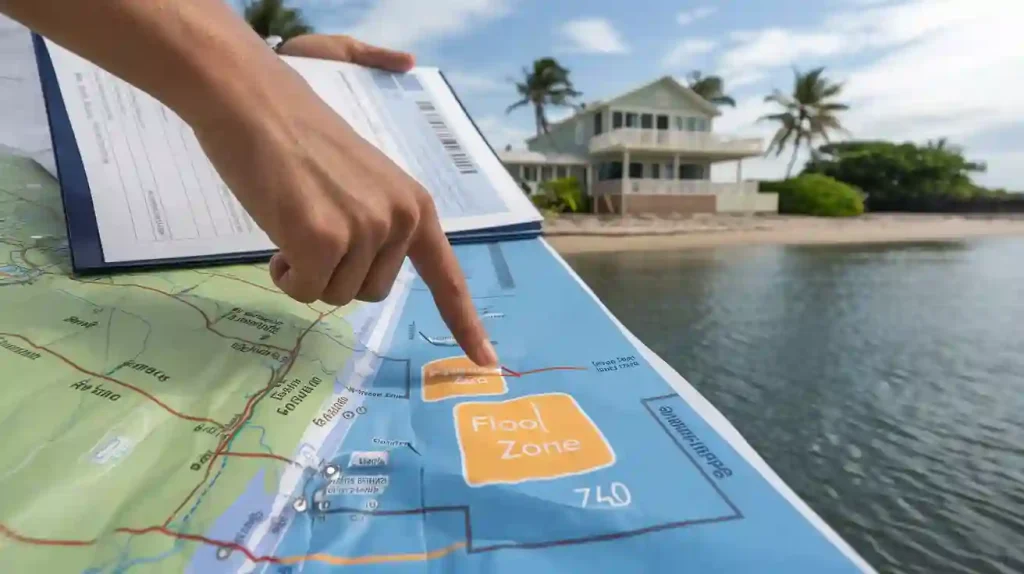
Consult with an insurance professional who focuses on properties near the coast, and determine the best policy for your needs. Check over the policy’s terms and conditions, including any deductibles amount required also limit of coverage or what is excluded.
What is the Rental Potential of a beach house?
Successful beach house vacation rentals can typically earn anywhere from $20,000 up to $50,000 in yearly rental income, although some could make less, and others, way more.
The location of the beach house is crucial. Areas with high demand for vacation rentals, such as Gulf Shores, Alabama, and certain cities in Florida such as Anna Maria Island and North Carolina, tend to offer higher rental income potential.
Hiring a professional property manager can help handle daily tasks, marketing, and tenant management, but this service comes at a cost, typically ranging from 8% to 12% of the collected rent.
Evaluating its rental potential is a key consideration if you plan to rent your beach house when you are not using it.
Look at the local rental market conditions to check what sort of demand is there for vacation rentals in the area and how much people tend to charge. Research properties similar to the one you are looking at, so you can get an idea of how they are doing in terms of occupancy and rental income.
The three main things to consider when buying a beach house (from homeowners point of view)
Location, Location, Location (and its implications): While this mantra applies to all real estate, it’s amplified for beach houses. Consider:
- Proximity to the Beach: How close do you really want to be? Oceanfront is stunning but comes at a premium (price, potential storm damage, less privacy). A short walk is often the sweet spot.
- Accessibility: Is the beach easily accessible? Public access points matter if your property isn’t beachfront. Are there stairs, steep cliffs, or long walks involved?
- Neighborhood Vibe: Touristy and bustling, quiet and secluded, or somewhere in between? This impacts your enjoyment and potential rental income.
- Amenities & Services: Are restaurants, grocery stores, medical care within a reasonable distance, or will every errand be a trek?
Total Cost of Ownership (Beyond the Purchase Price):
- Insurance: Flood insurance is often mandatory and expensive in coastal areas. Homeowners insurance is generally higher too.
- Maintenance & Upkeep: Salt air is corrosive. Expect higher maintenance costs for exterior painting, rust prevention, landscaping, etc.
- Potential for Natural Disasters: Are you in a hurricane-prone zone? This impacts insurance, preparedness, and potential for property damage.
- Property Taxes and HOA Fees: These can be significantly higher in desirable beach areas.
Lifestyle Alignment & Realistic Expectations:
- Full-Time vs. Vacation Home: Your needs differ drastically. Full-time living requires considering schools, job markets, and year-round livability.
- Rental Income Potential vs. Personal Enjoyment: If renting is part of the plan, some compromises on your ideal features might be needed to attract renters.
- The “Vacation Mindset” Trap: It’s easy to be swept up by the beachy bliss while overlooking potential downsides. Visit during different seasons to get a realistic feel.
Maintenance and Upkeep
Maintaining a beach house is often more demanding than maintaining property located in other areas. Salty air, high humidity, and exposure to the elements can cause wear on your property.
When purchasing a beach house, consider the work and effort that goes into maintaining it. It can be anything from cleaning and a visual inspection of the outside to looking for rust or damage and remedying any problems with waste disposal lines or electrical issues.
You might also have to arrange an annual or bi-annual professional inspection so that everything on the property stays up-to-date. Include maintenance in your budget and consider ongoing costs. By having your maintenance plan, you can fix things immediately and help maintain the value of your beach house.
Community Developments
The community where your beach house is located plays a massive role in the overall enjoyment of this property. Consider the lifestyle factors including dining options, shopping, and entertainment.
Research the local community to know the available amenities and assess how they align with your lifestyle.
It may involve nearby parks, golf courses, or even water sports if you love to be outdoors. Look for places that offer dining and entertainment choices, if you like a vibrant social life. Community amenities improve your general enjoyment as you rent or sell the beach house
Buying Process
The buying process of a beach house involves numerous steps, from making an offer to closing the deal. Understanding each step helps you navigate the process smoothly and ensure a successful purchase.
Work with a real estate agent who has familiarity in dealing with beach properties. They answer questions about potential listings and negotiate the purchase price of your home.
After finding the right property for your needs, create a favorable offer, and work with the real estate agent to negotiate the terms of the sale. Once your offer is approved, you need to perform various tasks from securing a mortgage and making inspections to negotiating the deal.
Long-Term Considerations
Consider the long-term aspects of owning a beach house. While the initial purchase is important, consider the future value of the property and your plans for it.
Consider whether the beach property matches your long-term goals and suits your lifestyle preferences and investment objectives.
By considering these long-term aspects, you can ensure your beach house will be a valuable and enjoyable asset for years to come.
Hire a design company to help with improving the appeal for potential buyers or rental clients.
How to afford a beach house if it's expensive? (strategy for research)
If you’re interested in owning a beach house but are concerned about the cost, there are several strategies you can use to make it more affordable:
1. Define “Affordability” Realistically:
- Beyond the Down Payment: Factor in mortgage payments (interest rates matter!), property taxes (often higher in beach areas), insurance (flood and homeowners), HOA fees (if applicable), and ongoing maintenance (salt air is brutal!).
- Lifestyle Impact: Can you comfortably afford the beach house AND maintain your current lifestyle? Factor in travel costs, potential lifestyle inflation at the beach, and any compromises to your primary residence budget.
- Emergency Fund: Beach houses, especially in hurricane-prone zones, come with higher potential for unexpected repairs. A robust emergency fund is vital.
2. Location, Location, Location (Drives Price):
Beyond the “Dream Spot”: Broaden your search to less “famous” but still lovely coastal areas. Consider:
- Drive time from your primary residence (further = potentially more affordable, but impacts enjoyment)
- Off-season weather (if you’ll only use it part of the year)
- Up-and-coming beach towns vs. well-established (potential for future appreciation vs. higher upfront cost)
Research Tools:
- Real estate websites (Zillow, Redfin, Realtor.com) for price trends, recent sales data, property taxes in different areas
- Local real estate agents who specialize in coastal properties (they know the micro-markets best)
3. Income Generation Strategies:
Short-term Rentals: Platforms like Airbnb and VRBO can offset costs, but research local regulations (some areas restrict this).
- Factor in: Management fees (if using a company), cleaning, turnover time, seasonality of income
- Pro Tip: Look for properties already set up for rentals (furniture, permits) for a smoother start
Long-term Rentals: More stable income, but less flexibility for personal use.
- Consider: Tenant screening, potential for wear and tear, legal requirements for landlords
Hybrid Approach: Use part-time for yourself, rent out the rest. Requires careful planning and scheduling.
4. Financial Strategies to Explore:
Down Payment Savings Plan: Aggressive savings goals, potential side hustles, windfalls (inheritance, bonuses) all contribute.
Mortgage Options: Shop around with different lenders for the best rates. Consider:
- FHA loans (lower down payment requirements, but mortgage insurance adds to cost)
- Jumbo loans (for higher-priced properties, often stricter requirements)
- Local banks or credit unions (sometimes offer better terms in specific geographic areas)
Investment Property Approach: Treat it as a business venture with a detailed financial plan, projected income/expenses, and ROI calculations.
5. Don’t Rush the Process:
Time is On Your Side: Building savings, researching markets, and waiting for the right opportunity is key.
Avoid Emotional Decisions: It’s easy to get swept up in the beach lifestyle. Let sound financials guide you.
Top 10 Up-and-Coming Coastal Markets
Emerging coastal real estate markets offer savvy investors both financial returns and lifestyle benefits in 2025. These markets show 6-8% annual price appreciation, population growth above 2%, and economic diversification beyond tourism.
Key criteria include favorable cap rates (6-8%), strong rental demand, and value-add potential through renovations. Climate resilience, infrastructure upgrades, and vacation rental-friendly regulations further enhance appeal.
Here are the top 10 markets:
Coastal Georgia (St. Simons Island, Brunswick): 8% price growth, 25-30% more affordable than Florida. Port-driven jobs and low taxes (0.9%) boost appeal. Rentals yield $3,500-$5,000 weekly.
Delaware (Lewes, Bethany Beach): 5-7% appreciation, no sales tax, low property taxes (0.5%). Proximity to D.C. and Philly drives $50,000-$100,000 annual rental income.
Outer Banks, NC (Kitty Hawk, Kill Devil Hills): 5-7% growth, 80% peak occupancy. Modular construction enhances resilience, with $4,000-$6,000 weekly rentals.
Galveston, TX: 6% appreciation, 7-9% cap rates. Medical and port sectors diversify economy; $50M resort expansion boosts demand.
Myrtle Beach, SC: 6% price growth, $360,000 median. Airport expansion and migration fuel $200,000 annual rentals.
Florida’s Emerald Coast (Fort Walton Beach, Navarre): 8-10% appreciation, 7-9% yields. Military bases add stability.
Virginia Beach, VA: 6.6% price growth, 273.4% sales surge. Flood-resilient infrastructure cuts costs.
Gulf County, FL: 8%+ yields, low 5% bed tax. Affordable with strong rental demand.
Grays Harbor, WA: $250,000-$400,000 entry, Seattle-driven demand. Weather-resistant upgrades add value.
Camden County, GA: 15-20% below regional averages, aerospace growth diversifies economy.
These markets offer strong returns through strategic renovations, climate resilience, and economic diversity, positioning investors for success in 2025
Identifying the next wave of smart beach house investments requires focusing on up-and-coming coastal markets demonstrating strong growth potential and appealing lifestyle factors. These markets present better value entry points than saturated high-end areas. Investors seek positive trends—tourism, infrastructure development, and property appreciation rates—to find areas poised for future growth.
For example, examining specific locations helps illustrate this strategy. Exploring options like Surfside Beach SC homes for sale enables investors to assess a family-friendly market using key investment metrics. Evaluating potential returns, tourism-driven rental demand, and local economic stability matters. Identifying promising coastal communities supports building a portfolio of smart beach house investments positioned for long-term success in dynamic real estate environments.
Does owning a beach house makes you rich?
Owning a beach house can contribute to wealth building, but it’s not a guaranteed path to riches. It’s more accurate to view it as a complex investment with potential benefits and risks.
Here’s why it’s not a guaranteed path to riches:
- High upfront cost: Beach houses are generally more expensive than comparable inland properties due to location and demand.
- Ongoing expenses: Maintenance, insurance (especially flood and windstorm coverage), property taxes, utilities, and potential HOA fees can be significant.
- Market fluctuations: Like any real estate, beach house values can fluctuate. Economic downturns, natural disasters, or changes in desirability can impact your investment.
- Rental income variability: If relying on rental income, factors like seasonality, competition, and economic conditions can affect occupancy rates and profitability.
- Hidden Costs: Unexpected repairs due to salt air damage, storm preparation, or stricter building codes can quickly erode profits.
Here’s how it could contribute to wealth:
- Appreciation Potential: In desirable locations, beach houses can appreciate significantly over time, especially with limited supply and increasing demand.
- Rental Income: Renting out your beach house, especially short-term during peak season, can generate income to offset expenses and potentially turn a profit.
- Leverage: Using a mortgage, while increasing risk, can amplify returns if the property appreciates significantly.
- Lifestyle Inflation Hedge: Owning a beach house can potentially offset rising vacation costs in the long run.
In essence:
- It’s an investment, not a get-rich-quick scheme: Treat it as such, with careful planning, due diligence, and realistic expectations.
- Success depends on multiple factors: Location, property condition, market trends, your financial management, and even a bit of luck all play a role.