If you are planning to move house or decorate without hiring a designer, then this article is for you.
Moving into a new home can be both exciting and overwhelming, especially when it comes to decorating. You’re starting a new chapter, full of possibilities! But with bare walls and empty rooms, it’s easy to feel overwhelmed by the sheer number of decisions you need to make.
The pressure of making the new house feel like home as soon as possible is another challenge, as it can be overwhelming and stressful to make all the decorating decisions at once. That’s why it’s important to plan and organize the decorating process to make it as stress-free as possible.
One of the biggest challenges of decorating a new home is deciding on a decor style and color scheme that will work for the entire house. It’s important to find a style that reflects your personality and that you will be happy with for years to come. This can be difficult, as there are so many options available.
A good way to start is by looking for inspiration in design blogs, magazines, and social media platforms.
Another challenge is finding affordable and stylish furniture and decor items that fit within your budget. It is difficult if you are moving into a larger home (up-sizing) and if you are downsizing, too. In the first instance, you have to purchase more furniture than before, and in the second you have to reduce and leave only what is important.
Set a budget and stick to it; this will help ensure that you don’t overspend. Additionally, shopping around and comparing prices can help you find the best deals.

George is a seasoned interior designer and property marketing strategist with over 13 years of experience. He specializes in transforming properties into visually stunning spaces, helping clients recognize the potential and beauty in each property. With an impressive international client base of exciting projects throughout Europe and America.
George Nicolas (Interior Designer at TALLBOX) advises: Create a task list and follow it.
Finding affordable and stylish furniture and decor items that fit within your budget while moving is extremely difficult. This can be especially difficult if you are moving into a larger home and need to purchase more furniture than before. It’s important to set a budget and stick to it, as this will help ensure you don’t overspend. Shopping around and comparing prices can help you find the best deals.

Tasks for Moving House: Furniture and Decor on a Budget

-
Step 1
Assess Current Furniture Inventory
• Take stock of existing pieces
• Determine what to keep, sell, or donate -
Step 2
Measure New Living Spaces
• Record room dimensions
• Note locations of windows, doors, and power outlets -
Step 3
Create a Comprehensive Furniture Needs List
• Identify essential items for each room
• Prioritize purchases based on necessity -
Step 4
Establish a Realistic Budget
• Calculate total available funds for furnishing
• Allocate amounts for different categories (e.g., living room, bedroom) -
Step 5
Research Affordable Furniture Options
• Explore budget-friendly retailers (e.g., IKEA, Wayfair)
• Check second-hand marketplaces (e.g., Facebook Marketplace, Craigslist)
• Visit thrift stores and consignment shops -
Step 6
Compare Prices Across Multiple Sources
• Use price comparison websites
• Look for seasonal sales and promotions -
Step 7
Consider Multi-Functional Furniture
• Explore options like sofa beds, storage ottomans, or expandable dining tables
• Prioritize pieces that serve multiple purposes to maximize value -
Step 8
Explore DIY and Upcycling Opportunities
• Research tutorials for furniture refurbishment
• Consider repurposing existing items for new uses -
Step 9
Plan Room Layouts
• Use free online tools or apps to visualize furniture placement
• Ensure efficient use of space in larger rooms -
Step 10
Source Affordable Decor Items
• Browse discount home goods stores
• Explore online marketplaces for unique, budget-friendly pieces
• Consider making your own artwork or decor items
Making the task list plan on its own is a challenge not for one, as we mentioned our Stress-free plan you have to divide the list in – a month before the move, a week before the move, on the day of the move and post house move. The task list below is part of the [month to two months before the house move] and it starts with decluttering and assessing current house inventory.
Assess current furniture inventory
- Take stock of existing pieces
- Determine what to keep, sell, or donate
Measure new living spaces
- Record room dimensions
- Note locations of windows, doors, and power outlets
Create a comprehensive furniture needs list
- Identify essential items for each room
- Prioritize purchases based on necessity
Establish a realistic budget
- Calculate total available funds for furnishing
- Allocate amounts for different categories (e.g., living room, bedroom)
Research affordable furniture options
- Explore budget-friendly retailers (e.g., IKEA, Wayfair)
- Check second-hand marketplaces (e.g., Facebook Marketplace, Craigslist)
- Visit thrift stores and consignment shops
Compare prices across multiple sources
- Use price comparison websites
- Look for seasonal sales and promotions
Consider multi-functional furniture
- Explore options like sofa beds, storage ottomans, or expandable dining tables
- Prioritize pieces that serve multiple purposes to maximize value
Explore DIY and upcycling opportunities
- Research tutorials for furniture refurbishment
- Consider repurposing existing items for new uses
Plan room layouts
- Use free online tools or apps to visualize furniture placement
- Ensure efficient use of space in larger rooms
Source affordable decor items
- Browse discount home goods stores
- Explore online marketplaces for unique, budget-friendly pieces
- Consider making your own artwork or decor items
Look for package deals or bundle offers
- Check if retailers offer discounts for purchasing multiple items
- Consider furniture sets for cohesive design at a lower cost
Prioritize quality for long-term investments
- Identify which pieces are worth spending more on (e.g., mattress, sofa)
- Research durability and read reviews before purchasing
Create a timeline for purchases
- Spread out big-ticket items over time to manage cash flow
- Plan around major sales events (e.g., Black Friday, end-of-season clearances)
Explore rental options for temporary solutions
- Consider renting furniture for short-term use while saving for permanent pieces
- Look into rent-to-own programs for gradual acquisition of furniture
Set up alerts for desired items
- Use price tracking tools to monitor fluctuations
- Sign up for newsletters from favorite retailers for exclusive deals
Negotiate prices when possible
- Ask about floor models or slightly damaged items for discounts
- Don’t be afraid to haggle, especially at independent stores or for second-hand items
Factor in delivery and assembly costs
- Compare the total cost including these services across different retailers
- Consider DIY assembly to save on costs where possible
Create a cohesive design plan
- Develop a color scheme and style guide to ensure purchases work together
- Use mood boards to visualize the overall aesthetic before buying
Be patient and flexible
- Allow time to find the right pieces at the right price
- Be open to adjusting plans if better options present themselves
Review and adjust budget regularly
- Keep track of spending as you make purchases
- Reallocate funds between categories as needed to stay within overall budget
Pro tip: Check the condition and potential placement of these items. Are your belongings in good shape, or could they use a little TLC? Do they fit your desired aesthetic for the new home? This is a great time to decide what to keep, what to donate, and what might need a little DIY magic
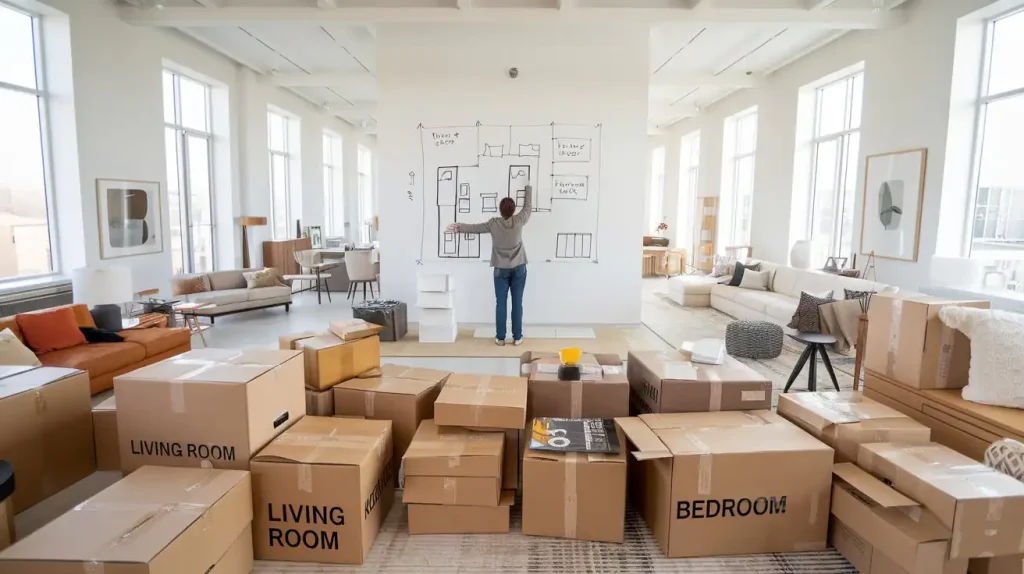
Pre-Move Planning
Pre-move planning is an important step in the decorating process, as it allows you to assess your current inventory and create a budget for decorating your new home.

Assessing your current inventory involves cataloging existing furnishings, accent pieces, art, and accessories to determine what can be used in the new home.
This can help you to make informed decisions about what items to bring with you, and what items you may need to purchase. It allows you to evaluate the condition and potential placement of these items, which can help you to create a budget and prioritize essential items.
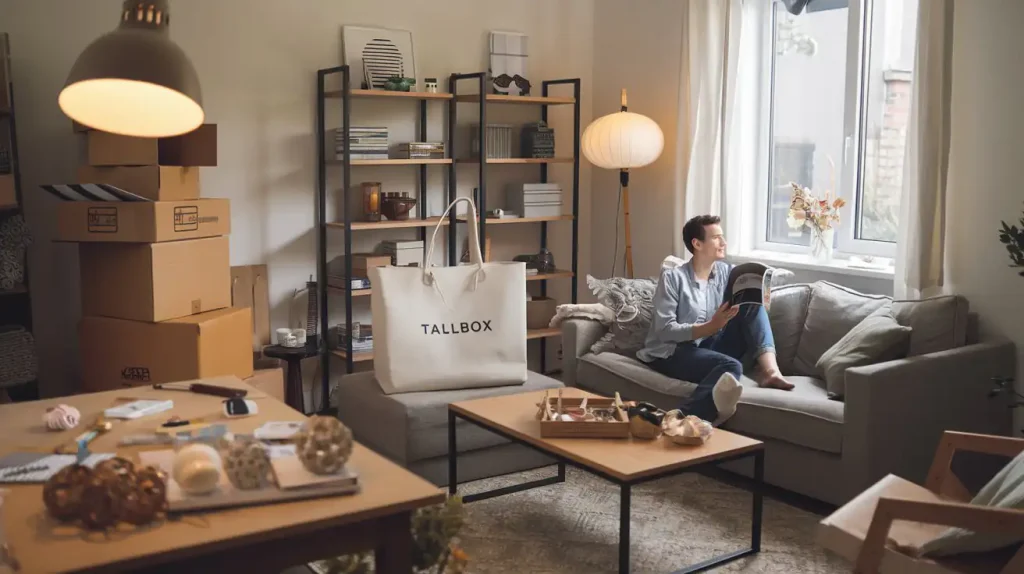
Creating a budget is an important aspect of pre-move planning. Deciding on a budget for decorating will help you to prioritize essential items and avoid overspending. Researching prices for paint, wallpapers, and furniture is a good way to get an idea of what you can expect to pay.
Total Budget: $5,000
Living Room ($1,800)
- Sofa: $800
- Coffee table: $150
- Area rug: $200
- Paint (2 gallons): $70
- Curtains: $100
- Decorative items (throw pillows, artwork, etc.): $250
- Floor lamp: $80
- TV stand: $150
Bedroom ($1,200)
- Bed frame: $300
- Mattress: $500
- Dresser: $200
- Bedding set: $100
- Nightstand: $80
- Paint (1 gallon): $35
- Window treatments: $85
Dining Room ($800)
- Dining table: $400
- Chairs (set of 4): $250
- Light fixture: $100
- Tablecloth and placemats: $50
Home Office ($700)
- Desk: $250
- Office chair: $150
- Bookshelf: $120
- Desk lamp: $50
- Paint (1 gallon): $35
- Wall organizers: $95
Bathroom ($300)
- Shower curtain: $30
- Bath mat set: $40
- Towel set: $60
- Storage solutions: $100
- Paint (1 gallon): $35
- Decorative items: $35
Miscellaneous ($200)
- Tools and supplies for hanging artwork: $50
- Cleaning supplies: $75
- Extra paint and supplies: $75
Research Notes:
- Paint prices range from $30-$50 per gallon depending on quality
- Wallpaper costs approximately $1-$5 per square foot
- Furniture prices vary widely; focus on sales and second-hand options for best value
- Consider multi-functional pieces to maximize budget (e.g., storage ottomans, extendable dining tables)
Cost-Saving Strategies:
- Prioritize essential items first (e.g., bed, sofa, dining table)
- Look for seasonal sales and discount codes
- Check second-hand marketplaces for gently used furniture
- DIY simple projects like painting or upcycling existing items
- Spread out non-essential purchases over time
Flexible Allocation:
- This budget allows for adjustments between categories as needed
- Save receipts and track spending to stay within overall budget
This can help you create a realistic budget and make informed decisions about what items to purchase and where to purchase them, especially when downsizing.

Don’t forget: Factor in additional expenses like moving costs, professional services (if needed), and those unexpected little things that always seem to pop up!
Pro-tip: Snap photos of your furniture and create a digital inventory. This makes it easy to reference when planning room layouts in your new home.
Creating a Vision Board
- Gathering inspiration from magazines, books, and online resources to create a visual guide for decorating. A vision board is your creative playground! Don’t censor yourself – just gather images, colors, textures, and styles that speak to you.
— Think beyond furniture: Include images of landscapes, outfits, or even meals that evoke the feeling you want to capture in your home. - Noting down what you like about each image and its source. This step is crucial for identifying patterns and translating inspiration into concrete design choices. Do you gravitate towards natural textures, bold patterns, or a specific color palette? Noting the sources helps you find similar items later.
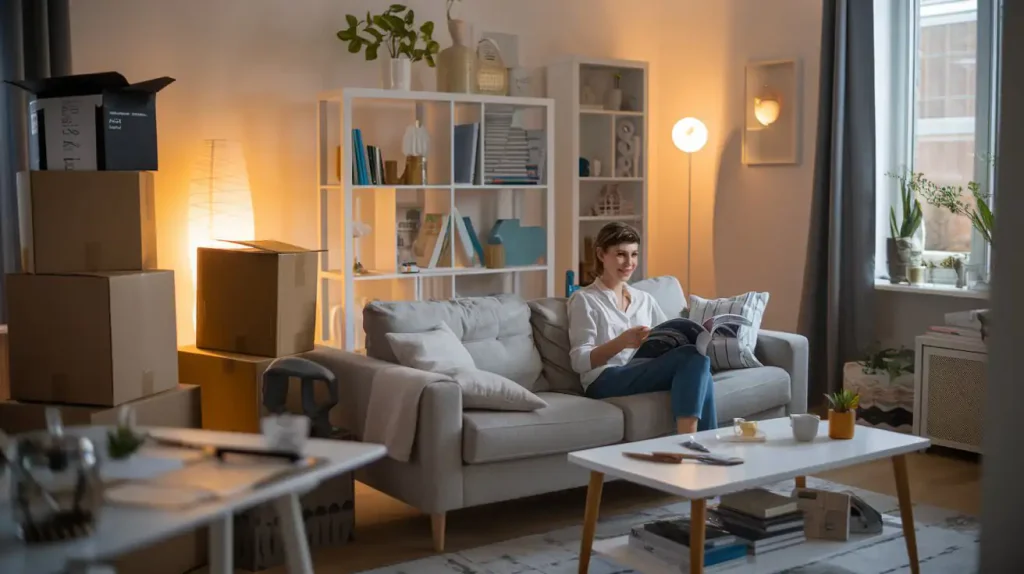
Building Bold Display Shelving
- Using floating shelves and lighting to showcase personal collections and artwork. Shelves aren’t just for books! They offer a dynamic way to showcase your personality. Mix and match favorite objects, travel souvenirs, and artwork to tell your story.
— Add drama with lighting: Strategically placed spotlights or LED strips can highlight your treasures and create a museum-like ambiance. - Tips for arranging items in a visually appealing way. Play with height, texture, and color variation. Group similar items together, and don’t be afraid to leave some breathing room.
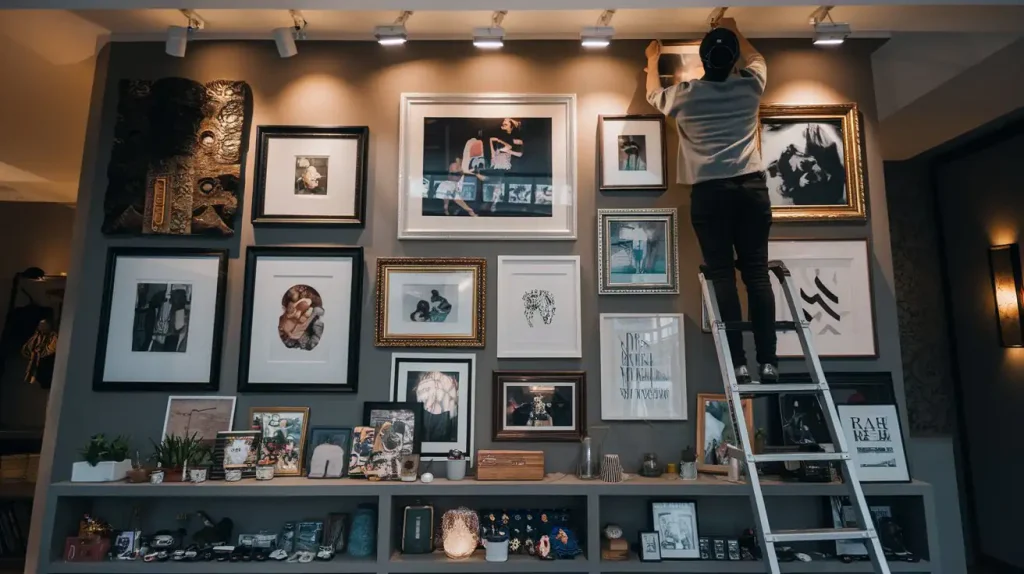
Curating Gallery Walls
- Selecting a mix of artwork, family photos, and decorative items to create a personalized display. A gallery wall is an instant conversation starter and a reflection of your passions. Don’t be afraid to mix and match different frame styles and sizes for an eclectic look.
- Arranging pieces in a salon-style layout. This classic approach involves grouping artwork together in a seemingly random, yet balanced, arrangement.
— Pro-tip: Arrange your gallery wall on the floor first to find the perfect layout before you start hammering nails!
Remember, these are just starting points. Have fun with the process and don’t be afraid to break the rules and let your personality guide your choices!
How to decorate the new home?
Decorating a new home is a big task, but there are several strategies that can help make the process easier and more enjoyable.

Choosing colors that enhance the natural light and mood of each room. Paint is the easiest and most impactful way to transform a space. Instead of just picking your favorite color, consider how different shades will interact with the amount of natural light in each room.
The 60-30-10 rule is very useful in this scenario. The main color should make up 60%, the secondary color—used for furniture— should occupy 30%, and the accent colors—for decor—should take up the remaining 10% of the space.
— Light, airy colors can make a small room feel larger, while bold hues can add drama to a spacious living area. Don’t be afraid to experiment with paint swatches and sample sizes!
Preparing walls for painting and applying at least two coats. Proper preparation is key for a smooth, professional-looking finish. Take the time to clean, patch, and prime your walls before breaking out the paint rollers. And remember, two thin coats are always better than one thick coat!

Use Multipurpose Furnishings
By combining multiple furniture pieces into one, you can save money on furnishing your new home. These pieces can adapt to different room layouts and purposes, allowing for easier adjustment to your new space.
- Selecting furniture that serves multiple purposes to maximize space. In a new home, you might be working with a different layout or square footage. Multifunctional furniture is your best friend! Think storage ottomans, sofa beds, or desks that can double as dining tables. These doesn’t have to stay forever, but having them is a lifesaver. Some items (like folding or inflatable furniture) are easier to transport during the move itself.
- Examples of multipurpose furniture such as storage benches and convertible coffee tables. A storage bench in the entryway provides a place to sit while concealing clutter, while a coffee table that lifts to become a desk offers flexibility for work-from-home days. A Murphy bed/wall bed is a real bed that can free up floor space when folded or a wardrobe with built-in desk. Many of these items serve multiple functions without taking up extra space, which is crucial when adapting to a new living environment.

Adding Greenery
If you lack furniture, add plants, this move will bring several positive advantages.
- Strategically placing plants, flowers, and herbs to improve air quality and ambiance. Plants aren’t just pretty faces – they can actually enhance your well-being! They purify the air, boost your mood, and bring a touch of life to any room.
- The psychological benefits of greenery in living spaces. Studies have shown that being around nature can reduce stress, improve focus, and even boost creativity. Even a small houseplant can make a big difference!
— Choose wisely: Research plants that thrive in the lighting conditions of your new home and match your level of plant-parenting expertise.
Hiring a Designer to Help with the Decor
Hiring a professional designer to help decorate before the house move is a good idea if you can afford it; it’s a good way to achieve a cohesive and stylish look for your home. A designer can help you make informed decisions about furniture, paint colors, and decor items and can help you create a plan for decorating each room, especially if you are a first-time buyer. This can save you time and money in the long run, as a designer can help you avoid costly mistakes and ensure that the final result is one that you’ll love for years to come.
When looking for a designer, finding someone who understands your style and budget is important. For example, TALLBOX has a 3D interior design service; it’s online, and you can see your new home decorated even before you move. For example, a basic package will cost around $2,520 and includes initial consultation, 3D modeling, furniture placement, and shopping lists. While a Premium Package will have a total cost of around $12,300 and includes all basic features plus multiple 3D renderings, virtual tours, detailed plans for flooring/lighting/electrical, custom furniture designs, and contractor consultation.
Take the time to look at different designers’ portfolios and ask for references from past clients. Additionally, it’s important to have a clear understanding of what you hope to achieve with your decorating project and to communicate this to the designer.
Making the Move Smoother

Hiring Professional Movers
- The benefits of hiring professionals to handle logistics and transport specialty items. Moving is stressful enough without the added worry of navigating heavy furniture or delicate belongings. Moving services professionals have the experience and equipment to ensure a safe and efficient move. Good movers are experienced in handling logistics and can efficiently transport your belongings, including specialty items like pianos, artwork, and antiques
— Peace of mind: Knowing your possessions are in capable hands allows you to focus on settling into your new home and getting a head start on decorating. - Ensuring items are delivered safely to focus on decorating. Professional movers offer insurance options, providing added protection in case of damage. This peace of mind allows you to focus on more exciting tasks, like unpacking those boxes of decor!
DIY Decorations
Utilizing online tutorials and resources to create affordable and personalized decorations. DIY doesn’t have to be daunting! Countless online tutorials and resources make it easy to find projects for all skill levels. From painting planters to creating custom artwork, the possibilities are endless.
— Budget-friendly bonus: DIY decorating allows you to stretch your budget further and inject personality into your space without breaking the bank.
Examples of DIY projects that can add character to your home.
- Textile transformations: Upcycle old fabrics into throw pillows, curtains, or wall tapestries.
- Revamped furniture: Give tired furniture a facelift with a fresh coat of paint or new hardware.
- Creative wall art: Frame wallpaper scraps, pressed flowers, or even your children’s artwork for unique and meaningful wall decor.
Remember, every little detail contributes to making your house a home. By strategically planning your move and embracing creative solutions, you can seamlessly transition into your new space and enjoy the rewarding process of decorating it to reflect your personal style.
Less Is Morе
Some people go crazy in decorating their living room. The result is often a cluttered space that is anything but cozy.
It is natural to feel like buying every piece of furniture in the store. Or, you may like to buy the new arrivals to keep things fresh.
Remember, the key is to keep it minimalistic with a few statement decor items.
You can apply the same rule when you are about to move into a new home. Don’t try to bring along random stuff from your old place. It is unnecessary and a waste of time, especially if it’s a long distance relocation.
Creating a home you love is a journey, not a race. Don’t put pressure on yourself to have everything perfect from day one. Embrace the process, be patient with yourself, and allow your style to evolve organically over time.
— This is your haven. There’s no deadline, so enjoy the journey of discovering what brings you joy and comfort within your space.