As you embark on remodeling your home, you’re likely thinking about the aesthetics and functionality of the final product. But have you considered the importance of disaster-proofing your home in the process?

Hurricanes, Tornadoes, Wildfires, Earthquakes, Floods, Tsunamis, Volcanic eruptions, Droughts, Landslides, Avalanches, Blizzards, Hailstorms, Thunderstorms, Lightning strikes, Heatwaves all can ruin the future of your newly remodeled home if not properly prepared for. While remodeling your home, it’s important to consider the potential risks of natural disasters and take steps to protect your home from damage.

By integrating resilience features into your design, you can protect your family and property from the unexpected. You’ll want to assess your home’s vulnerabilities to natural disasters, such as floods, earthquakes, and hurricanes. But where do you start, and what features should you prioritize to ensure your home remains safe and secure? The answers may surprise you.

Picture of George Nicola
George Nicola

George is a seasoned interior designer and property marketing strategist with over 13 years of experience. He specializes in transforming properties into visually stunning spaces, helping clients recognize the potential and beauty in each property. With an impressive international client base of exciting projects throughout Europe and America.

Table of Contents

Why disaster planing is neglected?

A man wearing a "TALLBOX" t-shirt stands smiling in front of a small, castle-themed building on a sunny day, showcasing its impressive disaster-proofing features.

George Nicolas (Expert Interior Designer at TALLBOX) advises: The “It Won’t Happen to Me” Syndrome is often the most common reason. The feeling of invincibility or a sense of denial often prevents individuals from adequately preparing for disasters. We tend to underestimate risks and convince ourselves we’re somehow immune.

  • Feeling Overwhelmed and Powerless: The sheer scope of disaster preparedness can be daunting. People may feel overwhelmed and unsure where to begin, leading to procrastination and inaction.
  • Prioritizing Immediate Needs: Investing time and resources in something that may not yield immediate, tangible results can be challenging. We prioritize immediate needs and short-term gratification over long-term preparedness and “what-ifs.”

Practical Barriers:

  • Time Constraints of Modern Life: In our fast-paced world, finding the time for disaster planning can feel impossible amidst work, family, and other obligations.
  • Financial Limitations: Some disaster preparedness measures, such as home retrofits or purchasing emergency supplies, can be costly, creating a barrier for some individuals and families.
  • Lack of Information and Awareness: People may simply not know how to create a plan, what supplies to gather, or where to find reliable information and resources.

Other Contributing Factors:

  • Optimism Bias: As humans, we tend to overestimate the likelihood of positive events and underestimate the chances of negative ones, leading to a false sense of security.
  • Lack of Personal Experience: Individuals who haven’t personally lived through a disaster may not fully grasp the potential impact and chaos, downplaying the critical need for preparation.
  • Over-Reliance on Authorities: Some individuals may assume that government agencies or emergency services will always be available and able to provide immediate assistance during and after a disaster.
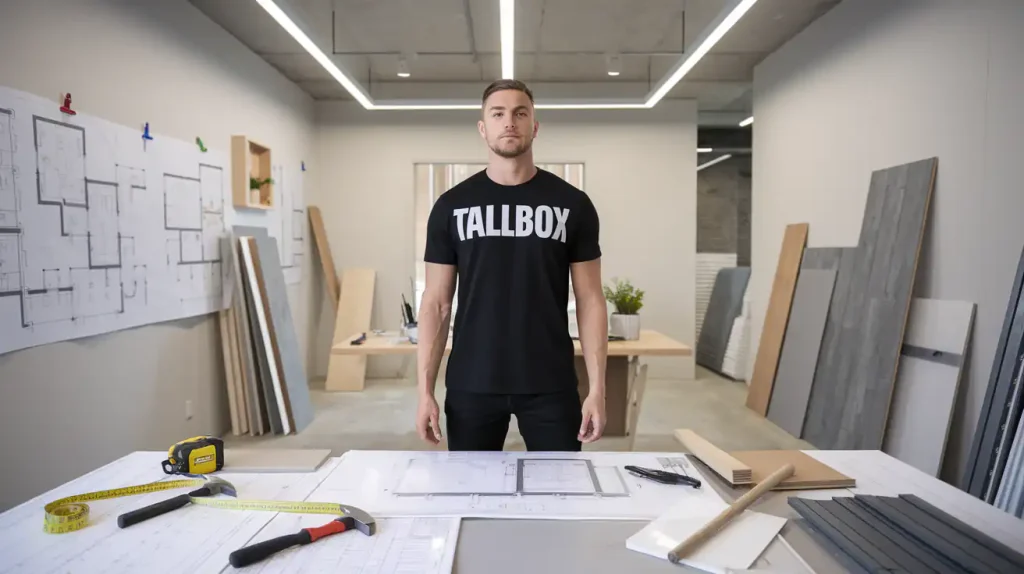
A man stands in an architect's office with blueprints and tools on the table, planning a home remodeling project. His shirt reads "TALLBOX," reflecting his expertise in disaster-proofing.

Why Disaster-Proofing Your Home is a must?

The primary reason for disaster-proofing is to protect the lives of you and your loved ones. Reinforcing your home against natural disasters can significantly reduce the risk of injury or death during events like hurricanes, earthquakes, and floods.

Natural disasters can cause extensive damage to your property, leading to costly repairs or even total loss. Investing in disaster-proofing measures can save you money in the long run by minimizing damage and reducing the need for expensive repairs.

A two-story suburban house with a large driveway, double garage, manicured lawn, and overcast sky features recent home remodeling for disaster-proofing.

Many insurance companies offer lower premiums or discounts for homes that have been fortified against natural disasters. By disaster-proofing your home, you may be able to reduce your insurance costs.

Homes that are well-prepared for natural disasters are often more attractive to buyers. Disaster-proofing can increase your property’s value and make it more marketable if you decide to sell.

Man with short hair and a "TALLBOX" T-shirt smiles in front of a modern white building on a clear day, possibly showcasing his recent home remodeling project.

Knowing that your home is protected against natural disasters can provide immense peace of mind. You can rest easier knowing that you’ve taken steps to safeguard your home and family.

When individual homes are fortified against disasters, it contributes to the overall resilience of the community. This collective preparedness can help communities recover more quickly and efficiently after a disaster.

What planning for Disaster-Proofing a House look like?

A man stands at a drafting table with blueprints, imagining family time and a work meeting in thought bubbles above him, as he plans the disaster-proofing of his home.

In the midst of planning your home renovation, assessing the local risk of natural disasters is a crucial first step in disaster-proofing your home.

You’re not just building a beautiful space, you’re also creating a safe haven for your family. Take some time to research the area’s history of natural disasters, such as floods, hurricanes, earthquakes, and wildfires. This will help you understand what risks your home may face and what steps you can take to mitigate them.

As you assess the risks, think about the site of your home. Are you in a low-lying area prone to flooding, or on a hillside that’s at risk of landslides? Choosing a site that minimizes these risks can be a game-changer.

By taking the time to understand the local risks, you’ll be able to make informed decisions about the design and construction of your home. You’ll be able to integrate disaster-resistant features that will help keep your family safe and your home secure.

Foundation Fortification

As you disaster-proof your home, it’s crucial that you fortify your foundation to prevent or minimize costly damage from natural disasters.

You can start by considering waterproofing measures to protect your home from flooding and water damage, as well as seismic retrofitting to secure your foundation and walls during earthquakes.

Additionally, you’ll want to look into installing sump pumps and backflow valves, two essential tools that work together to prevent flooding and keep your home’s foundation safe and dry.

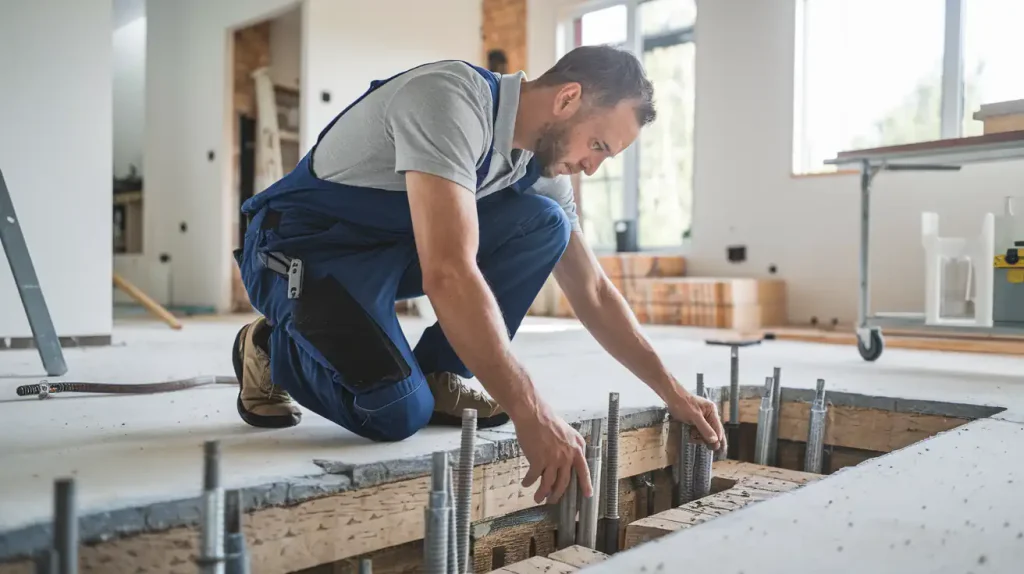
Man kneeling on the floor in a home under renovation, meticulously inspecting metal rods protruding from wooden beams, ensuring the remodeling process contributes to disaster-proofing.

Waterproofing

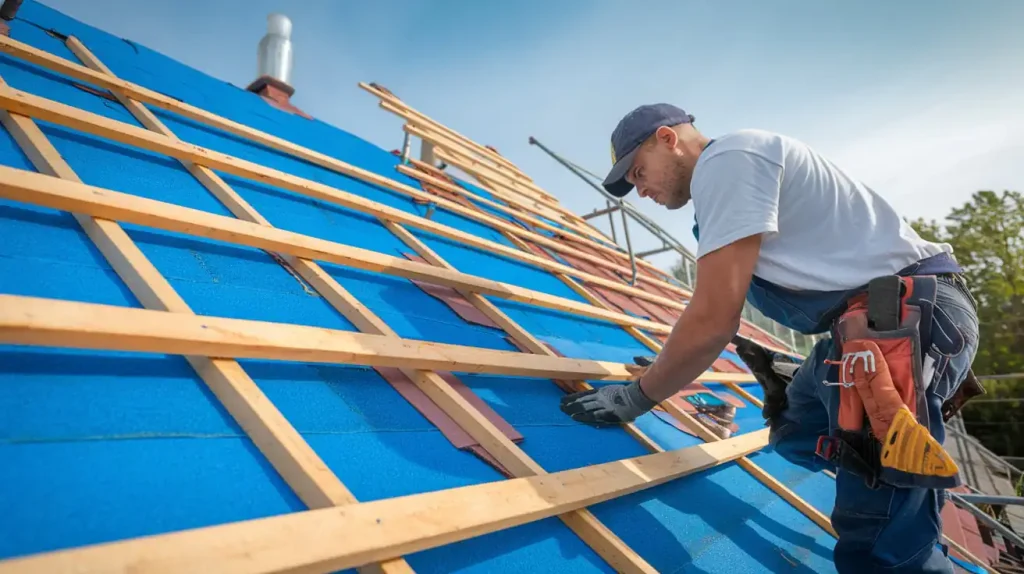
Roofer in a cap and gloves working on a sloped roof with wooden battens and blue insulation, focusing on disaster-proofing measures to enhance the home’s safety.

How vulnerable is your home’s foundation to water damage during a remodel? If you’re exposing your foundation as part of the renovation process, it’s essential to take steps to protect it from water intrusion.

This is especially crucial if you live in an area with heavy rainfall or flooding, as water can seep into cracks and crevices, causing costly repairs down the line.

Don’t wait until it’s too late! Take control of waterproofing your home’s foundation by sealing cracks and applying waterproof coatings to the exposed areas.

Install French drains to direct water away from your home and prevent it from accumulating. By doing so, you’ll prevent water from causing damage to your foundation and avoid expensive repairs later.

Seismic Retrofitting

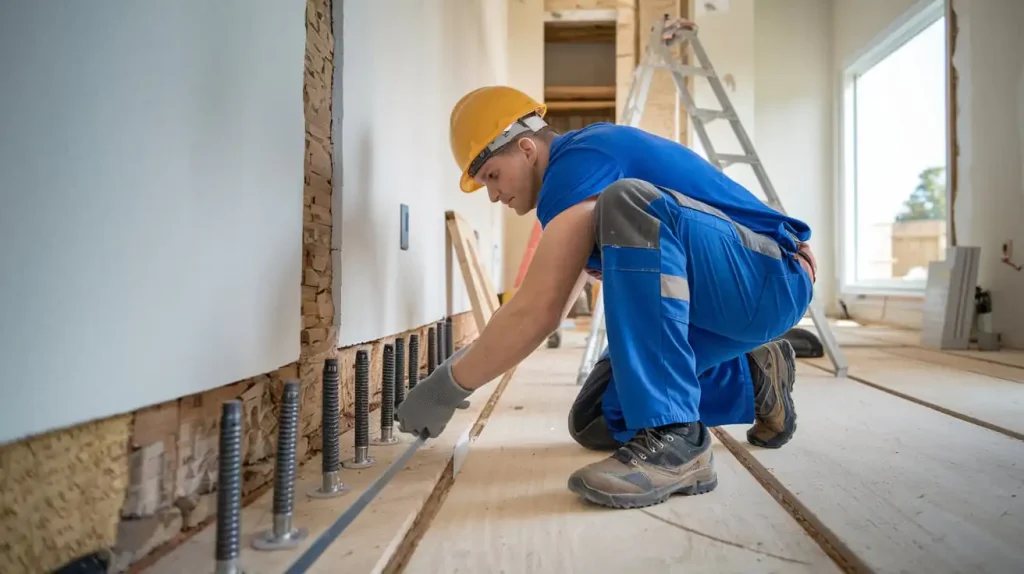
Construction worker in a blue uniform and yellow helmet installing floor heating pipes as part of a disaster-proofing home remodeling project in a building under renovation.

During a remodel, you have a unique opportunity to strengthen your home’s foundation against seismic activity.

If you live in an earthquake-prone area, consider investing in seismic retrofitting to protect your home and loved ones. This process involves reinforcing your foundation and structure to better withstand the intense shaking caused by earthquakes.

By retrofitting your home, you’ll be addressing potential weaknesses that could lead to costly damage or even collapse during a quake.

A retrofitting expert will assess your home’s foundation, walls, and roof to identify areas that need improvement. They may recommend installing foundation bolts, bracing water heaters, and securing heavy objects to prevent them from becoming projectiles.

Install Sump Pumps and Backflow Valves

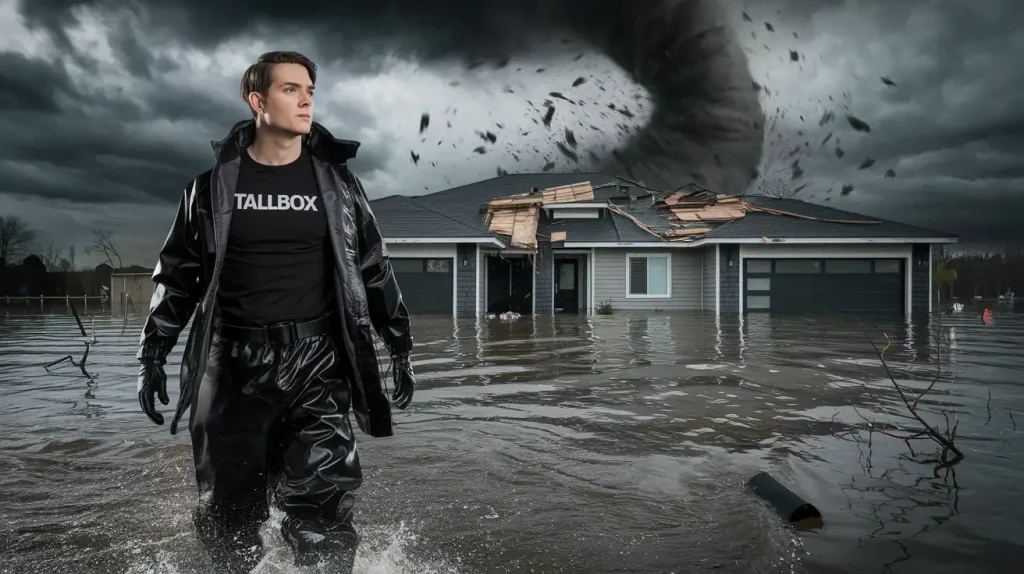
A person in black rain gear stands in floodwaters in front of a damaged house, showcasing the importance of disaster-proofing homes with tornadoes threatening in the background.

Your home’s foundation is its first line of defense against flooding, so fortifying it with the right equipment is crucial. As you’re remodeling, take this opportunity to install sump pumps in your basement. These pumps will help remove water that accumulates during heavy rains, reducing the risk of flooding and damage to your home.

You’ll want to choose a sump pump that’s suitable for your home’s size and needs, and consider installing a backup power source, like a battery or generator, in case of a power outage.

Another essential step is to install backflow valves, which prevent sewage from backing up into your home during heavy rains. These valves are designed to allow waste to flow out of your home while keeping rainwater and sewage from flowing back in.

By installing sump pumps and backflow valves, you’ll be protecting your home from the costly and messy damage that flooding can cause. With these simple yet effective measures, you’ll be disaster-proofing your home and ensuring a safe and dry living space for years to come.

This foundation fortification will give you peace of mind, knowing your home is better equipped to handle the next big storm.

Reinforcing the Roof

Aerial view of a neighborhood with homes severely damaged by a recent storm, debris scattered around, and dark clouds overhead highlights the urgent need for disaster-proofing to protect against future calamities.

As you focus on disaster-proofing your home during remodeling, you’ll want to turn your attention to reinforcing the roof to protect against harsh weather conditions.

By upgrading to more durable roofing materials and installing hurricane straps and clips, you can significantly reduce the risk of roof damage or collapse.

With these enhancements, you’ll be able to enjoy peace of mind knowing your home is better equipped to withstand strong winds, heavy rainfall, and other extreme weather events.

Upgraded Roofing Materials

Houses with severe roof damage from a storm, surrounded by debris and snow on the ground, highlight the need for disaster-proofing. A dark, stormy sky looms overhead.

Roof replacement offers a prime opportunity to upgrade to disaster-resistant materials. When you’re renovating, you can make a big impact on your home’s ability to withstand severe weather by choosing the right roofing materials.

If your roof needs replacing, consider opting for durable materials like metal roofing or impact-resistant shingles. These materials provide significant benefits, especially if you live in areas prone to heavy rainfall, hail, or high winds.

Metal roofing, for instance, is non-combustible, so it can help protect your home from wildfires. It’s also incredibly durable and can last for up to 50 years or more, making it a wise long-term investment.

Impact-resistant shingles are designed to withstand heavy hail and debris, reducing the risk of damage and leaks. By choosing these upgraded materials, you’ll not only make your home safer but also reduce the need for costly repairs down the line.

As you remodel, don’t miss this chance to give your home a robust roof that can withstand whatever nature throws its way. Investing in a disaster-resistant roof can bring you peace of mind and long-term savings.

Hurricane Straps & Clips

Choosing disaster-resistant roofing materials is just the first step in ensuring your home can withstand severe weather. You also need to secure those materials to the rest of your house. That’s where hurricane straps and clips come in – to enhance the connection between your roof and walls. This is especially crucial if you live in a high-wind zone.

Think of hurricane straps and clips as the seatbelts of your roof. Just as seatbelts keep you safe in a moving vehicle, these straps and clips keep your roof securely attached to your walls, preventing it from being torn off in strong winds. By installing them, you’ll be adding an extra layer of protection to your home and reducing the risk of costly damage.

In high-wind zones, building codes often require hurricane straps and clips. However, even if they’re not mandated in your area, it’s still a good idea to install them. The added security and peace of mind are well worth the investment.

Strengthening Windows & Doors

As you continue to disaster-proof your home, it’s time to focus on strengthening your windows and doors.

You’ll want to consider impact-resistant options, such as replacing old windows with new ones made of shatter-resistant glass, or installing storm shutters or panels to provide an extra layer of protection.

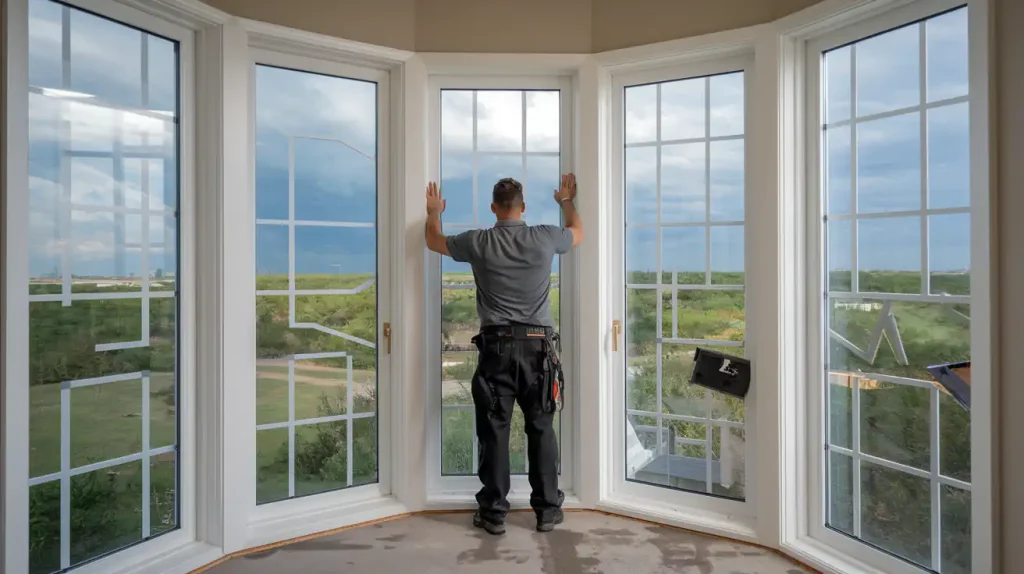
A man is installing large, white-framed windows in a room with a scenic outdoor view as part of a comprehensive home remodeling project. He's ensuring every detail is attended to, incorporating disaster-proofing features for added safety and peace of mind.

Impact-Resistant Options

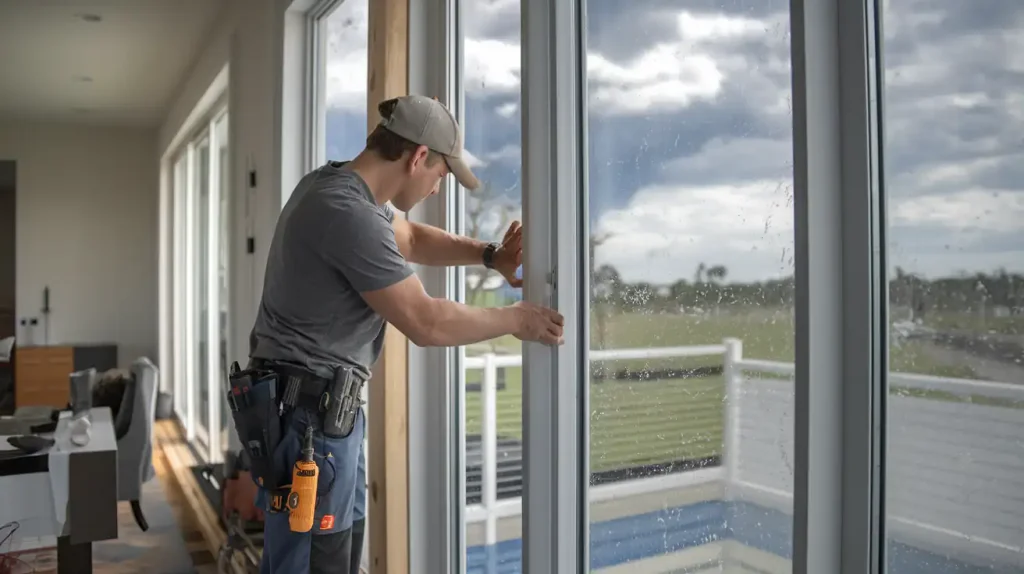
A man wearing a cap installs a sliding glass door indoors, with a cloudy outdoor scene visible through the windows, showcasing his expertise in home remodeling.

When remodeling your home, you have a unique opportunity to strengthen its defenses against severe weather and other hazards. One effective way to do this is by choosing impact-resistant windows and doors.

These specially designed versions can withstand flying debris, providing a crucial layer of protection for your home and loved ones.

By selecting impact-resistant options, you’ll be safeguarding your home against the damaging effects of high winds, hail, and other extreme weather conditions. These products are engineered to absorb and distribute the force of impact, reducing the risk of penetration and subsequent damage.

This means you can enjoy peace of mind, knowing your home is better equipped to handle the unexpected.

Impact-resistant windows and doors are a wise investment, especially if you live in areas prone to severe weather events.

By incorporating these features into your remodeling project, you’ll not only enhance your home’s durability but also increase its value.

Make the smart choice and opt for impact-resistant windows and doors – your home and family will thank you.

Storm Shutters or Panels

Storm shutters offer a cost-effective solution for homeowners looking to bolster their home’s defenses against severe weather.

When you install storm shutters, you’re adding a layer of protection between your windows and the storm raging outside. This is especially important during hurricanes or severe storms, when strong winds and debris can shatter windows and cause damage to your home’s interior.

After a major storm strikes, damaged roofs become a top priority for homeowners and businesses. Leaks, debris, and structural issues demand swift response to prevent further destruction. This guide will walk through finding top-rated local contractors to handle urgent storm damage roof repairs.

Whether it was high winds, hail, fallen branches, or extreme rains, storms can wreak havoc on rooftops. Don’t wait to call in professional support when you spot problems. The faster you start storm damage repair, the more damage you’ll mitigate.

Upgrade the Garage Door

One often-overlooked aspect of disaster-proofing your home is the garage door.

You’re probably thinking, “What’s the big deal? It’s just a garage door.” But the truth is, a garage door can be a major vulnerability during high winds. If it’s not designed to withstand strong gusts, it can be blown in, causing damage to your home and potentially putting you and your family at risk.

That’s why it’s essential to upgrade to a wind-rated garage door.

These doors are specifically designed to resist high winds and flying debris, giving you an added layer of protection during severe weather events. By replacing your old garage door with a wind-rated model, you’ll not only be disaster-proofing your home but also reducing the risk of injury and property damage.

Interior Upgrades for Safety

As you focus on disaster-proofing your home’s interior, you’ll want to make sure that heavy objects are securely fastened to walls to prevent them from becoming deadly projectiles during an earthquake or severe storm.

You’ll also need to consider fire safety, taking steps to prevent fires from starting and spreading quickly.

Secure Heavy Objects

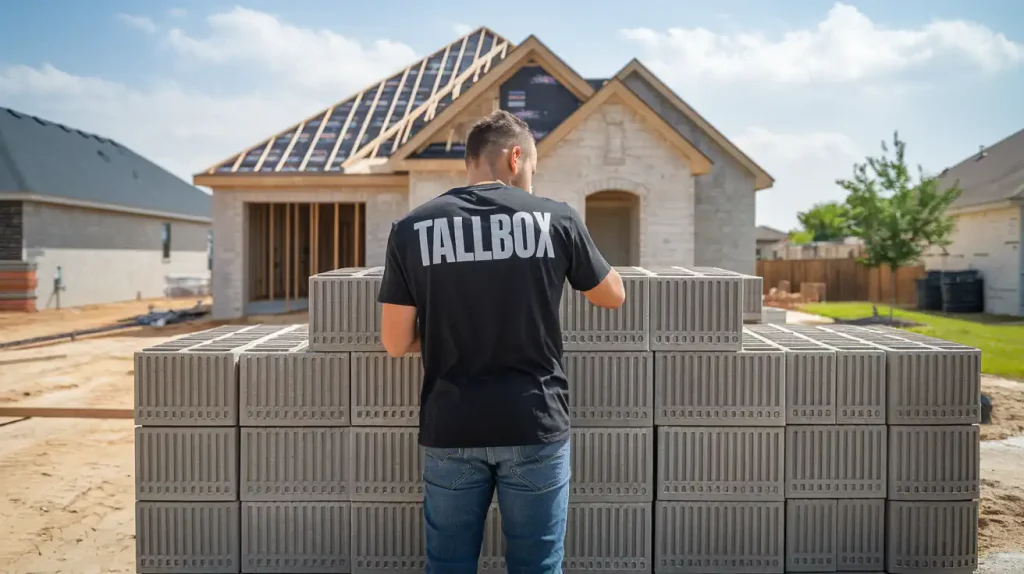
A person wearing a "TALLBOX" shirt stands in front of a stack of bricks at a construction site, focusing on disaster-proofing while working on the partially built house.

When it comes to disaster-proofing the interior of your home, securing heavy objects is crucial for your family’s safety. You want to make sure that bookshelves, cabinets, and appliances are properly mounted to prevent them from becoming hazards during earthquakes.

Imagine the damage a falling bookshelf or refrigerator could cause – not only to your belongings but also to your loved ones.

To secure these heavy objects, you’ll need to reinforce their mounting systems. This may involve installing anti-tip brackets or straps to keep them firmly in place.

For bookshelves, consider using wall anchors or screws to prevent them from tipping over. Cabinets and appliances should be secured to the floor or walls using specialized brackets or straps.

By taking these precautions, you can significantly reduce the risk of injury or damage during an earthquake. Remember, it’s always better to be safe than sorry.

Fire Safety

Man in a "Tallbox" shirt standing in front of cinder blocks at a house construction site on a sunny day, discussing home remodeling tips and disaster-proofing techniques.

While disaster-proofing your home’s interior, don’t overlook the importance of fire protection, a crucial aspect that can make all the difference in emergency situations.

You’re taking steps to make your home a safer haven, and fire safety is a key part of that. As you’re remodeling, consider installing fire extinguishers on each floor – it’s a simple yet effective way to ensure you’re prepared in case of a fire.

Think about taking it a step further by installing a home sprinkler system. This is especially important if you’re doing major renovations, as it can provide an added layer of protection.

A sprinkler system can help put out fires quickly, reducing the risk of damage and injury. Plus, having one can also lower your insurance premiums.

By prioritizing fire safety, you’re not only protecting your home and belongings but also the people who matter most.

So, make sure to add fire safety to your remodeling checklist – it’s a decision that could prove to be a lifesaver in the long run.

Safe Rooms

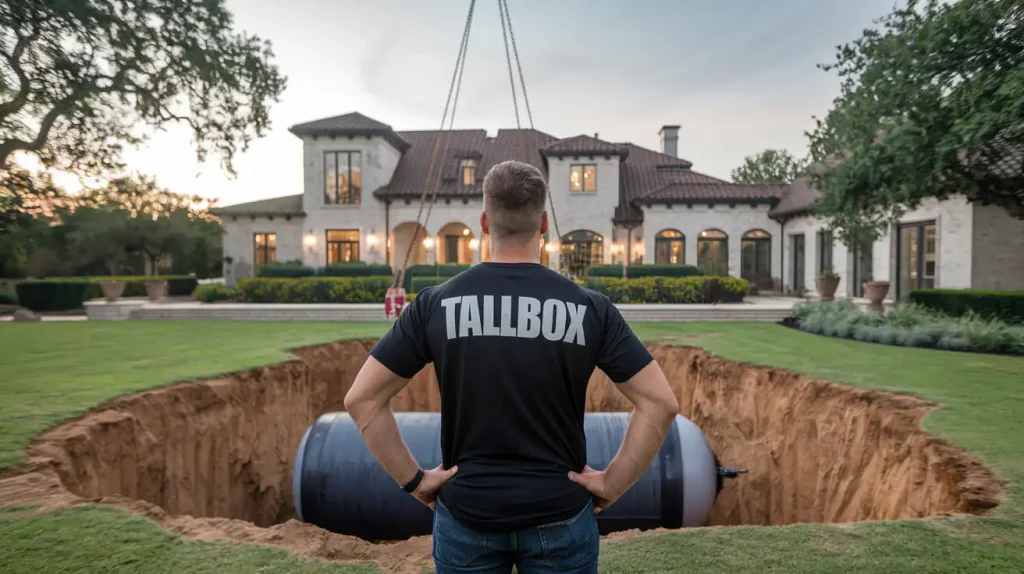
A person in a "TALLBOX" shirt observes a large cylinder being lowered into a hole in front of a grand house, as part of an extensive home remodeling for disaster protection.

Designate a safe haven in your home by incorporating a safe room into your remodeling project. You’re not just adding a secure space, you’re providing an added layer of protection for you and your family from extreme weather events like tornadoes and hurricanes.

Think of it as a shield against disaster, where you can safely ride out the storm.

When you’re planning your safe room, you’ll want to choose an interior space, ideally in a basement or on the lowest floor of your home. This room should be designed with reinforced materials, such as steel, to withstand powerful winds and debris.

Don’t forget to include essential features like a secure door, impact-resistant windows, and adequate ventilation.

By incorporating a safe room into your home remodeling project, you’ll gain peace of mind knowing you’ve taken proactive steps to safeguard your loved ones.

Plus, it’s a valuable investment in your home’s value and your family’s well-being.

Make disaster preparedness a priority by creating a safe room that’s both functional and secure.

With a safe room, you’ll be ready for whatever the weather brings.

Landscape Design for Protection

As you consider the exterior of your home, you’ll want to think about how your landscape design can help protect it from disasters.

By strategically planting trees, you can create a natural barrier against strong winds and floods, while also providing shade and beautifying your yard.

Additionally, you can take steps to ensure proper grading and drainage solutions, which will help direct water away from your home and prevent damage from flooding.

Strategic Tree Planting

Planting trees strategically around your home is a crucial aspect of disaster-proofing your property during remodeling.

When you plant trees in the right spots, you’re not just adding some greenery to your yard – you’re also protecting your home from potential damage.

You’ll want to plant trees a safe distance from your home to minimize damage from falling branches during storms. This is especially important if you live in an area prone to high winds or hurricanes.

Grading & Drainage Solutions

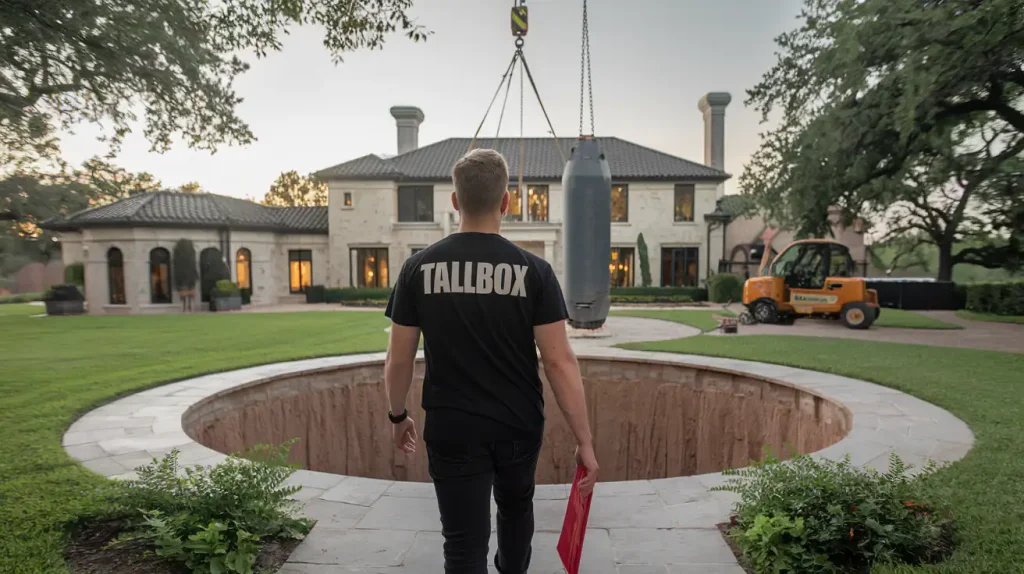
A person wearing a "TALLBOX" shirt walks toward an open pit outside a large house, where a heavy object essential for disaster-proofing your home is being lowered into it.

While remodeling your home, it’s essential to consider the landscape design, particularly when it comes to grading and drainage solutions. Proper grading ensures your yard slopes in a way that directs water away from your home’s foundation. This protects you from potential flooding issues that can arise during heavy rainfall.

Think of your yard as a watershed – it’s an area of land where all the water flows to a single point. If your yard slopes toward your home, all that water will flow straight to your foundation, increasing the risk of flooding and damage. By adjusting the slope of your yard to direct water away from your home, you’ll reduce the likelihood of water accumulation and potential disasters.

You can work with a landscaper to assess your yard’s current slope and make adjustments as needed. This might involve adding or removing soil, installing French drains, or using other drainage solutions to ensure water flows smoothly and safely away from your home.

Reinforced Structural Design

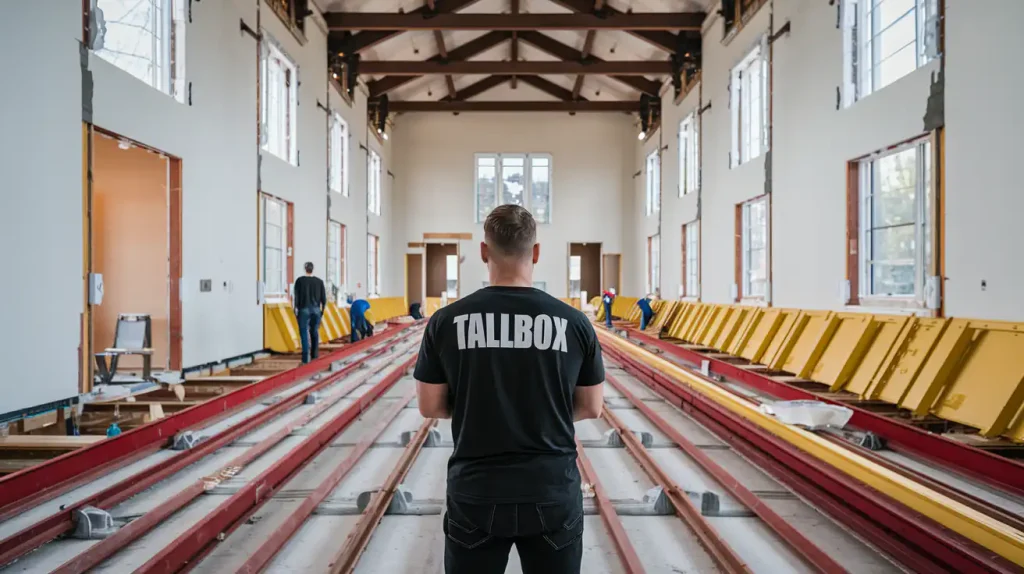
Person wearing a "TALLBOX" shirt stands in an unfinished building with workers in the background, deeply involved in home remodeling for enhanced safety.

With disaster resistance in mind, designing a reinforced structure becomes a top priority during remodeling.

You’re not just building a house, you’re creating a safe haven for your family. A well-designed and reinforced structure is key to building a disaster-resistant home.

So, what makes a structure strong? For starters, you’ll want to focus on the foundation – a reinforced concrete foundation is a great place to begin. This type of foundation provides a solid base for your home, and it’s better equipped to withstand natural disasters like earthquakes and hurricanes.

As you move up the structure, consider using steel frame construction. This type of framing provides added strength and stability to your home’s walls and roof.

Don’t forget to include proper bracing, too. This will help keep your home’s structure secure and prevent collapse in the event of a disaster.

By incorporating these techniques into your remodel, you’ll be creating a stronger, safer home that’s better equipped to withstand whatever nature throws its way.

With a reinforced structure, you’ll have peace of mind knowing your home is a secure haven for you and your loved ones.

Conclusion

As you complete your remodeling project, you’ll enjoy more than just a fresh new look – you’ll also have a safer, more resilient home. By incorporating disaster-proofing features, you’ve taken proactive steps to protect your family and property from the unexpected. With a fortified foundation, reinforced roof, and enhanced safety features, you’ll have peace of mind knowing you’re prepared for whatever nature brings, and your home’s value will appreciate as a result.