Imagine stepping into a modern, airy living room bathed in natural light. The walls are painted a crisp white, and the furniture features clean lines and a neutral palette. Now, add these elements – A plush velvet sofa in a deep emerald green, reminiscent of a mid-century design but with contemporary legs. A sleek geometric coffee table made of reclaimed wood, adding a touch of history and warmth.
Above the fireplace, a large-scale abstract art print with a bold geometric pattern inspired by the 1970s. On the shelves, a curated mix of vintage books, ceramic vases with organic shapes, and a brass telescope for a touch of whimsy. A vintage-inspired rug with a geometric pattern in muted tones ties the space together. This is a Modern (Contemporary) Vintage Interior Design style.
The overall effect is a space that feels both current and timeless, fresh yet full of character. The vintage pieces act as accents, adding soul and personality without overwhelming the modern foundation. It’s a look that’s stylish but livable, reflecting a love for both clean design and elements with a story to tell.

George is a seasoned interior designer and property marketing strategist with over 13 years of experience. He specializes in transforming properties into visually stunning spaces, helping clients recognize the potential and beauty in each property. With an impressive international client base of exciting projects throughout Europe and America.
George Nicola (Expert Interior Designer from TALLBOX) shares: Working with contemporary vintage interiors is all about striking the perfect balance between the old and the new.
The key is to create a harmonious blend where vintage pieces add character and history while modern elements bring in functionality and a fresh perspective. The use of sleek lighting, contemporary art, and fresh textiles is a must to create a dialogue between the old and the new.
It’s in that juxtaposition where the magic truly happens, resulting in a space that feels both curated and comfortable, timeless, yet unexpected. Vintage Modern is a highly adaptable style and can be designed with an angle of Chic and fashion driven, Stylish – 60’s driven, Refined with a more organic natural look, Timeless retro driven with earthy tones, Luxe and Sophisticated with the use of metal, glass, and leather, Bold and Eclectic with rich, vibrant colors or Formal and Playful with more contemporary decors.

What is modern vintage interior design?
Modern Vintage interior design is a style that combines elements of modern design with vintage details, elements, and pieces, creating a unique blend of old and new.
Modern Vintage is not the same as Vintage design style. Vintage interior design is not the classic style, Vintage design can incorporate various styles and influences, often showcasing eclectic combinations of furniture, decor, and colors from different eras.
Classic Style, on the other hand, is characterized by timeless elegance and often adheres to traditional design principles. It typically includes elements like symmetry, rich colors, and classic furnishings, often inspired by historical European style


The cost of achieving a Vintage Modern design can vary greatly depending on several factors, such as the specific vintage pieces selected, the extent of renovations or updates required, and the budget allocated for modern elements. While some vintage pieces can be quite expensive, particularly those by well-known designers or from sought-after eras, there are many affordable options available as well.
To manage the cost of creating a Vintage Modern space, consider these budget-friendly strategies:
Sourcing vintage furniture and accessories from thrift stores, antique shops, flea markets, or online marketplaces like eBay, Etsy, or Facebook Marketplace. These sources often offer unique and affordable vintage items.
Mixing high-end and budget-friendly pieces. For example, pair a statement vintage sofa with a more affordable modern side table or rug.
Upcycling or refurbishing vintage items to give them new life and create a unique piece. This can be a cost-effective and creative way to incorporate vintage elements into your design.
Focusing on modern elements that are versatile and timeless, such as neutral-colored furniture and accessories. These pieces can be easily mixed and matched with vintage items, allowing you to manage costs while still achieving a cohesive design.
You’ll need to review and understand your local building codes and regulations, as well as obtain any necessary permits. This may involve complying with specific requirements for electrical, plumbing, and fire safety.

Modern Vintage and Vintage design styles are distinct from each other. Modern Vintage combines contemporary decors with vintage pieces, creating a balanced and eclectic look. Modern Vintage interiors often feature Mid-Century Modern furniture, contemporary materials, and a neutral color palette with bold accent colors.
On the other hand, Vintage interiors may incorporate furniture and decor from various historical periods, favoring more traditional and eclectic styles. Marc Jacobs’ townhouse in Greenwich Village is a great example of a modern vintage interior.
Kelly Wearstler, Neta Berkus, and Philippe Starck are designers known for their diverse and bold designs who use vintage elements in modern spaces, creating unique and timeless aesthetics.

In contrast, Vintage, known as retro design, focuses solely on items from a specific past era, emphasizing authenticity and nostalgia. It uses period-specific furniture, colors, and decor to recreate the look and feel of that time.
Famous vintage interior designers such as Elsie de Wolfe,Dorothy Draper, Sister Parish, Mario Buatta have left a lasting impact on the design world, contributing to the evolution of vintage interior design and inspiring generations of designers through their unique and timeless creations.
Some say that Modern Vintage is the perfect home design style that emerged in the late 20th century and gained popularity in the 1990s and early 21st century as a response to the minimalist and postmodern design movements.
What do modern vintage interiors look like?


Modern vintage interiors are characterized by a blend of modern design principles and vintage elements, resulting in a unique and visually striking aesthetic.
Mid-Century Modern influence
Modern vintage interiors often feature Mid-Century Modern furniture, characterized by clean lines, organic shapes, and a focus on functionality. These pieces can include iconic designs from designers like Charles and Ray Eames, George Nelson, and Hans Wegner.

Antique and vintage accents
To balance the modern elements, modern vintage interiors incorporate antique and vintage accessories and decorative objects. These items often have historical significance and add character to the space. Examples include antique mirrors, vintage rugs, and repurposed industrial elements.

Contemporary materials and finishes
Modern vintage interiors incorporate contemporary materials and finishes to create a harmonious balance with vintage elements. These materials often include stainless steel, concrete, and glass, which add a sleek and polished look to the design.
Neutral color palette with bold accent colors
Modern vintage interiors typically feature a neutral color palette, with bold accent colors added through accessories, artwork, and textiles. This allows the design to feel both timeless and contemporary. Common colors include beige, gray, white, and cream, with accents of emerald green, navy blue, mustard yellow, or burnt orange.
Emphasis on texture and pattern
Modern vintage design incorporates a variety of textures and patterns to create visual depth and interest. This can be achieved through layered textiles, such as mixing fabrics with different textures like linen, velvet, and wool, or incorporating abstract patterns through rugs, pillows, or artwork.
Modern vintage interiors are characterized by a harmonious blend of Mid-Century Modern furniture, antique and vintage accents, contemporary materials and finishes, a neutral color palette with bold accent colors, and an emphasis on texture and pattern. The result is a visually striking and timeless aesthetic that combines the best elements of both modern and vintage design.
How do you design in a modern vintage style?
Modern vintage interiors are a delightful blend of contemporary and nostalgic elements, creating spaces that feel both fresh and timeless. Don’t overdo it. A few well-chosen vintage pieces will have a greater impact than a room full of antiques. The best way to incorporate vintage is to choose pieces you love and that reflect your personal or client’s style.

Here are some key characteristics:
-
Mix of Old and New: Combining vintage furniture and decor with modern pieces. For example, a sleek, modern sofa paired with a vintage coffee table or antique lighting fixtures.
-
Neutral Color Palettes: Often featuring soft, neutral colors like whites, creams, and grays, accented with muted tones or pops of color from vintage items.
-
Eclectic Decor: A mix of different styles and eras, creating a curated and personalized look. Think mid-century modern chairs with Victorian mirrors.
-
Natural Materials: Use of wood, metal, and natural fibers to add warmth and texture. Vintage wooden furniture, metal light fixtures, and woven rugs are common.
-
Statement Pieces: Incorporating standout vintage items, like an antique chandelier, a retro armchair, or a vintage rug, to add character and charm.
Attention to Detail: Small vintage accessories like old books, vintage clocks, and retro art pieces add to the overall aesthetic.
What are the Advantages of Vintage Modern Interior Design?
Vintage Modern interior design offers a dynamic and engaging approach to creating spaces that are both stylish and full of character.
Timeless and Enduring Style: Blends classic design principles with unique, personal touches for a look that transcends trends.
Sustainable and Eco-Friendly: Incorporating vintage and antique pieces reduces waste and promotes sustainable living.
Budget-Friendly Options: Sourcing vintage furniture and decor can often be more affordable than buying new.
Personalized and Unique Spaces: Allows for self-expression and individuality through curated vintage finds.

What is the goal of a vintage modern design style?
The goal is to create a space that feels both nostalgic and fresh. By embracing the iconic color palettes and patterns of the mid-century era while maintaining a modern sensibility, you can achieve a Vintage Modern interior that’s both stylish and timeless.
What are the Key Elements of Vintage Modern Design?
Mid-Century Modern Foundation
This style forms the backbone of Vintage Modern, use clean lines with furniture and architectural details to emphasize simplicity and functionality. Use Circles, squares, and triangles feature prominently in furniture silhouettes, patterns, and decor. Draw inspiration from nature, some pieces can incorporate curved lines, natural materials like wood, and biomorphic shapes.
Integrating recognizable mid-century furniture pieces, like Eames chairs, Noguchi tables, or a Saarinen Tulip table, instantly adds that vintage vibe.
Authentic Vintage Accents
This is where the “vintage” in Vintage Modern truly shines through. Source Furniture & Decor from flea markets, antique shop treasures, or even cherished family heirlooms. Combining natural materials like wood, leather, and stone with industrial elements like metal and glass creates visual interest and a sense of history. Add vintage artwork, textiles, lighting, and decorative objects inject personality and create a layered, collected feel
Color Palette
Mid-Century Color Schemes are the basis of the style, think a base of neutrals like white, gray, or beige punctuated with pops of bold colors like mustard yellow, avocado green, burnt orange, or teal. The use of geometric patterns incorporating textiles, wallpaper, or artwork with iconic mid-century geometric patterns like chevron, abstract shapes, and bold floral prints enhances the retro vibe.
Neutral Foundations: Think warm whites, soft grays, and earthy taupes. These neutrals create a calm backdrop that allows the vintage pieces and bolder accent colors to shine.
Pops of Iconic Hues: Inject personality by incorporating splashes of colors popular in Mid-Century Modern design:
Warm and Earthy: Mustard yellow, avocado green, burnt orange, rust, and terra cotta.
Cool and Serene: Teal, turquoise, olive green, and shades of blue.
Strategic Use of Bold Color: Instead of overwhelming the space with color, use it intentionally. A statement wall, a vibrant sofa, or a collection of colorful artwork can create impactful focal points.

Patterns

Geometric Reigns Supreme: From bold chevron prints to playful starbursts and abstract shapes, geometric patterns are a quintessential element of the Vintage Modern aesthetic. You’ll find them in:
Textiles: Upholstery fabrics, rugs, throw pillows, and curtains.
Wallpaper: A statement wall with a bold geometric pattern can add instant vintage flair.
Artwork: Abstract paintings and prints featuring geometric compositions enhance the mid-century vibe.
Finding Harmony
Don’t be afraid to mix and match different colors and patterns, but aim for a cohesive look. In vintage modern Balance is Key! Often, the colors and patterns found in your vintage furniture and accessories can inspire your overall color scheme, Let the Vintage Pieces Guide You.
Juxtaposing bold patterns with solid colors and pairing warm tones with cooler shades can help create a dynamic and visually interesting space with increased contrast.
Open layouts
Vintage Modern interiors often feature open layouts with clean lines, promoting a sense of spaciousness and flow. This can be achieved through minimalist design principles, functional furniture arrangements, and strategic placement of furniture along the walls to maximize space. Contemporary vintage interior styles often emphasize both form and function. This design approach combines elements of vintage aesthetics with modern sensibilities.
Alongside aesthetics, vintage modern design prioritizes practicality and usability. Furniture pieces are typically designed to be comfortable and functional, making them suitable for everyday living.
The blend of these two aspects creates spaces that are not only visually interesting but also livable and practical.

How to Achieve a Vintage Modern Look?
1.Choose a neutral color palette: Start by selecting a neutral color palette for your walls, flooring, and large furniture pieces. Neutral colors such as beige, gray, white, and cream can serve as a versatile and timeless backdrop for layering colors and patterns.
2.Incorporate vintage furniture: Select a few standout vintage pieces, such as a Mid-Century Modern sofa, antique armchair, or a reclaimed wood coffee table, to bring character and history into your space. Look for furniture pieces with clean lines, organic shapes, and a focus on functionality.
3.Add modern furniture: To balance the vintage elements, incorporate sleek and contemporary furniture pieces with clean lines and simple forms. This can include a modern sectional, minimalist dining table, or an Eames chair.
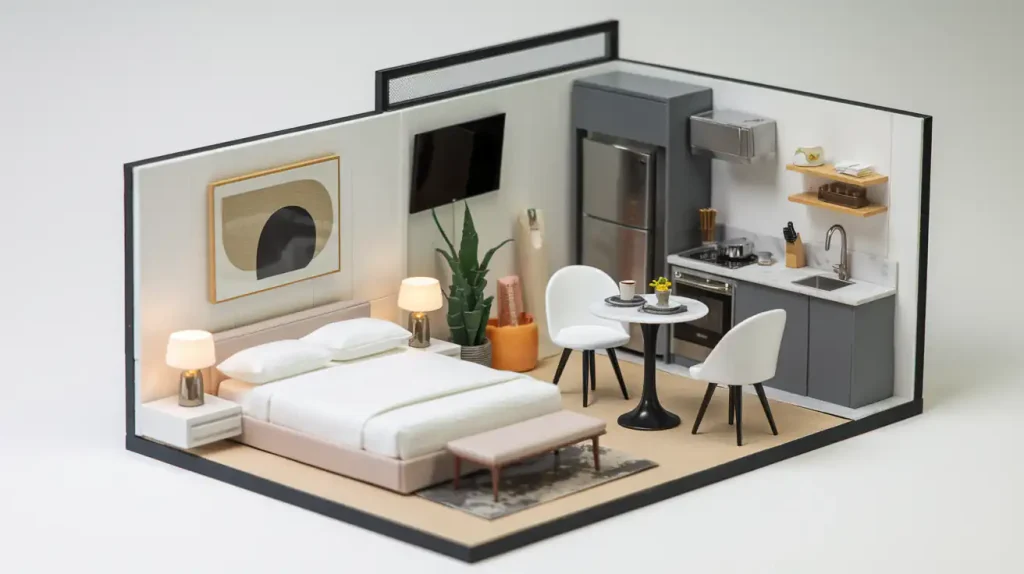
4.Mix vintage and modern decor: Incorporate a mix of accessories and decorative objects from various eras to create visual interest. This can include antique mirrors, contemporary artwork, vintage rugs, and modern light fixtures. For instance, Laura Mineff is an expert designer who seamlessly blends modern and vintage styles. Seeking ideas from such experts helps you pick and mix elements from various styles,
creating harmonious, stylish spaces that are bursting with personality.
5.Emphasize textures and patterns: Focus on layering textiles with different textures and patterns, such as linen, velvet, and wool, to create visual depth and interest. Incorporate geometric or abstract patterns through rugs, pillows, or artwork to add a contemporary touch.
6.Incorporate natural patterns and textures: Introduce natural patterns and textures, such as wood grain, woven materials, or organic shapes, to emphasize the vintage aspect of your design. This can be achieved through reclaimed wood furniture, natural fiber rugs, or woven baskets.
7.Add bold accent colors: Introduce pops of bold accent colors through accessories, artwork, textiles, or statement furniture pieces. These colors can include emerald green, navy blue, mustard yellow, or burnt orange, and will provide visual interest and contrast to the neutral base.
8.Create an open layout: Embrace minimalist design principles, functional furniture arrangements, and strategic placement of furniture along the walls to maximize space and promote a sense of spaciousness and flow.
What are the rules for applying vintage modern decor in a room?
To apply Vintage Modern decor to each room, focus on balancing vintage and modern furniture, layering textiles, incorporating bold patterns, and displaying a mix of contemporary and vintage accessories.
General Tips for Every Room
Less is More: Don’t overcrowd the space. Choose a few key vintage pieces to make a statement. Cohesive Color Palette: Use a limited color scheme that complements both the vintage and modern elements. Embrace Imperfection: Vintage pieces often come with character and patina—let these imperfections shine.
Living Room: Balance vintage seating, such as Mid-Century Modern sofas and armchairs, with modern coffee and side tables. Layer textiles with bold patterns and incorporate vintage rugs. Display contemporary artwork or vintage mirrors on the walls.
Dining Room: Choose a modern dining table with vintage chairs, such as Mid-Century Modern designs or antique finds. Hang a vintage chandelier and use a bold, patterned rug to anchor the space. Display vintage dishware or decorative objects on open shelves or a modern credenza.
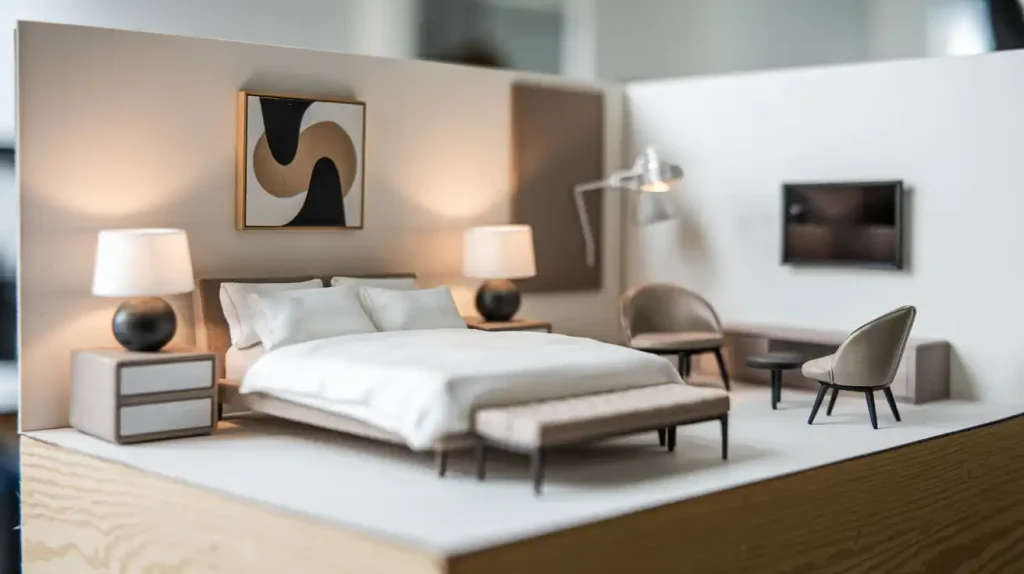
Bedroom: Mix a vintage bed frame with modern nightstands and dressers. Layer textiles with various textures and patterns, and incorporate vintage lighting, such as a Mid-Century Modern table lamp. Display contemporary artwork or vintage mirrors on the walls.
Kitchen: Use vintage-inspired tiles for the backsplash, and incorporate modern cabinetry and appliances. Hang vintage pendant lights over the island and use open shelves to display vintage dishware or accessories. Add a vintage area rug for warmth and texture.
Bathroom: Use vintage-inspired tiles for the flooring or shower surround, and incorporate modern fixtures and vanities. Hang a vintage-style mirror and use vintage storage solutions, such as repurposed crates or baskets. Display contemporary artwork or vintage accessories on open shelves.
With design, styles work with vintage?
Several design styles work beautifully with vintage elements, creating a cohesive and charming aesthetic – Bohemian, Art Deco, Shabby Chic, Farmhouse, Industrial, Mid-Century Modern, Scandinavian and Eclectic can mixe very well with the classical vintage decors.
- Mid-Century Modern: This design style, which emerged in the mid-20th century, is characterized by clean lines, organic shapes, and a focus on functionality. Mid-Century Modern furniture can serve as a perfect foundation for a vintage-inspired space, as its timeless design complements a variety of vintage elements and accessories.
- Bohemian: Eclectic mix of colors, patterns, and textures. Bohemian style embraces a mix of old and new, making it easy to incorporate vintage finds into a vibrant and personalized space.
- Industrial: Industrial design is inspired by old factories, warehouses, and workshops, and incorporates raw materials such as exposed brick, concrete, and metal. Vintage accessories and furniture can be seamlessly integrated into an industrial-inspired space, adding warmth, texture, and character to the overall design.
- Eclectic: Eclectic design is a style that combines various design elements, colors, textures, and patterns from different time periods and design movements. A mix of vintage furniture, accessories, and decor from various eras can create a visually engaging and dynamic space that showcases a curated collection of unique items.
- Shabby Chic: Shabby Chic is a design style that embraces vintage, distressed, and antique elements to create a romantic, feminine, and cozy atmosphere. Vintage furniture and accessories with a weathered appearance can be expertly combined with modern accents to create a harmonious and timeless design.
- Farmhouse: Farmhouse design is a style that draws inspiration from rural living and traditional farmhouses. Vintage furniture, accessories, and repurposed items can be incorporated to create a warm, welcoming, and rustic atmosphere in a Farmhouse-inspired space.
- Art Deco: Bold geometric patterns, rich colors, and luxurious materials. Art Deco’s glamorous and opulent style can be enhanced with vintage items, creating a sophisticated and timeless look.
Unexpected Combinations:
- Minimalist: While minimalist design emphasizes simplicity, a few carefully chosen vintage pieces can add warmth and character without overwhelming the space. Look for pieces with clean lines and a muted color palette.
- Scandinavian: Vintage pieces with organic shapes and natural materials, like a mid-century teak chair or a handwoven rug, can enhance the cozy and inviting feel of Scandinavian interiors.