Selling a commercial property or industrial buildings, such as a warehouse, factory, flex building, bulk warehouse more than 300,000 sq.ft or light assembly buildings and other, involves a structured approach to maximize value, ensure legal compliance, and facilitate a smooth transaction. There are eight steps in the process of selling commercial property, the first one being to Determine the Market Value, Gather Documentation, Prepare the Property, Develop a Marketing Strategy, Price the Property,Show the Property, Negotiate and Close and Post-Sale Activities.
Each step in the process of selling commercial real estate is interconnected and essential for a successful outcome. By following a structured approach and working with experienced professionals, you can navigate the complexities of the transaction and achieve your desired results.
Unlike residential buildings, selling industrial real estate requires agents to go the extra mile. Understanding this niche market is a necessity more than a hobby. And here is how creative ideas can help sell industrial buildings.
Want to get 3D rendering for your commercial project?

George is a seasoned interior designer and property marketing strategist with over 13 years of experience. He specializes in transforming properties into visually stunning spaces, helping clients recognize the potential and beauty in each property. With an impressive international client base of exciting projects throughout Europe and America.
George Nicola (Expert Interior Designer from TALLBOX) shares: Welcome to our article on commercial property sales. We’re excited to be here because we’re going to talk to you something we do every day at TALLBOX, and that is how to sell a commercial property with marketing knowledge.
In this session, we will provide an overview of the essential steps involved in selling a commercial property. Our goal is to share our expertise and insights, helping you understand the key elements of the process. We will cover the highlights, focusing on the most critical aspects to consider when engaging with commercial brokers and making informed decisions.

Find what are the Seller's Objectives?
How to Identify and Understand the Seller’s Objectives?
Conduct Thorough Interviews, ask direct questions about their reasons for selling, desired timeline, target sale price, and any specific terms or conditions. Understand any constraints such as tax considerations or legal obligations. Determine the urgency to sell, as it impacts pricing and marketing strategies.
The seller’s objectives are a crucial first step in the commercial property sales. As professionals, we don’t begin appointments by highlighting our achievements. Instead, we focus on comprehending the seller’s situation and goals.
In some cases, selling the property might not be the best option. There could be various reasons to delay the sale or consider alternatives such as leasing or seller financing. These alternatives can provide benefits like creating an income stream or addressing tax implications.
As marketers, our role is to act as problem solvers with the brokers, akin to a good doctor diagnosing a patient. We aim to understand the client’s circumstances thoroughly to offer the most suitable advice.
The next step involves evaluating the property itself, which will be discussed in the following section.
Find how to Evaluate a Commercial Property?
Evaluating a commercial property is a critical step in the sales process. Given the broad nature of commercial real estate, it is essential to first understand the type of asset in question. This could range from owner-user situations to investment properties and from office spaces to retail and industrial properties.
Types of Commercial Properties
- Owner-User: Properties used by the owner for their own business operations.
- Investment: Properties held primarily for generating rental income or capital appreciation.
- Office: Buildings or spaces used for business operations and administrative work.
- Retail: Spaces used for selling goods and services to consumers.
- Industrial: Properties used for manufacturing, production, or storage.
- Conduct a thorough valuation of the property
- Consider different pricing strategies (e.g., list price, price upon request, bidding process)
- Develop a pricing narrative that justifies the asking price
- Prepare sensitivity analyses to show potential returns under various scenarios
There are several common valuation methods used for commercial real estate. Each method has its own strengths and is suitable for different types of properties and investment strategies.
Run the situations to look at an income approach and a market approach.
Here are the most widely used methods:
Income Approach: This method estimates the value of a property based on the income it generates. It typically involves calculating the Net Operating Income (NOI) and then applying a capitalization rate (cap rate) to determine the property’s value.
- Direct Capitalization: A straightforward method where NOI is divided by the cap rate.
- Discounted Cash Flow (DCF): Projects future cash flows over a holding period and discounts them back to present value using a required rate of return.
Sales Comparison Approach: This method involves comparing the property to similar properties that have recently sold in the same market. Adjustments are made for differences in characteristics such as location, size, and condition.
Cost Approach: This method estimates the value by calculating the cost to replace or reproduce the property, minus depreciation. It is particularly useful for new constructions or unique properties where comparable sales data may be limited.
Gross Rent Multiplier (GRM): A simple method that uses the ratio of the property’s price to its gross rental income. It provides a quick estimate but can be less precise than other methods.
Replacement Cost Method: Similar to the cost approach, this method focuses on the cost to replace the property with a similar one at current market prices, considering depreciation.
Market Analysis: Involves a thorough analysis of the local market conditions, including supply and demand dynamics, economic indicators, and demographic trends that can influence property value.
Each of these methods can be used independently or in conjunction with others to arrive at a more comprehensive valuation. The choice of method often depends on the type of property, available data, and the purpose of the valuation.
Provide a Valuation Range
An evaluation range gives the broker and seller a ballpark to what the range is depending on the market owner’s motivation.
An evaluation range refers to a broad estimate of a property’s market value, which helps both the broker and the seller understand the potential selling price based on current market conditions and the seller’s motivations. This range is typically derived from various valuation methods and comparable sales data.
The key components of an evaluation range include:
-
Market Conditions: The evaluation range takes into account the current state of the real estate market, including supply and demand dynamics, economic factors, and trends affecting property values.
-
Owner’s Motivation: The seller’s level of urgency or motivation to sell can significantly influence the evaluation range. For example, a motivated seller may be willing to accept a lower price to facilitate a quicker sale, while a less motivated seller might aim for a higher price.
-
Broker’s Expertise: The broker’s knowledge of the local market and experience in pricing similar properties are critical in determining the evaluation range. They analyze recent sales, property features, and market trends to provide an informed estimate.
The evaluation range serves as a starting point for negotiations, helping both the broker and seller set realistic expectations regarding the property’s value. It also assists in identifying a suitable listing price that aligns with the seller’s goals and market conditions
After assessing the property using these methods, a valuation range is provided. This range takes into account the current market conditions and the owner’s motivation to sell.
- Set up a secure online data room for interested parties
- Organize all relevant documents for easy access during due diligence
- Prepare FAQ documents to address common inquiries
It is a step to conduct a thorough market analysis to understand current trends and demand, identify the property’s unique selling points and competitive advantages, and determine the ideal target audience (e.g., investors, owner-occupiers, developers). As a result, the position of the property is selected and highlights its best features and potential uses for the right type of buyer or tenant.
Prepare Marketing Approach for the Asset
Packaging and marketing a commercial property asset is a critical step in ensuring that the property reaches the right audience and achieves the highest possible value for the seller. This process involves several key components:
The first step in the process is to package the asset effectively. This means creating a comprehensive offering memorandum that includes all relevant details about the property. Highlights, Location with Real Estate Maps and Photos, Videos, Virtual walkthroughs, Financials and Market Data are essential to showcase the property in the best possible light.
- Parcel maps and floor plans: These provide detailed information about the property’s layout and location.
- Detailed building/construction information: This can include specifications about materials, age of the property, and any recent renovations.
- Disclaimer: A legal disclaimer ensuring the information is reliable but not guaranteed, which should be reviewed by an attorney.
Professional Design and Presentation
The design of the marketing package is important but does not need to be overly complex. It should be professional, modern, and easy to navigate. Investing in good offering memo templates that can be updated and modified can streamline the process. The content is more critical than the design, but a well-presented package reflects positively on the brokerage firm.
The ultimate goal of marketing is to attract buyers or high-quality tenants.

Use Digital Marketing and Traditional Marketing Methods for commercial real estate
Consider the optimal timing for bringing the property to market, adjust marketing strategies based on current market conditions, be prepared to pivot if market dynamics change during the marketing period – buyers or sellers market.
Effective marketing packages tell a story about the property. This involves more than just listing facts; it should persuade the reader to learn more and consider making an offer. For example, explaining the potential for improvement in a half-leased property can turn a perceived problem into an opportunity for savvy investors.
- Design eye-catching signage for the property
- Develop print materials such as brochures and flyers
- Place advertisements in industry publications and local media
- Utilize direct mail campaigns to reach specific investors or companies
- Leverage existing relationships with investors, brokers, and industry professionals
- Attend industry events and conferences to promote the property
- Host property tours and open houses for qualified prospects
- Engage with local business associations and chambers of commerce

3D Renderings in Commercial Real Estate
3D renderings are no longer a luxury in commercial real estate – they’re a necessity. These photorealistic visualizations bring blueprints and floor plans to life. These renderings can include aerial views, street views, office interiors, warehouse layouts and anything in between.
3D rendering starts with architectural plans, sketches, or even just ideas. Skilled artists use specialized software (like 3ds Max, Lumion, Vray) to build virtual models and apply textures, lighting, and landscaping to create incredibly realistic visuals.
For example: offering a powerful tool for various stages of a project.
Warehouse for a Food Company: Highlight storage capacity, layout, refrigeration units, food safety features, ease of access for delivery trucks, and compliance with food industry regulations.
Warehouse for a Solar Panels Company: Demonstrate capacity for storing large solar panels, efficient layout for assembly and distribution, renewable energy equipment storage, and eco-friendly features.
Want to get 3D rendering for your commercial project?
Example for Spatial Planning: See how spaces flow together, furniture layouts, and potential design challenges before construction begins.

Example for Material Selection: Experiment with different finishes, colors, and materials to find the perfect aesthetic.
Example for Lighting & Ambiance: Understand how natural and artificial light will impact the feel of a space.

Example for Exterior Views & Landscaping: Showcase the building’s curb appeal, integration with the surrounding environment, and potential outdoor spaces.

Want to get 3D rendering for your commercial project?
Unexpected Combinations:
- Minimalist: While minimalist design emphasizes simplicity, a few carefully chosen vintage pieces can add warmth and character without overwhelming the space. Look for pieces with clean lines and a muted color palette.
- Scandinavian: Vintage pieces with organic shapes and natural materials, like a mid-century teak chair or a handwoven rug, can enhance the cozy and inviting feel of Scandinavian interiors.
Invest in Minor Upgrade
Small upgrades go a long way when selling warehouses. Repairing the walls, fixing minor damages, or cleaning the floors could drastically improve the property’s overall condition.
Investing in minor upgrades is a smart move; it can potentially elevate your property’s appeal, attract a wider pool of buyers, and potentially secure a higher sale price.
Even small upgrades can significantly impact how buyers perceive your property. A fresh coat of paint, updated lighting fixtures, or new landscaping can make a world of difference.
Increased Perceived Value: Buyers are more likely to pay a premium for a property that appears well-maintained and move-in ready. Minor upgrades can provide a significant return on investment by boosting the perceived value.
Faster Sales Cycle: Properties that present well tend to attract more interest and sell faster. Minor upgrades can help you avoid lengthy negotiations and secure a quicker sale.
- Prioritize High-Impact Upgrades: Focus on upgrades that will have the most significant impact on buyer perception.
- Set a Realistic Budget: Determine a budget that aligns with your overall marketing strategy and potential return on investment.
- Consider DIY Options: Some upgrades, such as painting or landscaping, can be tackled with DIY efforts to save costs.
Key Areas to Target for Minor Upgrade
Curb Appeal:
- Landscaping: Trim overgrown bushes, plant colorful flowers, and ensure the lawn is well-maintained.
- Exterior Paint: A fresh coat of paint can instantly modernize the facade.
- Lighting: Well-lit walkways and entrances enhance safety and create a welcoming ambiance.
- Signage: Ensure signage is clear, legible, and visually appealing.
Common Areas:
- Lobby & Reception: Upgrade furniture, add plants, and ensure the space is well-lit and inviting.
- Hallways & Corridors: Fresh paint, new carpeting, and updated lighting can make a big difference.
- Restrooms: Modern fixtures, fresh paint, and good ventilation enhance hygiene and user experience.
Individual Units (If Applicable):
- Paint & Flooring: Neutral paint colors and updated flooring can quickly refresh the space.
- Kitchen & Bathroom Updates: Consider minor upgrades like new cabinet hardware, faucet replacements, or lighting fixtures.
- Cleaning & Decluttering: A thorough cleaning and decluttering can make a space feel larger and more appealing.
Applications Across the Commercial Real Estate
Marketing & Leasing:
- Attract Tenants: Captivating visuals showcase a property’s potential, attracting high-quality tenants even before construction is complete.
- Virtual Tours & Presentations: Immersive experiences help potential renters or buyers envision themselves in the space.
- Marketing Collateral: High-quality renderings enhance brochures, websites, and social media campaigns, conveying a professional and aspirational image.
Design & Development:
- Collaboration & Communication: Facilitate communication between architects, designers, and clients by providing a clear visual representation of the project.
- Design Iteration: Easily test different design concepts, make adjustments, and present options to stakeholders.
- Problem Solving: Identify potential design flaws or spatial constraints early on, saving time and costs during construction.
Investment & Financing:
- Securing Funding: Compelling visuals increase investor confidence by showcasing the project’s potential return on investment.
- Presenting to Lenders: Communicate the project’s vision effectively, demonstrating its viability and attractiveness to future tenants.
3D renderings are an indispensable tool in commercial real estate. By transforming abstract plans into tangible experiences, they enhance communication, facilitate decision-making, and ultimately contribute to the success of any project.
Public Relations and Media Outreach for commercial real estate
Develop press releases about the property or development. Pitch stories to relevant media outlets and industry publications. Arrange interviews or property showcases with local news stations.
Use Targeted Outreach:
- Identify and directly contact potential buyers or tenants who may have a specific interest in the property
- Tailor marketing messages to address the needs of different buyer/tenant profiles
Broker Collaboration:
- Engage with local and national brokerage firms
- Offer competitive commission structures to incentivize broker participation
- Provide brokers with marketing materials and property information
Regularly solicit feedback from interested parties and brokers. Be willing to adjust pricing or marketing strategies based on market response. Provide timely updates to the owner or stakeholders on marketing progress.
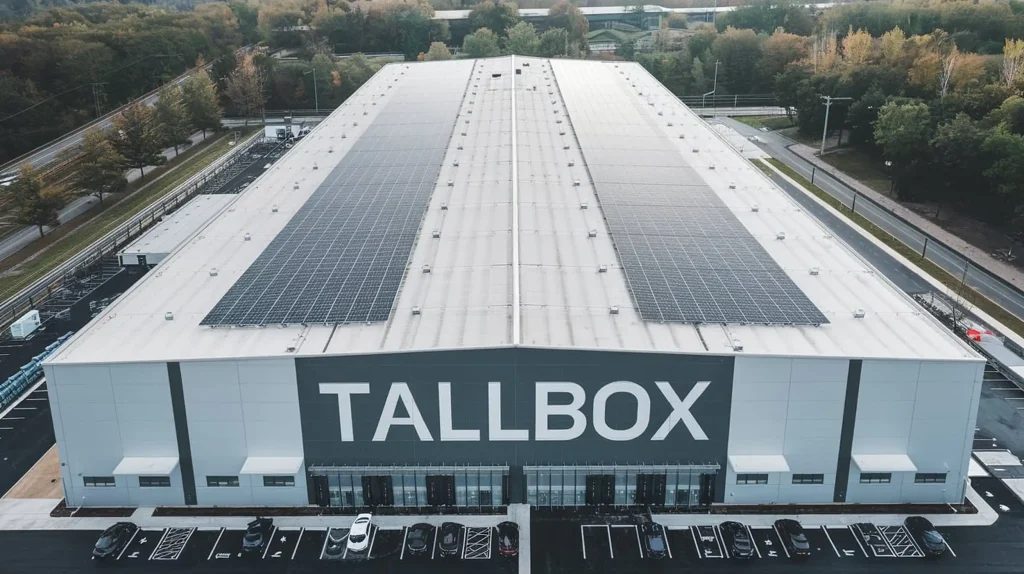
Conduct Property Tours
Conducting property tours in commercial real estate significantly differs from residential real estate. In residential real estate, it is common to use a lockbox system where potential buyers can access the property independently. However, in commercial real estate, the process is more hands-on and guided.
Commercial brokers play a crucial role during property tours. They are responsible for guiding, advising, and selling the property. This active involvement ensures that potential buyers receive comprehensive information about the property.
The complexity of commercial properties necessitates a thorough and informative tour. Brokers must discuss various aspects of the property, including the age of the roof, structural integrity, zoning, parking, HVAC systems, and more. This detailed dialogue helps potential buyers make informed decisions.
The labor-intensive nature of these tours underscores the importance of the broker’s role in ensuring a successful transaction.
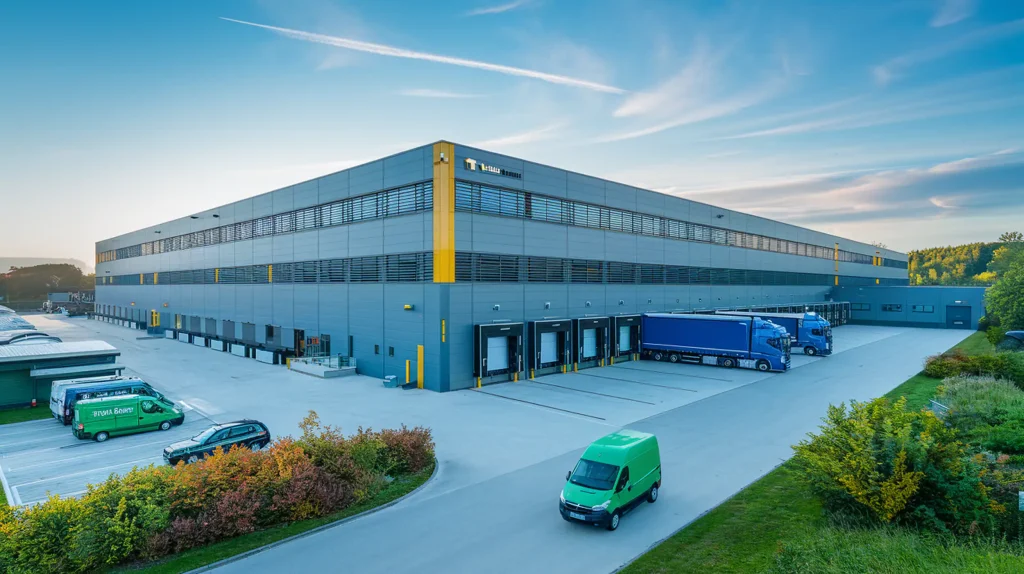
Negotiating the deal
Negotiating the deal is a critical phase in the commercial property sales process. This stage involves a back-and-forth exchange to finalize the purchase agreement. As highlighted, “if you aren’t doing the deals, you don’t know how to negotiate.” This underscores the importance of experience in understanding the customary terms and knowing what to ask for.
With extensive experience in handling hundreds and thousands of deals, experts in this field are well-versed in the nuances of negotiation. They know what is customary and what can be requested, making them adept at structuring the deal in the best possible way. This expertise is crucial in ensuring that the deal is put together and structured optimally.
Negotiation is more complex than it appears. It requires a deep understanding of the market, the property, and the needs of both parties. Once the deal is agreed upon and all parties are on board, the process moves into the due diligence management phase.
Managing Due Diligence
Managing the due diligence process is a critical role for brokers in commercial property sales. Once the purchase agreement is signed, the clock starts ticking for the buyer’s due diligence period. This period involves various inspections, underwriting, environmental assessments, and more. It is essential for brokers to actively manage this process to ensure all necessary steps are completed efficiently.
Brokers must coordinate with the buyer, the buyer’s agent, and the lender to keep everyone aligned and progressing towards closing. This involves anticipating potential issues and thinking ahead during the negotiation phase. The structure of the deal, whether it involves cash, contract for deed, or lender financing, significantly impacts the due diligence process.
Understanding the requirements and timelines for various due diligence activities, such as phase one environmental tests and surveys, is crucial. Brokers must determine responsibilities for additional steps, like phase two assessments, and navigate the many layers of the due diligence process to ensure a smooth transaction.
By effectively managing due diligence, brokers can help facilitate a successful closing and address any issues that arise promptly.
Closing the Sale
Closing a commercial property sale involves several critical steps to ensure a smooth and successful transaction. This phase is distinct from residential closings in several ways.
Final Steps in the Commercial Property Sale Process
During the closing phase, all necessary title work is compiled, including the title commitment and the lender’s title policy. The financing must be finalized, and the appraisal completed. Once these elements are in place, the closing can proceed.
Differences Between Commercial and Residential Closings
Unlike residential closings, commercial closings are often more segmented. The seller and buyer may close separately, making the process more business-like and less personal.
Coordinating Title Work, Financing, and Appraisals
Ensuring that all title work, financing, and appraisals are in order is crucial. This coordination helps prevent any last-minute issues that could delay the closing.
Ensuring a Smooth Closing and Disbursement of Funds
Once the funding is complete, the disbursement of funds occurs. This marks the final step in the closing process.
Conclusion and Final Thoughts
In conclusion, the process of selling commercial property involves several critical steps, from understanding the seller’s objectives to closing the sale. Each phase requires careful attention and expertise to ensure a successful transaction.
One of the key takeaways is the importance of hiring experienced brokers. As mentioned, “The key thing there is people are looking at who to hire to help them sell their property.” Experienced brokers work with experienced marketing companies such as TALLBOX, who are in the trenches every day, understanding the nuances and complexities of the market, which is crucial for successful marketing and sales.
We hope this guide has been helpful. We appreciate you joining us and encourage you to follow us for more insightful content.
What types of industrial properties does exist?
Industrial properties encompass a diverse range of facilities and different types of industrial properties, and their specific characteristics are essential for investors, developers, and businesses seeking suitable spaces to meet their operational requirements.
Warehouses and Distribution Centers
General Warehouses: These are primarily used for storage and may have a lower door-to-square-footage ratio since products are not frequently moved in and out. They can be used for specialized storage, such as cold storage.
Distribution Warehouses: These are single-story buildings used for storing and distributing goods. They are typically large, with sizes ranging from 50,000 to hundreds of thousands of square feet, and feature numerous loading docks and truck doors.
Manufacturing Buildings
Heavy Manufacturing: These facilities are used for producing heavy-duty goods such as automobiles, steel, and cement. They require significant space, heavy-duty equipment, three-phase electricity, and often include features like customized drainage, pressurized air and water lines, and cranes.
Light Manufacturing: These properties are smaller and simpler, used for producing consumer goods like electronics and furniture. They use lighter, portable equipment and can be reconfigured for new tenants.
Flex Spaces
Flex Buildings: These offer flexibility in use, combining office space, research and development, showroom retail sales, light manufacturing, and small warehouse and distribution uses. They typically feature lower ceilings and a higher percentage of office space compared to other industrial properties.
Specialized Industrial Properties
Cold Storage Facilities: These are equipped with large-capacity coolers and freezers, primarily used for storing temperature-sensitive products like food and pharmaceuticals.
Data Centers
Data Centers: Highly specialized buildings that house extensive computer servers and telecom switching equipment, requiring redundant power supplies, backup generators, and specialized HVAC systems.
Server Farms: Highly secure and climate-controlled facilities housing large-scale computer systems, servers, and networking equipment for data storage and processing of blockchain, crypto, government, or bank data.
Industrial Parks and Land
Industrial Parks: These provide areas zoned for industrial use, housing various types of industrial buildings, including manufacturing facilities, warehouses, and distribution centers. They may offer tax incentives to attract businesses.
Industrial Land: Land zoned for industrial use but without any permanent structures. This land can be used for various purposes, such as parking equipment or storing materials, and offers the opportunity to build from the ground up.
Showroom Buildings
Showroom Buildings: These combine retail display space with warehousing and distribution. They are often used by manufacturers to showcase products while also serving as a shipping and distribution center.
Research & Development (R&D) Facilities
Technology Parks: Clusters of buildings designed for research, innovation, and technology companies, often located near universities or research institutions.
Laboratories: Buildings equipped with specialized equipment and infrastructure for scientific research, testing, and development in various fields.
Research and Development (R&D) Buildings: These combine office, manufacturing, and warehouse space, often used by high-technology industries such as computers, electronics, biotechnology, and pharmaceuticals.
Other Industrial Types
Telecom/Data Hosting Centers: Specialized facilities located near major communications trunk lines, designed to support extensive computer servers and telecom switching equipment.
Bulk Warehouses: Large properties, typically in the 50,000 to 1,000,000+ square foot range, used as regional distribution centers for various products and requiring strong accessibility for trucks.
Self-Storage Facilities: Multi-unit properties offering individual storage spaces for rent to businesses and consumers. These facilities typically feature drive-up access and varying unit sizes to accommodate different storage needs.