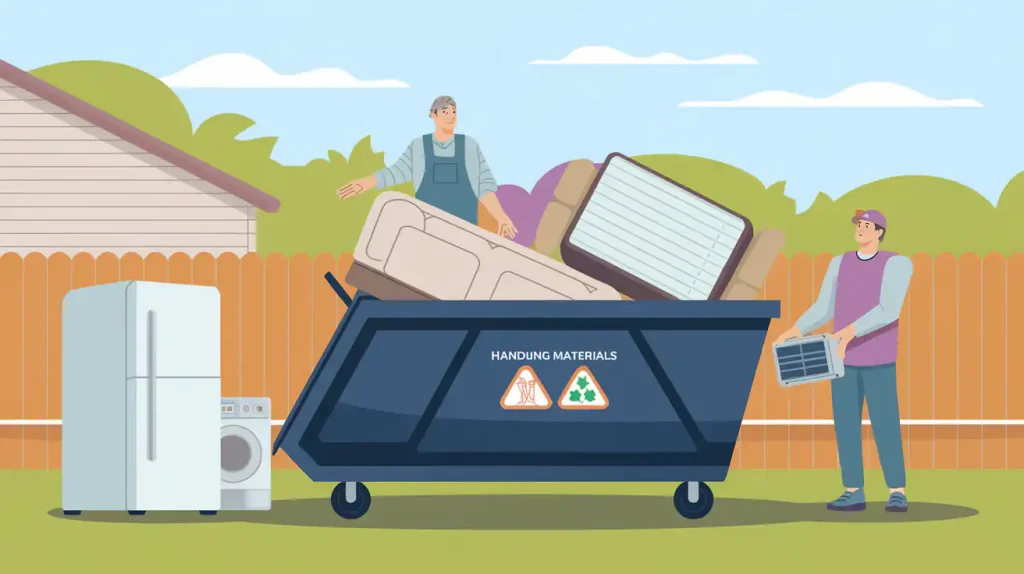
During a renovation, there are many materials that can be disposed of in a dumpster rental. These materials include most non-hazardous household waste, furniture, toys, clothing, general clutter, construction and building materials, and yard waste. Large items such as couches, desks, chairs, appliances, and electronics can also be placed in a dumpster. However, appliances containing Freon, like refrigerators and air conditioners, often require special handling and may be subject to additional fees or restrictions.
There are also several items that cannot be disposed of in a dumpster rental, including hazardous waste like paints, oils, asbestos, chemicals, and batteries, tires, and flammable or explosive materials. It is important to check with your dumpster rental provider to understand their specific guidelines on what can and cannot be disposed of.
It is also important to understand that different types of projects will generate different types of waste. For example, home renovations and construction projects will produce a lot of debris, while landscaping projects will primarily produce organic waste. Electronic waste should be handled separately and not disposed of in a dumpster.
When planning for a dumpster rental, it is important to estimate the right size dumpster, break down large items to maximize space, and distribute weight evenly throughout the dumpster to ensure safety during transport. Additionally, it is important to choose the right location for the dumpster, clear the area of any obstacles, and check for any necessary permits.
Want to get 3D rendering for your new house project?
Table of Contents

George is a seasoned interior designer and property marketing strategist with over 13 years of experience. He specializes in transforming properties into visually stunning spaces, helping clients recognize the potential and beauty in each property. With an impressive international client base of exciting projects throughout Europe and America.
George Nicola (Expert Interior Designer from TALLBOX) shares: When renting a dumpster, it is essential to be aware of the general rules regarding what can and cannot be placed inside. While there are common guidelines, it is important to note that individual haulers may have their own specific policies. As noted, “This certainly isn’t a complete list as individual haulers will make their own policies about what items they accept.” Therefore, it is advisable to check with your local hauler to understand their specific requirements and restrictions.
Commonly Accepted Items in Dumpsters
Generally, most non-hazardous waste, junk, and debris are allowed in dumpsters. These items can include household garbage, furniture, clothing, toys, general clutter, construction and building materials, yard waste, and appliances. Items that are typically prohibited from being disposed of in a dumpster include hazardous waste, such as paints, oils, asbestos, chemicals, and batteries, tires, and flammable or explosive materials.
Appliances containing Freon, like refrigerators and air conditioners, often require special handling and may be subject to additional fees or restrictions. Check with your rental provider for specific guidelines and alternative disposal options.

Overview of Non-Hazardous Wast
List of Commonly Accepted Items
- Appliances (without freon)
- Clothing
- Construction debris
- Demolition debris
- Dirt
- Furniture
- General trash
- Paper products
- Shingles
- Toys
- Wood
- Yard waste
Importance of Checking with Providers
While this list covers many common items, it’s crucial to check with your specific dumpster rental provider to ensure compliance with their policies. This will help avoid any potential issues with disposal.
Construction and Renovation Debris Disposal
When dealing with construction and renovation projects, understanding the proper disposal of debris is crucial.
Types of Construction Debris Allowed
Construction debris such as concrete, asphalt, brick, and asphalt roofing shingles can typically be disposed of in dumpsters. However, due to their weight, some companies may require specific dumpsters designed for heavy materials. It’s important to confirm with your dumpster rental provider whether these materials are accepted and if any special arrangements are needed.
Weight Considerations and Specific Dumpsters
Heavy debris requires careful consideration of dumpster weight limits. Many companies offer dumpsters specifically for heavy materials to prevent exceeding weight restrictions. This ensures safe and efficient disposal without incurring additional fees.
Fees Associated with Heavy Materials
While most heavy debris can be disposed of in dumpsters, there may be additional fees, particularly for items like asphalt roofing shingles. It’s advisable to inquire with your dumpster rental provider about any extra charges related to the disposal of specific materials.
Furniture Disposal Guidelines
Types of Furniture Allowed in Dumpsters
Most dumpsters accept a wide range of furniture, including couches, tables, and chairs. However, it’s important to check local regulations as they can vary.
Regional Variations in Furniture Disposal
In some areas, upholstered furniture and mattresses may not be allowed in landfills. In other regions, these items can be disposed of in dumpsters, but additional fees might apply. It’s crucial to understand your local area’s rules to avoid unexpected charges.
Additional Fees for Certain Items
Depending on your location, disposing of certain furniture items like mattresses may incur extra costs. Always verify with your local waste management authorities to ensure compliance and avoid extra fees.
How to plan a dumpster size, placement and order?
Got a big pile of junk taking over your garage? This Major mess making your house gross? Sometimes you just gotta call in backup in the form of a dumpster, to haul away all the trash. Renting a dumpster like roll off service Joplin mo for the first time can seem confusing, but don’t sweat it. This handy guide will walk you through the whole process so you can clean up your property with zero stress.
Picking a Dumpster Size
First up, deciding how big of a dumpster you need. A good rule of thumb:
- 10-15 yard dumpster – For a small home remodel, garage/attic cleanout
- 15-20 yard dumpster – For a medium house reno or yard overhaul
- 20-30 yard dumpster – For major whole house renovations
If the junk is really piling up, size up to give yourself wiggle room. You can always downsize later if needed.
Figuring Out Placement
Now think about the best spot to plop your dumpster. You’ll want it:
- On a flat, sturdy surface – dirt, grass or gravel is fine.
- Away from low-hanging trees/wires
- Accessible for loading but not blocking important areas
- Near the trash piles for easy loading
Inspect your property and pick a spot that works. Pro tip: Measure to make sure your dumpster will fit.
Ordering Your Dumpster
Alright, time to call a dumpster rental company and get this party started. Tell them:
- The size dumpster you need
- How many days you’ll need it for
- Your desired drop-off date
- The materials you’ll be tossing
- Your dumpster placement location
They’ll confirm cost and logistics, then your dumpster will get delivered on the scheduled day – easy peasy.
Loading Time. Now Let’s Fill it Up
When the dumpster arrives . Here are pro tips for fast, efficient loading:
- Crush larger items to save space.
- Toss heavier debris on the bottom for stability.
- Don’t overfill. Leave some empty space at the top.
- Scrape off excess dirt, concrete etc. before putting it in the dumpster.
- Stack neatly and evenly distribute weight.
Never put prohibited items like hazardous waste in the dumpster, safety first.
Keep loading strategically until that baby is full.
Winding Down and Wrapping Up
As your rental period ends, start cleaning up:
- Taper off adding debris 1-2 days before pickup.
- Remove any overhanging items near the top edge.
- Double check for prohibited materials – don’t get fined.
- Confirm your dumpster pickup/removal date.
Soon your debris-free yard will be revealed. But don’t worry – you can always rent another dumpster in the future as needed.
Use loading ramps
For rolling heavy debris like appliances or furniture safely into the dumpster, use sturdy plywood ramps. This avoids straining yourself trying to lift awkward heavy objects. Just securely position the ramp against the dumpster edge and roll stuff right up and in. Ramps make the loading process much easier on your back.
Appliance Disposal Guidelines
When disposing of appliances, it’s important to know which types are generally accepted in dumpsters and the necessary precautions to take.
Types of Appliances Allowed
Most household appliances, such as refrigerators, air conditioning units, washers, and dryers, can be disposed of in a dumpster. However, it’s crucial to ensure that any hazardous materials are properly handled.
Requirement to Remove Hazardous Components
Before disposing of appliances that contain hazardous fluids, such as Freon, these components must be removed. This is essential to prevent environmental harm and comply with regulations.
Hiring Professionals for Safe Disposal
For appliances containing Freon or other hazardous materials, it is advisable to hire a professional, such as an appliance repair specialist or HVAC technician, to safely remove these substances before disposal.
Electronics Disposal Guidelines
When disposing of electronics, it’s important to know what is typically allowed in dumpsters and what requires special handling. Common electronics like computers, TVs, and printers are generally accepted in most dumpsters. However, if you are dealing with a large quantity of electronics, such as during an office cleanout, recycling them as e-waste is often necessary. In these cases, additional charges may apply per item to cover recycling fees.
Local regulations can vary significantly, with some areas prohibiting the disposal of electronics in dumpsters altogether. Therefore, it’s crucial to check with your dumpster rental provider to understand the specific rules in your area.
For e-waste like cell phones, tablets, computers, or printers, consider donating or recycling them. Working TVs and appliances can be donated to organizations like Habitat for Humanity.
Yard Waste Disposal Guidelines
Disposing of yard waste such as trees, branches, brush, and grass is generally permissible in most dumpsters. However, acceptance of yard waste can vary based on regional regulations. In certain areas, there are restrictions on the volume of green waste that can be sent to landfills, while other regions may allow you to fill a dumpster to its full capacity.
Types of Yard Waste Allowed
- Trees
- Branches
- Brush
- Grass
Regional Limitations on Green Waste
The acceptance of yard waste in dumpsters is subject to local regulations. It’s important to check with your local waste management authorities to understand any limitations or requirements specific to your area.
Benefits of Clean Loading Dumpsters
A useful tip for managing yard waste disposal is to consider the clean load option offered by some companies. This involves loading only one type of recyclable material, such as yard waste, into the dumpster. Clean loading can often be done at a discounted rate, and the materials are then recycled efficiently.
Miscellaneous Items Disposal
When it comes to disposing of miscellaneous items, there are several things you can include in a dumpster. Items such as toys, curtains, carpeting, old documents, and cardboard are typically accepted. These are considered non-organic trash and can be disposed of without issue.
However, it’s important to remember that this list covers the most common items. If you have any doubts about whether a specific item can be disposed of in a dumpster, it’s always best to check with your dumpster rental provider. They can offer guidance and ensure you comply with any local regulations.
Additionally, consider recycling or donating items whenever possible. This not only helps the environment but can also benefit others in need.
Conclusion and Environmental Considerations
In conclusion, understanding what can be disposed of in a dumpster is crucial for effective waste management. It’s important to minimize landfill waste by donating, selling, or recycling items whenever possible. This not only helps protect the environment but also promotes sustainable practices.
Additionally, always remember to check local regulations to ensure compliance with disposal guidelines. For more information on what cannot be placed in a dumpster, be sure to explore our other resources.