Staging works best when it is not treated as decoration alone.
A lot of home-selling advice says to declutter, add neutral colors, and make the home feel welcoming. That is fine as a baseline, but it is not enough if you want your staging to connect with the people most likely to buy the property. Different buyers are looking for different outcomes. A first-time buyer may want reassurance and practicality. A millennial buyer may want flexibility and modern function. A luxury buyer may expect refinement and exclusivity. A family with children may prioritize safety, storage, and ease of daily living.
That is why staging should be aligned with buyer personas.
The most helpful way to think about this is simple: each type of buyer has a different set of priorities, and staging should make those priorities visible. When you present the home in a way that matches what the likely buyer values most, the listing becomes easier to understand and easier to imagine living in.
This article explains how to stage a home for different buyer personas in a way that is specific, practical, and useful.

George is a seasoned interior designer and property marketing strategist with over 13 years of experience. He specializes in transforming properties into visually stunning spaces, helping clients recognize the potential and beauty in each property. With an impressive international client base of exciting projects throughout Europe and America.
Why buyer-persona staging matters?
A buyer does not walk into a home and assess it in a vacuum. They compare what they see against their own needs, budget, routines, goals, and expectations.
In practical terms:
- Luxury buyers often ask whether the home reflects quality, comfort, and distinction.
- First-time buyers often ask whether the home feels manageable and worth the cost.
- Millennial buyers often ask whether the home supports a modern, flexible lifestyle.
- Families with kids often ask whether the home supports safety, storage, and everyday function.
Good staging answers those questions before the buyer even says them out loud.
That is the real purpose of staging. It is not just to make a home look attractive. It is to make the home feel relevant to the right person.
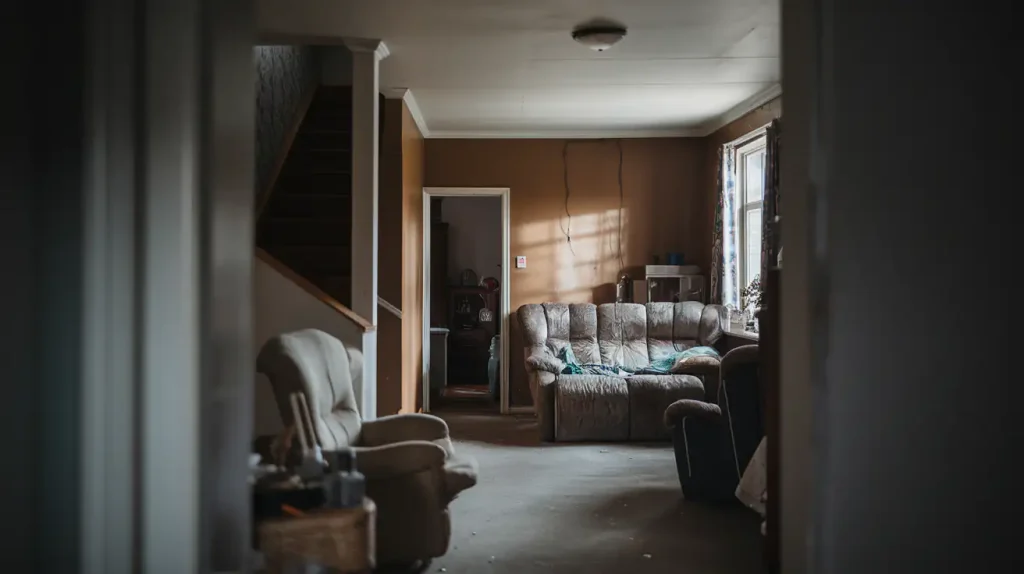
Before moving furniture or buying decor, step back and ask who is most likely to buy the home.
Look at factors such as:
- location
- price point
- number of bedrooms and bathrooms
- nearby schools, parks, restaurants, or transit
- lot size
- level of finishes
- age and style of the home
For example:
- A smaller updated condo in a walkable area may appeal most to first-time buyers or millennials.
- A large suburban home near schools may appeal most to families with kids.
- A custom property with premium finishes and privacy may appeal most to luxury buyers.
When you know the likely buyer, it becomes much easier to stage with purpose.
Staging for luxury buyers
Luxury buyers usually expect more than a nice-looking property. They expect quality, polish, comfort, and a sense of distinction. For this buyer persona, staging is not just about warmth. It is about presentation at a higher standard.
Luxury staging should help the home feel curated rather than decorated.
What luxury buyers tend to care about?
This buyer group often values:
- quality materials
- refined finishes
- privacy
- scale and proportion
- comfort
- exclusivity
- lifestyle amenities
- ease of ownership

How to stage for luxury buyers?
1. Let premium features speak
If the home has strong architectural details or high-end materials, do not bury them under accessories. Luxury buyers often notice craftsmanship, finish quality, and restraint.
Highlight:
- hardwood floors
- stone countertops
- custom cabinetry
- large windows
- statement lighting
- architectural symmetry
- premium appliances
The staging should support these features, not compete with them.
2. Use fewer, stronger furniture pieces
Luxury spaces usually benefit from careful editing. Too much furniture can shrink a room visually and reduce the sense of elegance.
Choose pieces that fit the scale of the room and create a feeling of calm, proportion, and confidence.
3. Stage for hospitality-level comfort
Luxury buyers often respond to spaces that feel like a private retreat. This can be expressed through:
- crisp, layered bedding
- high-quality textiles
- spa-like bathroom presentation
- sophisticated lighting
- polished dining and entertaining setups
The home should feel elevated without feeling stiff.
4. Treat outdoor areas as living spaces
In higher-end properties, outdoor space is often a major selling point. A terrace, pool area, garden, or covered patio should look fully considered.
Stage these areas with the same care as interior rooms. Show whether the outdoor space supports:
- entertaining
- lounging
- dining
- privacy
- views
- quiet retreat
5. Remove anything that weakens the premium impression
Luxury buyers are often sensitive to inconsistency. A beautiful home with cluttered surfaces, worn furnishings, or rushed styling can feel less convincing.
Everything visible should feel intentional.
The message should be:
This home offers quality, comfort, and a lifestyle that feels complete.
The message should be:
This home supports a modern lifestyle, works hard, and still feels easy to enjoy.
Staging for first-time home buyers
First-time buyers only need the assurance that they’re making a good first-ever investment decision. Focus on new, affordable updates to capture their interests without overinvesting in full renovations. If you’re not sure how to execute home staging for first-timers, start by understanding what is home staging and then explore its possibilities for first-time home buyers.
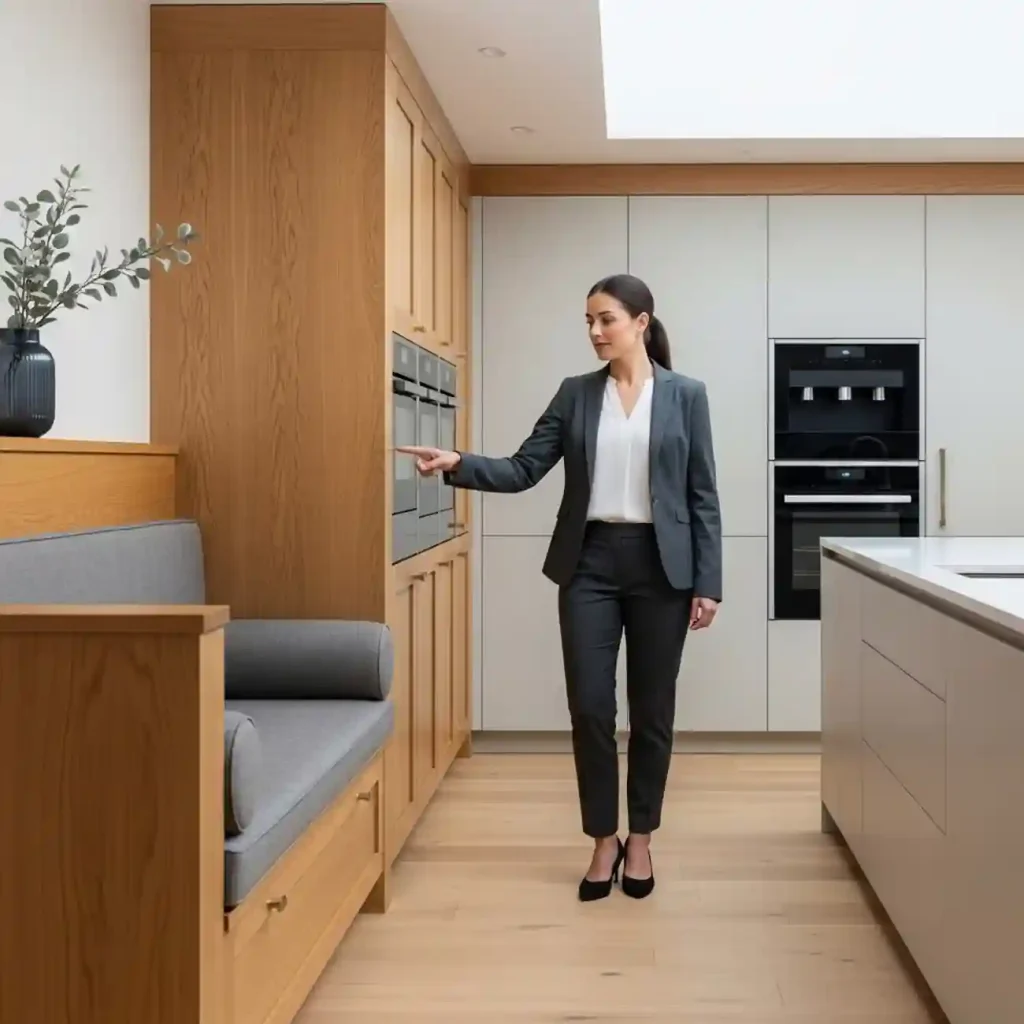
What first-time buyers tend to care about
This buyer group often values:
- move-in readiness
- practical layouts
- affordability
- visible maintenance
- manageable space
- smart use of storage
They are often less drawn to dramatic styling and more influenced by signs that the home will be easy to live in and easy to maintain.
How to stage for first-time buyers
1. Make the home feel move-in ready
A first-time buyer may be discouraged by obvious repairs or unfinished details. Small issues can feel bigger to this audience because they may already be worried about budget.
Focus on:
- fresh paint
- clean walls and trim
- repaired hardware
- updated light fixtures where needed
- spotless kitchens and bathrooms
The goal is to reduce friction and uncertainty.
2. Use simple, functional furniture arrangements
Do not overcrowd rooms. Show that the space works.
A small living room should still feel comfortable, and a compact dining area should look usable rather than cramped. Furniture should help define flow, not block it.
3. Highlight storage wherever possible
Storage matters because it helps the home feel more livable and practical.
Make sure:
- closets are organized
- kitchen cabinets are not overflowing
- bathroom storage feels intentional
- laundry or utility areas look efficient
4. Keep styling neutral and relatable
Avoid highly personalized or overly expensive-looking staging. First-time buyers need to imagine themselves in the home, and they may feel disconnected if the home looks too formal or unrealistic for their budget.
Use a clean, modern, approachable look.
5. Show value, not extravagance
A first-time buyer often responds better to thoughtful updates than flashy upgrades. New cabinet pulls, clean flooring, good lighting, and practical room use often matter more than luxury styling.
The message should be clear:
This home is functional, manageable, and ready for your next step.
Staging for millennial buyers
Millennial buyers are not all the same, but many respond well to homes that feel adaptable, current, and efficient. This group often values homes that fit both lifestyle and work needs.
For many millennial buyers, a home is not just where they sleep. It may also be where they work, host friends, exercise, create content, or spend more day-to-day time than past generations did.
What millennial buyers tend to care about?
This buyer group often values:
- flexible use of space
- clean, contemporary design
- low-maintenance living
- technology integration
- natural light
- visual appeal online and in person
How to stage for millennial buyers?
1. Create a clean, modern visual style
Millennial buyers often respond to simplicity with warmth. That usually means:
- uncluttered surfaces
- neutral colors
- layered textures
- light wood or matte finishes
- limited but intentional decor
The home should look current, not cold.
2. Stage at least one flex space
If there is a spare bedroom, nook, loft, or corner area, give it a clear purpose. A small desk setup can show work-from-home potential. A compact wellness corner can show flexibility. A guest room can double as an office.
This matters because many millennial buyers want rooms that can evolve with their lifestyle.
3. Highlight modern convenience
If the home has smart features, energy-efficient upgrades, or newer systems, make sure those benefits are visible in the listing and easy to notice during showings.
Examples include:
- smart thermostat
- video doorbell
- modern lighting
- charging-friendly areas
- updated appliances
Even if the technology is modest, convenience still sells.
4. Make social spaces feel natural
Stage the living room, kitchen, and dining areas to support everyday living and informal hosting. Open sightlines and conversational furniture placement can make the space feel easier to use.
5. Pay attention to listing-photo appeal
Millennial buyers often do significant filtering online before deciding to tour a home. That means staging should also support strong visual presentation in photos.
Rooms should look bright, clean, balanced, and useful.
Staging for families with kids
Families with children often evaluate a home based on whether it can support the realities of everyday life. They are thinking about movement, routines, supervision, storage, meals, sleep, homework, and outdoor use.
This means staging for families should be practical without feeling plain.
What families with kids tend to care about?
This buyer group often values:
- safety
- usable living space
- storage
- flexible bedrooms
- family gathering areas
- durable function
- secure outdoor space
How to stage for families?
1. Emphasize livable shared spaces
The main living area should feel like a place where people can gather comfortably. Avoid layouts that are too formal or too delicate.
Instead, show:
- comfortable seating
- easy movement
- visible openness
- room for family interaction
A family buyer wants to imagine daily life working smoothly.
2. Make storage visible and believable
Storage can strongly influence family buyers because they usually have more daily-use items to manage.
Show organization in:
- entry or mudroom areas
- kitchen pantry
- bedroom closets
- linen storage
- laundry areas
- garage shelving, if relevant
Storage does not have to be abundant everywhere, but it should feel useful.
3. Show flexible bedroom use
A secondary bedroom can be staged as a child’s room, study space, or guest room depending on what best fits the home. The key is to help the buyer understand options.
4. Highlight safety and ease of supervision
This does not mean turning the home into a daycare-like environment. It means making the layout feel workable.
For example:
- keep pathways clear
- remove sharp clutter
- make outdoor spaces look secure
- show fenced yards positively
- make stairs, railings, and transitions feel maintained
5. Stage the backyard as usable family space
For family buyers, outdoor space often matters as much as interior space. A yard should look clean, safe, and practical.
Show it as a place for:
- play
- meals
- relaxing
- group time
Even simple improvements can help, such as tidying landscaping, cleaning patio surfaces, and defining zones.
The message should be:
This home is safe, practical, and ready to support real family life.
Room-by-room staging decisions that work across personas
Although buyer priorities differ, certain room-level staging decisions are useful in almost every case.
Entryway
The entryway should feel clean, welcoming, and organized. It sets the tone for how the rest of the home will be interpreted.
Useful elements include:
- clear floor space
- a simple rug
- a bench or console if the size allows
- clean lighting
- no excess shoes, bags, or clutter
How 3D Models Strengthen Pre-Revenue Investor Presentations
The living room should show comfort, flow, and scale. Buyers should be able to understand where they would sit, gather, or relax.
Focus on:
- appropriate furniture size
- a balanced layout
- low clutter
- good light
- clear conversation areas
Kitchen
The kitchen often carries more decision weight than sellers realize.
Prioritize:
- clear counters
- clean appliances
- organized open shelving, if any
- simple styling
- visible work surfaces
- signs of care and maintenance
Bedrooms
Bedrooms should feel restful and not overfilled.
Use:
- clean bedding
- minimal decor
- enough open floor area
- consistent lighting
- clear function for each room
Bathrooms
Bathrooms should feel fresh, bright, and hygienic.
Focus on:
- spotless mirrors and fixtures
- clean grout and caulk
- folded towels
- minimal countertop items
- simple, hotel-like presentation
Outdoor spaces
Outdoor areas should never feel forgotten. Even modest balconies, porches, patios, or gardens can influence buyer perception.
They should appear:
- clean
- maintained
- usable
- connected to lifestyle
Common staging mistakes to avoid
Even well-intentioned staging can miss the mark if it creates confusion or feels generic.
Staging for everyone at once
Trying to appeal equally to every possible buyer can make the home feel bland or inconsistent. It is usually better to stage for the most likely buyer persona.
Confusing decor with function
A room full of accessories does not automatically feel more appealing. Buyers need clarity, not visual noise.
Leaving awkward spaces undefined
If a room or nook does not have a clear purpose, buyers may see it as wasted square footage. Give uncertain spaces a practical role.
Ignoring maintenance
No amount of styling can fully overcome chipped paint, dirty windows, poor lighting, or worn finishes. Presentation and condition work together.
Overpersonalizing
Very specific tastes can make it harder for buyers to picture themselves in the home. Keep the look warm but broadly relatable.
How to know if your staging is working?
Good staging usually creates three outcomes:
- The home feels easier to understand
- The buyer can imagine using the space
- The features that matter most become easier to notice
A practical test is to walk through the home and ask:
- What type of buyer does this space seem designed for?
- Does each room have a clear role?
- Are the strongest features obvious?
- Does the home feel easier to live in because of how it is presented?
If the answer is yes, the staging is doing its job.
Final thoughts
Staging a home for different buyer personas is not about guessing what people like in a superficial way. It is about understanding what specific buyers are trying to solve when they purchase a home, then presenting the property in a way that makes those answers visible.
A first-time buyer wants confidence.
A millennial buyer often wants flexibility and ease.
A luxury buyer wants refinement and elevated living.
A family buyer wants safety, function, and room to grow.
The strongest staging strategy is the one that matches the home’s presentation to the priorities of the buyer most likely to make an offer.
When that match is clear, staging stops being fluff and starts becoming useful sales strategy.