Model homes are showcase properties designed to display a builder’s craftsmanship and design potential. Model homes have varying levels of practical value, from beautifully staged showpieces to potentially problematic investments. While these homes provide an idealized vision of community living, they often conceal significant drawbacks that prospective buyers should carefully consider.
Examining model homes helps you understand the realities of new construction purchases, but they should not be taken as representative of the actual living experience you’ll encounter. Many model homes illustrate the pitfalls of heavy foot traffic and rushed construction timelines, showing both aesthetic wear and potential structural concerns. They help you understand that pristine appearances often mask underlying issues. Model homes also often feature excessive upgrades and custom features that inflate perceived value while masking basic construction quality. This exposes you to the disconnect between showcased aesthetics and practical livability, helping frame your home-buying decisions more realistically.
The wear and tear on model homes extends beyond surface level concerns. These properties typically serve as makeshift offices, enduring constant foot traffic from sales teams, prospective buyers, and maintenance staff. Construction shortcuts are common as builders rush to complete model homes for community openings. Additionally, model homes frequently sit on less desirable lots, as builders reserve premium locations for future sales. The extensive staging and upgrades can also complicate appraisals and resale value assessments.
Want to get 3D rendering for your warehouse project?

George is a seasoned interior designer and property marketing strategist with over 13 years of experience. He specializes in transforming properties into visually stunning spaces, helping clients recognize the potential and beauty in each property. With an impressive international client base of exciting projects throughout Europe and America.
George Nicola (Expert Interior Designer from TALLBOX) shares: Model homes represent the pinnacle of builder showcasing, strategically designed and meticulously staged to capture buyers’ imaginations and emotions. These properties serve as the crown jewels of new developments, featuring premium upgrades, professional decorating, and often incorporating the latest design trends. Their allure draws potential buyers who envision themselves living in similarly appointed homes.
In short: While model homes appear to offer a move-in-ready dream property with all the bells and whistles, the decision to purchase often stems from emotional rather than practical considerations. Buyers frequently mistake the staged perfection and upgraded features as standard offerings, only to discover that recreating the model home’s appeal in a standard build would significantly exceed their budget. The perceived value of acquiring “all the upgrades” sometimes blinds buyers to the actual costs and compromises involved.
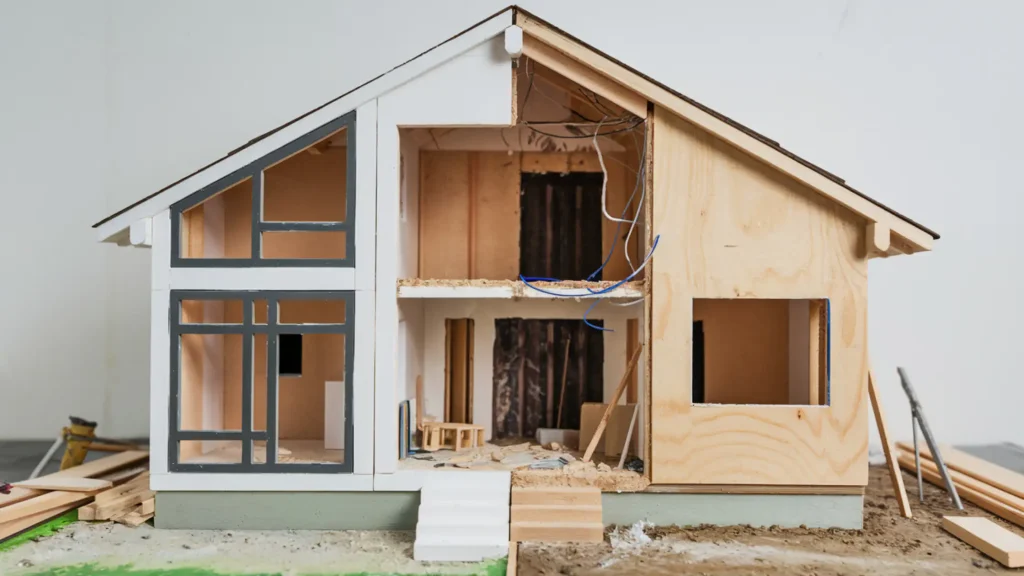
Reasons to Avoid Buying Model Homes?
Model homes represent a unique category in real estate, acting as showcases designed specifically to sell a builder’s vision rather than serve as practical living spaces. These properties, while aesthetically appealing, have served as high-traffic demonstration units throughout the construction phase of new developments. Despite their polished appearance, model homes harbor distinctive characteristics that make them fundamentally different from standard new construction properties.
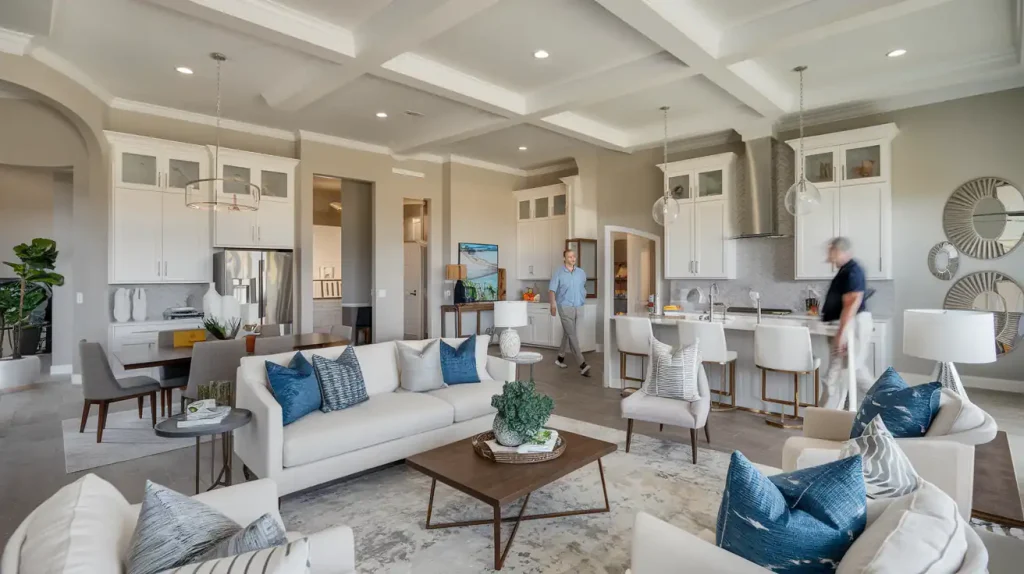
While model homes impress with their premium finishes and professionally curated décor, the reality behind their gleaming façade often tells a different story.
These homes have effectively functioned as commercial spaces, enduring constant foot traffic, multiple furniture rearrangements, and frequent modifications for sales purposes. What appears as a pristine property has typically weathered more wear and tear in its short lifespan than a regular home experience in several years of normal family use.
The issues with model homes run deeper than surface aesthetics. These properties often suffer from rushed initial construction to meet development opening deadlines, potentially compromising build quality. HVAC systems typically show excessive wear from running continuously during showing hours. The homes frequently sit on less desirable lots, chosen strategically by builders to showcase the development while reserving premium lots for custom builds. Structural concerns may include:
- Foundation stress from heavy furniture and constant foot traffic
- Electrical systems taxed by excessive lighting installations
- Plumbing systems stressed by sporadic usage patterns
- Poorly completed punch lists due to continuous showing schedules
- Moisture issues from doors frequently opening and closing
- Landscaping problems from abbreviated establishment periods
Potential buyers must carefully weigh these hidden costs and considerations against any perceived benefits or incentives. The true cost of ownership often exceeds expectations when factoring in:
- Higher maintenance requirements for worn systems
- Necessary replacements of prematurely aged components
- Potential renovation needs to address show-related wear
- Resale value implications of lot location and known model home status
- Upgrades often come at significantly higher costs.
- Additional inspection requirements to uncover show-related damage
- Higher insurance premiums due to identified risk factors
- Model homes may display styles that are no longer popular, reducing their appeal.
- Amenities might lack the latest technologies and modern conveniences.
- Warranties often offer less protection compared to standard new homes.
- Buyers cannot modify design elements to suit their preferences.
- Limited flexibility to change features selected by the builder.
- Contracts may contain intricate terms that are hard to navigate.
- Builders might retain ownership through leaseback agreements, complicating ownership.
- Buyers have limited ability to negotiate the overall price of the home.
Instead of being swayed by staged perfection, prospective buyers should either negotiate significant price reductions to account for these issues or consider standard new construction homes that haven’t served as demonstration units. A thorough inspection by professionals familiar with model home issues is essential before any purchase consideration.
What is the motivation to buy a model home?
The motivations behind model home purchases often reveal interesting psychology. Buyers may feel they’re getting a deal by acquiring the upgraded features at a “discount,” even though these homes typically command premium prices. The fear of missing out on a “unique” property drives hasty decisions, particularly when builders offer incentives or closing cost assistance.
Some buyers rationalize the purchase by focusing on the included furniture and décor, despite these items often being of staged quality rather than lasting value. Additionally, the emotional connection formed through multiple visits during the shopping process creates a false sense of familiarity and “home.”
Understanding why people purchase model homes helps potential buyers separate emotional appeal from practical value. Before proceeding with a model home purchase, buyers should calculate the true cost of the upgrades versus building new, factor in the wear and tear from public viewings, and carefully evaluate the lot location which is often less than optimal.
While model homes can represent good value for certain buyers, especially those desiring immediate move-in with high-end finishes, the decision should be based on thorough due diligence rather than emotional attachment or perceived savings. Smart buyers negotiate based on the home’s actual condition rather than its staged presentation.
Model home hidden damage?

While model homes present a polished, perfect appearance, they’ve typically endured foot traffic equivalent to years of normal residential use within just months of operation. The combination of rushed initial construction, continuous operation, and repeated modifications for marketing purposes creates numerous opportunities for damage that isn’t immediately visible during standard viewings. These homes often mask serious issues behind their staged perfection.
Specific Problems/Concerns of Structural and Foundation Aspect
- Hairline cracks from heavy furniture placement
- Foundation stress from constant foot traffic
- Settling issues from rushed construction
- Modified load-bearing elements for open displays
- Compromised subflooring from display installations
Model homes often can have Mechanical System Damage but not only.
- Overtaxed HVAC systems from constant operation
- Electrical system stress from display lighting
- Plumbing issues from sporadic usage patterns
- Ventilation problems from door traffic
- Damaged ductwork from staging modifications
Hidden Moisture Problems
- Wall cavity condensation from temperature control
- Window seal failures from constant adjustments
- Under-slab moisture from rushed construction
- Roof leaks masked by quick repairs
- Mold growth in unused spaces
Cosmetic Concealment
- Patched drywall hiding structural movement
- Masked flooring damage under strategic staging
- Painted-over water damage
- Concealed termite evidence
- Hidden pet damage from visitor incidents
What to do with red flags in a model home?
New builds, including model homes, are often sold at a premium price because they are brand new and come with modern amenities, energy efficiencies, and warranties. However, once a home is no longer considered “new,” it loses this premium status. Much like a new car that depreciates as soon as it leaves the lot, new homes can lose value once they are classified as “used” or “resale” properties.

Red flags in model homes serve as crucial warning signals that require immediate attention and strategic response from potential buyers. These indicators, ranging from obvious physical issues to subtle signs of problematic construction or maintenance, demand systematic evaluation and appropriate action. Understanding how to address these warning signs helps buyers protect their interests and make informed decisions during the purchase process.
Inspection Requirements:
- Hire specialists familiar with model home issues
- Conduct moisture testing behind walls
- Perform thorough HVAC system evaluation
- Request structural engineering assessment
- Document all found issues for negotiations
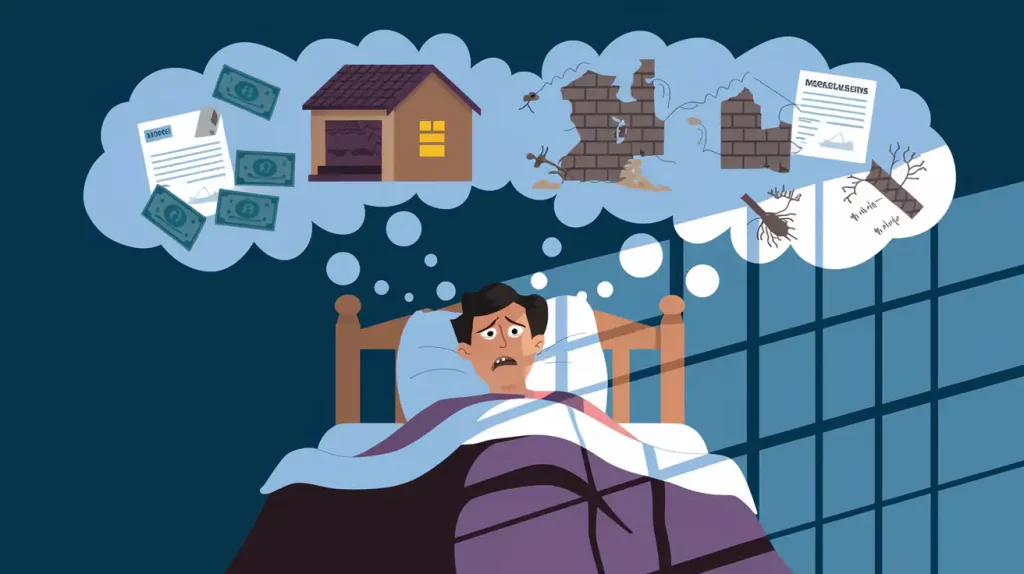
While sellers often dismiss red flags as minor issues or typical wear, these warning signs frequently indicate more serious underlying problems. The staged perfection of model homes can mask significant issues, making it essential to treat each red flag as a potential indicator of larger problems. Many buyers regret ignoring these early warning signs after discovering more serious issues post-purchase.
Document all red flags thoroughly
Request written explanations
Obtain multiple expert opinions
Revise offer based on findings
Consider walking away if necessary
Use findings to leverage price reductions
Request repair escrow accounts
Demand extended warranties
Include contingency clauses
Set repair timelines
Enhanced home inspections
Additional warranty coverage
Repair escrow arrangements
Written repair agreements
Clear timeline commitments
Common Red Flags and Required Actions
Structural Concerns:
Visible cracks in walls or foundations
- Document with dated photographs
- Request structural engineering inspection
- Obtain repair estimates
- Consider walking away if severe
System Issues:
HVAC performance problems
- Demand complete system inspection
- Review maintenance records
- Request replacement cost estimates
- Factor into purchase price
Moisture Problems:
Water stains or musty odors
- Order specialized moisture testing
- Inspect behind walls if possible
- Review drainage patterns
- Consider mold assessment
Documentation Issues:
Incomplete maintenance records
- Request full disclosure
- Verify permit history
- Check construction timeline
- Research builder history
What are the alternatives to Buying Model Homes?
When considering alternatives to model homes, buyers have multiple options such as Standard New Build and Quick Move-In Homes, Custom Builds, and Resale Homes that offer better value, authenticity, and long-term satisfaction in the new construction market. These alternatives provide the excitement of new construction without the inherent drawbacks of a heavily-trafficked display unit. Understanding these options helps buyers make informed decisions that align with both their aesthetic preferences and practical needs.
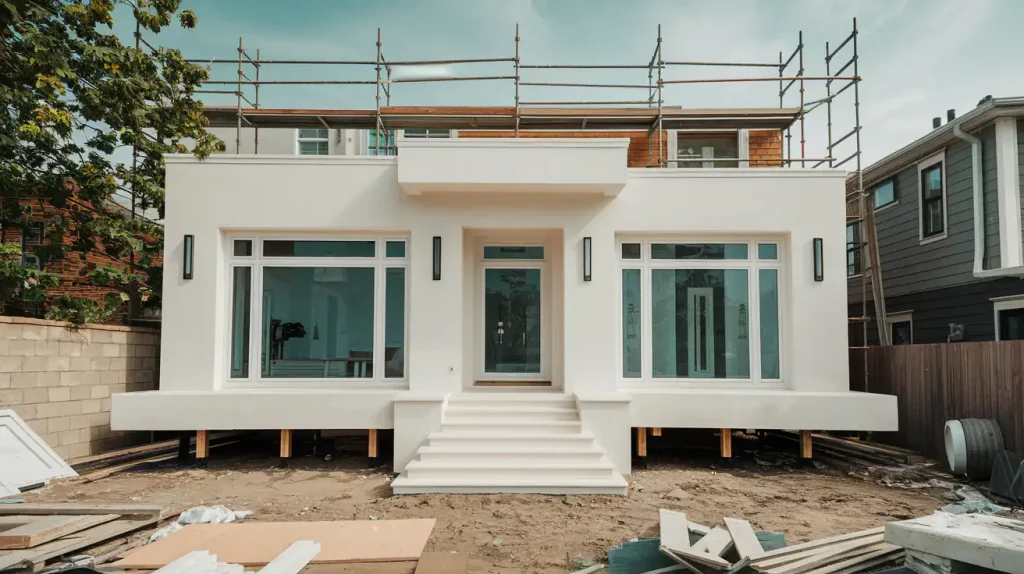
While model homes tempt buyers with their picture-perfect presentations, alternative purchasing options actually provide more customization potential and often better financial value. New construction buyers frequently discover that starting fresh with a standard build or selecting a nearly-complete inventory home offers the same – or better – benefits than a model home, without the hidden complications of a display unit. The key is understanding how to maximize the advantages of each alternative option.
New Construction Home Benefits
Modern new construction homes represent the perfect blend of convenience and contemporary living. These properties offer:
- Latest building codes and safety standards
- Modern floor plans optimized for today’s lifestyles
- Energy-efficient systems and materials
- Fresh start with no previous wear and tear
- Complete warranty coverage
- Current technology integration
- Builder incentives and financing options
The ability to customize a new construction home provides significant advantages:
- Selection of finishes and materials
- Flexible floor plan modifications
- Upgrade options at builder prices
- Energy efficiency package choices
- Smart home technology integration
- Lighting and electrical customization
- Appliance package options
Custom Home Building: Taking control of the entire building process offers unparalleled benefits:
- Absolute design freedom
- Site selection flexibility
- Premium material choices
- Specialized room configurations
- Unique architectural features
- Personal builder relationship
- Quality control oversight
- Future-proofing opportunities
Resale Home Advantages
Established homes in existing neighborhoods provide distinct benefits:
Established houses are already in the immediate community integration; they have Mature landscaping, Known property history, and Negotiable pricing. Depending on the seller, a Faster closing potential is an option if the property has a Proven resale value because of its Character uniqueness and Established infrastructure.
Specific Problems/Concerns
Each alternative to model homes offers distinct advantages and has difference considerations:
- Standard New Build:
- Complete control over floor plan modifications
- Ability to select all finishes and materials
- No wear and tear from previous use
- Often better lot selection options
- Warranty begins with your ownership
- Inventory/Spec Homes:
- Faster move-in timeline than custom builds
- Often priced more competitively than model homes
- Limited previous access means minimal wear
- Potential for late-stage customization
- Clean history without commercial use
- Quick Move-In Homes:
- Balance of customization and speed
- Fresh systems without display unit wear
- Often include popular upgrades
- Competitive pricing strategies
- Clear construction timeline
4. Custom Home Building
Construction costs often exceed initial budgets by 15-30% due to:
- Material price fluctuations
- Change orders during construction
- Unexpected site preparation costs
- Custom feature complexity
- Weather delays
- Contractor scheduling conflicts
- Permit approval delays
- Material availability issues
- Constant oversight required
- Multiple contractor coordination
- Complex decision-making timeline
- Potential conflicts between design and practicality
5. Resale Homes
Hidden issues often emerge post-purchase:
- Outdated electrical systems
- Aging plumbing infrastructure
- Foundation settling problems
- Previous DIY repairs
- Undisclosed water damage
- Asbestos or lead paint in older homes
- Structural limitations for modern updates
- Code compliance issues
- Cost overruns on updates
- Pricing affected by neighborhood conditions
- Competition from newer developments
- Historical restrictions in some areas
- Future development impact
- Immediate system replacements needed
- Higher energy costs
- Ongoing repair needs
- Outdated insulation issues
- Previous owner attachment issues
- Neighborhood dynamics
- Property history concerns
- Seller disclosure reliability
Buyers should consider these action steps when pursuing alternatives:
- For Standard New Builds:
- Request detailed pricing for popular upgrades
- Compare base prices across communities
- Review builder’s standard features
- Investigate lot premiums early
- Plan for longer construction timeline
- For Inventory Homes:
- Monitor builder’s available inventory
- Act quickly when desirable units become available
- Negotiate upgrade packages
- Review construction stage for possible modifications
- Compare multiple communities simultaneously
- For Quick Move-In Options:
- Sign up for builder notifications
- Be prepared to make swift decisions
- Have financing pre-arranged
- Compare included features across options
- Understand warranty terms
Is Buying a Model Home Worth It?
The decision to purchase a model home represents an evaluation of apparent benefits against hidden drawbacks. Model homes, designed as marketing showpieces, present an enticing package of premium upgrades, designer furnishings, and immaculate presentations. Determining their true worth requires looking beyond the staged perfection to assess both immediate advantages and long-term implications.
While model homes might seem like an attractive “turn-key” solution offering instant gratification and included upgrades, the reality often differs from this polished presentation. The perceived value of included upgrades and furnishings must be weighed against the home’s extensive use as a commercial space, potential construction compromises, and typically higher price point. What appears as a ready-made dream home often carries hidden costs and considerations that affect its true worth.
Is a model home a manufactured home?
Model homes and manufactured homes represent two distinctly different categories in the housing market, often confused due to terminology. Model homes are site-built properties used by builders to showcase their construction capabilities and design options in new developments. In contrast, manufactured homes are factory-built housing units constructed to federal code (HUD standards) and transported to their final location. This fundamental difference affects everything from construction quality to financing options
While some might assume model homes are manufactured due to their quick appearance in new developments, they are actually traditional site-built homes constructed using standard building practices. The confusion often stems from the rapid construction timeline of model homes and their sometimes-temporary nature as sales tools. Understanding this distinction is crucial for buyers considering their housing options and financing requirements.
Construction Method:
Model Homes:
- Built on-site from ground up
- Follow local building codes
- Use traditional construction methods
- Permanent foundation
- Custom modifications possible
Manufactured Homes:
- Built in factory settings
- Follow federal HUD codes
- Assembled in sections
- May have temporary foundations
- Limited modification options
Value and Financing:
Model Homes:
- Traditional mortgage options
- Standard appraisal process
- Typical property appreciation
- Regular insurance coverage
- Standard zoning compliance
Manufactured Homes:
- Specialized financing required
- Different appraisal standards
- Variable appreciation rates
- Special insurance needs
- Specific zoning requirements
Do model homes lose value quicker than re-sale homes?
Model homes do tend to lose value more quickly than resale homes in the short term because they are initially priced at a premium and lose their “new” status once resold.
Model homes are residential properties used by builders to showcase their craftsmanship and design options. Model homes have varying levels of value retention compared to traditional resale homes, with factors ranging from intensive use during marketing to premium upgrades. These homes provide unique considerations for potential buyers seeking to understand their investment potential.
Model homes can be a good deal, but it’s essential to be a savvy buyer. Don’t get caught up in the “flash” of the model home. Do your research, negotiate hard, and make sure the price reflects the true value of the property.
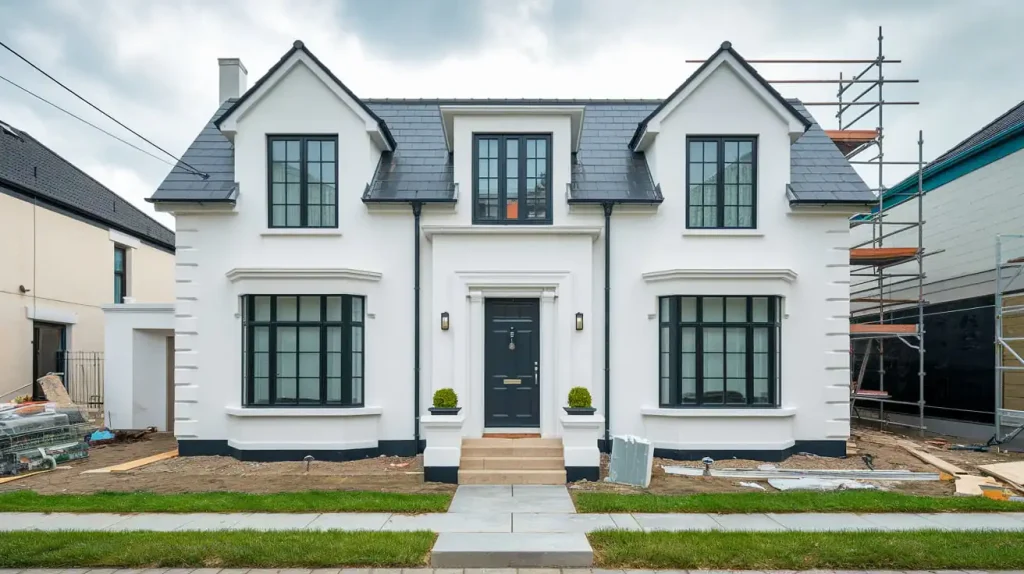
Examining model homes helps you understand the specific characteristics that affect their value over time, but they should not be viewed as identical to traditional resale properties. Many model homes experience accelerated wear in certain areas due to high visitor traffic, showing both the aesthetic appeal and potential maintenance concerns that come with these properties. Model homes also often feature premium upgrades and elaborate landscaping that may not reflect typical market values in the neighborhood, which can impact future resale potential and make accurate pricing more complex.
Competition with Newer Builds
If you attempt to sell a model home shortly after purchase, you may face competition from other new homes still being built in the same development. Buyers might prefer to purchase a brand-new home directly from the builder rather than a slightly older one, even if it’s just a few years old

Market Adjustment
The initial price of a new build often reflects not just market conditions but also the cost of construction and developer profit margins. In contrast, resale homes are priced based on current market conditions alone. As time passes, the market may not appreciate enough to offset the premium paid for a new build
Want to get 3D rendering for your industrial project?
When Model Homes Hold Value Better?
While model homes may lose value quickly in some cases, there are situations where they can hold or even increase in value:
Long-Term Ownership: If you stay in your home for several years, the market may eventually catch up with the premium you initially paid.
Desirable Location: If the neighborhood grows in desirability (e.g., good schools, improved amenities), this can boost your home’s value over time.
Limited Supply: In areas where land for new construction is limited or if your development sells out quickly, your model home could retain its value better due to reduced competition.
Can you buy a model home with the furniture?
Yes, it is possible to purchase a model home with the furniture included. However, this depends on the developer’s policy and the terms of the sale.
For instance, if the furniture is considered a chattel or personal property rather than a fixture, you may need to negotiate with the developer to include it in the purchase agreement.
Ensure you thoroughly research and discuss the possibility of buying the furniture with your real estate agent and legal representative.
Is buying a model home cheaper?
No, buying a model home is typically not cheaper. In fact, they often come at a premium compared to similar homes in the same development that weren’t used as models. This is due to several factors:
Upgrades: Model homes are decked out with builder upgrades to showcase the best possible features. These upgrades, from flooring and countertops to appliances and landscaping, add to the cost.
Premium Lot Location: Model homes are often situated on prime lots within the development, which can also contribute to a higher price.
Marketing Value: The builder factors in the marketing value the model home provided during the sales phase of the development. It served as an advertising tool, attracting potential buyers.
While you might be able to negotiate on the price, especially if the development is nearing completion, don’t expect significant discounts. The builder has already invested in those upgrades and likely factored that cost into the asking price.
20 Questions to ask when buying a model home.
Asking these questions will help you uncover important details about the model home, ensuring transparency and helping you make an informed decision. By thoroughly evaluating all aspects, from the physical condition to legal considerations, you can confidently proceed with your purchase and enjoy your new home.
1. What Is Included in the Sale?
Are All Upgrades Included?
- Request a detailed list of all upgrades, finishes, and appliances included in the sale.
Is the Furniture and Décor Included?
- Confirm if the staging furniture, window treatments, artwork, and accessories come with the home.
- If not included, ask if they are available for purchase separately.
2. Has the Home Been Used for Other Purposes?
How Long Has It Been a Model Home?
- Determine the length of time the home has been on display.
Has Anyone Lived in the Home?
- Confirm that it hasn’t been occupied as a residence or used for events.
3. What Is the Condition of the Home?
Can I Have a Professional Inspection?
- Ensure you can hire an independent inspector to evaluate the home’s condition.
Are There Signs of Wear and Tear?
- Inquire about any damage from foot traffic or staging setups.
4. What Warranties Are Provided?
Is the Full Builder’s Warranty Included?
- Verify the duration and coverage of the builder’s warranty.
Have Any Warranties Started Already?
- Check if warranties on appliances or systems have commenced due to the home’s usage.
5. What Is the Price Based On?
How Was the Asking Price Determined?
- Understand whether the price reflects the upgrades and any depreciation.
Is There Room for Negotiation?
- Discuss potential for price reduction or incentives.
6. Are There Any Maintenance Records?
How Has the Home Been Maintained?
- Request records of any maintenance or repairs conducted.
Were All Systems Regularly Serviced?
- Ensure HVAC, plumbing, and electrical systems are in optimal condition.
7. What Are the Energy Efficiency Features?
Are There Energy-Saving Appliances and Fixtures?
- Inquire about insulation, windows, and appliances that reduce energy costs.
What Are the Estimated Utility Costs?
- Get an idea of monthly utility expenses.
8. Can I Customize Anything Before Closing?
Are Changes or Upgrades Possible?
- Ask if you can make any alterations prior to purchase.
Is There a Cost Associated with Changes?
- Determine any additional expenses for customization.
9. What Are the Community Details?
What Amenities Are Available?
- Learn about community features like pools, gyms, parks, etc.
Are There Homeowners Association (HOA) Fees?
- Understand the costs and rules associated with the HOA.
10. Are There Future Development Plans?
Is the Builder Continuing Construction Nearby?
- Ask about any upcoming projects that may affect living conditions.
How Might Future Development Impact Property Value?
- Consider the potential for appreciation or depreciation.
11. What Is the Estimated Closing Timeline?
When Can I Move In?
- Confirm availability, especially if the builder needs the model home until a certain date.
Are There Any Conditions Affecting Closing Date?
- Understand any contingencies that may delay occupancy.
12. Are There Any Special Financing Options?
Does the Builder Offer Financing Incentives?
- Explore any mortgage deals or closing cost assistance.
Are There Preferred Lenders?
- Check if working with certain lenders provides benefits.
13. What Is the Policy on Repairs Before Sale?
Will the Builder Address Issues Found During Inspection?
- Ensure there is a plan to fix any problems prior to closing.
Is There a Final Walkthrough?
- Schedule a walkthrough to verify the home’s condition before purchase.
14. How Does Purchasing a Model Home Affect Taxes?
What Are the Property Taxes?
- Obtain information on annual taxes.
Are There Tax Implications for Purchasing Furnished?
- Consult a tax professional about any additional taxes on included furnishings.
15. What Surrounding Infrastructure Is in Place?
What Are the Local School Districts?
- Consider the quality of education if applicable.
How Accessible Are Transportation and Services?
- Evaluate proximity to highways, public transport, shopping, and healthcare.
16. Is There an Option for a Home Warranty Extension?
Can Warranties Be Extended?
- Discuss options for additional coverage beyond standard warranties.
Are Extended Warranties Transferable?
- Ensure any extended warranties will transfer to you upon purchase.
17. What Is the Builder’s Reputation?
Can I Speak with Other Homeowners?
- Gather feedback from residents about their experiences.
Are There Reviews or Testimonials Available?
- Research the builder’s history and customer satisfaction.
18. Are There Environmental Concerns?
Has the Home Been Tested for Radon or Other Hazards?
- Request information on any environmental testing conducted.
What Is the History of the Land?
- Learn about any previous uses of the land that could affect safety.
19. What Appliances and Systems Are Installed?
Are All Appliances New?
- Confirm the age and condition of appliances.
What Brands and Models Are Installed?
- Research the quality and reliability of included systems.
20. Are There Any Legal Restrictions or Covenants?
What Are the Zoning Laws?
- Understand any limitations on property use.
Are There Deed Restrictions?
- Review any conditions that come with the property deed.
Additional Tips:
Get Everything in Writing:
Ensure all agreements, inclusions, and repairs are documented in the contract.
Work with a Real Estate Agent:
Have a professional represent your interests and guide you through the process.
Consult Legal and Financial Advisors:
Seek advice to fully understand the implications of your purchase.
Consider Future Resale Value:
Think about how the home’s features and location will appeal to future buyers.
Assess Compatibility with Your Lifestyle:
Make sure the home’s layout, features, and community align with your needs.