Purchasing a home does not necessarily require adherence to the conventional mortgage process of obtaining a home loan. Various creative financing options are available, allowing prospective homebuyers to explore innovative methods for securing their desired real estate investment property.
From cash purchases and seller financing to rent-to-own agreements, buying at auction, and crowdfunding, each alternative presents distinct benefits and challenges.
This article aims to elucidate these options, assisting potential homeowners in making informed decisions regarding the most suitable approach for their unique financial situations.
Key Takeaways:
- Explore different payment options when buying a house, such as paying cash, using private mortgage loans, or considering a co-signer to enhance approval chances.
- Rent-to-own and co-buying can be viable alternatives for those with limited funds, credit, or looking to downsize their budget.
- Consider government loan programs, crowdfunding, buying at auction, purchasing a fixer-upper, or building your own home as creative paths to homeownership.

George Nicola (Expert Interior Designer from TALLBOX) shares: From the ten most creative ways to purchase real estate, I’ve selected only four – the easiest, the cheapest, the most expensive, and the hardest ways to acquire property.
The Easiest Way is Rent-to-Own
Rent-to-own is generally considered one of the easiest ways to buy a house because it allows you to live in the home while gradually working toward ownership without needing a large upfront payment or immediate mortgage approval. You pay rent, with part of it potentially going toward the future purchase. This method is particularly helpful for those with poor credit or insufficient savings for a down payment.
- What it takes: A contract with clear terms and a willing seller
- Price: Monthly rent payments, with some portion potentially credited toward the purchase price
The cheapest way is No-Down-Payment Mortgages (VA or USDA Loans)
For those who qualify, VA loans (for veterans) and USDA loans (for rural areas) are among the cheapest ways to buy a house because they require no down payment and often have lower interest rates than conventional loans. These programs make homeownership accessible with minimal upfront costs.
- What it takes: Eligibility for VA (military service) or USDA (buying in a rural area)
- Price: No down payment; lower closing costs and mortgage rates
The Hardest Way is Building Your Own Home
Building your own home is typically the hardest method due to the complexity and effort involved. It requires finding land, securing construction financing, hiring contractors, and managing the building process. While it can sometimes be cheaper than buying an existing home, the labor-intensive nature and potential delays make it very challenging.
- What it takes: Land acquisition, construction financing, project management
- Price: Varies widely based on location, materials, and labor but can be cheaper than buying an existing home
The Most Expensive Way is Paying Cash
Paying cash for a home is the most expensive option because it requires having the full purchase price available upfront. While this method avoids mortgage interest and closing costs, it demands significant financial resources that most buyers do not have.
- What it takes: Substantial savings or financial windfall
- Price: Full price of the home paid upfront
In summary:
- Easiest: Rent-to-own
- Cheapest: No-down-payment mortgages (VA or USDA loans)
- Hardest: Building your own home
- Most Expensive: Paying cash
Pay Cash

Paying cash for a house is an increasingly appealing option for potential homebuyers, especially in a hot real estate market where competition can be fierce. This non-traditional method allows homebuyers to bypass the traditional mortgage process, which can be daunting and time-consuming and provides the advantage of immediate equity gain. Paying cash can secure a house quicker than most ways to buy a house, but it’s also the most expensive, requiring all cash in advance.
Many homebuyers, particularly those with unique financial situations or resources, are opting for cash offers to streamline their home-buying journey, making it a viable path towards homeownership without the burden of monthly mortgage payments.
Is Paying Cash a Viable Option?
Paying cash can be a highly viable option for homebuyers looking to secure a property without the intricacies of the mortgage process.
In today’s competitive real estate market, individuals often find themselves in bidding wars where cash offers hold more weight and can expedite the sale.
When considering financing options, many buyers realize that avoiding loans can lead to significant savings as they bypass interest rates and additional fees associated with mortgages. Those who have the financial resources may benefit from the peace of mind that comes with fully owning their home, free from repayment obligations.
This approach is especially advantageous during times of rising interest rates or economic uncertainty in the real estate market when lenders may impose stricter credit requirements.
- Cash payments eliminate monthly mortgage obligations.
- They enhance negotiation power with sellers.
- Purchasing outright may lead to faster closings.
Choosing to pay cash can significantly simplify the buying experience, making it a preferred choice for many savvy real estate investors and homebuyers alike.
Pros and Cons of Paying Cash for a House
While paying cash for a house boasts several advantages like immediate equity gain and avoiding mortgage interest, it also comes with its own set of disadvantages that potential homebuyers should consider.
Utilizing cash for a real estate purchase enables a swift transaction process, significantly expediting the entire buying experience. Plus this speed, the elimination of financing helps in keeping closing costs at a minimum, allowing buyers to allocate more resources towards improving their new property.
One should also weigh the potential downsides, which include reduced liquidity as funds become tied up in the property, limiting cash availability for other investments or emergencies. By opting for a cash purchase, a buyer may miss out on certain tax benefits commonly associated with mortgage interest deductions, which can affect budgeting considerations.
- Benefits:
- Speed of purchase
- Reduced closing costs
- Drawbacks:
- Reduced liquidity
- Missed tax benefits
Ultimately, a comprehensive evaluation of these factors is essential for making a well-informed decision.
Seller Financing (Owner Financing)
Seller financing, or owner financing, presents an intriguing alternative financing option for buyers who may not qualify for traditional loans, enabling them to purchase a home directly from the seller without going through the conventional mortgage process.
This non-traditional method can be particularly beneficial for those facing unique financial situations, whether they have a lower credit score or lack sufficient down payment resources, as it allows for more flexibility in payment terms and can expedite the home buying process, especially in a hot market.
Want to get 3D rendering for your resi project?
What is Seller Financing?
Seller financing, often referred to as owner financing, is a method where the seller of a property provides financing to the buyer directly, allowing them to bypass traditional lenders and the mortgage process.
In this arrangement, the seller acts as the bank, creating a promissory note that stipulates the terms of the loan, including the interest rate, repayment schedule, and any other conditions. This can be particularly advantageous for buyers who may have difficulty securing conventional loans due to credit issues or lack of a substantial down payment.
For instance, instead of a lengthy approval process through a financial institution, the buyer may negotiate a tailored payment plan with the seller, which can sometimes include a lower rate.
Seller financing offers flexibility, making it an appealing option. Here are some aspects where it differs from traditional loans:
- Approval Process: Typically faster and less stringent.
- Down Payments: Often lower than conventional requirements.
- Negotiability: Terms can be customized based on mutual agreement.
Seller financing not only streamlines the buying process but also makes homeownership accessible for a wider range of prospective buyers.
How Does Seller Financing Work?

In a seller financing arrangement, the seller and buyer agree on terms that outline the payment schedule, interest rate, and other critical factors that define the transaction, allowing for a more personalized approach to the mortgage process. This unique method not only provides flexible financing options but also creates a direct relationship between the parties involved, eliminating the need for traditional financial institutions’ stringent requirements.
To initiate seller financing, the process typically begins with the seller presenting a clear proposal outlining the terms of the agreement. This includes:
- Payment Structure: The payment schedule, including the amount and due dates.
- Interest Rate: Agreed-upon interest rates, which may differ from traditional mortgages.
- Loan Duration: The term for repayment, which can vary.
- Down Payment: A specified upfront payment may be required.
Once these elements are established, both parties must formalize their agreement through a legally binding contract. It is crucial to involve a qualified attorney to ensure compliance with state laws and regulations. Legal considerations such as title transfer, foreclosure rights, and default provisions should be meticulously addressed to protect both the seller and buyer’s interests.
In contrast to traditional mortgage processes, which often involve lengthy approval procedures, seller financing can expedite the buying experience and foster greater flexibility in negotiations, providing alternative financing solutions.
Advantages and Disadvantages of Seller Financing
Seller financing offers several advantages, such as flexibility in terms and often quicker transactions, but it also presents disadvantages that buyers and sellers must weigh carefully before proceeding.
One notable benefit is the potential for lower closing costs, which can make the transaction more affordable for both parties. This method allows for enhanced negotiation flexibility; terms can be tailored to meet the unique needs of the buyer and seller alike, potentially leading to mutually beneficial outcomes.
- Quick access to funds can facilitate immediate investments.
- Interest rates may be more favorable compared to traditional loans.
It’s crucial to recognize the drawbacks as well. The risk of default looms large, particularly if financial circumstances change unexpectedly, which could jeopardize the investment. A clear contract is essential to outline the terms, ensuring that both parties fully understand their responsibilities. Failing to do so may lead to misunderstandings and legal complications.
Rent-to-Own
The rent-to-own approach is a most creative path and one of the easiest ways for those looking to buy a home, allowing potential homebuyers to rent a property with the option to purchase it later, thereby making it possible for individuals with unique financial situations to work towards homeownership while building equity over time, especially when traditional financing isn’t feasible.
What is Rent-to-Own?
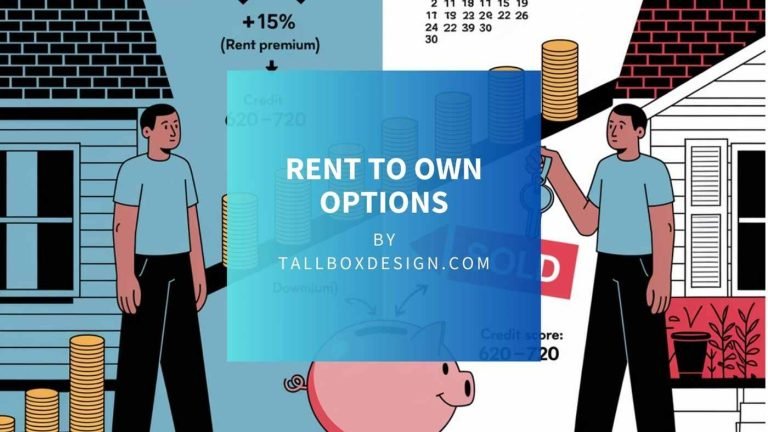
Rent-to-own is a contractual agreement that allows a tenant to rent a property with the intention of purchasing it after a specified period, often involving a lease agreement that outlines the terms of purchase, offering a stepping stone to homeownership.
In this arrangement, the tenant typically pays a monthly rent, part of which can be credited toward the eventual purchase price, creating a strategic plan for future ownership.
This system provides a unique opportunity for prospective homeowners, allowing them to gradually build equity while enjoying the benefits of living in their future home. Each payment is structured strategically, often with a portion designated as a rent credit that accumulates over time. This means that at the conclusion of the lease term, a substantial amount may contribute significantly to the purchase price.
The terms of these agreements can vary, but they usually specify a purchase price that is agreed upon at the onset, safeguarding the tenant from fluctuating market prices. This allows those who may currently face financial limitations an avenue to enter:
- homeownership
- financial stability
- investment opportunities
without needing to qualify for an immediate mortgage. Consequently, by opting for a rent-to-own agreement, individuals not only secure a place to live but also lay the groundwork for future home buying success.
How Does Rent-to-Own Work?
In a rent-to-own arrangement, a portion of the monthly rent typically goes towards the eventual purchase price of the home, allowing tenants to invest in property ownership while living in the home. This innovative approach to homeownership provides a unique opportunity for individuals who may not have the immediate means to buy a home outright, as it integrates the benefits of renting and buying into one cohesive option.
In a typical rent-to-own agreement, the structure involves several key components that dictate not only how the purchase price is determined but also the responsibilities of both tenants and landlords. The purchase price is often set at the outset of the agreement, taking into account the current market value and any potential appreciation over the rental period. This price can be fixed, or it may include a predetermined increase, offering predictability for the tenant.
- Tenant Responsibilities: Tenants are usually responsible for maintaining the property, making timely rental payments, and potentially contributing to repairs, depending on the agreement.
- Landlord Responsibilities: Landlords are generally tasked with major repairs and ensuring that the property meets all safety standards, while also providing a clear outline of the terms of the agreement.
Understanding these dynamics is crucial for both parties to ensure a smooth transition to homeownership.
Pros and Cons of Rent-to-Own
Rent-to-own agreements offer several advantages, such as the ability to lock in a purchase price and build equity, but they also come with potential drawbacks that buyers should consider before entering an agreement.
Plus locking in the purchase price, these agreements provide the flexibility to test a property’s suitability, allowing individuals to experience the neighborhood and assess whether it truly meets their expectations. This unique approach can reduce the stress of committing to a large financial investment right away.
Potential buyers must remain aware of the risks involved. Should they decide not to proceed with the purchase, there is a likelihood of losing any upfront option fees or a portion of the rent payments made during the rental period. As such, it is vital for individuals to weigh the pros and cons carefully, considering their financial stability and long-term plans before entering into such an agreement.
Here’s a brief overview of key points to ponder:
- Advantage: Allows for price locking and equity building.
- Advantage: Opportunity to assess property and area before buying.
- Drawback: Risk of losing investment if the purchase is not completed.
- Consideration: Financial plans and long-term commitment are crucial.
Private Mortgage Loans
Private mortgage loans represent a form of alternative financing that enables homebuyers to secure a mortgage from private lenders often called bridging loans instead of traditional banking institutions, offering a unique solution for those seeking non-traditional methods to navigate the home buying process.

What are Private Mortgage Loans?
Private mortgage (bridging) loans are loans provided by private lenders, which can include individuals or companies, and are typically used to finance the purchase of real estate, particularly for buyers who may not qualify for traditional loans.
These loans are especially appealing for those who face challenges in securing conventional mortgages due to credit history or insufficient income documentation. The structure of a private mortgage can vary significantly, often offering more flexibility than traditional financing options. For instance, interest rates, repayment terms, and down payment requirements can be tailored to meet the specific needs of the borrower.
- Characteristics: Customizable terms that align with personal financial situations.
- Appeal: Opportunity for quicker funding processes.
Many private lenders are willing to consider the value of the property as a key factor, instead of solely focusing on the buyer’s financial background, making these loans a suitable choice for prospective homeowners eager to embark on their journey of property ownership.
How Do Private Mortgage Loans Work?
Private mortgage loans function similarly to traditional mortgages but may come with different terms, interest rates, and conditions more suited to the borrower’s financial situation and the lender’s criteria.
In essence, private mortgage loans offer a degree of flexibility that can be particularly appealing for those who might not qualify for a conventional loan.
These loans typically allow for individualized terms, meaning that both interest rates and repayment schedules can be tailored to the unique circumstances of the borrower. This level of customization can significantly affect monthly payments and overall affordability.
The approval process also diverges from traditional lenders; often, private lenders prioritize the potential of the property itself and the borrower’s overall financial stability rather than strictly focusing on credit scores alone.
- Borrowers may find less stringent documentation requirements.
- Speedier approval times can lead to quicker financing options.
- Potential for negotiation on terms that better align with borrower needs.
The approach taken by private lenders enhances opportunities for homeownership in a way that standard financing might not.
Benefits and Risks of Private Mortgage Loans
While private mortgage loans offer benefits such as quicker access to funds and flexible terms, they also come with inherent risks that borrowers should be aware of before proceeding.
Aside from the swift acquisition of funds, these loans also promote personalized lending terms tailored to the unique financial situations of individuals. Ultimately, this can reduce qualification barriers for those who may struggle with traditional lending routes.
It is crucial to consider potential drawbacks. For instance,
- Borrowers might face significantly higher interest rates compared to conventional mortgages,
- which can increase overall financial burdens.
- The risk of default is a genuine concern, especially if homeowners are unable to adhere to customized payment plans.
Therefore, it is vital for anyone considering such loans to weigh both the advantages and risks carefully before making a decision.
Co-Buying
Co-buying is an innovative solution for potential homeowners who wish to share the financial responsibilities of purchasing a property, making homeownership more accessible for those with limited financial resources or unique financial situations.
By collaborating with friends, family, or partners, individuals can pool their resources to afford a larger or more desirable investment property, ultimately reducing the burden of the mortgage process and enhancing their equity gain over time.
What is Co-Buying?
Co-buying refers to the process where two or more individuals jointly purchase a property, sharing both the financial responsibilities and the benefits of homeownership.
This arrangement can significantly alter the landscape of real estate transactions, making it more accessible for those who may struggle to enter the market individually.
When considering co-buying, individuals benefit from pooling resources, which not only alleviates the burden of hefty mortgage payments but also opens doors to properties that might otherwise be out of reach.
Together, co-owners can tackle expenses such as maintenance, insurance, and taxes, promoting a sense of shared responsibility that can strengthen their financial alliances.
Ultimately, the dynamics of these arrangements create a collaborative atmosphere where all parties can thrive, ensuring that ownership is within grasp.
How Does Co-Buying Work?
n co-buying, the involved parties typically enter into a legal agreement that outlines the terms of ownership, financing, and responsibilities associated with the property, ensuring clarity and protection for all co-buyers.
This agreement serves as the foundation for a harmonious investment, detailing each individual’s roles, the shares of ownership they each hold, and how the property will be managed. Initially, parties must decide on the type of property to pursue, as well as establishing how costs will be shared.
- Roles: Each co-buyer should have defined responsibilities, such as maintenance duties or financial contributions.
- Ownership Shares: These are usually proportional to financial contributions, but can also be agreed upon differently based on individual preference.
- Financing Arrangements: It’s vital to clarify how mortgages will be handled, including terms on buying out one party’s share in the future.
This level of detail not only safeguards each participant’s investment but also minimizes potential conflicts that may arise during ownership.
Pros and Cons of Co-Buying

Co-buying offers numerous advantages, such as shared expenses and access to higher-value properties, but it also entails potential disadvantages that buyers must consider carefully before entering into an agreement, especially if they are considering options like a duplex or renting rooms to others.
When individuals decide to enter a co-buying arrangement, they unlock a multitude of financial benefits that can significantly enhance their real estate journey. The concept of shared financial burdens allows buyers to lighten their individual load, making it more feasible to invest in properties that may have been previously out of reach. This collaborative approach not only increases their overall purchasing power but also fosters a sense of community among co-owners.
It is essential to weigh these advantages against the potential drawbacks. For instance,
- Conflicts may arise regarding property management, maintenance duties, or future sales.
- Shared liability could pose risks if one party fails to meet their financial obligations.
Understanding these dynamics is vital for anyone considering co-buying, as it can lead to lucrative opportunities but also complex partnerships. Entrepreneurs often engage in co-buying to maximize their investment potential.
No-Down-Payment Mortgages aka. Government Loan Programs
Government loan programs serve as a vital resource for homebuyers seeking affordable financing options, particularly beneficial for first-time homeowners and individuals with lower credit scores. Programs backed by agencies like Fannie Mae and Freddie Mac provide opportunities for buyers to secure favorable terms and conditions, enabling them to navigate the home buying process more effectively. These options might also be viable for those looking to downsize budget or invest in a mobile home.
This is the cheapest way to buy real estate, but it does not apply to everyone; only veterans and people living and buying in a rural area can secure this type of governmental financing.
These programs are designed to enhance accessibility to homeownership while ensuring that potential buyers can meet eligibility requirements without compromising their financial stability.
What are Government Loan Programs?
Government loan programs are specialized financing options provided by government agencies to assist homebuyers in securing funding for their property purchases, particularly targeting those who may face obstacles in the traditional mortgage market.
These programs serve a crucial function in promoting accessibility to homeownership by offering unique benefits tailored for various demographics, including first-time buyers, veterans, and low to moderate-income families. By providing favorable loan terms, reduced down payment requirements, and competitive interest rates, they effectively lower the barriers for individuals who might otherwise struggle to secure financing.
Government loan options are designed with supportive measures aimed at enhancing financial literacy among potential homeowners, ensuring they fully understand the terms and responsibilities associated with these loans.
- Lower Down Payments
- Flexible Credit Requirements
- Subsidized Interest Rates
Such initiatives not only facilitate access to home financing but also contribute significantly to community growth and stability.
Types of Government Loan Programs
There are several types of government loan programs available, including FHA loans, VA loans, USDA loans, and those backed by Fannie Mae and Freddie Mac, each designed to meet specific borrower needs.
Among these options, the FHA loan is particularly beneficial for first-time homebuyers or those with less-than-perfect credit, as it requires a lower down payment and has more flexible credit requirements. Conversely, veterans and active-duty military personnel can take advantage of VA loans, which typically offer favorable terms such as no down payment and no private mortgage insurance (PMI).
Another valuable option is the USDA loan, tailored for rural and suburban homebuyers who fall within certain income limits. This program not only offers low-interest rates but also zero down payment, promoting homeownership in less populated areas. Loans backed by Fannie Mae and Freddie Mac serve conventional borrowers who may not qualify for government-backed programs but seek competitive interest rates with reasonable down payment requirements.
- FHA Loans: Ideal for low-to-moderate income borrowers, requiring down payments as low as 3.5%.
- VA Loans: Available to veterans and active-duty service members, offering no down payment and favorable terms.
- USDA Loans: Designed for rural areas with low interest rates and no down payment, aimed at low and moderate-income buyers.
- Fannie Mae and Freddie Mac: Conventional loans that provide options for those with good credit and stable financial backgrounds.
Eligibility and Requirements for Government Loan Programs
Eligibility for government loan programs varies depending on the type of program and the specific requirements set by the lending agency, making it essential for potential homebuyers to understand these criteria before applying. First-time buyers often encounter unique stipulations that can facilitate their journey, and being informed about these aspects can significantly enhance their chances of securing favorable financing options.
First-time homebuyers should keep in mind several key factors when assessing their eligibility for various government-backed loans.
Programs such as FHA, VA, and USDA loans typically offer assistance and favorable terms, but each comes with distinct prerequisites:
- FHA Loans: These loans mandate a minimum credit score of 580 for a 3.5% down payment, while a score between 500 and 579 requires a 10% down payment.
- VA Loans: Available to veterans and active-duty service members, these loans generally do not require a down payment, but obtaining a Certificate of Eligibility (COE) is necessary.
- USDA Loans: Intended for rural buyers, USDA financing requires proof of household income within program limits and a credit score of around 640.
Documentation typically includes income verification, tax returns, and a complete loan application, all crucial in determining eligibility and ensuring a smooth loan approval process.
Crowdfunding
Crowdfunding has emerged as an innovative method for homebuyers seeking alternative financing solutions, allowing individuals to pool resources from a wider community to fund their home purchases or renovations.
This modern approach to financing can be particularly advantageous for those looking to invest in property but facing traditional financing challenges, as it opens up new avenues for potential homeownership and investment opportunities. Entrepreneurs like Melanie Ortiz Reyes have successfully utilized this method to diversify their investment portfolios.
What is Crowdfunding?
Crowdfunding involves collecting small amounts of money from a large number of people, typically via online platforms, to fund a specific project or investment, including home buying.
This innovative financial model democratizes access to real estate investments, allowing potential homebuyers to pool their resources in a manner that was previously unfeasible. By aggregating funds from multiple investors, individuals can contribute smaller amounts, making it easier to participate in the competitive housing market.
When engaging in real estate crowdfunding, investors can choose from:
- Residential properties
- Commercial developments
- Real estate investment trusts (REITs)
which suit their financial goals. Platforms facilitate the entire process, providing transparency and updates, which assures participants that their contributions are being utilized effectively. This approach not only aids homebuyers in reaching their goals but also serves as a viable opportunity for investors to diversify their portfolios.
How Does Crowdfunding Work for Buying a House?
In the context of buying a house, crowdfunding operates through online platforms where individuals can present their projects and seek financial contributions from the community, providing an opportunity for collective investment in real estate.
This innovative approach allows a diverse group of investors to come together, pooling their resources to support various real estate ventures. To initiate a crowdfunding campaign, the project owner must first choose a suitable platform that aligns with their goals and target audience.
Once a platform is selected, it’s essential to create a compelling campaign that details the project’s vision, potential returns, and timeline. Engaging potential investors involves utilizing effective marketing strategies, such as social media promotion and webinars, which can help build traction alongside generating interest. By leveraging these tools and personal interactions, the project can attract a wider investor base and foster trust.
- Advantages: Provides access to multiple funding sources, democratizes real estate investment, and reduces financial barriers.
- Challenges: Requires strong marketing, ongoing communication, and a risk of project delays that could affect investor confidence.
Benefits and Risks of Crowdfunding for Buying a House
Crowdfunding for buying a house provides numerous benefits, such as increased access to capital and community support, but it also presents risks that participants must carefully consider. Organizations like Fannie Mae and Freddie Mac have specific guidelines for investment properties, emphasizing the need for due diligence.
This innovative financing model democratizes the investment process, making it more accessible than traditional methods, where significant capital is often a barrier. Figures like Melanie Ortiz Reyes have highlighted how these platforms empower smaller investors. By pooling funds from a diverse group of investors, it helps to foster a sense of community, as individuals from various backgrounds come together to participate in real estate ventures.
Potential investors should also be mindful of the risks associated with crowdfunding in the real estate sector.
- Investor relations can become complex, especially when managing expectations and involvement.
- Market uncertainties can lead to fluctuations in property values, impacting returns on investment, factors that Fannie Mae and Freddie Mac often consider in their assessments.
The regulatory landscape is evolving, which adds another layer of unpredictability. Therefore, while crowdfunding opens doors for many, one must tread carefully, weighing both the opportunities and threats within this growing field.
Buy at Auction
Buying a house at auction can be a thrilling yet strategic approach to home buying, particularly for those interested in investment properties or fixer-uppers, as it offers the potential for significant savings and unique real estate opportunities in a competitive market.
However, the auction process requires diligent preparation and an understanding of the risks involved, making it crucial for buyers to be well-informed before participating in an auction.
What Does it Mean to Buy a House at Auction?
Buying a house at auction refers to the process where properties are sold to the highest bidder in a competitive bidding environment, often attracting buyers looking for investment properties or unique home buying opportunities.
The auction process typically showcases a variety of property types, including residential homes, commercial real estate, and even distressed properties needing renovation. Investors, in particular, view auctions as an efficient way to acquire real estate at potentially below market value, capitalizing on the urgency and excitement of competitive bidding.
- Homes in foreclosure
- Bank-owned properties
- Unique estate sales
These diverse offerings appeal to those seeking quick transactions, as auctions often conclude in a matter of minutes, making them an ideal choice for seasoned investors who are prepared to act swiftly. The thrill of bidding can also lead to unexpected opportunities, where savvy participants can secure valuable assets through strategic bidding and thorough research.
How Does Buying a House at Auction Work?
The process of buying a house at auction involves registering for the auction, understanding the bidding process, and being prepared to place bids on properties that interest you, often in a fast-paced environment led by an auctioneer.
To successfully navigate real estate auctions, interested buyers must first complete the registration process, which typically requires providing personal details and evidence of funds or financing to ensure that all bidders are serious and financially capable.
Following registration, it’s essential to engage in:
- thorough pre-auction research
- property inspections
- market analysis
of the properties slated for auction. This groundwork allows bidders to understand their budget and establish their maximum bid, ensuring they remain competitive without overextending financially.
As the auction date approaches, it is crucial for participants to develop effective bidding strategies, considering factors such as the auctioneer’s style and the dynamics of other bidders, allowing them to remain agile and poised within the often-hectic environment.
Pros and Cons of Buying a House at Auction
Buying a house at auction comes with various pros, such as the potential for lower purchase prices and unique investment opportunities, but there are also cons that buyers should carefully weigh before participating in the auction process.
This type of real estate transaction can be enticing, particularly for those looking to maximize their investment potential while tapping into distressed properties that might otherwise remain out of reach. It’s crucial to approach this method with a comprehensive understanding of both its advantages and drawbacks.
- Potential Cost Savings: Auctions often lead to significant financial benefits, allowing buyers to secure properties below the market rate.
- Access to Distressed Properties: These auctions frequently feature homes that are in foreclosure or need extensive renovation, presenting excellent flip opportunities.
- Risks of Overbidding: In the heat of bidding, buyers can easily exceed their budget, leading to financial strain.
- Immediate Payment Requirements: Successful bidders must be prepared to make an immediate down payment, which can limit accessibility for some investors.
Thus, while the auction process may appear straightforward, one must conduct thorough research, assess the condition of properties carefully, and set strict financial limits to navigate this landscape successfully.
Build Your Own Home
Building your own home is a creative way to approach home buying, offering individuals the chance to customize their living space while potentially saving on costs and gaining equity in the process. Building entire property from scratch is not only most challenging way but it may be the slowest too.
This path allows for a personalized vision of homeownership and can be particularly advantageous for those with specific needs or financial resources that enable them to take on such a significant project.
Is Building Your Own Home a Creative Way to Buy a House?
Building your own home is considered a creative way to buy a house as it allows for complete customization and the opportunity to design a living space that meets individual preferences and needs.
This process offers a level of freedom in choice that traditional home buying simply cannot match. Homeowners can select everything from the layout and materials to the finishes that reflect their unique style.
This means they can opt for energy-efficient fixtures or smart home technologies, ultimately creating a space that not only looks good but is also functional and sustainable.
There are potential:
- cost savings
- increased property value
- greater satisfaction
associated with this investment, as one can tailor features that enhance both comfort and the overall living experience. Engaging in this personalized journey promotes a deeper connection to the home, as it becomes a true reflection of one’s aspirations and tastes.
Steps to Building Your Own Home
The journey to building your own home involves several critical steps, including thorough planning, securing financing, choosing a location, and overseeing the construction process to ensure that the project aligns with your vision and budget.
It starts with envisioning how each space will function, followed by engaging with architects and contractors who can bring that vision to life. A clear understanding of your style and requirements will aid in crafting a design that not only meets functional needs but also reflects personal aesthetics. Evaluating various financing options is vital, as this will influence your budget and decision-making down the line.
Budget management plays a pivotal role, determining the quality of materials, the scale of the project, and possible upgrades.
- Research potential neighborhoods to find one that fits your lifestyle and future goals.
- Review zoning laws and regulations to avoid any legal complications.
- Ensure to plan for unforeseen costs that may arise during construction.
Costs and Benefits of Building Your Own Home
While building your own home presents numerous benefits such as customization and potential equity gain, it also comes with various costs that must be carefully considered to ensure a successful project.
These costs can be categorized into several key areas that homeowners should note before embarking on this journey. Understanding the complexities involved can help one make informed decisions:
- Land Costs: Purchasing the right plot of land is often one of the most significant expenses. Depending on the location and market conditions, this price can vary widely, influencing the overall budget.
- Materials and Supplies: The selection of building materials affects not only the aesthetic and durability of the home, but also the budget. High-quality materials may lead to increased upfront costs, but they often yield long-term savings through reduced maintenance.
- Labor Costs: Hiring skilled laborers and contractors ensures quality workmanship, but it’s essential to find a balance between affordability and expertise, as these costs can escalate quickly.
Despite these financial considerations, the satisfaction from a custom build is often unmatched, leading to a home that truly reflects personal tastes and lifestyle. As the property appreciates over time, aided by programs like those from Fannie Mae and Freddie Mac, the initial investment can translate into substantial equity, making the endeavor worthwhile.
Shared Equity
Shared equity is an innovative approach to homeownership that allows individuals to purchase a property with the financial assistance of an investor or organization, enabling them to access homeownership opportunities that may have otherwise been financially unattainable.
This model benefits both parties, as it can provide the homeowner with lower initial costs while allowing the investor to share in the equity gain over time, a strategy often utilized by individuals like Melanie Ortiz Reyes.
What is Shared Equity?
Shared equity refers to a financial arrangement where a homeowner partners with an investor or organization to purchase a property, allowing them to benefit from shared ownership and potentially lower initial costs.
This innovative concept not only helps individuals enter the property market but also facilitates a sustainable approach to homeownership. The structure typically involves the investor providing a portion of the down payment, which enables the homeowner to secure a mortgage with reduced financial strain.
- The models are diverse, including shared ownership schemes, equity release options, and community land trusts, each designed to cater to varying financial needs.
- By collaborating with an investor, the homeowner not only lessens their upfront expenditure but also shares the risks and rewards associated with property value fluctuations.
Ultimately, this arrangement can lead to greater stability and accessibility in housing markets, making it an appealing choice for those eager to fulfill their homeownership aspirations.
How Does Shared Equity Work for Buying a House?
In shared equity arrangements, the homeowner and investor enter into a partnership where they both share ownership of the property, with the homeowner typically responsible for the mortgage and the investor providing financial assistance in exchange for a share of the equity.
This cooperative model fosters a mutually beneficial relationship, where both parties can achieve their respective financial goals. Typically, the structure of shared equity agreements includes several key elements:
- Responsibilities: The homeowner is charged with the day-to-day maintenance of the property and ensuring that mortgage payments are consistently made, while the investor may have limited involvement past the initial funding.
- Financial Arrangements: Investors contribute a significant amount of capital, which is often determined based on the percentage of equity they will hold. Returns on investment can come from profit-sharing upon sale or through shared appreciation over time.
- Potential Outcomes: These agreements can lead to various results: homeowners may enjoy lower upfront costs and investors benefit from real estate appreciation, although they also share risks associated with property value fluctuations.
Understanding the specifics of these arrangements enables both parties to better navigate the complexities of homeownership and investment, potentially leading to successful long-term outcomes.
Advantages and Disadvantages of Shared Equity
Shared equity offers several advantages, such as reducing the financial burden on the homeowner and providing access to homeownership, but it also entails disadvantages that must be carefully considered by all parties involved.
In particular, this arrangement can enable individuals to step onto the property ladder more easily by lowering upfront costs.
- For the homeowner, the immediate cash outlay is often lessened, making it feasible for those who may otherwise struggle to afford a home.
- Shared responsibilities mean maintenance and repairs can be managed collectively, easing the stress often associated with homeownership.
The trade-offs are notable. Homeowners may find their autonomy limited as they must compromise on decisions regarding the property. Profits generated upon the sale of the home must be shared, which can dilute the financial benefits of their investment. Consequently, the decision to pursue shared equity should be weighed thoroughly, taking into account both the potential for growing wealth and the implications of collaborative ownership.

Want to get 3D rendering for your residential project?