George is a seasoned interior designer and property marketing strategist with over 13 years of experience. He specializes in transforming properties into visually stunning spaces, helping clients recognize the potential and beauty in each property. With an impressive international client base of exciting projects throughout Europe and America.
Adding character to your home is as much about the details as it is about furniture and layout. One way to elevate interiors is through the artful use of patterned tiles. These intricate designs and patterns can bring vibrancy, texture, and a touch of elegance to any room. Let’s discuss how to use mosaics effectively, from choosing the right materials to selecting ideal spaces for installation.
How to Select Decorative Mosaic Tiles to Suit Your Style?

To select decorative mosaic tiles to suit your style, consider the room’s function.
- Ceramic and porcelain mosaics offer durability and a classic appearance, making them perfect for areas with high foot traffic, such as entryways or hallways.
- Glass mosaics have a reflective surface that adds brightness and depth to a room. They are commonly used in kitchens and bathrooms, bringing a sleek, modern look.
- Natural stone mosaics, like marble or travertine, bring a timeless, rustic elegance to spaces. These are especially popular in bathrooms, as their organic textures create a serene, spa-like feel.
- Metal mosaics introduce an industrial chic vibe, ideal for those seeking a bold, modern aesthetic. Copper, stainless steel, and brushed nickel mosaics make stunning accents in kitchens or as decorative strips.

Color choices influence the mood, if you are applying the tiles inside. Patterns create a focal point, if you choose geometric mosaics.
Material selection impacts the tiles’ durability, if you are tiling in a wet area. Grout complements the tile design, if you need a contrast. Tile size affects grout lines, if you have an area needing detail. Installation technique controls the overall appearance if you are tackling a DIY project.
Consider the budget when making selections, if you have a large space to tile. Think of specific preferences, such as glass examples, or stone examples.
Mosaic Interior Design: Experimenting with Patterns and Layouts
Mosaic designs are perfect for experimenting with unique patterns and layouts. Below are some popular layouts to consider:

- Herringbone, a V-shaped pattern, brings a dynamic look to walls or floors. It works particularly well in kitchens and bathrooms, adding texture without overwhelming the space.
- Sometimes simplicity is best. Traditional layouts, like squares or a brick pattern, are timeless and offer understated elegance. It is ideal for hallways, kitchen backsplashes, or accent walls.
- Hexagon shapes are a modern choice that adds a unique, honeycomb-like effect to a room. Other geometric layouts, like triangles or diamonds, create visual intrigue and work well on feature walls.
- Similar to herringbone, chevron layouts involve arranging tiles at an angle, creating a sleek zigzag effect. This pattern is a great way to draw the eye to a focal area, like a shower wall or kitchen backsplash.
Designing a room with mosaic: Color and Texture
Mosaics offer an opportunity to introduce colour and texture into space in subtle or bold ways. The following are some approaches to look at:

- For those who love to make a statement, bold colours can add energy to a room. Consider using vibrant hues on a smaller wall, in a niche, or within a shower enclosure for a lively focal point. To enhance both the aesthetic and acoustics of your space, you can incorporate acoustic wall panels. These panels not only add a stylish element but also help reduce noise, creating a more comfortable and serene environment without compromising on design.
- Combining smooth and rough textures adds dimension to any mosaic design. Matte and glossy finishes, or the contrast of natural stone with glass, create layers of visual interest that keep the space looking fresh.
- If you prefer a clean, minimalist look, using different shades within the same colour family can create a sophisticated monochromatic effect. This works especially well in smaller spaces where a uniform look can make the room more spacious.
Ideal Spaces for Decorative Mosaic Slab Installation
Mosaics are incredibly versatile and suitable for both practical and decorative use in various rooms throughout the home. Here’s a look at some ideal areas for their installation:
Bathrooms
Bathrooms benefit greatly from mosaic slabs. Mosaic layouts can cover entire walls, showers, or even bathroom floors, creating a cohesive look that feels luxurious and spa-like.

Around a fireplace
For a bolder touch, consider using mosaic tiles as an accent wall in living areas or around a fireplace. The patterns and colours add warmth and sophistication, making the room more inviting.

Use in entryways
Mosaics make stunning first impressions when used in entryways. A well-placed mosaic design on a foyer floor or along a hallway wall adds elegance and charm to these often-overlooked spaces.

In smaller spaces such as kitchen
If you prefer a clean, minimalist look, using different shades within the same colour family can create a sophisticated monochromatic effect. This works especially well in smaller spaces where a uniform look can make the room more spacious.
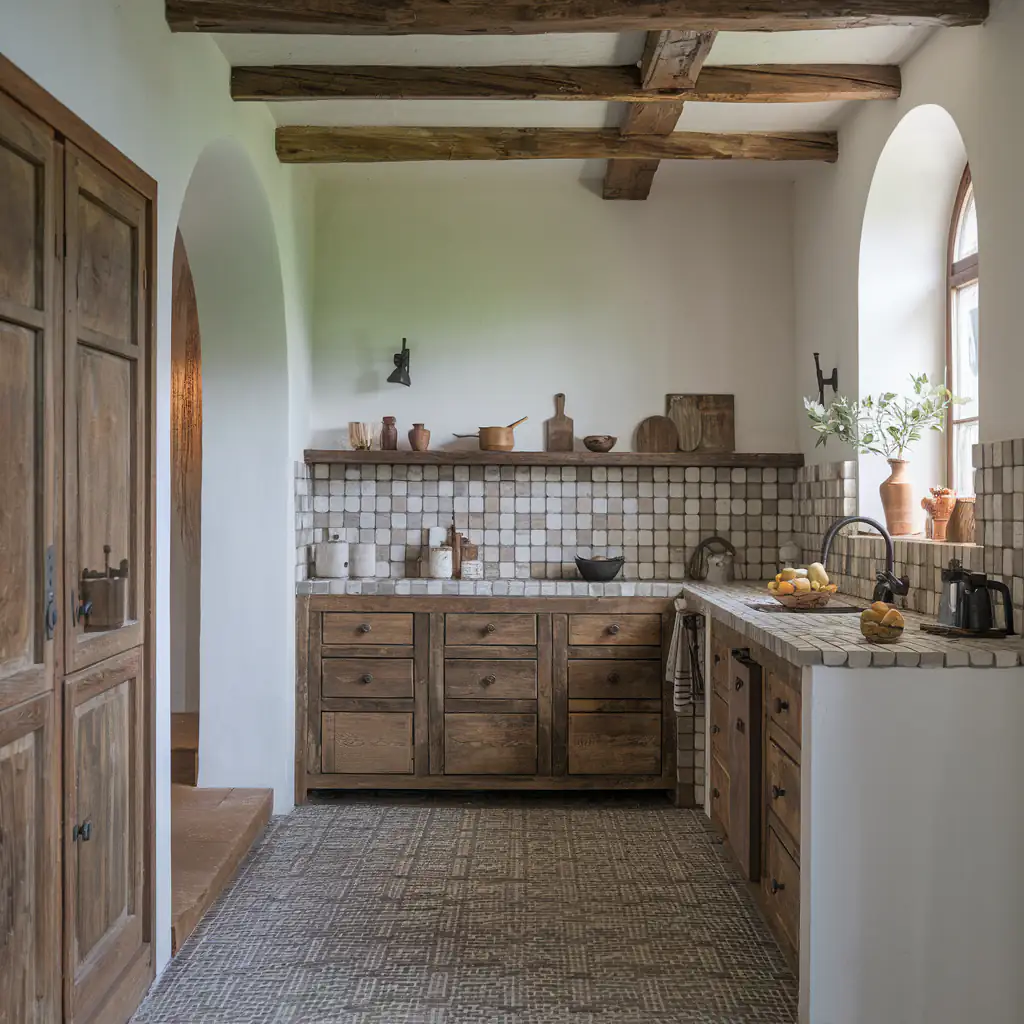
Maintaining and Caring for Your Mosaic Blocks
Proper care and maintenance ensure that your mosaic tile installations retain their beauty and last for years. Different materials require specific care routines, but these general tips can help keep your slabs looking fresh:
- Use a soft cloth or mop with warm, soapy water to clean mosaic segments. Avoid harsh chemicals, especially on natural stone, as they may damage the surface or dull the finish.
- If using porous materials like natural stone, apply a sealant to protect against stains and moisture. Sealants help maintain the tile’s appearance and make cleaning easier.
- Grout lines can collect dirt over time, so consider using a grout sealer to prevent staining. Regularly scrub the grout with a gentle brush to keep it looking clean and fresh.
How to Make Organic Modern Kitchen Decor with mosaic design?

To create an organic modern kitchen decor with mosaic design by incorporating natural materials and a simple, clean aesthetic.
Choose mosaic tiles made of natural stone, such as travertine or marble, for a timeless and sophisticated look. Opt for tiles with a subtle texture and neutral color palette, such as cream, beige, or gray, to keep the design feeling cohesive and harmonious. Incorporate geometric patterns, such as hexagons or herringbone, for a modern touch.
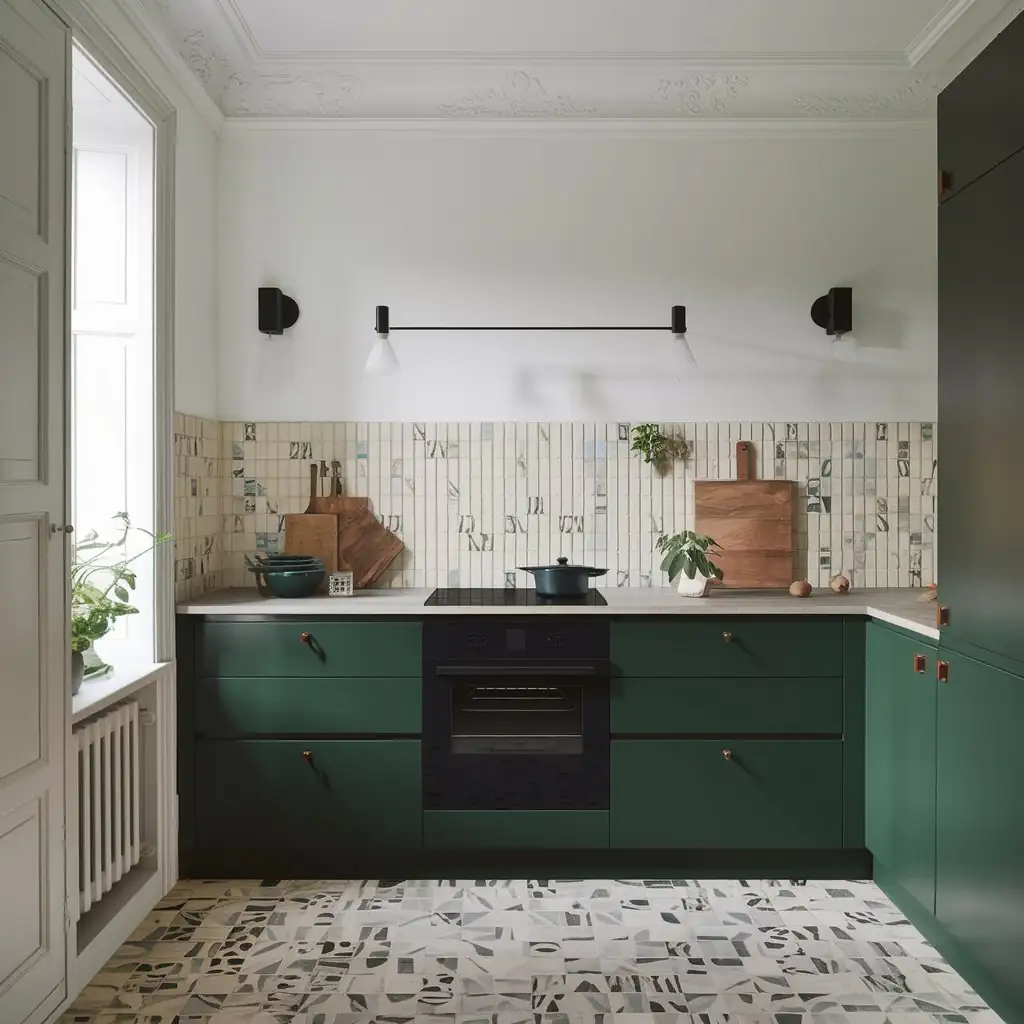
To add an organic element, consider incorporating natural wood elements, such as a butcher block countertop or reclaimed wood shelves. Use plants, such as succulents or ferns, to bring life into the space and to create a connection to nature.
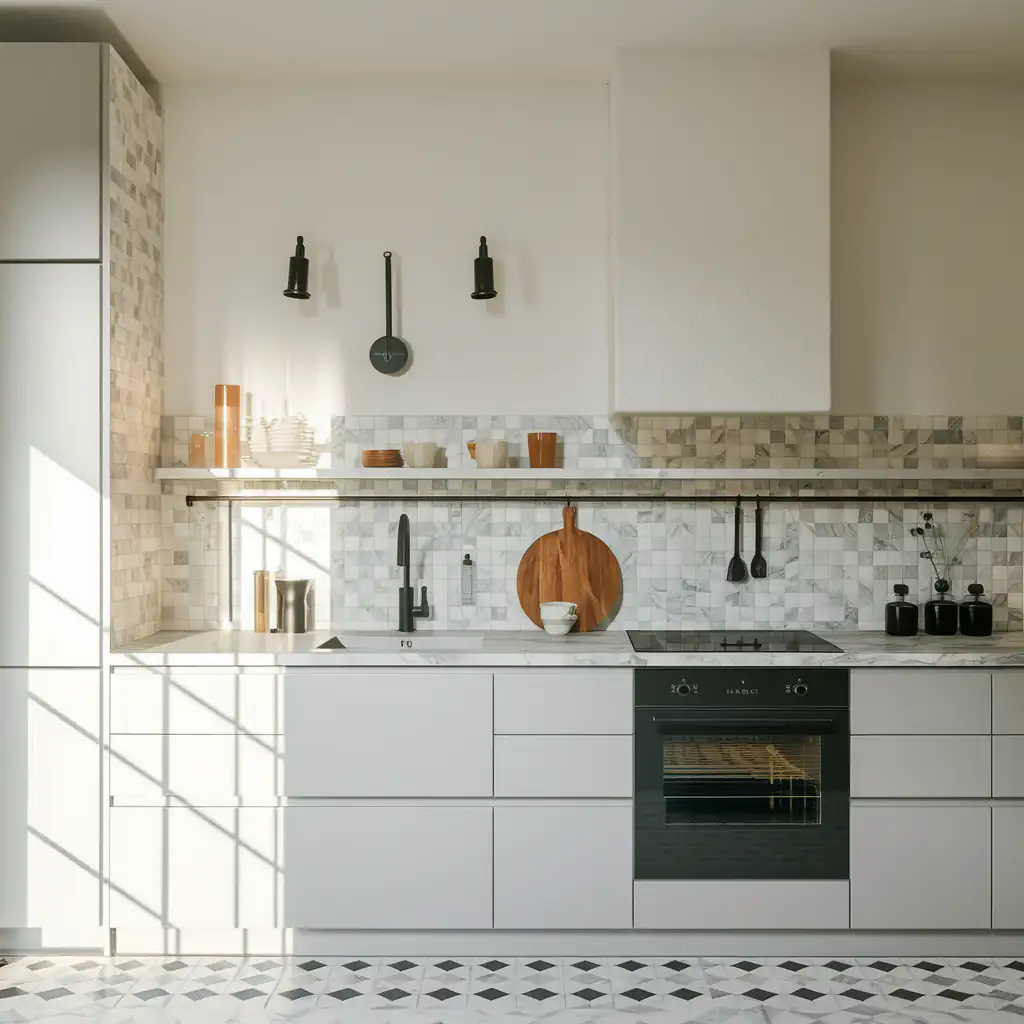
Complete the look with simple, modern fixtures and appliances, such as stainless steel or matte black hardware, to keep the design feeling clean and uncluttered. By combining natural materials with a modern aesthetic, you can create a beautiful and inviting organic modern kitchen decor.