A well-chosen mirror serves as a focal point, elevating the overall design of your bathroom. The right mirror facilitates daily grooming tasks and can provide additional storage or lighting solutions. Strategically placed mirrors can make a bathroom appear larger and brighter.
Prioritizing functionality in bathroom design provides better long-term value, if you carefully balance practical features with moderate luxury elements such as a large, well designed, quality bathroom mirror. This approach creates a space that not only looks good but also performs well in daily use, offering a satisfying blend of style and practicality that can appeal to both current users and potential future buyers.
Updating an old bathroom to a good standard will have significant impact on the property’s value, for example, a full bathroom reno can increase the median home value by approximately up to 6%, even with with mid-range decors including a good quality mirror, translating to a dollar increase of about $15- $18,000 on average.
To select the right mirror for a bathroom consider size, light, style, shape and frame.
- Size and proportion: Select a mirror that complements your vanity’s dimensions, enhancing spatial harmony. A mirror spanning the entire width of the vanity creates a cohesive look, if your bathroom layout allows for it. For smaller spaces, consider an oversized mirror to create an illusion of more room.
- Lighting integration: Opt for a mirror with integrated lighting, such as LED-backlit or side-lit designs, to provide even, flattering illumination. This feature eliminates shadows and enhances functionality for grooming tasks, while also serving as an ambient light source.
- Style and frame selection: Choose a mirror style that aligns with your overall bathroom aesthetic. Frameless mirrors offer a sleek, modern look, while framed mirrors add character and can tie into your decor theme. Materials like brushed nickel, matte black, or wood finishes can complement your existing fixtures and hardware.
- Functionality considerations: Evaluate additional features that enhance usability. Fog-resistant coatings prevent steam buildup, pivoting or tilting mechanisms offer adjustability, and built-in magnification sections aid in detailed grooming tasks. For storage needs, consider a mirrored medicine cabinet.
- Shape and design impact: Explore various shapes to add visual interest. Round or oval mirrors soften angular bathroom elements, while rectangular shapes provide a classic look. For a statement piece, consider unique shapes or a collection of smaller mirrors arranged artfully.
Ill-fitting or inappropriately styled mirrors can disrupt the visual flow of a bathroom, creating an unbalanced or cluttered appearance. They may also fail to provide adequate reflection for practical use or miss opportunities to enhance lighting and perceived space.
Additional benefits connected to choosing the right bathroom mirror:
- Increased property value through improved bathroom aesthetics
- Better energy efficiency with integrated LED lighting options
- Enhanced moisture resistance with fog-free technologies
- Personalized grooming experience with adjustable features

George is a seasoned interior designer and property marketing strategist with over 13 years of experience. He specializes in transforming properties into visually stunning spaces, helping clients recognize the potential and beauty in each property. With an impressive international client base of exciting projects throughout Europe and America.
Selecting the appropriate bathroom mirror transforms your daily routine into a more pleasant and efficient experience, if you carefully consider size, lighting, style, functionality, and shape. The right mirror balances form and function, elevating both the aesthetics and usability of your bathroom space.
Why people use mirrors in a bathroom?
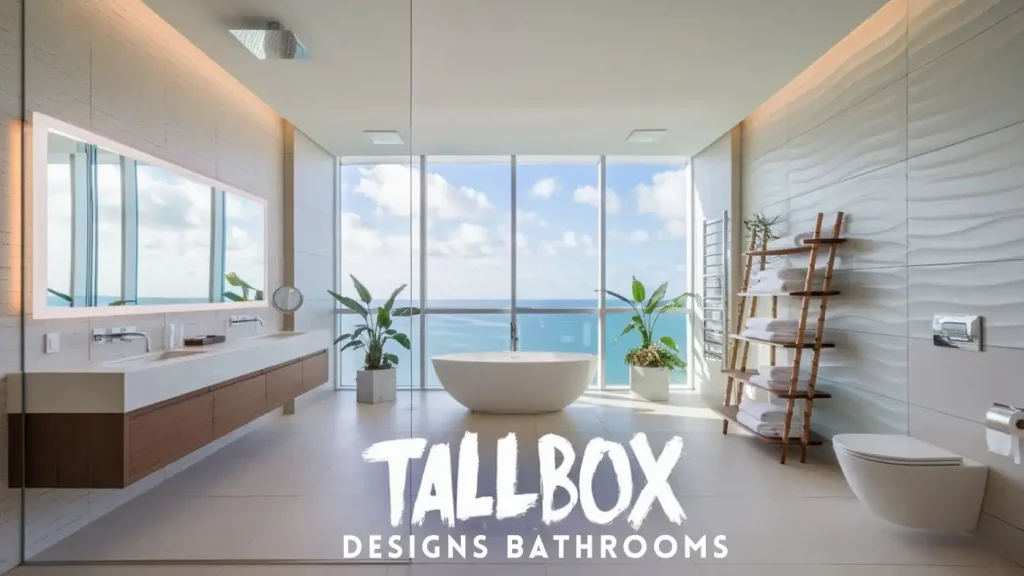
A bathroom mirror is more than a functional piece; it completely transforms the overall look and feel of your space. Individuals should consider various factors when choosing the mirror, including size, style frame, and lighting features to ensure that it fits right.
The right mirror is the focal point, giving your bathroom a little more style and flair. Choosing the right mirror requires careful consideration, as it highlights the overall design and atmosphere of the bathroom.
People use mirrors in bathrooms for several practical and aesthetic reasons:
-
Personal Grooming: Mirrors are essential for daily activities such as shaving, applying makeup, and styling hair, allowing individuals to see themselves clearly while performing these tasks.
-
Light Reflection: Mirrors can enhance the lighting in a bathroom by reflecting natural or artificial light, making the space feel brighter and more open.
-
Space Perception: Strategically placed mirrors can create an illusion of a larger space, making smaller bathrooms appear more expansive and less cramped.
-
Aesthetic Appeal: Mirrors serve as decorative elements that can enhance the overall design of a bathroom. They come in various shapes, sizes, and styles, contributing to the room’s aesthetic.
-
Functional Design: Many bathroom mirrors incorporate additional features, such as built-in lighting, anti-fog technology, or storage options, adding functionality to their design.
-
Focal Point: A well-chosen mirror can act as a focal point in bathroom decor, drawing attention and adding character to the space.
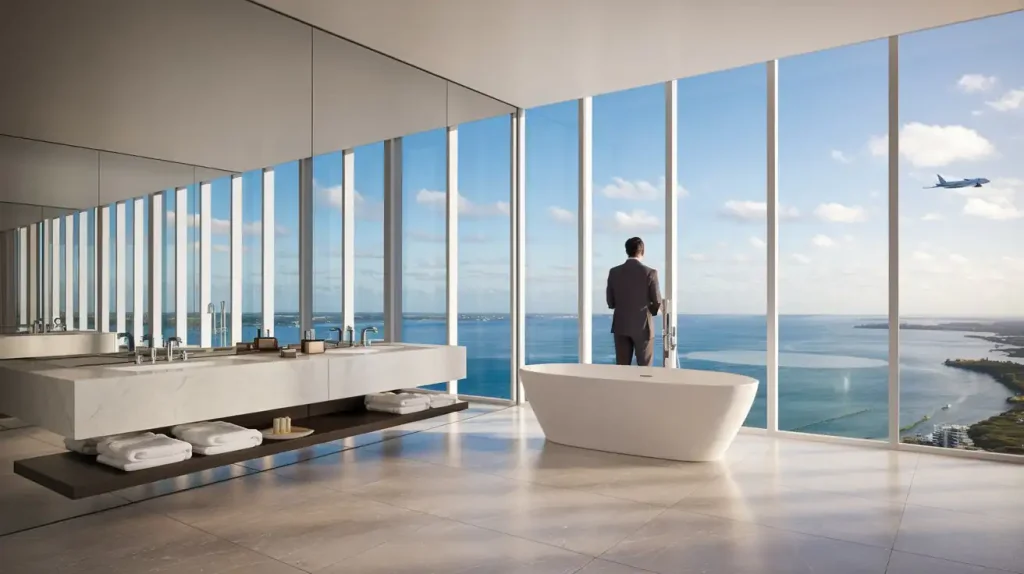
What type of mirrors for bathroom does exist?
Selecting from this diverse range of mirror types transforms your bathroom’s functionality and appearance, if you carefully consider your specific needs, space constraints, and design preferences. The right mirror type balances practicality with aesthetics, creating a personalized and efficient bathroom environment.
1. Frameless mirrors
– Sleek, modern appearance
– Seamless integration with various decor styles
2. Framed mirrors
– Traditional or contemporary frames
– Materials: Wood, metal, plastic, or composite
3. LED mirrors
– Backlit for ambient lighting
– Front-lit for task lighting
– Edge-lit for a subtle glow
4. Smart mirrors
– Built-in displays for weather, time, or notifications
– Voice-activated controls
– Integrated speakers for audio playback
5. Medicine cabinet mirrors
– Concealed storage behind mirrored surface
– Recessed or surface-mounted options
6. Pivot mirrors
– Tiltable for adjustable viewing angles
– Often mounted on extendable arms
7. Magnifying mirrors
– Separate or integrated magnification sections
– Common magnifications: 3x, 5x, or 10x
8. Venetian mirrors
– Ornate, decorative style
– Often feature etched or beveled edges
9. Infinity mirrors
– Create illusion of endless reflections
– Incorporate LED lighting for dramatic effect
10. Fog-free mirrors
– Heated surface prevents steam buildup
– Ideal for shower areas or humid bathrooms
11. Full-length mirrors
– Floor-to-ceiling or door-mounted options
– Provide head-to-toe reflection
12. Oval or round mirrors
– Soften angular bathroom elements
– Available in various sizes and frame styles
13. Triptych mirrors
– Three-panel design for adjustable views
– Often used above double vanities
14. Lighted makeup mirrors
– Feature surrounding light bulbs or LED strips
– Adjustable brightness and color temperature
15. Asymmetrical or shaped mirrors
– Unique designs like sunburst or organic shapes
– Function as decorative focal points
16. Mirrored walls
– Floor-to-ceiling mirrored surfaces
– Dramatically increase perceived space
17. Antique or vintage-style mirrors
– Distressed or patinated finishes
– Add character to traditional or eclectic bathrooms
18. Illuminated shelf mirrors
– Integrated storage shelves with lighting
– Combine functionality with ambient lighting
19. Bluetooth-enabled mirrors
– Connect to devices for music or calls
– Often include built-in speakers
20. Color-changing LED mirrors
– Adjustable light colors for different moods or times of day
– Customizable via remote control or smartphone app
Main benefits of diverse mirror types:
1. Enhanced functionality tailored to specific needs
2. Improved aesthetics to match various design styles
3. Increased versatility in small or challenging spaces
Contrasting with basic, unspecialized mirrors:
Standard flat mirrors lack additional features, potentially missing opportunities for improved lighting, storage, or technology integration. They may not address specific functional needs or contribute significantly to the bathroom’s overall design aesthetic.
Additional benefits connected to specialized mirror types:
1. Energy efficiency through integrated LED lighting
2. Improved grooming experience with specialized features
3. Potential for increased property value with high-tech or luxury options
4. Enhanced user experience through customization and smart features
How to select a mirror size for a bathroom?
Selecting the appropriate mirror size transforms your bathroom’s functionality and appearance, if you carefully consider vanity dimensions, ceiling height, wall space, functional needs, and overall bathroom size. The right-sized mirror balances practicality with aesthetics, creating a harmonious and efficient bathroom environment.
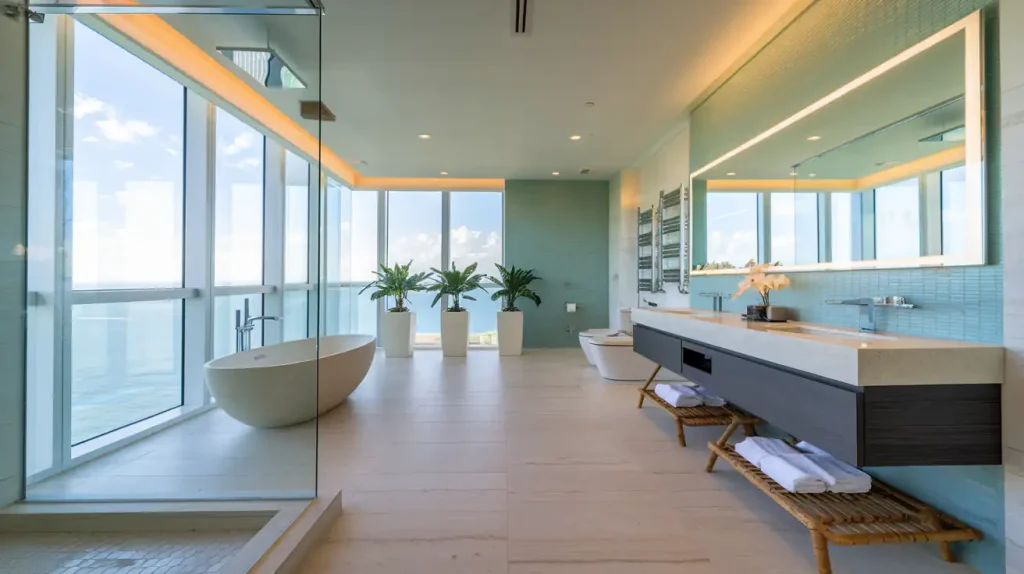
- Standard single vanity: For a 36-inch wide vanity, select a mirror that’s 30-34 inches wide. This allows for 1-3 inches of space on either side.
Example: A 32-inch wide rectangular mirror above a 36-inch vanity in a modern bathroom.
- Double vanity: For a 60-inch double vanity, choose either two 24-28 inch mirrors (one above each sink) or a single large mirror spanning 54-58 inches.
Example: Two 26-inch round mirrors centered above each sink of a 60-inch double vanity in a traditional-style bathroom.
- Small powder room: In a compact powder room with an 18-inch wide pedestal sink, opt for a mirror that’s 16-18 inches wide to maximize the sense of space without overwhelming it.
Example: An 18-inch oval mirror with a thin brass frame above a pedestal sink in a tiny, chic powder room.
- Tall ceiling bathroom: For a bathroom with 10-foot ceilings, consider a taller mirror to accentuate the vertical space.
Example: A 24-inch wide by 40-inch tall mirror in a sleek, frameless design for a modern bathroom with high ceilings.
- Full-length option: In addition to the vanity mirror, incorporate a full-length mirror for a complete view.
Example: A 18-inch by 60-inch full-length mirror mounted on the back of the bathroom door in a master suite.
- Oversized statement mirror: For a dramatic effect in a larger bathroom, choose an oversized mirror that extends beyond the vanity width.
Example: A 48-inch round mirror centered above a 36-inch floating vanity in a contemporary spa-like bathroom.
- Medicine cabinet mirror: For added storage in a small bathroom, opt for a mirrored medicine cabinet.
Example: A 24-inch by 30-inch recessed medicine cabinet with a mirrored door above a narrow vanity in an efficient urban apartment bathroom.
- Triptych mirror: For a unique look, consider a three-panel mirror that can be adjusted for different viewing angles.
Example: A triptych mirror with three 16-inch wide panels (48 inches total when fully extended) above a 42-inch vanity in an eclectic bathroom design.
These examples demonstrate how mirror size selection adapts to various bathroom layouts, styles, and functional needs. The right mirror size enhances both the aesthetic appeal and practicality of the space, creating a harmonious bathroom environment tailored to specific dimensions and design preferences.
How to select a mirror shape for a bathroom?
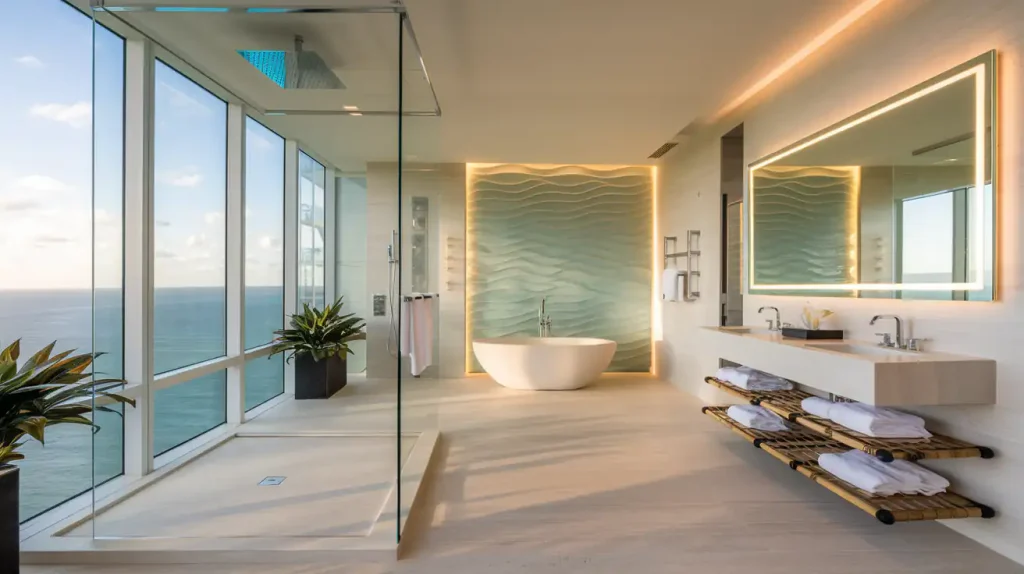
Choose a mirror shape that complements your bathroom’s overall aesthetic. Round or oval mirrors soften modern, angular bathrooms. Rectangular or square mirrors suit traditional or contemporary spaces. Unique shapes like hexagons or asymmetrical designs add character to eclectic bathrooms.
Main benefits of selecting the right mirror shape:
- The right shape complements your bathroom’s design theme and creates visual interest.
- Strategically chosen shapes can make bathrooms appear larger or more proportionate.
- Shapes tailored to specific needs optimize the mirror’s practical use.
Select a mirror shape that harmonizes with your vanity’s lines. Curved vanity tops pair well with round or oval mirrors. Straight-edged vanities often match rectangular or square mirrors. Consider contrast for visual interest – a round mirror above a square vanity creates an appealing juxtaposition.
- Factor in available wall area and existing fixtures. Tall, narrow spaces benefit from oval or rectangular mirrors. Wide walls accommodate expansive rectangular or multiple round mirrors. Odd-shaped areas might suit custom or asymmetrical mirror designs.
- Consider room proportions, use mirror shape to enhance your bathroom’s proportions. Vertical rectangular mirrors elongate low ceilings. Horizontal shapes widen narrow spaces. Large round mirrors create a sense of spaciousness in compact bathrooms.
- Reflect on functional needs, choose shapes that serve your practical requirements. Full-length rectangular mirrors offer head-to-toe views. Wide oval or rectangular shapes above double vanities provide ample reflection for multiple users. Adjustable triptych mirrors offer versatile viewing angles.
Contrasting with poorly chosen shapes: Mismatched mirror shapes can disrupt visual harmony, potentially making the bathroom feel unbalanced or cluttered. They may also fail to maximize available space or meet specific functional requirements.
Additional benefits connected to selecting the right mirror shape:
- Opportunity for artistic expression through unique or custom shapes
- Enhanced light distribution when paired with complementary lighting fixtures
- Potential for creating optical illusions to address architectural challenges
- Improved resale value through cohesive bathroom design
Examples of mirror shapes for different bathroom styles:
- Modern minimalist: Large, frameless rectangular mirror spanning the entire vanity width
- Rustic farmhouse: Oval mirror with a distressed wood frame
- Art Deco inspired: Sunburst-shaped mirror with gold accents
- Contemporary chic: Set of three circular mirrors in varying sizes
- Traditional elegance: Arched mirror with a carved wooden frame
- Industrial loft: Rectangular mirror with a black metal frame and riveted corners
- Bohemian eclectic: Asymmetrical, organic-shaped mirror with a colorful mosaic frame
- Scandinavian simplicity: Round mirror with a slim wooden frame and attached shelf
Selecting the appropriate mirror shape transforms your bathroom’s visual appeal and functionality, if you carefully consider your bathroom style, vanity design, wall space, room proportions, and functional needs. The right mirror shape serves as both a practical fixture and a design element, creating a cohesive and personalized bathroom environment.
How to select a mirror frame for a bathroom?
Choose a frame that complements your bathroom’s overall aesthetic. Sleek metal frames suit modern spaces, while ornate wooden frames enhance traditional decor. Minimalist designs often benefit from frameless or slim-framed mirrors.
Select frame materials that withstand bathroom humidity. Opt for moisture-resistant options such as:
- Stainless steel or brushed nickel for durability
- Treated or sealed wood to prevent warping
- Composite materials designed for high-humidity environments
Match or complement your frame with existing bathroom hardware. Align frame finishes with faucets, towel bars, and cabinet handles for a cohesive look. Consider contrasting finishes for visual interest if it suits your design scheme.
Assess proportions: Choose a frame width proportional to your mirror and wall space. Larger mirrors often benefit from thicker frames, while smaller mirrors may look best with slimmer borders. Oversized decorative frames can serve as statement pieces in spacious bathrooms.
Consider lighting integration: Explore frames with built-in lighting options. LED-illuminated bathroom mirror with frames provide functional task lighting and create ambiance. Backlit frames offer a modern, floating effect that enhances depth perception.
Main benefits of selecting the right mirror frame:
- Enhanced aesthetics: Frames add visual interest and can tie together various design elements in the bathroom.
- Improved durability: Quality frames protect mirror edges and can extend the mirror’s lifespan.
- Increased style definition: Frame choices reinforce specific design themes, from rustic to ultra-modern.
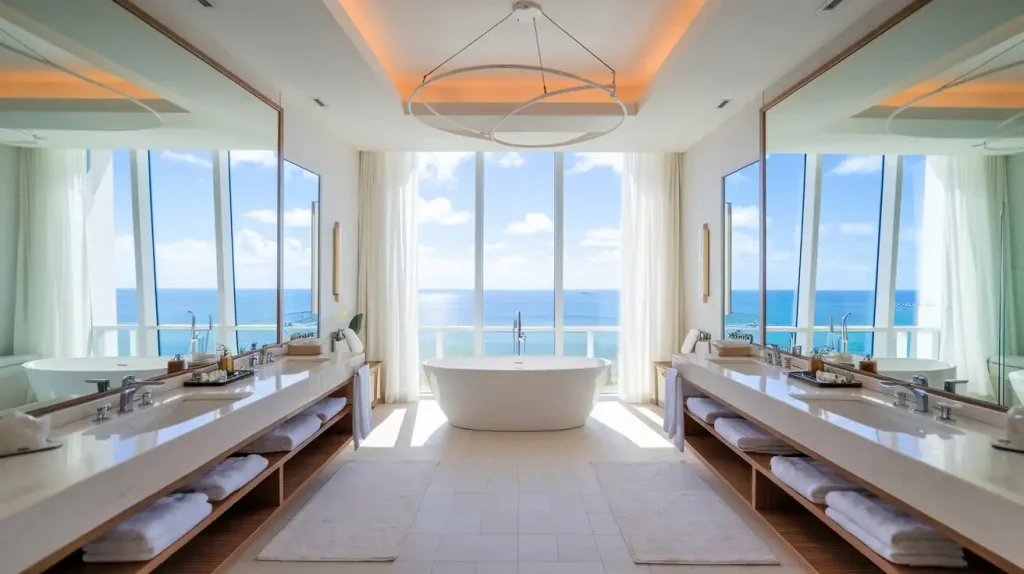
Frameless mirrors
While frameless mirrors offer a sleek, minimalist look, they may lack the decorative impact and edge protection that frames provide. Framed mirrors can add character, color, and texture to bathroom walls more effectively than their frameless counterparts.
Additional benefits connected to selecting the right mirror frame:
- Opportunity to introduce new materials or textures into the bathroom design
- Potential for easy style updates by changing frames rather than entire mirrors
- Enhanced light reflection when using metallic or glossy frame finishes
- Improved safety with properly secured frames, especially for larger mirrors
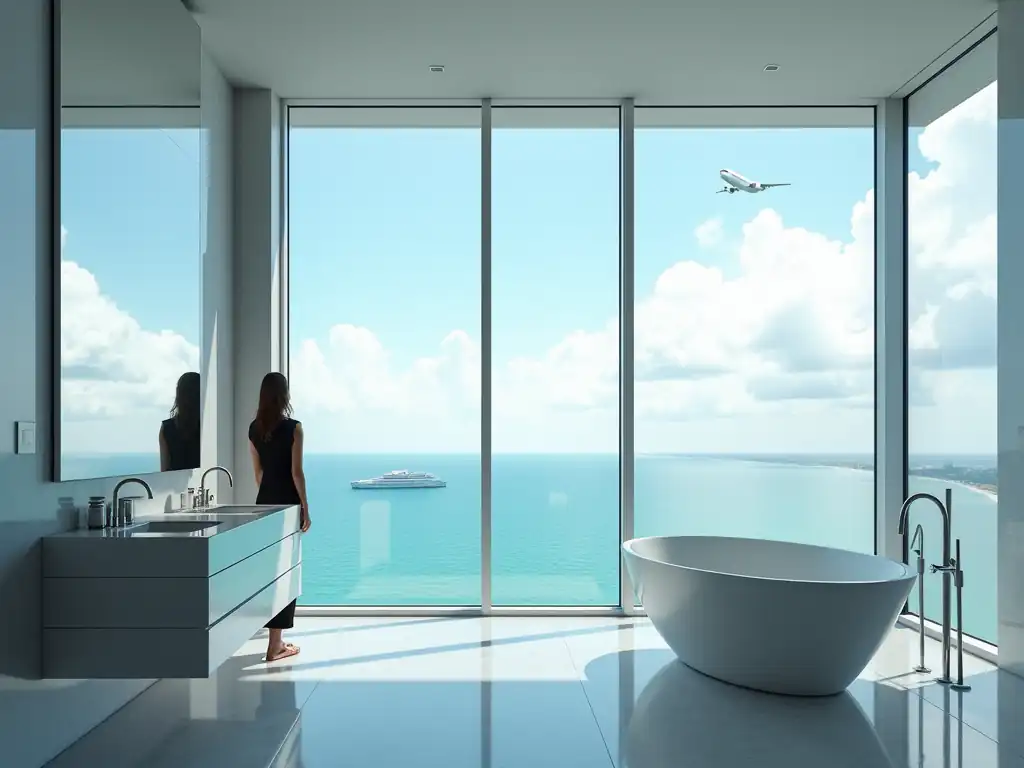
Examples of mirror frames for different bathroom styles:
- Modern industrial: Matte black metal frame with visible bolts or rivets
- Coastal retreat: Whitewashed wood frame with a distressed finish
- Glamorous art deco: Gold-toned frame with geometric patterns
- Rustic farmhouse: Reclaimed wood frame with a natural, unfinished look
- Contemporary minimalist: Thin brushed aluminum frame or frameless design
- Traditional elegance: Ornate bronze frame with scrollwork details
- Eclectic bohemian: Mosaic-tiled frame featuring colorful glass or stone pieces
- Scandinavian simplicity: Light oak wood frame with clean, straight lines
Selecting the appropriate mirror frame transforms your bathroom’s visual appeal, if you carefully consider your bathroom style, moisture resistance needs, fixture coordination, proportions, and lighting integration. The right frame enhances both the mirror’s functionality and its role as a key design element, creating a cohesive and personalized bathroom environment.
How to design the lighting in a bathroom?
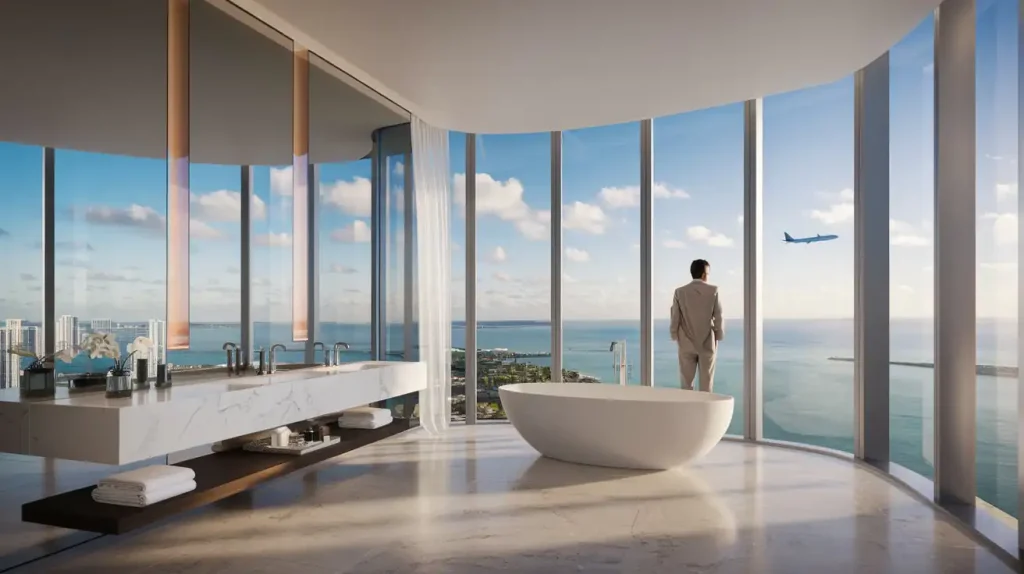
Evaluate the amount of natural light your bathroom receives. Bathrooms with ample sunlight may require less integrated lighting in mirror frames. For darker spaces, consider frames with built-in illumination to compensate for limited natural light.
Determine lighting needs:
- Identify your primary lighting requirements:
- Task lighting for grooming and applying makeup
- Ambient lighting for overall room illumination
- Accent lighting for creating atmosphere or highlighting decor elements
Consider frame-integrated lighting options: Explore mirror frames with built-in lighting features:
- LED-backlit frames for a soft, diffused glow
- Front-lit frames with exposed bulbs for vintage charm
- Edge-lit frames for a modern, streamlined look
- Smart frames with adjustable color temperature and brightness
Coordinate with existing light fixtures: Select a frame that complements your current bathroom lighting. Match or contrast frame finishes with overhead lights, sconces, or pendant fixtures for a cohesive design.
Factor in energy efficiency: Opt for frames with energy-efficient lighting options:
- LED-integrated frames for long-lasting, low-energy illumination
- Frames with dimmer switches to adjust light intensity as needed
- Motion-sensor activated frames to conserve energy when not in use
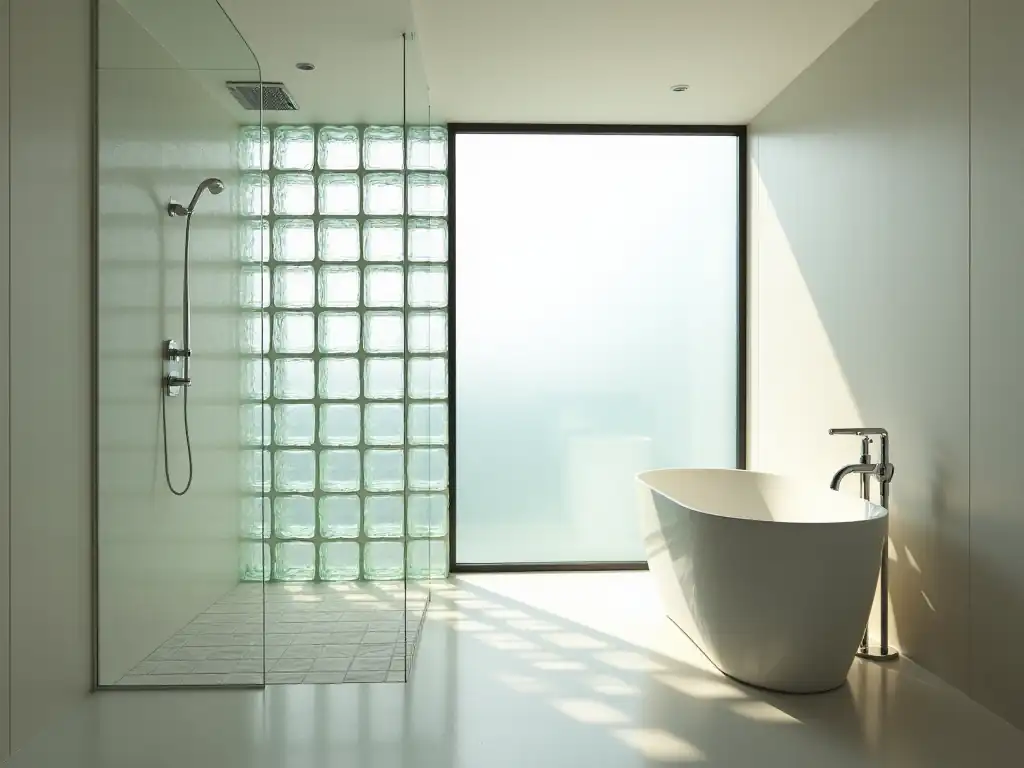
Main benefits of selecting a mirror frame with lighting considerations:
- Enhanced functionality: Integrated lighting improves visibility for daily grooming tasks.
- Improved ambiance: Properly lit mirror frames contribute to the overall mood of the bathroom.
- Increased versatility: Adjustable lighting options cater to various needs throughout the day.
While traditional non-illuminated frames rely on external light sources, integrated lighting frames provide targeted illumination, reducing shadows and enhancing the user experience.
Additional benefits connected to lighting-conscious frame selection:
- Potential for reduced energy costs with efficient LED lighting
- Improved selfie-taking and video call experiences with flattering, built-in lighting
- Enhanced safety through better visibility, especially during nighttime bathroom visits
- Opportunity for creating dramatic visual effects or accent lighting
Examples of mirror frames with lighting features for different bathroom styles
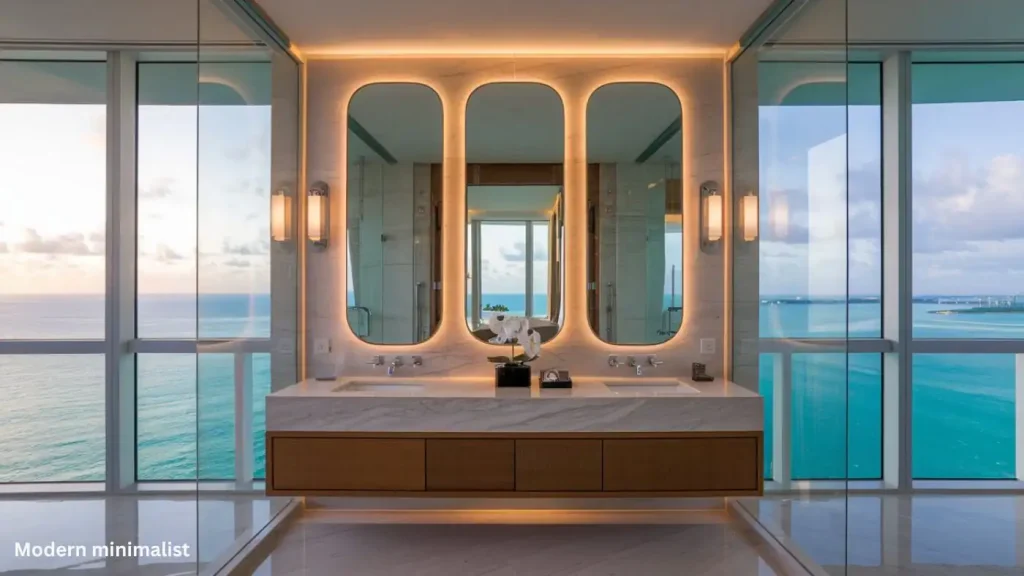
Modern minimalist: Frameless mirror with a slim LED border for a floating effect
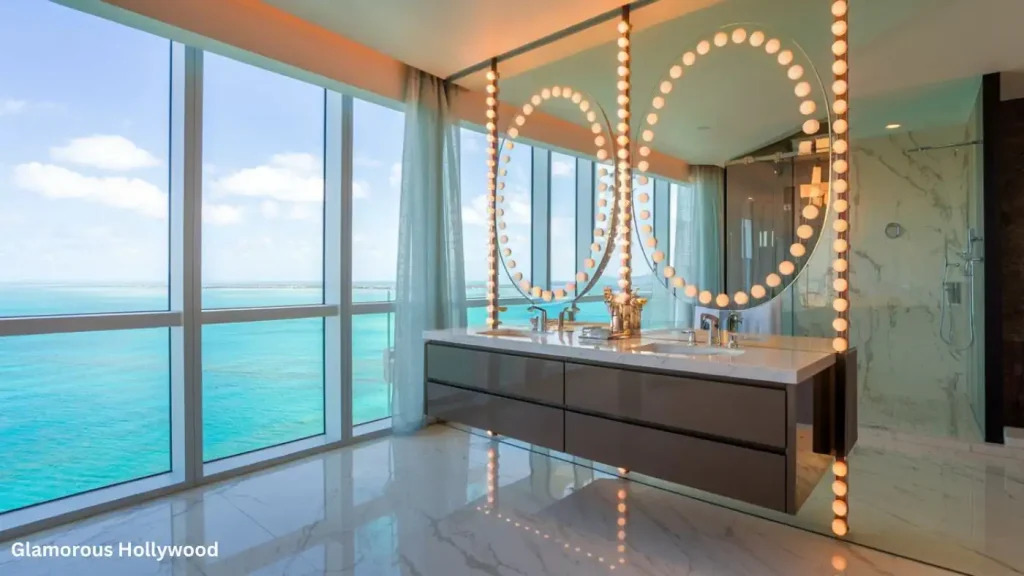
Glamorous Hollywood: Oval mirror surrounded by warm LED bulbs for a dressing room feel
Smart home integration: Rectangular frame with voice-activated, color-changing LED lights

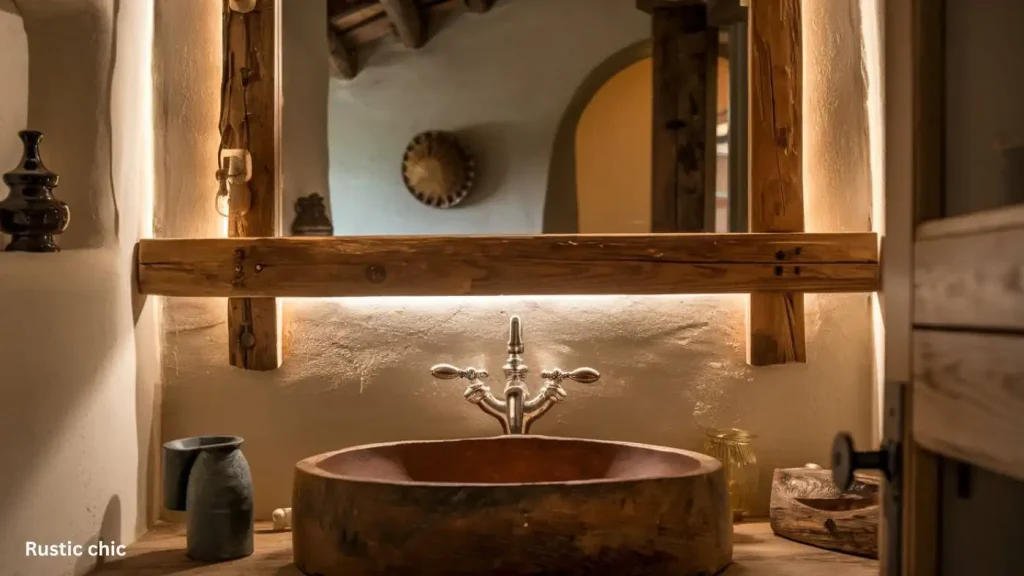
Rustic chic: Wooden frame with hidden LED backlighting for a soft, warm glow
Art Deco revival: Geometric frame with integrated LED lighting in strategic patterns

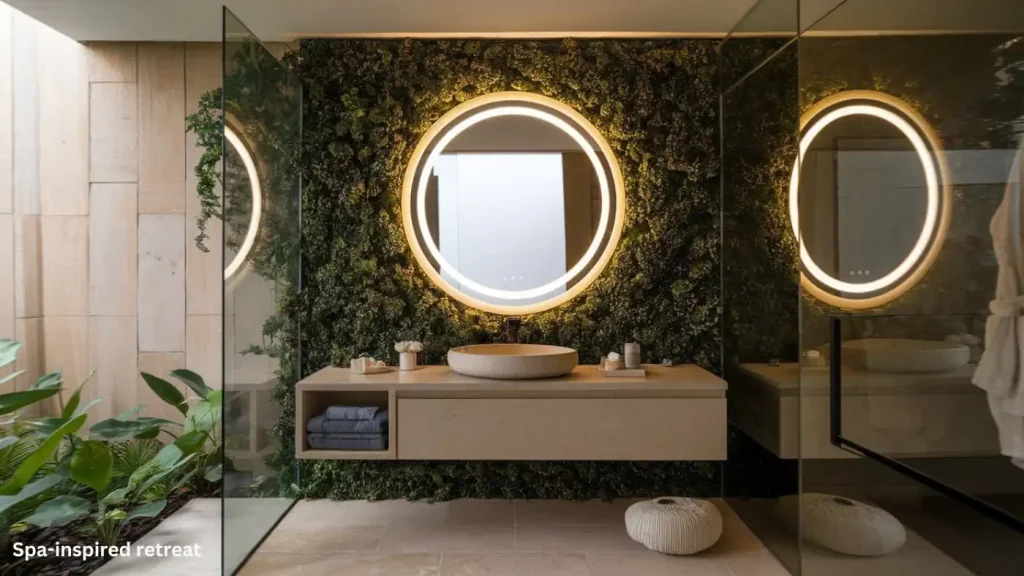
Spa-inspired retreat: Round mirror with a frosted edge-lit frame for diffused illumination.
Tech-forward: Touch-sensitive frame with adjustable color temperature and brightness.

Vintage industrial: Metal frame with exposed Edison bulbs for characterful task lighting.
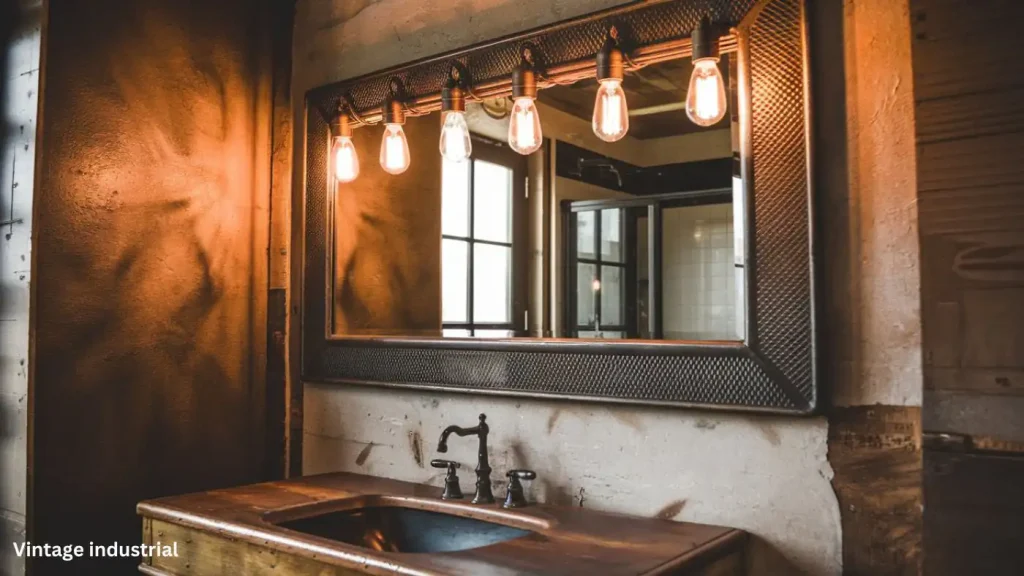
Selecting a mirror frame with appropriate lighting transforms your bathroom’s functionality and atmosphere, if you carefully consider natural light availability, specific lighting needs, integrated options, coordination with existing fixtures, and energy efficiency.
The right illuminated frame enhances both practical use and aesthetic appeal, creating a well-lit, personalized bathroom environment tailored to your daily routines and design preferences.
hire interior designer for bathroom
Hiring an interior designer transforms your bathroom renovation process, if you carefully consider your needs, research potential candidates, review their work, conduct thorough interviews, and clearly understand fee structures.
The right designer balances your vision with professional expertise, creating a bathroom that is both beautiful and functional, tailored to your specific requirements and lifestyle.
Main benefits of hiring a professional interior designer for your bathroom:
- Expertise: Designers bring specialized knowledge of bathroom layouts, materials, and trends.
- Time and stress savings: Professionals manage the design process, reducing your workload.
- Access to resources: Designers often have connections to quality contractors and suppliers.
Determine your needs: Assess the scope of your bathroom project. Consider whether you need:
- Full renovation planning and execution
- Cosmetic updates and styling
- Specific problem-solving (e.g., storage solutions, accessibility improvements)
- Sustainable or eco-friendly design expertise
Research potential designers: Find interior designers specializing in bathrooms through:
- Online directories (e.g., ASID, IIDA)
- Social media platforms showcasing design work
- Referrals from friends, family, or local home improvement stores
- Design magazines featuring bathroom renovations
Review portfolios and credentials: Examine designers’ past work and qualifications:
- Look for bathroom-specific projects in their portfolios
- Check for relevant certifications (e.g., NCIDQ, RIDQC)
- Verify membership in professional organizations
- Read client testimonials and reviews
Conduct interviews: Schedule consultations with potential designers to discuss:
- Their design process and communication style
- Experience with projects similar to yours
- Understanding of your vision and budget
- Ability to work within your timeline
Discuss fees and contracts: Clarify the designer’s fee structure and what services are included:
- Hourly rates vs. flat fees
- Additional costs for materials or contractor coordination
- Payment schedules and milestones
- Contract terms and conditions
DIY bathroom design
While DIY can be cost-effective, it risks overlooking crucial design elements or making costly mistakes. Professional designers bring experience and industry knowledge that can ultimately save money and ensure a cohesive, functional result.
Additional benefits connected to hiring a bathroom interior designer:
- Potential for increased home value through professional, well-executed design
- Improved space utilization and storage solutions
- Enhanced accessibility and safety features, if needed
- Guidance on sustainable and eco-friendly options
Examples of how interior designers can transform bathrooms:
- Luxury spa retreat: Converting a standard bathroom into a high-end spa experience with a freestanding tub, rain shower, and custom lighting
- Space-efficient design: Maximizing storage and functionality in a small urban bathroom
- Accessible elegance: Creating a stylish, ADA-compliant bathroom for aging in place
- Eco-friendly oasis: Incorporating sustainable materials and water-saving fixtures for an environmentally conscious design
- Family-friendly update: Designing a bathroom that accommodates multiple users with dual vanities and separated wet areas
Do a good bathroom adds value to a house?
Adding an extra bathroom can have an even more significant impact. For example, adding a full bathroom can increase the median home value by approximately 5.7%, while renovating an existing bathroom with mid-range decors will recoup nearly 60% (58.9%) of the initial investment , translating to a dollar increase of about $17,638 on average.
This increase is achieved by converting existing space to include a shower, sink, and toilet without changing the total square footage often with the help of a professional interior designer.
Assume a house valued at $300,000:
Adding a full bathroom:
- Potential value increase: 5.7% of $300,000 = $17,100
- New estimated house value: $317,100
Renovating an existing bathroom:
- Assume a renovation cost of $20,000
- Expected value recouped: 58.9% of $20,000 = $11,780
- While this doesn’t fully cover the renovation cost, it significantly offsets the expense and improves the home’s marketability.
The impact on home value can vary based on location, current market trends, and the overall condition of the house.
Extremely high-end bathroom renovations in modest homes may not yield proportional returns. It’s important to keep improvements in line with the overall property value and neighborhood standards.
Functionality vs. luxury
While luxury features can be appealing, ensuring good functionality (e.g., adequate storage, proper ventilation, efficient layout) often provides better value.
Considering accessibility features (e.g., walk-in showers, comfort-height toilets) can appeal to a broader range of potential buyers, potentially increasing value further.
Luxurious bathrooms can be visually stunning, they may sometimes sacrifice practicality for aesthetics. This can lead to higher maintenance costs and potential frustration with daily use.
High-end features can create a wow factor, a bathroom that prioritizes functionality tends to offer more long-term satisfaction and value. The key is to find a middle ground where aesthetics and practicality coexist.
Invest in quality fixtures and materials for frequently used items:
- Durable, easy-to-clean surfaces for countertops and floors
- Reliable, water-efficient toilets and faucets
- Well-sealed shower enclosures to prevent water damage
Adequate storage improves daily use and maintains a clutter-free appearance:
- Built-in cabinets or shelving units
- Medicine cabinets with hidden storage
- Drawer organizers for efficiently storing small items
Good air circulation prevents moisture-related issues:
- Install a quality exhaust fan sized appropriately for the space
- Consider a humidity-sensing fan for automatic operation
- Ensure windows can be opened for natural ventilation when weather permits
Main benefits of prioritizing functionality:
- Improved daily use experience for all household members
- Reduced maintenance and cleaning requirements
- Potential for long-term cost savings through efficient design
A well-planned bathroom maximizes space and improves flow:
- Allow for comfortable movement between fixtures
- Position the toilet for privacy, especially in shared bathrooms
- Ensure adequate clearance for doors and drawers
Proper illumination enhances both functionality and ambiance:
- Task lighting around mirrors for grooming
- Ambient lighting for overall illumination
- Consider dimmable options for versatility
Opt for materials that are both attractive and easy to maintain:
- Porcelain or ceramic tiles for durability and water resistance
- Quartz or solid surface countertops for ease of cleaning
- Mildew-resistant grout to minimize long-term maintenance
Benefits of functional bathroom design:
- Increased appeal to a broader range of potential buyers if selling the home
- Better adaptability to changing needs over time
- Improved energy and water efficiency, leading to lower utility costs
Examples of balancing functionality with moderate luxury:
- Dual-flush toilet with a sleek design for water conservation and style
- Heated floors for comfort, which also aid in moisture control
- Frameless glass shower enclosure for a modern look and easy cleaning
- Motion-sensor faucets for both convenience and water savings
- Built-in bluetooth speakers for entertainment without sacrificing counter space