How do frequent listing status changes impact a property's perceived value among buyers and investors?
Frequent status changes negatively impact a property’s perceived value. Buyers view multiple delistings and relistings as red flags, suggesting hidden problems or unrealistic seller expectations. According to dealulator.com, these changes can “negatively impact its perceived value” and require new marketing strategies. HomeLight.com notes that properties with longer days on market “carry a negative stigma among buyers” and typically sell for less. Savvy buyers recognize relisted properties aren’t truly “new” and may submit lowball offers, assuming seller desperation.
At TALLBOX, we analyze the three major listing statuses: Delisted, Withheld, and Relisted, and here’s what we discovered.

George is a seasoned interior designer and property marketing strategist with over 13 years of experience. He specializes in transforming properties into visually stunning spaces, helping clients recognize the potential and beauty in each property. With an impressive international client base of exciting projects throughout Europe and America.
Delisting often resets Days on Market (DOM), helping sellers avoid the stigma of prolonged exposure, though savvy buyers can trace past listings. Withdrawn listings provide flexibility for sellers, allowing temporary pauses without ending agreements.
Relisting, a strategic move to refresh market appeal, can increase selling prices but risks signaling desperation if repeated excessively. Our findings highlight the importance of timing, pricing adjustments, and marketing strategies in maximizing property value while minimizing negative perceptions in competitive real estate markets.
The biggest key reason for a property to get delisted is when the seller’s change of heart or unrealistic expectations meet reality. The second biggest reason for a listing to change its status are rising interest rates, inflation, and economic uncertainty can reduce buyer demand, leading sellers to delist and wait for better conditions.
The third biggest reason properties may be delisted to allow time for necessary repairs or renovations, which can improve their marketability upon relisting.
In slow markets sellers might delist during with the intention of relisting when buyer activity increases.
The last but not the least important reason is changes in personal circumstances, such as new job opportunities or health issues, can prompt sellers to delist their properties temporarily
When a listing gets Delisted?
When a property is delisted, it is completely removed from the Multiple Listing Service (MLS) and no longer appears in real estate searches. This action effectively terminates its market presence, though not necessarily permanently.
Common reasons for delisting include:
- Seller’s change of heart about selling
- Need for significant repairs or renovations
- Market timing strategy (waiting for better conditions)
- Expired listing agreement with the agent
A delisted property loses all accumulated Days on Market (DOM) history. If reintroduced later, it typically appears as a fresh listing, which can benefit sellers trying to avoid the stigma of prolonged market exposure. However, savvy buyers and agents can often uncover a property’s listing history through property records and cached data.

When a listing gets withdrawn?
A withdrawn listing represents a temporary pause rather than complete removal. The property remains under contract with the listing agent but is temporarily unavailable for showings or offers.
Two primary withdrawal types exist:
- Conditionally withdrawn: The listing agreement remains active, but the property is temporarily off-market (30-90 days) with the same agent.
- Unconditionally withdrawn: The listing agreement is terminated, freeing the seller to work with other agents.
Sellers typically withdraw listings to address property issues, reconsider pricing strategies, or take a break from the showing process during holidays or personal events. Unlike delisted properties, withdrawn listings can often be reactivated without executing new listing agreements, streamlining the return to market.
When a listing gets Relisted?
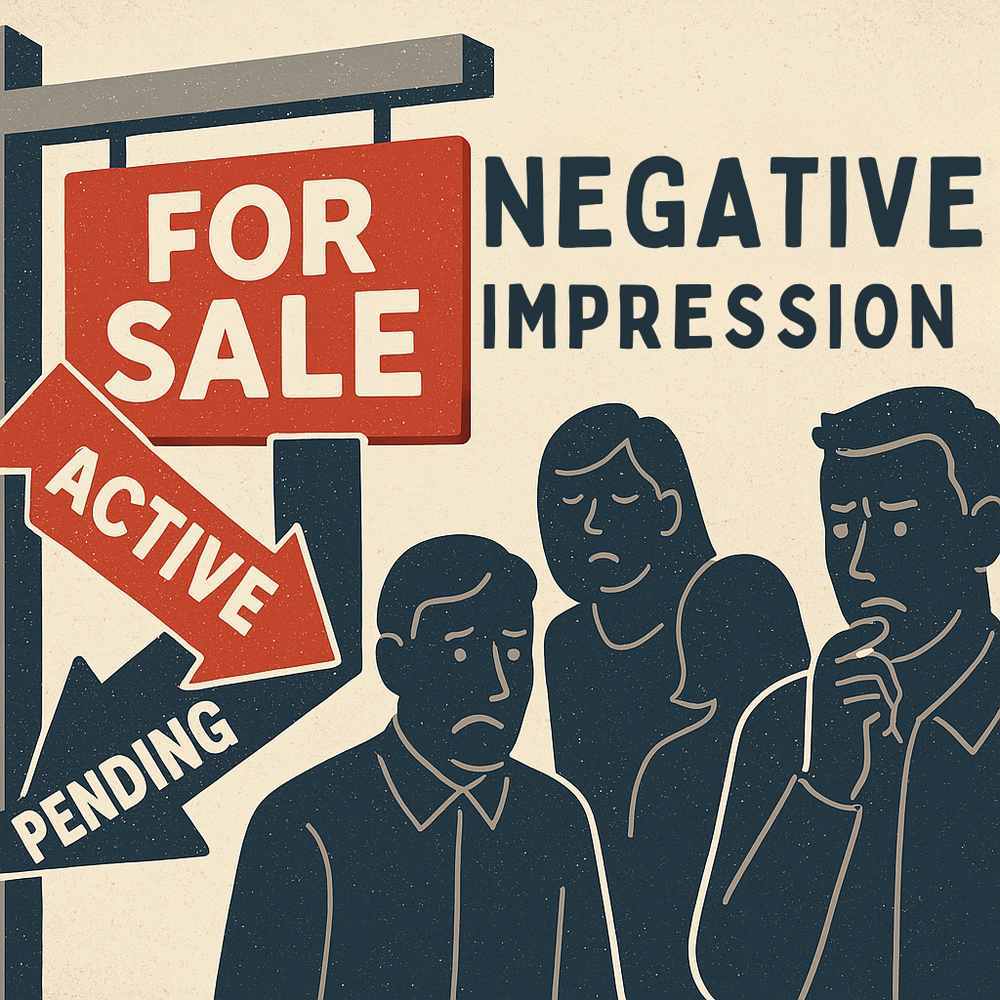
Relisting occurs when a property returns to active market status after being delisted or withdrawn. This strategy often aims to refresh the property’s market presentation and reset accumulated DOM.
Key aspects of relisting:
- Many MLS systems require minimum waiting periods (14-90 days) before a property can appear as “new”
- Some platforms (like Rightmove) require at least a 2% price reduction to qualify as a new listing
- Relisting typically involves strategic changes: price adjustments, new photos, updated descriptions, or seasonal timing
For buyers, relisted properties can signal opportunity, particularly if price reductions accompany the relisting. For sellers, relisting offers a chance to correct initial marketing missteps, though frequent relisting can create negative impressions of desperation or property defects among market participants.
What role does local market demand play in determining whether a property should be delisted, withdrawn, or relisted?
Local market demand directly determines listing status decisions. In high-demand markets, properties sell quickly with minimal status changes. In slow markets, strategic delisting becomes necessary when properties receive fewer than five showings weekly. Market conditions dictate timing—delisting during seasonal slowdowns (summer/holidays) allows for strategic relisting when buyer activity increases.
Inventory levels impact decisions significantly. When supply exceeds demand ( for example, 30% more inventory in 2024 than 2025), delisting provides an opportunity to stand out upon return. Competition matters too—delisted homes typically face 50% more nearby similar competition than successful listings.
Pricing relative to market reality determines status changes. Overpriced listings sitting for months benefit from temporary withdrawal to reset days-on-market statistics and reposition with improvements that match current buyer expectations.
What impact do listing status changes have on the long-term reputation of a property among real estate agents and buyers?
Frequent listing status changes, such as delisting, withdrawing, or relisting, can negatively impact a property’s long-term reputation among real estate agents and buyers. Repeated changes may signal indecision, hidden property issues, or desperation, reducing buyer confidence and trust.
Homes labeled “back on market” after failed transactions raise red flags about inspection problems, financing difficulties, or unreasonable seller demands. Real estate agents develop caution toward properties with unstable listing histories, often steering clients away from these “problem properties.”

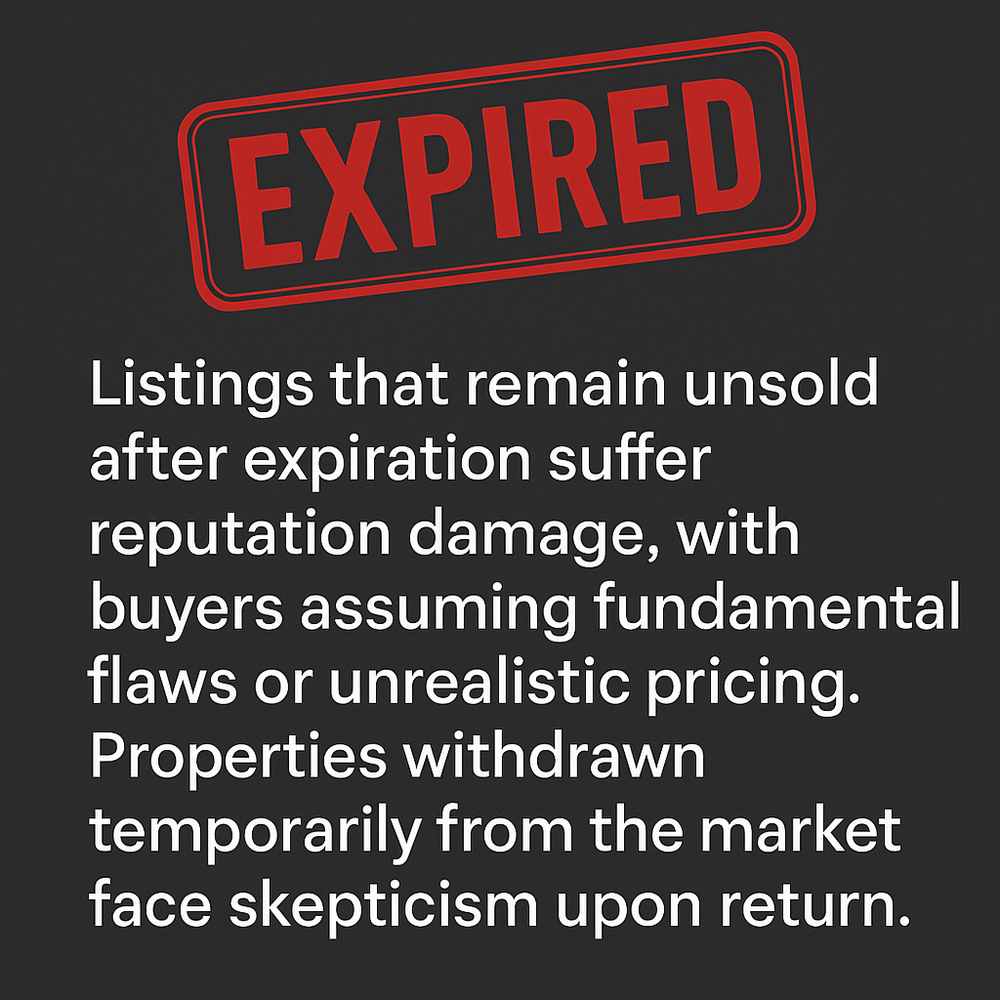
Expired listings that remain unsold after their contract period suffer reputation damage, with buyers assuming fundamental flaws or unrealistic pricing. Properties withdrawn temporarily from the market face skepticism upon return.
Conversely, properties maintaining consistent “active” status for extended periods become stigmatized as undesirable, while those quickly moving from active to pending to sold gain positive reputations as desirable investments.
These reputation effects persist long-term in agent memories and digital listing histories, influencing future marketability and potentially impacting property values even years later.