Is it worth buying a house in Canada for Americans?
US property investment in Canada is worth considering for its long-term potential, despite current challenges.
Many US citizens are drawn to owning Canadian property, whether it’s a vacation home, urban condo, or future retirement spot, due to its proximity and lifestyle benefits.
However, buying property in Canada as a US citizen in 2025 comes with unique challenges. Non-resident buyers face eligibility restrictions under Canada’s Foreign Buyer Ban, and must understand potential exemptions. Significant financial hurdles also exist, including a minimum 35% down payment for Canadian financing, additional costs like Non-Resident Speculation Taxes and the Underused Housing Tax, and ongoing US tax obligations on foreign assets. To successfully purchase Canadian property, US citizens must understand and prepare for these regulatory and financial realities.

George is a seasoned interior designer and property marketing strategist with over 13 years of experience. He specializes in transforming properties into visually stunning spaces, helping clients recognize the potential and beauty in each property. With an impressive international client base of exciting projects throughout Europe and America.
Canada appeals to property buyers due to its political stability, high quality of life, multicultural environment, strong education and healthcare systems, scenic beauty, and generally appreciating real estate market (though regional variations exist). For Americans, geographic proximity and cultural similarities are additional draws.
Can foreigners buy property in Canada? (Quick answer)
Yes, generally. However, the Prohibition on the Purchase of Residential Property by Non-Canadians Act (Foreign Buyer Ban) currently restricts non-Canadians (including corporations and individuals who are not citizens or permanent residents) from buying residential property in designated urban areas until January 1, 2027. There are important exemptions, and the ban does not apply to properties outside Census Metropolitan Areas (CMAs) and Census Agglomerations (CAs), nor generally to commercial or recreational properties.
Can Americans/Foreigners Buy Property in Canada?

What are the eligibility rules for foreigners/Americans buying Canadian property?
Under the current Foreign Buyer Ban (until Jan 1, 2027), non-Canadians are generally prohibited from purchasing residential property within CMAs and CAs unless they qualify for an exemption. Key exemptions include:
- Temporary residents with valid work permits (meeting criteria like remaining permit validity, tax filing history, and intent to occupy).
- Certain international students (meeting criteria like residency duration, tax filing, and purchase price cap).
- Protected persons/refugees.
- Non-Canadian spouses/common-law partners purchasing with a Canadian citizen or permanent resident.
- Purchases outside designated CMAs/CAs.
- Purchases of properties with 4+ dwelling units or land zoned for mixed/commercial use.

What are the restrictions on residential/commercial/land purchases?
- Residential: Heavily restricted in CMAs/CAs by the Foreign Buyer Ban unless an exemption applies. Provincial taxes (like BC’s and Ontario’s Non-Resident Speculation Tax – NRST) can also apply.
- Commercial: Generally not restricted by the federal ban (e.g., buildings with 4+ units, retail, industrial).
- Land: Vacant land zoned only for residential use within CMAs/CAs is restricted. Land outside these areas or zoned for mixed/commercial use is typically not restricted by the federal ban. Buyers should always verify local zoning.
What ownership rights & limitations exist (land rights, taxes)?
Foreign property owners in Canada generally enjoy the same rights as Canadian owners regarding property use, rental, and sale, as long as they adhere to relevant laws, including the Foreign Buyer Ban.
The main restriction is the Foreign Buyer Ban, which prohibits the purchase of residential property in certain areas until 2027. Additionally, provincial regulations such as rental controls and short-term rental rules apply.
Foreign owners are subject to various taxes, including:
– Provincial Non-Resident Speculation Taxes, such as 25% in Ontario and 20% in British Columbia on property purchases.
– The federal Underused Housing Tax, which is 1% annually on the value of vacant or underused residential properties.
– Municipal and provincial vacancy taxes, such as those in Vancouver and Toronto.
– Income tax on rental income.
– Withholding tax on the gross proceeds of a sale, which is creditable against capital gains tax owed, with capital gains being taxable in Canada. US citizens must also comply with US tax obligations and reporting requirements.
The Home Buying Process in Canada for US Citizens
What is the step-by-step guide to buying a home in Canada (esp. for US citizens)?
Steps:
- Confirm Eligibility: Verify you meet exemption criteria under the Foreign Buyer Ban (if buying residential in CMA/CA) or that the property type/location is exempt.
- Assess Finances & Get Pre-Approval: Determine budget, factor in exchange rates, save for a down payment (often 35%+ for non-residents), and get mortgage pre-approval from a Canadian lender or explore cross-border options.
- Hire Professionals: Engage a Canadian real estate agent (Realtor) familiar with non-resident transactions and a Canadian real estate lawyer.
- Find Property: Search online (e.g., Realtor.ca), view properties (in person or virtually).
- Make Offer: Submit a formal Offer to Purchase, often conditional on financing and inspection.
- Fulfill Conditions: Secure final mortgage approval, conduct a home inspection.
- Closing: Lawyer handles title transfer, registration, payment of funds, and land transfer taxes. Keys are received upon closing.
What are the key differences from the US home buying process?
Foreign Buyer Ban: No equivalent federal ban in the US restricts purchases based on nationality alone (though financing can be harder).
Taxes: Specific Non-Resident taxes (NRST, UHT) exist in Canada that aren’t standard in the US. Land transfer taxes vary significantly by province/city in Canada.
Financing: Higher down payment requirements (often 35%) for non-residents are common in Canada.
Legal Representation: Using a lawyer or notary for closing is standard and often mandatory in Canada, whereas in the US, title companies might handle closings in some states.
Offer Process: Conditional offers are common, but the specifics of conditions and negotiation dynamics can differ.
How do you find legal assistance & licensed agents in Canada?
- Lawyers: Check provincial law society directories (e.g., Law Society of Ontario, Law Society of British Columbia) and search for lawyers specializing in real estate and non-resident transactions. Referrals from real estate agents or financial advisors are also common.
- Real Estate Agents (Realtors): Use the Canadian Real Estate Association (CREA) website (realtor.ca) to find licensed agents. Look for agents with experience working with international/US buyers or those holding designations like CIPS (Certified International Property Specialist). Ask for references.
How does financing work (Canadian vs. US Banks, Mortgages)?
Canadian Lenders: Major Canadian banks (RBC, TD, BMO, Scotiabank, CIBC) and credit unions offer mortgages to non-residents, but typically require:
- Larger down payments (often 35% or more).
- Proof of income verifiable to Canadian standards.
- A Canadian bank account.
- Excellent credit history (may require international credit reports).
US Lenders/Cross-Border: Some US banks with Canadian operations (e.g., RBC Bank USA, TD Bank) offer cross-border mortgage programs, potentially simplifying income/credit verification for US citizens. Interest rates and terms may differ. It’s essential to compare options carefully.
What taxes and fees apply (Foreign Buyer Tax, GST/HST, Closing Costs)?
Purchase Taxes:
- Provincial NRST (ON 25%, BC 20%, NS 5% – check current applicability/exemptions).
- Land Transfer Tax (provincial/municipal – rates vary widely).
GST/HST: Generally applies to newly built homes, but rebates may be available. Usually not applicable to resale homes.
Closing Costs: Typically 1.5% – 4% of purchase price, including:
- Legal fees and disbursements.
- Title insurance.
- Property survey (if needed).
- Home inspection fee.
- Adjustments (e.g., pre-paid property taxes by the seller).
Ongoing Taxes: Property taxes (municipal), potential UHT/vacancy taxes.
Costs and Budgeting
At TALLBOX we recommend these proven approaches:
What are average house prices by major province & city?
Average property prices in Canada vary significantly across regions. As of early 2025, the national average price range is between $670,000 and $710,000. Regional averages include:
– British Columbia: around $965,000, with the Vancouver area averaging over $1.2 million.
– Ontario: approximately $850,000, with the Greater Toronto Area averaging over $1.1 million.
– Alberta: a benchmark price of around $515,000, with Calgary at $610,000 and Edmonton at $450,000.
– Québec: a benchmark of $514,000, with the Montreal area at $620,000 and Québec City at $445,000.
– Saskatchewan: a benchmark price of $345,000.
– Manitoba: an average of $380,000.
– Atlantic Provinces: generally between $300,000 and $450,000, with Halifax averaging around $590,000; New Brunswick tends to be the most affordable.
For the most current data, it’s recommended to check the latest statistics from the Canadian Real Estate Association or regional real estate boards.

What is the cost breakdown (deposit, closing costs, taxes)?
The typical costs associated with purchasing a property include:
– Deposit: Usually 5% of the purchase price, submitted with the offer and held in trust.
– Down Payment: The primary amount paid at closing, with minimum requirements ranging from 5-20% for residents depending on the price, while non-residents often need 35% or more.
– Closing Costs: Typically between 1.5% and 4% of the purchase price, covering expenses such as legal fees, land transfer tax, title insurance, inspections, and adjustments.
– Purchase Taxes: Potential taxes include the Non-Resident Speculation Tax in certain provinces like Ontario, British Columbia, and Nova Scotia, as well as provincial and municipal Land Transfer Taxes. Additionally, GST/HST applies to new constructions.
What are hidden or ongoing costs?
Ongoing expenses for property owners include:
– Property Taxes: Annual or semi-annual payments to the municipality, with rates varying significantly by location.
– Home Insurance: Required for those with a mortgage.
– Utilities: Costs for essential services such as electricity, water, heating, internet, and cable.
– Maintenance and Repairs: It is recommended to budget 1-3% of the home’s value each year for upkeep.
– Condo Fees: Monthly payments for condominium owners to cover shared amenities and maintenance.
– Potential Taxes on Vacant or Underused Properties: Additional taxes may apply if the property is not occupied or is underutilized.
Where are the cheapest provinces or cities to buy property in Canada?
Canada’s most affordable housing markets are typically found in the Atlantic Provinces, including New Brunswick, Newfoundland & Labrador, and Prince Edward Island, as well as the Prairie Provinces, such as Saskatchewan and Manitoba. These regions generally offer lower purchase prices and, in some cases, lower property taxes compared to provinces like British Columbia and Ontario, particularly in major cities. Cities such as Saint John, New Brunswick, Regina and Saskatoon in Saskatchewan, and Winnipeg, Manitoba, are often cited as affordable options. Additionally, Northern Ontario provides more budget-friendly alternatives compared to Southern Ontario.
What are the differences between buying land vs. buying a home?
Purchasing vacant land involves unique challenges. Financing is often more difficult to secure and typically requires a substantial down payment, often 50% or more. The purchase of vacant land may be subject to GST/HST, depending on the land’s previous use and zoning, although property taxes are generally lower for undeveloped land. Key considerations include obtaining building permits, complying with zoning restrictions, conducting environmental assessments, and covering servicing costs for utilities such as water, sewer, and electricity. The federal Foreign Buyer Ban applies to vacant land zoned for residential use within certain designated areas, but land zoned for other purposes or located outside these areas is typically exempt.
Popular Places to Buy in Canada
Top Canadian Cities for Real Estate Investment in 2025
1. Toronto, Ontario
Toronto is Canada’s largest city and financial hub, boasting a thriving tech sector and cultural diversity. Key features include high rental demand driven by immigrants, students, and professionals, with an average property price projected to be $1.2 million in 2025. Ongoing infrastructure projects, such as the Ontario Line, are enhancing connectivity. Investment opportunities abound in condos, luxury developments, and suburban homes.
2. Vancouver, British Columbia
Vancouver is renowned for its stunning coastal views and eco-friendly developments. The city has high property prices, averaging $1.4-$1.5 million, but strong rental yields due to limited supply. A diverse economy, including tech, film, and tourism, supports the market. Sustainability-focused real estate projects are also a key feature. Investment opportunities include luxury real estate, high-rise condos, and green developments.
3. Montreal, Quebec
Montreal offers a blend of European charm and affordability, with a thriving cultural scene. The average property price is around $550,000, making it more affordable than Toronto or Vancouver. Growing rental demand from students and professionals, combined with strong ROI potential in downtown and suburban areas, makes it an attractive investment destination. Opportunities exist in affordable homes, multi-unit rentals, and properties in cultural hubs.
4. Calgary, Alberta
Calgary is experiencing rapid growth, driven by its affordable market and diversifying economy. Average property prices range from $450,000 to $600,000, with high rental yields of 6-7%. The city’s economy is supported by the energy, tech, and logistics sectors. Investment opportunities include detached homes, downtown condos, and income properties.
5. Ottawa, Ontario
As Canada’s capital, Ottawa has a stable market driven by government jobs and tech startups. Average property prices are between $700,000 and $750,000. The city offers family-friendly neighborhoods and steady appreciation potential, with ongoing infrastructure projects enhancing accessibility. Investment opportunities include family homes in suburban areas and properties near infrastructure projects.
Emerging Markets
– Edmonton, Alberta: Offers an affordable housing market with average prices around $430,000, supported by growing infrastructure and investor-friendly policies.
– Saskatoon, Saskatchewan: Provides affordable real estate with strong growth potential, ideal for single-family homes and multi-unit rentals.
– Quebec City, Quebec: Exhibits strong year-over-year price growth, with average prices around $446,478, making it an attractive investment option.
Whether you’re considering settling in thriving cities like Toronto or Vancouver or exploring emerging markets such as Saskatoon, an Immigration Consultant Winnipeg will provide tailored advice for newcomers. With expertise in LMIA applications, work permits, and permanent residency pathways, consultants ensure a seamless transition to Canada.
Key factors driving the popularity of these cities include economic growth, affordability, lifestyle and amenities, and infrastructure development. Cities with diverse economies, such as Toronto and Vancouver, are thriving due to strong job markets and population growth. Emerging markets offer more affordable alternatives, while infrastructure projects enhance long-term investment value.
What's the Toronto market overview (prices, housing types)?
- Market: Very large, diverse, and expensive. Recently trended towards a buyer’s market due to high inventory. Prices saw corrections from peaks but remain high.
- Prices: Average around $1.1M (early 2025). Detached homes significantly higher, condos lower (avg. around $700k).
- Housing Types: Wide range – high-rise condos (dominant downtown), townhouses, semi-detached, detached homes (more common in suburbs).
What's the Vancouver real estate situation?
- Market: Consistently one of Canada’s most expensive. Also facing higher inventory and price moderation from peaks (early 2025). Subject to BC’s 20% Foreign Buyer Tax.
- Prices: Average around $1.2M+ (early 2025). Significant premium for detached homes.
- Housing Types: Mix of condos, townhouses, detached homes. Influenced by geographical constraints (mountains, ocean).
What are Montreal & Quebec specifics (language, legal)?
- Language: French is the official language. Real estate transactions, documents, and communication often occur in French, though English services are widely available, especially in Montreal.
- Legal System: Quebec has a civil law system (vs. common law elsewhere in Canada), affecting property law, contracts, and notary roles. Notaries play a central role in real estate closings.
- Market: Montreal is generally more affordable than Toronto/Vancouver but has seen strong appreciation. Quebec City is even more affordable. No provincial foreign buyer tax currently.
What are the options in Atlantic Canada (NB, NS, NL, PEI)?
- Affordability: Generally the most affordable region. New Brunswick often cited as the cheapest.
- Market: Varies – some areas saw significant price increases post-pandemic. Halifax (NS) is the largest urban centre. Rural/coastal properties are popular.
- Taxes: Nova Scotia has a 5% Non-resident Deed Transfer Tax.
- Lifestyle: Often appeals for a slower pace of life, access to nature, and coastline. Job markets can be more limited than in larger provinces.
Where can you find vacation homes, rural land, island properties?
- Vacation Homes (Cottages): Popular areas include Muskoka (ON), the Laurentians (QC), Okanagan Valley (BC), Gulf Islands (BC), coastal areas in Atlantic Canada. Often exempt from the Foreign Buyer Ban if outside CMAs/CAs.
- Rural Land: Widely available across Canada, especially in the Prairies, Northern regions of provinces, and parts of Atlantic Canada. Financing is key.
- Island Properties: BC’s Gulf Islands & Vancouver Island; PEI; islands in Ontario’s Great Lakes or cottage country; coastal islands in Nova Scotia and Newfoundland. Access and services vary greatly.
Search & Buy: Tools and Marketplaces
What are the best Canadian property portals?
For searching Canadian real estate listings, Realtor.ca stands out as the most comprehensive source, being the official site of the Canadian Real Estate Association and featuring MLS listings nationwide. While Zillow.ca and Trulia have a presence in Canada, their listings may not be as extensive or current as Realtor.ca in all regions. Redfin.ca is active in major markets such as Toronto and Vancouver. Additionally, many prominent real estate brokerages, including Royal LePage, RE/MAX, and Century 21, operate their own search platforms, and there are also niche websites specializing in specific types of properties, such as condos or luxury homes.
How do you work with Canadian realtors and agents?
To navigate the Canadian real estate market as a non-resident buyer, it is advisable to find an agent with experience handling such transactions. A Buyer Representation Agreement should be signed, which details the agent’s responsibilities and compensation. The agent will provide valuable market insights, arrange property viewings, offer guidance on making an offer, negotiate on behalf of the buyer, and oversee the transaction process. In most cases, the seller covers the commission fees for both the buyer’s and seller’s agents, which are deducted from the sale proceeds.
How can you view homes online & attend open houses?
Property viewings in Canada can be conducted through various methods. Online platforms, such as Realtor.ca, provide access to photos, virtual tours, including 3D scans and video walk-throughs, floor plans, and detailed property descriptions. Additionally, agents can often facilitate live video call tours. Open houses are a common practice in Canada, typically taking place on weekends, with schedules available online. While open houses are generally open to anyone, some may require registration. For more personalized viewings, private showings can be arranged through a real estate agent.
Financing and Taxes for Foreign Buyers
What is Canadian mortgage eligibility for Americans?
To qualify for a mortgage as a non-resident, you’ll face stricter requirements than residents. These include having a strong credit score, which may be assessed through international credit bureaus or your Canadian credit history; verifiable income, potentially requiring translation or conversion; a down payment of 35% or more; a Canadian bank account; and adherence to the lender’s policies for non-residents. Certain lenders offer specialized programs for US citizens.
Any cross-border financing tips?
For cross-border financing, consider the following tips:
– Look into banks with a presence in both Canada and the US, such as RBC, TD, and BMO Harris.
– Be prepared to provide extensive documentation.
– Understand the impact of exchange rates on your down payment, mortgage payments, and other costs. Using a currency exchange specialist may offer more favorable rates than traditional banks.
– Take into account wire transfer fees and processing times when managing your finances across borders.
What are the currency exchange considerations?
Exchange rate fluctuations between the US dollar and Canadian dollar can substantially affect the overall cost of purchasing a property in Canada. To mitigate this risk, consider locking in an exchange rate for the down payment using a forward contract, after consulting with financial advisors. Unless you have a Canadian dollar income stream, your ongoing mortgage payments will be subject to the prevailing exchange rate. Utilizing services that provide competitive exchange rates and transparent fees can help manage these costs effectively.
What are the tax implications in Canada and the US?
In Canada, property owners are subject to various taxes, including the Non-Resident Speculation Tax if applicable, Land Transfer Tax, potential Underused Housing Tax or Vacancy taxes, income tax on rental income, and capital gains tax upon sale, with significant withholding tax on proceeds for non-residents.
As a US citizen, you are taxed on your worldwide income and must report rental income and capital gains from Canadian property to the IRS. The US-Canada Tax Treaty helps prevent double taxation through foreign tax credits, but the rules can be complex due to differences in exemptions, such as the principal residence exemption. Additionally, you may be required to file FBAR and FATCA reports for Canadian bank accounts and assets. It is recommended to consult cross-border tax professionals to navigate these complexities.
Residency, Immigration, and Living Considerations
Is buying property a pathway to Canadian immigration?
Owning property in Canada does not automatically confer residency or citizenship, and it generally does not enhance one’s chances in immigration applications. Immigration to Canada is determined by distinct criteria, including economic programs such as Express Entry, family sponsorship, and refugee status.
How do visa/residency statuses affect property rights?
Visitors to Canada can typically purchase property, but they are subject to the Foreign Buyer Ban in certain areas and property types, and their stay is generally limited to 6 months. They may also be liable for Non-Resident Speculation Tax and Underused Housing Tax.
Temporary residents, including those with work or study permits, may be exempt from the Foreign Buyer Ban under specific circumstances. However, they often face financing challenges and may still be subject to Non-Resident Speculation Tax unless they qualify for exemptions or rebates.
Permanent residents, on the other hand, have the same rights as Canadian citizens when it comes to buying property and are not subject to the Foreign Buyer Ban or Non-Resident Speculation Tax/Underused Housing Tax.
Can you rent out property as a non-resident?
Non-residents are permitted to rent out their Canadian properties, but the rental income is subject to Canadian income tax. A non-resident withholding tax, usually 25% of the gross rental income, must be paid to the Canada Revenue Agency unless the property owner appoints an agent and files the necessary forms, such as NR6, to allow withholding on net income instead. It is strongly advised to seek professional property management and tax guidance to navigate these requirements.
What are the moving logistics for US citizens (costs, timelines)?
To relocate to Canada, it is necessary to secure the appropriate immigration status, such as a work permit, study permit, or permanent residency, prior to making a long-term move. The associated costs encompass immigration application fees, medical examinations, potential legal expenses, moving company charges, temporary housing, and the setup of utilities and banking services. The duration of the relocation process varies significantly based on the chosen immigration pathway, ranging from several months to multiple years. For shorter stays of less than 6 months, the process is relatively straightforward; however, this does not constitute a permanent move.
Legal Compliance and Recent Regulations
What are the details of the Foreign Buyers Ban (exceptions & duration)?
The Prohibition on the Purchase of Residential Property by Non-Canadians Act restricts non-Canadians from buying residential property in certain areas. The Act is currently in effect until January 1, 2027, and applies to Census Metropolitan Areas (CMAs) and Census Agglomerations (CAs).
Residential property includes single-family homes, condominiums, row houses, and vacant land zoned for residential use with up to three dwelling units. However, certain individuals are exempt, such as temporary residents who meet specific work, study, tax, or residency requirements, refugees, and spouses or partners of Canadian citizens or permanent residents purchasing jointly. Exemptions also apply to properties outside CMAs and CAs, buildings with four or more units, and land zoned for commercial or mixed-use purposes.
What are key provincial rules (BC Foreign Buyers Tax, Toronto Vacancy Tax)?
- BC: 20% Additional Property Transfer Tax (Foreign Buyers Tax) in specified regions (Metro Van, Fraser Valley, etc.). Also has a provincial Speculation and Vacancy Tax in certain areas.
- Ontario: 25% Non-Resident Speculation Tax (NRST) applies province-wide on residential purchases (rebates/exemptions possible, e.g., becoming a PR within 4 years). Toronto also has its own Vacant Home Tax.
- Note: Rules and rates can change; always verify current provincial/municipal regulations.
What are common ownership structures (personal, LLC, trust)?
To hold a Canadian real estate, several ownership structures are available, each with its own implications. The simplest form is personal ownership, where the title is held directly by the individual(s), but this is subject to all applicable non-resident taxes and regulations.
A Canadian corporation can be used, but if it is controlled by non-Canadians, it may be subject to the Foreign Buyer Ban for restricted properties and faces complex tax implications.
Trusts are another option, offering potential benefits in terms of privacy or estate planning, but non-resident trusts are subject to similar restrictions and complex tax rules, requiring expert guidance to establish.
Using a US Limited Liability Company (LLC) to directly hold Canadian real estate is generally not recommended due to the risk of double taxation and complex cross-border tax implications.
It is advisable to consult with legal and tax advisors to determine the most suitable ownership structure based on specific circumstances.
FAQs
Can I buy property without citizenship? Yes, but subject to the Foreign Buyer Ban restrictions (until 2027) and potentially higher taxes/financing hurdles depending on property type, location, and your residency status.
Do I pay higher taxes as a US citizen non-resident? Yes, potentially: NRST, UHT, non-resident income tax rates on rent, higher capital gains withholding tax on sale compared to residents. Plus US tax obligations.
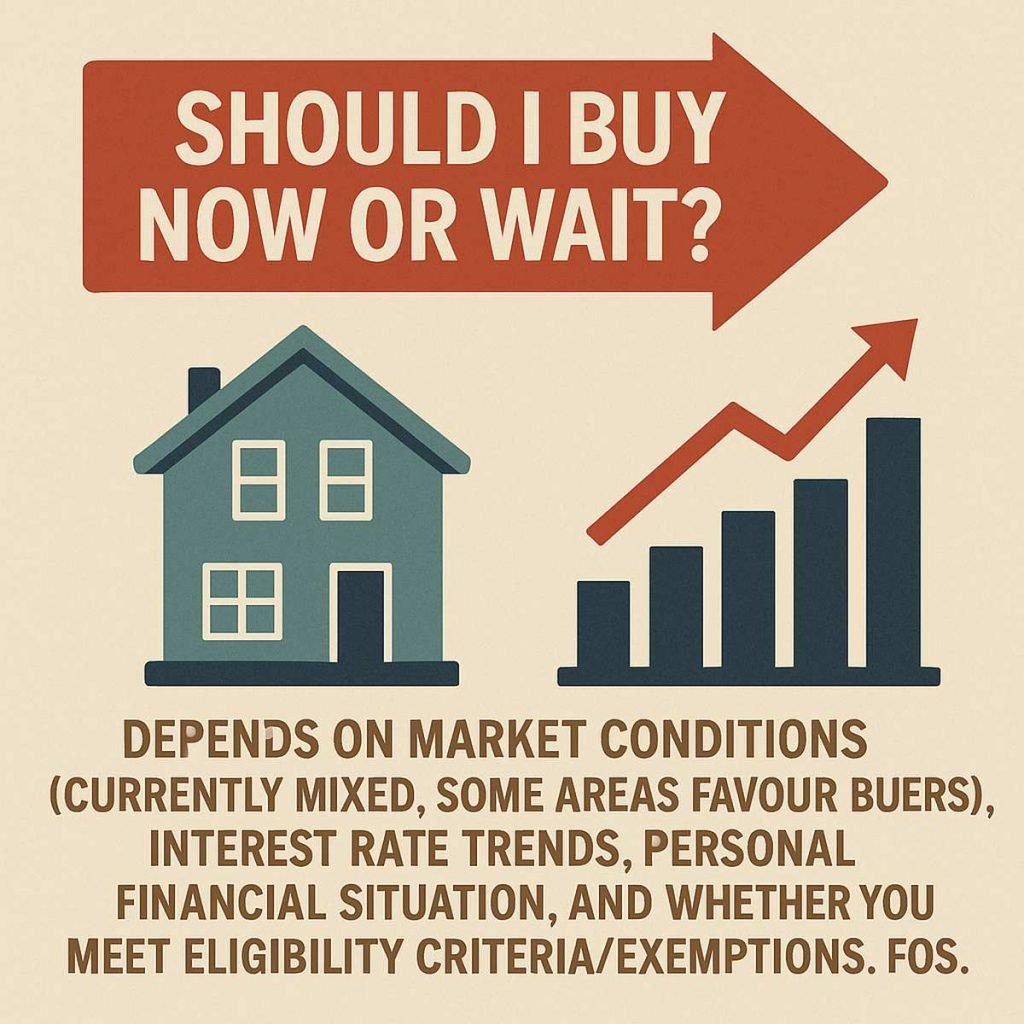
Should I buy now or wait? Depends on market conditions (currently mixed, some areas favour buyers), interest rate trends, personal financial situation, and whether you meet eligibility criteria/exemptions. Forecasts vary.
What are the cheapest places? Atlantic and Prairie provinces generally. Specific cities like Saint John, Regina, Winnipeg.
How does financing work? Stricter for non-residents, typically requiring 35%+ down payment and thorough income/credit checks. Explore Canadian banks and cross-border options.
Can I buy land and build later? Yes, but financing land is harder. The Foreign Buyer Ban applies to vacant land zoned only residential within CMAs/CAs. Zoning, servicing, and building permits are key hurdles.