Creating an ideal nursery environment for babies through thoughtful wallpaper selection requires balancing visual stimulation, safety, and early developmental needs.
This short will connect a few key factors for expectant parents and nursery designers to consider when choosing wallpapers for baby’s first room, including infant-specific visual requirements, non-toxic material safety, gentle installation methods, and easy maintenance.
As nursery wallpaper materials and designs evolve, understanding these elements helps create serene spaces that support early cognitive development while ensuring optimal health and peaceful sleep environments.
Table of Contents

George Nicola
George is a seasoned interior designer and property marketing strategist with over 13 years of experience. He specializes in transforming properties into visually stunning spaces, helping clients recognize the potential and beauty in each property. With an impressive international client base of exciting projects throughout Europe and America.

Designing a nursery is one of the most exciting parts of preparing for a new baby. Parents aim to create a space that is warm, welcoming, and visually stimulating—a sanctuary that nurtures both comfort and imagination. Among the various nursery design trends, safari-themed interiors have gained immense popularity in recent years, capturing hearts with their timeless appeal and developmental benefits.
Age-Specific Wallpaper Needs and Developmental Considerations
The selection of appropriate wallpaper fundamentally depends on understanding how children’s developmental stages influence their environmental needs. Each age group presents unique requirements that affect color perception, pattern complexity, and functional demands.
Infants and Toddlers: Creating Calming Foundation Spaces
For babies and toddlers aged 0–3 years, wallpaper should strategically support sensory development and emotional regulation. Understanding infant visual development is crucial for effective nursery design. Newborns have limited color vision that matures by six months, making high-contrast patterns particularly effective for early visual stimulation. Black-and-white geometric designs aid visual tracking development, while subtle textures offer valuable tactile engagement during crawling phases.
Color Psychology for Peaceful Sleep
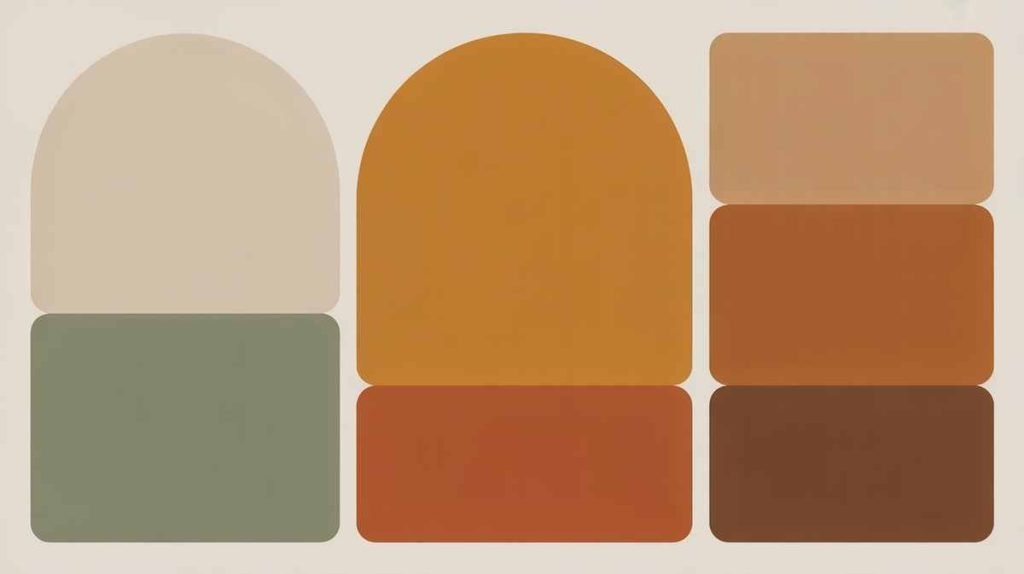
Soft pastel palettes help create calm environments that naturally support healthy sleep patterns. Colors like sage green, dusty rose, and warm cream cue rest periods and support developing circadian rhythms. Repetitive patterns—such as gentle stars or floating clouds—maintain visual interest without overstimulating the delicate nervous system, which benefits greatly from predictable, soothing surroundings.
Safari Wallpaper Ideas
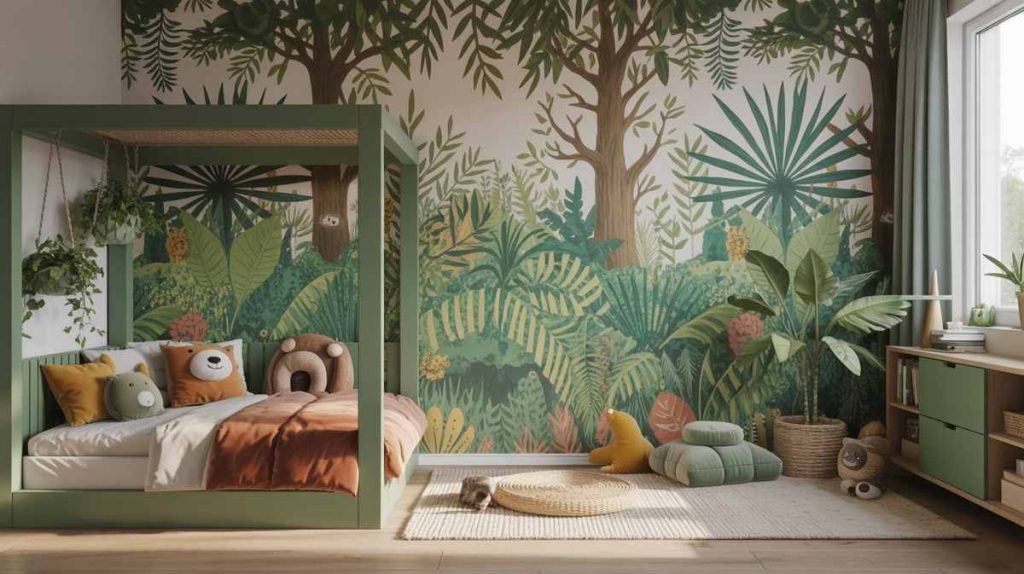
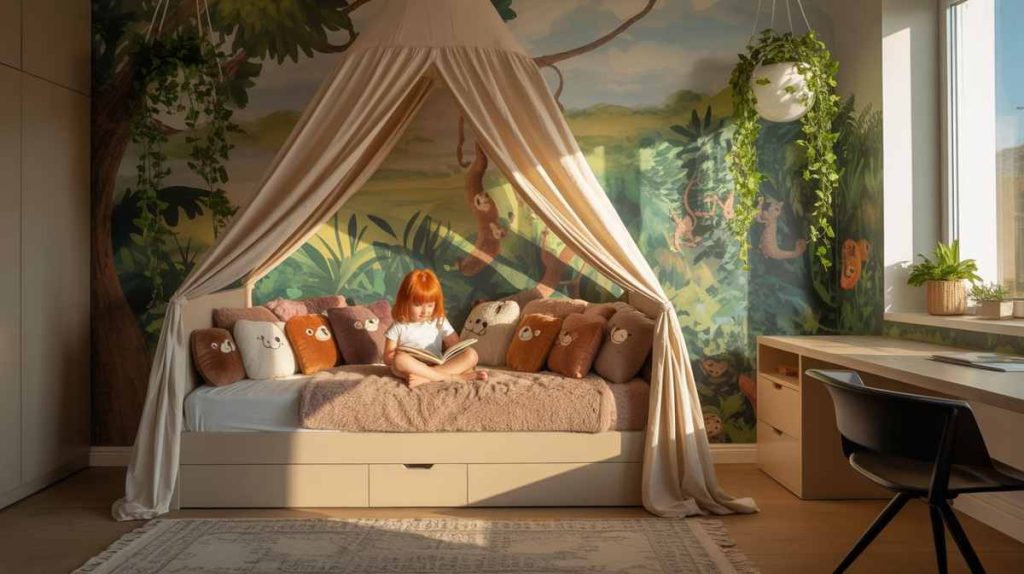
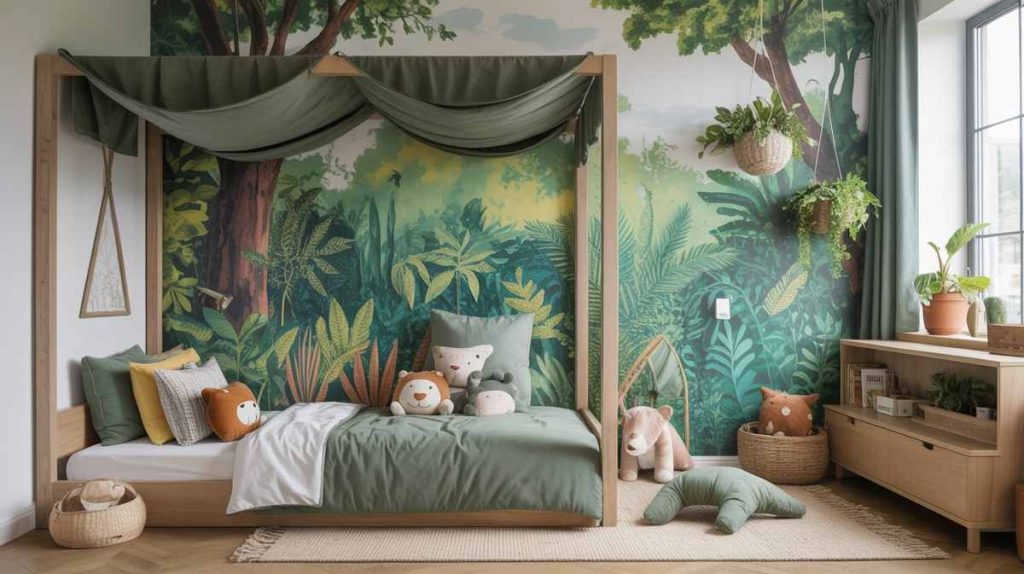
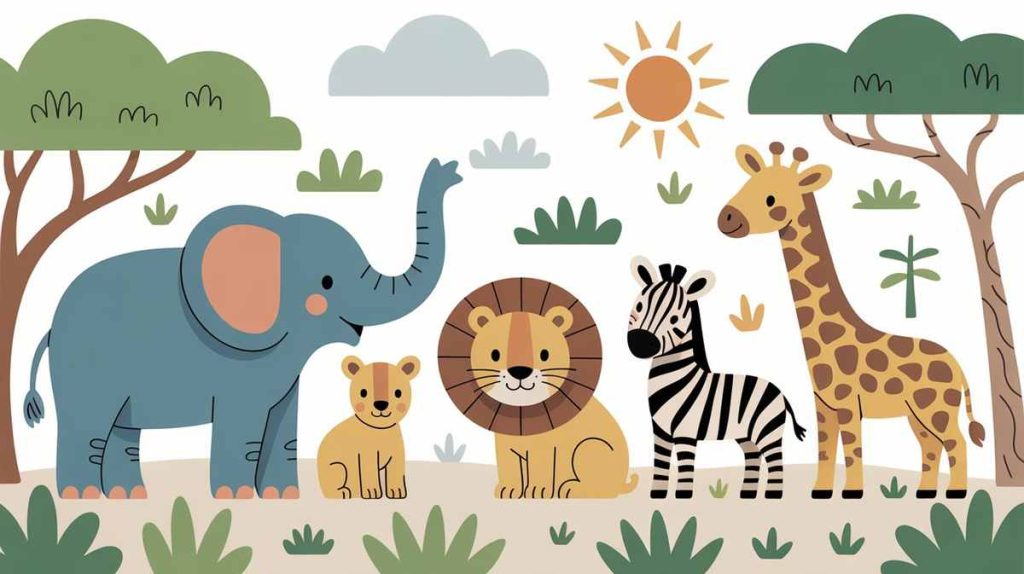
A safari-themed nursery encourages early curiosity and introduces children to animals and nature in a calming, imaginative way. Gentle illustrations of elephants, lions, giraffes, and zebras set against greenery and warm savannah tones create a soothing yet stimulating environment.
The natural, gender-neutral color palette—beige, sage green, warm orange, and earthy brown—offers flexibility to suit a variety of design styles, making it a timeless and adaptable choice for any nursery.
Safari Themes: Where Learning Meets Wonder
A safari-themed nursery encourages early curiosity and introduces children to animals and nature in a calming, imaginative way. Gentle illustrations of elephants, lions, giraffes, and zebras set against greenery and warm savannah tones create a soothing yet stimulating environment.
The natural, gender-neutral color palette—beige, sage green, warm orange, and earthy brown—offers flexibility to suit a variety of design styles, making it a timeless and adaptable choice for any nursery.

Safety Standards for Infant Environments
When choosing wallpaper for a toddler’s nursery, prioritize safety by selecting materials that meet or exceed strict non-toxicity standards. Look for options made from recycled PET or OEKO-TEX certified fabrics, which help reduce exposure to harmful chemicals and VOCs. Breathable natural fiber wallpapers are also a smart choice, as they help prevent mold growth and support healthy respiratory development.
For safari-themed nurseries, modern peel-and-stick options offer both style and safety. Choose designs with ultra-low VOC formulations, tear-resistant materials, easy-clean surfaces, and age-appropriate visuals that can grow with your child.
Benefits of Removable Peel and Stick Wallpaper

One of the biggest challenges in decorating a nursery is choosing a design that can adapt as your child grows. Removable peel-and-stick wallpaper offers a flexible solution, making it easy to update the space without long-term commitment or wall damage. Unlike traditional wallpaper, it’s simple to apply, reposition, and remove—ideal for evolving tastes and growing needs.
Why It Works for Nurseries?
● Easy Application: No glue or mess—just peel and stick.
● Damage-Free Removal: Great for renters or future room makeovers.
● Cost-Effective: Avoids professional installation fees.
● Safe Materials: Many options are non-toxic and eco-friendly, perfect for a baby’s room.
With these benefits, parents can create a beautiful, safe, and adaptable space—without the stress of permanent design decisions.
Preschoolers: Fostering Learning Through Environmental Design
Preschoolers Wallpaper Ideas
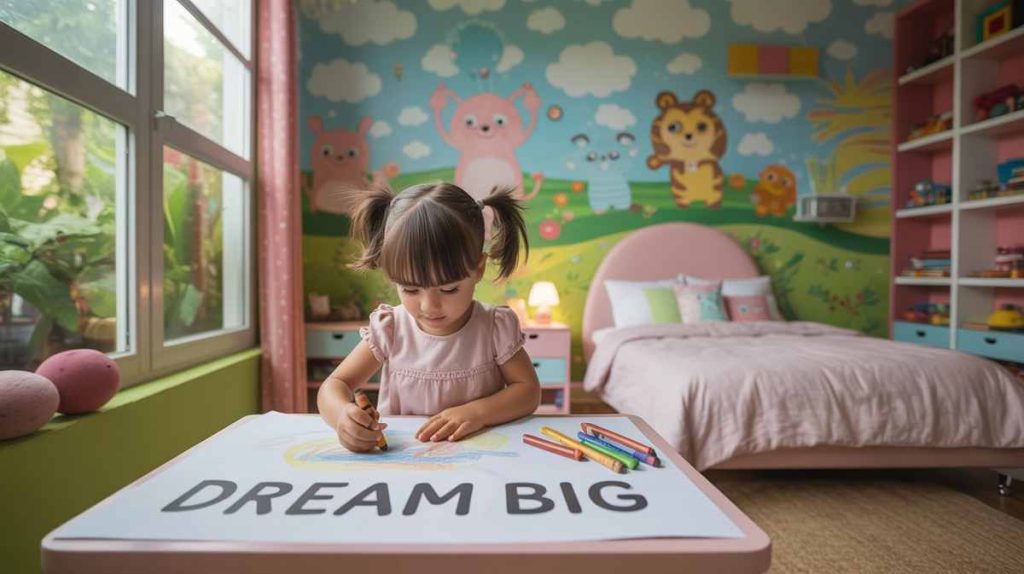
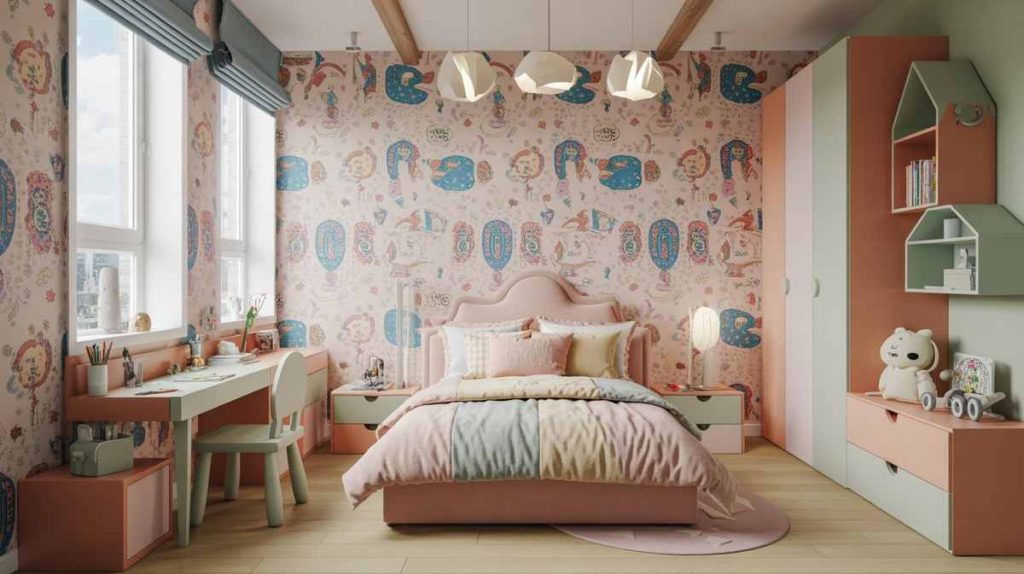
Children aged 3–6 benefit from wallpaper designs that spark curiosity and support early learning. Themes like alphabet train tracks, number-filled nature scenes, or illustrated world maps turn walls into educational tools. Imaginative designs, such as enchanted forests or fairy-tale castles, encourage storytelling and role-play.
These visuals help children express emotions and build creativity through everyday surroundings. Well-chosen designs create engaging, age-appropriate spaces that grow with the child’s interests.
School-Age Children: Reflecting Growing Identity and Interests
Children aged 6–12 begin to express stronger preferences, so wallpaper designs should reflect their interests while remaining flexible. Themes like sports, animals, or nature allow personal expression without becoming quickly outdated.
Educational designs such as solar system murals or historical maps add learning value and spark curiosity. Bolder color choices are common at this age, but pairing vibrant accents with neutral tones keeps spaces engaging yet focused. Thoughtful design supports both study and play, matching the child’s growing identity and needs.
Teenagers: Balancing Sophistication with Personal Expression
Adolescents need wallpaper that bridges playful themes and mature style. Abstract patterns, geometric shapes, and colors like terracotta and muted gold offer a sense of sophistication while still allowing personal expression. Designs should feel age-appropriate over time as teens grow and their tastes evolve.
Removable wallpapers are ideal at this stage, making it easy to update a space without long-term commitment. Peel-and-stick options support creative exploration while keeping changes simple and affordable.
Material Safety and Health Considerations
The safety of wallpaper materials represents perhaps the most critical consideration for children’s spaces, as developing systems show increased vulnerability to environmental toxins.
Volatile Organic Compounds and Indoor Air Quality
Volatile organic compounds from conventional wallpapers pose health risks, especially for children with developing respiratory and neurological systems. Traditional vinyl wallpapers often contain phthalates, formaldehyde, and other chemicals linked to irritation, headaches, and developmental concerns.
Modern alternatives improve air quality by using water-based inks and adhesives. Brands using UV-gel technology produce vibrant colors without aromatic hydrocarbons, and recycled PET substrates eliminate PVC-related emissions. These innovations reduce VOC levels by up to 90%, resulting in healthier indoor environments.
Certification Systems and Safety Standards
Multiple certification systems help ensure wallpaper safety and environmental responsibility. GREENGUARD Gold limits emissions of over 360 chemicals, while OEKO-TEX Standard 100 tests for harmful substances and bans PFAS, making it ideal for nurseries. European labels like Blue Angel and Natureplus add sustainability requirements, such as recycled content and renewable materials.
When selecting wallpaper for children’s spaces, look for these certifications to ensure low chemical exposure and environmental safety. Prioritizing certified products supports both your child’s health and broader sustainability goals.
Non-Toxic Material Alternatives
The shift to safer materials has introduced wallpaper options that combine durability with reduced health risks. Recycled PET wallpapers, made from post-consumer plastic bottles, are PVC-free, recyclable, and chemically stable—ideal for families prioritizing sustainability. Natural fibers like grasscloth, bamboo, and arrowroot offer non-toxic, breathable alternatives that help regulate humidity and reduce allergens, especially beneficial for children with sensitivities.
Non-woven wallpapers made from cellulose and polyester provide strong, mold-resistant solutions for humid spaces such as bathrooms or basements. When choosing wallpaper, consider both material safety and room conditions to ensure long-term comfort and health.
Design Trends and Aesthetic Considerations for 2025
Contemporary wallpaper design reflects evolving understanding of child development while incorporating technological innovations and sustainability concerns.
🎨 US Wallpaper Cost Comparison (100 sq ft Wall)
| Type | Material Cost | Installation Cost | Total Initial Cost | Lifespan | Replacement Cycle | 15-Year Cumulative Cost |
|---|---|---|---|---|---|---|
| Peel-and-Stick (DIY) | $75–$400 | $0 | $75–$400 | 3–5 years | 3–5 times | $225–$1,200 |
| Traditional (Pro) | $150–$350 | $200–$700 | $350–$1,050 | 15–25 years | 1 time | $350–$1,050 |
| Eco-Friendly (Pro) | $175–$400 | $200–$700 | $375–$1,100 | 10–20 years | 1 time | $375–$1,100 |
| Custom/Designer (Pro) | $500–$1,500+ | $200–$700 | $700–$2,200+ | 10–20 years | 1 time | $700–$2,200+ |
Thematic and Educational
Space exploration themes remain popular in children’s wallpaper, with 2025 designs offering greater astronomical accuracy. Galaxy murals now feature images from recent space telescopes, and solar system wallpapers reflect current planetary data. These representations support STEM learning while encouraging interest in space science.
Geographic themes have expanded to include interactive features. QR codes link to cultural facts or regional animal sounds, turning walls into dynamic learning tools that promote global awareness and cultural understanding.
Nature-inspired wallpapers reflect increased environmental awareness. Rainforest scenes highlight endangered species to encourage conservation, ocean designs include marine biology content, and farm themes introduce sustainable agriculture. These designs combine visual appeal with environmental education, fostering early ecological responsibility.
Color Psychology and Developmental Support
2025 color trends prioritize psychological impact as well as visual appeal. Biophilic palettes—featuring forest greens, ocean blues, and earth tones—support stress reduction and focus, especially in study or quiet areas. These natural colors promote well-being and connect children to outdoor environments, which may be limited in urban settings.
Color-blocking techniques help define zones in multipurpose rooms. Bright primary colors in play areas contrast with soft pastels in sleep spaces, using color psychology to support different activities. This is especially useful in smaller rooms serving multiple functions.
Gender-neutral palettes reflect changing social norms. Instead of traditional pink and blue, earth tones, sage greens, and warm grays offer flexible, inclusive options that adapt to evolving tastes without reinforcing stereotypes.
Pattern Innovation and Interactive Elements
Geometric patterns combine visual appeal with educational value. Hexagonal designs support shape recognition and introduce spatial reasoning concepts, promoting cognitive development through passive learning.
Interactive elements like hidden images and puzzle components encourage observation and problem-solving. Wallpapers with mazes, animal shapes, or counting tasks turn walls into activity centers, extending play beyond toys and furniture.
Customization options meet the demand for personalized spaces. Modular patterns can be rearranged to match individual preferences while maintaining a unified look. Some systems allow updates over time, offering a cost-effective way to adapt as children grow.
Installation Methods and Practical Considerations
The choice between installation methods significantly impacts both immediate convenience and long-term satisfaction with wallpaper selections.
Traditional wallpaper installation offers greater longevity through strong chemical bonding between paste and substrate. This deep adhesion resists peeling in high-humidity areas, making it suitable for bathrooms, kitchens, or damp climates where removable options may fail.
Traditional methods support a wider range of materials, including textured grasscloth and embossed designs that add tactile interest. Many of these premium wallpapers include protective coatings for added durability and ease of cleaning—important in active children’s spaces.
Professional installation ensures proper seam alignment and pattern matching, especially for complex designs. While it raises initial costs, it prevents long-term issues like peeling edges or misaligned patterns, which can reduce visual appeal and pose safety risks if children attempt to remove loose sections.
Removable wallpaper offers flexibility and easy installation for families. Eliminating adhesive preparation reduces setup time and avoids VOC exposure, a key benefit in nurseries where chemical safety is critical.
Peel-and-stick options appeal to DIY users by lowering installation costs and allowing quick updates. Repositionable panels help correct errors, minimizing stress and material waste.
However, durability remains a limitation. Adhesive strength declines with temperature and humidity changes, giving peel-and-stick wallpapers a lifespan of 2–5 years compared to 10–25 years for traditional types. While suitable for changing tastes, frequent replacements can be costly for long-term use.
Surface preparation is often more demanding than expected. Textured walls may prevent full adhesion, and glossy paints can repel adhesives. These issues require careful surface assessment and possible treatment before installation.
Successful wallpaper installation depends on proper surface preparation. Walls must be clean, dry, and smooth. Fill holes, sand rough spots, and apply primer over dark colors to prevent show-through.
Humidity control is essential. Keep rooms at 50–60% humidity and 65–75°F to ensure adhesives cure properly and paper fibers remain stable.
Ventilate during and after installation to remove any lingering chemical vapors. Even with low-emission materials, airflow helps reduce exposure—especially important in children’s spaces.
Proper maintenance significantly extends wallpaper lifespan while preserving aesthetic appeal and safety characteristics.
Cleaning for Different Material Types
Wallpaper cleaning varies by material: non-washable papers need light dusting, while washable and scrubbable types can handle mild soap or gentle scrubbing. Crayon removal requires careful wax scraping, low heat blotting, and baking soda paste to lift stains without damaging the surface. Regular maintenance—monthly dusting, weekly spot cleaning, and seasonal deep cleans—prevents buildup and extends wallpaper lifespan.
UV protection, humidity control, and temperature stability are essential for preserving wallpaper longevity. Window films reduce fading from sunlight, while maintaining 30–50% humidity and stable temperatures prevents mold, adhesive failure, and material stress. These measures are especially important in sunlit, humid, or temperature-variable spaces like bathrooms, basements, and south-facing rooms.
Cost-Benefit vs Long-Term Value
Peel-and-stick wallpaper is the most budget-friendly option upfront, with material costs ranging from $0.75 to $6.00+ per square foot. It’s designed for easy DIY installation, requiring minimal tools and no labor costs. However, its shorter lifespan—typically 3 to 5 years—means it often needs to be replaced multiple times, leading to a cumulative 15-year cost of $225 to $1,200 for a single 100-square-foot wall. This makes it ideal for renters or families who expect to update the space frequently as a child grows, but less economical in the long term.
Traditional wallpaper, including vinyl and fabric-backed options, comes at a higher initial cost, particularly when factoring in professional installation. Material prices range from $1.50 to over $10.00 per square foot, and installation adds another $2.00 to $8.00 per square foot. Yet, with a lifespan of 15 to 25 years, the total cost over time can be comparable to or even less than peel-and-stick options—especially in owned homes where long-term use is anticipated. It also offers more durable finishes and a wider variety of premium textures and patterns.
Eco-friendly and safety-certified wallpapers, such as those with GREENGUARD Gold or OEKO-TEX labels, are typically 15 to 25 percent more expensive than standard options. These wallpapers use low-VOC materials and non-toxic inks, making them especially suitable for nurseries and children’s rooms. Though the initial investment is higher, they provide peace of mind for parents concerned about indoor air quality and chemical exposure.
Custom and designer wallpapers are the most expensive, with prices ranging from $5.00 to $15.00 or more per square foot. These are often used to create highly personalized spaces and feature walls, particularly for older children who want to be involved in the design process. While they offer strong visual impact and uniqueness, they also come with higher installation and material costs, and may eventually be replaced for style reasons rather than wear.
Endnote
Choosing wallpaper for children’s rooms means balancing safety, developmental needs, and everyday practicality. Designs that match a child’s age encourage creativity and learning, while safe, certified materials help protect their health. With thoughtful choices, families can create durable, engaging spaces that grow with their children and support their well-being.
Parents and designers should choose wallpaper based on how long the space will be used, the level of personalization desired, and any health or environmental priorities. Peel-and-stick is best for short-term flexibility, traditional wallpaper offers the best long-term value, eco-certified options are ideal for health-conscious families, and custom designs bring strong personal expression for a higher price.