The subtle design elements within a property can significantly impact its market appeal and final selling price. While buyers consciously evaluate square footage and location, research shows that hidden design factors subconsciously influence their purchase decisions, with well-designed properties commanding 5-15% price premiums and selling 73% faster than comparable listings (National Association of Realtors, 2024). This article explores the often-overlooked architectural and design elements that shape buyer perception and drive real estate outcomes.
The psychological impact of these elements cannot be overstated. According to the National Association of Realtors, 82% of buyers’ agents report that thoughtful design helps clients visualize living in a space, creating an emotional connection that frequently translates to higher offers. As the real estate market becomes increasingly competitive, understanding and leveraging these hidden design elements provides sellers with a significant advantage in capturing buyer attention and maximizing property value.
Table of Contents

George Nicola
George is a seasoned interior designer and property marketing strategist with over 13 years of experience. He specializes in transforming properties into visually stunning spaces, helping clients recognize the potential and beauty in each property. With an impressive international client base of exciting projects throughout Europe and America.
Below are some key statistics and data points we gathered while researching how bad presentation or design can negatively impact real estate prices.
Impact of Design on Property Value and Sales Speed
- 5-15% Price Premium: Well-designed properties command 5-15% higher prices compared to comparable listings (National Association of Realtors, 2024).
- 73% Faster Sales: Properties with thoughtful design elements sell 73% faster than those without (National Association of Realtors, 2024).
Buyer Perception and Emotional Connection
- 82% of Buyers’ Agents Agree: 82% of agents report that thoughtful design helps clients visualize living in a space, fostering emotional connections that lead to higher offers (National Association of Realtors, 2024).
Exterior Presentation and Curb Appeal
- 41% Higher Click-Through Rates: Listings with virtual twilight-enhanced exterior photos see 41% more online engagement (AI Home Design, 2024).
- 15-20% Higher Valuations: Modern exteriors with premium materials (e.g., stone veneer) achieve 15-20% higher valuations in competitive markets (The Architects Diary, 2024).
Floor Plans and Spatial Visualization
- 80% Higher Inquiry Rates: Listings with interactive floor plans experience 80% more inquiries from potential buyers (Matterport, 2024).
Lighting and Ambiance
- 87% More Online Views: Virtually staged properties with optimized lighting receive 87% more views online (Bella Staging, 2024).
- 50% Faster Sales: Staged listings with strategic lighting sell 50% faster than unstaged ones (Bella Staging, 2024).
Garage Door Upgrades and ROI
- 8.5% Value Increase: A colonial home with updated carriage-style garage doors saw an 8.5% increase in value.
- 12% Higher Buyer Interest: A contemporary property with glass panel garage doors reported 12% more buyer interest.
- 7.5 Days Faster Sale: A ranch home with an insulated steel garage door sold 7.5 days quicker.
Sustainable and Smart Design Features
- 10-15% Faster Sales: Properties with energy-efficient systems or smart home technology sell 10-15% faster in eco-conscious markets (Off The MRKT, 2024).
- 40% Energy Cost Reduction: Passive solar designs can reduce energy costs by up to 40%, a key selling point for buyers (The Architects Diary, 2024).
Custom Finishes and Craftsmanship
- 8-12% Higher Offers: Custom finishes like quartz countertops or frameless glass showers can elevate offer prices by 8-12% (House Beautiful, 2024).
Major Design Elements
Architectural Symmetry and Balance
Exterior Balance Principles
Architectural symmetry in a property’s exterior creates an immediate sense of visual harmony that resonates with buyers on a subconscious level. Bilateral symmetry in façades, where both sides of a central axis mirror each other, establishes a welcoming first impression. Equally important is the alignment of property lines and landscaping with structural elements, ensuring that pathways and greenery complement the building’s design. Consistent window placement and sizing across elevations, along with proportional doorways and entrances relative to the overall structure, further enhance this balance, making the property appear well-thought-out and cohesive.
Interior Symmetrical Design
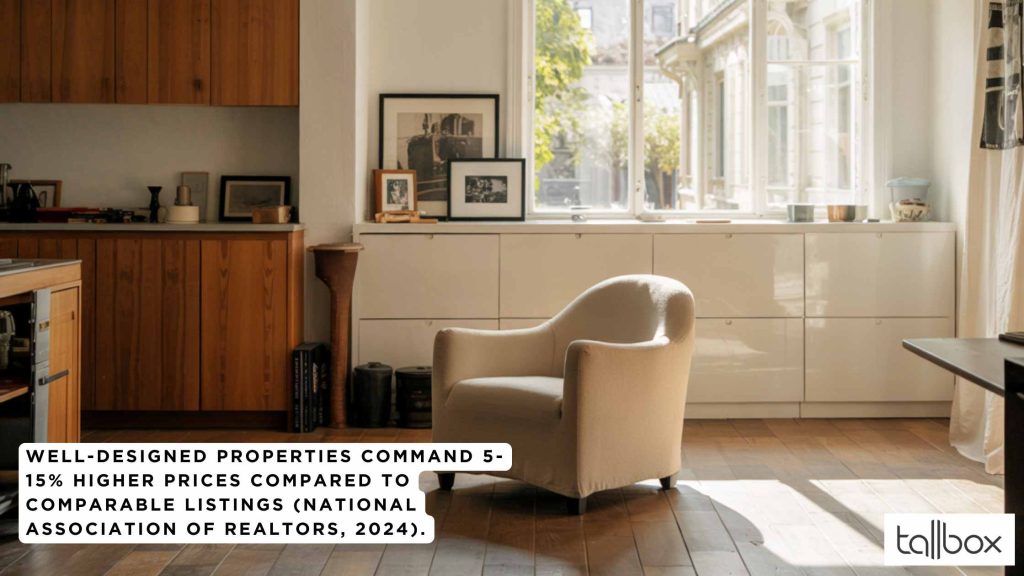
Inside the home, symmetry continues to play a critical role in buyer perception. Room layouts should facilitate a natural flow between transitional spaces, such as hallways and entryways, to avoid jarring disruptions. Furniture arrangements that create balanced focal points—such as a centered fireplace or artwork—draw the eye and suggest order. Consistent ceiling heights and effective vertical space utilization prevent feelings of confinement, while structural elements like beams and columns can be integrated as intentional design features to add character and balance.
Key Symmetry Techniques
Specific techniques can amplify the impact of symmetry. Applying the golden ratio (1:1.618) in room dimensions creates proportions that are naturally pleasing to the eye. Mirrors strategically placed to enhance spatial perception can make rooms appear larger and more balanced. Light fixtures positioned to create a visual rhythm, along with color blocking to distribute visual weight across spaces, ensure that no area feels overly heavy or neglected. These subtle techniques collectively elevate a property’s appeal.
Architectural Symmetry and Balance
Interior Material Applications
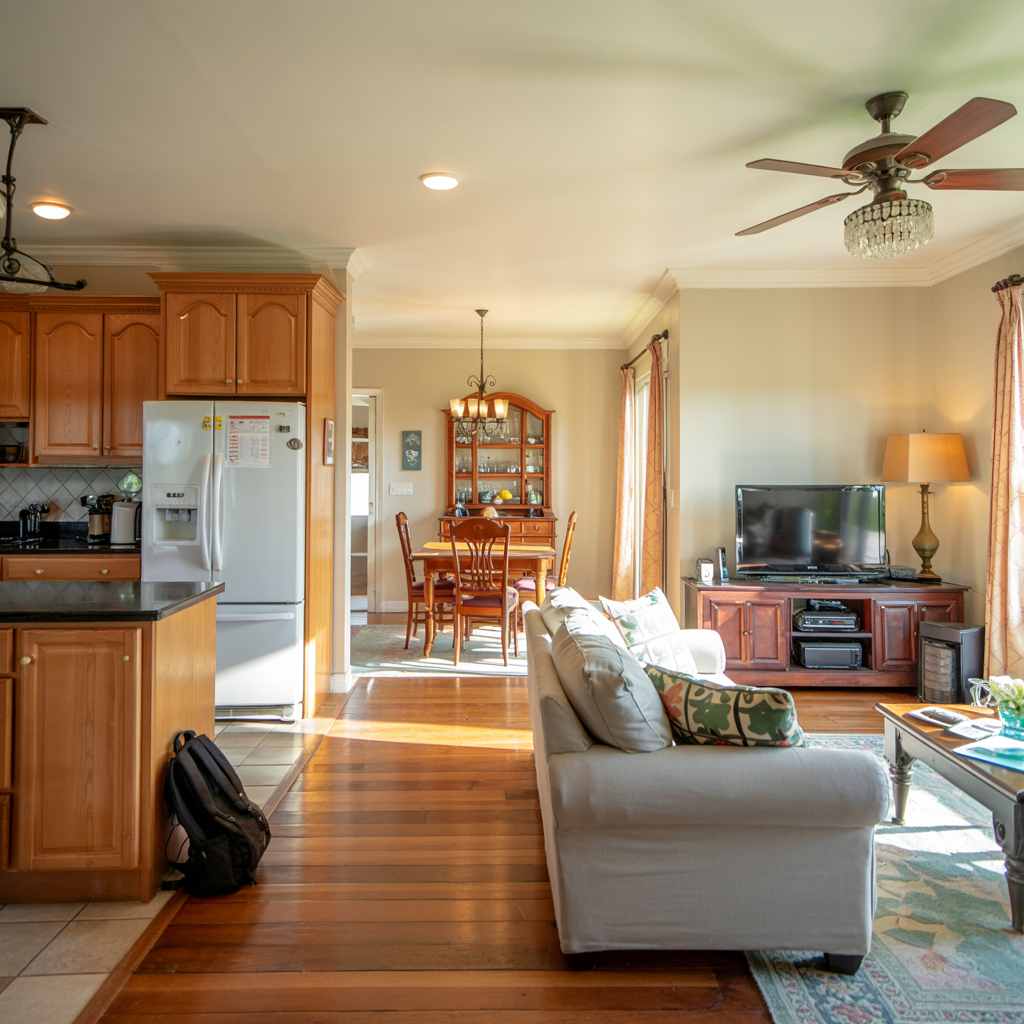
Consistency in textures and materials within a home signals quality and attention to detail. Uniform wall textures between connecting spaces prevent visual discord, while smooth flooring transitions between rooms maintain a seamless look. Coordinating countertop and cabinet finishes in kitchens and bathrooms, as well as ensuring harmony in fixture and hardware materials (e.g., matching metal tones), creates a polished aesthetic that buyers associate with higher value.
Exterior Material Cohesion
Externally, material cohesion is equally vital. Complementary siding and roofing materials create a unified appearance, while consistent window frames and trim reinforce the design narrative. Driveways and walkways should integrate texturally with the home’s style—such as using stone pavers with a rustic exterior—and landscape hardscape materials should align with the overall aesthetic to avoid a disjointed impression.
Material Maintenance Checklist
To preserve the impact of material choices, regular maintenance is essential. A seasonal inspection schedule for exterior materials helps identify wear before it detracts from curb appeal. Cleaning protocols tailored to different texture types (e.g., power washing for stone, gentle cleaning for wood) prevent damage. Refinishing timelines for natural materials like wood or stone, along with replacement guidelines for wearing surfaces such as shingles, ensure longevity and sustained buyer interest.
Architectural Symmetry and Balance
Ambient Lighting Principles
Lighting is a transformative design element that can dramatically alter a space’s mood and functionality. Maximizing natural light through large windows or skylights creates an inviting atmosphere, while selecting appropriate color temperatures (e.g., warm tones for living areas, cooler tones for workspaces) enhances comfort. Fixture placement for even illumination avoids dark corners, and dimming systems allow for atmosphere control, adapting spaces for different times of day or activities.
Task Lighting Integration
Task lighting addresses specific functional needs. In kitchens, work surface illumination ensures safety and usability during food preparation. Reading and desk areas benefit from focused lighting to reduce eye strain, while bathroom vanity lighting should be optimized for grooming tasks. Stairway and pathway safety lighting prevents accidents and adds a subtle design touch that buyers appreciate for its practicality.
Accent Lighting Applications
Accent lighting highlights a property’s unique features. Illuminating architectural details like crown molding or built-in shelving draws attention to craftsmanship. Artwork and personal collections can be showcased with targeted lighting, while landscape focal points—such as garden sculptures or water features—benefit from outdoor accent lights. Seasonal lighting adaptations, like holiday displays, can also enhance curb appeal when timed appropriately.
Lighting Best Practices
Effective lighting design follows several best practices. Layering multiple light sources in each room (ambient, task, and accent) creates depth and flexibility. Installing the proper color temperature for each space’s function ensures comfort, while positioning fixtures at optimal heights maximizes their utility. Incorporating smart lighting controls allows buyers to customize their environment, and using energy-efficient LED technology appeals to eco-conscious consumers, adding a marketable edge.
Garage Door Design and Maintenance
Aesthetic Considerations
Garage doors, often overlooked, contribute significantly to a property’s curb appeal. Aligning their architectural style with the home’s exterior—such as carriage-style doors for a colonial home—creates a cohesive look. Material selection should account for climate appropriateness (e.g., insulated steel in harsh winters), while window integration allows natural light into the garage space. Coordinating hardware and accents with entry doors ties the design together, elevating the overall aesthetic.
Maintenance and Functionality
Beyond aesthetics, functionality and maintenance are critical. Ensuring weatherstripping and insulation integrity protects against energy loss, a detail buyers notice in utility cost discussions.
This can happen when you overlook the most common garage door problems, like worn rollers, misaligned tracks, or broken torsion springs. A door that jerks or stalls during operation can cause potential buyers to question the home’s overall maintenance.
A regular operational system maintenance schedule prevents unexpected failures, while integrating security features like smart locks adds value. Noise reduction techniques, such as quiet openers, improve livability, especially for garages near living spaces.
Before/After Impact Examples
The impact of garage door upgrades is measurable. A colonial home with updated carriage-style doors saw an 8.5% increase in value, while a contemporary property with a glass panel conversion reported 12% higher buyer interest. A ranch home with an insulated steel replacement sold 7.5 days faster, and a mid-century modern property with a custom wood upgrade achieved a 3.2% higher final sale price. These examples underscore the high return on investment for this often-ignored element.
Practical Application Section
Budget-Friendly Implementation Strategies
Implementing design improvements need not break the bank. A prioritization framework focusing on high-impact elements like lighting and curb appeal ensures maximum return for minimal investment. Cost comparisons of DIY versus contractor solutions help sellers decide where to allocate funds—for instance, painting for symmetry can be a DIY task, while electrical work for lighting requires professionals. Phased implementation timelines spread costs over months, and material substitutions (e.g., laminate over quartz for countertops) maintain quality without exorbitant expense.
DIY vs. Professional Guidance
Sellers should assess their capabilities using a skill checklist before tackling projects. A project complexity rating system helps determine whether tasks like painting or minor landscaping are feasible alone or require expertise. Tool and equipment investment considerations—such as renting versus buying—impact budgets, while safety and code compliance requirements (e.g., electrical permits for lighting) must be non-negotiable priorities to avoid legal or safety issues.
Expected ROI Analysis
Understanding return on investment (ROI) guides improvement decisions. Short-term returns (0-6 months) are evident in quick fixes like lighting upgrades, often yielding 5-8% price increases. Mid-term value enhancements (6-18 months) from projects like garage door replacements can boost offers by 7-12%. Long-term appreciation (18+ months) from comprehensive symmetry or material updates may add 10-15% to property value. Regional ROI variations must also be considered, as urban markets may prioritize modern finishes while rural areas value durability.
Seasonal Implementation Planning
Timing improvements with seasonal factors optimizes outcomes. Weather-dependent project scheduling ensures exterior work like garage door installation occurs in mild conditions. Material availability and pricing fluctuations—such as lower lumber costs in off-peak seasons—impact budgets. Contractor availability is often better in slower months, and aligning marketing timelines with completed improvements ensures listings showcase the property at its best.
Conclusion
The hidden design elements discussed throughout this article form a cohesive system that significantly impacts buyer perception and property valuation. By implementing these strategies thoughtfully, sellers can create environments that resonate emotionally with potential buyers while maximizing financial returns. Architectural symmetry creates subconscious comfort and perceived value, material consistency signals quality and attention to detail, strategic lighting transforms spaces at minimal cost, and garage door updates offer among the highest ROI of any exterior improvement.
Next Steps for Sellers
Sellers should conduct a design element audit of their property to identify areas for enhancement. Developing a prioritized improvement plan based on market impact ensures efficient resource allocation. Consulting with design professionals can provide tailored guidance for maximum ROI, and documenting improvements for inclusion in listing materials strengthens marketing narratives. With careful attention to these often-overlooked elements, sellers can significantly enhance property appeal, accelerate sales timelines, and secure premium pricing in today’s competitive real estate market.
Examples of Profitable Niches:
- Restaurant & Hospitality Design: Create memorable dining experiences that increase guest retention and Instagram buzz.
- Pet-Friendly Family Homes: Design durable, stylish spaces that cater to both kids and pets.
- Wellness-Focused Interiors: Build calming, functional environments for spas, yoga studios, and meditation rooms.