George is a seasoned interior designer and property marketing strategist with over 13 years of experience. He specializes in transforming properties into visually stunning spaces, helping clients recognize the potential and beauty in each property. With an impressive international client base of exciting projects throughout Europe and America.
Most homeowners start their search for interior designer in Houzz, and there is a large list of 4,647 interior designers and decorators, but how do you know which one os good for your project?
We’ll explain in this post how to find the best interior designer in Pennsylvania for your project.
Pennsylvania is home to many talented interior designers who can transform any space into something special. From Philadelphia to the Main Line, these designers bring style and functionality to homes and businesses alike.
Some of the best interior design firms in Pennsylvania include Viola Interior Design aimed at sophisticated interiors, TALLBOX aimed at contemporary and minimalistic styles and Tallwood Design, celebrated for their modern and sustainable approach
Benefits of Professional Design Services:
- Tailored Solutions: Customizes design to fit specific needs and preferences.
- Resource Access: Offers exclusive resources and high-quality materials.
- Value Addition: Enhances property value through expert design.
- Local Trends: Emphasizes a blend of modern aesthetics with traditional Pennsylvania elements.
- Virtual consultations: Provides virtual consultations for convenience.
- Budget management: Manages budget effectively throughout the project.
- Eco-Conscious Choices: Implements sustainable design options.
- Space Optimization: Maximizes functionality of every room and nook.
- Cohesive Aesthetics: Ensures harmonious design throughout the home.
- Time Efficiency: Streamlines the design and implementation process.
- Stress Reduction: Handles complexities, allowing clients peace of mind.
- Trend Insight: Applies current design movements with timeless appeal.
- Lighting Mastery: Enhances ambiance through expert illumination planning.
- Textural Harmony: Balances various materials for sensory richness.
- Personalized Curation: Sources unique decor pieces reflecting client’s style.
Top Interior Design Firms in Pennsylvania
In Philadelphia, you’ll find a wealth of creative professionals ready to tackle any design challenge. The city boasts a variety of designers who have experience with both residential and commercial projects. Searching for interior designers in Philadelphia might help you find the perfect match for your needs.
For those looking beyond Philadelphia, the rest of Pennsylvania offers plenty of talented designers as well. Houzz’s directory of interior designers in Pennsylvania can help you find highly-rated professionals throughout the state, but you are left to filter trough a lot of them. Whether you are updating a single room or redesigning your entire home, the right designer can make all the difference.
Pennsylvania is home to numerous renowned interior design firms known for their creativity and professional services. Each firm has its unique strengths, offering personalized solutions to meet diverse client needs.
While hiring a local PA designer is ideal for understanding regional styles and building codes, a talented NJ designer could be a good alternative if you’re struggling to find the right fit locally. However, there are a few factors to consider:
- Familiarity with PA trends: NJ designers may need to research PA-specific design elements.
- Travel costs: Factor in potential additional expenses for site visits.
- Licensing: Ensure the NJ designer is licensed to work in PA if required.
Another option to consider is TALLBOX, an online interior design service. This could offer several advantages:
- Access to a wider pool of designers
- Potentially lower costs without travel expenses
- Flexible communication through virtual consultations
- Ability to work with designers experienced in various regional styles
Ultimately, the right choice depends on your specific needs, budget, and comfort level with remote collaboration. Whether you choose a NJ designer or an online service like TALLBOX, ensure they can effectively capture your vision and understand any PA-specific requirements for your project.
Tallbox Design - contemporary design styles
Tallbox Design stands out with its focus on immersive space planning and innovative architectural visuals. Based entirely online in Philadelphia, the firm specializes in creating 3D interior visualizations that help clients envision their projects before starting.
Their team excels in combining modern technology with traditional design principles, ensuring that every project is both aesthetically pleasing and functionally sound. Masters at Phased Renovations they handle both residential and commercial projects, offering services like space planning, custom furniture design, lighting plans, kitchen and bathroom makeovers, facade makeovers, guest house design, attic and basement designs and more.
Clients appreciate the firm’s attention to detail and their ability to transform conceptual ideas into practical designs. Tallbox Design’s reputation is built on delivering exceptional results within client budgets and timelines.

Philadelphia's Premier Spatial Designers
Philadelphia is home to several top-tier designers who have made significant impacts on the local design scene. Firms like Viola Interior Design lead the way in upscale residential projects. Located in Newtown Square, Viola Interior Design has established a strong presence with a portfolio that showcases sophisticated and elegant interiors.
Their approach often includes detailed consultations to understand client preferences, followed by tailored design solutions. They are known for their meticulous project management and seamless execution, ensuring each aspect of the design is perfectly aligned with the client’s vision.
Another notable name is Michelle Gage Interiors, which operates primarily in historic Philadelphia neighborhoods. The firm is renowned for its bold use of patterns and thoughtful incorporation of contemporary elements in classic settings, creating unique and personalized spaces.
Innovative Designers in Pittsburgh
Pittsburgh boasts several innovative interior design firms that excel in both residential and commercial projects. One of the leading firms in the area, Tallwood Design, is celebrated for its modern and sustainable design solutions. Their work often includes environmentally friendly materials and practices without sacrificing style or functionality.
Another key player is Hart & Home Designs, which has garnered attention for their ability to create warm, inviting spaces that reflect the personalities of their clients. They emphasize collaborative design processes, working closely with clients from initial concept to final installation.
These firms are known for their adaptability and innovative use of space, catering to the diverse architectural landscape of Pittsburgh. Their commitment to quality and client satisfaction ensures that every project is a success.
Criteria for Evaluating Interior Designers
WHAT YOU NEED TO KNOW
When choosing an interior designer, several criteria are essential to ensure the right fit even if you are first time homeowner. Important factors include their experience, design styles, client feedback, and professional recognition.
Experience and Expertise
Experience is crucial. An experienced designer has dealt with various projects and challenges, honing their problem-solving skills. They are also likely to have a proven track record. Key aspects to consider include:
- Years in the Industry: More years often equate to more knowledge.
- Types of Projects: Residential, commercial, or specialized projects like historical buildings.
- Continued Education: Keeping up with trends and new techniques.
An expert designer balances aesthetics and functionality, achieving results that meet clients’ needs and preferences.
Design Styles and Specialties
Interior designers often have specific styles and specialties that shape their work. Understanding these can help clients find a designer whose vision aligns with their own. Consider:
- Personal Style: Modern, traditional, minimalist, eclectic, etc.
- Specialized Services: Sustainable design, ergonomic spaces, smart home technology.
- Portfolio Examples: Reviewing their past work for consistency and appeal.
Matching a designer’s style and specialty with your preferences ensures harmony in the final design.
Client Testimonials and Portfolio
Client testimonials and a strong portfolio provide insight into a designer’s reliability and quality of work. Look for:
- Client Reviews: Read about past clients’ experiences and satisfaction levels.
- Portfolio Diversity: Variety in projects showcases versatility.
- Project Before-and-After Photos: Visual proof of transformation and skill.
These elements help build trust and set realistic expectations about what the designer can achieve.
Professional Accreditation and Awards
Professional accreditation and awards highlight a designer’s commitment to excellence and industry standards. Key credentials include:
- Certifications: Such as NCIDQ certification, indicating comprehensive knowledge and ethical practice.
- Memberships: Associations like the American Society of Interior Designers show active engagement in the design community.
- Awards and Recognition: From reputable organizations or publications.
Accreditations and awards signal a designer’s credibility and excellence in their craft.
Considerations for Residential Projects
When planning a residential project, there are several key factors to consider.
Functionality: The design should enhance the usability of the space. This includes ensuring enough storage, comfortable traffic flow, and proper lighting.
Style Preference: Homeowners should choose a design style that reflects their taste. Whether it’s modern, rustic, or traditional, the aesthetic should feel personal.
Budget: It’s important to set a realistic budget. This helps guide decisions on materials, furnishings, and finishes.
Timeline: Understanding the timeline for completion is crucial. Homeowners should account for potential delays and plan accordingly.
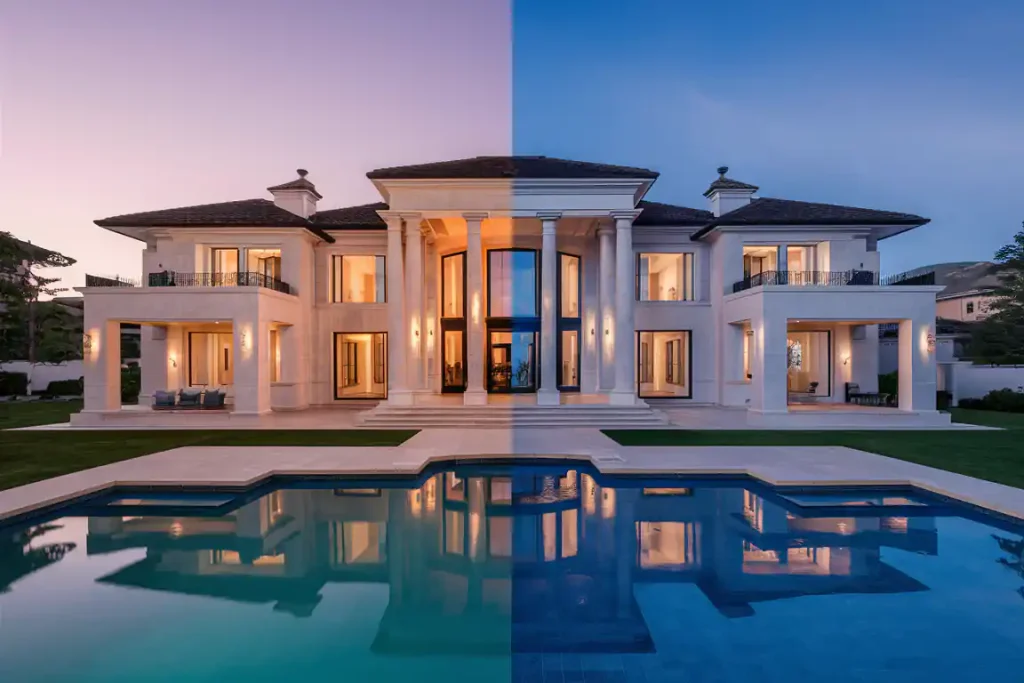
Materials: The quality and type of materials can impact durability and maintenance.
Resale Value: Considering potential resale value can influence choices, ensuring the design appeals to a broader audience.
Environmental Impact: Choose sustainable materials and energy-efficient appliances to reduce the home’s carbon footprint.
Local Building Codes: Compliance with local building regulations is essential to avoid legal issues and ensure safety.
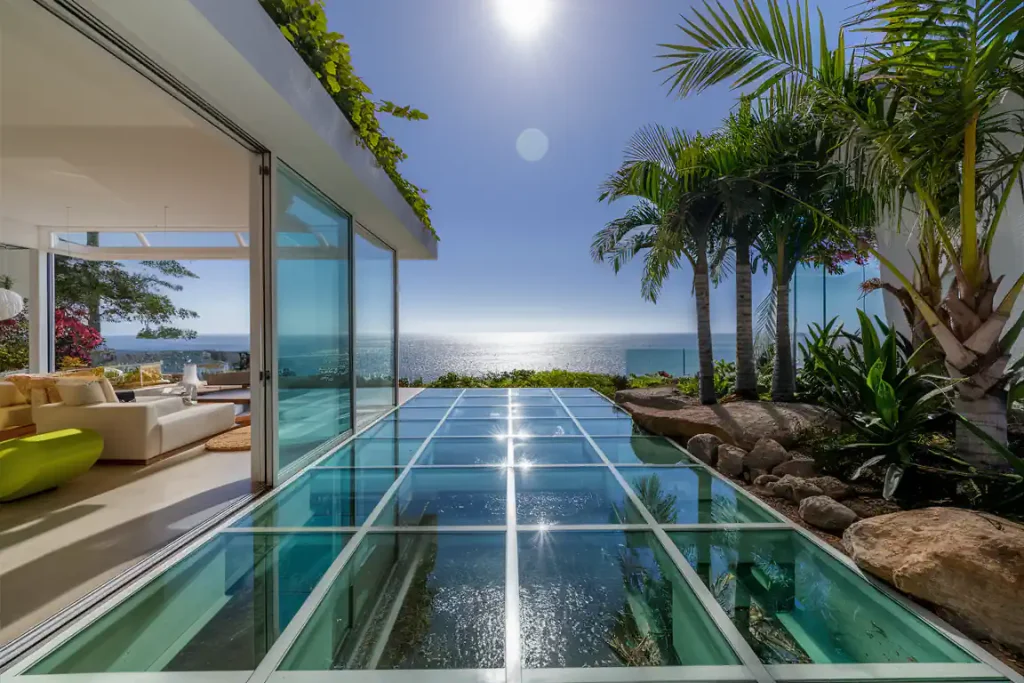
Contractor Selection: Hiring experienced and reputable contractors can make a significant difference. Their expertise can help avoid common pitfalls.
Space Utilization: Efficient use of space can make even smaller homes feel spacious. Consider built-ins and multifunctional furniture.
Comfort: Prioritize elements that enhance comfort, such as good insulation, heating, and cooling systems.
Aesthetic Consistency: Maintain a consistent theme throughout the home to create a cohesive look.
When these factors are taken into account, residential projects are more likely to be successful and satisfying.
Trends in Commercial Interior Design
The landscape of commercial interior design is evolving rapidly in 2024. Key trends are shaped by technology, sustainability, and wellness.
Sustainability is at the forefront, with designers focusing on eco-friendly materials and energy-efficient solutions. The push towards green building practices is stronger than ever.
Wellness is another critical trend. Workspaces now prioritize physical and mental well-being. Features like natural lighting, biophilic design elements, and ergonomic furniture are becoming standard.
Technology Integration is transforming commercial spaces. Smart lighting, climate control systems, and touchless interfaces enhance accessibility and convenience. These innovations make offices more efficient and user-friendly.
Multifunctional Spaces are increasingly popular. Flexible layouts that can easily transition between different uses provide versatile and practical solutions for modern work environments.
Minimalist Aesthetics remain influential. Clean lines, simple color palettes, and uncluttered spaces create a sense of calm and focus.
Retro and Vintage Accents are making a comeback. Mixing new designs with vintage elements adds character and nostalgia to commercial interiors.
Bold Colors and Textures are in vogue. Vibrant shades and diverse materials inject energy and dynamism into professional settings.
These trends showcase the dynamic nature of the industry and offer inspiring ideas for creating modern, efficient, and welcoming commercial environments.

Sustainable and Eco-Friendly Design Practices
Sustainable design practices focus on reducing environmental impact. This includes using materials that are renewable, recycled, or have a low carbon footprint. Designers also prioritize energy-efficient systems and technologies.
Some key elements of sustainable design:
- Recycled Materials: Using reclaimed wood, recycled metal, and other materials reduces waste.
- Energy Efficiency: Incorporating LED lighting, solar panels, and energy-efficient appliances.
- Water Conservation: Installing low-flow fixtures and using drought-resistant plants.
One example in Pennsylvania is Dombach Builders Inc.. They integrate sustainable practices into home renovations and new builds.
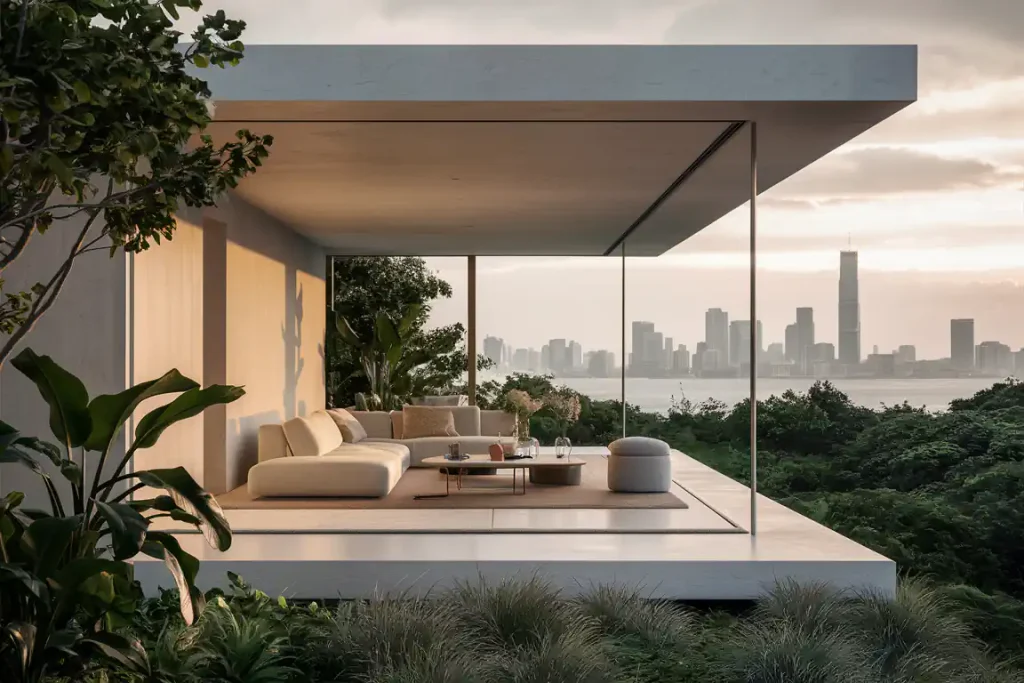
Benefits of Sustainable Design
- Healthier Homes: Eco-friendly materials improve indoor air quality.
- Cost Savings: Energy-efficient systems lower utility bills.
- Environmental Impact: Reduces the overall carbon footprint.
Rooted By Design in Philadelphia also focuses on creating eco-friendly interiors. They use a streamlined design process to ensure healthier selections for their clients.
Leveraging Technology in Modern Interior Design
Modern interior design is heavily influenced by technology. Innovations are making it easier to create both functional and aesthetically pleasing spaces.
3D Rendering: Interior designers use 3-D printing to create unique furniture pieces and art. This technology allows for precise and customizable designs, offering endless possibilities for creative expression. From intricate sculptures to practical items, the impact of 3-D printing is significant.
Virtual Reality (VR): VR enables clients to virtually walk through a space before any physical changes are made. This immersive experience helps in making informed decisions about design choices, furniture placement, and overall layout.
Smart Home Integration: Integrating smart home technology is becoming a standard in modern design. Features such as automated lighting, climate control, and smart security systems are seamlessly incorporated into design plans. This enhances convenience and functionality.
Computer-Aided Design (CAD): CAD software allows designers to create detailed digital models of their projects. This technology aids in visualizing complex design elements and ensures accurate implementation. It is essential in planning and executing intricate design concepts.
Sustainable Design: Leveraging technology to create sustainable designs is a growing trend. Tools that measure energy efficiency and the environmental impact of materials help designers make eco-friendly choices.
| Technology | Benefits |
|---|---|
| 3D Rendering | Customizable designs; unique art and furniture; photorealistic previews |
| Virtual Reality (VR) | Immersive design experience; better decision-making |
| Smart Home Integration | Enhanced convenience; functionality |
| Computer-Aided Design (CAD) | Precise planning; accurate implementation |
| Sustainable Design | Eco-friendly; energy-efficient solutions |
| 3D Interior Modeling | Accurate spatial visualization; improved client communication |
| Augmented Reality (AR) | On-site design overlays; interactive furniture placement |
| Building Information Modeling (BIM) | Collaborative workflow; comprehensive project management |
| Parametric Design | Adaptable and complex geometries; efficient design iterations |
| AI-Powered Design Tools | Automated space planning; style recommendations |
By integrating these technologies, interior designers in Pennsylvania and beyond are enhancing their capabilities and delivering superior results. This blend of innovation and creativity defines the cutting-edge of modern interior design.
Budgeting and Financial Planning for Design Projects
Starting a design project often begins with creating a realistic budget. Honest communication about costs is crucial. It helps clients know what to expect even before signing any agreement. This transparency builds trust and sets clear financial expectations.
Itemizing expenses is a key step in planning. Include materials, labor, and any additional fees. Accurate cost estimation helps prevent surprises. For this, designers can provide precise figures for each part of the project.
Costs can vary greatly depending on location. It’s essential to research local rates. Getting multiple quotes from local providers ensures a competitive price and realistic budget. Including a 10-20% contingency in the budget helps cover unforeseen expenses.
Using tools like budget templates can simplify the process. Templates ensure every cost is tracked and nothing is overlooked. Houzz Pro offers free templates that are useful for both new and experienced designers.
With careful planning and detailed tracking, managing a design project’s finances becomes much more manageable. This approach leads to successful projects that stay within budget and meet clients’ expectations.
The Design Process: From Consultation to Completion
The design process for interior designers in Pennsylvania typically follows a structured workflow. This ensures every project progresses smoothly from beginning to end.
The first meeting involves discussing the client’s vision, goals, and requirements. Designers may use this time to gather measurements and photographs of the space. This helps in forming a clear understanding of the client’s needs.
2. Design Concept and Development
In this phase, designers draft initial concepts based on the client’s input. They might create sketches, mood boards, or digital renderings. These visual aids help clients see potential design directions.
3. Presentation and Feedback
Designers present their ideas to the clients, who provide feedback. Adjustments are made to align the design more closely with the client’s desires. This collaborative approach ensures satisfaction.
4. Final Design and Documentation
Once the concept is approved, detailed plans and documents are created. These include floor plans, elevations, and material specifications. Such documentation guides the subsequent implementation.
5. Implementation and Oversight
During the implementation phase, the designer coordinates with contractors and suppliers. Regular site visits ensure that the project stays on track and adheres to the design plan.
6. Completion and Walkthrough
Upon completion, a final walkthrough is conducted. This ensures that every detail is in place and meets the client’s expectations. Designers often address any last-minute adjustments at this stage.
Key Takeaway:
Successful interior design projects in Pennsylvania involve detailed planning, client collaboration, and meticulous execution. This structured process ensures that every aspect of the design meets the client’s vision and functional needs.
Collaboration with Architects and Contractors
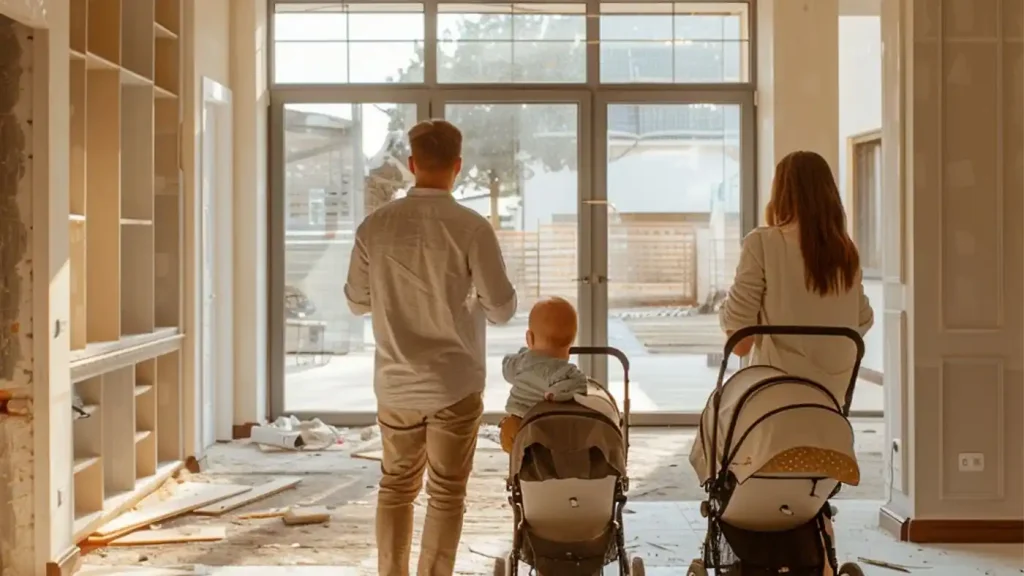
Interior designers in Pennsylvania often work closely with architects and contractors to create beautiful homes.
Interior Designers and Architects
- Architects handle the structure and layout of a building.
- Interior designers focus on aesthetics and functionality inside the home.
- Close communication ensures designs are both beautiful and practical.
- Interior designers contribute to making spaces more livable.
Interior Designers and Contractors
- Contractors execute the designs planned by interior designers.
- They have the technical skills needed for tasks like installing cabinetry or flooring.
- Regular meetings help ensure the project stays on track.
- Both roles work together to manage timelines and budgets.
Benefits for Homeowners
- Better coordination can lead to fewer delays and errors.
- Homeowners benefit from the combined expertise of both designers and builders.
- Projects where designers, architects, and contractors work together often stay within budget and meet deadlines.
Notable Firms
- Fit + Finish Design in York, PA emphasizes proactive communication.
- Sarah Stacey Design discusses how collaboration leads to successful home renovations.
Close cooperation among these professionals ensures that each home is built and styled to meet high standards. By working together, they create spaces that are both functional and aesthetically pleasing.
Post-Design Services and Support
ost-design services are crucial for maintaining the beauty and functionality of a newly designed space.
Many interior designers in Pennsylvania offer continued support long after the main project is completed.
Services may include:
- Touch-ups and repairs to fix any issues that arise.
- Furniture rearrangement guidance to maximize space utilization.
- Regular maintenance tips for keeping the design fresh and appealing.
Client communication is key in post-design support. Designers often check in to ensure the client is satisfied and address any concerns promptly.
Some designers provide seasonal updates to reflect changes in trends or personal preferences. They might suggest new decor items or rearrange existing pieces to keep the space up-to-date.
The designers’ responsiveness can make a significant difference in long-term client satisfaction, ensuring the space remains both beautiful and functional for years to come.