
What are the financial risks of different home renovation financing models?
Secured Loans (Home Equity Loans, HELOCs, FHA 203k, HomeStyle, RenoFi-type loans): The primary risk is losing your home through foreclosure if you default on payments, as the property serves as collateral. HELOCs specifically carry the risk of rising interest rates, leading to unpredictable payment increases. Loans based on after-renovation value (like RenoFi) might have higher interest rates or fees, and there’s a risk if the projected value isn’t met.
Unsecured Loans (Personal Loans, Credit Cards): These typically come with higher interest rates than secured loans. Credit cards, in particular, can lead to rapidly accumulating debt due to very high APRs if balances are not paid off quickly. Missing payments negatively impacts your credit score.
Cash Savings: The main risk is depleting emergency funds, leaving you vulnerable to unexpected expenses. There’s also an opportunity cost, as the money could have been invested elsewhere.
PACE Financing: These loans are repaid via property tax assessments, which can complicate selling the home if the loan isn’t fully paid. Interest rates and overall costs can be high over the long repayment term.
General Risks (Applicable to most loan types): Over-borrowing, taking on more debt than can be comfortably repaid, underestimating total project costs (leading to a need for more funds), and negative impacts on credit scores if payments are mismanaged.
Table of Contents

George Nicola
George is a seasoned interior designer and property marketing strategist with over 13 years of experience. He specializes in transforming properties into visually stunning spaces, helping clients recognize the potential and beauty in each property. With an impressive international client base of exciting projects throughout Europe and America.
Disclaimer
This blog post provides general informational and educational content only and should not be considered financial, investment, legal, tax, or professional advice. Readers should not base decisions solely on this information. For personalized guidance, consult with qualified professionals.
Before making any financial decisions, implementing strategies, or utilizing services for your interior design business based on this blog post, we strongly advise consulting with qualified and licensed professionals. This includes, but isn’t limited to, seeking advice from a financial advisor, accountant, and/or legal professional who can provide tailored guidance based on your specific circumstances.
For homeowners looking to update their living spaces, the question of financing is paramount. While cash is commonly used for home improvements, loans are often necessary for high-cost renovations.
Cash Savings: The Go-To for Many
Industry data shows that most home renovations—between 76% and 86%—are funded with cash savings. Homeowners prefer this method because it avoids interest charges and loan paperwork.
Cash is mainly used for smaller projects, typically under $10,000. Millennials are more likely than older generations to combine savings with credit card use.
Relying solely on cash can limit the size of a renovation. Only about 3% of projects costing over $50,000 are paid for entirely with savings.
Home Equity Loans and HELOCs
When cash isn’t enough, homeowners often use the equity in their properties to finance renovations. A Home Equity Loan provides a lump sum at a fixed interest rate, and the interest may be tax-deductible. A Home Equity Line of Credit (HELOC) offers a revolving credit line with a variable rate, which works well for phased or ongoing projects.
These financing tools are common for renovations costing $50,000 or more, with usage reported in 5% to 20% of such projects, depending on location and scope.
Typical loan amounts range from $65,000 to $95,000, with higher amounts seen in markets with elevated property values. Some digital platforms now allow homeowners to apply for HELOCs directly through contractor estimates, offering faster approvals and funding.
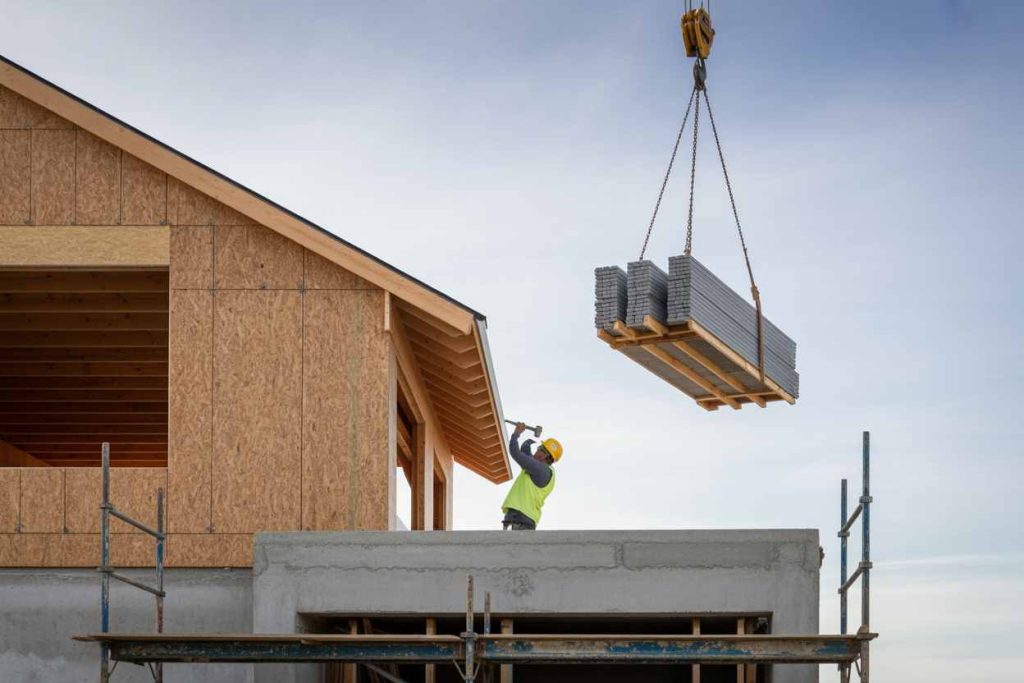
Government-Backed and Specialized Renovation Loans: Expanding Options
Several loan products supported by the government or designed for specific renovation needs offer alternatives to traditional financing:
FHA 203(k) Loans
FHA 203(k) Loans: These government-insured loans let homeowners or buyers finance both the purchase or refinance of a home and its renovation costs through a single mortgage. They apply to owner-occupied properties and include defined loan limits and loan-to-value (LTV) ratios. Recent policy changes have raised allowable repair costs, increasing their appeal.
Fannie Mae HomeStyle® Renovation Mortgage
Fannie Mae HomeStyle® Renovation Mortgage: This conventional loan allows borrowers to finance renovations up to 75% of the home’s projected post-renovation value. It covers a broad range of improvements, including high-end upgrades that FHA loans may exclude.
RenoFi Loans
RenoFi Loans: These loans are based on the home’s future value after renovation, which may allow for higher borrowing amounts than standard equity loans. They are often available without refinancing the primary mortgage and are suitable for homeowners with limited existing equity.
Construction-to-Permanent Loans
Construction-to-Permanent Loans: These loans combine financing for both the construction or major renovation phase and the permanent mortgage, reducing the need for separate loan applications.
Government-backed renovation loans fund a notable share of mid- to large-scale projects, accounting for approximately 12% of renovations costing between $10,000 and $49,999, and nearly 20% of those exceeding $50,000.

Other Financing Avenues: Personal Loans, Credit Cards, and Platform Financing
Personal Loans
For homeowners planning smaller renovations under $15,000, unsecured personal loans offer a practical funding option, representing 6% to 9% of total renovation financing. These loans do not require collateral, so the home is not at risk if the borrower defaults. However, missed payments can still damage credit scores. Interest rates vary widely—lower rates are available to borrowers with strong credit, while those with weaker credit may face much higher APRs. Rates are also affected by the loan amount and repayment period.
Credit Cards
While personal loans offer structured repayment, many homeowners use credit cards for smaller, immediate purchases like appliances, lighting, or landscaping materials. This approach is used by 28% to 37% of renovators. The main appeal is convenience, along with potential benefits such as rewards points or introductory 0% APR offers.
Credit cards carry high interest rates, and unpaid balances can quickly turn short-term spending into long-term debt if not repaid within the promotional period or billing cycle.
Contractor and Platform Financing
To simplify payments, many contractors now offer financing directly through partnerships with lenders. In these cases, the contractor often helps the homeowner complete the loan application, streamlining the process. In parallel, digital Buy Now, Pay Later (BNPL) services are becoming more common on home improvement retail and service platforms. These options allow homeowners to split costs into short-term installments, often interest-free if paid on time, enabling faster project starts without the complexity of a traditional loan.
PACE (Property Assessed Clean Energy) Financing
Property Assessed Clean Energy (PACE) financing is designed specifically for energy-efficient upgrades such as solar panels, high-efficiency HVAC systems, windows, or insulation. Instead of monthly payments to a lender, the loan is repaid through an additional charge on the homeowner’s property tax bill, typically over 10 to 20 years. The debt is attached to the property, not the individual, and may transfer to a new owner upon sale—though this depends on the specific program and local regulations.
Endnote
Cash is the preferred method for smaller renovation projects, while larger projects increasingly rely on financing. Home equity remains a primary funding source for substantial renovations.
Products like after-renovation value loans and digital financing platforms are helping homeowners access larger loan amounts more efficiently. Choosing the right financing method requires a careful review of interest rates, loan terms, eligibility criteria, and the long-term impact on personal finances.


