A fence does more than mark a boundary; it defines your property and creates the first impression. Choosing the right style and material enhances curb appeal and aligns with your home’s architecture. This article explains how to match fence designs to different architectural styles, evaluate material durability, and use expert advice to make a long-term investment.
Table of Contents

George Nicola
George is a seasoned interior designer and property marketing strategist with over 13 years of experience. He specializes in transforming properties into visually stunning spaces, helping clients recognize the potential and beauty in each property. With an impressive international client base of exciting projects throughout Europe and America.
Architectural Styles and Fence Harmony
Understanding your home’s architecture is the first step in choosing a matching fence. Each style has a distinct visual language, and the right fence highlights these features.
Victorian Homes

Victorian architecture is celebrated for its elaborate ornamentation, historical motifs, and strong vertical emphasis, often seen in multi-story structures with decorative trim.
- Best Fences: Wrought iron fences with intricate scrollwork or highly decorative wooden picket fences perfectly complement this style.
- Why it Works: The intricate designs and vertical lines of these fences mirror the architectural embellishments of Victorian homes. Color is also key; classic choices include white, black, or deep green to accentuate the decorative elements.
Modern Minimalist
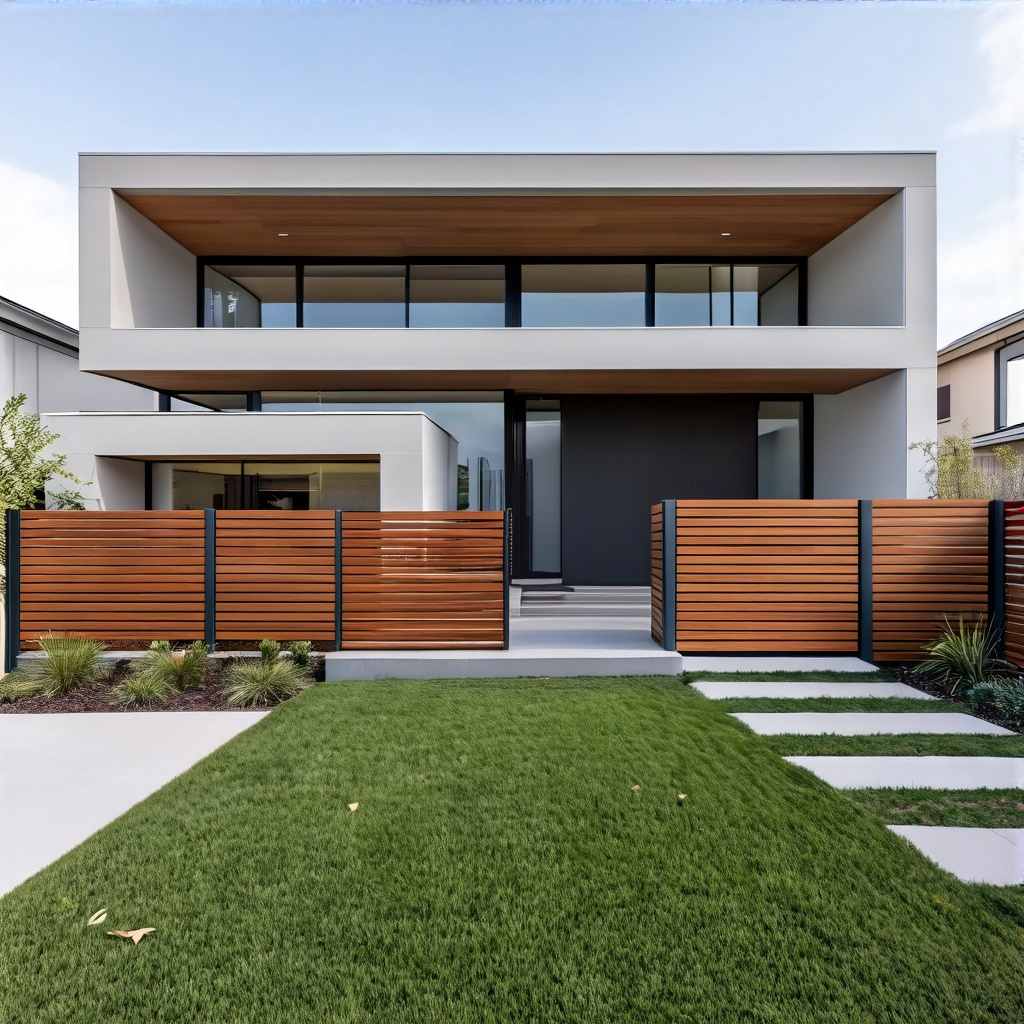
Modern homes are characterized by minimalism, clean lines, expansive glass windows, and a focus on geometric forms.
- Best Fences: Aluminum fences with sleek profiles, or wooden fences with simple horizontal or vertical slats, finished in neutral tones, are excellent choices.
- Why it Works: The lack of ornamentation and the emphasis on consistent spacing and clean lines in these fences reinforce the minimalist aesthetic of modern architecture.
Farmhouse and Ranch Styles

Farmhouse and ranch homes evoke a sense of rural simplicity and functional design, often featuring practical layouts and a connection to the surrounding landscape.
- Best Fences: Split rail, post-and-rail, or wire mesh fences combined with substantial wood posts are fitting.
- Why it Works: The use of weathered or unprocessed wood and designs that integrate naturally with the landscape underscore the rustic authenticity and unpretentious nature of these architectural styles. For instance, a classic three-rail wooden fence can define a boundary while maintaining an open, agricultural feel, reflecting the style’s historical roots in rural America.
Craftsman Homes

Craftsman homes are distinguished by their emphasis on handcrafted details, natural materials like wood and stone, low-pitched rooflines, and often, exposed joinery. Wood fence installation for these properties demands a thoughtful approach that respects the home’s architectural essence.
- Best Fences: Wood, particularly cedar or redwood, is an ideal choice. Styles featuring horizontal slats, robust posts, and simple geometric detailing resonate well.
- Why it Works: These fence features echo the Craftsman ideals of honest materials and handcrafted aesthetics, creating a cohesive and grounded look.
Material Considerations Beyond Aesthetics
While visual harmony is crucial, the material of your fence impacts its longevity, maintenance, and suitability for your local environment.
Local climate conditions significantly influence material choice.
- Humid Climates: Composite materials or properly treated wood resist moisture and prevent rot.
- Sunny/Dry Environments: UV-resistant metals or specially treated woods withstand prolonged sun exposure without degrading. For example, vinyl fencing often includes UV inhibitors to prevent yellowing and brittleness in sunny regions.

Maintenance Requirements
Different materials demand varying levels of upkeep.
- Wood: Often requires regular painting or sealing to prevent weathering and decay.
- Wrought Iron: May need periodic rust prevention and repainting.
- Vinyl & Aluminum: Generally low-maintenance, requiring only occasional cleaning.
Architectural styles like Victorian, with potentially ornate wooden fences, might entail more maintenance than a minimalist modern home with an aluminum fence.
Zoning and Historical Preservation Regulations
Before installation, always verify local regulations.
- Check Rules: Homeowners Associations (HOAs), city ordinances, and historical district guidelines can dictate fence height, setback from property lines, permissible materials, and even color.
- Avoid Penalties: Neglecting this step can result in fines or the costly requirement to remove or modify a non-compliant fence. For example, some historic districts may require specific wood types or forbid vinyl to maintain historical accuracy.
Professional Recommendations
Seeking professional advice and utilizing modern planning tools can prevent costly mistakes and ensure your fence is a valuable, harmonious addition to your property.
Visualization and Consultation
Consulting with landscape designers or architects is highly recommended.
- Benefits: Professionals can provide 3D renderings or material samples, helping you visualize the final look and ensure it complements your home’s architecture. This step can avert design missteps and ensure a cohesive aesthetic.
Technology in Fence Design
Modern technology offers powerful tools for fence selection.
- AR/VR Apps: Augmented Reality (AR) and Virtual Reality (VR) applications allow you to superimpose different fence styles onto an image of your property, providing a realistic preview. Tools like RealityFence and Fence Genius enable homeowners to visualize various options in situ.
- Impact: These technologies support better-informed design decisions, reducing the likelihood of dissatisfaction post-installation.
Budget and Long-Term Value
A fence is a significant real-estate upgrade that can offer a solid return on investment.
- Market Context: The U.S. fencing market was valued at approximately $9.8 billion in 2024 and is projected to grow to $17.8 billion by 2033, with a compound annual growth rate (CAGR) of around 5.3%.
- ROI: Consider the long-term return on investment; a well-chosen, durable fence enhances curb appeal and property value.
Sustainable Fencing Practices
Eco-conscious choices are increasingly important in home improvement.
- Eco-Friendly Options: Consider materials like bamboo (a rapidly renewable resource), reclaimed wood, or composite fencing made from recycled plastics and wood fibers. These options reduce environmental impact.
- Growing Trend: There’s a notable trend towards “green” fences that are sustainably sourced and wildlife-friendly, such as living fences or designs that allow for small animal passage.
Endnote
A well-chosen fence is more than a barrier; it’s a key design element that complements your home’s architecture. Matching the fence style to your property, following local regulations, considering long-term value, and using expert guidance and modern tools can make the fence a defining feature. It adds beauty, function, and lasting value to your home.