You don’t have to walk through every room in the house to create an impression of it.
Sometimes, it’s enough to see what it is like even before the door opens. If you think about it, it makes sense, because when you look at the house, you already have some opinion. It can look expensive, luxurious to you, or more modest, poorly maintained, etc. Sometimes, even homes that are technically very expensive don’t look like they are.
Luxury isn’t about how big your house is or about price tags.

George is a seasoned interior designer and property marketing strategist with over 13 years of experience. He specializes in transforming properties into visually stunning spaces, helping clients recognize the potential and beauty in each property. With an impressive international client base of exciting projects throughout Europe and America.
Think about it – if you paid a lot (let’s say you paid a premium) for a place that doesn’t feel luxurious, is it then still luxurious?
Every house makes you feel in a certain way, and it usually starts before you even enter. When it comes to home design, what happens outside is a big part of setting the tone.
Here are some small (but important) exterior design options that can contribute to quality and care.
They can help you achieve that home premium feel as soon as someone sees it from the street.
Scale & Proportion
Visual balance has a significant effect on initial impressions. Oversized doors, double-height entrances, or wide porticos are a statement and command presence. These aren’t simply aesthetic choices; they’re more like a subtle showing to guests that money and attention to detail are included in the design.
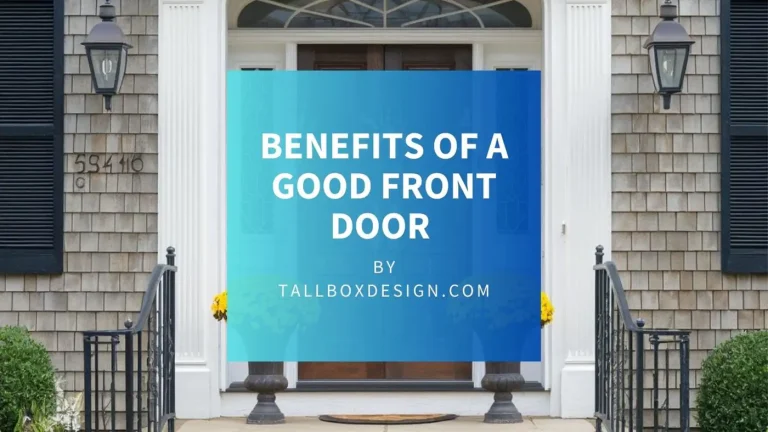
A facade in proportion is inviting and also sets expectations. Luxury design may start with something as simple as a solid and tall front door, and be properly scaled to the rest of the house.
What You See Is What You Feel – Materials
Materials are not there only to achieve a good look.
They tell a story. High-end homes usually feature natural, high-performance, or tactile finishes that gain character with age. It’s the difference between hand-finished wood and fiberboard with paint, or natural stone and vinyl siding.
The following is a simple breakdown of where material substitutions can boost curb appeal:
|
Element |
Standard Material |
Premium Option |
Visual/Functional Impact |
|
Front Door |
Hollow-core composite |
Solid timber or steel |
Heft, durability, presence |
|
Walkway |
Plain concrete |
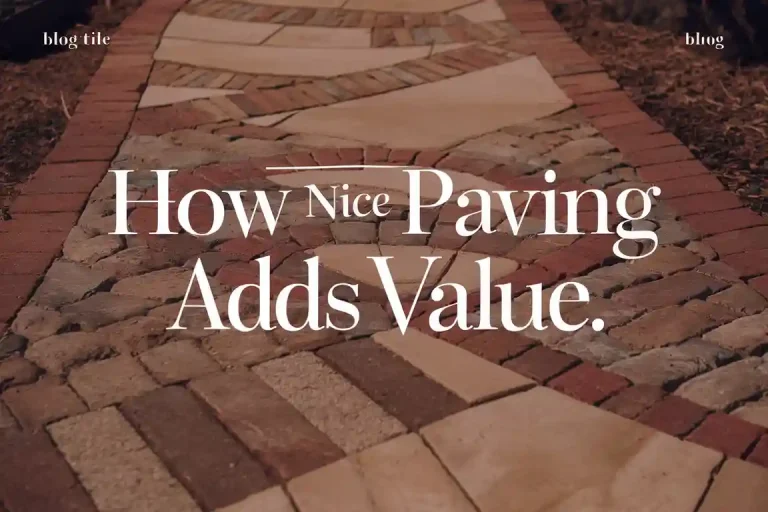
Patterned stone or pavers |
Texture, contrast, aging |
|
Exterior Fixtures |
Plastic & aluminum |
Bronze or copper |
Warmth, patina, depth |
Landscaping That Feels Just Maintained
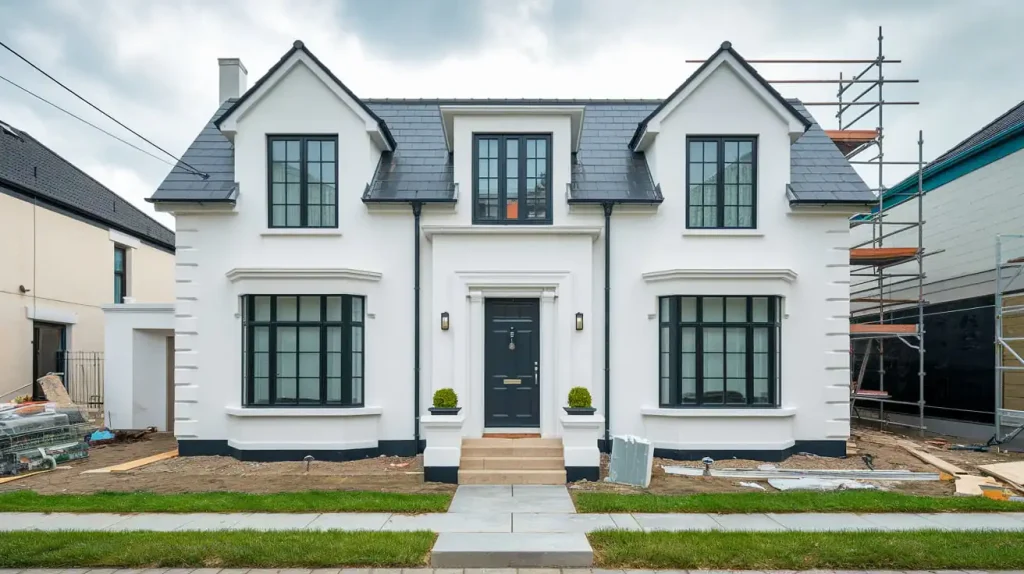
Upscale homes extend design beyond the building. Landscaping is integrated into the entry process and visually sets off the building.
- Symmetry: Use balanced composition to guide attention to the doorway.
- Pathways: Semicurves or staggered paths add rhythm and depth.
- Seasonal variation: Add evergreens or ornamental grasses for texture throughout the year.
Landscaping design provides structure, even to tiny parcels, and always increases perceived value.
Lighting That Creates Warmth and Dimension
Even the most refined house needs good lighting after sunset. Layered lighting contributes both function and ambiance.
- Warm colors (2700–3000K) provide a warm appearance.
- Combine light sources: Path lights, wall sconces, and downlights are most effective in combination.
- Use shadows to your benefit: illuminating trees or stone pillars provides contrast and depth.
Hardware and Details That Speak Softly
Luxury design exists in the details. Most won’t even notice individual door handles, but they’ll notice if something’s cheap or looks out of place.
- Use substantial handles and locks with clean lines.
- Use consistent finishes on door hardware, lighting, and house numbers.
- Opt for hidden tech – smart locks and video doorbells shouldn’t break the visual flow.
High-end homes look put together. Entry details are there to support that without calling attention to itself.
Sound, Texture, and Other Sensory Cues
Achieving luxury in design is more than just visual. How materials sound, feel, or even smell can leave a lasting impression.
- Underfoot gravel or stone provides texture and an audible entry.
- Solid door seals and soft-close mechanisms provide a smoother, heavier sensation.
- Use aromatic plants like lavender or rosemary placed near the entrance for a subtle scent.
Successful planning prevents the disconnect often seen where beautiful period houses sit awkwardly within gardens that ignore their architectural context. This phase establishes budget, timeline, and design direction, ensuring outdoor and indoor renovations work together rather than competing.
Continuity From Exterior to Interior
A strong exterior design builds anticipation of what is to be seen inside. Luxury houses are providing visual and spatial continuity from entry to interior.
- Repeat materials and colors from the front door to the foyer.
- Use clear sight lines; make the inside visible from the approach.
- Create rhythm with repeating details and color transitions.
Regional Entry Design Identity
‘Luxury’ looks different depending on where you are. In colder or more formal regions, luxury features often highlight insulation, durability, and symmetry.
Here are two examples of how entry doors are used in the world of luxury in different places in the U.S. We’ll use Indiana and Arizona as examples.
Indiana, in terms of house design, is mostly traditional, colonial, and Tudor, and there are modern farmhouses, etc. This building style heavily impacts the type of front door a house will have. But the entry door choice will depend on how wealthy the county is. Entry doors Howard County residents typically go for are fiberglass doors with a premium wood grain that feels very realistic.
Steel doors are also popular. Keep in mind that Howard County, in terms of wealth, is in the middle of the pack in Indiana. A richer country (e.g., Hamilton, Boone) will usually go for solid wood doors (mahogany, walnut), glass double doors, and even those massive pivot doors wouldn’t be an uncommon choice.
In a hotter, more arid climate like Arizona, you’ll often see glass and/or aluminum-framed doors as the ‘premium’ choice for entry doors. Bronze/copper doors are also still very much present. And this has to do with wooden doors not doing very well in terms of longevity in such an arid climate because the door would bend/warp, and crack. Plus, there are termites, which are a huge problem in desert regions like Arizona.
Designers know these differences and why different styles/types are used and when. This knowledge helps them create houses that have a high-end feel to them, as it helps attract wealthier buyers.
Conclusion
Luxury begins on the outside of the house – the first impression. And then it follows inside.
Every element (size, material, lighting, texture, furniture, color choice, open vs closed layout, doors, etc.) contributes to a feeling of attention and worth… opulence.
If you overdo it, it’ll look comedic. If you underdo it, it won’t look premium. But if you manage to get it ‘just right’, then you’ve got yourself the luxury you wanted.