Water infiltration is one of the most damaging threats to residential roofs. Moisture-related damage often builds up slowly before resulting in sudden structural failure. When a roof fails to shed water properly, moisture seeps through multiple layers, leading to wood rot, mold growth, and weakened structural components.
Early warning signs include brown or yellow stains on ceilings, indicating that water has traveled through several roof layers before becoming visible. Other signs include peeling paint, soft ceiling areas, and persistent musty odors evidence that moisture levels are high enough to support mold and microbial growth.

George is a seasoned interior designer and property marketing strategist with over 13 years of experience. He specializes in transforming properties into visually stunning spaces, helping clients recognize the potential and beauty in each property. With an impressive international client base of exciting projects throughout Europe and America.
A key diagnostic principle is that visible ceiling damage often appears far from the actual leak source. Water can move laterally through roofing structures before surfacing.
Poor attic ventilation significantly worsens moisture buildup. Inadequate airflow traps humidity, which condenses on cooler roof deck surfaces. Without proper ventilation to remove this moisture, wood can reach decay-prone moisture levels within weeks of exposure.
What are the Signs Your Roof Is Suffering from Moisture Damage?
Systematic inspection helps track the progression of moisture damage. Water stains usually expand slowly at first, but staining accelerates as leaks continue and interior materials absorb more moisture. Soft or spongy ceiling areas indicate saturated materials that have lost structural strength this condition requires immediate professional attention.
Water-soaked insulation loses all thermal resistance, forcing HVAC systems to work harder and increasing energy costs. Visible mold or mildew indicates that moisture levels have surpassed the threshold for fungal growth.
Condensation on attic surfaces especially water droplets on the underside of the roof deck in the morning signals poor ventilation and a high risk of decay. Detecting these signs early allows for timely intervention before permanent structural damage occurs.
What to do if you spot Decay and Structural Rot?
If you notice signs of wood decay or structural rot, take immediate action to prevent further damage. Take clear photos and notes detailing the location, extent, and visible signs of decay. This record supports warranty claims or professional assessments.
Identify and eliminate the source of moisture leaks, condensation, or poor drainage. Without moisture control, repairs will fail. Do not remove decayed wood until a professional assessment is made. Some types of rot, like dry rot, spread through spores and require containment.
Engage a licensed contractor or structural engineer to evaluate the extent of the damage. Severe decay may compromise structural safety and require reinforcement or replacement. Increase airflow using fans, open vents, or dehumidifiers to accelerate drying and prevent further fungal growth.
Inspect adjacent areas rot often extends beyond the visibly affected zone, especially in enclosed spaces like wall cavities or subfloors. If the property is under warranty and decay results from construction defects, notify the builder promptly in writing with your documentation.
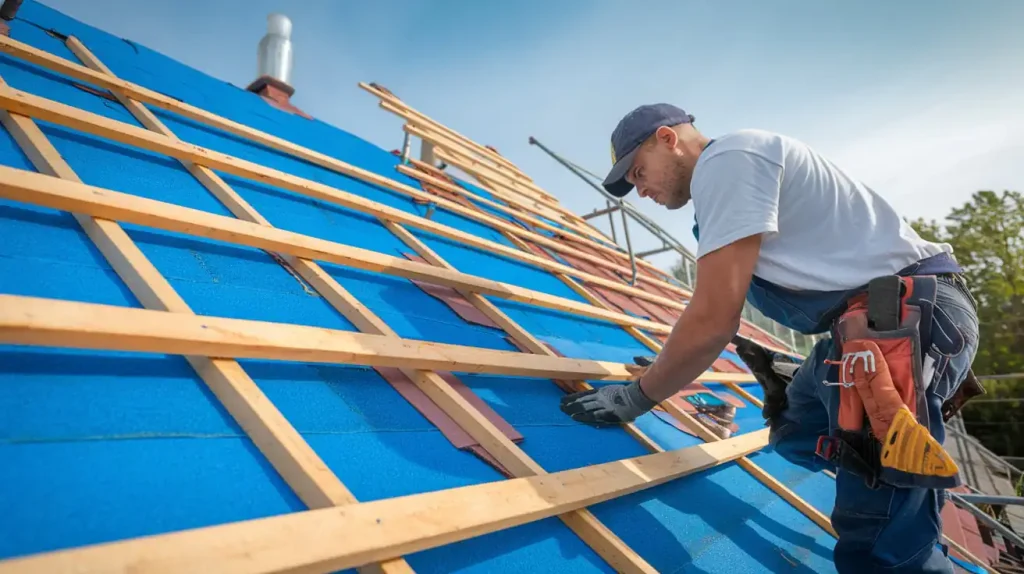
Wood decay begins when fungal organisms colonize wood that has reached the fiber saturation point around 28% moisture content. There are three main types of wood rot, each with distinct warning signs:
- Wet rot causes black discoloration and soft, weakened wood.
- Dry rot produces brown discoloration with distinctive cracking patterns.
- White rot gives wood a spongy texture due to complete breakdown of the cellular structure.
Decay can begin quickly. Fungal colonization may start within weeks of continuous moisture exposure, and structural compromise can follow soon after if conditions persist.
How to Identify Rot and Weak Points in Roofing Materials?
Professional inspections follow a systematic process to detect roof rot and structural decay. A common method involves inserting a screwdriver into suspect areas rotted wood compresses easily, while solid wood resists penetration.
Visible gaps or sagging in roof surfaces suggest that structural members have lost their load-bearing strength. Other warning signs include discolored wood, crumbling textures when probed, and hollow sounds when tapped. These indicators point to advanced stages of decay that require treatments by specialists.
Roof decking rot begins with moisture infiltration and progresses as fungi break down the wood’s cellular structure. Once rot spreads beyond localized areas and affects load-bearing elements, full replacement becomes necessary.
Attic inspections often reveal early signs of rot before exterior damage is visible. Detecting issues from interior spaces allows for earlier intervention before weather exposure worsens the condition.
Pest Infestation Clues on Aging Roofs
Roof pests leave distinct damage patterns that help guide effective remediation with targeted treatments by specialists.
- Termites create narrow mud tubes made from soil and saliva. These tubes connect the ground to wood and indicate subterranean termite activity. Breaking a section and observing whether workers rebuild it confirms an active infestation. Termite damage results in hollow-sounding wood or wood that splinters into long, thin slivers unlike the irregular patterns caused by water damage.
- Carpenter ants produce coarse, shredded wood frass, often mixed with insect parts. These piles typically appear near the exit points of their excavation galleries.
Recognizing these signs early allows for targeted treatment and prevents further structural damage.
Key Indicators of Pest Activity and Damage
ird infestations can clog gutters with nesting materials, blocking water drainage and causing moisture to back up under shingles. Their acidic droppings chemically degrade roofing materials, especially tar-based components, significantly shortening roof lifespan.
Rodents often enlarge small openings by gnawing, leaving sawdust as evidence. They also pose fire risks by chewing on electrical wiring in attics.
Droppings help identify the pest species:
Raccoon and opossum droppings resemble small dog waste.
Mice leave tiny, rice-shaped pellets.
Rats and squirrels leave larger droppings that require professional identification for accurate distinction.
Noises also provide clues:
Scratching and scurrying sounds during quiet hours suggest rodent activity.
Squeaks or chirps often indicate birds.
In advanced infestations, pests cause visible roof damage as their ongoing activity compromises structural integrity.
How to Record the Overall Roof Health?
To record the overall roof health, inspect for missing or damaged shingles, water stains, moss, rusted flashing, and structural issues, then document your findings regularly. The guys from Blue Bird Roofing suggest to have your roof inspected at least twice a year, preferably in the spring and fall, and always after severe weather events like storms or heavy snowfall to ensure no hidden damage has occurred.
A thorough roof assessment considers several key variables:
Roof age provides a baseline.
- Asphalt shingles typically last 15–30 years, depending on quality.
- Metal roofs can last 40–70 years.
- Wood shingles require regular maintenance but may last 20–40 years if properly treated.
- Slate is a premium material that can exceed 100 years.
Climate conditions significantly affect lifespan.
- Hot climates accelerate UV-related wear.
- Coastal environments increase the risk of metal corrosion due to salt exposure.
Assessing these factors together helps determine current roof condition and remaining service life.
When Roof Repairs Aren't Enough and it's time to replace?
Certain conditions indicate that roof replacement is necessary rather than repair:
Widespread visible damage, structural sagging, or deterioration across multiple sections
Decay affecting more than 25% of the roof surface
Rot spreading into framing members beyond isolated areas
In these cases, full replacement is more effective and economical than continued patchwork repairs.
A professional inspection, typically costing $100 to $300, provides critical documentation to support replacement decisions. Getting multiple contractor estimates allows for informed material choices and accurate cost comparison.
Timing matters:spring and fall offer ideal weather and better contractor availability. However, emergency replacements may need to proceed regardless of season.
Extending roof life through regular maintenance is a cost-effective strategy. Addressing minor issues like damaged shingles, flashing leaks, or clogged gutters can add 5 to 10 years to a roof’s service life and prevent expensive remediation later.
Annual inspections help detect problems early, allowing for proactive planning before failure occurs.