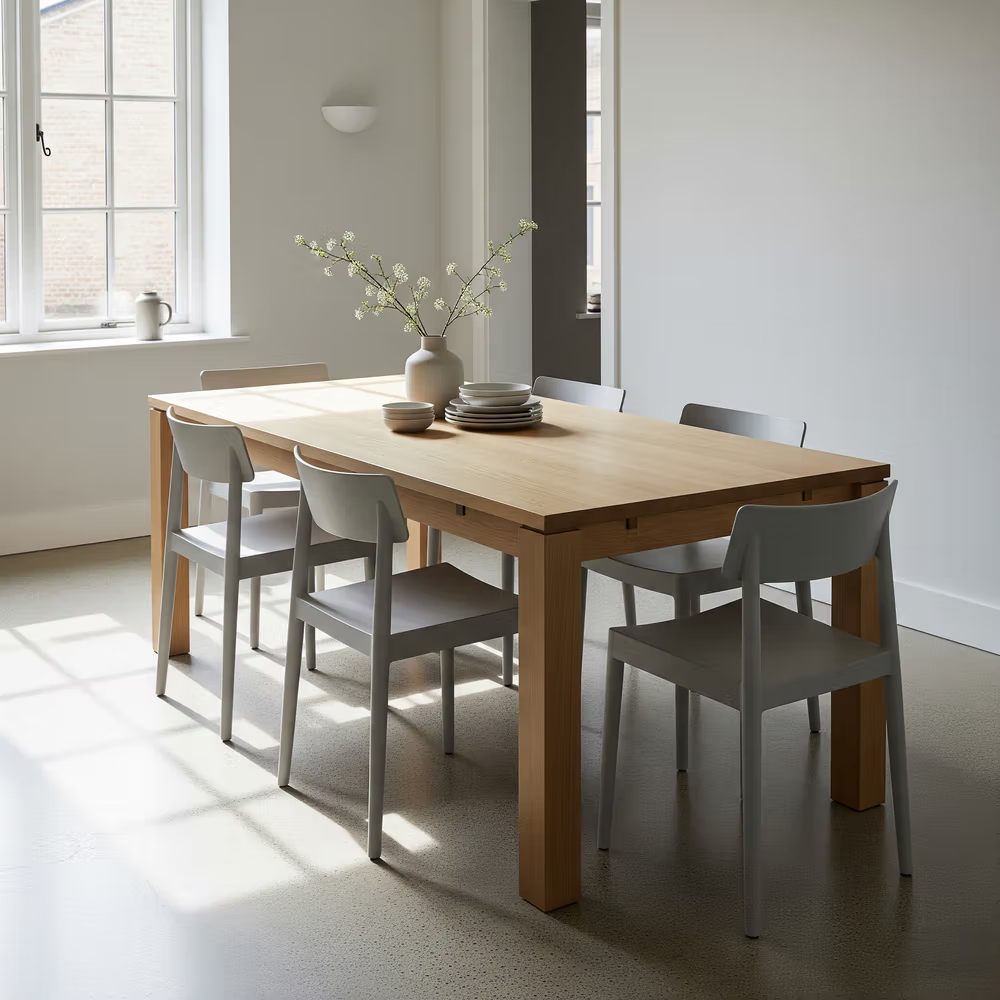
The dining table is often the heart of the home. It’s where you share meals, work, and connect with family. Choosing the right one is about balancing three things: how it fits your daily life, how it looks in your space, and how well it’s made. This guide will walk you through these steps to help you find the perfect table.
George is a seasoned interior designer and property marketing strategist with over 13 years of experience. He specializes in transforming properties into visually stunning spaces, helping clients recognize the potential and beauty in each property. With an impressive international client base of exciting projects throughout Europe and America.
Function First: Getting the Practical Stuff Right
Measurements for Comfort
A table with the wrong dimensions will always feel awkward. Here are the key numbers to check:
Table Height: Most dining tables are 74 cm to 76 cm tall.
Leg Room: You need enough space for your legs. Measure from the top of your dining chair seat to the bottom edge of the table’s frame (the apron). You should have at least 18 cm of clearance.
Elbow Room: Plan for about 60 cm of table space for each person. This keeps everyone from bumping elbows while they eat.
Room to Move Around
A table that’s too big can make a room feel cramped. You need enough space to walk around it and pull out chairs.
For Walking Past: Leave at least 90 cm of space between the edge of the table and the wall or any other furniture.
For Sitting Down: To comfortably pull out a chair and sit, you need about 110 cm of space from the table’s edge to the wall.

Fixed or Extendable?
Think about how many people you usually serve versus how many you host for special occasions.
Fixed Tables: These are a single, solid size. They often feel sturdier and have a very clean look. They are a great choice your seating needs don’t change much.
Extendable Tables: These are perfect for saving space day-to-day while giving you the option to host more guests. A “butterfly leaf” is often the most convenient type because the extra piece is cleverly stored right inside the table.
Now that we’ve covered the practicals, we can focus on the fun part: the style.
Finding Your Style: Shape and Materials
This is where you decide on the table’s personality and how it will look and feel in your home.
How Shape Affects the Vibe?
The shape of your table can change the entire mood of a room.
Rectangular: This is a classic, traditional shape. It works perfectly in long, rectangular rooms and is great for seating a larger number of people.
Round or Oval: These tables are fantastic for conversation because there is no head of the table, making everyone feel included. Their curved edges make a room feel less “boxy” and are easier to walk around, which is a bonus for smaller spaces.
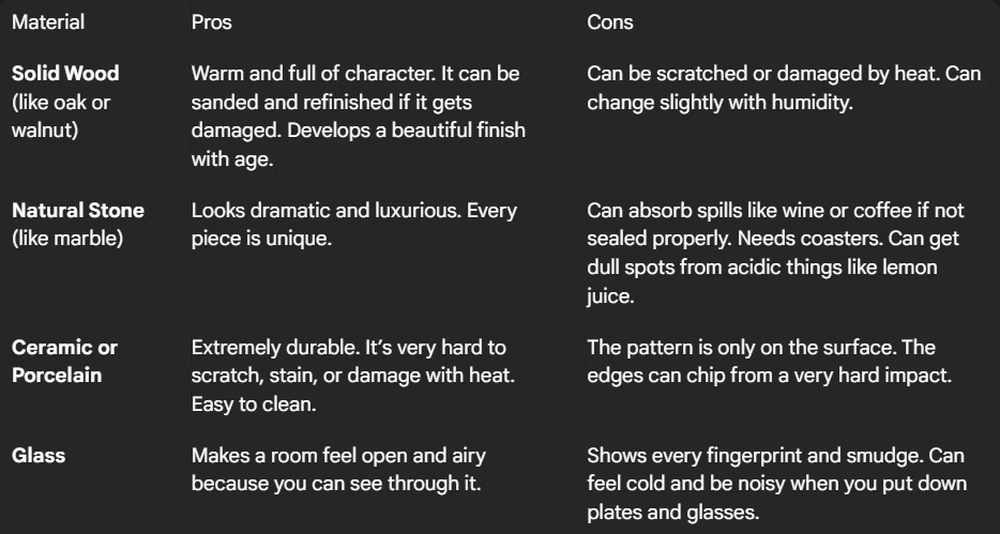
Choosing the Best Material for You
The material affects how your table looks, how durable it is, and how you’ll need to care for it.


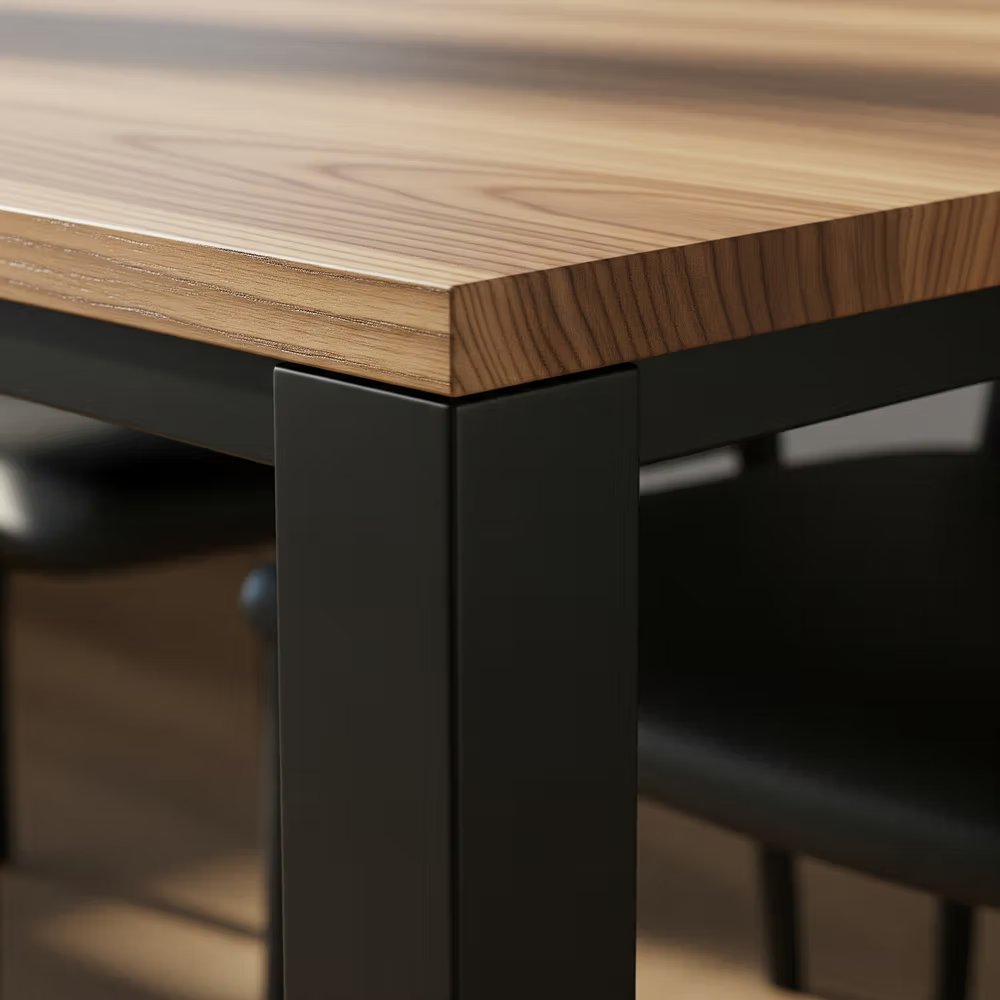
A Note on Mixing Materials: Many modern tables mix materials, like a wood top with metal legs. This creates a balanced, interesting look by combining something natural and warm with something sleek and industrial.
With a style in mind, the final step is to ensure you’re buying a quality piece.
Built to Last: What to Look For in a Quality Table


A good modern dining table should last for years. Here’s how to spot one that’s well-made.
Check the Construction: A sturdy table is a safe table. When you’re in the store, give it a gentle shake. It should feel solid. Look for tables with strong, interlocking wood joints instead of ones just held together with screws. A little wiggle in the store will become a big wobble at home.
Understand the Finish: The finish is the table’s protective coat. A sealed, glossy finish (like lacquer) is very durable and easy to wipe down, making it great for families. A natural, matte finish (like oil) lets you feel the actual wood grain, but it may need a little more care, like occasional re-oiling.
Think Sustainably: Tables made from sustainably sourced wood (look for an FSC certification) are not just better for the environment. They are often made by companies that care more about quality across the board.
Final Thoughts
Choosing a dining table is a thoughtful choice. Start by making sure it fits your space and your daily needs.
Then, find a shape and material that you love and that matches your home’s style. Finally, look for signs of good quality construction. A table chosen this way will be more than just a piece of furniture—it will be the center of your home for years to come.