Safeguarding your home from break-ins is a top priority for homeowners across. Advancements in technology, combined with proven strategies, provide a strong defense against potential intruders.

With burglary rates fluctuating in different areas, ensuring your property is secure can provide invaluable peace of mind. A well-secured home not only safeguards your belongings but creates a safe environment for your family to thrive.

For example, the research conducted on the break-ins in Pennsylvania has shown a relatively lower burglary rate compared to many other U.S. states, with a rate of 182.4 burglaries per 100,000 residents, marking a 13.7% decrease from the previous period. This positions the state in the 90th percentile for safety concerning burglary, indicating that it is safer than 90% of U.S. states in this regard. 

In contrast, Melbourne, Australia recorded 15,115.9 criminal incidents per 100,000 residents (up 5.4%) and 4.7 times greater than Pennsylvania’s rates; most of the offenses are driven by youth offenders, with children aged 14-17 committing 2,322 burglaries (37% increase), Melbourne’s crime rate appears to be influenced by cost-of-living pressures and organized crime, particularly in retail theft and aggravated burglaries.

By implementing a few simple yet effective measures, you can significantly reduce the risk of unauthorized entry.

This article outlines straightforward ways to enhance security; even in areas like Melbourne, AU, without the need for DIY work, there are ways to deter thieves and burglars. From upgrading locks to using outdoor lighting and adopting smart security habits, these tips are practical, accessible, and designed to suit residences.
Each strategy focuses on creating a safe, secure living space while remaining easy to implement.

To gather information for this guide, we conducted extensive research, reviewing articles and guides on various aspects of burglary prevention technology, including effectiveness, cost, and potential downsides.

Want to get 3D rendering for your new house project?

Disclaimer: No information in this post is legal or financial advice. Read at your own risk. The content provided is for informational purposes only and should not be considered a substitute for professional advice. The author and publisher of this post are not responsible for any losses or damages resulting from your reliance on the information presented herein.

If you buy any of the products on the page, we may earn a small commission.

Picture of George Nicola
George Nicola

George is a seasoned interior designer and property marketing strategist with over 13 years of experience. He specializes in transforming properties into visually stunning spaces, helping clients recognize the potential and beauty in each property. With an impressive international client base of exciting projects throughout Europe and America.

The house stands vigilant at night, with a motion-sensor light casting a red beam onto the walkway to deter burglars and protect against break-ins.

George Nicola (Expert Interior Designer from TALLBOX) shares:

Home security system considerations are crucial as they directly impact both safety and financial state. These key factors help you make an informed decision between professional and DIY systems while ensuring you get the right features and monitoring options that match your specific needs.

There is a term called WIDE; it is a security combination (Window locks, Indoor lights on a timer, Door double/deadlocks, External lights) that makes homes 49 times more protected from burglary compared to homes with no security!

Simply locking your door is a crucial first step in home security, but it’s most effective when combined with other security measures. Burglars are opportunistic and will typically choose the easiest targets, which are often homes with unlocked doors

FactorDescription
System TypeChoose between professional installation or DIY system
CostConsider equipment costs plus monthly monitoring fees
FeaturesSelect needed features like remote access and video storage
CompatibilityEnsure all system components work together seamlessly
Monitoring OptionsCompare landline vs cellular vs broadband monitoring
Protective EffectivenessEvaluate security performance and expected lifespan
Table of Contents

How to prevent home invasion?

To prevent home invasion, implement layered security measures such as motion detectors, door contact, and glass breaks to maintain a layer of environmental awareness.

To prevent home invasions when away, implement security measures such as installing high-quality door locks, security cameras, and alarm systems.

For instance, using a deadbolt lock on your front door, coupled with a security camera monitoring the entrance, can deter potential intruders.

An alarm system should be installed and monitored regularly to ensure that it is functioning correctly. By taking these steps, one can significantly reduce the risk of a home invasion. Regularly maintaining these systems and ensuring they are in good working order is key.

Statistics show that homes without security systems are 300% more likely to be targeted. Using solid-core doors and deadbolt locks reduces forced entry by 85%.

How bulglars chose a target?

Luxury homes may be more attractive to burglars due to their perceived wealth and the potential for high-value items such as jewelry and electronics. But at the same time, luxury homes often have advanced security systems and surveillance cameras, making them a less attractive target for less experienced burglars.

Inexperienced burglars often look for homes that appear unoccupied or have easy access points, such as unlocked windows or doors. Homes with obstructed views from the street or nearby houses due to fencing, trees, bushes, or remote locations offer less chance of being spotted breaking in. Evidence of vacancy, like piled-up mail/newspapers, overgrown landscaping, and no car in the driveway, suggests residents are on holiday or have been absent for a while, thus turning the property into a target. The easiest and best best deterrent way to deter people with bad intentions is to install bright motion sensor security lights to cover most, if not all, of the house perimeter, hooked up to motion-activated cameras, coupled with loud sound alarm.

According to the FBI, approximately 65% of burglaries occur during the day, when homes are more likely to be unoccupied. 

How long does it take for burglar to decide on a house?

Luxury homes may be more attractive to burglars due to their perceived wealth and the potential for high-value items such as jewelry and electronics. But at the same time, luxury homes often have advanced security systems and surveillance cameras, making them a less attractive target for less experienced burglars.

Inexperienced burglars often look for homes that appear unoccupied or have easy access points, such as unlocked windows or doors. Homes with obstructed views from the street or nearby houses due to fencing, trees, bushes, or remote locations offer less chance of being spotted breaking in. Evidence of vacancy, like piled-up mail/newspapers, overgrown landscaping, and no car in the driveway, suggests residents are on holiday or have been absent for a while, thus turning the property into a target.

According to the FBI, approximately 65% of burglaries occur during the day, when homes are more likely to be unoccupied. 

How to prevent home invasion during the day?

The time it takes for a burglar to decide on a target varies depending on the individual burglar, the location of the home, and the availability of information about the target.

Some burglars may spend weeks or even months casing a potential target, while others may make a snap decision based on immediate opportunities. For instance, a burglar who has been watching a home for an extended period of time may have a clearer understanding of the homeowner’s daily routine and the layout of the home, making it easier for them to choose a target. On the other hand, a burglar who is passing by a neighborhood and sees an unoccupied home with an open window may make a quick decision to break in.

These proactive steps can secure your home from being burglarized: 

  • Make it Look Occupied: Even when you’re not home. Use lights on timers, have a neighbor collect your mail, and leave a car on the driveway.
  • Beef Up Security: Install a visible alarm system and security cameras. Use strong locks on all doors and windows.
  • Maintain Landscaping: Overgrown shrubs can offer cover for burglars. Keep landscaping trimmed.

Install web-connected cameras so you can monitor your home remotely during the day. Position cameras to cover entrances and vulnerable first-floor windows. Modern camera systems enable homeowners to view live footage on their phones to keep watch. Motion alerts warn of suspicious activity. Consider obvious signage indicating surveillance is in place to serve as a visual deterrent as well.

Keep valuables out of sight and resistance film on first floor windows whenever possible. Break-ins often target items left visibly exposed. Making them more difficult to access by reinforcing windows helps prevent smash and grab thefts during the day. Consider safe storage for prized possessions when not home.

How to prevent break-ins at night?

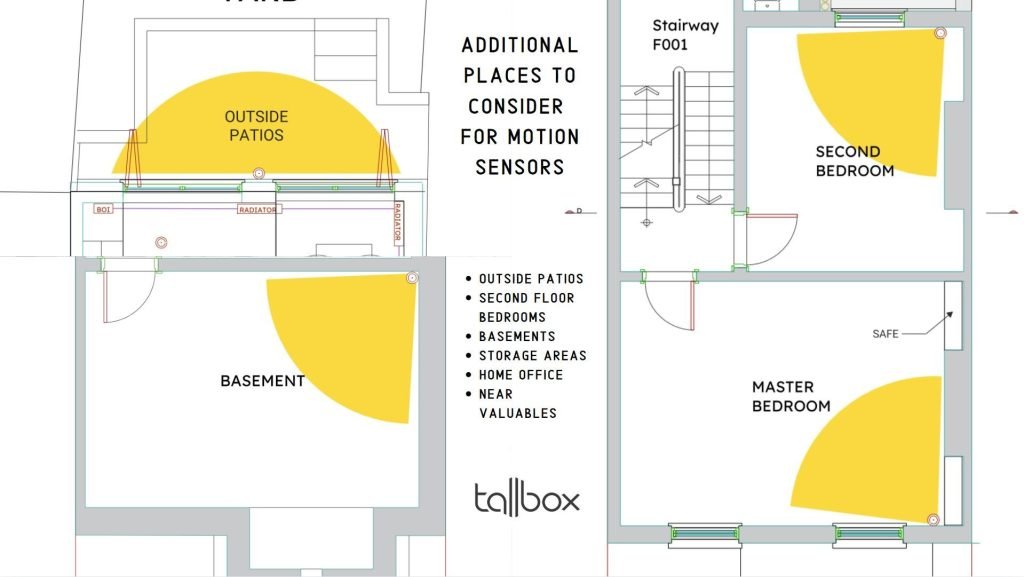
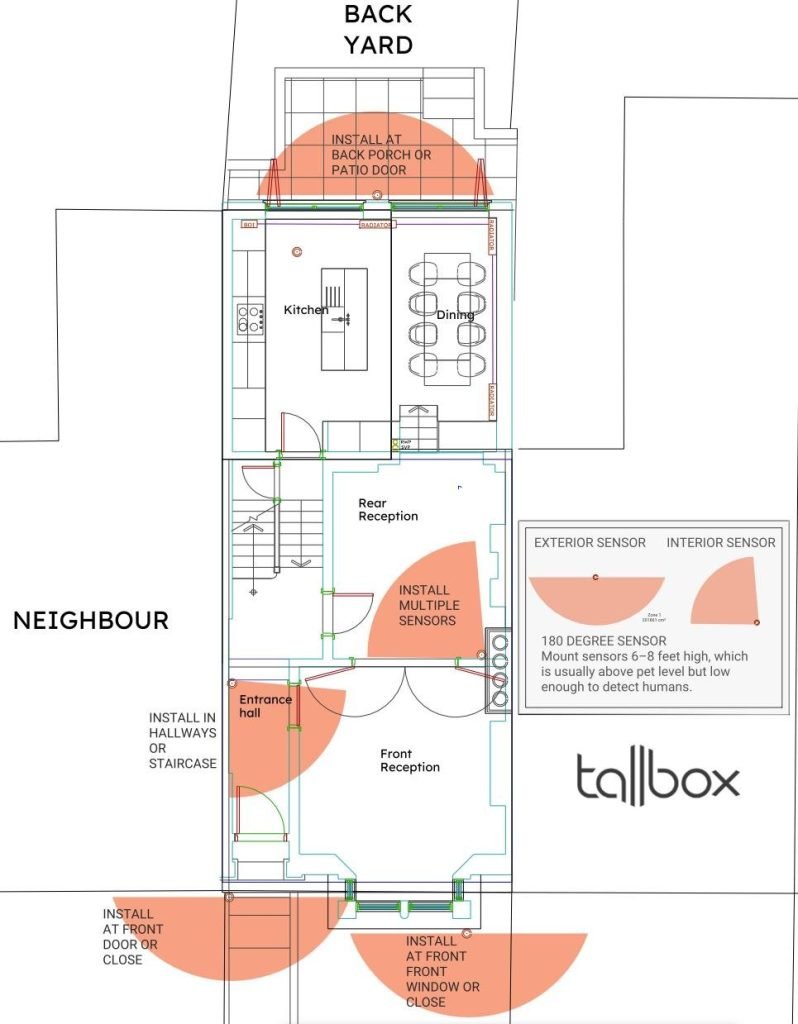
Floor plan illustrating strategic locations for motion sensors to protect against modern-day burglars: outside patios, basement, second floor bedrooms, and areas near valuables.

Install motion-activated floodlights on all sides of the home to startle and expose potential intruders. Bright lighting triggered by movement will make criminals reluctant to approach at night due to increased visibility. Position lights to eliminate shadows or blindspots around entrances and vulnerable first floor windows.

Keep porch lights on. While it’s a simple fix, illuminated exterior door areas signal occupancy and make a home less appealing for nighttime invasions. Choose bulb types like LEDs for cost efficiency.

Invest in an outdoor security camera system with night vision capability. Monitor remotely via smartphone when away. The cameras will automatically switch to infrared in low light to maintain visibility. Many systems alert homeowners when motion triggers recording. Visible camera signage serves as a warning.

Make sure exterior doors have deadbolts, alarms, and strike plates with long screws securing the frame. Reinforced doors are much harder to force open or kick in. An alarm keypad and yard sign indicating the home is protected can deter crimes of opportunity. It’s important to invest in a good, high-security front door made of solid materials such as steel or fiberglass. These types of doors are resistant to tampering and can provide an extra layer of protection for your home.

The key is reducing shadowy hiding spots, increasing visibility, and boosting physical security of entrances and windows. Taking the proper preventative steps minimizes nighttime home invasion risks significantly compared to a residence with few precautions implemented. Layered deterrence works best to protect against this threat.

Can a dog to deter burglars?

Pets, including dogs, can be an effective deterrent against burglars. According to the National Council for Home Safety and Security, homes with dogs are less likely to be burglarized than those without. This is because dogs can alert homeowners to the presence of intruders and make it more difficult for burglars to enter the home undetected.

For instance, a large dog with a loud bark may scare off potential intruders before they even attempt to break in. Some homeowners may choose to install security systems that activate when a dog barks, further enhancing the deterrent effect.

What is the best deterrent for burglars?

The most effective burglary deterrents when away from home are the web-connected systems with sound alarm.

  1. Indoor and outdoor home security camera systems with remote access and motion alerts. Modern cameras paired with home wifi networks allow instant alerts of activity detected sent to the homeowner’s smartphone. Hi-res surveillance capabilities and visible exterior warning signs serve as visual deterrents that most burglars seek to avoid.
  2. Web-connected home alarm systems featuring sensors on doors, windows, and motion inside the home. Monitored security systems automatically contact authorities and the homeowner if triggered. False alarm warnings generally precede police dispatch to allow homeowners to verify intrusions remotely. Visible alarm company yard signs alone deter many criminals.
  3. Web-enabled video doorbells providing live streaming footage and motion detection alerts for all visitor activity. Viewing delivery drivers or suspicious prowlers from smartphones keeps homeowners aware. Integrated microphones facilitate two-way talk through the devices to ward off intruders. Visible doorbell cameras discourage burglars.

4 Together these modern smart home technologies provide extensive monitoring capability and rapid notification of break-in attempts happening in real time when away. Professional installation with routine testing ensures proper functionality. Layered electronic security deters most burglars focused on vulnerable residences lacking protection. Preventative measures combined with prompt alerts minimize risks.

Use Outdoor Security Lighting

Motion Sensor Lights

Outdoor security lighting is a proven deterrent against break-ins, with motion sensor security lights being particularly effective. The more exterior motion lights, the better. These lights activate when movement is detected, catching intruders off guard and eliminating dark spots where they might hide. Motion sensors can be installed around entrances, pathways, garages, and other vulnerable areas, creating an impression that someone is always watching.

Strategic Placement

The placement of your outdoor lighting is just as important as the lights themselves. Focus on illuminating key entry points, including front and back doors, windows, and driveways. Pathway lighting not only boosts security but  enhances visibility for family members and visitors. For homes with larger properties, consider adding floodlights to cover expansive outdoor areas like gardens or patios.

Energy Efficiency

Solar-powered lights are another excellent option, especially in sunny climates, offering an eco-friendly solution that operates independently of your home’s power supply.

Outdoor security lighting is a cost-effective way to deter intruders and improve your home’s safety while providing functional illumination for daily use.

Door locks to prevent break-ins

Install high-security reinforced deadbolt locks on all exterior doors. These feature longer 1-inch throw bolts that embed deeper into the door frame upon locking, making forced entry incredibly difficult through prying or kicking doors open. Upgraded strike plates with 3-4 inch screws into the frame provide additional strength.

Medeco Maxum

Features hardened steel construction making it drill-proof and resistant to crowbar attacks
Uses unique key style that’s difficult to duplicate
Includes high-security box-style strike plate with high-tensile screws
Comes with a two-year warranty.

Use double cylinder deadbolts requiring a key on both sides for doors with glass panes or panels to prevent easy smashing of windows to reach inside and unlock doors. The key requirement adds protection. However, ensure your primary entrance has thumb turn deadbolts to avoid being locked out.

Consider smart locks or keyless deadbolts opened via key codes or smartphones. These remove hiding spots for burglars to find spare keys. Smart locks offer activity tracking of exactly who has entered your home for added security. No more copying traditional metal keys for convenience that can end up in the wrong hands later.

Ultraloq U-Bolt Pro Wi-Fi

Multiple secure entry methods including fingerprint scanner, keypad, and mobile app
Built-in Wi-Fi for remote access and monitoring
Features auto-lock functionality and access logging
Superior build quality providing excellent door security
Includes door sensor to monitor if door is open/closed

Both locks offer Grade 1 protection, with the Medeco Maxum being a traditional high-security deadbolt and the Ultraloq U-Bolt Pro Wi-Fi representing a modern smart lock solution. The Medeco excels in physical security, while the Ultraloq provides advanced features with multiple secure entry methods.

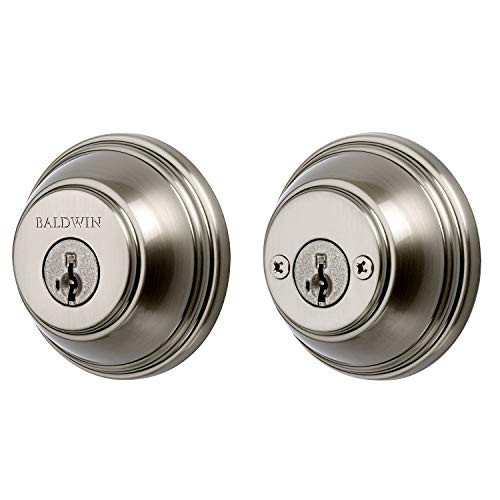
If budget is small install security strike plate door jamb reinforcement locks for even greater protection behind primary deadbolts and strike plates. A Baldwin security deadbolt strike: $12.80 – $36.00. The added horizontal bars absorb tremendous amounts of force applied by criminals trying to spread door frames open during attempted kick-ins.

Install a Home Security System

The most comprehensive protection against home break-ins comes from layered security systems tailored to your specific needs. When selecting equipment to install, the main types of home security systems to choose from are:

  1. Professionally Monitored Systems – These systems are installed by a security company, feature 24/7 professional monitoring, and alert authorities automatically in addition to the homeowner if a break-in is detected. Monthly fees apply. Equipment examples include alarm keypads, motion sensors, door/window sensors, glass break detectors, cameras and more.

  2. Self-Monitored Systems – Affordable DIY kits installed by the homeowner that connect wirelessly to a central hub. Homeowners monitor notifications and camera feeds personally via smartphone without paying monthly fees. Police must be called manually if needed. Limited to smartphone control range unless wifi enabled.

  3. Smart Home Integrated Systems – Centered around wireless smart home tech like video doorbells, security cameras, smart locks, water leak/temperature sensors and more that homeowners monitor and control themselves. Use wifi and homeowners’ existing smart devices rather than a dedicated security system hub.

  4. Unmonitored Standalone Security – Budget systems like wired/wireless driveway/door alarms, stand alone motion sensor lights, non-monitored camera systems and basic door/window sensors. Inexpensive but limited in scope.

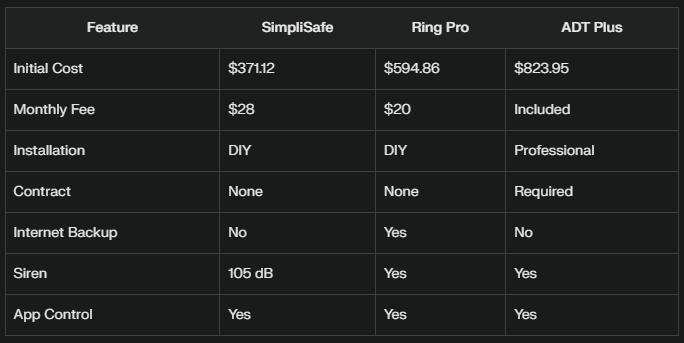
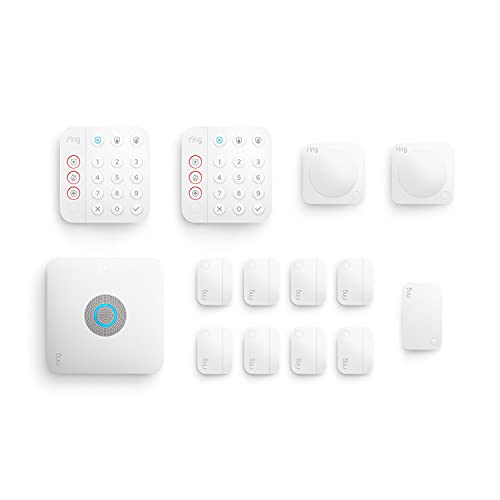
We looked at 3 home alarm systems, SimpliSafe, Ring Pro and ADT Plus and the SimpliSafe system provides strong core home security coverage with 5 entry sensors, 2 motion detectors, indoor camera, and a loud 105 dB siren to deter intruders. This allows you to secure multiple entry doors, primary windows, high-traffic interior areas, and review footage if needed – all fundamental components for robust protection.

And at only $28 per month, adding 24/7 professional monitoring completes the package for a total price of $399. That provides complete peace of mind with automatic police, fire, and emergency dispatch without requiring homeowner oversight. No long-term contract locks you into monitoring if you choose to disable it later.

Comparatively, the Ring Alarm Pro costs over $200 more at $594 when including a year of monitoring. And the ADT smart home bundle lands at a steep $823 price point.

For a comprehensive security system without unnecessary bells, whistles, and highest monthly fees, SimpliSafe with professional monitoring gives you the core components burglars avoid at the most wallet-friendly overall price.

Best Choice Scenarios

For most homeowners, SimpliSafe offers the best value proposition with its balance of features and cost. However, if internet reliability is crucial, Ring Pro’s backup capabilities make it worth the extra investment. ADT Plus is best suited for those who prefer hands-off, premium service and don’t mind the higher cost.

Comparison table of home security systems: SimpliSafe, Ring Pro, and ADT Plus with costs, fees, and features to protect against modern-day burglars and break-ins.

Choose SimpliSafe if:

  • You’re on a budget
  • Want flexibility with no contracts
  • Comfortable with DIY installation
  • Need basic but reliable protection

Choose Ring Pro if:

  • You want built-in WiFi 6 router
  • Need internet backup
  • Want lower monthly monitoring fees
  • Prefer extensive DIY customization

Choose ADT Plus if:

  • Comes with professional installation
  • Want white-glove service
  • Need comprehensive monitoring
  • Paying premium for peace of mind

What is the most common way for apartment burglary?

The most common method that burglars use to break into apartments is through the entrance door; often, in blocks, residents do not lock their doors, allowing the intruders easy entry. If you lock your front door chances for a random burglar to enter the home are reduced by 30%; 76% of all burglaries occur through doors (59% front, 33% back (balcony door))

  1. If the front door is locked burglars will attempt to pry open poorly secured entry doors or kick them open by applying repeated force. Sticking with enough persistence eventually breaks standard factory locks and door frames in apartments. Upgraded deadbolt locks and reinforcing strike places helps secure these vulnerable points.

  2. Sliding glass doors and windows that many apartments have are vulnerable. Intruders smash window panes or force sliding doors off tracks to reach inside and open standard thumb turn locks. Reinforced doors and windows along with security bar, dowels, or even just drilling screws into the track deters many break-ins.

  3. Thieves follow right behind legitimate tenants entering into supposedly secure building lobbies. Holding the door for someone without knowing if they truly belong enables access for criminals into restricted apartment sections. Refusing to allow tailgating prevents this threat.

Strengthen Your Perimeter

A detailed floor plan highlights sensor installation areas throughout the two-level house, from the back porch to doors and hallway, designed to protect against modern-day burglars and potential break-ins.

Fencing and Gates

Securing the perimeter of your property is a critical step in preventing break-ins. A sturdy, lockable fence and gate create a physical barrier that makes it harder for intruders to access your home.

Choose materials like steel or hardwood for durability, and ensure gates are equipped with strong locks. Automated gates add another layer of convenience and security, as they can be opened remotely, reducing exposure to potential threats.

Hedges and Landscaping

While trees and shrubs add aesthetic appeal, they can provide cover for burglars. Keep hedges and bushes near windows, doors, and fences trimmed to minimise hiding spots. Thorny plants like bougainvillea or roses along fences can act as a natural deterrent while enhancing the appearance of your garden. Consider planting low-maintenance options that don’t obstruct security cameras or lighting.

Securing the Garage and Shed

Garages and sheds are often overlooked but can be easy targets for intruders. These spaces may contain tools or ladders that burglars can use to break into your home. Ensure these structures are locked with high-quality padlocks or deadbolts. Install motion sensor lighting around these areas for added protection.
By fortifying your property’s perimeter, you can create an additional layer of security that discourages potential intruders before they even reach your home.

What is the most common way to break-in in a house with a garage?

If the garage door is left open, intruders can simply walk right in. If closed, they pry open the door from the bottom or forcefully lift it open. The door leading from the garage into the home is often left unlocked, granting access. Reinforced side locked doors and garage door open/close sensors help all connect to smart security cameras.

Windows on garage doors are smashed so burglars can reach inside to hit the emergency release rope on electric openers. This disengages the motor to easily lift doors manually open. Reinforcing garage door windows specifically prevents this technique.

Padlock style garage door locks as well as electronic keypad locks are compromised by expert criminals using lock picks or even bolt cutters. High security disc detainer padlocks blocks manipulation efforts. Keyless smart locks avoid bolt cutter vulnerability completely and can track if a door is left unlocked overnight; plus, it has an option to automatically lock the door with a geofencing option turned on.

Build Good Habits

Routine Security Checks

Developing consistent habits is one of the simplest yet most effective ways to prevent break-ins. Before leaving your home or going to bed, make it a habit to check that all doors, windows, and gates are securely locked. Pay special attention to areas that are often overlooked, such as second-storey windows or side doors. Regularly inspect locks and entry points to ensure they are in good working condition.

Avoiding Predictable Patterns

Intruders often observe homes to identify routines, such as when occupants leave for work or go on holiday. Vary your daily schedule whenever possible, and use measures like timers for lights and appliances to make it appear that someone is home even when the property is vacant. If you’re away for an extended period, ask a trusted neighbour to collect your mail and check on the house to avoid signs of vac

Social Media Awareness

Do not share your holidays and position or plan minute by minute on socials!

Oversharing online can unintentionally inform intruders about your absence. Avoid posting details about holidays or extended trips until you’ve returned home. Be mindful of privacy settings on social media to limit who can see your updates.

By building these good habits, you can reduce the likelihood of becoming a target and help keep your home safe from break-ins.

Want to get 3D rendering for your new house project?

Keep Your Home Safe Today!

Securing your home from break-ins doesn’t have to be complicated or overwhelming. By upgrading your locks, using outdoor security lighting, installing a reliable home security system, strengthening your perimeter, and building good habits, you can significantly enhance the safety of your property. Each of these measures is straightforward to implement and tailored to protect property effectively.

Taking proactive steps to safeguard your home not only deters potential intruders but also provides peace of mind for you and your family. Start evaluating your home’s current security and incorporate these tips today to create a safer, more secure living environment.