George is a seasoned interior designer and property marketing strategist with over 13 years of experience. He specializes in transforming properties into visually stunning spaces, helping clients recognize the potential and beauty in each property. With an impressive international client base of exciting projects throughout Europe and America.
A designer can help maximize the limited space in an RV and create a functional yet stylish interior.
A design professional understands how to work within weight limits, choose durable materials, and incorporate clever storage solutions. Designers also stay up-to-date on the latest RV trends and technologies, which can be valuable for owners looking to modernize their vehicle.
RV owners often wonder if they need a professional designer to transform their mobile home. While not always necessary, hiring a designer can bring fresh ideas and expertise to your RV makeover project. Some RV enthusiasts choose to tackle renovations themselves, using online resources and their own creativity to redesign their space.

For those on a budget or who enjoy DIY projects, designing an RV without professional help is possible. Many online resources offer tips and inspiration for RV makeovers. Some RV owners have successfully transformed vintage trailers into stunning, personalized spaces using their own vision and skills. The choice ultimately depends on your budget, time, and comfort level with taking on a redesign project.
What are most common interior designs in RV home?
RV interior design trends often mirror those found in traditional homes, but with a focus on maximizing space and functionality. As with traditional interiors, RV interiors are designed to support a certain lifestyle, fully matching the convinience of a modern home.
Here are some of the most common interior design styles found in RV homes:
1. Modern Farmhouse: This style combines rustic elements with modern touches. Think shiplap walls, barn doors, and neutral color palettes with pops of black or other accent colors.

2. Bohemian: This eclectic style is all about creating a cozy and inviting space with plenty of personality. You’ll find lots of textures, patterns, and colors, as well as natural materials like wood and rattan.

3. Minimalist: This style is perfect for small spaces, as it focuses on clean lines and uncluttered surfaces. A neutral color palette and simple furnishings create a calm and serene atmosphere.

4. Scandinavian: This style is known for its simplicity, functionality, and natural light. White walls, light wood accents, and cozy textiles create a warm and inviting space.

5. Industrial: This style features raw materials like exposed brick and metal, as well as industrial-inspired lighting and furniture. It’s a bold and edgy look that’s perfect for those who want to make a statement.
DIY approach is common
Many RV owners take a do-it-yourself approach to designing their mobile homes. This trend has gained popularity in recent years. People enjoy customizing their spaces to fit their unique needs and preferences.
DIY projects allow RV owners to save money on professional design services. They can also express their creativity and personal style. The internet provides countless resources for DIY enthusiasts.
Online forums, social media groups, and video tutorials offer guidance and inspiration. These platforms help RV owners tackle various design projects. Some common DIY tasks include:

- Painting interior walls
- Installing new flooring
- Building custom storage solutions
- Upgrading lighting fixtures
- Reupholstering furniture
RV owners often share their experiences and tips with others in the community. This exchange of ideas fosters a sense of camaraderie among DIY enthusiasts.
While the DIY approach can be rewarding, it requires time, effort, and some skill. RV owners must carefully plan their projects and consider safety regulations. They should also be prepared to troubleshoot issues that may arise during the design process.
Design services are available for RV HOMES
Professional RV designers can help create custom spaces that are both functional and attractive. They have expertise in maximizing limited square footage and choosing suitable materials for mobile living.

RV designers are experts at making the most of every inch. They use clever storage solutions like hidden compartments and multi-purpose furniture. Pull-out pantries, fold-down tables, and under-bed storage are common tricks.
Designers also plan layouts that improve flow and create a sense of openness. They may suggest removing walls or using glass partitions to let in more light. Strategic placement of mirrors can make spaces feel larger.
Smart vertical storage is key in RVs. Designers often use ceiling-mounted cabinets and tall, narrow shelving units. They might recommend stackable appliances or compact versions to save space.
What design services are available for RV homes?
RV home design services can range from simple consultations to full-scale renovations.
When choosing a designer, be sure to check their portfolio, get references, and discuss your budget upfront. This will help ensure you find the right designer for your needs and create an RV home you love.
Here are some of the most common design services available:
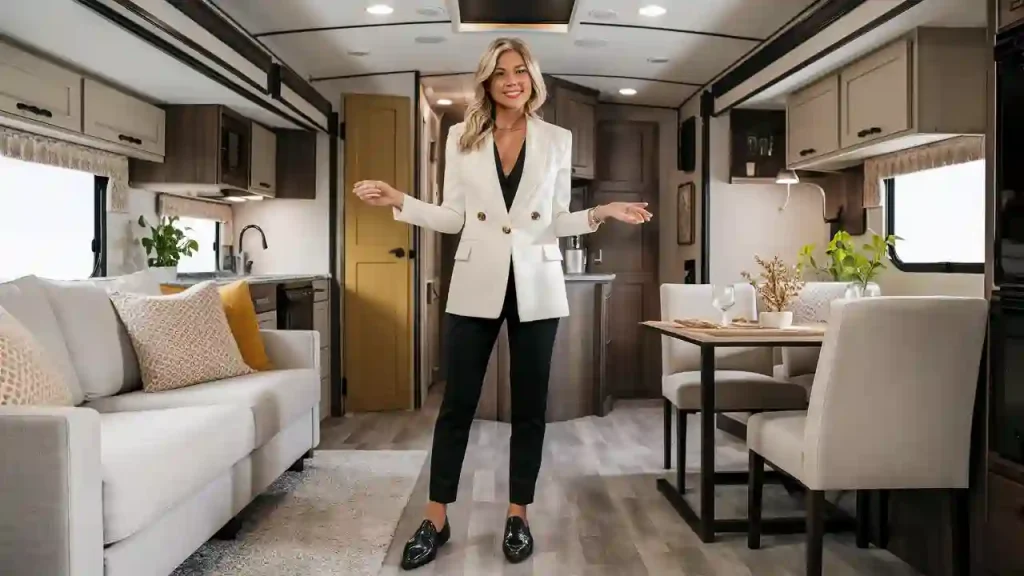
Interior Design Consultation: A professional interior designer can help you choose a design style, color scheme, and furniture layout that maximizes space and functionality in your RV. They can also offer advice on storage solutions, lighting, and decor.
E-Design: This is a more affordable option where the designer creates a design plan remotely, based on your photos and measurements. You then implement the plan yourself, with guidance from the designer.
3D Renderings: Some designers offer 3D renderings of your RV interior, allowing you to visualize the design before any changes are made. This can be helpful for making decisions and avoiding costly mistakes.
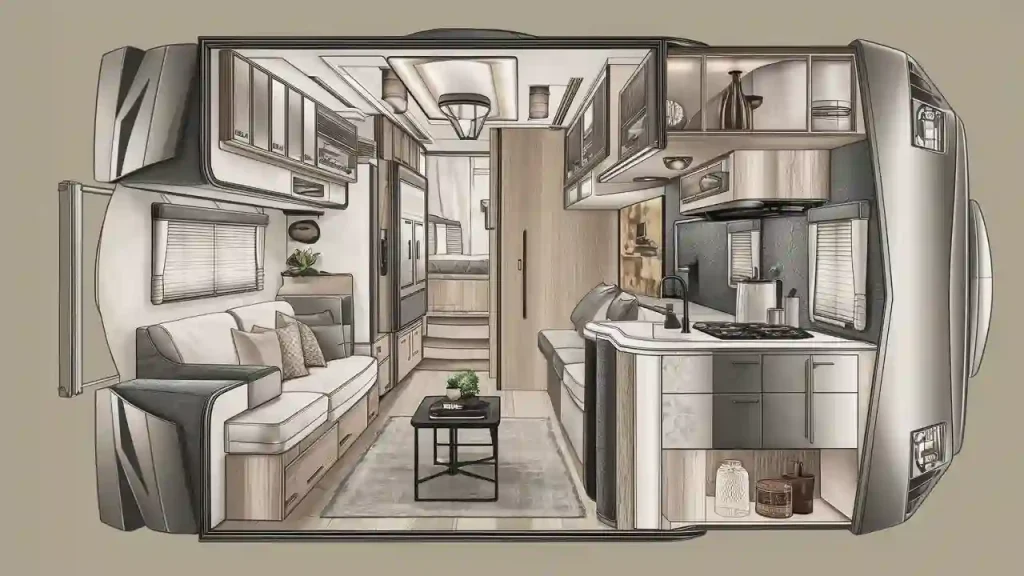
Full-Service Design and Renovation: This includes everything from design conception to project management and implementation. The designer will handle all aspects of the renovation, from sourcing materials to hiring contractors.
Custom Furniture and Cabinetry: Many RV owners opt for custom-built furniture and cabinetry to maximize space and create a unique look. Designers can help you design and source these pieces.
Retailers with Design Services: Some RV retailers, like Camping World, offer design services in addition to selling RVs and accessories. This can be a convenient option if you’re buying a new RV and want to customize the interior.
Independent Designers and Renovators: There are many independent designers and renovators who specialize in RV interiors. You can find them online or through word-of-mouth recommendations.
Custom RV builds
Custom RV builds offer a unique opportunity to create a home on wheels tailored to your specific needs and preferences. This process involves several key considerations to ensure a successful outcome. Custom RV builds are designed through a collaborative process between the RV owner and a professional designer or builder.

Your design skills play a crucial role in deciding whether to hire a professional. If you have experience in interior design or architecture, you may feel confident tackling the project yourself. Basic skills like space planning and color coordination can be helpful. For those without design background, online tutorials and resources can provide a starting point.
Consider your ability to visualize layouts and make decisions about materials and finishes. RV design requires understanding of weight distribution and space efficiency. If these aspects seem challenging, a professional designer can offer valuable expertise.
Breakdown of the typical EV design process

Initial Consultation: The owner meets with the designer to discuss their needs, preferences, and budget. This includes the desired size and layout of the RV, as well as any specific features or amenities they want.
Concept Development: The designer creates initial concept sketches and floor plans based on the owner’s input. These are then reviewed and refined together until a final design is agreed upon.
Material Selection: The owner and designer choose the materials for the interior and exterior of the RV. This includes everything from flooring and countertops to cabinetry and upholstery.
3D Modeling: Some designers use 3D modeling software to create a virtual representation of the RV. This allows the owner to visualize the design in more detail and make any necessary changes before construction begins.
Construction: The actual construction of the RV begins, with the designer overseeing the process and ensuring that the final product meets the owner’s expectations.
Final Walk-Through: Once the RV is complete, the owner does a final walk-through with the designer to inspect the finished product and address any concerns.
Some of the key factors considered during the design process include:
Functionality: The design should prioritize the functionality of the RV, ensuring that it meets the owner’s needs for living, sleeping, cooking, and storage.
Space Optimization: RV space is limited, so the design should maximize every inch of available space with clever storage solutions and multifunctional furniture.
Aesthetics: The design should reflect the owner’s personal style and create a comfortable and inviting living space.
Budget: The design should be realistic and achievable within the owner’s budget constraints.
Some RV retailers also offer customization options, allowing you to tailor a production model to your specific needs and preferences. These options may include:
Floorplan modifications: Changing the layout of the interior to better suit your lifestyle.
Cabinetry and furniture upgrades: Choosing different materials, finishes, and styles for your cabinets and furniture.
Appliance and technology upgrades: Adding features like solar panels, inverters, and smart home technology.
Exterior customization: Selecting different paint colors, graphics, and awnings.
The cost of a custom RV build can vary greatly depending on the size, complexity, and materials used. It can range from tens of thousands of dollars for a simple van conversion to hundreds of thousands of dollars for a luxury motorhome.
Many companies specialize in custom RV builds, such as Vanlife Customs, Divine On The Road, New Horizons RV, Sportsmobile, Outside Van, Marathon Coach, Advanced RV and Vanlife Customs. Some RV retailers also offer customization options. The cost of a custom RV build can vary greatly depending on the size, complexity, and materials used.
Understanding the Scope of Your Project
Clearly define your project’s scope before starting. This includes:
- Size and type of RV (Class A, B, C, or trailer)
- Layout preferences
- Required amenities
- Desired materials and finishes
- Electrical and plumbing needs
A detailed plan helps avoid scope creep and budget overruns. Break the project into manageable phases. This approach allows for better organization and progress tracking.
Cost Considerations
Custom RV builds can vary widely in cost. Factors affecting price include size and quality mostly:
- Size of the RV
- Quality of materials
- Complexity of systems (electrical, plumbing, etc.)
- Labor costs (if hiring professionals)
Budget for unexpected expenses and plan for a contingency fund of 10-20% of the total project cost. DIY builds can save money on labor but may take longer to complete.
Here’s a general estimate of potential costs for different levels of RV interior redesign:
Budget-friendly refresh (DIY): $500-$2,000
- Painting cabinets and walls
- Replacing hardware and fixtures
- Adding new curtains, throw pillows, and decor
- Reupholstering existing furniture
Moderate renovation (DIY or with some professional help): $2,000-$10,000
- Replacing flooring or countertops
- Upgrading appliances
- Adding new lighting fixtures
- Installing custom storage solutions
High-end renovation (professional): $10,000+
- Complete gut renovation with new cabinetry and furniture
- Major plumbing or electrical upgrades
- Custom-built features and high-end finishes
Compare costs of custom builds to pre-made RVs. In some cases, customization might be more cost-effective for high-end features. Research financing options if needed, as custom builds may have different loan requirements than standard RVs.
Saving money on RV Home redesigns
Keep in mind that these are just rough estimates. It’s always best to get quotes from multiple designers and contractors to get a more accurate idea of the cost for your specific project.
Here are some tips for saving money on your RV interior redesign:
Prioritize: Focus on the areas that will have the biggest impact on your enjoyment of the space.
Shop around for materials: Compare prices from different retailers and look for sales and discounts.
Consider used or repurposed items: You can find great deals on furniture and decor at thrift stores, consignment shops, and online marketplaces.
Do as much DIY as possible: If you’re handy, tackle some of the smaller projects yourself to save on labor costs.
Cost-effective alternatives
Many RV owners find creative ways to enhance their spaces without hiring a designer. DIY projects can transform an RV interior on a budget. Painting cabinets, adding removable wallpaper, or installing new hardware are simple upgrades.
Thrift stores and online marketplaces offer affordable decor options. Second-hand furniture can be refurbished to fit RV spaces. Some owners repurpose household items for storage solutions.
Online resources provide free design inspiration. RV forums, social media groups, and video tutorials share budget-friendly ideas. These platforms allow owners to learn from others’ experiences.
Some RV dealerships provide basic design consultations with purchases. This service can offer initial guidance without the cost of a full-time designer. Owners can then implement suggestions gradually as budget allows.
Renovation considerations
Choosing a designer for your RV renovation requires careful thought. Key factors include specialized expertise, past work examples, and budget alignment.
RV-Specific Design Experience
Designers with RV-specific knowledge are best suited for these projects. They understand the unique challenges of small spaces and mobile living. RV designers know about weight limits, road safety rules, and clever storage solutions. They can suggest materials that withstand movement and temperature changes. Look for professionals who have worked on similar RVs to yours. Ask about their familiarity with RV systems like plumbing and electrical.
Reviewing Portfolios and References
Check potential designers’ past work. Look for before and after photos of RV renovations. Pay attention to styles that match your vision. Ask for client references and contact them. Find out if projects were finished on time and within budget. Ask about the designer’s communication style and ability to solve problems. A good portfolio shows creativity and practical solutions for RV living.
Key Design Elements for RV Homes
RV homes require smart design choices to maximize comfort and functionality in a compact space. The right elements can transform a small mobile home into a cozy and efficient living area.
Space-Saving Solutions
RV homes need clever storage options to make the most of limited space. Built-in cabinets and shelves help keep items organized and out of sight. Foldable furniture, like Murphy beds or drop-leaf tables, can be tucked away when not in use. Multi-purpose items, such as ottomans with hidden storage, serve dual functions.
Vertical space is key in RVs. Wall-mounted hooks and racks can hold items like coats, keys, and kitchen utensils. Sliding doors save floor space compared to swinging doors. Under-bed storage boxes make use of often wasted areas.
Materials and Durability
RV homes face unique challenges due to movement and changing weather. Lightweight materials help with fuel efficiency but must be sturdy. Vinyl flooring is a good choice for its durability and ease of cleaning.
Countertops should be made of materials that can handle vibrations, like laminate or solid surface options. Fabrics for furniture and curtains need to be tough and stain-resistant. Velcro or snap fasteners can secure items during travel.
RV-specific appliances are designed to withstand road vibrations and use less power. They often have safety features for use while driving.
Lighting and Color Schemes
Good lighting is crucial in small RV spaces. LED lights are energy-efficient and don’t produce much heat. Task lighting in kitchens and work areas improves functionality. Dimmable lights allow for mood setting and energy saving.
Light colors make spaces feel bigger and brighter. White or pale shades on walls reflect light and open up the area. Pops of color in accessories can add personality without overwhelming the space.
Large windows or skylights bring in natural light and create a connection to the outdoors. Mirrors can be used to reflect light and create the illusion of more space in an RV home.