Homeowners Associations (HOAs) are organizations established within communities to manage shared spaces and enforce community rules. They are often seen as a necessary part of maintaining property values and ensuring neighborhood standards. However, it’s no secret that many people find homeowners associations and the boards that govern them in private communities annoying. There are so many HOA horror stories that highlight the challenges and controversies surrounding these organizations.
This section will provide an overview of what HOAs are, their purpose, and the common perceptions and controversies they face. The blog will delve into various aspects of HOAs, exploring their power, structure, amenities, benefits, and the criticisms they often encounter.
Want to get 3D rendering for your residential project?

George is a seasoned interior designer and property marketing strategist with over 13 years of experience. He specializes in transforming properties into visually stunning spaces, helping clients recognize the potential and beauty in each property. With an impressive international client base of exciting projects throughout Europe and America.
HOA Secrets of Great Management
George Nicola (Expert Interior Designer from TALLBOX) shares:
Find the Right Property Manager: A skilled property manager can be invaluable, handling day-to-day tasks, enforcing rules, and advising the board. Choose a company with a strong track record and a management style that aligns with your community’s needs.
Embrace Technology: Utilize online tools for communication, payments, and document management. This streamlines operations and improves efficiency.
Focus on Preventative Maintenance: Regular upkeep of common areas and infrastructure prevents costly repairs down the road and keeps the community looking its best.
Cultivate a Sense of Community: Organize social events, encourage resident participation, and foster a welcoming atmosphere. A strong community is more likely to support the HOA and its decisions.
Be Proactive, Not Reactive: Address potential problems early on, whether it’s a maintenance issue or a resident concern. Don’t wait for situations to escalate.

How does HOA management work?
Homeowners Association (HOA) management involves the governance and maintenance of a residential community by an organized group, aiming to enhance property values and quality of life for its members, especially as neighborhoods expand.
Formation of the HOA:
- Developers Initiate: Typically, a property developer establishes the HOA during the development phase of a community.
- Transition to Residents: Control is gradually transferred to the homeowners as the community becomes established.
Governing Documents:
- Covenants, Conditions, and Restrictions (CC&Rs): These legal documents outline the rules, regulations, and guidelines for property use and community conduct.
- Bylaws and Articles of Incorporation: Define the HOA’s structure, election processes, and operational procedures.
HOA Board of Directors:
- Elected Members: Homeowners elect a board to represent their interests.
- Responsibilities: The board enforces rules, manages finances, oversees maintenance, and makes decisions on behalf of the community.
HOA Fees and Budgeting:
- Assessment of Dues: Homeowners pay regular dues to fund the HOA’s activities.
- Budget Allocation: Funds are allocated for maintenance, repairs, amenities, insurance, and reserve funds for future projects.
Building a strong financial foundation is critical for any successful HOA. The board is responsible for managing association funds, which cover everything from landscaping and maintenance to insurance and emergency reserves. It’s essential to create a realistic budget that accounts for both expected and unforeseen expenses. Regularly reviewing financial reports and ensuring that funds are allocated appropriately helps avoid potential financial shortfalls.
Maintenance and Services:
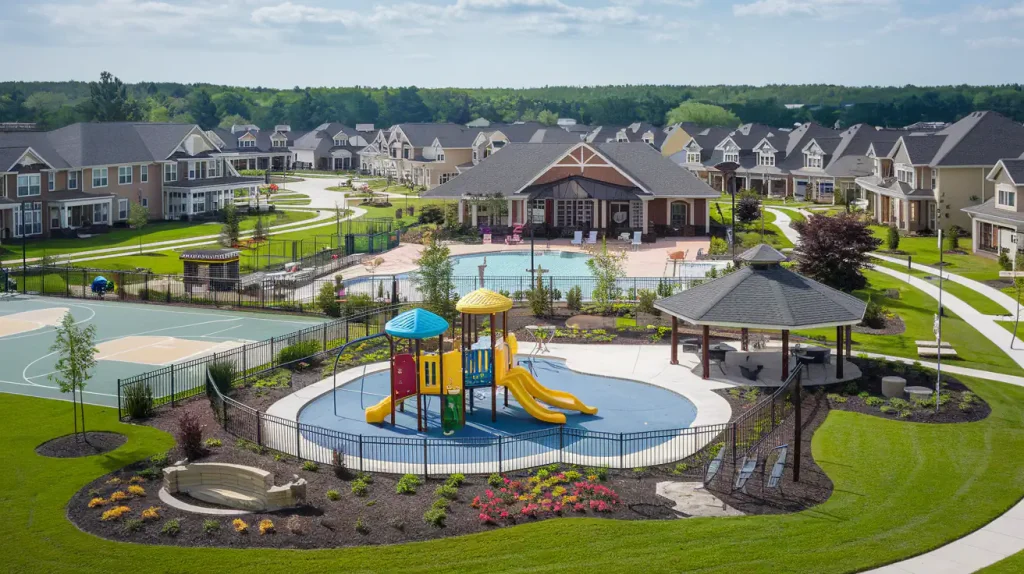
- Common Areas: The HOA maintains shared spaces like parks, swimming pools, landscaping, and community centers.
- Service Contracts: May hire vendors for services like trash removal, security, and landscaping.
Rule Enforcement:
- Community Standards: The HOA enforces rules to maintain the community’s appearance and harmony.
- Violation Process: Notices are sent for non-compliance, and fines or other penalties may be imposed if issues aren’t resolved.
Professional Management:
- Management Companies: Many HOAs hire professional firms to handle daily operations, administrative tasks, and financial management.
- Role of Managers: They act under the board’s direction to execute policies and manage vendors.
Meetings and Communication:
- Regular Meetings: The board holds meetings to discuss issues, with annual meetings for the general membership.
- Transparency: Meeting minutes, financial reports, and updates are shared with homeowners.
Dispute Resolution:
- Internal Processes: The HOA provides mechanisms to address homeowner concerns and disputes.
- Legal Actions: In severe cases, legal action may be taken to enforce rules or collect unpaid dues.
Legal Compliance:
- State and Local Laws: HOAs must adhere to specific laws governing associations.
- Fair Practices: Ensure non-discriminatory practices and fair treatment of all members.
Community Building:
- Events and Programs: Organizing social events, workshops, and committees to foster community spirit.
- Feedback and Participation: Encouraging homeowner involvement in decisions and activities.
HOA Rules that must not be neglected
Consistent Enforcement: Enforce CC&Rs fairly and consistently across all residents. This builds trust and prevents accusations of favoritism.
Transparency in Finances: Maintain open and accurate financial records. Provide regular reports to residents and be prepared to answer questions about how funds are being used.
Follow Open Meeting Laws: Adhere to state laws regarding open meetings and resident participation. This ensures transparency and accountability.
Regularly Review and Update Governing.
Documents: Keep CC&Rs up-to-date and relevant to the community’s needs. Amendments should be made with resident input.
Prioritize Resident Well-being: Remember that the HOA’s primary goal is to enhance the quality of life for all residents. Decisions should be made with their best interests in mind.

The Power and Structure of HOAs
Homeowners Associations (HOAs) wield significant power within their communities, often functioning similarly to local governments. Although technically classified as nonprofits, HOAs possess many of the same powers as municipal authorities. When residents move into a neighborhood governed by an HOA, they automatically become members and cannot opt out, even if they choose not to use certain amenities like the community pool.
Membership in an HOA comes with financial obligations in the form of dues, which are akin to an additional tax. On average, these dues amount to approximately $260 per month nationwide, and the HOA has the authority to increase these fees as they see fit.
The power of HOAs is further reinforced through codes, covenants, and restrictions (CC&Rs). These hyper-local regulations form the foundation of the HOA’s authority, dictating various aspects of community living and maintaining the neighborhood’s standards.
HOA Amenities and Benefits
Homeowners Associations (HOAs) are designed to enhance the living experience of their residents by providing a range of amenities and services. These amenities are typically funded by the dues collected from residents and are intended for their exclusive use.
Common Amenities Provided by HOAs
According to a recent survey, the most common amenities offered by HOAs include landscaping, which is often prioritized as it involves land owned in common by HOA members. Additionally, many HOA neighborhoods feature private streets, making sidewalk maintenance a logical inclusion. Other popular amenities include swimming pools, playgrounds, fitness centers, and security services.
Impact on Property Values
The presence of well-maintained amenities can significantly impact property values within an HOA. These features not only enhance the aesthetic appeal of the neighborhood but also provide practical benefits that can make properties more attractive to potential buyers.
Resident Satisfaction and Perceptions
Amenities provided by HOAs contribute to resident satisfaction by offering convenient and enjoyable facilities. The availability of such amenities can improve the overall perception of the neighborhood, fostering a sense of community and enhancing the quality of life for residents.
Controversies and Criticisms of HOAs

Homeowners Associations (HOAs) are often seen as a form of private governance that can address the needs of residents more effectively than traditional municipal governments. Proponents argue that local control is beneficial, positioning HOAs as a positive step. However, there are significant criticisms and controversies surrounding their operations.
One major criticism is the extent of power HOAs hold, particularly in regulating speech. Unlike local governments, which derive their authority from the police power of the Tenth Amendment, HOAs operate under contract law. This allows them to impose restrictions that might not be permissible for municipal governments.
Voting rights within HOAs also raise concerns. The principle of “one person, one vote” is not always upheld. Renters are typically excluded from voting in HOA elections, with only property owners having a say. Furthermore, some HOAs permit individuals with multiple properties to cast multiple votes, although many have restrictions to limit this practice.
These governance issues highlight broader socioeconomic implications and urban impacts, as HOAs can influence community dynamics and access to resources.
What are hoa management services?
HOA management services refer to professional services provided by third-party management companies or firms to assist homeowners associations (HOAs) in the effective administration and operation of their communities. HOAs are organizations within residential areas—such as condominiums, townhouses, or single-family home developments—that establish and enforce rules for the properties and residents. Managing an HOA can be complex and time-consuming, so many associations hire external management companies to handle various tasks.

The services provided by HOA management companies can be flexible and customized based on what the board wishes to delegate. Some responsibilities they can handle include:
- Managing the HOA’s budget, bookkeeping, and preparing financial reports.
- Collecting member fees, issuing notices, tracking down payments, and charging late fees.
- Processing maintenance requests from members.
- Maintaining common areas such as pools, playgrounds, and tennis courts.
- Arranging for services like snow removal, garbage collection, and lawn mowing.
- Managing relationships with vendors.
- Offering guidance to the board on financial, insurance-related, and legal matters.
- Managing large-scale projects.
- Enforcing rules and regulations established by the board.
- Managing the administrative tasks of the board, including booking meetings and sending out agendas.
- Communicating with members and resolving member conflicts.
HOA management companies can significantly reduce the workload of board members, allowing them to focus on their primary duties such as setting the annual budget, maintaining a reserve fund, approving expenses, reviewing and approving maintenance requests, and creating policies, rules, and regulations.
The decision to bring on an HOA management company depends on the HOA’s specific needs and the board’s capacity to handle tasks. Typically, boards may consider hiring a management company when they lack a board member with financial, insurance, or legal expertise, need help enforcing policies or facing dissatisfaction from members.
The people at Lifetime HOA management state that communication is key when addressing concerns or complaints from homeowners.
Having a clear process in place for handling issues and providing timely responses can help build trust between the board and the community. Engaging with residents in a respectful and transparent manner fosters a sense of community and encourages homeowners to participate more actively in HOA activities.
HOA management companies usually charge a monthly fee, which can vary based on the size of the HOA or a percentage of the member fee. To find a suitable HOA management company, boards can conduct a local search or use online tools that list companies in their area.
What are the expectations of residential property management?
Residential property management involves overseeing and managing residential properties on behalf of property owners. Property managers serve as the liaison between landlords and tenants, ensuring that properties are well-maintained, tenants are satisfied, and the property remains a profitable investment. Here are the key expectations of residential property management:
Tenant Acquisition and Retention:
- Marketing and Advertising: Effectively market the property to attract quality tenants using online listings, signage, and networking.
- Tenant Screening: Conduct thorough background checks, including credit history, employment verification, and references, to select reliable tenants.
- Lease Agreements: Prepare legally compliant lease contracts that protect the interests of both the owner and tenants.
- Tenant Relations: Maintain positive relationships with tenants to encourage lease renewals and long-term occupancy.
Rent Collection and Financial Management:
- Timely Rent Collection: Ensure rent is collected on schedule and handle late payments professionally.
- Financial Reporting: Provide regular financial statements to owners, detailing income, expenses, and net profits.
- Budget Management: Develop and manage budgets for property expenses and plan for future investments or repairs.
- Security Deposits: Properly manage security deposits in accordance with legal requirements.
Property Maintenance and Repairs:
- Routine Maintenance: Schedule regular upkeep such as landscaping, cleaning, and system inspections to keep the property in optimal condition.
- Emergency Repairs: Respond promptly to urgent repair requests to minimize damage and ensure tenant safety.
- Vendor Management: Coordinate with reliable contractors and service providers for maintenance and repairs.
- Property Inspections: Conduct regular inspections to identify and address potential issues proactively.
Legal Compliance and Risk Management:
- Knowledge of Laws: Stay updated on federal, state, and local regulations regarding rental properties, including fair housing laws and safety codes.
- Lease Enforcement: Enforce lease terms consistently, addressing violations appropriately.
- Evictions: Handle eviction processes legally and sensitively when necessary.
- Insurance and Liability: Ensure appropriate insurance coverage is maintained to protect the property and owner.
Administrative Duties:
- Record-Keeping: Maintain accurate records of all transactions, communications, and documentation.
- Communication: Serve as the primary point of contact for tenants and owners, ensuring clear and timely communication.
- Technology Utilization: Use property management software to streamline operations and enhance efficiency.
Maximizing Property Value:
- Market Analysis: Regularly assess market conditions to set competitive rental rates.
- Property Improvements: Recommend and oversee upgrades or renovations that could increase property value and appeal.
- Occupancy Rates: Work to minimize vacancy periods through effective marketing and tenant retention strategies.
Customer Service:
- Responsiveness: Address tenant inquiries and concerns promptly to maintain satisfaction.
- Professionalism: Interact respectfully and courteously with tenants, owners, and service providers.
- Conflict Resolution: Mediate disputes and resolve issues effectively to maintain a harmonious living environment.
Owner Reporting and Communication:
- Regular Updates: Keep property owners informed about property performance, tenant issues, and market trends.
- Consultation: Offer expert advice on property management strategies and potential improvements.
Ethical Standards and Integrity:
- Transparency: Conduct business dealings honestly and openly.
- Confidentiality: Protect sensitive information related to tenants and property owners.
- Fair Practices: Treat all tenants and applicants equitably, adhering to non-discrimination policies.
Adaptability and Continuous Improvement:
- Stay Informed: Keep abreast of industry changes, technological advancements, and best practices.
- Professional Development: Engage in ongoing training and education to enhance management skills.
Key Takeaways:
For Property Owners: Expect the property manager to efficiently handle daily operations, maintain the property’s condition, ensure compliance with laws, and work towards maximizing return on investment.
For Tenants: Expect a well-maintained property, responsive management, fair treatment, and clear communication regarding their tenancy.
Overall Goal: Achieve a balanced relationship where property owners have peace of mind about their investment, and tenants enjoy a positive living experience.
Is community management hoa possible?
Yes, community management by HOA is possible and often effective for maintaining a well-functioning community. In fact, HOA management companies can be an invaluable resource for many homeowners associations. However, as with any service, there can be challenges or issues when working with an HOA management company. Some typical problems include frequent changes in management staff, poor communication, inadequate bookkeeping, low-quality vendor services, and lack of professional guidance on legal matters.
The success of any HOA management company depends on their ability to provide personalized, efficient, and transparent services to the community they serve.
How to file complaint against hoa management company?
Experiencing issues with your Homeowners Association (HOA) management company can be frustrating and impactful on your quality of life. If you believe the management company is not fulfilling its duties, violating regulations, or acting unethically, there are steps you can take to file a complaint and seek resolution.
Here’s a comprehensive guide to help you navigate filing a complaint procedure against HOA:
Review Your HOA Governing Documents
Before taking action, familiarize yourself with the following:
- Covenants, Conditions, and Restrictions (CC&Rs): These documents outline the rules and obligations of the HOA and its management company.
- Bylaws: Detail the HOA’s internal governance structure and procedures.
- Rules and Regulations: Additional guidelines that govern the community.
Why This Matters: Understanding these documents helps you determine if the management company has violated specific provisions or failed to meet their responsibilities.
Document All Issues Thoroughly
- Record Keeping: Keep detailed records of all issues, including dates, times, descriptions, and the people involved.
- Correspondence: Save all emails, letters, and notes from phone conversations with the management company and HOA board.
- Evidence Collection: Gather photographs, invoices, or any tangible proof of the problems you’re encountering.
Pro Tip: Organized documentation strengthens your case and provides clear evidence of the issues.
Communicate Directly with the HOA Management Company
Formal Complaint Letter:
- Structure: Write a clear, concise letter outlining your concerns.
- Content: Reference specific incidents, violations of governing documents, and any previous attempts to resolve the issue.
- Tone: Maintain a professional and respectful tone.
Delivery: Send the letter via certified mail or email with a read receipt to ensure it’s received.
Request Action: Clearly state the resolution you’re seeking and a reasonable timeframe for a response.
Why This Matters: Direct communication can sometimes resolve issues without further escalation.
Contact Your HOA Board of Directors
If the management company’s response is unsatisfactory:
- Address the Board: Submit a written complaint to the HOA board, as they oversee the management company’s performance.
- Meeting Attendance: Request to present your concerns at the next board meeting.
- Collective Action: If other homeowners share your concerns, consider addressing the board collectively.
Note: The board has the authority to hold the management company accountable or consider alternative management options.
Follow the HOA’s Formal Complaint Procedures
- Procedure Review: Check if your HOA has established processes for filing complaints.
- Compliance: Adhere strictly to these procedures to ensure your complaint is formally acknowledged.
- Timelines: Be mindful of any specified timelines for submitting complaints.
Benefit: Following official channels demonstrates your commitment to resolving the issue appropriately.
Engage with a Community or Homeowners Committee
- Form a Committee: If permitted, form a committee dedicated to addressing management issues.
- Unified Voice: A collective approach can be more effective in prompting action from the board or management company.
- Share Information: Communicate with other homeowners to gather broader insights and support.
Reminder: Ensure all activities comply with HOA policies and governing documents.
File a Complaint with State Regulatory Agencies
Identify the Appropriate Agency: Depending on your state, this could be:
- State Real Estate Commission
- Department of Consumer Affairs
- State’s HOA Ombudsman Office
Submission Guidelines: Follow the agency’s specific procedures for filing a complaint.
Provide Evidence: Include all relevant documentation and a detailed account of the issues.
Consideration: Regulatory agencies can investigate and take action against management companies that violate laws or regulations.
Consult Legal Counsel
Seek Legal Advice: An attorney experienced in HOA law can:
- Evaluate Your Case: Determine the strength of your claims.
- Advise on Legal Rights: Clarify your rights and the management company’s obligations.
- Assist with Communication: Draft formal letters or represent you in discussions.
Legal Action: They can guide you on the feasibility and process of legal proceedings if necessary.
Warning: Legal action can be time-consuming and costly; consider it after other avenues have been explored.
Consider Mediation or Arbitration
Alternative Dispute Resolution (ADR):
- Mediation: A neutral third party helps facilitate a mutually acceptable resolution.
- Arbitration: A binding decision is made by an arbitrator after hearing both sides.
Benefits of ADR:
- Cost-Effective: Generally less expensive than litigation.
- Time-Saving: Can lead to quicker resolutions.
- Confidential: Keeps disputes private.
Action: Check if your HOA governing documents require ADR before pursuing litigation.
Report to the Better Business Bureau (BBB)
File a Complaint:
- Online Submission: Use the BBB’s online platform to file your complaint.
- Provide Details: Clearly explain the issues and desired outcomes.
Public Record: Complaints are recorded and can affect the management company’s reputation.
Impact: While the BBB cannot enforce action, companies often respond to protect their public image.
Utilize Online Reviews and Community Platforms Responsibly
Share Your Experience:
- Review Sites: Post factual reviews on platforms like Yelp or Google Reviews.
- Community Forums: Engage in discussions on community or social media groups.
Be Cautious:
- Stay Truthful: Only post verifiable facts to avoid defamation claims.
- Privacy Considerations: Respect the privacy of individuals; avoid sharing personal information.
Benefit: Public feedback can pressure the management company to address grievances.
Stay Informed About State and Local Laws
Research Laws:
- HOA Regulations: Understand state statutes governing HOAs and management companies.
- Homeowner Rights: Be aware of protections and obligations under the law.
Education: Attend workshops or seminars on HOA governance if available.
Resource: State government websites often provide valuable information and resources.
Filing a complaint against an HOA management company involves understanding your rights, diligently documenting issues, and following proper procedures. By taking a systematic approach and utilizing the resources available to you—including direct communication, engaging with the HOA board, involving regulatory agencies, and seeking legal counsel—you can effectively address and resolve your concerns.
Disclaimer: This guide provides general information and is not a substitute for professional legal advice. Laws and procedures may vary by state and specific circumstances. Consult a qualified attorney for advice pertaining to your particular situation.
What are 7 typical problems with HOA management companies?
HOA management companies can sometimes create more problems than they solve.
The most common issue is the revolving door of HOA managers, which means constantly getting a new person up to speed in your community. This disrupts progress and can be a sign of deeper problems within the management company itself.
Your management company should be a responsive partner. Unreturned calls, emails, or a general lack of updates are unacceptable and hinder the HOA’s ability to function and it’s the second most common problem.
While the vendors themselves are responsible for their work, a pattern of poor service often points to inadequate vetting by the management company. This could even indicate questionable dealings with vendors.
A major reason to hire a manager is their bookkeeping expertise. If the company is cutting corners in this area, or lacks a dedicated bookkeeper, it puts the HOA’s financial health at serious risk.
HOA managers deal with many personalities, but that’s no excuse for rudeness towards residents. This only exacerbates conflicts and reflects poorly on the HOA as a whole.
Whether it’s homeowner complaints or maintenance requests, delays create tension and frustration. This often stems from a disorganized or overwhelmed management company unable to handle its workload.
HOAs rely on management companies for their expertise, particularly when it comes to complex legal matters. If a company can’t provide this vital support, the HOA is left adrift and vulnerable to costly mistakes.
Want to get 3D rendering for your commercial project?