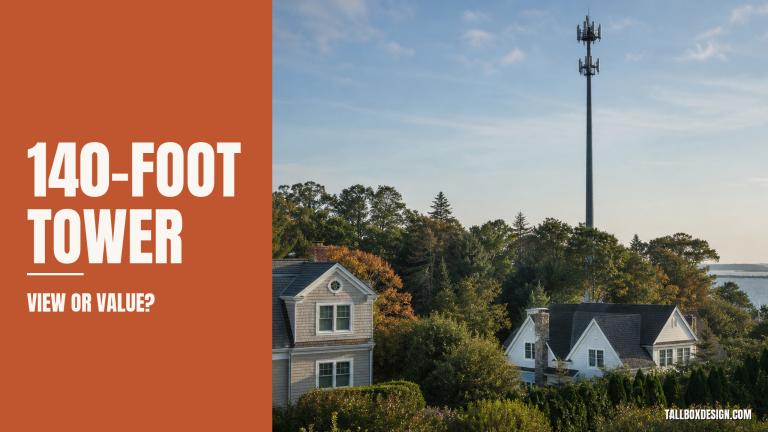
One benefit of HOAs is that they help maintain community appearance and property value. By enforcing neighborhood rules, they ensure a consistent and attractive environment, which can support or increase home values over time. Another advantage is access to shared amenities. HOAs often manage and maintain facilities such as pools, parks, and clubhouses, allowing residents to enjoy features they might not be able to afford on their own. A third benefit is that HOAs promote neighborhood safety and order. They may implement security measures, enforce regulations, and help resolve disputes, creating a more organized and secure community.
On the other hand, HOAs have some drawbacks. One concern is the requirement to pay regular dues, which can be costly and may increase without much notice to cover maintenance or unexpected costs. Another issue is the restrictive nature of HOA rules. These can govern home appearance, renovation plans, and personal lifestyle choices, which some residents may find overly controlling. Finally, there is the potential for disputes and mismanagement. Conflicts between residents and HOA boards may arise, especially if the board is perceived as inefficient or unfair in its decision-making.
Want to get 3D rendering for your house project?

George is a seasoned interior designer and property marketing strategist with over 13 years of experience. He specializes in transforming properties into visually stunning spaces, helping clients recognize the potential and beauty in each property. With an impressive international client base of exciting projects throughout Europe and America.
HOA Secrets of Great Management
George Nicola (Expert Interior Designer from TALLBOX) shares: One of the key strategies for communities is to amend their covenants to limit the influence of institutional investors. By ensuring that no more than ten percent of a neighborhood can be rental properties, communities can prevent investors from gaining excessive control. This is crucial because if an investor owns a significant portion of the homes, they can dominate voting and influence neighborhood policies, potentially leading to less maintenance and lower property values.
Balancing the power between Homeowners Associations (HOAs) and residents is a growing concern across many states. The need for effective legislation is evident, as more areas recognize the importance of regulating HOA influence. Texas, for instance, is often cited as having a progressive approach to HOA legislation, aiming to create a fair balance between the authority of HOAs and the rights of homeowners.
HOAs can play a protective role by safeguarding neighborhoods from such investor dominance. By implementing amendments that restrict the number of rental properties, communities can maintain a higher standard of living and ensure that homeowners retain control over their neighborhood’s future.
This section will provide an overview of the explored public sentiment about HOAs, their role and purpose, and outline the topics that will be discussed in further detail throughout this article.

What role HOA plays in a Neighborhoods?
Homeowners Associations (HOAs) play a crucial role in maintaining the integrity and value of neighborhoods. One of their primary functions is to regulate the balance between owner-occupied homes and rental properties. This balance is essential because it can significantly impact the community’s character and property values.
HOAs can serve as a defense against the growing trend of institutional investors purchasing affordable homes, such as the typical three-bedroom, two-bath properties. These investors often aim to convert these homes into rental properties, which can alter the neighborhood’s dynamics. By enforcing bylaws that limit the percentage of homes that can be rented, HOAs help preserve the community’s stability.
Residents are encouraged to review and, if necessary, amend their HOA bylaws to ensure they are relevant to current market conditions. This proactive approach can prevent neighborhoods from becoming dominated by rental properties, which might otherwise become attractive targets for institutional investors.
The involvement of HOAs in regulating rental properties not only protects the neighborhood’s aesthetic and social fabric but also safeguards property values. By maintaining a cap on rental properties, HOAs help ensure that neighborhoods remain vibrant and desirable places to live.
Does HOA have Legislation and Community Control?
Balancing the power between Homeowners Associations (HOAs) and residents is a growing concern across many states. The need for effective legislation is evident, as more areas recognize the importance of regulating HOA influence. Texas, for instance, is often cited as having a progressive approach to HOA legislation, aiming to create a fair balance between the authority of HOAs and the rights of homeowners.
One of the key strategies for communities is to amend their covenants to limit the influence of institutional investors. By ensuring that no more than ten percent of a neighborhood can be rental properties, communities can prevent investors from gaining excessive control. This is crucial because if an investor owns a significant portion of the homes, they can dominate voting and influence neighborhood policies, potentially leading to less maintenance and lower property values.
HOAs can play a protective role by safeguarding neighborhoods from such investor dominance. By implementing amendments that restrict the number of rental properties, communities can maintain a higher standard of living and ensure that homeowners retain control over their neighborhood’s future.
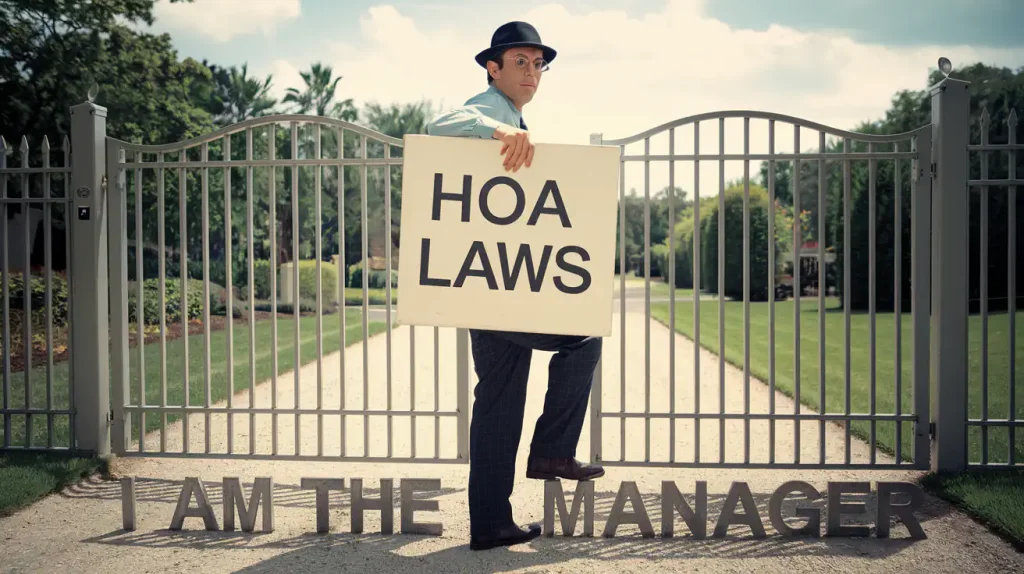
HOAs can create Foreclosure Risks and Resident Vulnerability
Homeowners associations (HOAs) have the authority to foreclose on properties when residents fail to pay their dues. This can lead to severe consequences for homeowners who may not be aware of the risks involved. When dues are unpaid, fines accumulate, and the HOA can file a lien against the property. This lien can result in two potential outcomes:
- The HOA may wait until the property is sold, at which point they will collect the owed dues from the sale proceeds.
- Alternatively, the HOA can proceed with foreclosure, purchasing the home for a fraction of its value.
Instances have occurred where homeowners lost their homes due to unpaid dues amounting to as little as $1,500. Management companies, often in charge of HOAs, can buy these homes for minimal amounts, leaving former homeowners without recourse.
The legal process to contest such foreclosures is lengthy and costly. Many residents, already struggling to pay their dues, cannot afford legal representation to reclaim their homes. This imbalance of power heavily favors HOAs and management companies, often leaving vulnerable homeowners at a disadvantage.
Who establishes a HOA?
Homeowners associations (HOAs) are often initially established by home builders who meticulously draft the rules and regulations governing the community. These rules can dictate various aspects of property maintenance, such as the number of trees or bushes allowed, grass height, and permissible plant types. Builders set these guidelines, and new homeowners, eager to finalize their purchase, often sign the documents without thoroughly reviewing these stipulations.
Once the development is complete, builders typically transfer control of the HOA to a management company, effectively stepping away from direct involvement. This transition marks a shift in governance, where elected neighborhood officials form a board, but the management company handles the day-to-day operations.
At this stage, residents gain the opportunity to modify existing rules and even change management companies if desired. This flexibility allows communities to adapt regulations to better suit their needs. In some cases, builders retain control by keeping a property unsold, ensuring they maintain influence over the HOA.
HOAs Legal and Governance Challenges

Homeowners associations (HOAs) often operate with significant control over the communities they govern, leading to various legal and governance challenges.
Recent incidents, such as the arrest of Lyndon Baldwin in South Fulton for allegedly stealing insurance money from condo owners, highlight the potential for misuse of power within these organizations. Similarly, in Miami Dade, the arrest of current and former board members for theft from the homeowners association underscores the vulnerabilities in HOA governance.
HOAs Nightmare stories
The Staten Island Sentence: Joseph Riccardi faces jail time in Rikers Island because he can’t afford to fix an illegal addition made by the previous owner of his condo, highlighting the extreme consequences of HOA disputes.
The Garage Door Inquisition: A homeowner received a violation for keeping their garage door closed, as the HOA demands all garage doors remain open from 8 am to 4 pm due to a suspicion that someone was living in their garage. This raises concerns about privacy and security within the community.
The Patina Finish Fiasco: A classic car enthusiast was sued by his HOA for the “patina finish” on his 1965 Ford truck, which the HOA considers “moderately severe body damage.” This demonstrates the subjective nature of HOA rules and their potential impact on personal property.
The $5,000 Tree Trouble: A homeowner was fined $5,000 for planting magnolia trees that were deemed too short by the HOA, illustrating the sometimes unreasonable and costly nature of HOA regulations.
The Facebook Fine: A resident was threatened with fines and restricted access to amenities for posting critical comments about the HOA board on social media, raising concerns about freedom of speech and the potential for retaliation within HOA communities.
The “Limited Common Area” Intrusion: An HOA property manager searched a resident’s covered car parked in his driveway, claiming it was a “limited common area.” This incident raises questions about privacy and the extent of HOA authority over personal property.
The Foreclosure Frenzy: Residents of a community uncovered a pattern of foreclosures linked to excessive HOA fines and questionable financial practices, prompting an investigation into the HOA’s management and potential misconduct.
HOA's Financial Implications for Residents
The financial implications of homeowners associations (HOAs) can be significant for residents, particularly those in vulnerable situations. A recent incident at the Auburn Greens condo complex highlights these concerns. A notice from the HOA mandated that garage doors remain open from 8 AM to 4 PM, Monday through Friday, causing frustration among residents.

HOA fees can heavily impact the affordability of housing. Many individuals choose condos as a cost-effective homeownership option, but rising HOA fees can negate these savings. Often, HOAs increase fees beyond what is stipulated in their covenants, sometimes doubling them to cover mismanagement costs.
Controversies frequently arise over fee increases and fines. HOAs may exploit covenants to impose additional charges, benefiting themselves and their management companies. This financial strain is exacerbated by instances of fraud and mismanagement, such as the recent arrest of a South Fulton HOA treasurer for financial misconduct.
These issues underscore the need for transparency and accountability within HOAs to protect residents from undue financial burdens.
Fines can arise from violations of HOA covenants, which may include seemingly minor infractions like the color of flower pots or the position of a garage door. This practice can significantly impact residents, leading to tensions within the community.
The Role of Management Companies in HOAs
Management companies play a crucial role in the operation of Homeowners Associations (HOAs), especially as neighborhoods expand and the responsibilities of HOAs become more complex. These companies are typically for-profit entities that take over various administrative and maintenance tasks for the community.
The primary responsibilities of management companies include budgeting for essential services such as lawn maintenance, lighting, and infrastructure upkeep. While they receive a flat rate for their services, their profit model often relies heavily on fines imposed on residents.
When you walk through a well-kept neighborhood and everything feels “put together,” that’s no accident. In many HOA communities, the cohesive look and layout of each home—along with landscaping, signage, and fences—are part of a larger design plan.
This isn’t just about aesthetics; a unified design offers tangible benefits, from increasing property values to fostering a strong sense of community. One of the key advantages of living in an HOA is the structure it provides around the neighbourhood’s appearance and atmosphere.
It reassures homeowners that their neighbors won’t paint their houses neon green or neglect their yards, maintaining the neighbourhood’s integrity. When this structure is managed by an experienced organization like a well-run Kuester HOA, the result is a neighbourhood that remains attractive, consistent, and valuable. Ultimately, effective community management ensures that residents can enjoy a beautiful, harmonious environment that sustains and enhances their quality of life.
What is the Purpose of HOAs?
Homeowners Associations (HOAs) have a complex history and purpose that have evolved over time. Initially, HOAs were established before World War II as a way for homeowners in a community to collectively manage their neighborhood. These early associations were typically formed by the residents themselves, who agreed upon a set of rules to maintain the appearance and functionality of their community.
The primary purpose of these early HOAs was to ensure that neighborhoods remained attractive and well-maintained, which in turn was believed to help maintain or even increase property values. This belief persists today, although it is often debated due to the fact that many studies supporting this claim are sponsored by those who run HOAs.
Today, HOAs are significant in number and influence, managing more than shared spaces and enforcing community rules. This growth has brought about new challenges, with some residents feeling that HOAs have become overly controlling or “out of control.” The shift from resident-managed associations to those often managed by external companies has contributed to this perception.
In a recent survey, only 42% of residents expressed a positive view of their HOA. This dissatisfaction is often linked to the perception that HOAs have become overly controlling, especially within condo associations.
Want to get 3D rendering for your house project?