Learn to identify the distinctions between normal foundation settling and more significant foundation problems, so you can take appropriate action.
Discovering cracks in your home’s foundation can be unsettling. These signs often point to two primary culprits: natural foundation settling or more complex foundation problems. Understanding the difference is crucial for addressing the issue correctly and protecting your home’s structural integrity. This guide will help you differentiate between these common foundation concerns.
Disclaimer / Scope
This article is for general informational purposes only. Foundation assessment and repair can be complex. Always consult with a qualified structural engineer or foundation repair specialist for a thorough inspection and personalized advice regarding your specific situation.
Want to get 3D rendering for your interior design project?

George is a seasoned interior designer and property marketing strategist with over 13 years of experience. He specializes in transforming properties into visually stunning spaces, helping clients recognize the potential and beauty in each property. With an impressive international client base of exciting projects throughout Europe and America.
What is Foundation Settling?
In essence, a portion of the home’s footing—the structure that distributes the building’s weight onto the soil—may move downward, often unevenly, relative to the rest of the foundation. This sinking typically occurs when the soil beneath the footing can no longer support the load.
Common Causes of foundation settling causes:
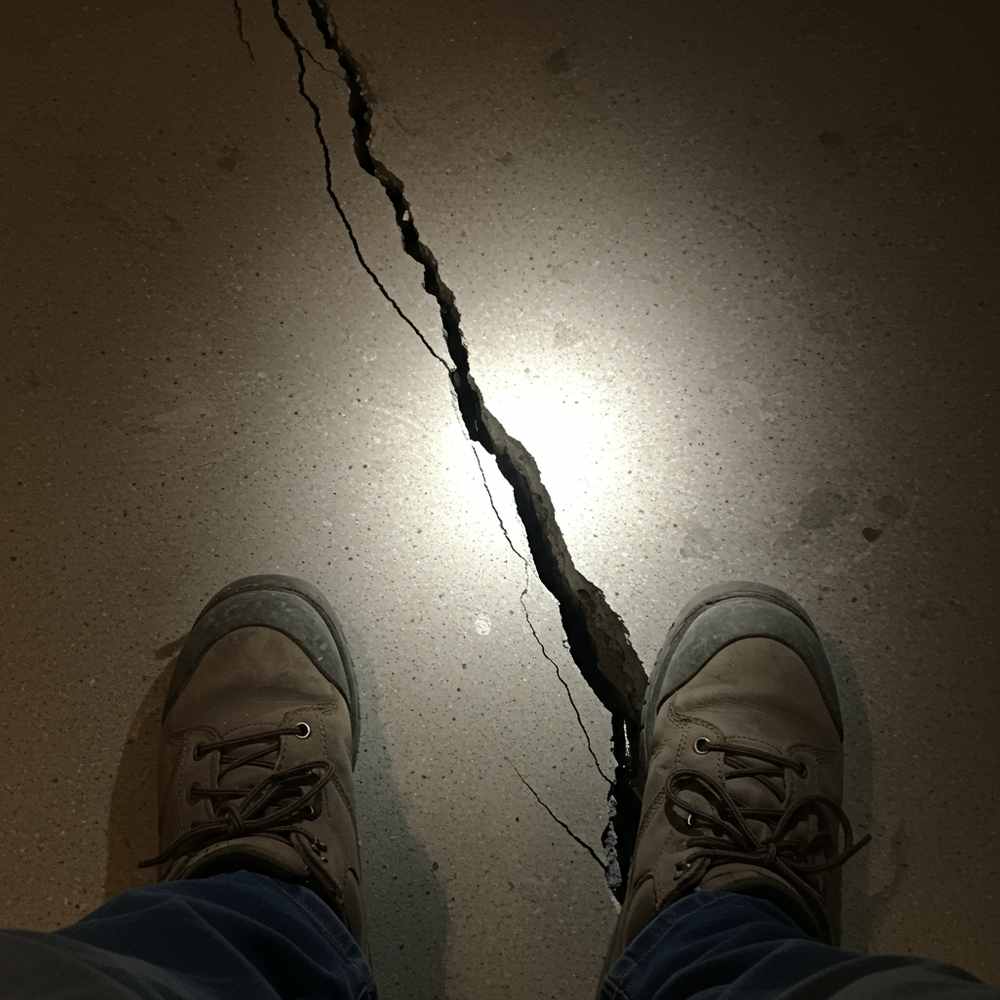
- Problematic Soils: Soils with poor compaction or those prone to expansion and contraction (like clay soils) are common culprits. When clay soil absorbs water, it expands, and when it dries, it shrinks. This constant movement can cause sections of the foundation to settle.
- Drought Conditions: Extended periods of dry weather can cause the soil around and under your foundation to shrink significantly. This shrinkage can create voids, and the unsupported sections of the foundation may sink or settle into these gaps.
- Over-Saturation of Soil: Conversely, excessive water in the soil, perhaps from poor drainage, plumbing leaks, or heavy rainfall, can also lead to settling. Saturated soil can lose its bearing capacity, becoming soft and unable to support the weight of the foundation, causing it to sink.
What are General Foundation Problems?
“Foundation problems” is a broader term that encompasses a variety of issues that can affect your home’s foundation, one of which can be settling.
Identifying broader issues: It’s important to recognize that not all foundation cracks or movements are strictly “settling” as defined above. Other issues can arise, sometimes in conjunction with settling, or independently.
Types of general foundation problems include:
- Foundation Settling: As detailed above, this specific sinking of the footing is a common foundation problem.
- Bowing Basement or Crawl Space Walls: This occurs when external pressure from the soil (hydrostatic pressure or expansive soil pressure) pushes basement or crawl space walls inward, causing them to bulge or bow. This is different from the vertical movement of settling.
- Sagging Floors: Floors that droop or feel uneven, especially over a crawl space or basement, can indicate issues with the support structures beneath, such as deteriorating joists, failing support columns, or problems with the main support beam.
- Main Beam Issues: The main support beam is critical to your home’s structure. Problems like cracking, rotting (if wood), or insufficient support for this beam can lead to widespread structural concerns, including sagging floors and cracks in drywall.
Distinguishing between specific foundation settling and the broader category of foundation problems is key to proper diagnosis and repair.
Key Differences: Foundation Settling vs. General Foundation Problems

Characteristics of Foundation Settling
- Primary Movement: Involves the downward sinking of a portion of the foundation and footing.
- Typical Solution: Often must be addressed with specialized steel piers that are screwed deep into stable soil layers beneath the problematic soil. Brackets are then attached to the foundation, and hydraulic jacks are used to transfer the load to the piers, potentially lifting the settled section back towards its original level.
- Goal of Repair: To stabilize the foundation, where possible, move the foundation back up to a more level position, preventing further downward movement.
A detailed emergency response plan must be in place, addressing potential collapses, accidents, or hazardous material exposures, supported by on-site first aid and reliable communication systems.
Characteristics of General Foundation Problems
Varied Symptoms: May include simple cracks in the foundation, which could be minor shrinkage cracks or signs of deeper structural issues.
Different Underlying Issues: Problems such as bowing walls require different repair methods than settling—like wall anchors or carbon fiber straps.
Settling as One Possibility: Foundation settling can be one cause but is often just part of a larger issue that may involve other structural concerns.
Thorough Investigation Needed: A full assessment is necessary to determine the true nature and cause of the problem. Cracks alone don’t reveal everything.
Advice for Homeowners: When consulting professionals, ask for specifics. Don’t accept vague diagnoses—insist on clear explanations of the problem and proposed solutions.
- Is the foundation settling? If so, which part and why?
- Are the walls bowing?
- Are there cracks that indicate shear, shrinkage, or movement?
- Are there issues with floor supports or the main beam?
Once these specific issues are clearly identified through a thorough evaluation, foundation repair can address these structural concerns. The primary goal is to stabilize the foundation and restore your home’s structural integrity, preventing more extensive and costly damage over time.
Repair methods vary depending on the specific foundation issues diagnosed, ranging from installing helical piers for sinking foundations to carbon fiber straps for bowing walls.
Early intervention, guided by expert evaluation, is key to protecting your home’s value and ensuring its long-term stability.
FAQ
Q: Are all foundation cracks a sign of serious foundation damage?
A: Not necessarily. Some small hairline cracks, especially in new concrete, are due to normal shrinkage and curing. However, cracks wider than 1/4 inch, horizontal cracks, or stair-step cracks in masonry should be evaluated by a professional, as they may indicate structural issues.
Q: What are the common signs my foundation might be settling?
A: Signs include sticking doors and windows, cracks in drywall (especially near frames), exterior brick or foundation cracks, and sloping floors. If you notice any of these, it’s best to consult a foundation professional promptly.
Q: How is bowing wall repair different from fixing settling?
A: Bowing walls result from lateral pressure and are typically repaired with wall anchors, carbon fiber straps, or steel I-beams to stabilize inward movement. Settling, caused by vertical movement, is usually addressed using underpinning methods like helical piers or push piers to support and lift the foundation.
Q: Can I prevent foundation problems?
A: While not all problems are preventable, good water management is essential. Keep gutters clean and ensure downspouts direct water away from your foundation. Maintain consistent soil moisture—use soaker hoses during dry spells and grade soil to slope away from the home. Also, avoid planting large trees too close to the foundation.
Endnote
Understanding whether your home is experiencing foundation settling or another type of foundation issue is the first step toward an effective solution. Settling refers to downward movement often caused by soil shifts, but “foundation problems” can include a broader range of structural concerns—each requiring a specific repair approach. Always seek a professional evaluation to accurately diagnose the issue and determine the right solution for your home.
If you suspect foundation problems, contact a reputable foundation repair company or a structural engineer for a thorough inspection.
What to Do If Foundation Problems Are Discovered During Renovation?
Discovering unexpected foundation issues in the middle of a home renovation project can be a significant setback and a source of stress. If your renovation uncovers signs of foundation settlement, cracks, bowing walls, or other structural concerns, it’s crucial to address these findings promptly and correctly.
Immediately Halt Relevant Work: As soon as a potential foundation problem is identified, stop any renovation activities in the affected area, particularly those that are structural or could exacerbate the issue (e.g., demolition near the affected foundation, excavation, adding significant weight). Continuing work may worsen the damage or compromise safety.
Document the Findings Thoroughly: Before any potential disturbance, take clear photographs and videos of the suspected foundation issues. Note the exact location, the nature of the cracks or movement, and the date of discovery. This documentation will be invaluable for discussions with professionals.
Consult a Structural Engineer or Foundation Repair Specialist Urgently: Do not rely on your general contractor alone unless they have specific expertise in foundation assessment and repair. Engage a qualified structural engineer or a reputable foundation repair company immediately to inspect the problem. They can provide an unbiased assessment of the cause, severity, and the necessary repair methods.
Understand the Scope and Impact on Your Renovation: The discovery of foundation problems will likely impact your renovation timeline, budget, and possibly the original project scope. Discuss these implications transparently with your general contractor and the foundation specialist. You may need to re-prioritize aspects of your renovation.
Prioritize Structural Repairs: Addressing the foundation integrity should become the top priority. Ensure that any necessary foundation repairs are properly planned and executed before proceeding with other, more cosmetic, aspects of your renovation in the affected areas. Attempting to cover up foundation issues will lead to more significant problems later.
Review Contracts and Insurance: Examine your contract with your general contractor to understand how unforeseen conditions or “discoveries” are handled. Also, review your homeowners insurance policy, although be aware that gradual foundation settling is often not covered unless it’s the direct result of a covered peril. It’s still wise to understand your policy’s position.
Adjust Your Renovation Plan: Once the foundation problem has been assessed and a repair plan is established, you will need to revise your overall renovation plan. This might involve reallocating budget, changing the sequence of work, or even postponing certain parts of the renovation until the foundation is fully secured.
Navigating this situation requires careful assessment, expert advice, and potentially difficult decisions about your renovation project. However, addressing foundation problems correctly is essential for the long-term safety and value of your home.