Modern home remodeling goes beyond appearance and function—it includes integrating technology to enhance comfort, security, and energy efficiency. Smart home systems make this possible by connecting lighting, climate control, security, and appliances through internet-enabled devices.
These systems allow remote or voice-based control, helping homeowners automate daily tasks and monitor their property from anywhere. Whether you’re undertaking a full renovation or focused upgrades, adding smart features like automated lighting, smart thermostats, or voice-activated locks can improve convenience and raise your home’s market value.
The following sections highlight key smart home upgrades that offer the most impact during a remodel.
Table of Contents

George Nicola
George is a seasoned interior designer and property marketing strategist with over 13 years of experience. He specializes in transforming properties into visually stunning spaces, helping clients recognize the potential and beauty in each property. With an impressive international client base of exciting projects throughout Europe and America.
Lighting Systems

Smart lighting systems such as Philips Hue, Lutron Caséta, and TP-Link’s Kasa offer an accessible way to modernize your home. These systems allow remote control through smartphone apps or voice assistants like Alexa, Google Assistant, and Apple HomeKit.
They can be programmed to follow custom schedules, turning lights on and off to simulate occupancy when you’re away—an added layer of security. Motion sensors and timers help reduce energy use by switching off lights in empty rooms.
Smart lighting also supports well-being by adjusting color temperature based on your activities. Cooler tones promote focus during the day, while warmer hues help you relax in the evening.
Smart home gadgets, like smart lighting systems, enhance rental living too by providing affordable, easy-to-use security, energy efficiency, and connectivity. They allow remote control, automation, and customization, improving comfort, safety, and well-being without permanent modifications, making everyday living more convenient and cost-effective for renters.
Thermostats
Smart thermostats are Wi-Fi-enabled devices that give you greater control over your home’s heating and cooling systems. Unlike traditional models, they adjust settings automatically to improve comfort and efficiency.
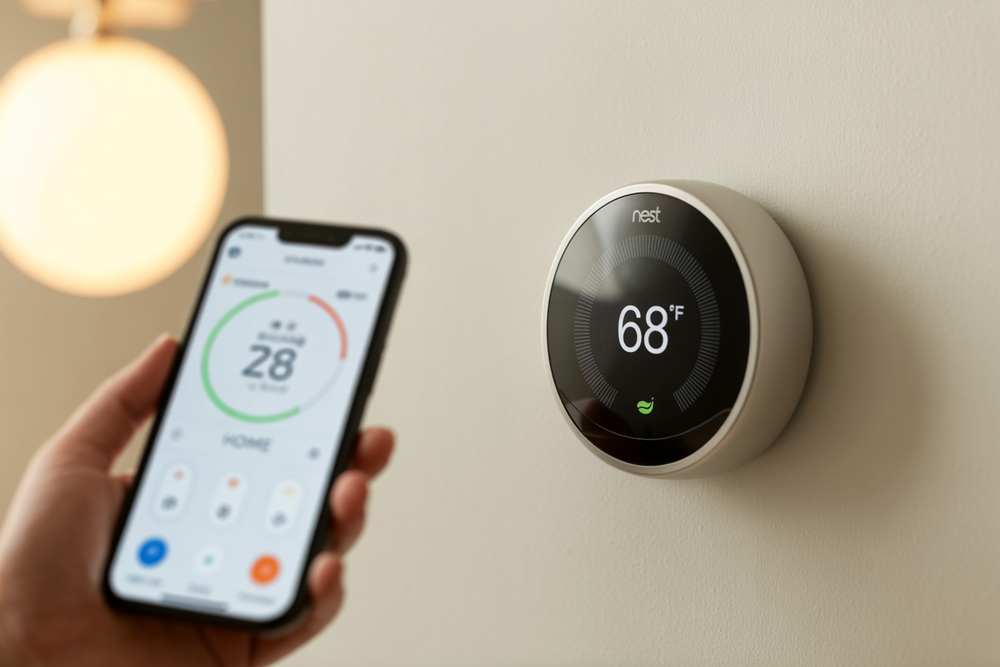
Many models, such as the Nest Learning Thermostat or ecobee SmartThermostat, learn your daily routine and set temperatures accordingly. You can also manage settings remotely using a smartphone app or browser—ideal for adjusting temperatures before you arrive or monitoring energy use while away.
These thermostats often integrate with smart home systems, enabling voice control and automation, like reducing heat when the smart lock is activated. Some provide detailed energy reports, helping you track consumption patterns and identify ways to cut costs.
Geofencing uses your phone’s location to detect when you leave or return, automatically adjusting the temperature to save energy without sacrificing comfort.
Smart Appliances
Upgrading your kitchen or laundry room is a good opportunity to add smart appliances that improve efficiency and convenience. These devices can automate daily tasks, provide remote monitoring, and help reduce energy use.
Before beginning your remodel, check the local permit process. Kitchen updates that involve moving or modifying electrical, plumbing, or gas lines typically need official approval to meet building codes and safety standards.
Popular smart appliance options include:
- Refrigerators with touchscreen interfaces and internal cameras
- Ovens that can be preheated remotely or respond to voice commands
- Washers and dryers that send cycle alerts to your phone and adjust based on load type

Smart refrigerators:
- Touchscreen interface with calendar, notes, and weather
- Built-in cameras to view content remotely
- Inventory tracking and expiration alerts
- Integration with grocery delivery services
Smart ovens and ranges:
- Remote preheating and temperature control
- Recipe guidance and cooking presets
- Alerts when food is done or needs attention
Smart dishwashers:
- Cycle monitoring from your phone
- Maintenance alerts (e.g., filter cleaning)
- Integration with smart home systems to run during off-peak hours
Smart washing machines and dryers:
- Cycle selection and monitoring via app
- Notifications when the laundry is done
- Load sensing for optimal water/energy use
Security Systems
Smart security systems use connected devices to help protect your home while giving you more control over daily safety routines. Common components include video doorbells for front-entry visibility, motion sensors to detect movement, and smart locks that can be controlled remotely.
These systems send real-time alerts to your phone and allow two-way audio, so you can speak to visitors even when you’re not home. Brands like Ring, Arlo, and SimpliSafe also support voice control and integration with platforms like Alexa or Google Assistant.
You can automate actions such as locking the door or turning on exterior lights when motion is detected, which adds both security and convenience. Most systems are wireless and easy to install, with flexible options for self-monitoring or professional services, making them suitable for apartments, houses, and different budget levels.
Security Systems
Smart plugs and outlets allow remote control of appliances through a smartphone app or voice assistant.
They simply plug into existing outlets and can be programmed to turn devices on or off at set times, monitor energy use, and support daily automation—such as turning on a lamp at sunset or powering off a coffee maker after use.
Some models include built-in surge protection or energy metering, which can help prevent damage and track electricity consumption. For a more integrated option, hardwired smart outlets replace standard ones and can manage multiple devices independently while offering a clean, permanent solution.
These products are budget-friendly, simple to install, and especially useful for bringing smart functionality to older homes without extensive rewiring. They’re a practical starting point for homeowners new to smart home technology.
Endnote
As smart home technology continues to advance, integrating these systems during a remodel is a practical way to ensure your home remains adaptable and efficient in the future. Adding features like automated lighting, smart climate control, connected appliances, and intelligent security systems can streamline daily routines and improve energy use.
Whether you begin with a few devices like smart plugs or invest in a fully integrated system, these upgrades make your home more responsive to your needs. They can increase comfort, enhance safety, and reduce manual tasks.
To make the most of your investment, evaluate your lifestyle, budget, and the compatibility of new devices with your current setup. Choosing scalable, flexible systems ensures your home remains smart and functional as your needs evolve.