How can homeowners and designers use timeless materials to create elegant, enduring interiors that increase property value?
Select a core trio—natural wood, marble, and brass—for their durability, versatility, and classic beauty.
Layer wrought iron, limestone, and leather to introduce texture and depth.
This balanced palette forms a refined foundation that resists fleeting trends and strengthens resale value.
By coordinating each material’s finish and function with your lifestyle, you turn every room into both a personal refuge and a smart investment.
We will explore how the foundational elegance of our primary materials can establish a sophisticated canvas, while the supporting elements add layers of character and depth, all while examining the quantifiable impact these choices have on your home’s bottom line.
Want to get 3D rendering for your interior design project?

George is a seasoned interior designer and property marketing strategist with over 13 years of experience. He specializes in transforming properties into visually stunning spaces, helping clients recognize the potential and beauty in each property. With an impressive international client base of exciting projects throughout Europe and America.
George Nicola shares:
While the methods may change from the cold winds of Wyoming to the humid heat of Australia, the core principles for making smart design decisions remain the same. This guide provides a framework based on six interconnected factors. Use it to ask the right questions and lead the conversation with your architect, designer, or builder, ensuring your home is built for a sustainable future.
The 6 key factors for a sustainable home:
- Site and Climate
- The Building Envelope
- Sustainable Materials
- Energy Systems
- Water Management
- Landscape Integration
TALLBOX provides information for educational purposes only and does not offer financial or law advice; users should consult with qualified professionals before making any investment decisions. TALLBOX and George Nicola are not liable for any losses or damages incurred as a result of relying on the information provided.
Primary Material 1 – Natural Wood (e.g., Walnut, Oak)
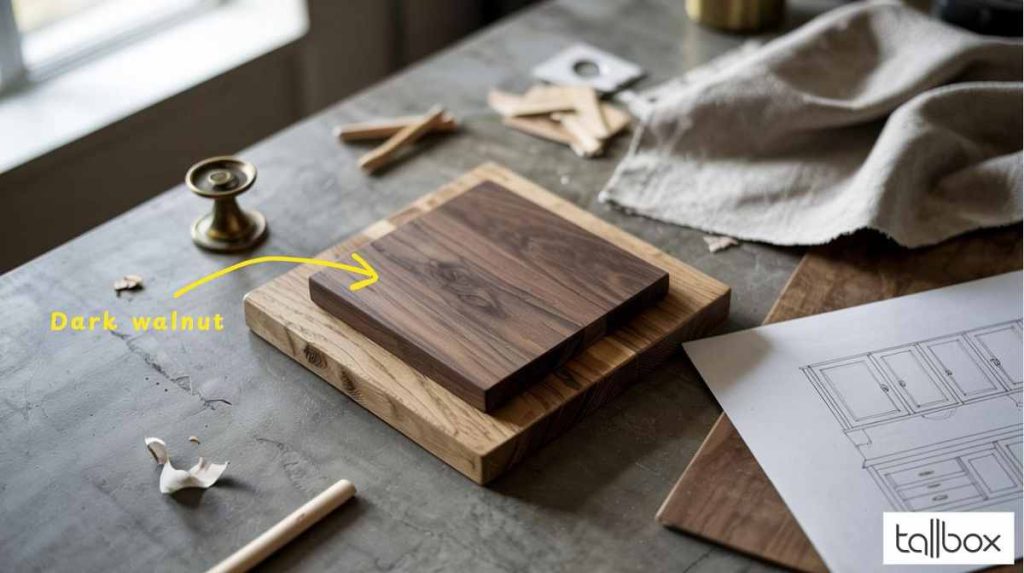
Natural wood delivers warmth and a direct connection to nature that no other material can match. Its versatility lets it fit any style, providing both permanence and organic beauty. From walnut’s rich tones to oak’s familiar grain, wood grounds a room and elevates its sophistication. As it ages, it develops a unique patina that reflects the home’s history—making natural wood an indispensable timeless material.
Primary Uses:
- Structural and Architectural: Solid wood is a premier choice for flooring, exposed structural beams, and custom cabinetry, where its strength and durability are paramount.
- Furniture and Finishes: It is the material of choice for high-quality furniture, from dining tables to bed frames, as well as for wall paneling, interior doors, and window frames.
Cost:
- Range: Expect to pay between $5 to $20 per square foot for quality hardwood flooring. Custom furniture pieces can range from $500 to over $5,000, depending on the wood species and craftsmanship.
- Factors: Oak is generally considered a moderately priced, highly durable option, making it a popular choice for flooring. Walnut, with its deeper, more luxurious color and fine grain, sits at the higher end of the price spectrum and is often reserved for statement furniture and high-end cabinetry.
The best use of natural wood is to ground a design with its inherent warmth. It is exceptionally adaptable, fitting seamlessly into styles ranging from Scandinavian minimalist, with its light-toned woods, to rustic traditional, which often features reclaimed or heavily grained timbers. A prime example is the use of rich walnut cabinetry in a kitchen to create a sense of depth and luxury. Wood’s greatest strength is its ability to pair harmoniously with nearly any other material—from cool marble to gleaming brass—creating a cohesive and balanced design foundation.
While versatile, wood has its limitations. It is best to avoid using untreated or standard-finish wood in high-moisture environments, such as shower enclosures or bathroom floors, unless it is a marine-grade species or has been professionally sealed and the area is well-ventilated. Furthermore, in high-end projects, it is wise to steer clear of inexpensive veneers or laminates that attempt to mimic real wood. These materials do not age authentically, can peel or warp, and ultimately detract from the sense of quality and permanence that solid wood provides.
- Hardware: Carved wooden handles and knobs can add a subtle, organic touch to cabinetry.
- Wall Accents: Reclaimed wood paneling can create a stunning feature wall, adding texture and historical character to a modern space.
Impact on Home Value:
- Increase: The addition of high-quality wood elements, particularly hardwood flooring, can increase a home’s value by 3–7%. For a $500,000 home, this translates to a significant $15,000–$35,000 boost.
- Reason: Buyers universally recognize the durability and appeal of natural wood. Hardwood floors and quality built-in cabinetry reduce the likelihood of immediate renovation costs for new owners, making the home a more attractive and move-in-ready proposition. For instance, solid oak flooring not only adds visual warmth but also promises a lifetime of use, a stark contrast to laminate flooring that may need replacement every few years.
Primary Material 2 – Marble (e.g., Carrara, Calacatta)
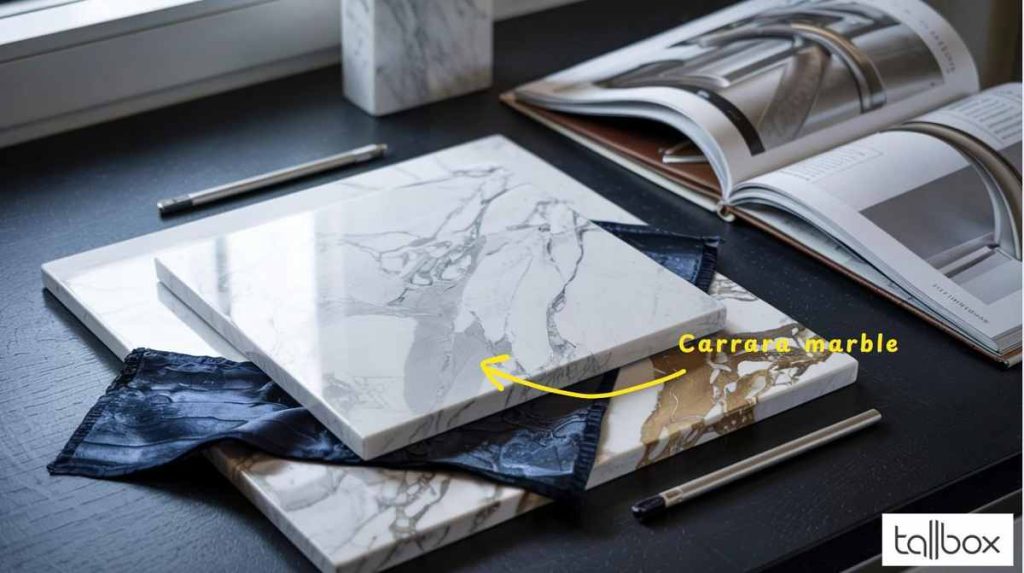
Marble exemplifies natural elegance and luxury in interior design. Unique veining and a luminous surface turn each slab into a work of art. Centuries of use have cemented marble’s reputation for sophistication and permanence, elevating every space it adorns. Carrara’s soft grey veins and Calacatta’s bold patterns convey grandeur and timelessness. Its cool, smooth texture and visual depth create interiors that feel both opulent and serene.
Primary Uses:
- Surfaces: Marble is most famously used for countertops in kitchens and bathrooms, as well as for flooring, particularly in grand entryways where it makes a stunning first impression.
- Focal Points: Its beauty is often showcased in wall cladding, fireplace surrounds, and as the top for statement dining or coffee tables.
Cost:
- Range: Installed, marble typically costs between $50 and $200 per square foot.
- Factors: The cost is heavily influenced by the type of marble. Carrara marble, with its subtler veining, is one of the more accessible and popular options. Calacatta marble, prized for its thick, dramatic, and often golden veining against a bright white background, commands a significant premium and is considered a high-end luxury material.
Marble is best utilized as a major focal point where its beauty can be fully appreciated. A waterfall island in a kitchen, where the stone flows seamlessly from the countertop down the sides, creates a monolithic statement of luxury. Similarly, a book-matched marble wall in a bathroom, where two adjoining slabs mirror each other, can create a breathtaking, symmetrical art piece. Its reflective properties are ideal for making smaller spaces feel larger and brighter. To prevent a room from feeling too cold or stark, it is best to balance marble with warmer textures like natural wood or soft textiles.
Despite its beauty, marble is not without its vulnerabilities. Its porous and soft nature makes it susceptible to staining and etching from acidic substances like wine, lemon juice, or coffee. Therefore, it may be an inadvisable choice for a heavily used, low-maintenance kitchen countertop unless the homeowner is diligent with sealing and immediate cleaning. Additionally, overuse of marble throughout a space, without the balance of warmer materials, can result in an environment that feels cold, sterile, and uninviting, more like a mausoleum than a home.
Types/Applications:
- Hardware: Small touches of luxury can be added with marble knobs or pulls on cabinetry.
- Wall Accents: Beyond full slabs, large-format marble tiles can be used for dramatic and seamless wall accents in showers or behind a vanity.
Impact on Home Value:
- Increase: High-quality marble installations can lead to a substantial increase in home value, estimated at 5–10%. On a $500,000 home, this could mean an added value of $25,000–$50,000.
- Reason: In the eyes of potential buyers, marble signals luxury, quality, and permanence. It is a highly desirable feature in premium and luxury markets, and it suggests that no expense was spared in the home’s construction or renovation. For example, a bathroom vanity topped with Carrara marble is immediately perceived as more valuable and sophisticated than one with a standard quartz or solid surface countertop, which lacks the unique, natural veining of real stone.
Primary Material 3 – Brass

Brass offers a warm, golden metallic accent that brings a unique blend of glamour and vintage character to an interior. As a timeless material, it rivals the classic appeal of bronze but with a brighter, more glamorous finish. Unlike the cool, clinical feel of chrome or stainless steel, brass introduces a sense of warmth and history. Its ability to develop a rich patina over time allows it to evolve with the space, making it a dynamic and living finish. Whether polished to a high shine or left unlacquered to age naturally, brass adds a layer of sophisticated detail that can tie a room together.
Primary Uses:
- Hardware and Fixtures: Brass is most commonly used for functional yet decorative elements like cabinet pulls, door handles, and faucets. It is also a favored material for lighting fixtures, including chandeliers, sconces, and pendant lights.
- Decorative Accents: It can be used for decorative inlays in furniture or flooring, as well as for the trim on mirrors and picture frames.
Cost:
- Range: Individual hardware pieces can range from $10 to $100 each. Lighting fixtures made from solid brass typically fall between $200 and $2,000, with designer pieces costing significantly more.
- Factors: Unlacquered brass, which is designed to patina naturally, is often pricier due to the quality of the solid brass required. Brass-plated hardware is a more affordable alternative, though it lacks the durability and authentic aging qualities of its solid counterpart.
Brass is most effective when used to create a luminous contrast against dark or moody color palettes. For example, brass pulls and faucets in a deep navy or forest green kitchen create a stunning visual pop that feels both modern and timeless. Unlacquered brass is particularly well-suited for spaces designed to feel lived-in and evolving, as its patina will deepen over time, adding character. It pairs beautifully with rich, dramatic tones and natural materials like marble and dark woods.
While stylish, brass requires a considered approach. Avoid the overuse of highly polished, lacquered brass, as it can risk evoking dated 1980s design schemes if not balanced with modern forms and materials. A room filled with shiny brass can feel overwhelming and gaudy rather than sophisticated. Additionally, brass is generally unsuitable for cool-toned, minimalist interiors that are dominated by chrome, stainless steel, and stark whites, as its inherent warmth can create a jarring visual conflict.
Types/Applications:
- Hardware: The simple switch to brass knobs or sleek bar pulls on cabinetry can instantly elevate the look of a kitchen or bathroom.
- Wall Accents: For a subtle yet luxurious touch, thin brass inlaid borders can be used in wood flooring or to frame a tiled area.
Impact on Home Value:
- Increase: Thoughtful use of quality brass hardware and fixtures can increase a home’s perceived value, contributing to a 2–5% rise in its overall price. For a $500,000 home, this represents an increase of $10,000–$25,000.
- Reason: Quality hardware and fixtures are details that buyers notice. They signal a level of care and investment in the property’s finishings. The luxurious appeal and durability of solid brass attract buyers, making a home feel more custom and high-end. For instance, a solid brass faucet in a powder room immediately feels more substantial and valuable than a generic, builder-grade chrome alternative.
Bronze hardware, with its timeless character and handcrafted appeal, has become a go-to choice for homeowners and designers looking to blend functionality with sophistication. For anyone considering a hardware upgrade that goes beyond the standard, it’s worth taking a moment to visit website resources that showcase the full creative potential of bronze in interior design.
Supporting Material 1 – Wrought Iron
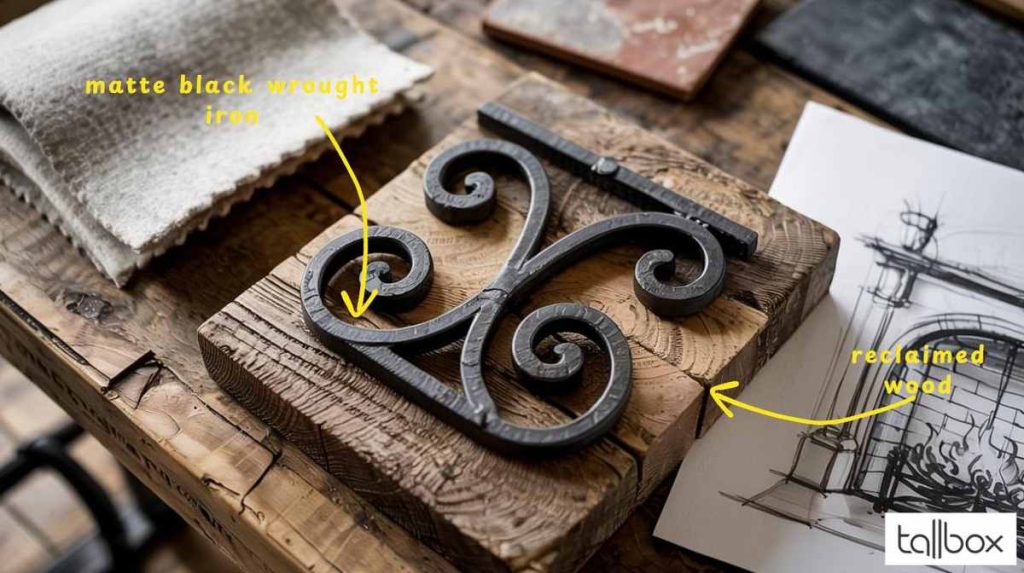
Wrought iron brings a sense of handcrafted strength and history to an interior. Its dark, weighty presence provides a powerful contrast to lighter, softer materials, while its malleable nature allows it to be shaped into intricate, artistic forms. Unlike modern steel, wrought iron possesses a subtle texture and a deep, matte black finish that speaks to its artisanal origins. This material is synonymous with durability and tradition, often used to create architectural elements that are both functional and beautifully sculptural, adding a touch of rustic or industrial charm.
Primary Uses:
- Architectural Elements: Wrought iron is a classic choice for staircase balustrades, railings, and protective window grilles, where its strength is a key asset.
- Furniture and Lighting: It is frequently used for the bases of tables and chairs, bed frames, and for crafting substantial chandeliers and wall sconces.
Cost:
- Range: Hardware pieces like hinges or latches can cost between $20 and $200. Larger custom pieces like furniture or railings can range from $500 to over $3,000.
Wrought iron excels in spaces that aim for a rustic, industrial, or historical aesthetic. A grand staircase with custom wrought iron balustrades becomes an instant focal point, grounding the space with its robust presence. It pairs exceptionally well with the warmth of natural wood and the raw texture of exposed brick, creating a balanced interplay of materials.
Inadvisable Application:
The inherent visual weight of wrought iron makes it unsuitable for sleek, minimalist, or modern spaces where clean lines and a sense of lightness are desired. In such contexts, it can feel heavy, dated, and out of place, disrupting the intended aesthetic.
Types/Applications:
- Hardware: Hand-forged iron hinges, latches, or clavos (decorative nails) can add an authentic, rustic detail to doors and cabinetry.
- Wall Accents: Decorative iron grilles can be mounted on a wall or placed within a niche to add a layer of textural and historical interest.
Impact on Home Value:
- Increase: The impact of wrought iron is more niche, but it can contribute a 1–2% increase in home value, which translates to $5,000–$10,000 for a $500,000 home.
- Reason: While not universally appealing, high-quality wrought iron work resonates strongly with buyers seeking rustic, Mediterranean, or historical charm. It signals craftsmanship and durability. A custom wrought iron railing is a significant upgrade that adds unique character, making a home stand out from those with standard or less durable alternatives.
Supporting Material 2 – Limestone
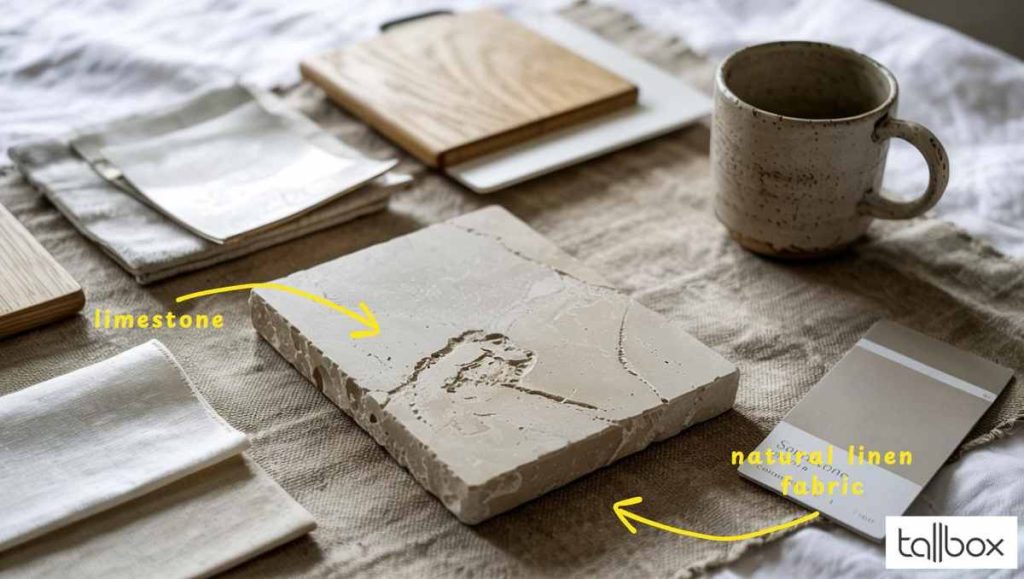
Limestone offers a soft, earthy elegance that connects an interior to the ancient world. With its subtle, often fossil-rich texture and muted, natural tones, it provides a quieter and more understated alternative to the drama of marble. Its honed, matte finish absorbs light rather than reflecting it, creating a serene and calming atmosphere. This sedimentary stone brings a unique warmth and organic character, evoking the feel of a Mediterranean villa or a rustic French country home.
Primary Uses:
- Surfaces: Limestone is a popular choice for flooring in areas where a sense of rustic elegance is desired. It is also frequently used for fireplace surrounds and for wall tiles in bathrooms.
- Architectural Details: It can be carved for decorative moldings or used for kitchen backsplashes.
Cost:
- Range: Installed, limestone flooring and tiles typically cost between $40 and $150 per square foot.
Limestone is best suited for creating a relaxed, natural, and less formal sense of luxury. It shines in spaces like a primary bathroom, where limestone floor tiles and wall cladding can create a spa-like retreat. It pairs beautifully with other organic materials like unfinished wood, linen, and hand-woven textiles, enhancing the overall sense of tranquility.
Inadvisable Application:
Due to its porosity and relative softness, limestone is not recommended for high-traffic, high-spill areas like kitchens or busy family entryways. It can be prone to staining, scratching, and chipping if not properly and regularly sealed and maintained.
Types/Applications:
- Hardware: While rare, custom-carved limestone knobs could offer a unique, textural hardware option.
- Wall Accents: Panels of fossil-rich limestone can be used as a captivating feature wall, offering a tangible connection to natural history.
Impact on Home Value:
- Increase: The use of limestone can add 2–4% to a home’s value, translating to approximately $10,000–$20,000 on a $500,000 property.
- Reason: Limestone appeals to buyers seeking a sophisticated, natural stone that is less common than marble or granite. It signifies a unique and earthy sense of luxury. A foyer with well-maintained limestone flooring presents a much more elevated and custom feel than one with standard ceramic or porcelain tile, setting a tone of quiet quality from the moment one enters the home.
Supporting Material 3 – Leather
Leather is a material that brings tactile comfort, sophistication, and a rich sense of history to an interior. Its most prized quality is its ability to develop a beautiful patina with age and use, becoming softer and more character-rich over time. This evolution makes it a living material that tells a story, adding a layer of warmth and personality that synthetic materials cannot replicate. From sleek, modern applications to classic, lived-in styles, leather offers a unique blend of luxury and rugged durability.
Primary Uses:
- Upholstery: Leather is a classic choice for upholstery on sofas, armchairs, and dining chairs, prized for its comfort and longevity.
- Decorative Surfaces: It can be used to wrap cabinet handles, as desktop inlays, or even as luxurious wall paneling.
Cost:
- Range: Upholstery-grade leather typically costs $50 to $200 per yard. Pre-fabricated leather wall panels can range from $100 to $500 each.
Leather is ideally used in spaces meant for comfort and relaxation, such as living rooms, libraries, or studies. A classic, well-made leather-upholstered armchair can anchor a reading nook, inviting use and promising to become a cherished heirloom. It is perfect for spaces that are designed to evolve and feel more personal over time.
Inadvisable Application:
Given its absorbent nature, leather should be avoided in areas prone to frequent spills or high humidity, such as kitchens or bathrooms, where it can be easily stained or damaged. While durable, it requires care to protect it from direct sunlight, which can cause fading and cracking.
Types/Applications:
- Hardware: Leather-wrapped handles on dressers or cabinets offer a sophisticated and tactile detail that softens the hard edges of furniture.
- Wall Accents: Leather wall panels can be used behind a bed or in a home office to add sound absorption, texture, and an unexpected touch of luxury.
Impact on Home Value:
- Increase: While its impact is more subtle, high-quality leather features can contribute a 0.5–2% increase in home value, or $2,500–$10,000 on a $500,000 home.
- Reason: The presence of genuine leather enhances the perceived quality and comfort of a space. While furniture is often personal property, built-in leather elements like wall panels or banquette seating signal a high-end, custom design. In a study or home office, a built-in desk with a leather inlay adds a touch of bespoke luxury that distinguishes it from homes with standard, off-the-shelf finishes.
Endnote: Timeless design that increases value
Integrating timeless materials into your home delivers both lasting elegance and a measurable boost in property value. Natural wood can increase resale value by 3–7%, marble by 5–10%, and brass by 2–5%. Supporting elements—wrought iron (1–2%), limestone (2–4%), and leather (0.5–2%)—add distinctive character and depth.
For the highest returns, invest in high-impact features like hardwood flooring and marble countertops. Smaller, cost-effective updates—brass hardware or a quality leather accent—still make a noticeable difference. To optimize your investment, partner with an interior designer who can balance these materials for maximum appeal. Even modest changes, such as swapping out hardware or adding a single standout piece, will demonstrate the enduring power of timeless design.