Mold in your apartment is certainly more than an unsightly vision; it can have negative health effects, cause damage to your property, and spread more quickly than you assume. Therefore, mold remediation is a task best done right the first time. Unfortunately, many homeowners make mistakes while remediating mold and exacerbate the problem, and spend more time and money to fix it in the long term.
Safety precautions were ignored, the proper tools and products for the task at hand were not used, or they just thought scrubbing the area for 5 minutes would fix the mold problem.

George is a seasoned interior designer and property marketing strategist with over 13 years of experience. He specializes in transforming properties into visually stunning spaces, helping clients recognize the potential and beauty in each property. With an impressive international client base of exciting projects throughout Europe and America.
Mold is persistent, and you could find yourself in an even worse situation if you don’t take precautions when remediating it. Continue reading below as this post will outline 4 common mistakes in mold remediation and more tips that can help you best protect your home from mold.

4 Common Mold Remediation Mistakes
Underestimating the Severity of the Problem
It’s easy to see a small patch of mold and think, “I’ll just wipe it off, and it’s gone.” In some cases, what you see on the surface can be only the beginning of the problem.
Mold growth is common inside ventilation systems, under the flooring, and behind some walls, quietly growing underneath while you carry on with life, assuming it is under control. If you think you know how bad it is, you’re probably allowing it to grow further and exposing yourself to the possibility of serious property damage and health risks for you and your family.
Giving mold time allows it to become more difficult and expensive to rectify. Dealing with mold may be one of the hardest things in your life, so if there is any evidence of mold growth, it is worth ensuring you bring your problem to an expert’s attention. A professional mold expert will locate the source of moisture, identify hidden growth, and recommend the best plan of attack. It is always better to deal with mold at the outset and with diligence rather than combat an issue that has escalated.
Using Ineffective Cleaning Solutions
When it comes to mold, the biggest error people make is using the wrong cleaning solution. A quick spray of bleach may seem like it will resolve the issue, but it often only removes the surface mold without removing it from the source, and sometimes creates a new problem by adding moisture to an established mold situation.
Household cleaners that are not for mold may remove the stain, but may still leave spores behind that can continue to spread. The best solution is to use a product specifically for molds and kill it at the source. Molds can be prevented by increasing ventilation through opening windows for airflow. This allows you to make the area look cleaner and not have to deal with the same problem again.
Not Seeking Professional Help
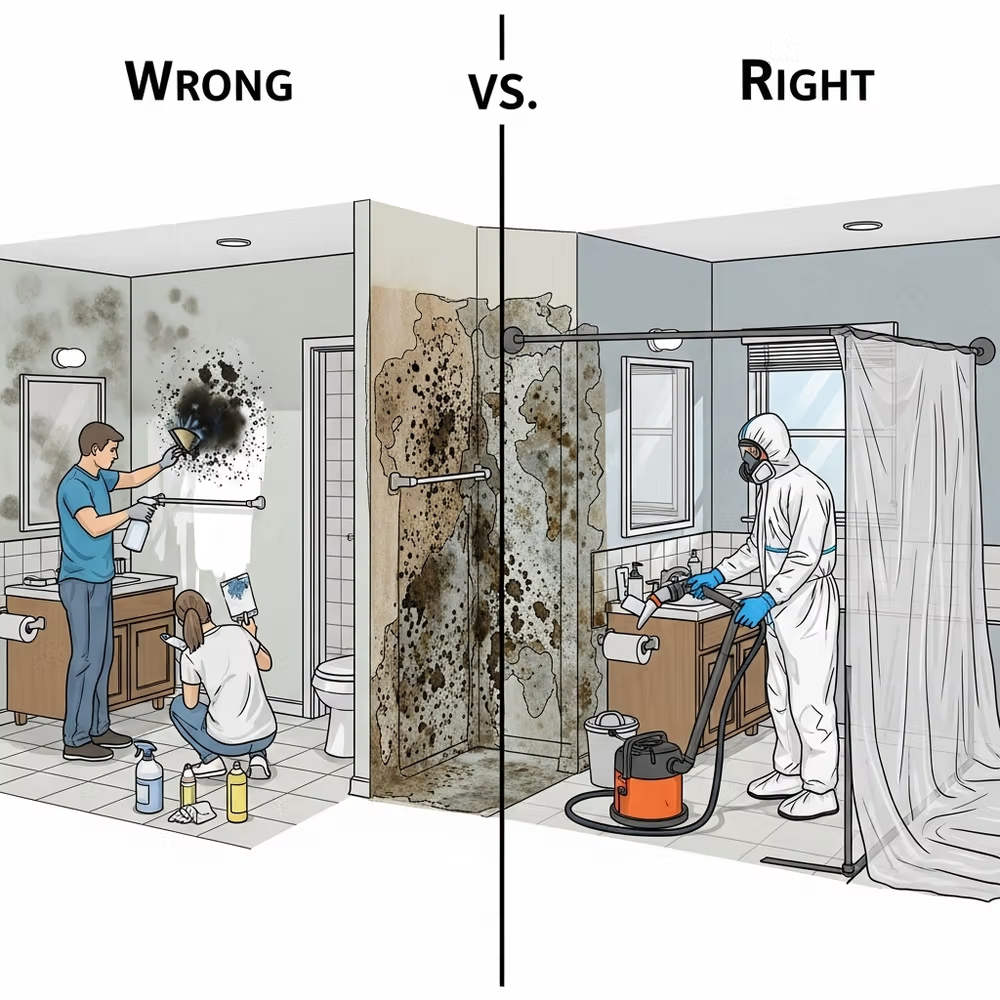
When you spot mold, your first instinct might be to handle it yourself. After all, how hard can it be, right? The problem is, mold can hide in places you can’t easily see behind walls, under floors, or inside air ducts. Without the right equipment and knowledge, you might clean what’s visible but leave the root problem untouched.
This means the mold will likely return and spread in your home even further. Professionals in mold remediation have the expertise to identify the source, contain it, and remove it safely.
They will also handle the moisture issues that caused the mold in the first place. If you decide to do nothing, you may end up spending even more time, money, and effort later on in life. Sometimes hiring professionals is truly the best course of action, as it’s the only way to know for sure that the problem was actually solved.
Painting or Caulking Over Mold
Caulking or painting over mold may seem like a good fix, but instead of curing the problem, it merely covers it up.
If you simply cover the dark spots, the mold will still grow right behind it and begin to destroy the caulk or paint, leaving it worse than you were before. Before doing anything, such as painting or caulking, we need to remove the mold. This means removing the moisture source and thoroughly cleaning the affected area. You aren’t protecting the house without doing this; you are giving mold a fresh coat and welcoming it back.
Can Tenants Sue for Mold Exposure?
As a tenant, you can sue for mold exposure, but you may not always be able to do so easily.
If your landlord knew about the mold situation and failed to act upon it in order to damage your property or endanger your health, you may have a case with proof of negligence. Proving negligence requires actual proof such as photos, medical records, repair requests, and documented communication about the issue.
When to Call Professionals Immediately?
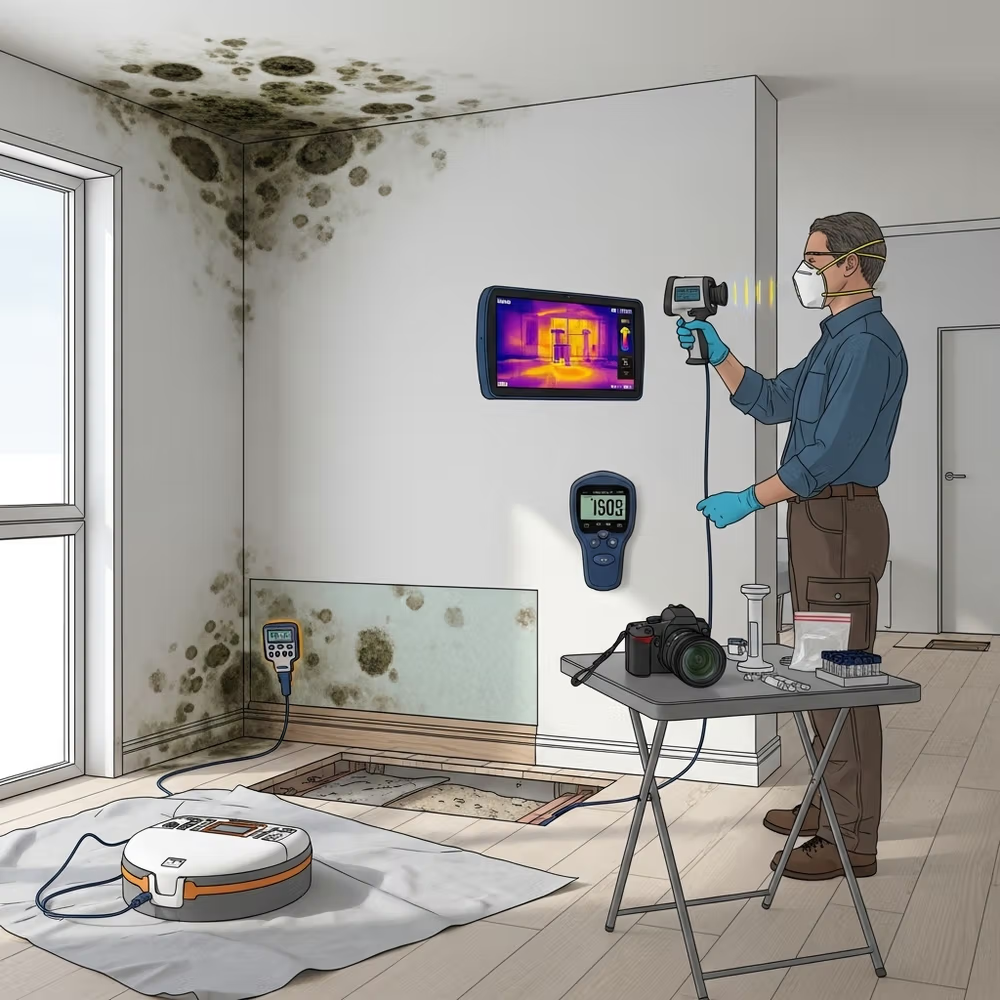
Don’t attempt DIY mold remediation in these situations:
After any flood event – Contaminated floodwater creates different mold risks that require specialized testing and treatment approaches.
Mold in HVAC systems – Contaminated ductwork can spread spores throughout your entire home and requires professional containment during cleaning.
Large areas (over 10 square feet) – Extensive growth indicates systemic moisture problems that need comprehensive solutions beyond surface cleaning.
Hidden moisture problems – If you smell mold but can’t see it, professionals use thermal imaging and moisture meters to locate problems inside walls and under flooring.
Health symptoms without visible mold – Unexplained respiratory issues may indicate hidden growth that requires professional detection equipment to locate.
Is it Safe to Live in a House After Mold Remediation?
Professional assessment also provides legal documentation for insurance claims, rental disputes, and real estate transactions while ensuring remediation meets safety standards.
Yes, assuming the mold remediation was done correctly, it is often safe to stay in a home once it has been cleaned. In addition to removing visible mold, a thorough remediation removes the moisture source, treats hidden growth, and guarantees safe air quality. Professionals typically conduct tests after the work is done to make sure the mold levels have returned to normal.
For peace of mind, you might ask an independent tester to do a post-remediation inspection if you’re still worried.
A mold tester can indicate that the issue wasn’t entirely fixed if you observe a musty odor, new spots appearing, or persistent allergy-like symptoms. The best course of action in that situation is to move fast to stop mold from spreading. When mold remediation is done correctly, your house should be secure, healthy, and ready for you to live in without having to worry about spores hiding there, waiting to reappear.
Conclusion
Mold can be tricky, but avoiding the common mistakes we mentioned earlier can make a big difference in keeping it away for good. Whether it’s underestimating the problem, using the wrong cleaning products, skipping professional help, or covering it up with paint, each misstep can cost you time, and maybe a lot of money.
The key is to address the root cause, not just the visible signs, and make sure moisture issues are fixed. When remediation is done right, you can breathe easier, literally knowing your home is safe, healthy, and mold-free for the long run.
How Flood-Safe Design Prevents Mold?
Flood-resistant homes naturally resist mold growth through smart material choices and moisture management systems. Closed-cell foam insulation doesn’t absorb water like traditional materials, while marine-grade plywood and sealed concrete surfaces prevent moisture accumulation that feeds mold.
The elevated utility placement required for flood protection keeps HVAC systems in drier locations where humidity can’t build up. Enhanced drainage systems and proper grading continuously move water away from the structure, eliminating the standing moisture that allows mold to establish itself in hidden areas.
Flood-safe homes use advanced waterproofing and vapor barriers that create multiple defenses against water intrusion. These same systems maintain the dry conditions year-round that prevent mold from taking hold in wall cavities and crawlspaces, making these homes naturally more resistant to mold problems.