When is the right time to fix outdoor garden projects?
The best time to tackle outdoor garden projects regardless their type and size (new patio, slabs change, decking replacement, pergola, new artificial pond, better shade, landscaping, new garden furniture or else) often depends on the specific project and your local climate.
Spring:
Pros: Soil is warming up, plants are starting to grow, and there’s often plenty of moisture. This makes it a great time for planting, starting seeds, building raised beds, and general landscaping.
Cons: Spring weather can be unpredictable, with late frosts or heavy rain possible.
Best tasks:
- Planting annuals, perennials, and vegetables
- Starting seeds indoors or in greenhouses
- Building raised garden beds
- General landscaping and lawn care
- Installing irrigation systems
- Pruning trees and shrubs
- Aerating and dethatching lawns
- Setting up composting systems
- Repairing winter damage to structures
- Painting outdoor furniture
Worst tasks:
- Large-scale hardscaping projects (due to potential rain)
- Installing swimming pools (ground may be too wet)
- Applying sealants or finishes (humidity can affect drying)
- Major tree removal (nesting season for birds)
Summer:
Pros: Longer days and warmer temperatures make summer ideal for enjoying your garden and tackling projects like building decks, patios, or pergolas.
Cons: Extreme heat can make outdoor work uncomfortable, and some plants might struggle in the hot sun.
Best tasks:
- Building decks, patios, and pergolas
- Installing outdoor kitchens or fire pits
- Painting exterior surfaces
- Staining or sealing wood structures
- Installing fences
- Creating outdoor living spaces
- Setting up water features
- Building or refurbishing garden sheds
- Installing outdoor lighting systems
- Laying sod or artificial turf
Worst tasks:
- Planting heat-sensitive plants
- Major landscaping projects (heat stress on plants)
- Pouring concrete (can dry too quickly in extreme heat)
- Heavy pruning (can stress plants in hot weather)
Autumn (Fall):
Pros: Cooler temperatures are more comfortable for working outdoors, and fall is a good time for planting trees and shrubs, dividing perennials, and preparing your garden for winter.
Cons: Shorter days mean less daylight for working, and frost can arrive early in some areas.
Best tasks:
- Planting trees and shrubs
- Dividing and transplanting perennials
- Overseeding lawns
- Building retaining walls
- Installing drainage systems
- Repairing or replacing gutters
- Winterizing irrigation systems
- Mulching garden beds
- Building cold frames or greenhouses
- Installing outdoor heating elements (for extended use)
Worst tasks:
- Major landscaping projects (plants entering dormancy)
- Applying certain herbicides (less effective as plants slow growth)
- Installing water features (risk of early frost damage)
- Painting outdoor surfaces (temperature fluctuations)
Winter:
Pros: While plant growth is dormant, winter can be a good time for planning, designing, and ordering materials for spring projects.
Cons: Cold temperatures and snow can make outdoor work difficult or impossible.
Best tasks:
- Planning and designing future projects
- Ordering materials and plants for spring
- Building or repairing garden structures indoors
- Maintaining and sharpening garden tools
- Pruning dormant trees and shrubs
- Installing outdoor lighting (easier to see placement with bare trees)
- Building raised beds (to be ready for spring planting)
- Creating hardscape designs (easier to visualize without foliage)
- Installing or repairing fences (frozen ground can be easier to work with)
- Clearing land or removing unwanted vegetation
Worst tasks:
- Planting most types of vegetation
- Pouring concrete or laying pavers (freezing temperatures)
- Painting or staining outdoor surfaces
- Installing irrigation systems (risk of freezing)
- Major earthmoving projects (frozen ground)

George is a seasoned interior designer and property marketing strategist with over 13 years of experience. He specializes in transforming properties into visually stunning spaces, helping clients recognize the potential and beauty in each property. With an impressive international client base of exciting projects throughout Europe and America.
Summer is the perfect time to enhance outdoor spaces and create inviting areas for relaxation and entertaining. Whether you’re planning to host gatherings or simply enjoy the fresh air, making thoughtful improvements can transform your patio or garden into a stylish and functional oasis.
Upgrading and expanding outdoor spaces can increase your family’s happiness and potentially raise the property’s value over time.
Exploring practical renovations can elevate your outdoor living experience, making the most of sunny days and warm evenings. This article will guide you through top suggestions for updating your patio and garden, providing inspiration for making the most of your outdoor space this season.

1) Fix the slabs
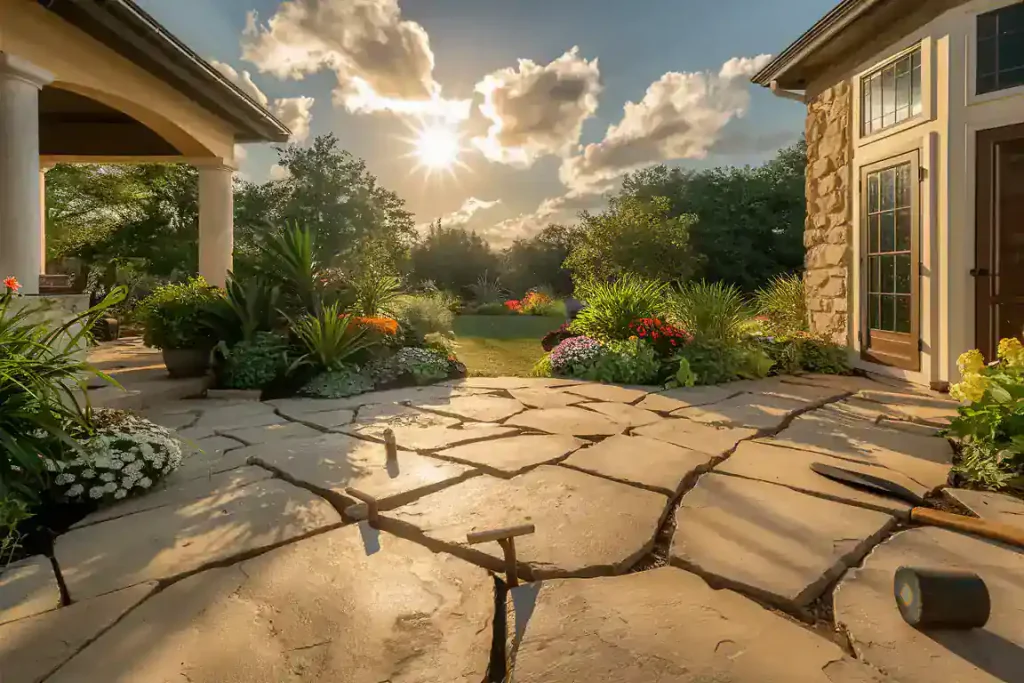
Fixing uneven patio slabs can quickly enhance the look and safety of your outdoor space. First, carefully lift the uneven slabs with a shovel or garden spade. A rubber mallet can help gently release any adhesive or friction holding the slab in place.
Check the base underneath for loose gravel or gaps. Fill any gaps with sand or gravel to create a stable foundation. If the base is uneven, adjust it until it’s level. Lay the slabs back into position and tap them gently into place with the mallet.
Once the slabs are level, fill the gaps between them with sand. Sweep the sand into the joints and use a hose to lightly mist the area. This will help the sand settle and hold the slabs in place.
For a longer-lasting fix, consider using a concrete adhesive to secure the slabs. Apply the adhesive according to the manufacturer’s instructions and allow it to dry completely before using the patio. Regularly inspect the slabs and reapply sand or adhesive as needed to keep them secure.
Sand is the most cost-effective option, while concrete and polyurethane adhesives are more expensive. For minor adjustments, sand might be sufficient. For more significant unevenness or loose slabs, a stronger adhesive like mortar or concrete adhesive is recommended.
Sand:
Pros: Easy to apply, inexpensive, allows for drainage, and is the most natural option.
Cons: Not as strong as other adhesives, can wash away over time, may require regular maintenance.
Mortar:
Pros: Strong and durable, provides a solid base for the slabs, can withstand heavy foot traffic.
Cons: More difficult to apply than sand, can be messy, not as flexible as other adhesives.
Concrete Adhesive (e.g., Sika Bond, Evo-Stik Rapid Set Patio & Paving Adhesive):
Pros: Very strong and durable, bonds quickly, ideal for fixing loose or uneven slabs, can be used in all weather conditions.
Cons: More expensive than sand or mortar, can be difficult to remove if you need to reposition the slabs.
Polyurethane-Based Construction Adhesive (e.g., Gorilla Construction Adhesive, Soudal Fix All):
Pros: Extremely strong and flexible, can withstand movement and vibration, bonds a variety of materials, waterproof.
Cons: More expensive than other options, requires a curing time, can be difficult to remove if you need to reposition the slabs.
2) Upgrade to Composite Decking
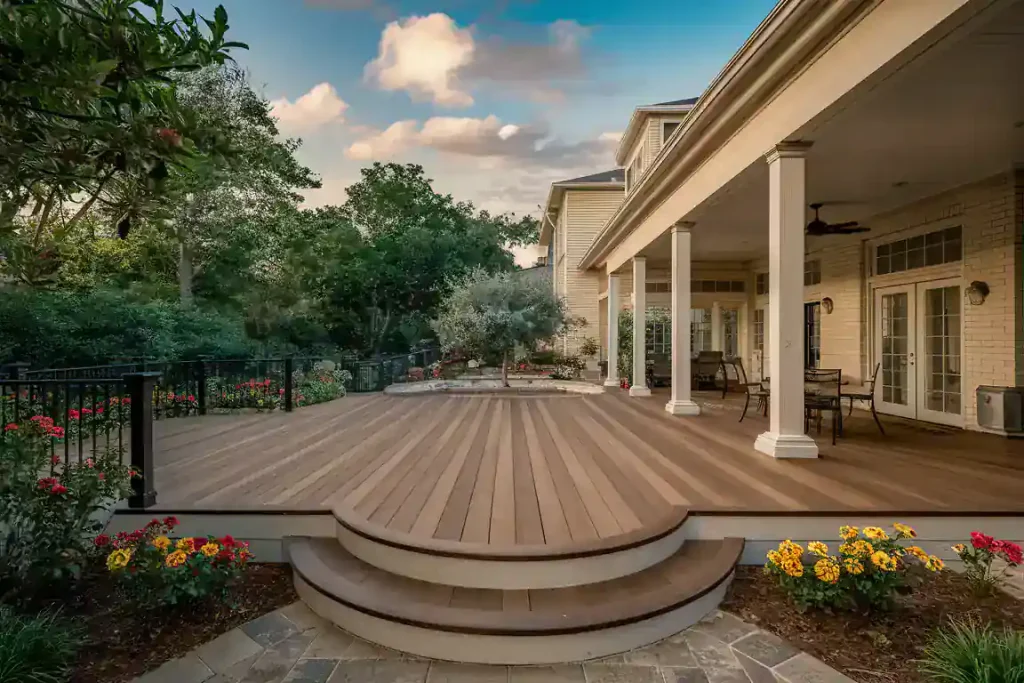
Upgrading to composite decking can transform any outdoor space. Composite decking is made from recycled materials, which makes it an eco-friendly choice.
It resists staining from common spills like ketchup or mustard. This feature makes it easy to clean and maintain.
Many brands, like Trex and Fiberon, offer a long warranty. Fiberon products, for example, can have warranties lasting up to 50 years.
The material also resists fading and scratching, keeping it looking new for longer. This means less time and money spent on upkeep.
Composite decking comes in various colors and styles. This allows homeowners to choose the design that best fits their outdoor space.
Improving ventilation under the deck can help keep the surface cooler. This makes it more comfortable to walk on during hot summer days.
Rooftop decks and patios are trending, offering stylish and functional outdoor living spaces. Composite decking is ideal for these elevated designs because of its durability and easy maintenance.
3) Build a Pergola
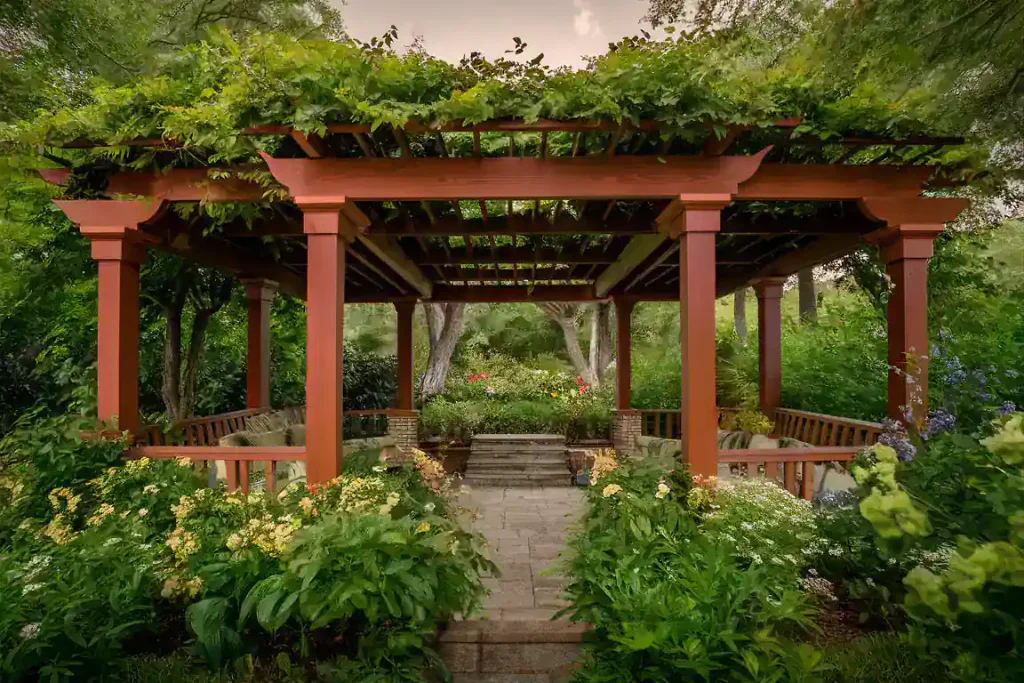
A pergola can transform any backyard into a cozy retreat. It provides shade and adds a decorative element to the garden. Pergolas are versatile, fitting well in various spaces, even over an existing deck or patio.
Building a pergola may seem daunting, but with a good set of plans, it’s achievable. Many resources provide detailed instructions, materials lists, and diagrams to make the process smoother.
Pergolas typically include posts, beams, rafters, and sometimes purlins. Posts are usually 6×6 or 8×8, offering sturdy support. Beams are paired or single pieces attached to the post. Rafters connect the beams and can be smaller than the beams.
Choosing the right materials is essential. Treated wood is a popular choice for its durability and resistance to elements. Some plans even suggest adding decorative touches like cables or plant hangers for extra functionality.
To build a pergola, basic carpentry skills and tools like saws, drills, and screws are necessary. Following clear step-by-step instructions helps ensure the structure is secure and looks great.
Incorporating a pergola into a garden provides a stylish, shaded area to relax. It enhances the outdoor living space, making it more enjoyable during the summer months.
4) Plant a Vertical Garden
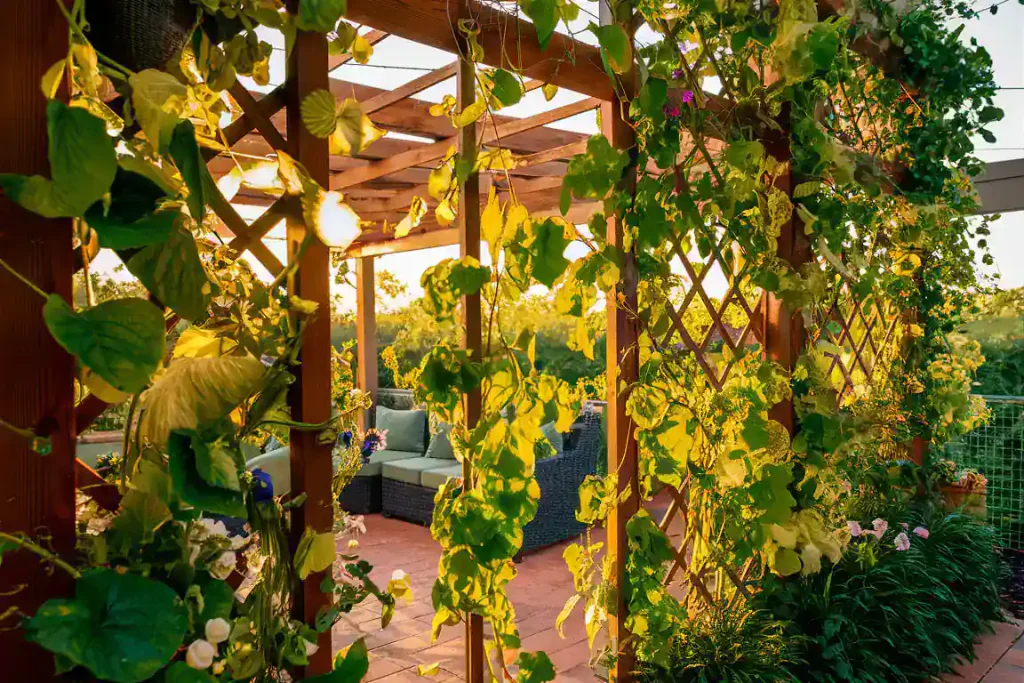
Planting a vertical garden is a smart way to maximize space on your patio. It involves growing plants upwards instead of outwards, which is great for small areas. Vertical gardens can be created on walls, fences, or even hanging from balconies.
There are many benefits to vertical gardening. It saves ground space, allowing for more plants in a small area. It also prevents diseases, as plants are less likely to come into contact with soil.
To start, you can use materials like trellises, wooden pallets, or wire mesh. Vining plants, such as tomatoes, beans, and winter squash, do well in vertical gardens. They naturally climb and can be trained to grow on supports.
For indoor spaces, consider using a tiered planter or wall garden. These systems allow for growing herbs and small vegetables in pots stacked vertically. This method is easy to maintain and accessible.
Another idea is to use a hanging garden. Using pots or containers that hang from hooks can add greenery without taking up floor space. It can also create a beautiful and functional garden display.
Vertical gardens are ideal for those looking to garden with limited space. They provide a unique way to grow a variety of plants while enhancing the beauty of your patio.
5) Add a Twist on Picket Fences
Vinyl is growing in popularity as a practical replacement for traditional timber picket fences. This modern alternative offers numerous advantages that make it an attractive option for homeowners looking to enhance their outdoor spaces with vinyl fences.
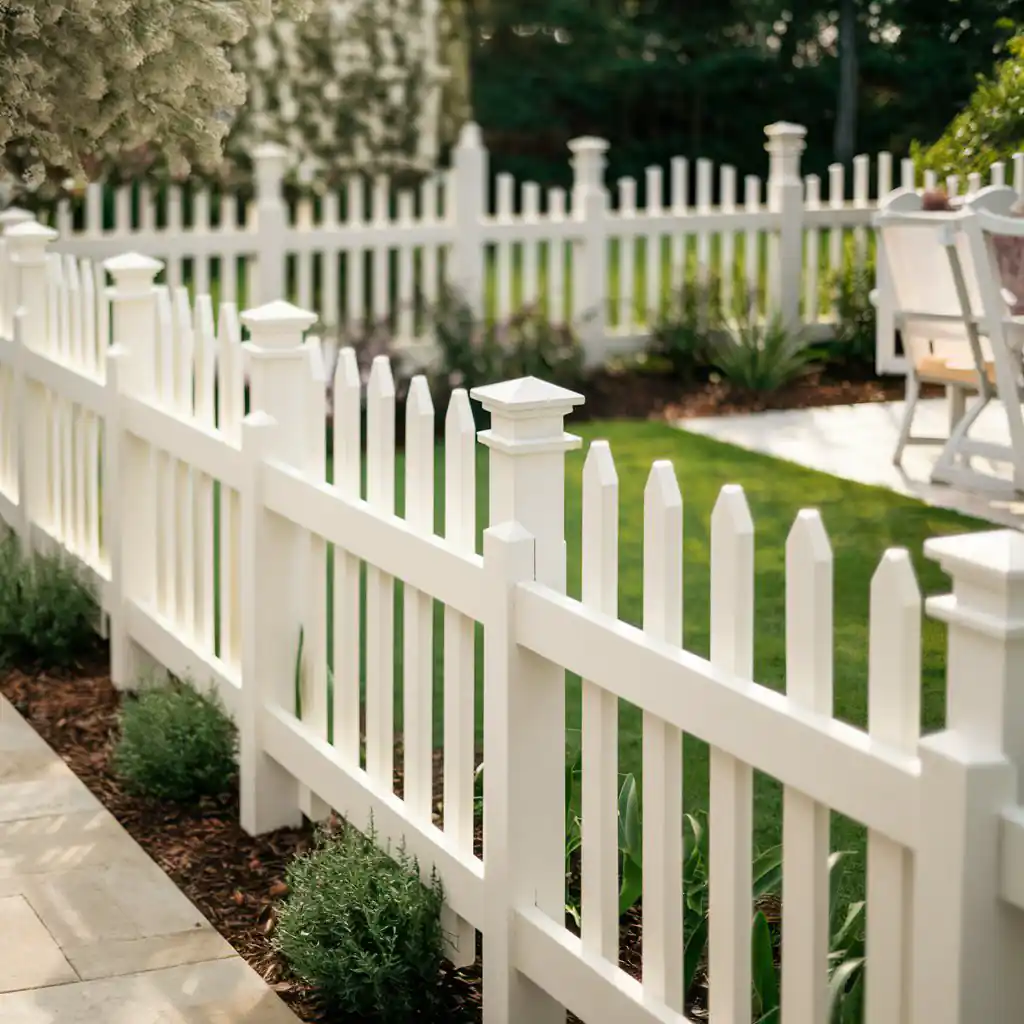
While exploring patio and garden renovations, consider vinyl as a low-maintenance alternative to traditional timber picket fences.
Vinyl offers durability and weather resistance, requiring minimal upkeep compared to wood. It comes in various styles and colors, allowing you to achieve the classic picket fence look with modern benefits.
Though initially pricier, vinyl’s longevity and reduced maintenance costs make it a cost-effective choice in the long run. This option can complement your other summer renovations while providing a fresh, clean look to your outdoor space.
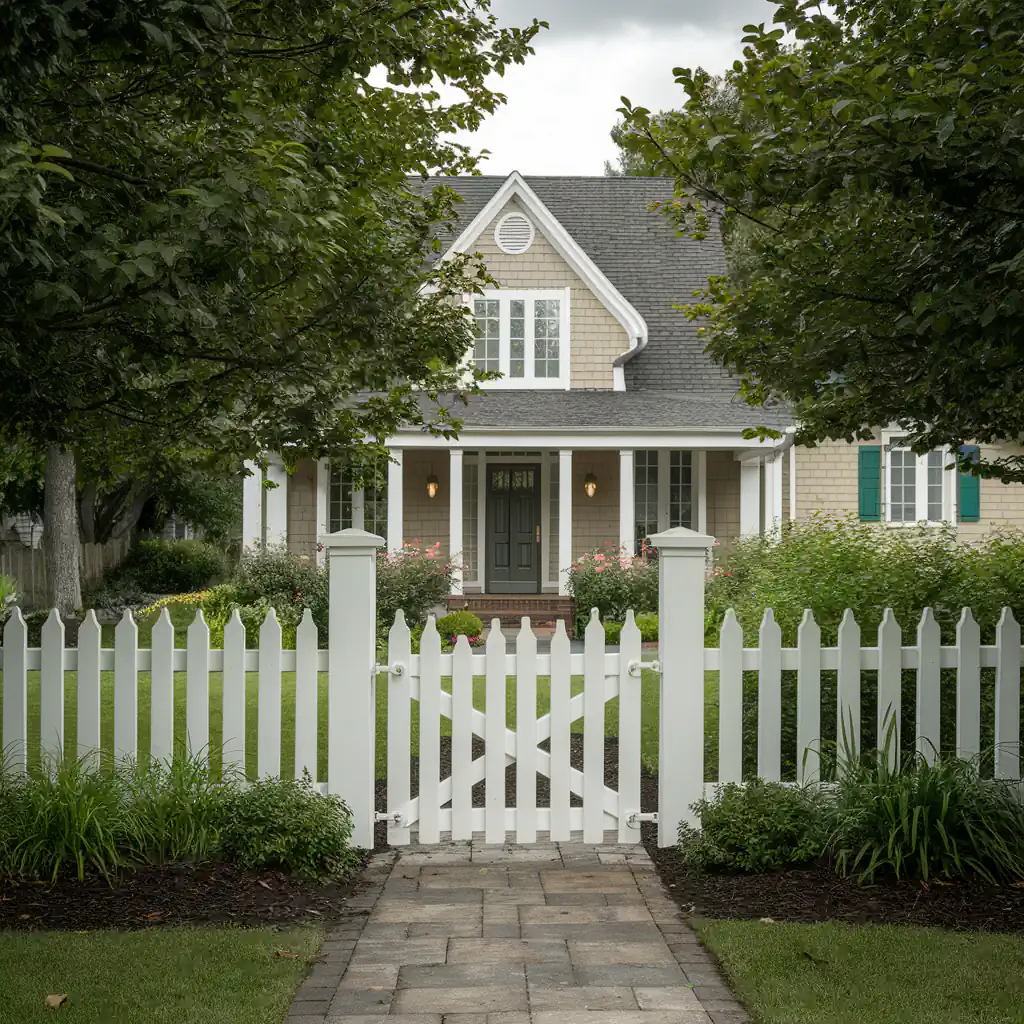
Vinyl fences are 100% recyclable, contributing to a more sustainable approach in landscaping. They don’t require the use of harmful chemicals for maintenance, making them an environmentally friendly choice.
For families with children and pets, vinyl fencing offers improved safety. It doesn’t splinter or have sharp edges, reducing the risk of injuries commonly associated with wooden fences.
By choosing vinyl fencing, homeowners can enjoy the charm of a picket fence with the added benefits of durability, low maintenance, and modern design flexibility.
6) Add a Water Feature
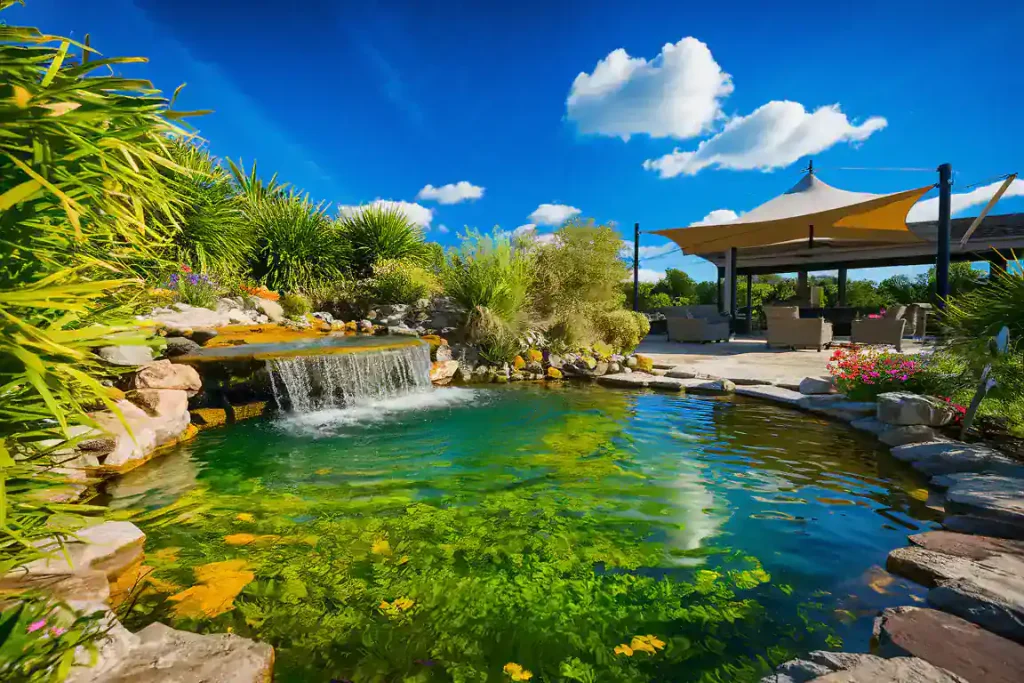
A water feature can transform any patio or garden into a peaceful retreat. Simple options like fountains or small ponds can fit almost any space.
For larger yards, consider waterfalls or streams. These features add movement and the soothing sound of flowing water.
Different styles can match any garden design. A sleek modern pool suits contemporary looks, while a Japanese stone bowl adds an elegant, traditional touch.
Adding plants like acers, ferns, or hostas around the water feature enhances the natural feel. Choose plants that thrive in moist environments to complement the water.
Safety is important. Pond-less water features, where water collects in a hidden basin, can be a safer option for families with young children.
A well-designed water feature can become the focal point of your garden. Positioned centrally, it draws attention and offers a relaxing view from any angle. Regular cleaning and checking the water quality are essential tasks to ensure the longevity and beauty of the water feature.
For instance, aeration keeps the water oxygenated and prevents stagnation. Airmax makes quality pond aerators that are durable and easy to install.
7) Create an Outdoor Kitchen
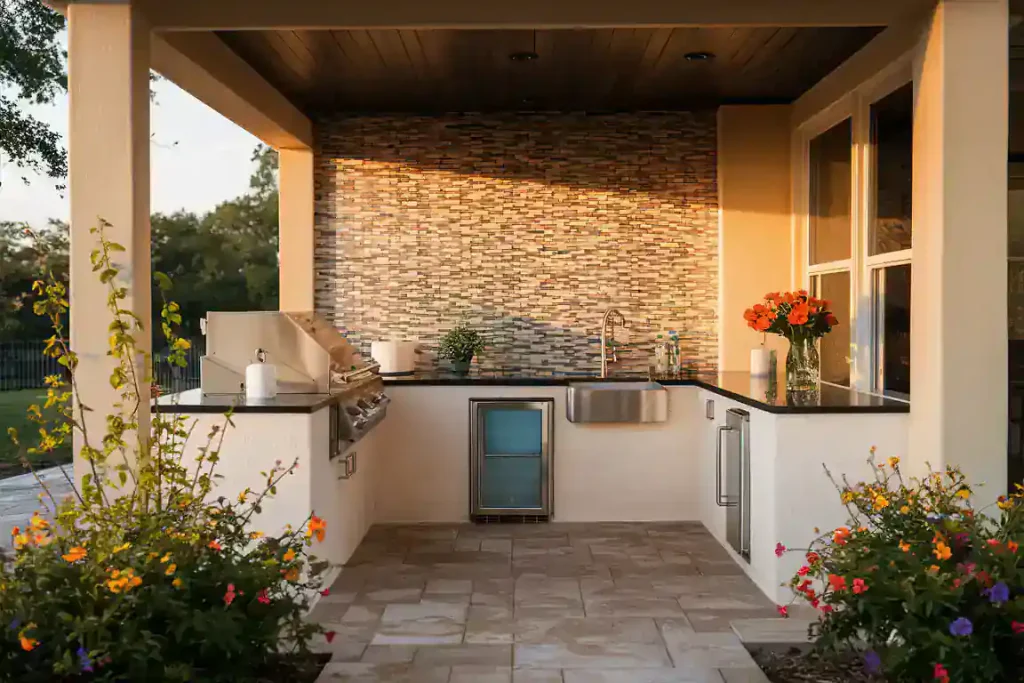
An outdoor kitchen can turn a simple patio into a chef’s paradise and a great spot for social gatherings. It’s a practical addition that enhances outdoor living spaces.
Start with the basics. A grill is essential, but consider adding a sink, counter space, and a mini-fridge. These elements make outdoor cooking more convenient.
Mosaic tiles as a splashback add charm and are easy to clean. They are stain-resistant, which is perfect for outdoor use. You can choose colors that match your style or create patterns for a unique look.
Building an outdoor kitchen doesn’t have to be complex. Simple materials like 2x4s, 4x4s, and corrugated metal sheets can form the structure. A concrete pad ensures stability.
Add a bar serving counter with a depth of at least 12 inches. This space is ideal for serving food and drinks. It can also work as a casual dining area if you include bar stools.
A wooden pergola can provide shade and make the area more comfortable. Growing climbing roses or ivy on the pergola can add natural beauty and extra cover from the sun.
These additions make an outdoor kitchen functional and visually appealing, enhancing any patio or garden.
8) Set Up a Fire Pit
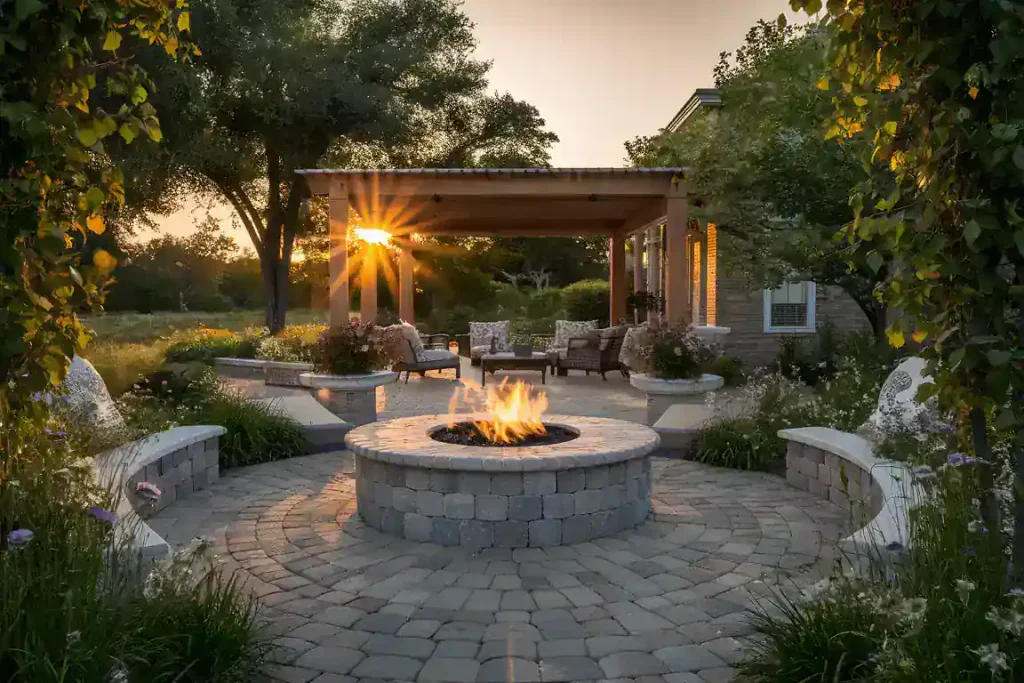
A fire pit can transform a garden or patio into a cozy gathering spot. It provides warmth and light, making outdoor spaces usable well into the evening.
There are many types of fire pits to choose from. Paver stone fire pits are popular for their ease of construction and durability. These are made from concrete and are often the most cost-effective.
For those with limited space, a fire pit in a corner can be a smart solution. It creates a focal point without occupying too much of the area.
Safety should always be a priority. It’s important to check local regulations and ensure the fire pit is at least 10 feet away from any structures or flammable materials.
Consider adding seating around the fire pit. Chairs such as Adirondack are comfortable and can add a pop of color to the setup.
Lastly, don’t forget to include storage for firewood. It keeps things tidy and ensures wood is always on hand for a fire.
Design Considerations
When planning a summer patio or garden renovation, it is crucial to decide whether to hire a professional or go the DIY route and to choose materials that will last and suit your style. Both factors play a significant role in the project’s success.
Selecting a Company or DIY
Choosing between hiring a professional or doing it yourself depends on several factors. If you’re new to home improvement, a professional can save you time and ensure the job is done correctly. Pros have the advantage of experience, access to high-quality materials, and can bring design expertise to the table.
DIY Projects can be rewarding but they require a commitment of time and effort. For those who enjoy hands-on tasks, DIY can be fulfilling and cost-effective. Keep in mind that DIY projects might lack the polish that professional services provide.
A good approach is to weigh the complexity of the project. Simple tasks like painting or basic landscaping might be ideal for DIY. More complex jobs like building structures or intricate designs often benefit from a professional touch.
Choosing the Right Materials
Selecting the right materials is essential for durability and aesthetics. Common materials for patios include stone, concrete, and wood. Each material has its own benefits and drawbacks.
Stone provides a natural look and is very durable, but can be expensive and difficult to install. Concrete is versatile and can be molded into various shapes and patterns, but may crack over time if not properly maintained. Wood offers a warm and classic look but requires regular maintenance to prevent rot and insect damage.
Consider the local climate when choosing materials. Areas with extreme weather conditions may require materials that can withstand heat, cold, or moisture. Additionally, think about the maintenance level you are willing to commit to.
Budget is another key factor. High-quality materials might be more expensive initially but can save money on repairs and replacements in the long run.
Upgrading and expanding outdoor areas will certainly boost your family’s happiness and potentially increase the property’s value in the long run.